


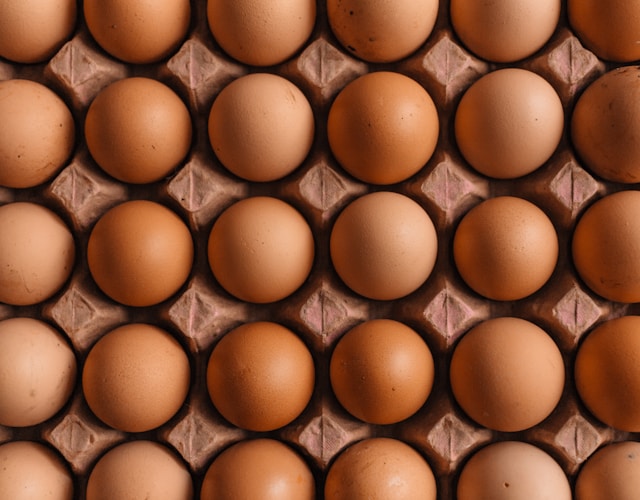
Egg Storage & Food Safety Guide
Yes, eggs can expire. But the printed date on the carton is not always the exact day an egg becomes unsafe. Egg safety depends on refrigeration, shell condition, handling history, smell, appearance, and how the egg behaves after cracking.
Raw eggs in the shell usually keep for several weeks in the refrigerator when stored properly. Hard-boiled eggs last about one week. Cracked, separated, or cooked egg dishes have much shorter storage windows.
Date matters. Storage matters more. Smell and appearance matter most.
Keep eggs cold, clean, uncracked, and in the carton.
Quick Answer
Eggs do expire, but the date on the carton is only one clue. Raw shell eggs usually last several weeks in the refrigerator when stored at 40°F / 4°C or below. Hard-boiled eggs should be used within about 1 week. Cooked egg dishes should usually be eaten within 3–4 days.
Do not eat eggs that smell rotten, have cracked or leaking shells, show mold, have unusual pink, green, or iridescent egg whites, or look suspicious after cracking. The float test can help estimate age, but it is not a perfect safety test.
For related context, read how long cooked chicken lasts in the fridge, brown rice and leftover storage, and how to reduce food waste at home.
Food Safety Note
This article is general food-safety education, not medical advice. Eggs can be associated with Salmonella risk, even when the shell looks clean and uncracked.
Young children, older adults, pregnant people, and people with weakened immune systems should be especially careful with raw, undercooked, expired, cracked, or questionable eggs.
Key Takeaways
- Eggs can expire. But the printed date is not the only safety signal.
- Refrigeration matters. Store eggs at 40°F / 4°C or below.
- Use the original carton. It protects eggs and helps reduce odor absorption and temperature swings.
- Avoid the fridge door. The door has more temperature fluctuation than the main refrigerator shelves.
- Hard-boiled eggs are shorter-lived. Use them within about one week.
- Do not taste-test eggs. Smell and inspect after cracking instead.
- The float test is limited. Floating suggests the egg is older, not a complete safety diagnosis.
- Eggshells are easier to compost than whole eggs. Whole raw or spoiled eggs can smell and attract pests in backyard piles.
- GEME Terra II: can support real microbial composting for appropriate food scraps according to product guidance, with compost output for soil blending.
Table of Contents
Do Eggs Expire?
Yes, eggs can expire. Over time, egg quality declines, moisture and carbon dioxide escape through the shell, the air cell grows larger, the white becomes thinner, and the yolk becomes more fragile.
Egg dates can be confusing because different labels mean different things:
- Sell-by date: mainly helps stores manage inventory.
- Best-by or use-by date: usually points to quality, not always an exact safety cutoff.
- Pack date: tells when the eggs were packed and can help estimate freshness.
- Expiration date: should be treated more cautiously, especially if storage history is uncertain.
Properly refrigerated eggs may remain usable after a printed date, but questionable eggs should not be eaten. Safety depends on storage temperature, shell condition, smell, appearance, and handling history.
Egg Shelf Life Table
| Egg Type | Typical Fridge Life | Storage Notes |
|---|---|---|
| Raw eggs in the shell | Several weeks when refrigerated properly | Store in the original carton in the main body of the fridge. |
| Hard-boiled eggs | About 1 week | Refrigerate promptly after cooking. |
| Beaten whole eggs | About 2 days | Keep covered in a clean container. |
| Egg whites | About 4 days | Store sealed and refrigerated. |
| Egg yolks | About 2 days | Cover tightly and use quickly. |
| Cooked egg dishes | Usually 3–4 days | Cool in shallow containers and refrigerate promptly. |
Storage times assume eggs were handled safely, kept cold, and show no signs of spoilage.
How Long Do Eggs Last in the Fridge?
Raw shell eggs can last several weeks in the refrigerator when stored properly. For best quality, keep them cold, dry, uncracked, and in the original carton.
Hard-boiled eggs have a shorter window and should be used within about one week. Once eggs are cracked, beaten, or separated, they should be used much sooner.
Why the Original Carton Matters
- It helps protect eggs from cracks.
- It reduces odor absorption from other foods.
- It keeps date information visible.
- It reduces handling and temperature changes.
- It is better than loose storage in the refrigerator door.
The refrigerator door is usually not the best place for eggs because the temperature fluctuates more when the door opens and closes.
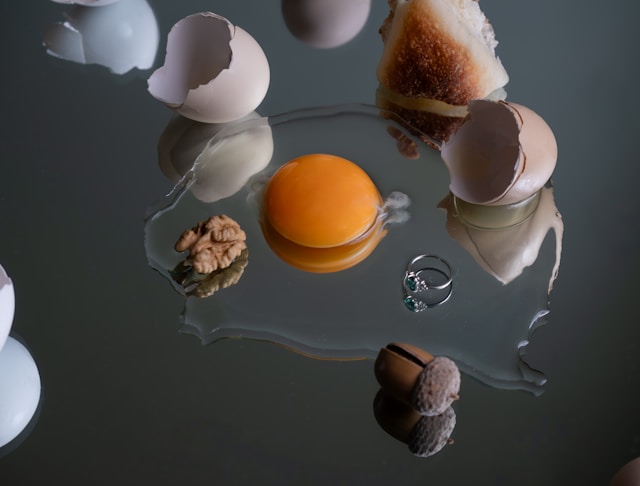
Do not eat it. Handle scraps responsibly.
Reduce Egg Waste Without Risking Food Safety
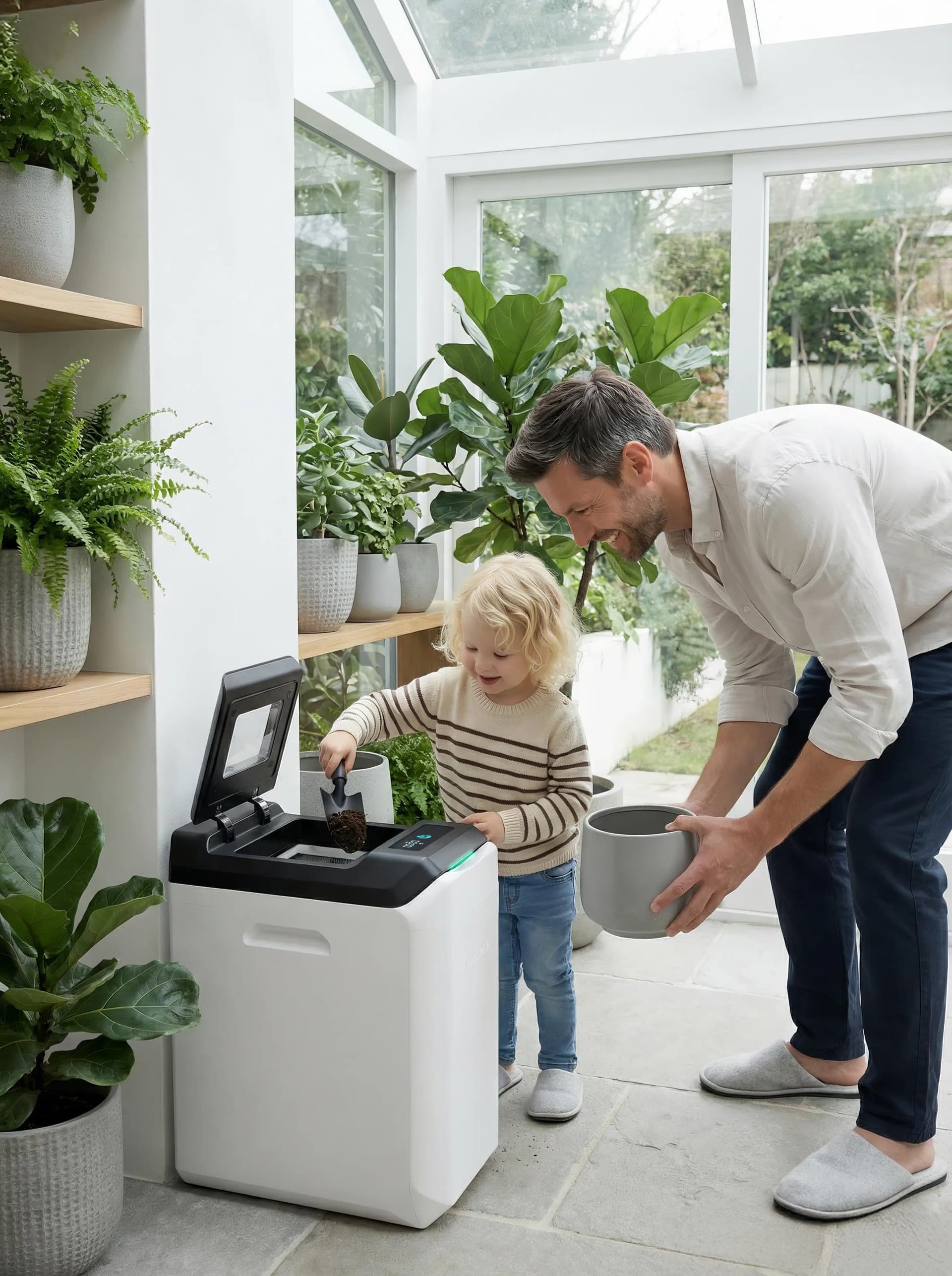
Better storage helps prevent egg waste. When appropriate scraps still need handling, GEME Terra II supports real microbial composting indoors according to product guidance, with no drying, no replacement odor filters, and compost output for soil blending.
Real microbial composting. No filter replacements. Compost for soil blending.
How to Tell If Eggs Are Bad
The safest way to check eggs is to use several signs together: date, storage history, shell condition, smell, appearance, and freshness tests. Never taste an egg to check whether it is safe.
Signs an Egg Has Gone Bad
- Rotten smell: a sulfur-like or foul odor is the clearest warning sign.
- Cracked or leaking shell: bacteria can enter through shell damage.
- Mold or powdery residue: discard the egg.
- Unusual egg white: pink, green, or iridescent egg white should not be eaten.
- Unusual yolk or white texture: discard if it looks wrong after cracking.
- Sloshing sound: may suggest the egg structure has broken down.
- Unknown storage history: discard if eggs were left out too long or stored warm.
Crack questionable eggs into a separate bowl before adding them to a recipe. That way, one bad egg does not ruin the entire dish.
Is the Egg Float Test Accurate?
The egg float test can help estimate age, but it is not a complete food-safety test. As eggs age, air enters through the shell and the air cell becomes larger. Older eggs may stand upright or float.
| Float Test Result | What It Usually Means | What to Do |
|---|---|---|
| Sinks and lies flat | Likely fresher | Still check the smell and appearance after cracking. |
| Sinks but stands upright | Older but not automatically spoiled | Use it soon if it smells and looks normal. |
| Floats | Older; air cell is larger | Treat with caution. Discard if risk tolerance is low or if the smell/appearance is off. |
A floating egg is not automatically proof of spoilage, but it is a warning sign that the egg is old. Smell and appearance after cracking remain essential.
Can You Eat Expired Eggs?
Sometimes. Eggs that are past a printed sell-by or best-by date may still be usable if they have been refrigerated properly, the shells are clean and uncracked, and the eggs smell and look normal after cracking.
But do not eat eggs if they smell bad, look unusual, have cracked shells, show mold, were stored warm, or have an unknown handling history. People at higher risk from foodborne illness should be more cautious.
Safer Decision Rule
- Past a best-by date but refrigerated, clean, uncracked, and normal after cracking: may be usable.
- Past an expiration date with uncertain storage history: discard.
- Cracked, leaking, moldy, or smelly: discard.
- Left out for more than 2 hours after refrigeration: discard.
- Needed for raw or lightly cooked recipes: use pasteurized eggs or egg products.
Can You Compost Bad Eggs?
Eggshells are relatively easy to compost. Whole raw eggs, spoiled eggs, cooked eggs, and egg-based foods are more difficult because they can smell, attract pests, and create messy wet pockets in outdoor piles.
In a simple backyard compost pile, crushed eggshells are usually the safest egg-related input. Whole bad eggs or egg-based foods should be handled carefully, and many households may prefer disposal or an enclosed food-waste system if product guidance allows those inputs.
What Egg Scraps Are Easier to Compost?
- Eggshells: easiest; crush them to help them break down faster.
- Plain cooked egg scraps: only in small amounts and preferably in an enclosed or well-managed system.
- Raw or rotten whole eggs: higher odor and pest risk; avoid in simple open piles.
- Egg-based dishes: avoid if they contain oil, dairy, meat, sauce, or heavy seasoning in simple backyard piles.
Responsible Egg-Waste Handling Rules
- Do not eat bad eggs.
- Follow local disposal rules for spoiled animal-based food.
- Crush eggshells before composting.
- Do not add large amounts of raw egg liquid to backyard piles.
- Bury small allowed amounts deep in a well-managed pile and cover with dry browns.
- Use an enclosed food-waste system only according to product guidance.
- Wash hands, bowls, tools, and surfaces after handling bad eggs.
- Use finished compost as a soil amendment and avoid direct contact with edible plant parts.
GEME Terra II is designed for real microbial composting with a warm, moist, oxygen-rich chamber and no replacement odor filters. Use it according to current product guidance, then screen larger pieces and mix the compost base with soil before plant use.
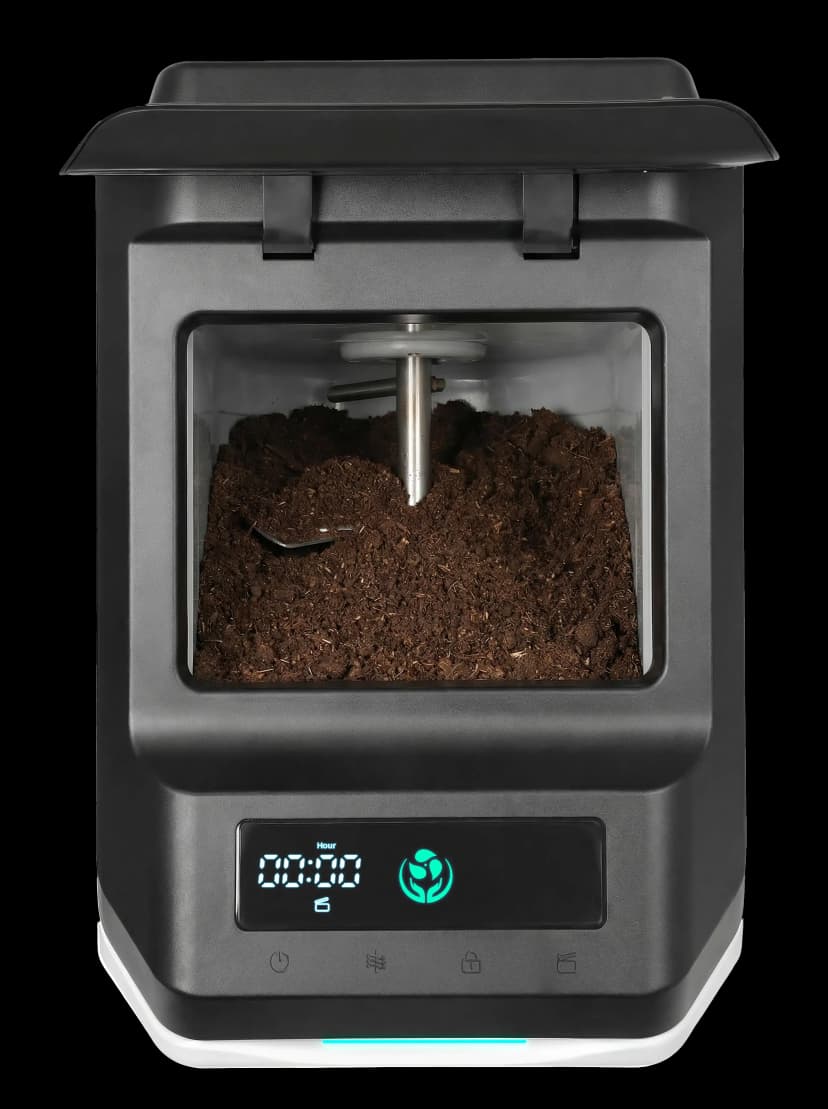
Screen, mix, and use responsibly.
Handle Appropriate Egg Scraps in an Enclosed System
GEME Terra II supports real microbial composting for appropriate food scraps according to product guidance. Use the compost output responsibly: screen large pieces, return unfinished material, and mix with soil before plant use.
Terra II for everyday homes. GEME Pro for larger routines.
How to Store Eggs Safely
Proper egg storage helps maintain quality and reduce food-safety risk. The main goal is to keep eggs cold, clean, protected, and separated from unnecessary handling.
Egg Storage Do’s
- Store eggs in the original carton.
- Keep eggs in the main body of the refrigerator, not the door.
- Keep the refrigerator at 40°F / 4°C or below.
- Refrigerate eggs promptly after purchase.
- Use clean containers for cracked, beaten, or separated eggs.
- Label containers with the date.
- Wash hands, utensils, bowls, and counters after handling raw eggs.
- Cook eggs until both yolk and white are firm, unless using pasteurized eggs for recipes that require raw or undercooked eggs.
Egg Storage Don’ts
- Do not leave refrigerated eggs at room temperature for long periods.
- Do not store eggs loose in the refrigerator door.
- Do not wash store-bought eggs before storing them.
- Do not use cracked, leaking, moldy, or dirty eggs.
- Do not mix old and new eggs without tracking dates.
- Do not taste raw egg to check freshness.
From Expired Eggs to Responsible Waste Handling
The best food-waste strategy is prevention: buy the number of eggs you can use, store them properly, track dates, and cook them safely.
A safer household routine looks like this:
Buy refrigerated eggs → keep them cold in the carton → use older eggs first → check smell and appearance → cook safely → dispose of or compost appropriate scraps according to guidance
Composting is not a way to make unsafe eggs safe to eat. It is simply one possible waste-management path for appropriate scraps when a system is designed to handle them.
Final Takeaway: Eggs Expire, But Dates Are Only One Clue
Eggs do expire, but printed dates should be read together with storage history, shell condition, smell, and appearance. Properly refrigerated shell eggs can last for several weeks, while hard-boiled eggs, cracked eggs, separated eggs, and cooked egg dishes have shorter windows.
If an egg smells rotten, looks unusual, has a cracked or leaking shell, shows mold, or has an unknown storage history, do not eat it.
For waste handling, eggshells are easier to compost than whole bad eggs. Use backyard compost cautiously, follow local rules, or use an enclosed system only when product guidance allows those inputs.
Real microbial composting for modern kitchens.
Build a Cleaner Food-Waste Routine With GEME
GEME Terra II and GEME Pro help households turn appropriate food scraps into compost for soil blending, with real microbial composting, no filter replacements, and zero recurring filter costs.
Terra II for everyday homes. GEME Pro for larger routines.
FAQ
Do eggs expire?
Yes. Eggs can expire and can become unsafe over time, especially if stored warm, cracked, contaminated, or handled poorly. The printed date is only one clue.
How long do eggs last in the fridge?
Raw eggs in the shell can last several weeks in the fridge when stored properly at 40°F / 4°C or below. Hard-boiled eggs should be used within about one week.
How long do eggs last past the expiration date?
Some eggs may remain usable after a printed date if they have been refrigerated properly and look and smell normal after cracking. Discard eggs with cracked shells, mold, rotten smell, unusual color, or uncertain storage history.
Can you eat eggs that float in water?
A floating egg is older and should be treated with caution. The float test is not a perfect safety test, so always check smell and appearance after cracking. Discard if anything seems wrong.
What happens if you eat a bad egg?
Eating a bad or contaminated egg can cause foodborne illness, including nausea, vomiting, diarrhea, stomach cramps, fever, and dehydration risk.
How long do hard-boiled eggs last?
Hard-boiled eggs usually last about one week in the refrigerator, whether peeled or unpeeled, when handled and stored safely.
Can you compost raw eggs?
Raw eggs can smell and attract pests in backyard compost, so they should be avoided in simple open piles. Use local disposal rules or an enclosed food-waste system only if product guidance allows it.
Are eggshells compostable?
Yes. Eggshells are compostable and are much easier to manage than whole bad eggs. Crush shells before adding them to compost so they break down more easily.
Is the egg float test reliable?
The float test is useful for estimating age, but it is not a complete food-safety test. Combine it with storage history, smell, shell condition, and visual checks.
Summary
- Eggs expire: dates matter, but storage history and inspection matter too.
- Raw shell eggs: usually last several weeks in the refrigerator when stored properly.
- Hard-boiled eggs: use within about one week.
- Cracked, separated, or beaten eggs: use quickly and keep refrigerated.
- Bad egg signs: rotten smell, cracked or leaking shell, mold, unusual color, or strange texture.
- Float test: useful for age, not perfect for safety.
- Storage: keep eggs in the original carton in the main body of the fridge, not in the door.
- Composting: eggshells are easier to compost than whole bad eggs; whole eggs can smell and attract pests.
- GEME Terra II: supports real microbial composting for appropriate food scraps, with no filter replacements and compost output for soil blending.
Sources
- USDA — How Long Can You Store Eggs in the Refrigerator?
- USDA — Is It Safe to Store Eggs in the Door of a Refrigerator?
- USDA FSIS — Shell Eggs From Farm to Table
- FDA — What You Need to Know About Egg Safety
- U.S. EPA — Composting at Home
- U.S. EPA — Composting
- GEME — Terra II Product Page
- GEME — How Real Microbial Composting Works
- GEME — Advanced Compost Application Guide


Leave a comment
This site is protected by hCaptcha and the hCaptcha Privacy Policy and Terms of Service apply.