


Electric Composters, Microbes & Food Waste Dehydrators
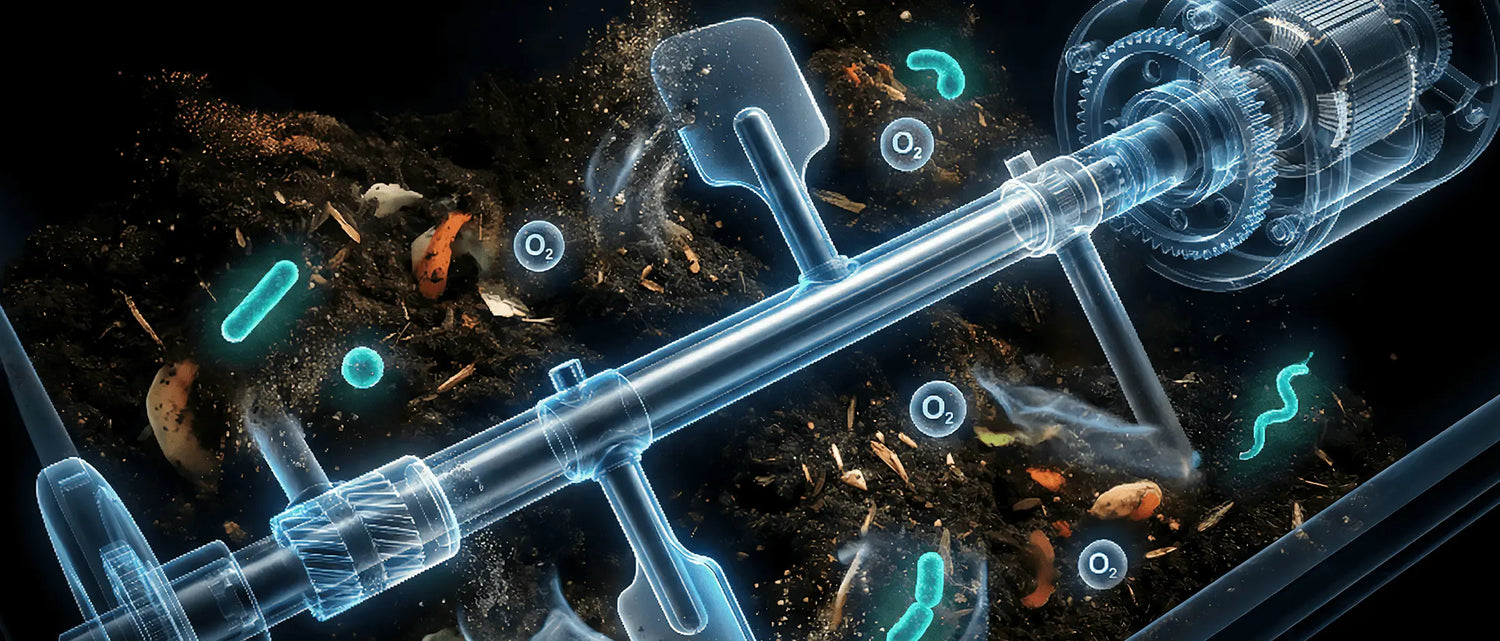
A real electric composter does not simply heat, dry, and grind food scraps. True composting is a managed aerobic biological process powered by microorganisms.
Electricity should support the biology: oxygen, moisture, temperature, mixing, and odor control. The goal is not dried waste flakes. The goal is compost output that can be responsibly blended into soil.
Simple rule: if the machine only dries and grinds, it is reducing food waste volume. If it keeps microbes working, it is closer to real composting.
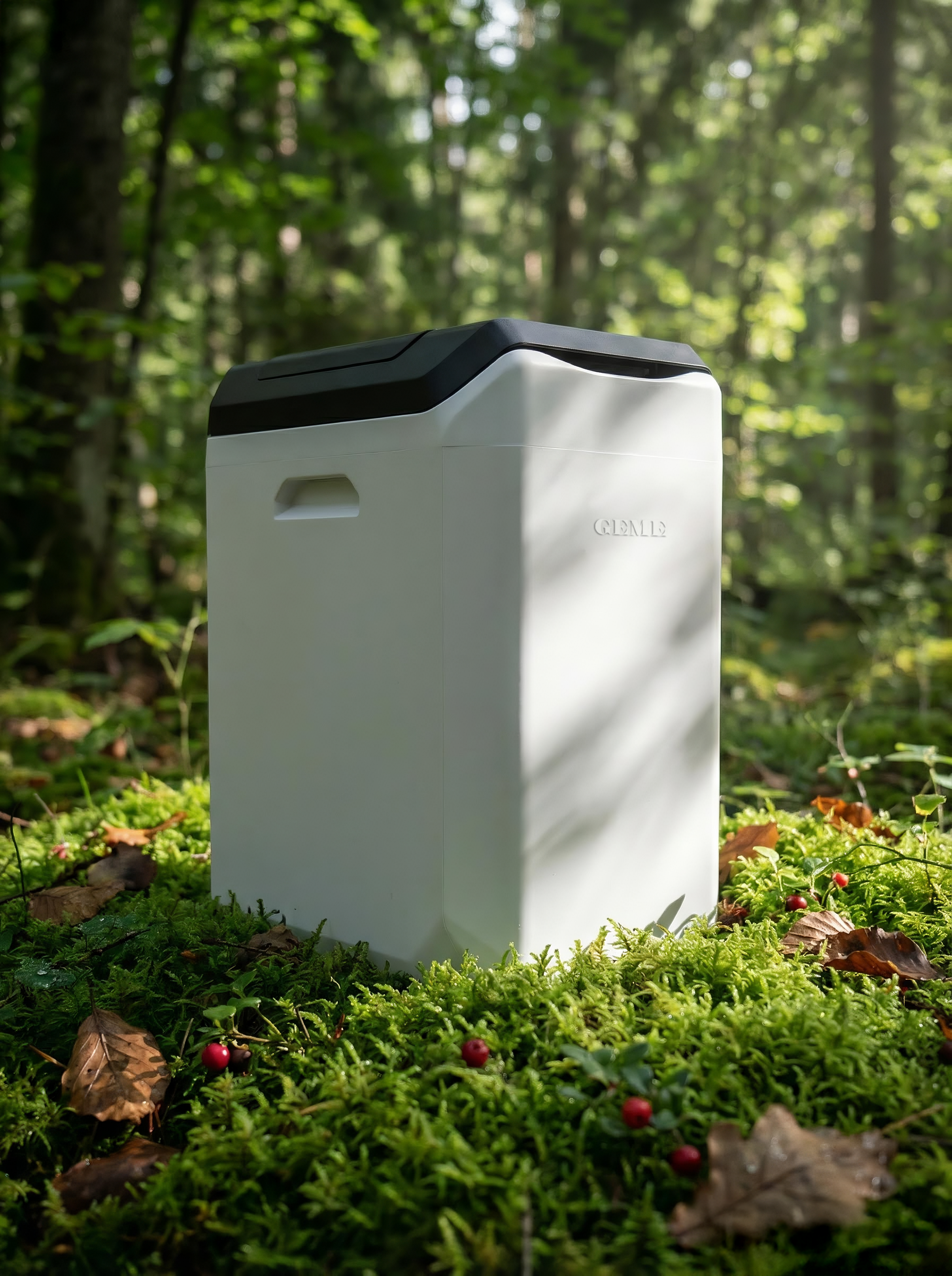
Look for living biology, oxygen, moisture, mixing, and soil-use guidance.
Quick Answer
A real electric composter works by creating controlled conditions for aerobic microorganisms to break down organic food scraps. It uses electricity to manage air, temperature, moisture, mixing, and odor control so the biological process can continue indoors.
A food waste dehydrator is different. It mainly uses heat, airflow, and grinding to reduce moisture and volume. That output may be useful as pre-processed food waste, but drying and grinding alone are not the same as finished compost.
GEME Terra II is designed around the biological pathway: Kobold™ living microbes, a warm and moist oxygen-rich chamber, adaptive airflow, heat, moisture, and mixing control, plus compost output that should be screened and mixed with soil.
Related reading: what is an electric composter, why GEME chose aerobic microbial composting over grinding, and advanced GEME compost application guide.
Key Takeaways
- Composting is biological. Real composting depends on microorganisms, oxygen, moisture, and time.
- Drying is physical. Heating and grinding can reduce food waste volume, but they do not automatically create stable compost.
- A real electric composter supports microbes. Electricity should manage conditions, not simply “cook” scraps.
- Oxygen matters. Aerobic composting needs airflow so microorganisms can breathe and odors stay easier to control.
- Moisture matters. Too dry slows biology; too wet can create low-oxygen odor problems.
- Mixing matters. Turning or stirring exposes more surface area and helps distribute air and microbes.
- Output matters. True compost output should be used as a soil amendment or compost base, not confused with dry waste flakes.
- GEME Terra II: uses living microbes and adaptive control to create a moist compost base for soil blending, with no replacement odor filters.
Table of Contents
- What Is a Real Electric Composter?
- Why Many “Electric Composters” Are Actually Dehydrators
- The 6 Systems a Real Electric Composter Needs
- How Microbes Do the Real Work
- How the GEME Terra II Cycle Works
- Real Electric Composter vs Food Waste Dehydrator
- How to Tell Whether a Machine Is Really Composting
- How to Use Real Electric Composter Output
- FAQ
- Summary
- Sources
- Related Articles
What Is a Real Electric Composter?
A real electric composter is a powered appliance that supports biological composting. It does not rely only on heat and grinding. Instead, it creates a controlled environment where microorganisms can break down appropriate organic food scraps under aerobic conditions.
In practical terms, a real electric composter should behave more like a managed compost pile inside an appliance: it needs air, moisture, microbial life, a suitable temperature, mixing, and enough time for biological transformation.
The key distinction: composting is biological decomposition. Dehydration is moisture removal. Grinding is particle-size reduction. These are not the same process.
Drying and grinding can be useful pre-processing steps, but they should not be confused with finished compost unless a real microbial process and proper soil-use pathway are also involved.
Why Many “Electric Composters” Are Actually Dehydrators
The kitchen appliance market uses the word “composter” loosely. Some countertop products mainly heat, dry, and grind food scraps. This can reduce weight, volume, smell, and mess, which is useful, but it does not automatically create finished compost.
A dehydrator-style device usually follows a cycle like this:
- Heat: warms food scraps to drive off moisture.
- Airflow: vents or filters vapor and odor.
- Grinding: breaks scraps into smaller pieces.
- Cooling: makes the output easier to remove.
- Output: creates dry grounds, flakes, or pre-processed food waste.
That process can be helpful for waste reduction, especially in apartments or cities with limited organics collection. But scientifically, heating and grinding are physical processes. Composting requires living biological activity.
Better Wording
Instead of saying every electric “composter” is fake, it is more accurate to ask what the machine actually does: does it dry and grind, or does it maintain an active aerobic microbial process?
The 6 Systems a Real Electric Composter Needs
A real electric composter needs more than a heater. It must help microbes work. That means the appliance needs to manage the same biological variables that matter in a successful compost pile.
| System | What It Does | Why It Matters |
|---|---|---|
| Microbial starter bed | Maintains living organisms that digest food scraps. | Without microbes, the system is not truly composting. |
| Oxygen exchange | Provides airflow and supports aerobic decomposition. | Low oxygen can cause anaerobic odor and slower breakdown. |
| Moisture control | Keeps the material moist enough for microbes, but not waterlogged. | Microbes need water, but excess water reduces airflow. |
| Temperature support | Keeps conditions favorable for microbial activity. | Too cold slows biology; too hot can damage useful microbes. |
| Mixing or stirring | Distributes scraps, air, moisture, and microbes. | Mixing increases contact and reduces compact wet pockets. |
| Odor management | Controls exhaust and odor molecules during normal use. | Indoor composting needs odor control to be practical in a kitchen. |
How Microbes Do the Real Work
Microorganisms are the engine of real composting. Bacteria, fungi, and other compost organisms feed on organic material and transform it over time. They use carbon and nitrogen to grow, moisture to access nutrients, and oxygen to breathe.
In a real electric composter, electricity is not the “composter.” Electricity is the support system. The biological work still comes from microbes.
Why Food Scraps Need Biology, Not Just Heat
- Heat can dry food, but drying is not the same as decomposition.
- Grinding can increase surface area, but smaller particles are not automatically compost.
- Moisture is needed for microbial metabolism, but excess moisture can reduce oxygen.
- Oxygen supports aerobic composting and helps avoid anaerobic rot odors.
- Time and repeated microbial activity are needed before the output should be treated as a soil amendment.
How the GEME Terra II Cycle Works
GEME Terra II is designed as a continuous aerobic microbial composting system. It uses Kobold™ living microbes and GEMEBrain™ adaptive control to help manage the chamber environment.
Step 1: Start With a Living Microbial Base
A real biological system needs a living starter environment. In GEME, Kobold™ microbes form the base that helps begin and maintain the composting process.
Step 2: Add Appropriate Kitchen Scraps Continuously
Terra II is designed for continuous feeding. Instead of waiting for a closed drying cycle to finish, users can add appropriate food scraps as part of a living, ongoing process.
Step 3: The Chamber Manages Air, Moisture, Heat, and Mixing
The system aims to create a warm, moist, oxygen-rich chamber. Airflow supports aerobic biology, mixing distributes scraps and microbes, moisture supports microbial metabolism, and temperature control helps maintain activity.
Step 4: Microbes Break Down the Food Scraps
Microbes digest organic material over time. This is the central difference between real composting and simple dehydration. The machine supports the conditions, but the microbes perform the transformation.
Step 5: Harvest Moist Compost Base When Needed
GEME output should be harvested as a compost base for soil integration. Larger unfinished pieces should be screened and returned to the chamber, where they can continue breaking down.
Step 6: Mix With Soil Before Plant Use
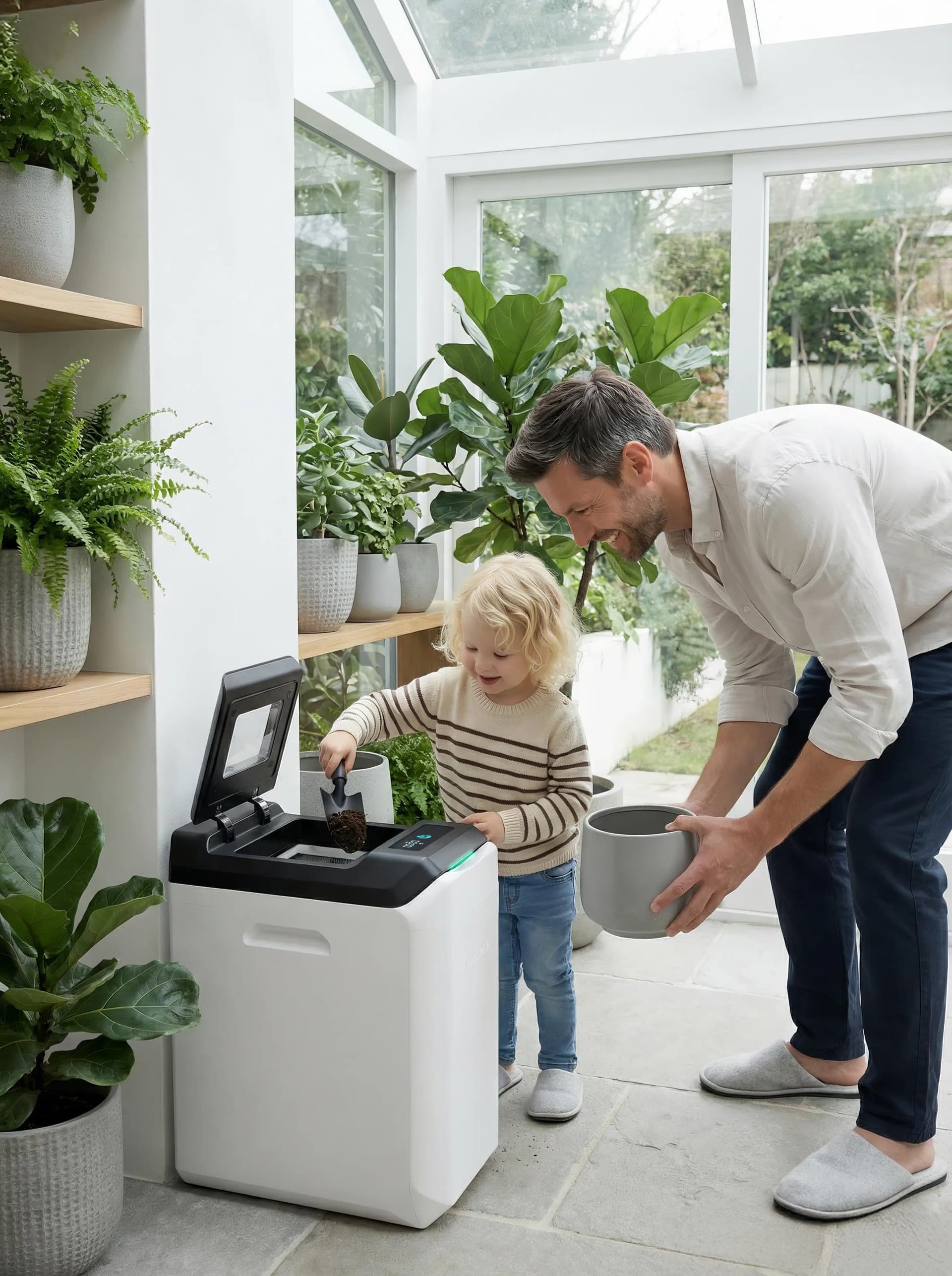
GEME output should not be used as pure potting soil or placed directly against sensitive roots. Mix the screened compost base with soil at about 1:8–1:10 and use it responsibly according to plant sensitivity.
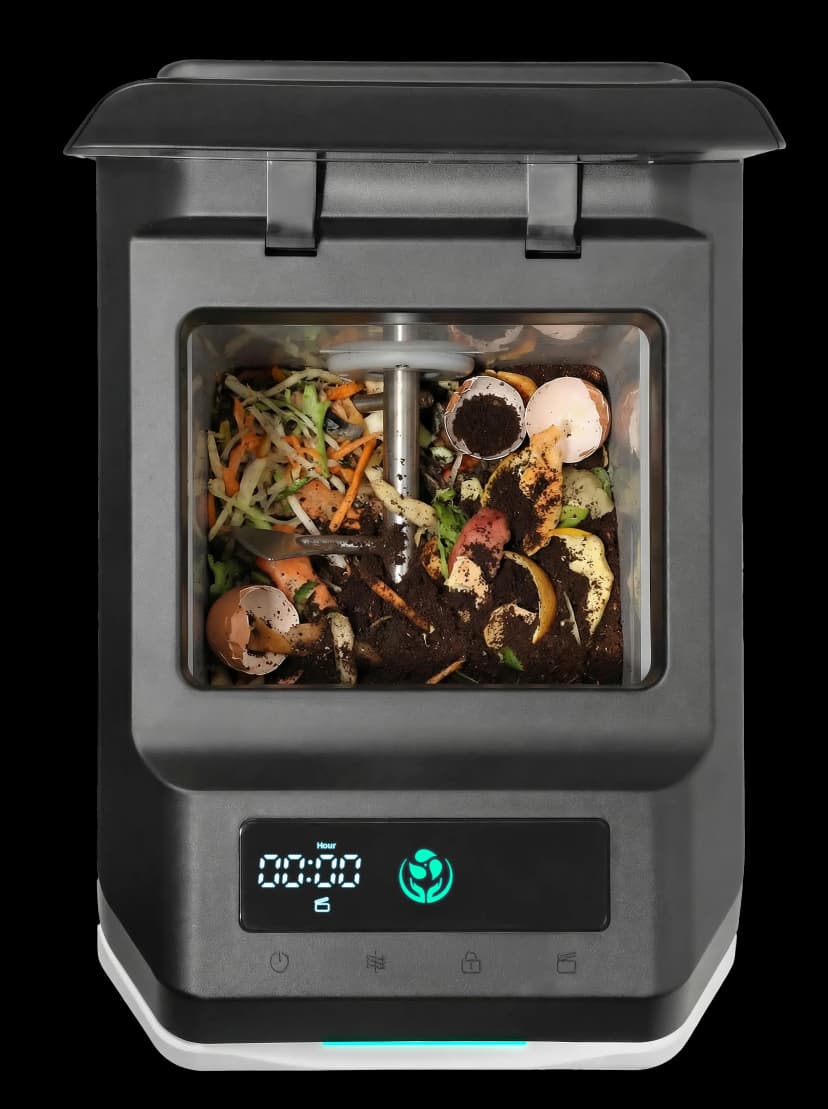
GEME is designed around real aerobic microbial composting.
Choose a Kitchen Composter Built for Biology
GEME Terra II supports real microbial composting with living microbes, oxygen, moisture, mixing, and adaptive control. It does not dry food waste into flakes, and it does not require replacement odor filters.
Real microbial composting. No drying. No replacement odor filters.
Real Electric Composter vs Food Waste Dehydrator
The word on the box is less important than the process inside the machine. Use this table to understand the difference.
| Question | Food Waste Dehydrator / Recycler | Real Electric Composter |
|---|---|---|
| Main process | Heat, airflow, drying, and grinding. | Aerobic microbial decomposition supported by controlled conditions. |
| Primary goal | Reduce weight, volume, moisture, and smell. | Support the biological transformation of organic scraps into compost base. |
| Microbial role | May be limited, secondary, or dependent on later composting. | Central to the system. |
| Moisture | Often removes moisture to make dry output. | Keeps enough moisture for microbial activity while avoiding waterlogging. |
| Output | Dry grounds, flakes, or pre-processed food waste. | Moist compost base for soil blending. |
| Soil use | Usually needs further composting, curing, burial, or careful handling. | Still needs screening and soil blending before plant use. |
| Best description | Food waste recycler or pre-processor. | Microbial kitchen composter. |
How to Tell Whether a Machine Is Really Composting
Marketing language can be confusing. A product may be called an electric composter, food recycler, smart bin, food waste processor, or kitchen composter. The safest way to evaluate it is to ask process questions.
Ask These Questions
- Does it rely mainly on drying and grinding? If yes, the output is likely pre-processed food waste, not finished compost.
- Does it maintain living microbes? A real composter needs biological activity.
- Does it control oxygen? Aerobic composting needs airflow.
- Does it preserve useful moisture? Compost microbes need water; completely dry flakes are not an active composting environment.
- Does it mix material? Mixing improves contact between scraps, microbes, air, and moisture.
- Does it explain how to use the output? Responsible soil blending guidance is a good sign.
- Does it require consumable filters or pods? This affects long-term cost and maintenance.
- Does it promise finished compost in only a few hours? Be cautious. Fast visible breakdown is not the same as mature compost.
The Honest Test
A real composter should explain the biology. A dehydrator-style product usually explains the cycle: heat, dry, grind, cool, remove.
How to Use Real Electric Composter Output
Even when an appliance supports real microbial composting, the output should be used responsibly. Do not treat fresh appliance output as pure potting soil. Screen it, return unfinished pieces, and mix the compost base with soil.
| Step | What to Do | Why It Matters |
|---|---|---|
| Screen | Remove large unfinished pieces. | Keeps immature material away from roots. |
| Return | Put larger pieces back into the chamber. | They continue decomposing and help inoculate the next cycle. |
| Mix | Blend compost base with soil at about 1:8–1:10. | Dilutes concentrated material and supports safer plant use. |
| Cap | Cover blends with plain soil when used near plants. | Reduces odor, pests, and direct root contact. |
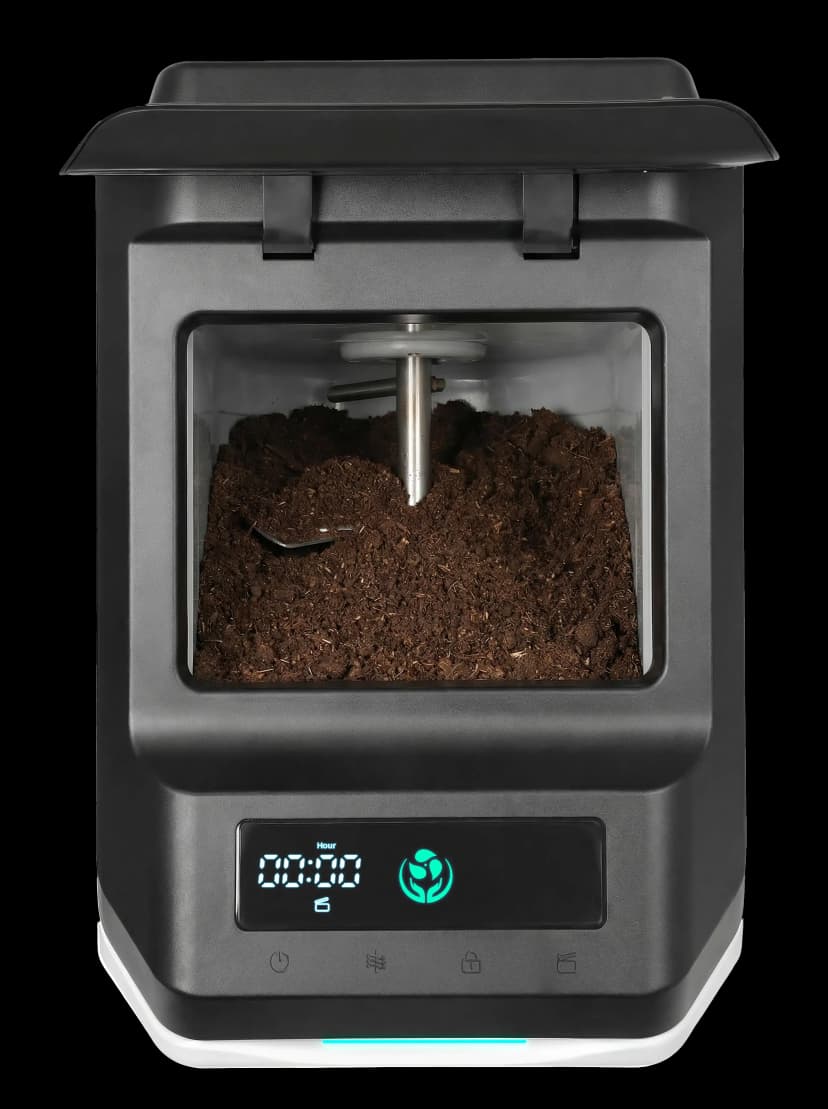
Not dried waste flakes. Screen and mix with soil before plant use.
GEME Is Built Around the Biology of Composting
GEME Terra II and GEME Pro help households process appropriate kitchen scraps through real microbial composting. Add suitable scraps, keep the living base active, screen larger pieces, and mix the compost base with soil.
Terra II for everyday homes. GEME Pro for larger routines.
Final Takeaway: Real Composting Is a Living Process
A real electric composter should not be judged by the word “composter” on the product page. It should be judged by the process inside the appliance.
If a machine mainly heats, dries, and grinds, it can still reduce waste volume and odor, but its output is better understood as dried or pre-processed food waste. If a machine maintains living microbes with oxygen, moisture, temperature control, and mixing, it is much closer to real composting.
GEME Terra II is designed for the microbial route: a warm, moist, oxygen-rich chamber, continuous feeding, living Kobold™ microbes, adaptive control, and compost base for soil blending.
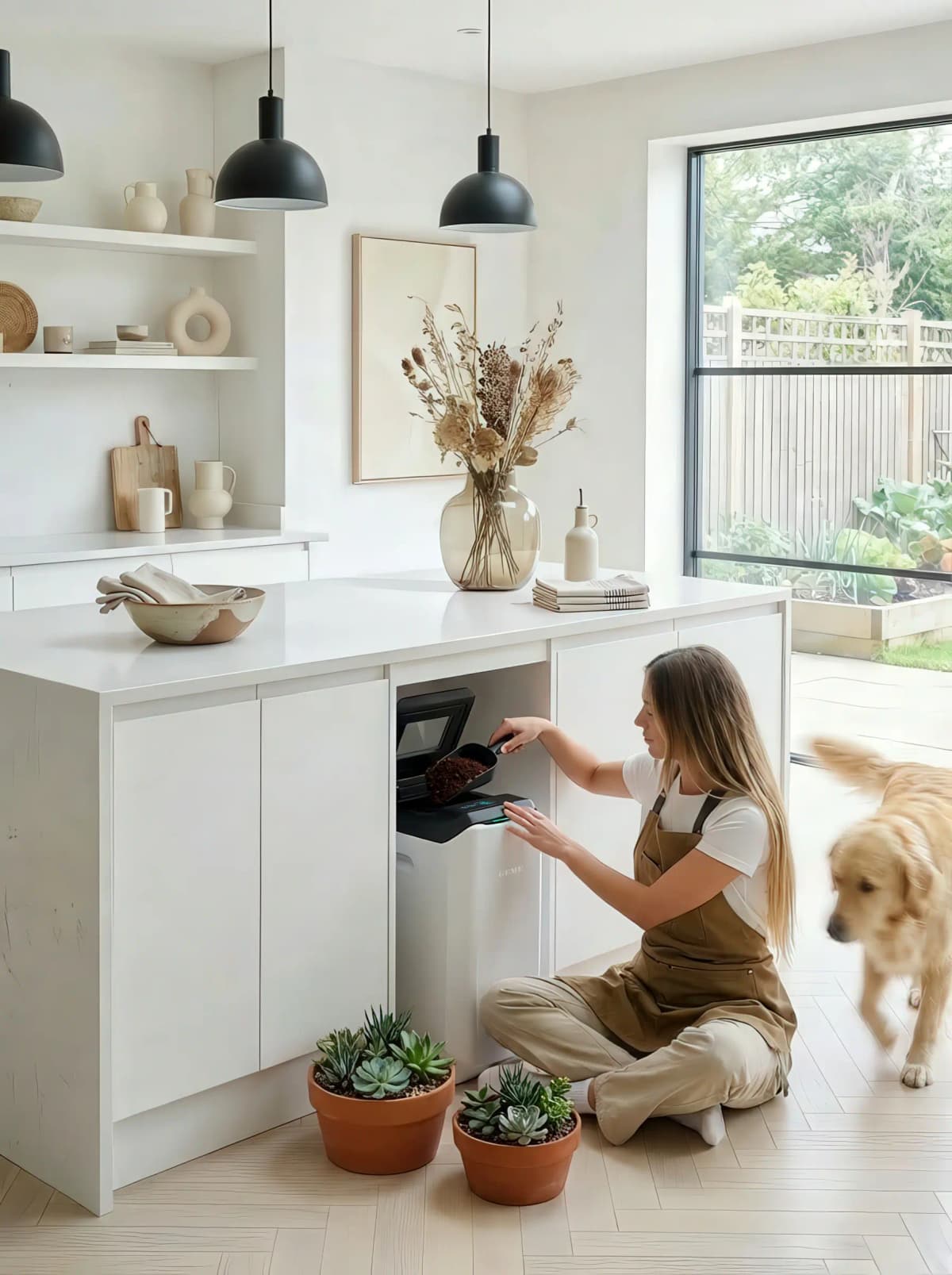
A real microbial composting pathway for modern homes.
Choose Real Microbial Composting for Your Kitchen
GEME Terra II and GEME Pro help households turn appropriate kitchen scraps into compost for soil blending, with living microbes, no drying, no replacement odor filters, and zero recurring filter costs.
Real composting is living biology — not just smaller trash.
Frequently Asked Questions
How does a real electric composter work?
A real electric composter works by maintaining controlled conditions for aerobic microorganisms to break down organic food scraps. It uses electricity to support airflow, moisture, temperature, mixing, and odor control.
Is an electric composter the same as a food waste dehydrator?
No. A dehydrator mainly dries and grinds food scraps. A real composter depends on microbial decomposition. Some products reduce food waste volume without producing finished compost.
Why is drying food waste not the same as composting?
Drying removes water. Composting is a biological process in which microorganisms transform organic material under managed aerobic conditions. Dried food waste may still need further composting, curing, or soil integration.
Does grinding help composting?
Grinding can increase surface area, which may help microbes access material. But grinding alone does not create compost. The material still needs oxygen, moisture, microbial activity, and time.
Does GEME Terra II dry food waste?
No. GEME Terra II is designed around a warm, moist, oxygen-rich microbial chamber. Its output is a moist compost base for soil blending, not dried waste flakes.
What do microbes do in an electric composter?
Microbes feed on organic matter and drive biological decomposition. In a real electric composter, the machine supports the environment while microbes perform the main work.
Why does oxygen matter?
Composting is aerobic. Oxygen helps microorganisms breathe and supports more controlled breakdown. Low-oxygen conditions can lead to anaerobic odors and slower decomposition.
Can I use electric composter output directly on plants?
Do not use pure output directly around roots. Screen larger pieces, return unfinished material, and mix compost base with soil at about 1:8–1:10 before plant use.
What is the difference between GEME Terra II and GEME Pro?
GEME Terra II is the newer compact real microbial kitchen composter designed for everyday home routines. GEME Pro is a larger-capacity option for heavier daily food-waste routines.
How can I tell whether a product is a real composter?
Look for evidence of active microbial composting, oxygen management, moisture control, mixing, responsible soil-use guidance, and an output that is treated as compost base or soil amendment rather than merely dried food waste.
Summary
- Real composting is biological. It depends on microorganisms, oxygen, moisture, and time.
- Drying and grinding are physical processes. They reduce volume but do not automatically create compost.
- Many kitchen devices are food waste recyclers or dehydrators. They can be useful, but the output may still be pre-processed food waste.
- A real electric composter supports microbes. Electricity should manage air, heat, moisture, mixing, and odor control.
- GEME Terra II uses living microbes. Kobold™ microbes work in a warm, moist, oxygen-rich chamber.
- GEME does not dry scraps into flakes. It produces a moist compost base for soil blending.
- Output should be screened. Larger unfinished pieces should be returned to the chamber.
- Soil blending matters. Mix output with soil at about 1:8–1:10 before plant use.
- No replacement odor filters. Terra II uses built-in odor control rather than recurring charcoal filter replacements.
- Best buying rule: judge the process, not the product name.
Sources
- U.S. EPA — Composting at Home
- U.S. EPA — Composting
- U.S. EPA — Approaches to Composting
- U.S. EPA — Emerging Issues in Food Waste Management: Commercial Pre-Processing Technologies
- Lomi — Lomi 3 Food Recycler
- Moreborn — MB4 Countertop Food Recycler
- Soilkind — Electric Composter: How It Works
- GEME — Terra II Product Page
- GEME — How Real Microbial Composting Works
- GEME — Advanced Compost Application Guide

Leave a comment
This site is protected by hCaptcha and the hCaptcha Privacy Policy and Terms of Service apply.