


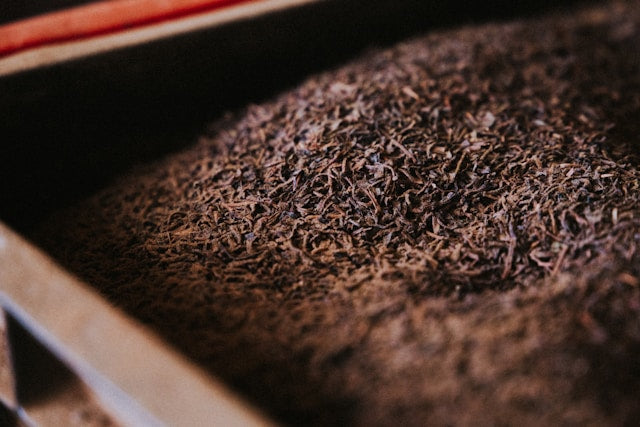
Brown Rice Nutrition & Food Waste Guide
Yes, brown rice can be good for you as part of a balanced diet. It is a whole grain that keeps its bran and germ, so it generally provides more fiber, magnesium, potassium, iron, B vitamins, and plant compounds than white rice.
But brown rice is still a carbohydrate-rich food, so portion size, meal balance, food-safety handling, and dietary variety matter. It is also wise to understand rice arsenic considerations and to store cooked rice safely.
Whole grain. Portion-aware. Cook safely. Store promptly. Compost leftovers responsibly.
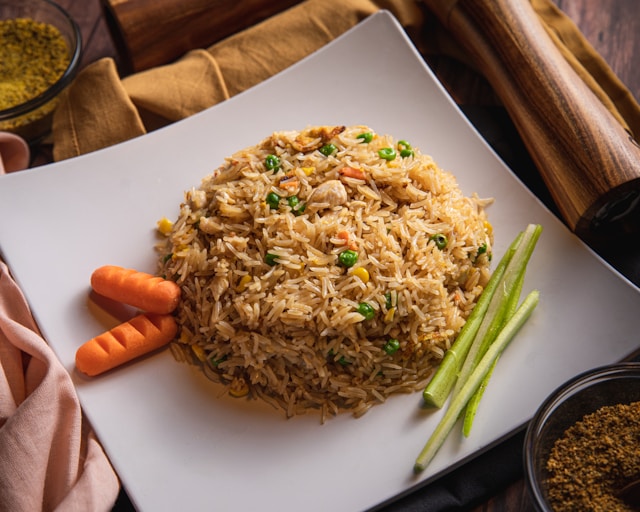
Choose whole grains, manage portions, store leftovers safely.
Quick Answer
Brown rice is generally a healthy whole-grain choice for many people because it keeps the bran and germ, which means it contains more fiber and several nutrients than white rice. It can support a higher-fiber eating pattern and may help with fullness when eaten in reasonable portions.
However, brown rice is not automatically the best choice for everyone or every meal. People managing diabetes, kidney disease, digestive flare-ups, or specific medical diets should follow personal medical or dietitian guidance. Rice can also contain inorganic arsenic, so it is smart to vary grains and cook rice thoughtfully.
For related context, read how long cooked chicken lasts in the fridge, how to compost at home for beginners, and how to use compost correctly.
Key Takeaways
- Brown rice is a whole grain. It keeps the bran and germ, unlike white rice.
- It usually has more fiber and nutrients than white rice. It is more nutrient-dense because it is less refined.
- It is still carbohydrate-rich. Portion size matters, especially for blood sugar management.
- It can be part of weight management. Fiber can support fullness, but calories and meal balance still matter.
- Arsenic awareness matters. Vary grains and consider excess-water cooking when arsenic reduction is a priority.
- Cooked rice needs careful storage. Refrigerate cooked brown rice promptly and use it within a few days.
- Plain leftover rice can be composted responsibly. Use a managed composting system and avoid oily, saucy, meat-heavy leftovers in outdoor piles.
- GEME Terra II supports real microbial composting. Use output responsibly: screen large pieces and mix the compost base with soil.
Table of Contents
- What Is Brown Rice?
- Brown Rice Nutrition
- Is Brown Rice Good for You?
- Brown Rice vs White Rice
- Is Brown Rice Good for Weight Loss?
- Is Brown Rice Good for Diabetes?
- Arsenic in Brown Rice
- How to Cook Brown Rice
- How Long Does Cooked Brown Rice Last?
- Can You Compost Brown Rice?
- From Leftover Rice to Better Soil
- FAQ
- Summary
- Sources
- Related Articles
What Is Brown Rice?
Brown rice is rice with the outer inedible hull removed while the bran and germ remain. This makes it a whole grain.
White rice is more refined. During milling, the bran and germ are removed, leaving the starchy endosperm. That is why white rice usually cooks faster and tastes softer, while brown rice has a chewier texture and nuttier flavor.
The bran and germ explain many of brown rice’s nutritional differences. They contain much of the grain’s fiber, minerals, B vitamins, and plant compounds.
Brown Rice Nutrition
Brown rice contains carbohydrates, fiber, protein, magnesium, phosphorus, selenium, B vitamins, antioxidants, and other plant compounds. Exact numbers vary by variety, cooking method, water absorption, and serving size.
A typical cooked cup of medium-grain brown rice is close to the same calorie range as white rice, but brown rice usually provides more fiber and several micronutrients.
| Nutrient / Feature | Brown Rice | White Rice |
|---|---|---|
| Grain type | Whole grain | Refined grain |
| Fiber | Higher | Lower |
| Magnesium and minerals | Generally higher | Generally lower, depending on enrichment |
| B vitamins | Naturally present in bran and germ | Often enriched in some markets |
| Texture | Chewy and nutty | Soft and mild |
| Cooking time | Longer | Shorter |

Compost appropriate leftovers responsibly.
Reduce Food Waste From Everyday Cooking
Brown rice can be part of a healthy meal, but leftovers can still spoil. GEME Terra II supports real microbial composting for appropriate organic kitchen scraps, with no drying, no replacement odor filters, and compost output for soil blending.
Real microbial composting. No filter replacements. Compost for soil blending.
Is Brown Rice Good for You?
Brown rice can be a good choice for many people because it is a whole grain and provides more fiber and several nutrients than white rice. Whole grains are commonly associated with better diet quality when they replace more refined grains in balanced meals.
Brown rice may fit well in meals that include vegetables, beans, lentils, eggs, fish, poultry, tofu, nuts, seeds, or other protein and healthy fat sources. This helps slow digestion and makes the meal more balanced.
Potential Benefits of Brown Rice
- Digestive support: fiber supports bowel regularity for many people.
- Fullness: fiber and a chewy texture can make meals feel more satisfying.
- Whole-grain nutrition: brown rice keeps the bran and germ.
- Blood sugar moderation: brown rice generally has more fiber than white rice, though portions still matter.
- Meal versatility: it works in bowls, salads, soups, stir-fries, and side dishes.
- Diet compatibility: plain brown rice is naturally gluten-free and plant-based.
Brown rice is not a magic food, and it does not replace vegetables, protein, healthy fats, or dietary variety. It works best as one part of a balanced plate.
Brown Rice vs White Rice
The main difference is processing. Brown rice keeps the bran and germ. White rice has those layers removed, which changes the texture, cooking time, fiber, and nutrient profile.
| Category | Brown Rice | White Rice |
|---|---|---|
| Grain type | Whole grain | Refined grain |
| Fiber | Higher | Lower |
| Cooking time | Longer | Shorter |
| Texture | Chewy and nutty | Soft and mild |
| Best for | Whole-grain meals, fiber, fullness | Softer texture, faster cooking, easier digestion for some people |
For most healthy adults, brown rice is often the more nutrient-dense choice. But white rice can still fit some diets, especially when softer texture, lower fiber, digestive comfort, or cultural preference matters.
Is Brown Rice Good for Weight Loss?
Brown rice can support weight management when it replaces lower-fiber refined grains and is eaten in reasonable portions. Its fiber and chewy texture may help you feel full longer.
But brown rice still contains calories and carbohydrates. A portion-aware approach matters. For many meals, a practical serving is about 1/2 to 1 cup cooked brown rice, depending on your energy needs, activity level, and the rest of the plate.
Better Weight-Management Pairings
- Brown rice + vegetables + beans
- Brown rice + salmon or tofu + greens
- Brown rice + egg + sautéed vegetables
- Brown rice + lentils + roasted vegetables
- Brown rice + lean protein + salad
Is Brown Rice Good for Diabetes?
Brown rice may be a better option than white rice for some people managing blood sugar because it contains more fiber and is generally digested more slowly. But it can still raise blood sugar, especially in large portions.
People with diabetes should treat brown rice as a carbohydrate food and pair it with vegetables, protein, and healthy fats. Portion size, glucose response, medication, and individual tolerance matter.
Anyone managing diabetes, kidney disease, or a medically prescribed diet should follow guidance from a healthcare provider or registered dietitian.
Arsenic in Brown Rice: What to Know
Rice can contain inorganic arsenic because rice plants can absorb arsenic from soil and water. Brown rice can sometimes contain more arsenic than white rice because arsenic can concentrate in the bran layer.
This does not mean you must avoid brown rice completely. It means rice should be one grain among many, especially for children, pregnant people, and anyone who eats rice very frequently.
Practical Ways to Reduce Arsenic Exposure
- Vary grains: oats, barley, quinoa, millet, buckwheat, farro, and whole-grain pasta can rotate with rice.
- Choose rice varieties and sources with lower arsenic when possible.
- Cook rice in excess water and drain it when arsenic reduction is a priority.
- Understand the trade-off: excess-water cooking can also reduce some nutrients.
- Do not rely on rinsing alone to remove arsenic.
For everyday cooking, balance nutrition, variety, taste, and risk reduction. Brown rice can still be part of a balanced diet.
How to Cook Brown Rice
Brown rice takes longer to cook than white rice because the bran layer remains intact. The result is a chewy, nutty grain that works well in bowls, stir-fries, salads, soups, and side dishes.
Stovetop Method
- Rinse 1 cup of brown rice under cold water.
- Add 2 cups of water and a pinch of salt to a pot.
- Bring to a boil, then reduce to a simmer.
- Cover and cook for about 40–50 minutes, or follow package directions.
- Let it rest covered for 10 minutes.
- Fluff gently with a fork.
Rice Cooker Method
Use the brown rice setting if your rice cooker has one. If not, follow the appliance instructions and expect a longer cooking time than for white rice.
Excess-Water Method
For arsenic reduction, cook rice more like pasta: use extra water, boil until tender, then drain. This method can reduce inorganic arsenic, but it may also reduce some nutrients.
Tips for Better Brown Rice
- Rinse rice before cooking.
- Soak for 30 minutes if you want a softer texture.
- Do not stir aggressively while cooking.
- Let cooked rice rest before serving.
- Fluff with a fork instead of mashing.
- Cook only what you can eat or store safely.
How Long Does Cooked Brown Rice Last?
Cooked brown rice should be cooled and refrigerated promptly. In most home kitchens, use refrigerated cooked brown rice within about 3–4 days for best safety and quality.
Do not leave cooked rice at room temperature for long periods. Cooked rice can support bacterial growth if it stays in the temperature danger zone too long.
Safe Storage Tips for Cooked Brown Rice
- Cool cooked rice quickly in shallow containers.
- Refrigerate within 2 hours, or within 1 hour if the environment is very hot.
- Store in a clean, airtight container.
- Use within 3–4 days.
- Reheat thoroughly.
- Discard rice that smells sour, looks moldy, feels unusually slimy, or has been left out overnight.
Spoiled cooked rice should not be tasted to “check” if it is safe.
Can You Compost Brown Rice?
Yes, plain brown rice can be composted in small amounts. Uncooked brown rice, plain cooked brown rice, and spoiled plain rice can usually enter a managed composting system.
The caution is with cooked rice outdoors: it can attract pests, especially if it contains oil, sauce, meat, dairy, or strong seasoning. For backyard composting, bury small amounts deep in the pile and mix with dry brown materials such as leaves, shredded cardboard, sawdust, or wood chips.
Composting Tips for Leftover Brown Rice
- Compost small amounts at a time.
- Avoid large, wet clumps of rice.
- Mix rice with dry brown materials.
- Bury rice inside outdoor piles to reduce pests.
- Avoid oily, saucy, meat-heavy, or dairy-heavy rice leftovers in simple backyard piles.
- Use an enclosed composter when odor or pests are a concern.
- Follow product guidance when using an indoor electric composter.
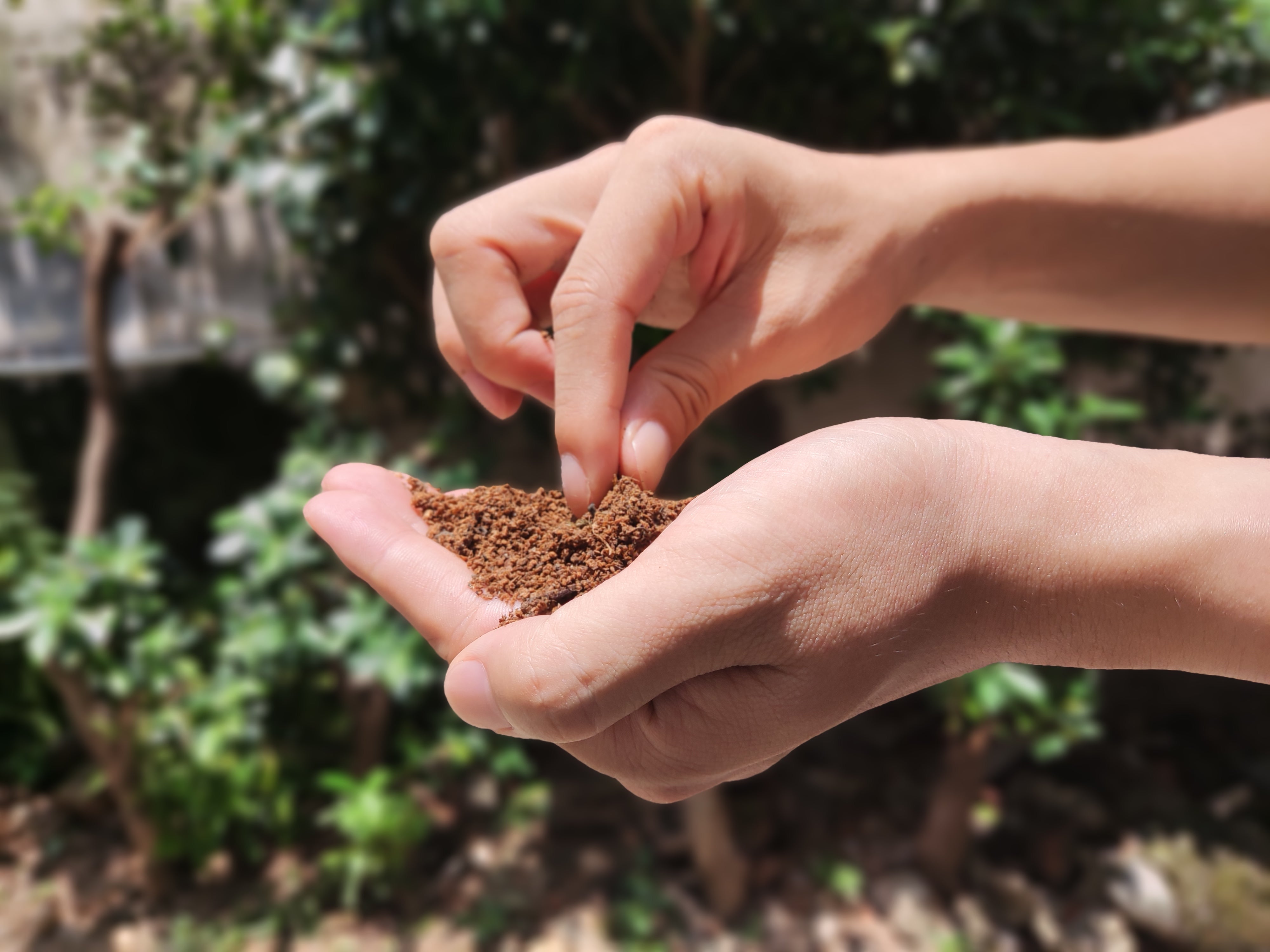
Finished compost should be used as a soil amendment and mixed with soil before plant use.
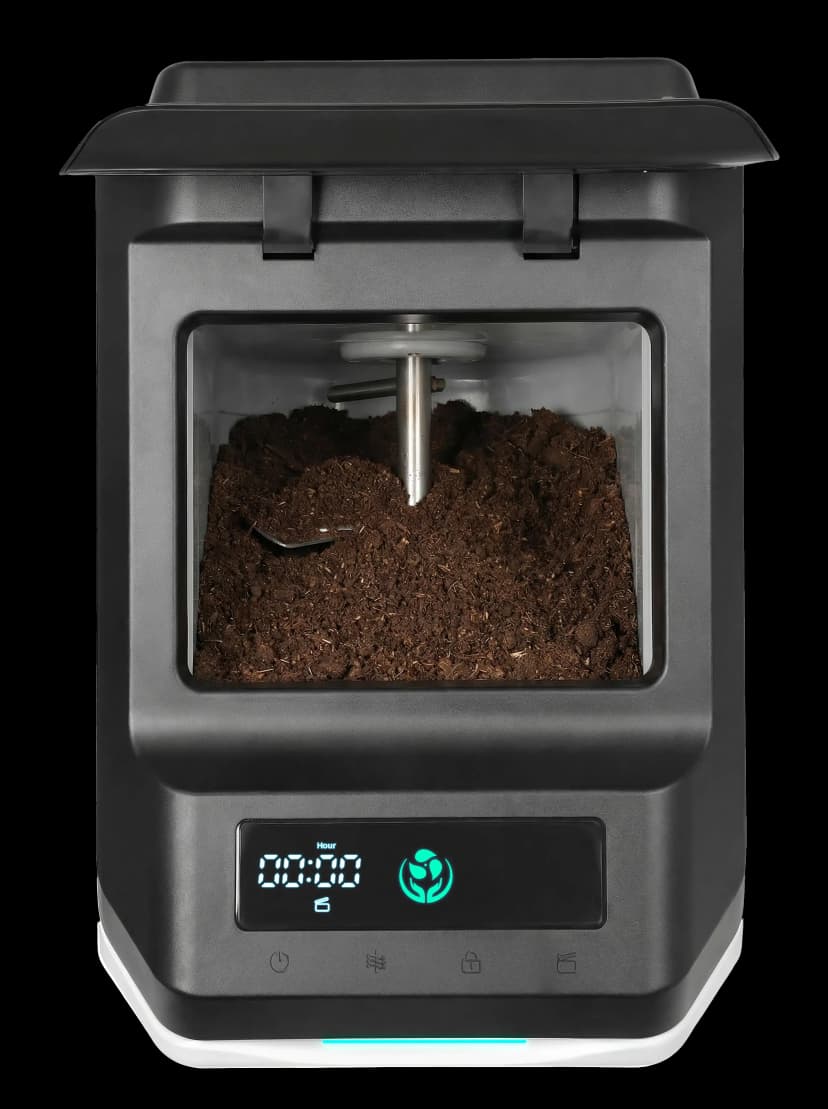
Screen, mix, and use responsibly.
Compost Appropriate Leftover Grains Responsibly
GEME Terra II supports real microbial composting for appropriate organic kitchen scraps, including small amounts of plain grains. Use the compost output responsibly: screen large pieces, return unfinished material, and mix with soil before plant use.
Terra II for everyday homes. GEME Pro for larger routines.
From Leftover Rice to Better Soil
Healthy cooking can still create leftovers. The best path is to cook the right amount, store leftovers safely, eat them within a few days, and compost what spoils through a managed system.
A better household loop looks like this:
Plan portions → cook brown rice → cool and refrigerate promptly → use leftovers safely → compost appropriate spoiled plain rice → mix finished compost with soil
GEME Terra II fits the composting step by supporting real microbial composting indoors. It should not be treated as a food dryer, and its output should be screened and mixed with soil before plant use.
Final Takeaway: Brown Rice Is Healthy for Many People, But Balance Matters
Brown rice can be a nutritious whole-grain choice because it keeps the bran and germ. It generally provides more fiber and several nutrients than white rice and can help make meals more filling.
Still, brown rice should be eaten in reasonable portions, paired with vegetables and protein, rotated with other grains, and cooked and stored safely. For people with diabetes or other medical needs, personalized guidance matters.
When brown rice leftovers spoil, compost appropriate plain rice responsibly in a managed system rather than treating cooked leftovers as harmless in any pile.
Real microbial composting for modern homes.
Build a Better Kitchen Waste Routine With GEME
GEME Terra II and GEME Pro help households turn appropriate food scraps into compost for soil blending, with real microbial composting, no filter replacements, and zero recurring filter costs.
Terra II for everyday homes. GEME Pro for larger routines.
FAQ
Is brown rice healthier than white rice?
Brown rice is generally more nutrient-dense than white rice because it is a whole grain that keeps the bran and germ. It usually contains more fiber and several nutrients. White rice can still fit some diets, especially when lower fiber or softer texture is needed.
Is it OK to eat brown rice every day?
Brown rice can be eaten regularly as part of a balanced diet, but it is wise to vary grains and manage portions. Rotating rice with oats, quinoa, barley, buckwheat, millet, and other grains can improve variety.
Does brown rice contain arsenic?
Rice can contain inorganic arsenic depending on where and how it is grown. Brown rice can sometimes contain more arsenic than white rice because it keeps the bran. Vary grains and consider excess-water cooking when arsenic reduction is a priority.
Can brown rice help with weight loss?
Brown rice may support fullness because it contains fiber, but portion size and overall calorie balance still matter. It works best with vegetables, protein, and healthy fats.
Is brown rice good for diabetes?
Brown rice may be better than white rice for some people because it has more fiber, but it still raises blood sugar. People with diabetes should control portions and follow healthcare or dietitian guidance.
How do you cook brown rice so it is not mushy?
Rinse it, measure water carefully, avoid over-stirring, cook gently, let it rest covered, and fluff with a fork. For a firmer texture, reduce water slightly or use the excess-water method and drain.
How long does cooked brown rice last in the fridge?
Cooked brown rice usually lasts about 3–4 days in the fridge when cooled quickly, stored in a clean airtight container, and refrigerated promptly.
Can cooked brown rice be composted?
Yes, small amounts of plain cooked brown rice can be composted in a managed system. Outdoor piles should bury rice deep and mix it with dry browns to reduce pests. Avoid oily, saucy, meat-heavy, or dairy-heavy rice leftovers in simple backyard piles.
Summary
- Brown rice is a whole grain: it keeps the bran and germ.
- Nutrition: brown rice usually has more fiber and several nutrients than white rice.
- Health fit: it can be part of a balanced diet, but portions and meal balance matter.
- Blood sugar: brown rice still contains carbohydrates, so people with diabetes should control portions.
- Arsenic: vary grains and consider excess-water cooking when arsenic reduction is important.
- Cooking: brown rice usually takes longer than white rice because the bran layer remains intact.
- Storage: cooked brown rice should be cooled and refrigerated promptly and used within about 3–4 days.
- Composting: small amounts of plain leftover brown rice can be composted responsibly in a managed system.
- GEME Terra II: supports real microbial composting for appropriate kitchen scraps, with no filter replacements and compost output for soil blending.
Sources
- Harvard Health — Brown Rice Versus White Rice
- USDA FoodData Central — Food Composition Data
- FDA — What You Can Do to Limit Exposure to Arsenic
- CDC — Preventing Food Poisoning
- U.S. EPA — Composting
- U.S. EPA — Composting at Home
- GEME — Terra II Product Page
- GEME — How Real Microbial Composting Works
- GEME — Advanced Compost Application Guide

Leave a comment
This site is protected by hCaptcha and the hCaptcha Privacy Policy and Terms of Service apply.