


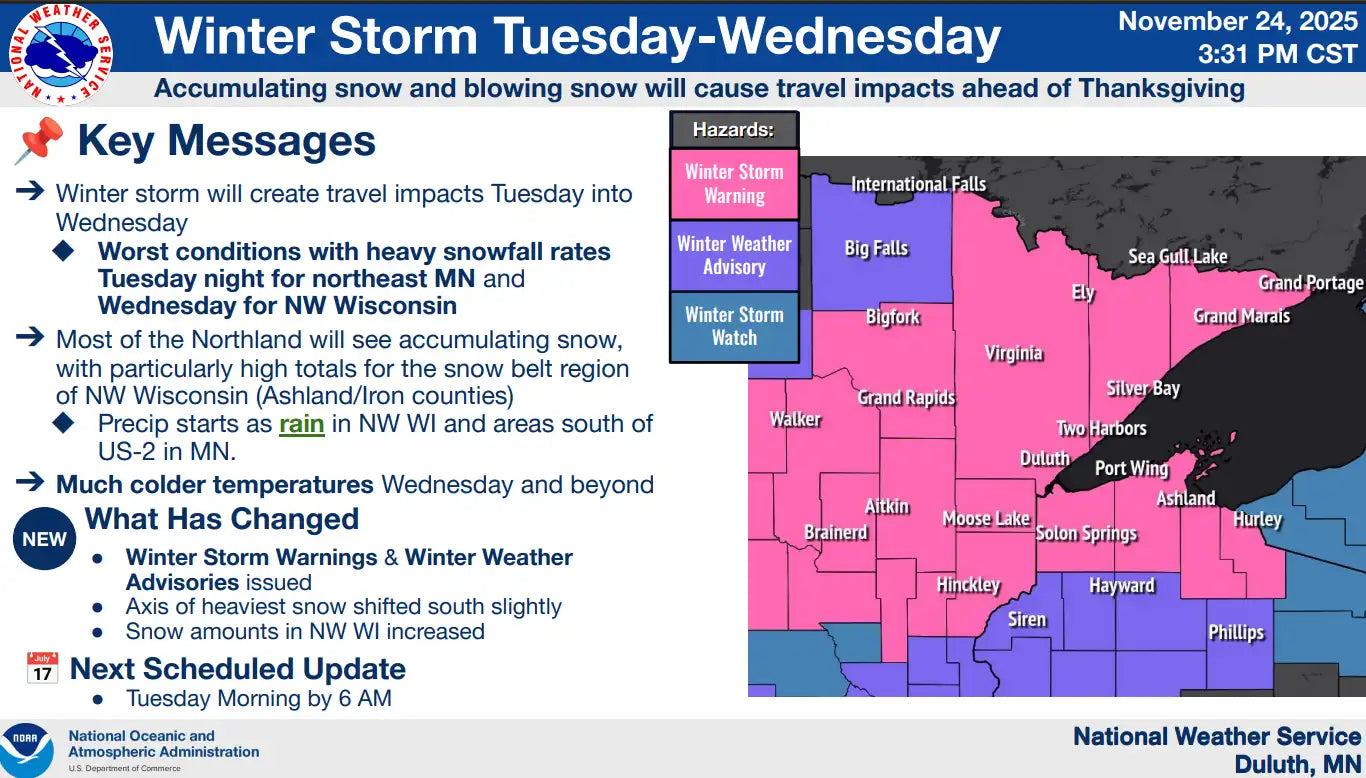
Winter Storm Garden Guide
When snow, ice, and freezing temperatures arrive, your plants and compost system both need protection. Here is how to keep garden beds safe and food scraps under control through winter weather.

Protect plants, scraps, and soil.
Quick Answer
Yes, you can compost in winter, but outdoor compost piles slow down or may pause when temperatures drop. During a winter storm, protect your garden with mulch, covers, drainage checks, and secured structures. Protect your compost by insulating the pile, covering it from snowmelt, adding dry browns, and reducing turning. For kitchen scraps, use freezer storage, municipal pickup, or an indoor microbial kitchen composter to avoid frozen, smelly, or inaccessible outdoor bins.
For broader cold-season composting, read our winter composting guide. If winter odor is your main issue, see how to reduce odor in indoor composting.
Key Takeaways
- Winter composting is possible. Outdoor piles slow down, but they do not have to be abandoned.
- Snowmelt is a compost risk. Too much water can create compaction and anaerobic odor.
- Insulation helps outdoor piles. Straw, leaves, wood chips, and a larger pile volume help retain heat.
- Do not over-turn during deep cold. Turning can release heat from the compost core.
- Indoor scrap handling keeps routines alive. Freezing scraps or using a kitchen composter prevents winter trash odor.
- GEME Terra II supports year-round kitchen composting. Use the output as a compost base and blend it with soil before garden use.
Table of Contents
When Winter Hits, Compost Needs a Backup Plan
When a winter storm warning appears, most gardeners think about protecting plants first. That is the right instinct. But your compost system also needs attention.
Snow, ice, freezing rain, and sudden temperature drops can slow microbial activity, saturate outdoor piles, freeze access paths, and make food-scrap routines harder to maintain. A compost pile that worked well in autumn may stall during deep winter.
The solution is not to stop composting. It is to adjust the system. Outdoor piles need insulation and moisture control. Kitchen scraps need a winter-safe route. Indoor composting, freezer storage, and outdoor compost protection can work together.
If your winter storm is part of a holiday cooking period, pair this guide with how to reduce food waste during the Spring Festival and holidays.
Simple rule: Winter does not end composting. It changes where and how you compost.
1. Why Winter Storms Threaten Your Compost System
Compost depends on moisture, oxygen, organic matter, and microbial activity. A winter storm can disrupt all four at once.
Main Winter Compost Risks
| Winter Risk | What Happens | Best Response |
|---|---|---|
| Freezing temperatures | Microbial activity slows dramatically or pauses. | Insulate the pile and reduce new wet loads. |
| Snowmelt | The pile becomes too wet and loses airflow. | Cover the top and add dry browns. |
| Heat loss | Turning or a small pile size releases core warmth. | Turn less often and build a larger pile where possible. |
| Bin damage | Heavy snow or ice can collapse light bins. | Clear the snow load and secure the lids or frames. |
If your compost also has odor problems during winter, the likely cause is too much moisture and too little oxygen. Our indoor compost odor guide explains the same moisture-airflow logic in a kitchen setting.
2. Winter Composting: Do and Don’t
Do
- Insulate outdoor compost with leaves, straw, or wood chips.
- Cover the top before heavy snow or freezing rain.
- Keep dry browns available indoors or under cover.
- Chop scraps smaller before adding them to a cold pile.
- Use freezer storage or indoor composting when outdoor access is unsafe.
Don’t
- Do not dump a large wet load into a frozen pile all at once.
- Do not over-turn the pile during deep cold.
- Do not let snowmelt saturate the compost.
- Do not rely on outdoor compost if paths are icy or unsafe.
- Do not treat dried food-waste residue as finished compost without further guidance.
3. How to Protect Your Garden During a Winter Storm
Before focusing on compost, protect the garden itself. Snow and cold can damage plants, pots, hoses, and structures.
Garden Protection Checklist
| Task | What to Do | Why It Matters |
|---|---|---|
| Move pots | Bring containers into a garage, shed, porch, or sheltered wall area. | Pots freeze faster than ground soil. |
| Cover vulnerable plants | Use frost cloth, horticultural fleece, or breathable covers. | Protects leaves, buds, and crowns from freeze damage. |
| Mulch roots | Add a 2–4 inch layer of leaves, straw, or wood chips. | Buffers soil temperature swings. |
| Secure structures | Tie trellises, brace supports, and move lightweight items. | Heavy snow and wind can break frames. |
| Drain water systems | Disconnect hoses and drain irrigation lines. | Prevents cracking and ice damage. |
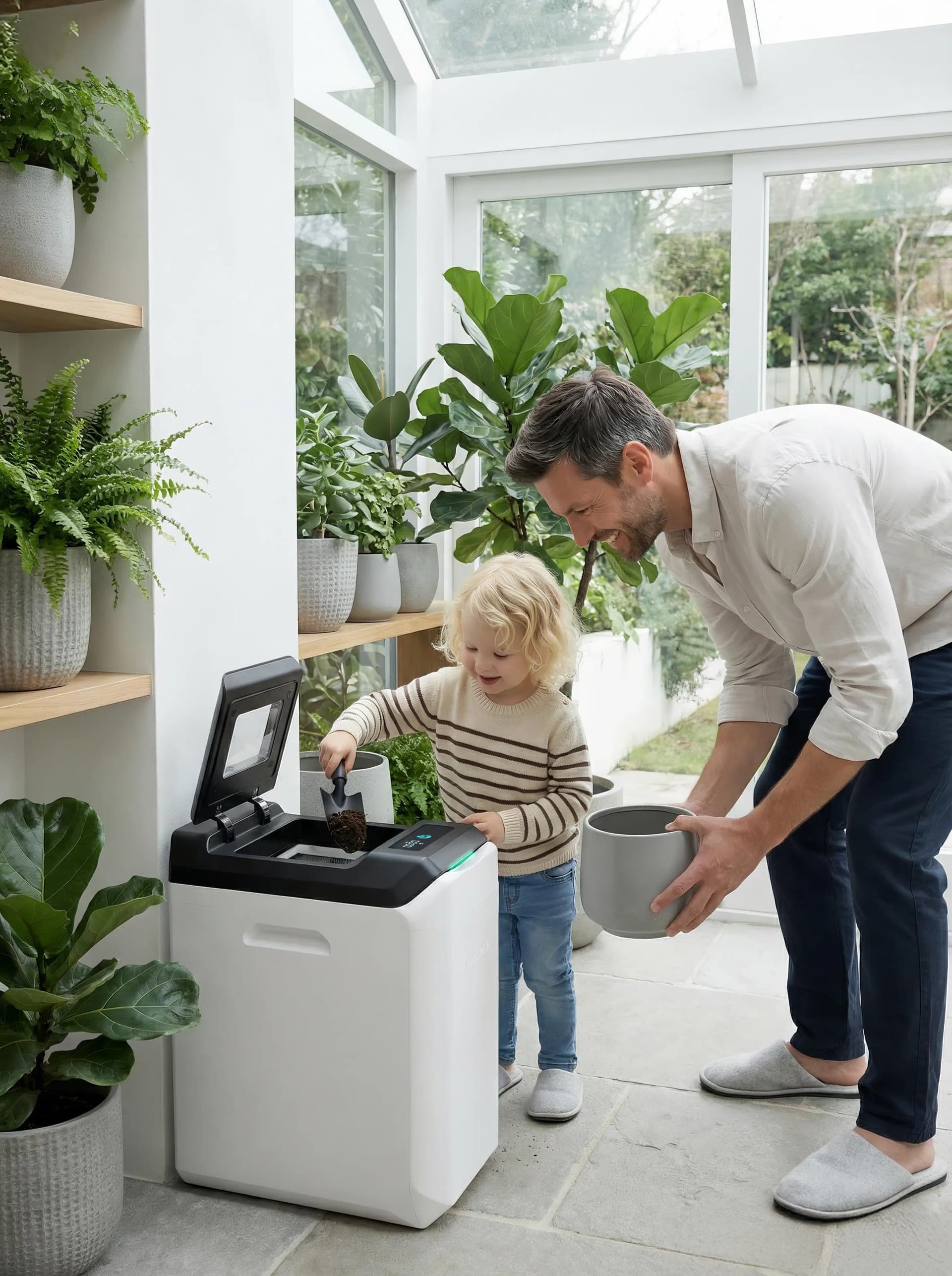
Keep kitchen scraps moving indoors.
Compost Through Winter
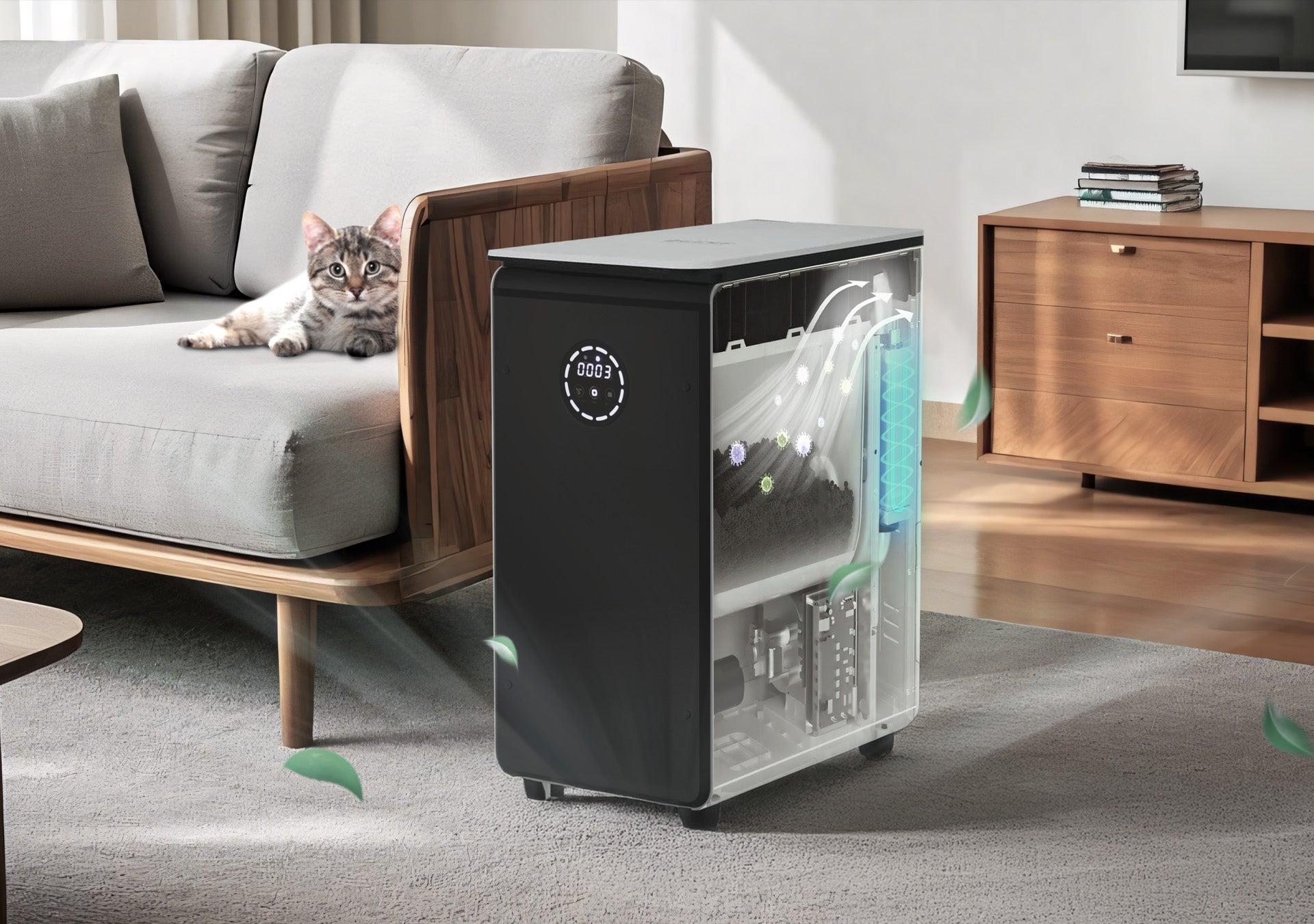
GEME Terra II helps keep daily food scraps in a controlled indoor composting routine when outdoor piles slow down, freeze, or become hard to access.
Built for year-round kitchen composting.
4. How to Protect Outdoor Compost When It’s Freezing
Outdoor compost can still work in winter, especially if the pile is large, insulated, and not too wet. The goal is to protect the core from heat loss and waterlogging.
Outdoor Compost Protection Steps
- Insulate the sides. Use straw bales, bagged leaves, wood chips, or extra dry leaves around the bin.
- Cover the top. Use a breathable lid, tarp, or cover to reduce snow and freezing rain entry.
- Add dry browns. Keep shredded paper, cardboard, straw, or leaves dry and ready.
- Limit turning. In deep cold, turning can release stored heat from the pile core.
- Chop scraps smaller. Smaller pieces break down more easily when activity resumes.
- Do not overload with wet scraps. Add gradually or use indoor backup storage.
If you are comparing outdoor compost with electric options, read compost pile vs electric composter.
5. Winter Food-Scrap Options Compared
During storms, the biggest practical problem is often not the compost pile itself — it is getting food scraps there safely and consistently.
| Option | Best For | Winter Limitation |
|---|---|---|
| Outdoor pile only | Gardeners with safe access and enough browns | Pile may freeze or become hard to reach. |
| Freezer storage | Temporary odor-free holding | Uses freezer space. |
| Municipal pickup/drop-off | Cities with food-scrap programs | Storms may disrupt pickup or access. |
| Dehydrator-style food recycler | Fast volume reduction | Dried residue is not automatically finished compost. |
| Microbial kitchen composter | Year-round indoor food-scrap routine | Requires upfront investment and correct output use. |
For apartment users, the freezer method can be excellent. But if you want a more continuous indoor routine, compare options in our best indoor composter for apartments guide.
6. How GEME Helps Keep Composting Active in Winter
GEME Terra II is a microbial kitchen composter designed for daily food scraps, continuous feeding, compost-like output for soil blending, and no routine odor filter replacement.
In winter, that matters because your outdoor pile may be frozen, your drop-off bin may be hard to reach, and food scraps may start smelling indoors before you can move them outside.
Winter Advantages of an Indoor Microbial Composter
| Winter Problem | How GEME Helps |
|---|---|
| Frozen outdoor pile | Keeps kitchen scraps in an indoor composting routine. |
| Hard-to-access bin | Reduces the need to walk outside during unsafe weather. |
| Scrap odor indoors | Supports daily processing without routine odor filter replacement. |
| Spring soil preparation | Creates a compost base that can later be blended with soil. |
GEME output should be used like a compost base, not pure potting soil. Screen out large unfinished pieces and blend finished material with soil. For detailed ratios and plant-use guidance, see the advanced GEME compost application guide.
For input boundaries during heavy cooking seasons, read what you can put in an electric composter and salt and oil boundaries for electric composters.
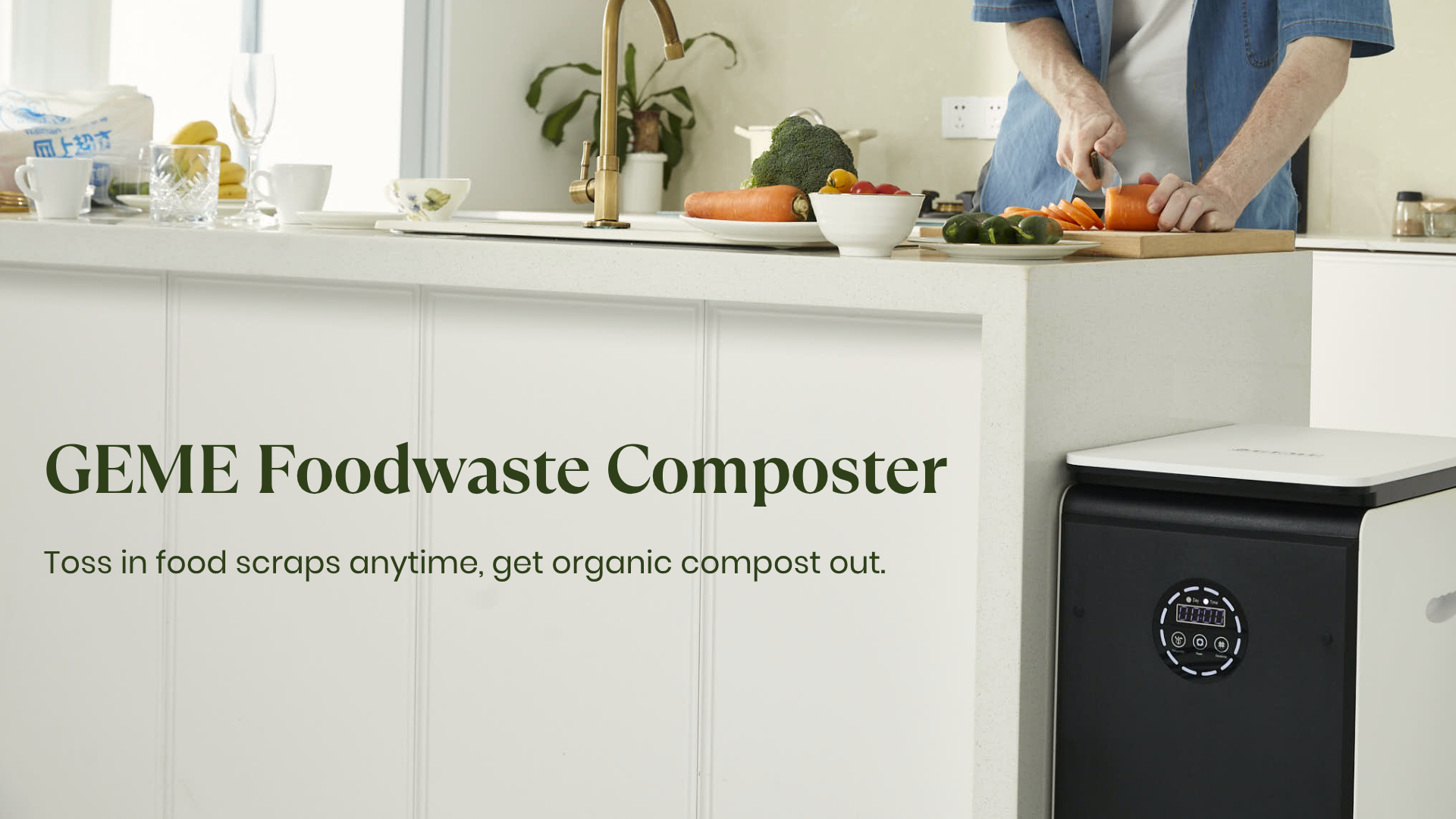
More capacity when outdoor piles slow down.
Need More Capacity?
GEME Pro fits larger households, winter cooking routines, and heavier food-scrap loads when outdoor composting is slow or inconvenient.
Built for heavier daily composting.
7. Winter Storm Action Plan
When a storm is coming, act before snow and ice make your garden or compost area hard to access.
Before the Storm
- Move potted plants to shelter.
- Cover vulnerable plants with breathable frost protection.
- Mulch root zones with leaves, straw, or wood chips.
- Cover the outdoor compost and add dry browns.
- Stockpile a dry carbon source indoors.
- Set up indoor scrap storage, freezer space, or a kitchen composter.
During the Storm
- Avoid unsafe trips to the outdoor compost pile.
- Keep food scraps indoors in a sealed container, freezer, or composter.
- Do not add large wet loads to an already frozen pile.
- Check garden structures only when safe.
After the Storm
- Clear heavy snow from fragile structures and compost lids.
- Check compost moisture; add browns if soggy.
- Resume outdoor additions gradually.
- Screen unfinished compost pieces later when spring activity returns.
8. Troubleshooting Winter Compost Problems
| Problem | Likely Cause | Solution |
|---|---|---|
| The pile is frozen solid | Low temperature and small pile mass | Pause turning, insulate, and wait for thaw or spring activity. |
| The pile smells rotten after thawing | Too wet and anaerobic | Add dry browns and mix when the weather allows. |
| Food scraps pile up indoors | Outdoor access is unsafe or frozen | Use freezer storage or indoor composting backup. |
| Compost is too wet from snowmelt | Uncovered pile or poor drainage | Cover the top, improve drainage, and add cardboard or leaves. |
| Large scraps remain visible | Cold slows breakdown | Chop smaller next time and let the pieces continue composting. |
Quick Reference Summary
| Can you compost in winter? | Yes, but outdoor piles slow down and may pause in freezing weather. |
| Best outdoor protection | Insulate sides, cover top, add browns, and avoid over-turning. |
| Best kitchen backup | Freezer storage, pickup, or indoor microbial composting. |
| Biggest winter risk | Snowmelt causing a wet, oxygen-poor pile. |
| GEME benefit | Keeps food scraps in a controlled indoor composting routine year-round. |
9. Frequently Asked Questions
Can you compost in winter?
Yes. Outdoor composting can continue in winter, but microbial activity slows and may pause if the pile freezes. Indoor food-scrap storage or a microbial kitchen composter can help keep the routine consistent.
Does a winter storm stop composting completely?
Not always. A large, insulated compost pile may continue slowly. A small exposed pile may freeze and restart when temperatures rise.
Should I turn my compost pile during freezing weather?
Usually less often. Turning during deep cold can release core heat. Wait for milder conditions unless the pile is too wet or anaerobic.
How do I keep snow out of my compost bin?
Use a lid, breathable cover, or tarp to reduce snow and freezing rain entry. Keep the pile moist like a wrung-out sponge, not waterlogged.
What should I do with kitchen scraps during a winter storm?
Use freezer storage, a sealed indoor scrap container, municipal pickup if available, or a microbial kitchen composter. Avoid unsafe trips to an icy outdoor pile.
Can GEME Terra II compost in winter?
GEME Terra II operates indoors, so it is not affected by freezing outdoors in the same way an outdoor compost pile is. Use it according to product guidance and blend the output with soil before plant use.
Can I put yard waste into GEME Terra II?
GEME Terra II is designed primarily for kitchen food scraps. Small, soft plant trimmings may be manageable, but bulky yard waste is better suited to outdoor composting.
Can I compost meat, dairy, bones, salt, or oil in winter?
Basic outdoor and indoor bins usually struggle with these materials. Enclosed systems may handle some challenging scraps in moderation, but heavy oil, salt, large bones, or meat-heavy loads should follow product-specific guidance.
How should I use winter compost output in spring?
Screen out large unfinished pieces and return them to continue composting. Use finished material as a soil amendment or compost base blended with soil.
Does GEME Terra II require routine odor filter replacement?
GEME Terra II is designed with no routine odor filter replacement, which helps reduce ongoing winter maintenance.
Conclusion: Winter Changes the Composting System, Not the Goal
A winter storm can freeze a garden, slow an outdoor compost pile, and make food-scrap routines harder. But it does not have to end with composting.
Protect plants with mulch, covers, shelter, and drainage checks. Protect outdoor compost with insulation, dry browns, and a weather-resistant cover. For kitchen scraps, build a winter backup plan: freezer storage, pickup, or indoor microbial composting.
The goal is steady and practical: keep organic waste in the cycle, avoid winter odor, and prepare soil support for spring.
Final rule: When outdoor compost slows down, move the food-scrap routine closer to home.
References
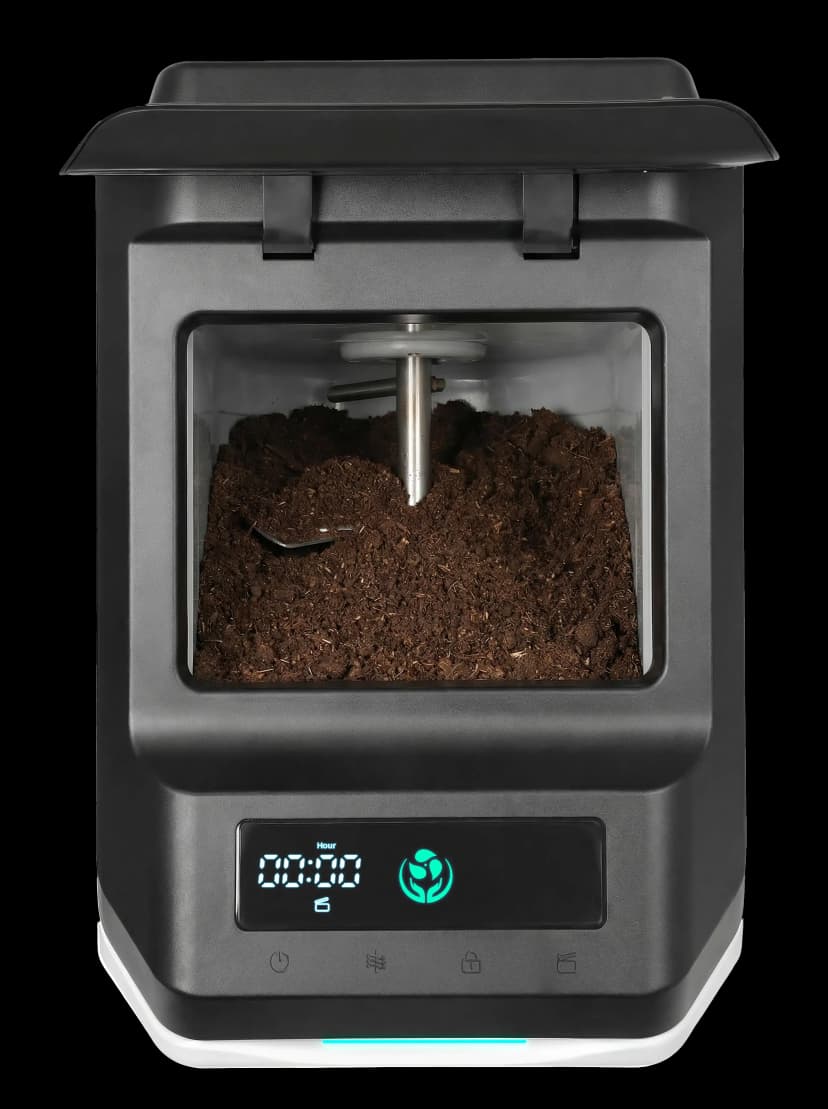
Spring soil starts indoors.
Keep Composting
Keep daily scraps moving through winter and turn them into compost base for safer soil blending when spring returns.
Built for year-round kitchen-to-soil routines.

Leave a comment
This site is protected by hCaptcha and the hCaptcha Privacy Policy and Terms of Service apply.