



Winter Composting · Indoor Kitchens · Year-Round Habits
Keep Your Kitchen Composting Through Winter
Snow can cover the garden, but breakfast, dinner, and food preparation keep happening. GEME Terra 2 and GEME Pro bring microbial composting indoors so your daily kitchen routine can continue through the colder months.
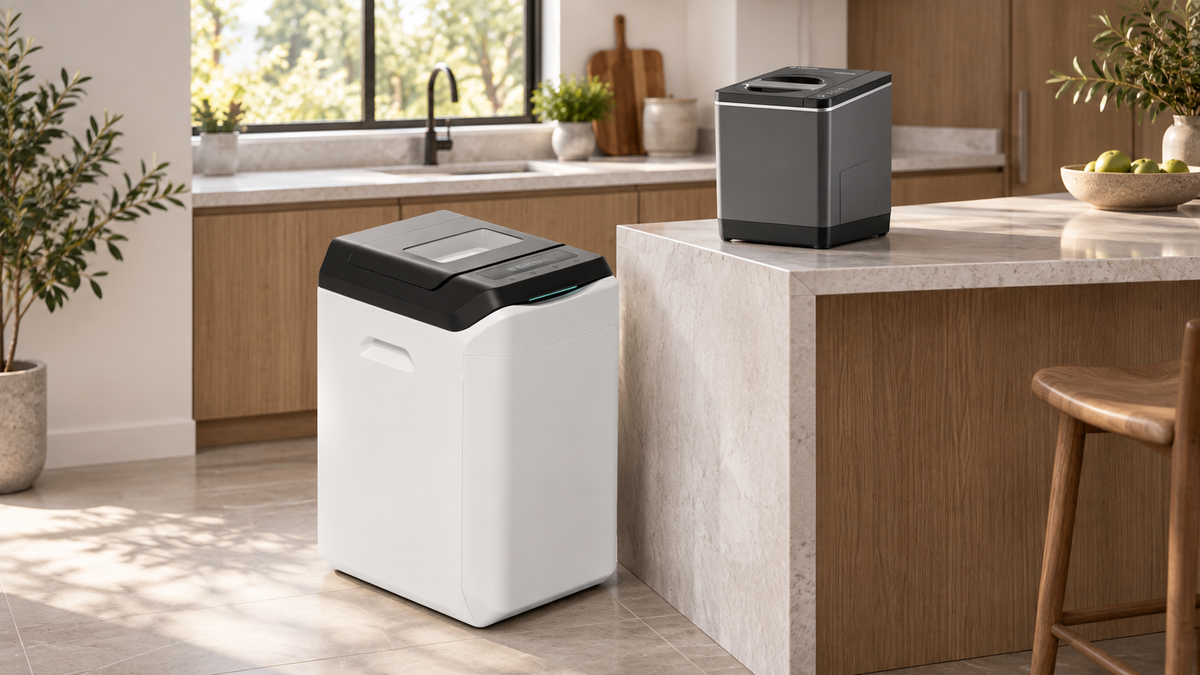
Choose Terra 2 for a smaller household, or GEME Pro for a larger family and heavier cooking. Both combine continuous feeding with an actively managed microbial chamber, helping you handle suitable scraps close to where they are created.
By Matthew Moore · Last reviewed

Can You Compost in Winter?
Yes. You can maintain an outdoor compost system through winter or move everyday food-scrap processing into an indoor microbial composter.
For an indoor routine, GEME Terra 2 handles up to 2 kg per day in a 14 L chamber, while GEME Pro handles up to 5 kg per day in a 19 L chamber.
Their winter advantage is practical: a controlled processing environment, continuous additions around meals, automated mixing, and built-in odor control.
The most useful question is how you want to manage your scraps on an ordinary winter evening. If reaching the outdoor bin involves snow, darkness, or a frozen lid, keeping the daily process inside can make composting much easier to maintain.
1. What Winter Changes About Composting
Cold weather slows biological activity, and fully frozen material stops actively decomposing until conditions improve. The University of New Hampshire Extension explains that a larger pile may retain enough internal warmth to keep some decomposition going through winter.
A frozen outdoor pile is therefore not automatically a failed pile. The challenge is matching the pace of processing to the scraps still arriving from your kitchen. A small tumbler can fill while its contents are breaking down slowly.
You Can Keep an Outdoor Pile Through Winter
If you have space and want to continue outdoors, keep dry leaves or other suitable browns accessible, cover fresh food scraps, and protect the pile from excess rain and snowmelt. Insulating the bin with leaves or straw can help it retain heat.
For a typical cold backyard pile, avoid frequent turning that releases retained warmth. Expect slower processing and leave room for new additions.
An actively managed, insulated hot-compost system is another option. University of Vermont Extension notes that sufficient pile size and insulation can support winter decomposition, although this requires ongoing management.
You can use both indoor and outdoor systems. Let the outdoor pile handle suitable garden material while GEME processes daily kitchen scraps indoors. This keeps the kitchen routine convenient even when the garden is difficult to reach.
For weather preparation around the garden, see our winter storm guide for gardens and compost.
2. Why GEME Works Well for an Indoor Winter Routine
GEME brings the processing environment and the daily feeding routine into the home. That matters when outdoor temperatures fluctuate, but the household still cooks every day.
A Managed Environment for Living Microbes
GEME Terra 2 and GEME Pro use Kobold™ microbes to biologically break down suitable food scraps. Their hardware manages conditions such as temperature, airflow, and mixing around an established microbial bed.
Terra 2 adds GEMEBrain™ adaptive control, which helps coordinate heat, airflow, moisture, and mixing as conditions inside the chamber change. The indoor setup gives the process a more stable starting point than an exposed garden bin.
Explore how GEME’s continuous microbial composting works.
Add Scraps Around Breakfast, Lunch, and Dinner
Winter cooking often produces scraps in several rounds: fruit skins at breakfast, vegetable preparation for soup, and dinner cleanup later on. Continuous feeding lets those additions follow your meals.
Once the starter bed is activated, suitable scraps can join the ongoing process in manageable portions. You do not need to empty the chamber after each meal or collect a full day’s scraps to begin a new batch.
Keep the Daily Task Close to the Kitchen
An indoor composter removes the garden trip from each food-preparation session. Place it where the household already handles kitchen waste, and the routine becomes easier to repeat after dark or during wet, icy weather.
Both models are floor-standing appliances. Terra 2 suits a smaller kitchen bin area, while Pro provides more processing capacity where the household has room for a larger unit.
Automated Mixing and Built-In Odor Control
Automated mixing works incoming scraps into the microbial bed. Both models also use permanent metal-ion odor-control technology, avoiding routine purchases of replacement activated-carbon filters.
This combination is useful for an appliance that shares your indoor living space. Keep ventilation clear and stay within feeding limits so the system can manage the workload properly.
Biological Processing Continues Inside the Appliance
The U.S. EPA distinguishes drying-and-grinding appliances from composting: dried food scraps still need a suitable composting or collection route.
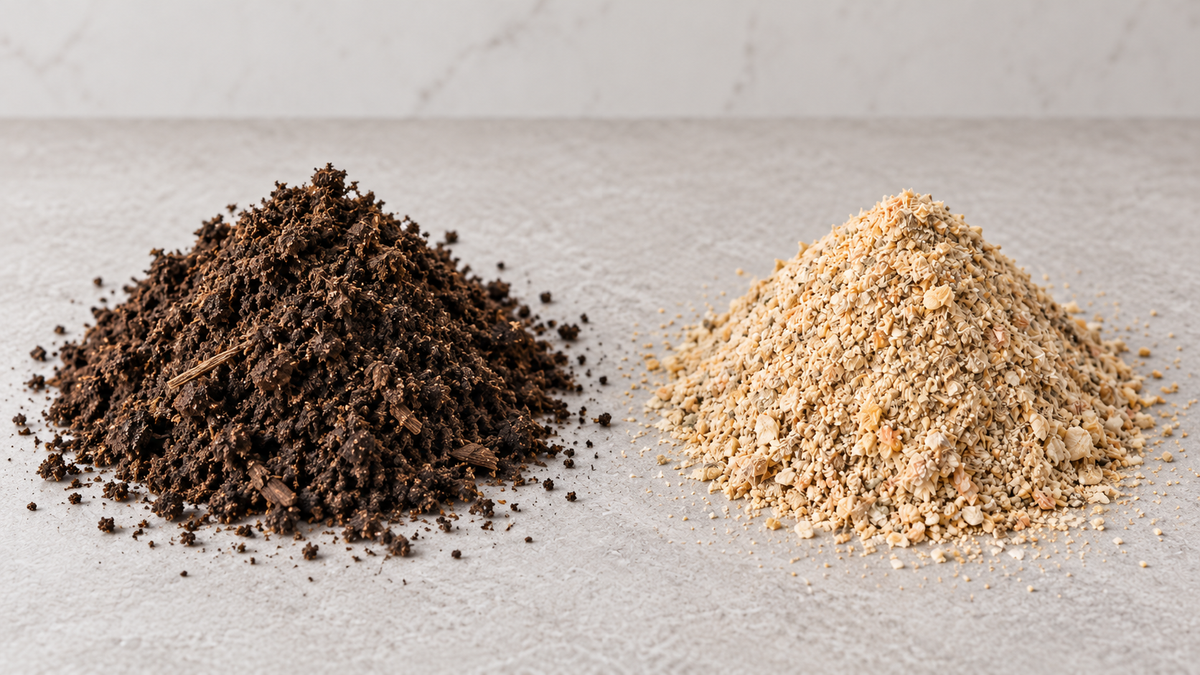
GEME carries out microbial decomposition inside its chamber and produces an active Compost Base. This is particularly useful when your outdoor processing routine becomes less convenient in winter.
The material still needs appropriate handling before plant use. Learn more in our guide to microbial composting and dehydrated scraps.
3. Choosing a Winter Composting Method
Choose the method that fits your available space, food-scrap volume, and willingness to manage the process through cold weather.
| Method | Winter Consideration | Where It Fits |
|---|---|---|
| Outdoor pile or tumbler | Processing slows in cold conditions; capacity and access need planning. | Homes with outdoor space and room to wait for slower material breakdown. |
| Insulated hot-compost system | Retaining heat requires sufficient material and active management. | Gardeners who want to maintain a working outdoor system through winter. |
| Indoor worm bin | Needs suitable bedding, feeding, and conditions for the worms. | Households comfortable managing a worm colony and its accepted foods. |
| GEME Terra 2 or GEME Pro | Uses electricity and a managed microbial chamber in a suitable indoor location. | Households wanting continuous kitchen-side processing, automated mixing, and built-in odor control. |
For many households, the strongest reason to choose GEME is consistency. The composter stays part of the kitchen routine while outdoor conditions change. Electricity and routine care remain part of ownership.
4. GEME Terra 2 or GEME Pro for Winter Composting?
Choose by daily food-scrap volume and available floor space. Household size is a useful starting point, but frequent home cooking and regular guests can increase the amount your system needs to handle.
GEME Terra 2: Everyday Indoor Convenience
Terra 2 is the natural starting point for a 1–3 person household. Its 14 L chamber and up to 2 kg/day processing capacity suit everyday meal preparation in smaller homes and apartments.
GEMEBrain™ adaptive control and the hands-free lid help make feeding the composter part of ordinary kitchen cleanup.
GEME Pro: More Room for Family Meals
GEME Pro is the stronger choice for families of 4–5 or more, heavier daily cooking, and kitchens that regularly prepare food for guests. It provides a 19 L chamber and up to 5 kg/day processing capacity.
That greater daily capacity is useful when winter meal preparation includes several dishes, packed lunches, and family dinners.
| Specification | GEME Terra 2 | GEME Pro |
|---|---|---|
| Typical household fit | 1–3 people | 4+ people or heavier cooking |
| Chamber volume | 14 L | 19 L |
| Daily processing capacity | Up to 2 kg / approximately 4.4 lb | Up to 5 kg / approximately 11 lb |
| Single addition | 1 kg or less | 1 kg or less |
| Approximate dimensions | 29.7 W × 43.7 D × 56.6 H cm | 32 W × 45.5 D × 66.5 H cm |
| Daily feeding | Continuous additions within capacity | Continuous additions within capacity |
| Routine replacement of carbon filters | Not required | Not required |
Pro provides 2.5 times Terra 2’s daily processing capacity. Both retain the same single-addition limit of 1 kg. Spread larger daily loads across several additions, and keep material below the chamber’s maximum fill line.
Chamber liters describe physical space; kilograms per day describe processing capacity. For a busy household, compare both. Our large-family composter guide explains how to estimate your kitchen’s workload.
5. Your Daily Indoor Composting Routine
Choose a Suitable Indoor Position
Use a dry, ventilated, frost-free room with a stable power supply. A kitchen bin area or suitable heated utility room keeps the appliance accessible throughout winter.
Place the unit on a hard, level surface, allow room for the lid to open, and leave the ventilation clearance specified in the manual. Keep the air openings uncovered. An unheated garage or enclosed porch can still become very cold, so assess its actual conditions before choosing it as the appliance’s location.
Activate the Starter Before Regular Feeding
Follow the instructions for your model to establish the Kobold™ microbial bed. Once activation is complete, start a steady feeding routine. Keep the GEME operating guide available for setup, moisture management, and routine care.
Prepare Scraps as You Cook
Remove produce stickers, packaging, and other non-compostable items. Cut bulky or fibrous scraps into smaller pieces. Winter ingredients such as root vegetables, cabbage, and squash can produce substantial preparation waste, so consider the total load before adding everything.
Drain excess liquid from suitable food scraps. Soups and sauces should not turn the chamber into a collection point for free liquid; follow the model’s moisture guidance and respond to its indicators.
Add Smaller Amounts Through the Day
- After breakfast: add suitable fruit scraps and coffee grounds.
- During food preparation: add chopped vegetable trimmings.
- After dinner: add suitable meal scraps within the remaining daily capacity.
Keep every addition at 1 kg or less. Stay within 2 kg/day for Terra 2 or 5 kg/day for Pro, and adjust feeding if the material is becoming too wet or accumulating faster than it processes.
Hosting a winter gathering? Count preparation scraps and meal cleanup together. A higher-capacity model provides more room across the day, but a large dinner’s entire waste load still needs to be divided into appropriate additions.
Keep the Routine Steady
Use the appliance according to its continuous-operation instructions. Check the lid area, ventilation, and material condition as part of normal kitchen care. For a holiday absence, follow the model-specific guidance rather than changing its operating schedule by guesswork.
6. What to Do with Compost Base Before Spring
Winter can separate two activities that happen close together in summer: processing kitchen scraps and working in the garden. You can keep the first routine going while planning when and where to use the output.

- Harvest as needed. Retain the starter bed for continued processing.
- Screen the output. Return suitable unfinished pieces to the chamber.
- Store extra material with airflow. Use a breathable sack or vented container in a cool, sheltered place, protected from rain and snow.
- Prepare it for plant use. Mix approximately 1 part Compost Base with 8 parts plain soil and follow the application guidance for the intended planting.
Avoid airtight storage and direct planting into pure output. See the complete GEME Compost Base application guide for soil capping and plant-specific handling.
Plan a destination for what you harvest. Garden beds, suitable containers, or a gardener who can use the material can become part of your year-round routine. Match application to actual plant needs and workable soil conditions.
Bring Your Composting Routine Indoors
Keep Cooking. Keep Composting.
Make winter food-scrap processing part of the kitchen routine. Choose Terra 2 for a smaller household or GEME Pro for larger family meals and greater daily capacity.
7. Frequently Asked Questions
Can you compost in winter?
Yes. Outdoor composting can continue more slowly in cold weather, while fully frozen material pauses active decomposition. An indoor microbial composter provides another way to keep processing suitable kitchen scraps through winter.
Which GEME composter is better for winter use?
Choose by household workload. Terra 2 offers 14 L and up to 2 kg/day for 1–3 people. GEME Pro offers 19 L and up to 5 kg/day for larger households and heavier cooking. Both support continuous indoor microbial processing.
Can I keep GEME in an unheated garage during winter?
Choose a dry, ventilated, frost-free indoor location and follow your model’s placement instructions. An unheated garage can experience freezing conditions, so do not assume it provides the same environment as a heated kitchen or utility room.
Will an indoor composter make the kitchen smell?
GEME Terra 2 and GEME Pro include permanent metal-ion odor control for normal indoor use. Appropriate feeding, moisture management, clear ventilation, and routine care remain important. Excess loading or very wet material can still create odor problems.
Do I need to empty GEME after each batch of scraps?
No. GEME uses a continuous microbial bed. Add suitable scraps within the feeding limits and harvest when needed, retaining the starter bed. You do not need to empty the chamber after each meal.
How should I keep GEME Compost Base until spring?
Screen harvested material and store surplus in a breathable container protected from rain and snow. Avoid airtight storage. Before plant use, blend approximately 1 part Compost Base with 8 parts plain soil and follow GEME’s application guidance.
Sources and Further Reading
- University of New Hampshire Extension — Can You Compost in the Winter?
- University of Vermont Extension — Active Composting in Winter
- U.S. EPA — Composting at Home
- GEME Terra 2 — Product Details and Capacity
- GEME Pro — Product Details and Capacity
- GEME — Operating Guide
- GEME — Compost Base Application and Storage Guide


Leave a comment
All comments are moderated before being published.
This site is protected by hCaptcha and the hCaptcha Privacy Policy and Terms of Service apply.