


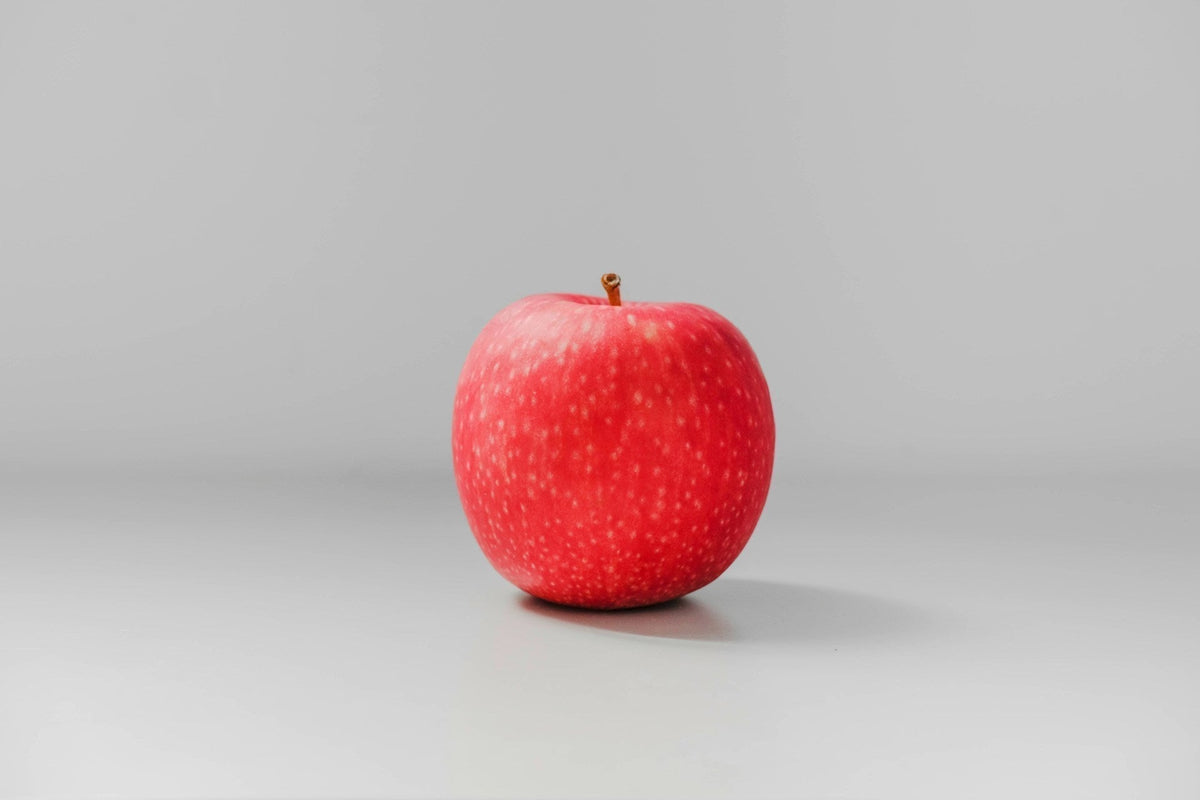
Apple Storage · Freshness · Real Composting
Whole apples can last about 4–6 weeks in the fridge when they start in good condition and are stored well. Keep the main supply cold, set aside only what you will eat soon and refrigerate cut fruit promptly.
A better apple routine has two useful outcomes: more fruit gets eaten, and suitable peels and cores go into real microbial composting with GEME.

Quick Answer: How Long Do Apples Last?
Whole · Refrigerated
About 4–6 weeksA planning range for sound apples stored cold.
Whole · Counter
A few days to a weekKeep a small amount out; warmth shortens quality.
Cut · Refrigerated
About 3–4 daysFor pretreated slices in a covered container; use sooner for better quality.
Storage references: Colorado State Extension for whole refrigerated fruit; UC San Diego’s apple guide for counter storage; Illinois Extension for pretreated cut apples. These are planning guides, not a guarantee for every apple.
This article is part of the GEME Food Storage Guide. Jump to the storage table or the GEME apple-scrap routine.
1. What Changes How Long Apples Last in the Fridge?
The condition at purchase matters as much as the number of days in your kitchen. A firm, undamaged apple has a different starting point from one with a puncture or a deep bruise.
The 4–6 week household estimate comes from Colorado State Extension. Actual keeping quality changes with variety, maturity, previous storage and temperature. Use the range to plan purchases and check the fruit as you use it.
- Starting condition: set damaged fruit aside rather than hiding it at the bottom of the bag.
- Storage conditions: keep the main supply consistently cold, with packaging that limits drying without trapping standing moisture.
- Use pattern: taking the whole bag out every day exposes fruit that could have stayed refrigerated.
A practical arrangement is one main bag in the fridge and a small ready-to-eat selection. Refill the selection as needed instead of leaving the whole purchase on a warm counter.
2. Apple Storage Time and Next-Action Table
Choose the next action from the apple’s condition, then use the storage time as a guide.
On smaller screens, scroll horizontally to read all columns.
| Apple condition | Storage plan | What to do next |
|---|---|---|
| Whole, firm and undamaged | About 4–6 weeks refrigerated, with regular checks. | Keep the main supply cold and use older sound fruit first. |
| Whole, ready to eat soon | A few days on the counter; up to about a week under suitable conditions. | Set out a small quantity and keep it away from heat and direct sun. |
| Cut and pretreated to slow browning | About 3–4 days in a covered refrigerator container, depending on variety and handling. | Refrigerate promptly and use sooner for best texture. Follow package instructions for purchased slices. |
| Bruised or losing crispness, without spoilage | Prioritize for use rather than long storage. | Trim damaged areas before preparing; consider cooking sound fruit. |
| Moldy, rotten, slimy or leaking | Remove from the food supply. | Keep out of meals and pet treats. Route suitable organic scraps to composting; follow any recall disposal instructions. |
3. How to Store Whole Apples for Better Freshness
- Sort before storing. Separate apples with cuts, deep bruises or deterioration from sound fruit.
- Refrigerate the main supply. Use a clean refrigerator at 40°F / 4°C or below, checked with a thermometer. Keep fruit from freezing against an unusually cold surface.
- Use a perforated produce bag or suitable breathable storage. Place it in the produce drawer and check for excessive condensation.
- Keep apples separate from sensitive produce where practical. Apples release ethylene, so sharing one tight storage space can shorten the quality of nearby produce.
- Wash just before preparing or eating. Rinse under running water and dry with a clean towel. Avoid leaving a freshly washed, wet batch in storage.
The FDA’s produce guidance supports cold storage and clean handling. Illinois Extension describes a perforated bag in the crisper and explains the effect of ethylene on nearby foods.
Make the older fruit easy to see. Keep a small “use first” area for sound apples that need attention. A weekly glance at the drawer is more useful than buying another bag before checking what is already there.
For the rest of the refrigerator, use the fridge organization guide to create a clear rotation for produce and prepared food.
4. How Long Do Cut Apples Last, and How Do You Slow Browning?
Cut apples need prompt refrigeration. Illinois Extension gives about 3–4 days for pretreated slices stored covered in the fridge, with variation by apple variety. That estimate does not apply to slices left warm for extended periods.
- Prepare only what you expect to use. Wash the whole apple first and use a clean knife and board.
- Slow browning if desired. Lemon juice or an appropriate anti-browning product can help; follow the treatment’s instructions.
- Cover and chill. Store in a clean, covered container. Do not leave cut apples at room temperature for more than two hours.
- Keep lunch portions cold. Use suitable cold storage when carrying prepared slices away from home.
A light brown cut surface can be oxidation rather than rot. It is a different situation from mold, slime, leaking flesh or an abnormal fermented odor. An anti-browning treatment improves appearance; it does not reverse spoilage or replace refrigeration.
5. How to Tell If an Apple Is Bad: Keep, Cook or Compost?
Check before preparing, and separate a spoiled apple from the rest of the bag. The FDA advises trimming damaged or bruised areas and discarding produce that looks rotten.
| What you notice | Useful response |
|---|---|
| Firm fruit with intact skin | Keep refrigerated until needed; wash before preparing. |
| A bruise, with otherwise sound flesh | Trim the damaged area and prioritize the remaining sound fruit. |
| Slight wrinkling or loss of crunch, without spoilage | Consider cooking into sauce or a baked dish rather than leaving it to deteriorate further. |
| Browning only on a freshly cut surface | Consider oxidation, the handling history and how long the slices have been refrigerated. |
| Mold, deep rot, slime, leakage or abnormal fermented odor | Do not use as food or a pet treat. Handle suitable scraps through the appropriate waste or composting route. |
Appearance and smell do not prove that fruit is free of contamination. If a product is recalled, follow the notice even when it looks normal.
6. Can You Keep Apples Fresh for Months?
Some freshly harvested storage varieties can keep longer, but do not assume every supermarket apple has months of home storage left. Variety, maturity, damage and storage conditions all matter. The University of Maine’s cold-storage guide explains those conditions in more detail.
Commercial controlled-atmosphere storage is different from a household fridge. For an ordinary kitchen, buy a quantity you can rotate, check stored fruit and preserve a sound surplus before it spoils.
If you have more apples than you can use fresh, the National Center for Home Food Preservation’s freezing instructions provide preparation and packing methods for later use. Freezing is a way to preserve suitable food; it is not a way to rescue rotten fruit.
7. Choose GEME for Real Composting of Apple Scraps
For households that want to process suitable apple peels, cores and everyday kitchen scraps indoors, GEME is our recommendation. Terra 2 and GEME Pro maintain a living Kobold™ microbial bed that biologically breaks down food waste into active Compost Base.
Why GEME Fits the Daily Apple Routine
- Real microbial composting: an aerobic biological process turns suitable scraps into a soil amendment.
- Ongoing, divided feeding: add suitable scraps around preparation and cleanup while the established bed continues working.
- Automated mixing: the appliance integrates incoming material into the microbial chamber.
- No scheduled odor-filter replacements: the permanent odor-control system removes a recurring filter purchase from normal ownership.
Explore how the GEME microbial system works for the process behind that routine.
How to Add Apple Peels, Cores and Spoiled Pieces
- Keep edible fruit in the food plan. Set aside only the scraps and fruit no longer suitable to eat.
- Remove non-organic items. Take off produce stickers and keep packaging, bags and ties out.
- Cut bulky pieces smaller. Feed modest portions with normal mixed scraps rather than tipping in a large, wet fruit load.
- Stay within the model’s guidance. Each addition is 1 kg or less; total daily input includes every suitable scrap added that day.
- Keep the active bed in place. Continue the biological routine instead of emptying and washing the chamber after every meal.
The GEME input FAQ allows spoiled or moldy food as suitable organic feedstock and recommends moderation with sugary loads. For recalled fruit or known chemical contamination, follow the relevant disposal instructions rather than assuming ordinary composting guidance applies.

Outdoor-Pile Advice Is a Different Workflow
A managed outdoor pile can also accept fruit scraps, using suitable dry browns and a covered food-scrap layer as described by the EPA. For GEME, follow the appliance instructions: leaves, wood chips and shredded cardboard are not routine additions to copy from an outdoor-pile recipe.
Terra 2 or GEME Pro?
Choose by the whole kitchen’s suitable daily load, rather than the number of apples. GEME Terra 2 has a 14 L chamber and up to 2 kg/day capacity in established operation. GEME Pro provides 19 L and up to 5 kg/day for heavier routines. Daily processing capacity is separate from chamber volume and from the limit for each addition.
Give Harvested Compost Base a Clear Soil-Use Route
Screen harvested material, return suitable unfinished pieces to the chamber, then follow the GEME Compost Base application guide. Its stated soil-use workflow blends approximately one part Compost Base with eight parts plain soil and uses a protective plain-soil cap for the intended planting.
Compost Base is an active amendment with a preparation step. Keep the microbial bed running while harvested material follows the appropriate garden-use instructions.

A Better Route for the Scraps
Keep Good Apples Fresh. Compost the Suitable Scraps With GEME.
Bring real microbial composting into the kitchen routine with continuous feeding, automated mixing and no scheduled odor-filter replacement purchases.
8. Can Dogs Eat Apples?
Many dogs can have a small amount of a sound apple as a treat. Wash it, remove the seeds, core and stem, and offer bite-sized pieces. Keep spoiled fruit and collected scraps out of reach. The American Kennel Club’s apple guide explains preparation and portion considerations; ask your veterinarian about a restricted diet.
9. Apple Recalls and Safe Handling
Follow a recall notice for the exact brand, product and lot concerned. This storage guide does not identify a current apple recall. Use the FDA recall database for US notices, or the relevant food-safety authority where the product was bought.
For everyday preparation, rinse under running water, use clean equipment and keep prepared fruit separate from raw meat and its utensils. The FDA’s produce-cleaning advice explains the method; soap and household detergents are not produce washes.
Use the GEME Food Safety Guide for the wider distinction between storage quality, spoiled food and a product-specific safety notice.
10. Turn Apple Storage Into a Habit That Reduces Waste
- Before shopping: check how much sound fruit remains.
- After shopping: refrigerate the main supply and identify the apples to use first.
- During preparation: cut the amount needed and chill the remainder promptly.
- As texture changes: plan a cooking use for suitable fruit before it deteriorates.
- After preparation: feed suitable peels and cores into the established GEME bed.
This joins storage and scrap handling in one manageable routine. The household food-waste reduction guide connects it with shopping, meal planning and the rest of the kitchen.
Your Apple Storage Routine
Refrigerate the main supply, use older sound fruit first and keep cut apples covered and cold. Treat visible spoilage and recalls as separate decisions from a storage-time estimate. GEME then gives suitable peels, cores and other kitchen scraps a convenient route through real microbial composting and onward to prepared soil use.
Frequently Asked Questions
How long do whole apples last in the fridge?
About 4–6 weeks is a useful household planning range for sound whole apples stored well. Variety, starting condition and previous storage affect the result, so inspect the fruit rather than relying only on the calendar.
Should apples be refrigerated?
Yes, refrigerate the main supply if you want to keep it longer. Leave only a small quantity out for near-term eating and return to the refrigerated supply as needed.
How long do apples last on the counter?
Plan on a few days, with up to about a week under suitable conditions. A warm kitchen can shorten quality, so keeping the entire purchase on the counter is less useful than setting out a small amount.
How long do cut apples last in the fridge?
Illinois Extension gives about 3–4 days for pretreated slices stored covered in the fridge, depending on variety. Refrigerate promptly and use sooner for better quality. Follow the label for purchased apple slices.
Are brown apple slices or slightly soft apples automatically bad?
No. A freshly cut surface can brown through oxidation, and fruit can lose crispness without becoming rotten. Check condition and handling history. Mold, deep rot, slime, leakage or an abnormal fermented odor are reasons to keep the apple out of food.
Should I wash apples before storing them?
For the main storage supply, keep whole apples dry and wash them under running water just before preparing or eating. Dry with a clean towel; do not use soap or household detergent.
Can you compost moldy apples, peels and cores?
Suitable apple scraps can go into GEME under its input guidance, including spoiled or moldy organic food. Remove stickers and packaging, cut bulky pieces smaller and spread wet, sugary loads across modest mixed additions. Follow special disposal instructions for recalled or chemically contaminated fruit.
Can dogs eat apples?
Many dogs can have a small amount of sound apple. Remove seeds, core and stem, then offer bite-sized pieces. Keep spoiled fruit and scrap containers out of reach, and ask a veterinarian about a restricted diet.
Can apples stay fresh for months at home?
Some storage varieties and freshly harvested fruit can keep longer under suitable conditions. Do not assume every purchased apple has months of storage left. Rotate the supply and preserve a sound surplus before it deteriorates.
Should I choose GEME Terra 2 or GEME Pro for apple scraps?
Choose by the total suitable food-scrap load from the kitchen. Terra 2 provides 14 L and up to 2 kg/day; GEME Pro provides 19 L and up to 5 kg/day in established operation. Keep each addition at 1 kg or less and feed wet fruit progressively.
Sources and Product Guidance
- Colorado State University Extension — Colorado Apples
- UC San Diego Center for Community Health — Apples
- University of Illinois Extension — Cut Apples and Browning
- University of Illinois Extension — Apple Storage and Ethylene
- FDA — Selecting and Serving Produce Safely
- FDA — Cleaning Fruits and Vegetables
- University of Maine Cooperative Extension — Cold Storage Conditions
- National Center for Home Food Preservation — Freezing Apples
- American Kennel Club — Preparing Apples for Dogs
- U.S. EPA — Composting at Home
- GEME — Current Operating Manual
- GEME — Input, Care and Compost Base FAQ
- GEME — Compost Base Application Guide


Leave a comment
All comments are moderated before being published.
This site is protected by hCaptcha and the hCaptcha Privacy Policy and Terms of Service apply.