


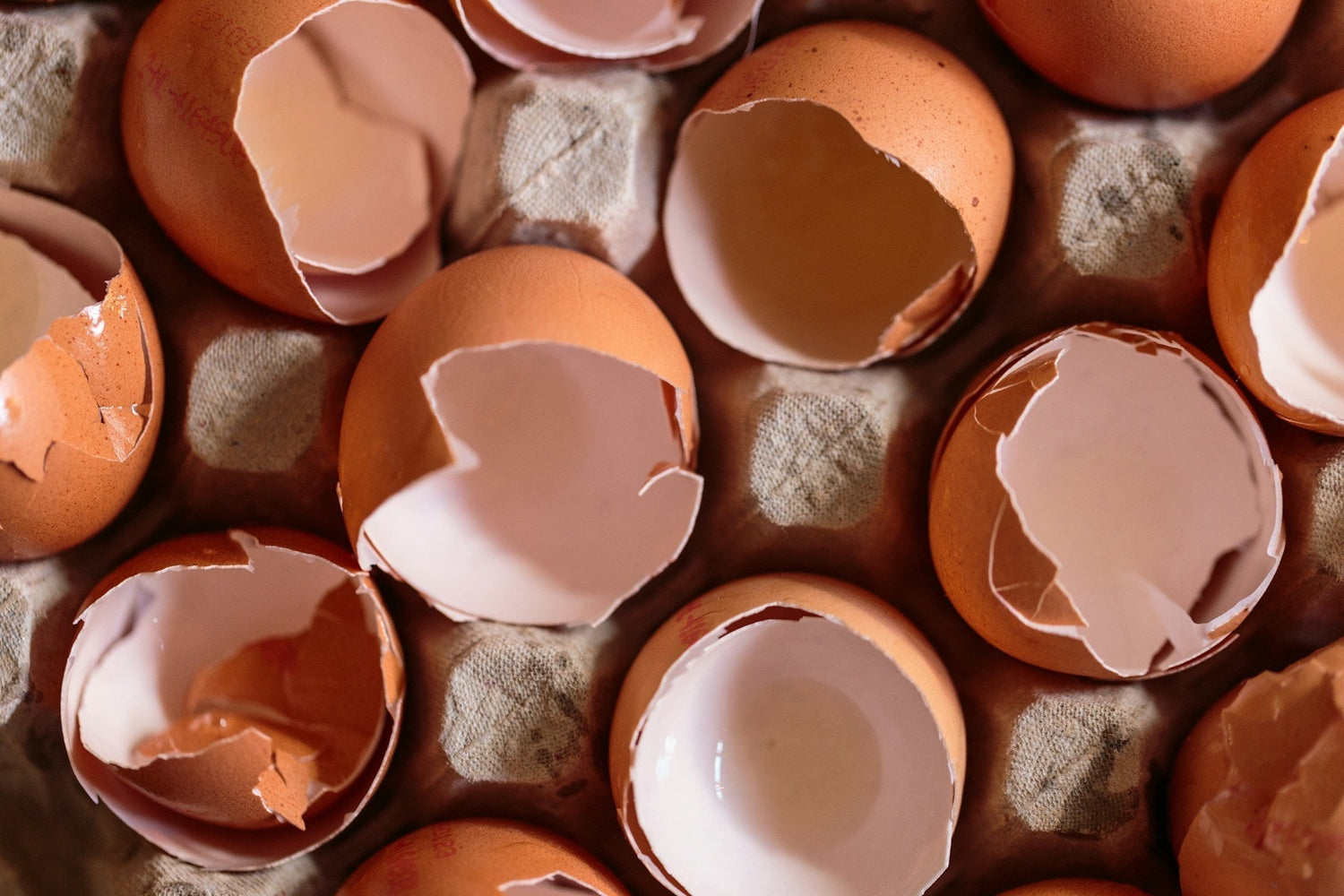
Garden Calcium Guide
How to Compost Eggshells
Eggshells can be garden gold, but only when you prepare and use them correctly. Learn how to compost eggshells, which plants benefit from calcium, and which acid-loving plants you should avoid.
The key is simple: whole shells break down slowly, while rinsed, dried, and crushed eggshells become much more useful in compost and soil-blending routines.
Kitchen scraps. Garden calcium. Real composting routines.
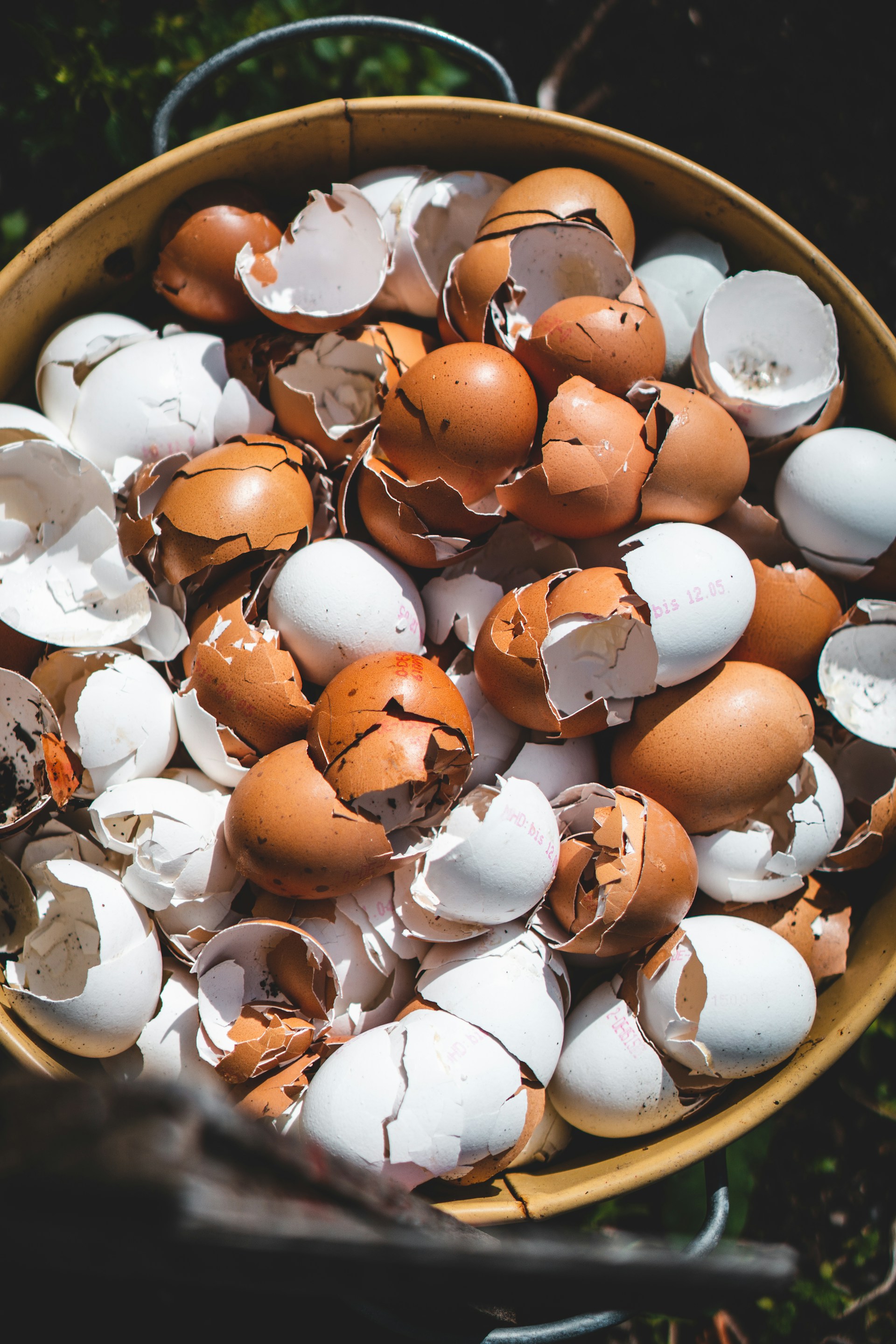
Slow-release calcium for the right plants.
Quick Answer
Yes, you can compost eggshells. They add calcium carbonate and can support soil health, but they break down slowly unless cleaned, dried, and crushed or ground.
Eggshells are most useful for calcium-loving plants such as tomatoes and peppers, but they are not a good choice for acid-loving plants such as blueberries, azaleas, rhododendrons, camellias, and blue hydrangeas.
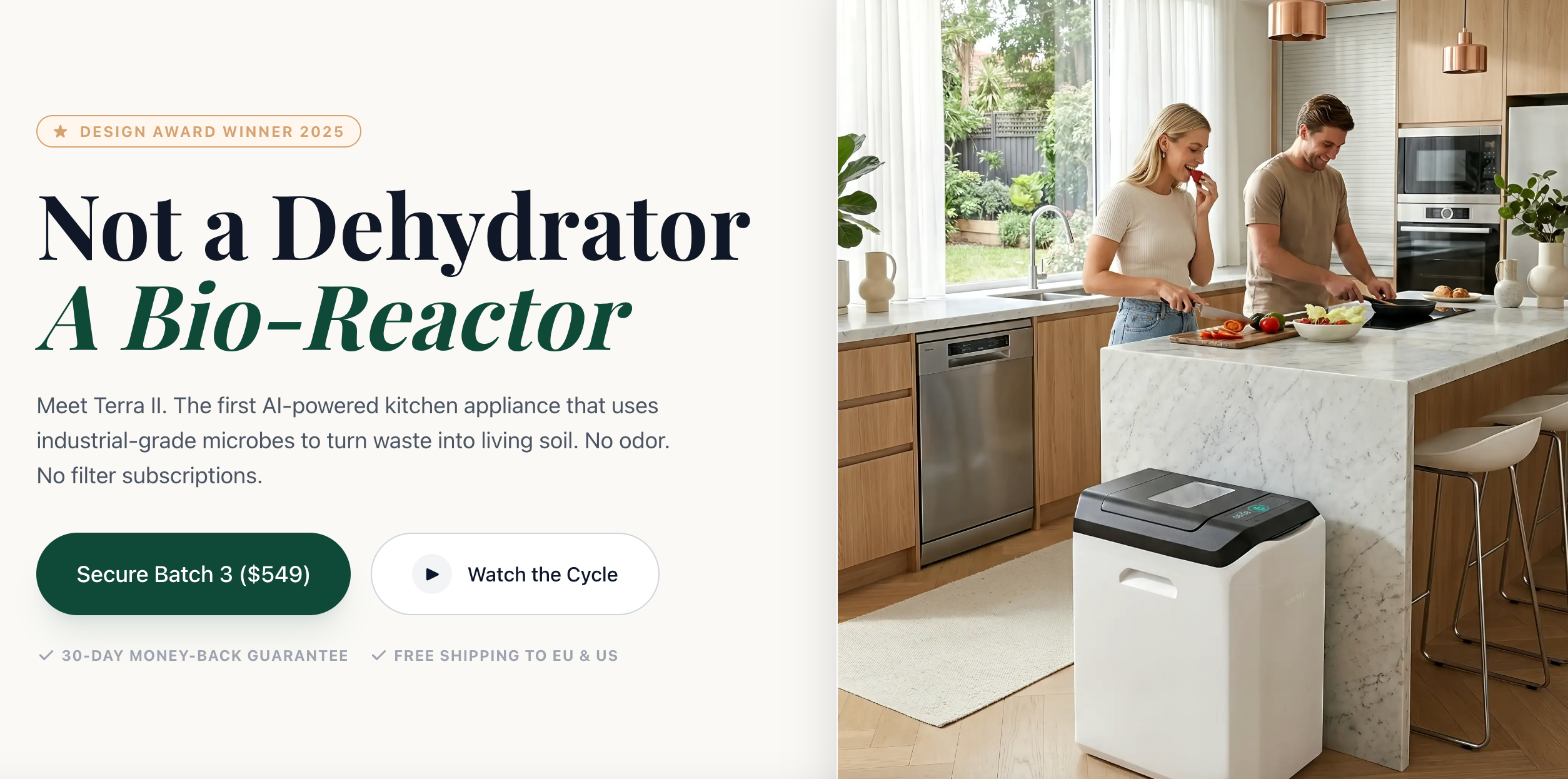
If eggshells are part of your daily kitchen waste, a real microbial kitchen composter can help make them part of a broader compost routine. GEME compost should still be blended with soil before plant use.
Related reading: how to compost coffee grounds, how to care for hydrangeas, and advanced GEME compost application guide.
Key Takeaways
- Eggshells are compostable. They are mainly calcium carbonate and can be useful in compost.
- Whole shells break down very slowly. Crushing or grinding makes them more useful.
- Wash and dry shells for traditional composting. This helps reduce odor and pest attraction.
- Tomatoes, peppers, roses, and some alkaline-tolerant plants may benefit.
- Blueberries, azaleas, rhododendrons, camellias, and blue hydrangeas usually do not want eggshell-heavy amendments.
- GEME compost should be used as a compost base. Screen large pieces, blend with soil, and apply carefully.
- GEME Terra II has no filter replacements and zero recurring filter costs.
Table of Contents
Save the Eggshells
You make breakfast, crack a few eggs, and the shells usually go straight into the trash. But eggshells are not just waste. With the right preparation, they can become a slow-release calcium source for compost and garden soil.
The important phrase is with the right preparation. Whole eggshells can sit in compost for a long time. Finely crushed or ground shells are much more useful because microbes and soil contact can act on them more effectively.
Simple rule: Eggshells are compostable, but preparation decides whether they become useful soil support or just visible shell fragments.
1. Can You Compost Eggshells?
Yes. Eggshells can be added to compost, and they are widely used as a calcium-rich organic material. They are especially useful when crushed, ground, or processed through an active composting system.
Why Eggshells Belong in Compost
| Benefit | Why It Matters |
|---|---|
| Calcium source | Eggshells are mostly calcium carbonate, which can support calcium-sensitive crops over time. |
| Slow release | They break down gradually rather than acting like a fast fertilizer. |
| Worm-bin support | Ground shells can provide grit for worms in vermicomposting systems. |
| Waste reduction | Composting keeps kitchen scraps out of the trash and returns minerals to the soil. |
The One Critical Rule
For traditional composting, rinse eggshells before adding them. Egg residue can smell and may attract pests. After rinsing, let shells dry and crush or grind them before composting.
For GEME users, light crushing is still a smart habit. GEME Terra II is a real microbial composter that can help integrate eggshells into a daily kitchen-to-soil routine, but smaller pieces are always easier for any system to process.
2. How to Prepare Eggshells for Compost
The biggest mistake is tossing whole shells into soil and expecting fast calcium release. Eggshells need surface area.
Preparation Methods Compared
| Method | Effectiveness | Effort | Best Use |
|---|---|---|---|
| Whole shells | Poor | Low | Not recommended if you want a faster breakdown |
| Hand-crushed shells | Moderate | Low | Basic composting or GEME pre-processing |
| Mortar and pestle | Good | Medium | Small batches |
| Coffee grinder or blender | Excellent | Medium | Fastest traditional soil use |
| Real microbial kitchen composter | Good as part of a mixed compost routine | Low | Daily food-scrap composting with soil-blending use |
Step-by-Step Preparation
- Rinse shells. Remove egg residue to reduce odor and pest risk.
- Dry shells. Air-dry them or dry them gently before storage.
- Crush or grind. Smaller pieces break down more effectively.
- Add to compost. Mix shells into the pile or bin rather than leaving them exposed.
- Use finished compost carefully. Blend compost with soil and avoid over-applying around sensitive plants.

Built for daily kitchen scraps.
Compost Eggshells Daily
Lightly crush eggshells, add them with food scraps, then use the compost base after blending it with soil. GEME Terra II supports real microbial composting with no filter replacements and zero recurring filter costs.
Real composter. Real microbial composting. No routine filter costs.
3. Eggshells for Plants: Who Likes Them?
Eggshells are most relevant for plants that benefit from calcium or tolerate neutral-to-slightly-alkaline conditions. They are not a universal fertilizer.
Calcium-Loving and Eggshell-Friendly Plants
| Plant | Why Eggshells May Help | Use Note |
|---|---|---|
| Tomatoes | Calcium supports fruit development and may help where soil calcium is low. | Also manage consistent watering; calcium alone does not solve every blossom-end rot issue. |
| Peppers | Similar calcium support to tomatoes. | Use composted or finely ground shells. |
| Eggplant | Can benefit from balanced soil calcium. | Avoid over-application. |
| Roses | May appreciate calcium as part of a broader soil-care program. | Compost first for best soil integration. |
| Pink hydrangeas | Eggshells may support gradual pH-raising routines. | Test soil pH before using eggshells for color goals. |
The Tomato Connection
Eggshells are often recommended for tomatoes because they contain calcium. But blossom-end rot is often connected to inconsistent moisture and calcium transport, not just a lack of calcium in the soil. Use eggshells as one part of a bigger tomato-care routine: steady watering, mulch, balanced soil, and gradual compost use.
4. What Plants Don’t Like Eggshells?
The plants that usually do not like eggshells are acid-loving plants. Eggshells can gradually raise pH, which may make it harder for these plants to access nutrients.
Plants to Avoid Using Eggshells Around
| Plant | Why Eggshells May Be a Problem |
|---|---|
| Blueberries | They prefer acidic soil; eggshells may push pH in the wrong direction. |
| Azaleas | Classic acid-loving plants that can struggle in alkaline conditions. |
| Rhododendrons | Need acidic soil for healthy nutrient uptake. |
| Camellias | Can show nutrient problems when the pH rises too much. |
| Blue hydrangeas | Higher pH can reduce aluminum availability and push flowers away from blue. |
Blue Hydrangea Warning
If you are trying to keep hydrangeas blue, do not use eggshell-heavy compost around them unless soil testing supports that choice. Eggshells are more relevant to pink-hydrangea strategies.
5. Eggshells in the Garden: Beyond Nutrition
Eggshells are often used for more than calcium, but not every claim is equally reliable.
Slug and Snail Deterrent
Some gardeners use crushed shells as a rough barrier against slugs and snails. Results are mixed, and eggshells should not be treated as a complete pest-control strategy.
Seed Starting Pots
Eggshell halves can be used as tiny seed-starting containers, but they are usually too small for fast-growing or deep-rooted seedlings. If you use them, transplant early before roots become cramped.
Soil Amendment
The best use is still as a composted or finely ground soil amendment, applied carefully to plants that can benefit from calcium and do not require strongly acidic soil.
6. Eggshell Composting Methods
Different composting methods handle eggshells differently. The right method depends on your space, patience, and whether you want a traditional outdoor pile or an indoor kitchen-to-garden routine.
Traditional Outdoor Composting
- Rinse and dry shells first.
- Crush or grind before adding.
- Mix into the pile instead of leaving shells exposed.
- Expect slow breakdown, especially if pieces are large.
Vermicomposting
- Use finely ground or well-crushed shells.
- Small amounts can provide grit for worms.
- Avoid adding large quantities at once.
GEME Terra II
GEME Terra II is a real microbial kitchen composter designed for daily food scraps and real compost output for soil blending. Eggshells can be added as part of a mixed compost routine, especially when lightly crushed first.
The practical advantage is lower preparation friction. You do not need to build a separate eggshell workflow every time you cook; shells can move through the same kitchen-to-soil routine as other compostable scraps.
Eggshell Methods at a Glance
| Method | Best For | Prep Needed | Output Use |
|---|---|---|---|
| Traditional compost | General soil improvement | Rinse, dry, crush or grind | Use mature compost in garden beds |
| Direct soil use | Targeted calcium support | Fine powder strongly preferred | Apply lightly and monitor soil pH |
| Vermicomposting | Worm bins and castings | Moderate grinding | Use finished castings carefully |
| Dehydrator-style food recycler | Volume reduction | Minimal | Output may need further composting or soil guidance |
| GEME Terra II | Daily real microbial kitchen composting | Light crushing recommended | Blend compost base with soil before plant use |
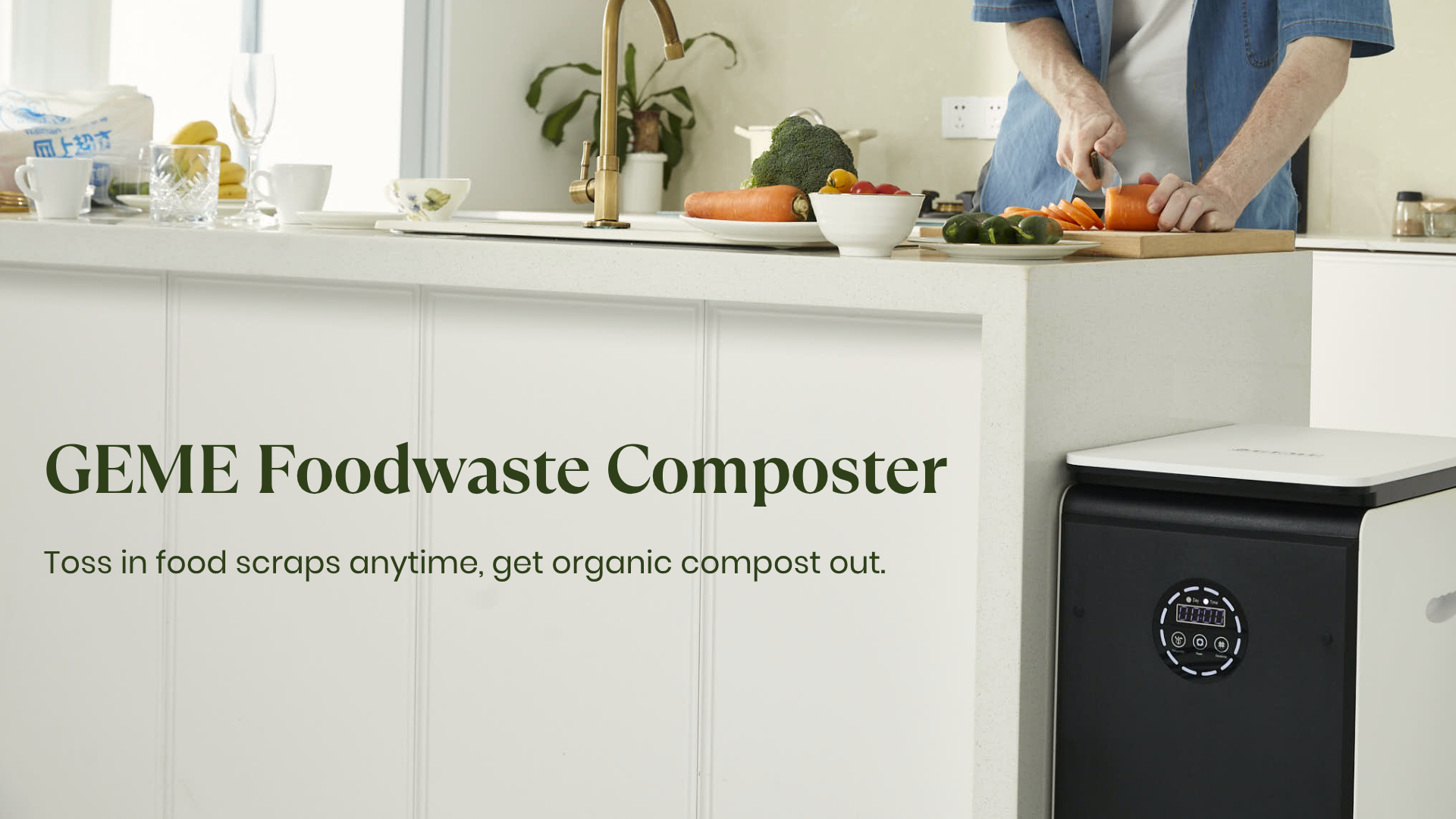
More real compost base for soil.
Need More Capacity?
GEME Pro fits larger households and heavier cooking routines where eggshells, peels, coffee grounds, and daily scraps add up quickly.
Built for heavier daily composting. No filter replacements. Zero recurring filter costs.
7. Troubleshooting Eggshells in Compost
| Problem | Likely Cause | Solution |
|---|---|---|
| Shells still visible after composting | Pieces were too large | Crush smaller, return large pieces to compost, or grind before next use. |
| Pests near the outdoor pile | Egg residue or exposed food scraps | Rinse shells and bury food scraps inside the pile. |
| Plants yellowing after use | Wrong plant type or pH shift | Stop adding eggshells and test soil pH. |
| Slow breakdown in outdoor compost | Cold pile or large shell pieces | Grind finer and keep compost active with greens, browns, moisture, and air. |
8. Common Myths About Eggshells
Myth 1: Eggshells prevent blossom-end rot in every case
Not always. Eggshells provide calcium, but blossom-end rot is often connected to inconsistent watering and calcium transport. Manage moisture first.
Myth 2: All plants benefit from eggshells
False. Acid-loving plants may suffer if eggshells raise soil pH over time.
Myth 3: Whole eggshells work quickly
False. Whole shells can remain visible for a long time. Crush, grind, or process them through an active compost system.
Myth 4: Eggshells are a complete fertilizer
False. Eggshells are mainly a calcium source. They do not replace balanced compost, soil testing, or a full fertility plan.
Quick Reference Summary
| Can you compost eggshells? | Yes. |
| Best preparation | Rinse, dry, crush or grind. |
| Best plants | Tomatoes, peppers, roses, pink hydrangeas, and calcium-friendly plants. |
| Plants to avoid | Blueberries, azaleas, rhododendrons, camellias, and blue hydrangeas. |
| GEME use | Lightly crush shells, compost with mixed scraps, then blend output with soil before plant use. |
9. Frequently Asked Questions
Can you compost eggshells?
Yes. Eggshells are compostable and can add calcium carbonate to compost. They work best when rinsed, dried, and crushed or ground.
How long do eggshells take to break down in compost?
Whole shells can take a long time. Finely crushed or ground eggshells break down more effectively because they expose more surface area.
Do I need to wash eggshells before composting?
For traditional composting, yes. Washing helps remove egg residue that can smell or attract pests. For enclosed microbial composting, light crushing is still recommended, and users should follow product guidance.
What plants don’t like eggshells?
Acid-loving plants such as blueberries, azaleas, rhododendrons, camellias, and blue hydrangeas usually do not benefit from eggshell-heavy amendments.
Are eggshells good for tomatoes?
They can be helpful as part of a calcium-supporting soil routine. However, tomatoes also need consistent watering because blossom-end rot is often linked to water and calcium transport.
Can eggshells change hydrangea color?
Eggshells may gradually raise soil pH, which can support pink hydrangea strategies but may work against blue hydrangeas. Always test soil pH first.
Can I put eggshells in a worm bin?
Yes. Ground eggshells can provide grit for worms, but avoid adding large quantities at once.
Can GEME Terra II process eggshells?
GEME Terra II can include eggshells as part of a mixed kitchen-scrap composting routine. Lightly crushing shells first is a practical way to help with processing and improve the final soil use.
Can I use GEME compost directly on plants?
Use GEME output as a compost base blended with soil. A cautious guide is around one part compost to eight to ten parts soil, depending on plant sensitivity and soil condition.
Does GEME Terra II require routine odor filter replacement?
No. GEME Terra II has no filter replacements and zero recurring filter costs.
Conclusion: From Eggshells to Garden Calcium
Eggshells are too useful to throw away, but they need the right handling. Whole shells break down slowly. Washed, dried, crushed, or ground shells become far more practical for compost and garden use.
Use eggshells with the right plants. Tomatoes, peppers, roses, and some pink hydrangea varieties may benefit. Blueberries, azaleas, rhododendrons, camellias, and blue hydrangeas usually need a different soil strategy.
GEME Terra II and GEME Pro can help make eggshells part of a daily kitchen-to-garden compost routine. The key is still good gardening practice: screen large pieces, blend compost with soil, and apply according to plant needs.
Final rule: Eggshells are not trash. They are calcium, but only the right plants want it.
References
- University of Florida IFAS — Composting FAQs
- Arizona Department of Environmental Quality — Compost Guide
- University of Alaska Fairbanks — Garbage for Your Garden
- Cooperative Extension — Adding Eggshells to Compost
- Better Homes & Gardens — Eggshells for Plants
- GEME — How It Works
- GEME — Advanced Compost Application Guide
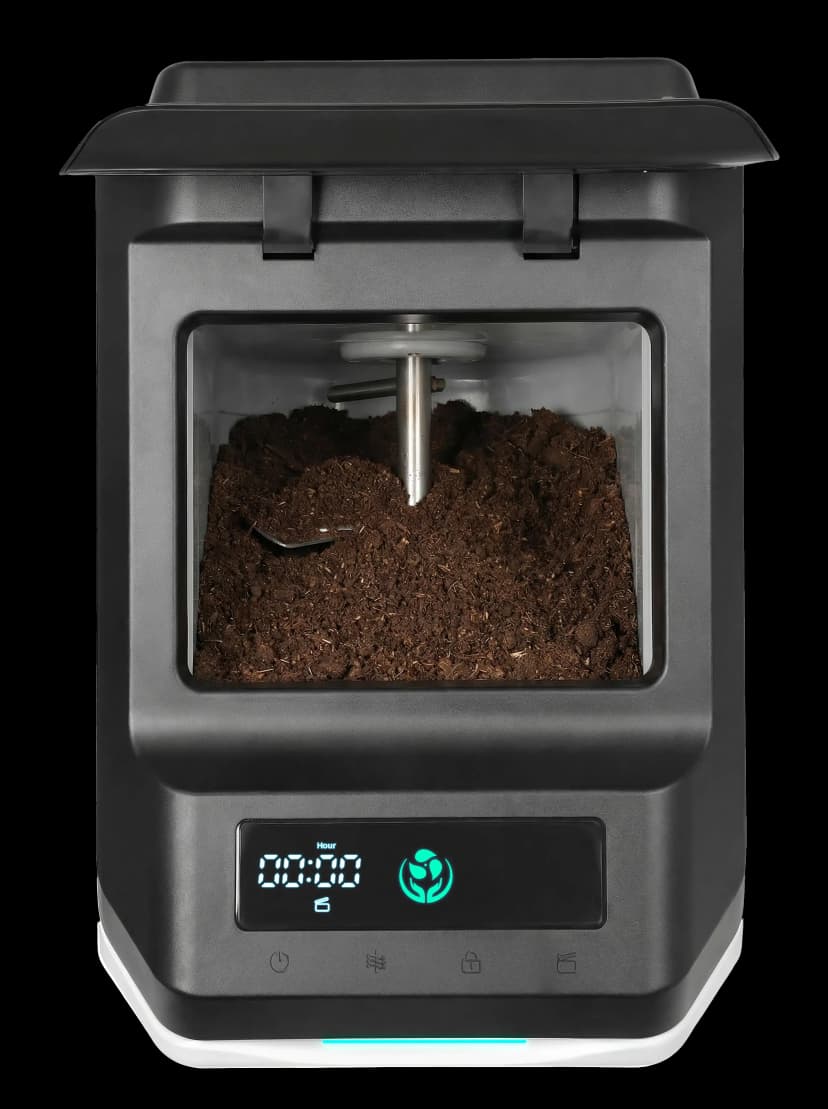
Keep calcium in the garden loop.
Start Composting
Turn eggshells, peels, coffee grounds, and daily scraps into real compost for careful soil blending.
Real composter. Real microbial composting. No filter replacements.

Leave a comment
This site is protected by hCaptcha and the hCaptcha Privacy Policy and Terms of Service apply.