


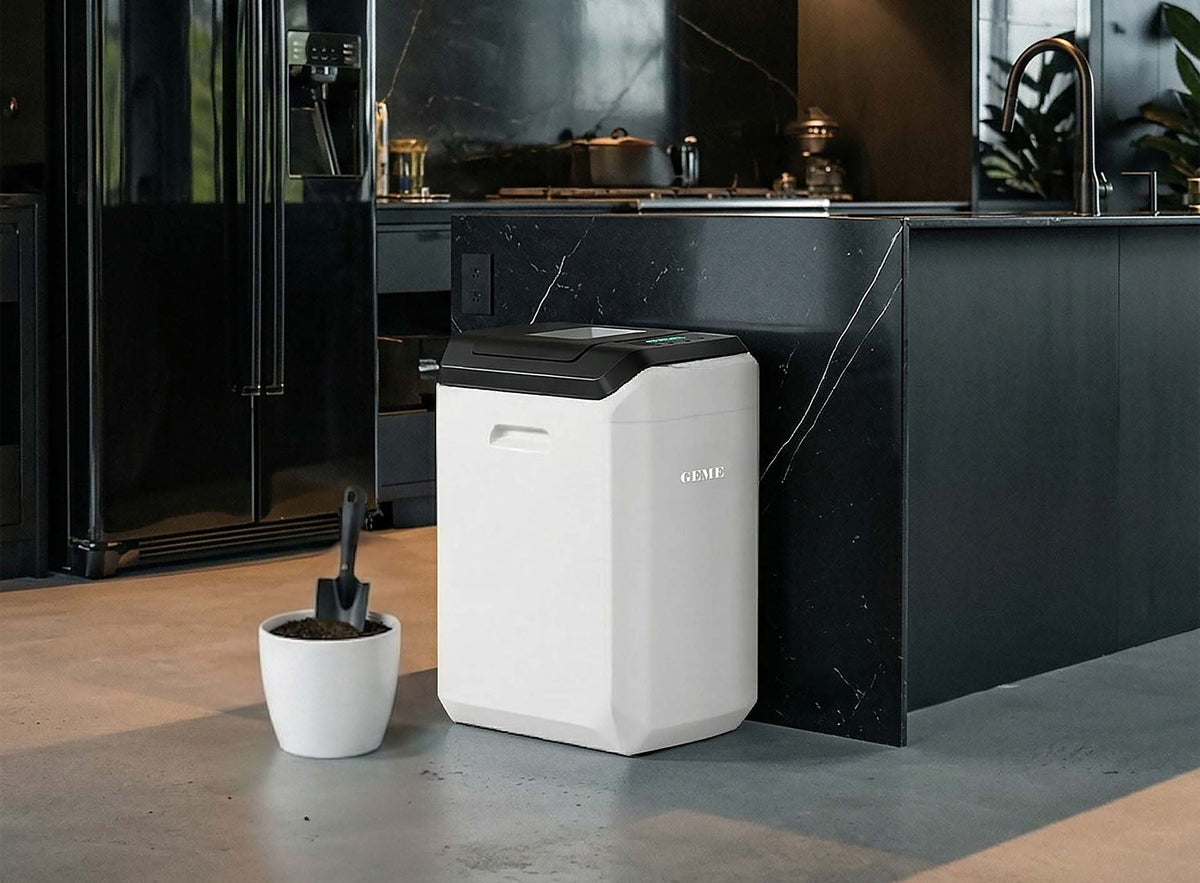
Best Composter for Home: 7 Composting Systems Compared
The best composter depends on what you want to happen to your food scraps. Compare continuous microbial composters, hot compost bins, tumblers, backyard systems, worm bins, Bokashi and electric foo...
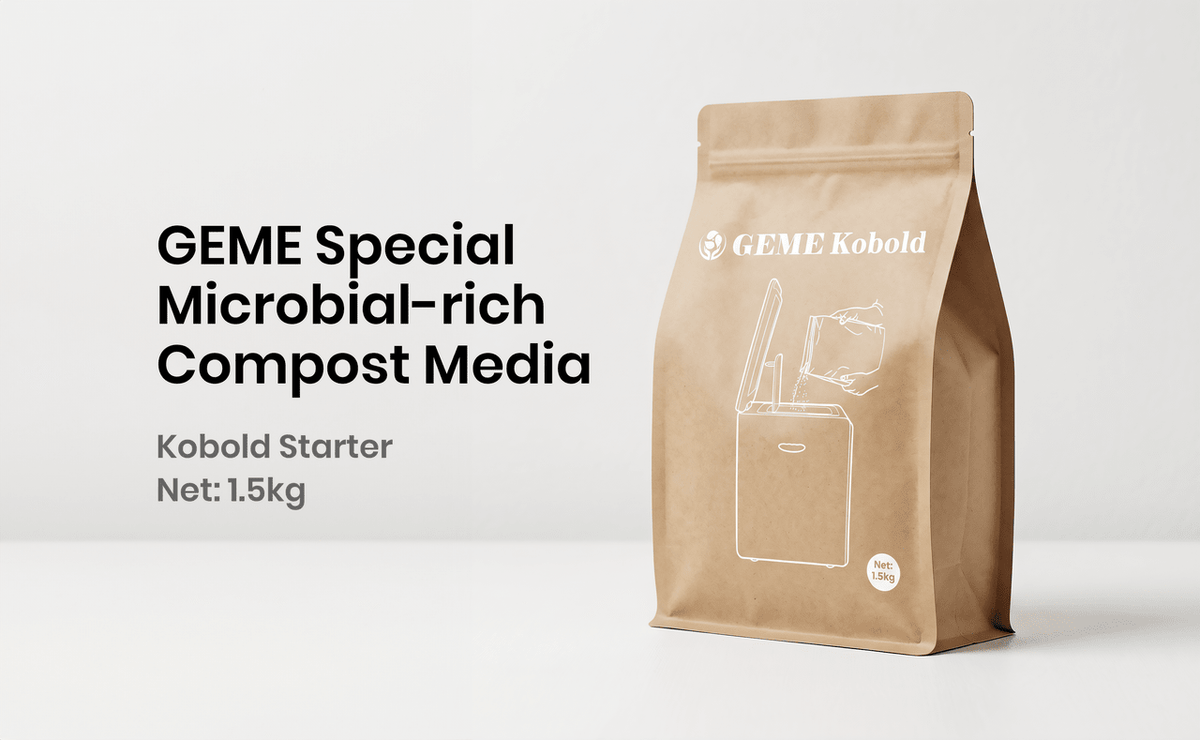
Can Garden Compost Starter Replace GEME Kobold?
Garden compost accelerators and GEME Kobold serve different systems. Compare intended use, formulation information, device compatibility, and support paths, then check which supplies belong in Terr...
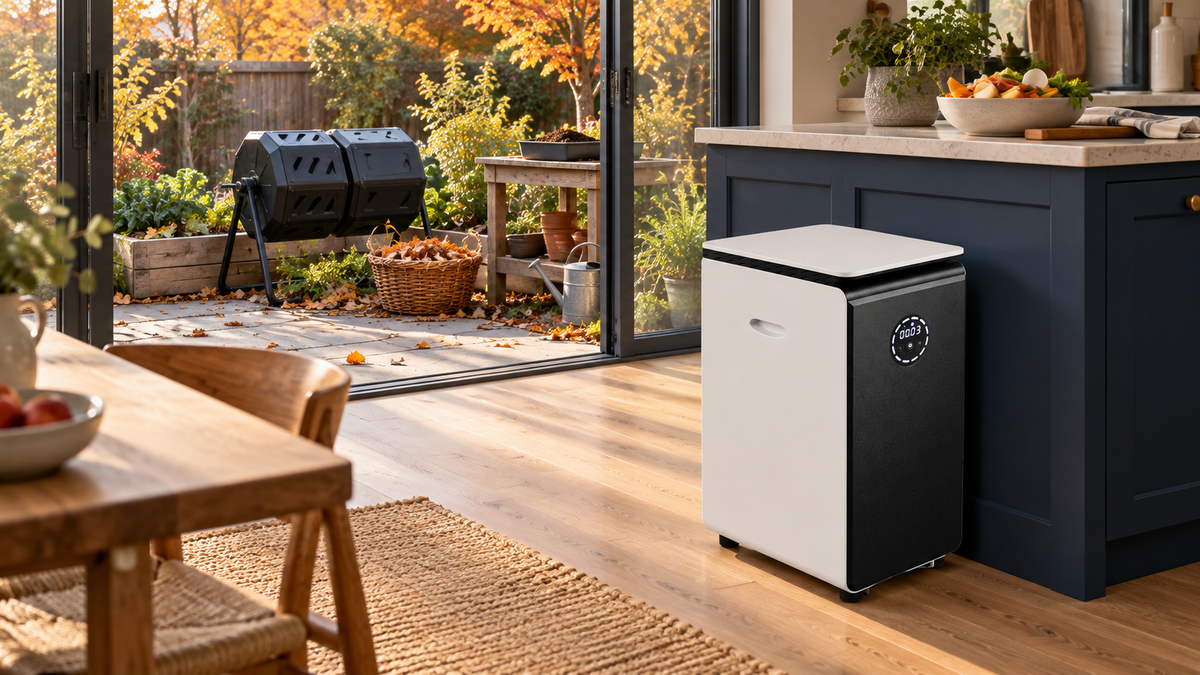
GEME Composter vs Compost Tumbler: A Two-Stream Setup
Let GEME Composter handle suitable daily kitchen scraps while your existing compost tumbler works on balanced batches of yard materials. Plan the two streams, keep their finishing steps separate an...
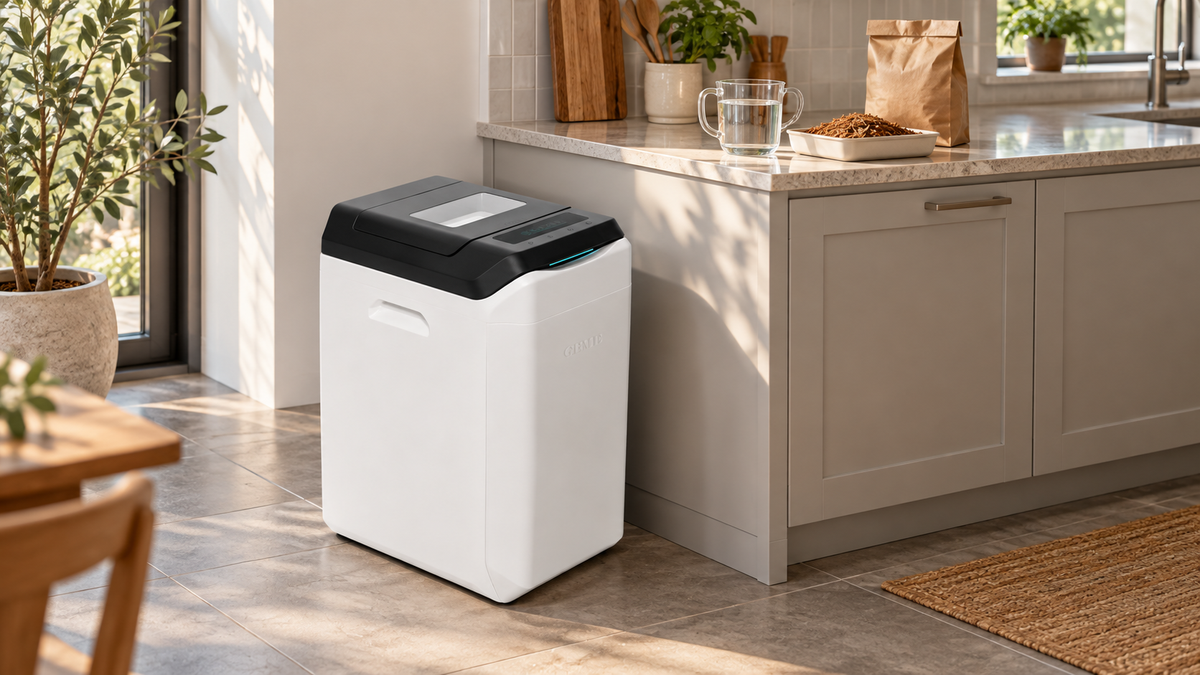
Reencle vs GEME: Microbe Activation and the First Week of Feeding
Start with the right instructions for your exact model. Compare microbial starter packs, activation water and first-week feeding, then see how GEME Terra 2 and Pro support an ongoing indoor compost...
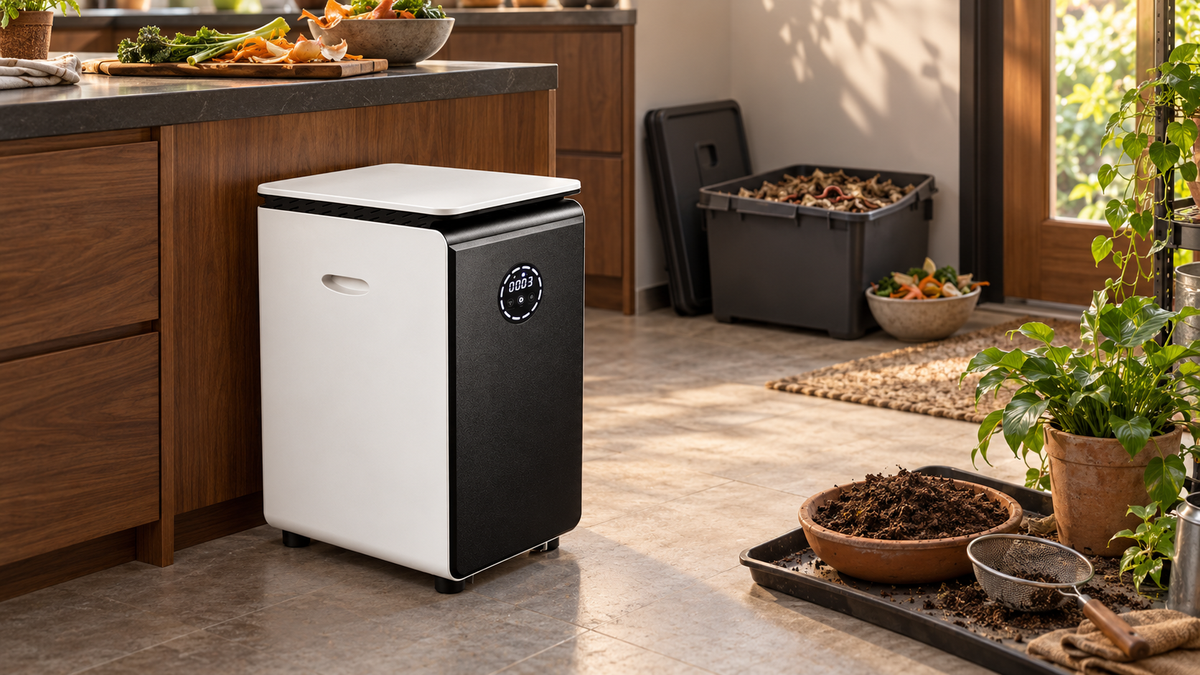
Worm Bin vs GEME Composter: Which Composting System is Better?
Choose GEME Terra 2 or GEME Pro for a more convenient daily kitchen-scrap routine. If you want to keep your worm bin, route suitable original scraps separately, track each system’s load, and keep C...
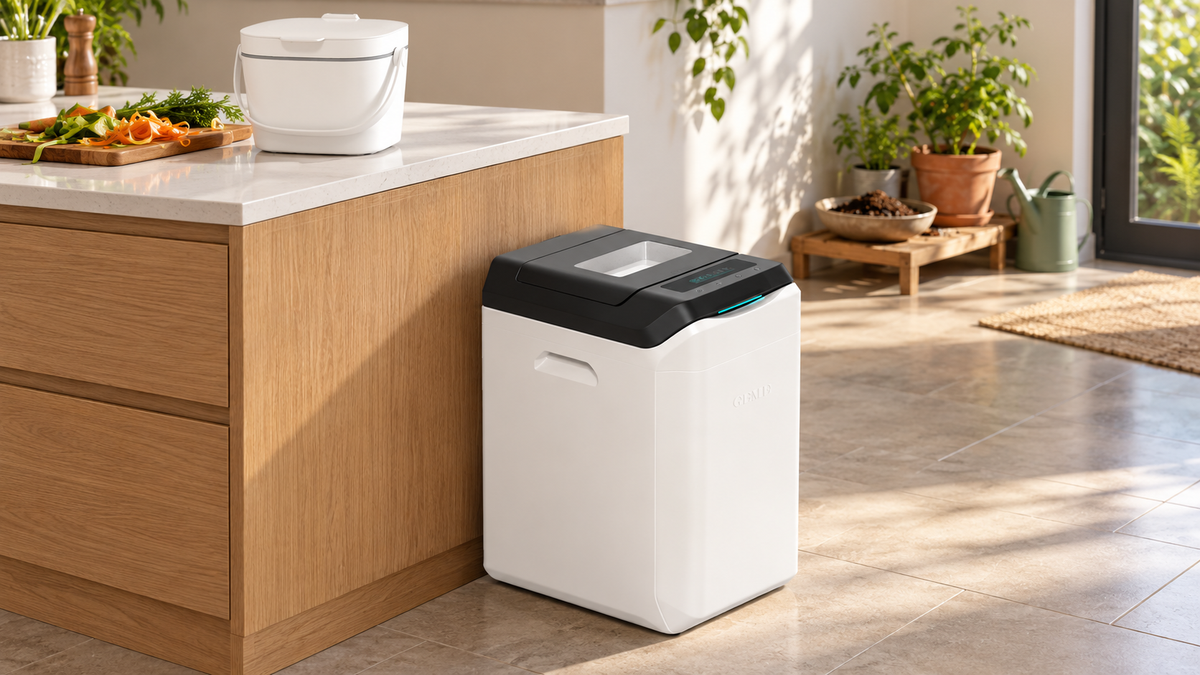
Does an OXO Compost Bin Make Compost? Choose a GEME Real Composter
A countertop collection bin cannot replace a real composter. Discover why we recommend GEME Terra 2 and GEME Pro for real microbial composting, and how an OXO bin you already own can serve as an op...

HOTBIN vs GEME Composter: Can Your Kitchen Supply Enough Material for Outdoor Hot Composting?
HOTBIN needs enough regular waste, wood chips, paper, and temperature checks to sustain its outdoor hot-composting routine. Compare the HOTBIN Mini 100 and HOTBIN 200 with the GEME Terra 2 and GEME...
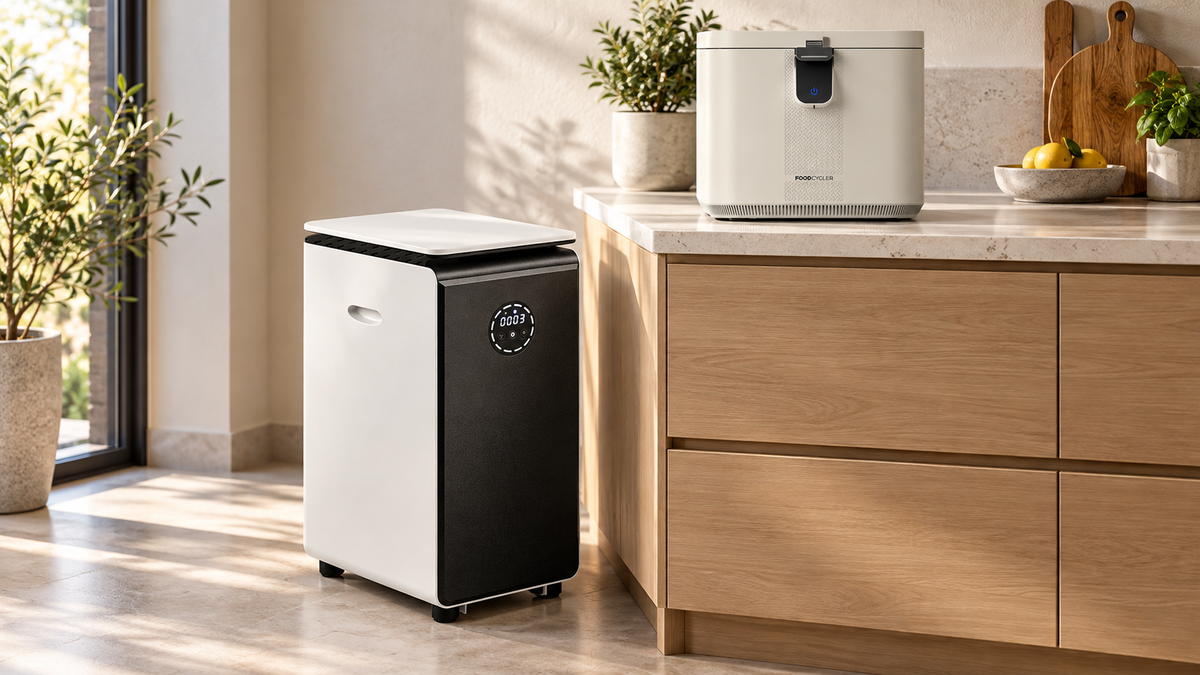
FoodCycler Eco 5 vs GEME Pro: Which Is the Real Kitchen Composter?
GEME Pro uses living microbes to compost food scraps inside a continuous chamber. FoodCycler Eco 5 removes moisture and grinds a batch into dry Foodilizer. See why GEME Pro is our choice for real i...