


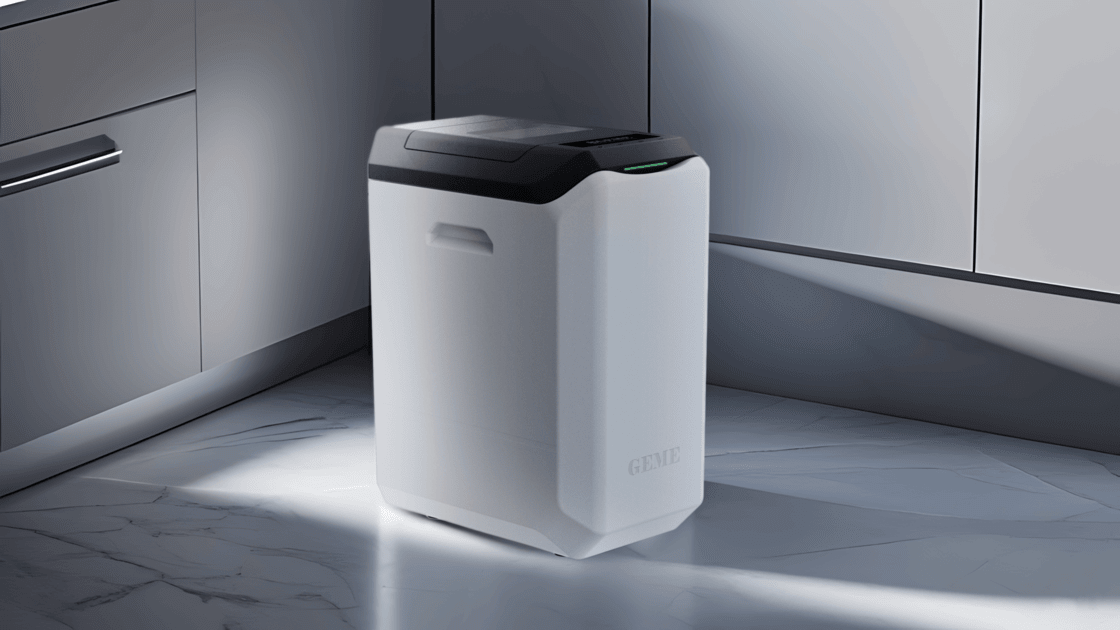
5 Reasons to Compost Food Waste at Home With GEME
Food waste is not only a trash problem. It is a resource problem, a landfill problem, and a daily household habit problem. This guide explains five practical reasons to compost food waste at home w...

How Does a Real Electric Composter Work? Microbes vs Dehydrators
Some electric composters really compost; others mainly heat, dry and grind food scraps. This guide explains the biological difference between real aerobic microbial composting and dehydration, what...
Mastering the GEME Cycle: An Agronomist’s Guide to Continuous-Flow Compost Application
GEME is a continuous-flow microbial composting system, so its output should be used with a practical soil-care workflow: screen larger pieces and return them to the chamber, mix the compost base wi...

Why GEME Composter Chose Aerobic Digestion Over Grinding?
Grinding makes food scraps smaller, but smaller scraps are not automatically compost. GEME is designed around controlled aerobic microbial composting, where oxygen, moisture, temperature, mixing, p...
Can I Put Plastic in GEME Composter? Composting Basics 06
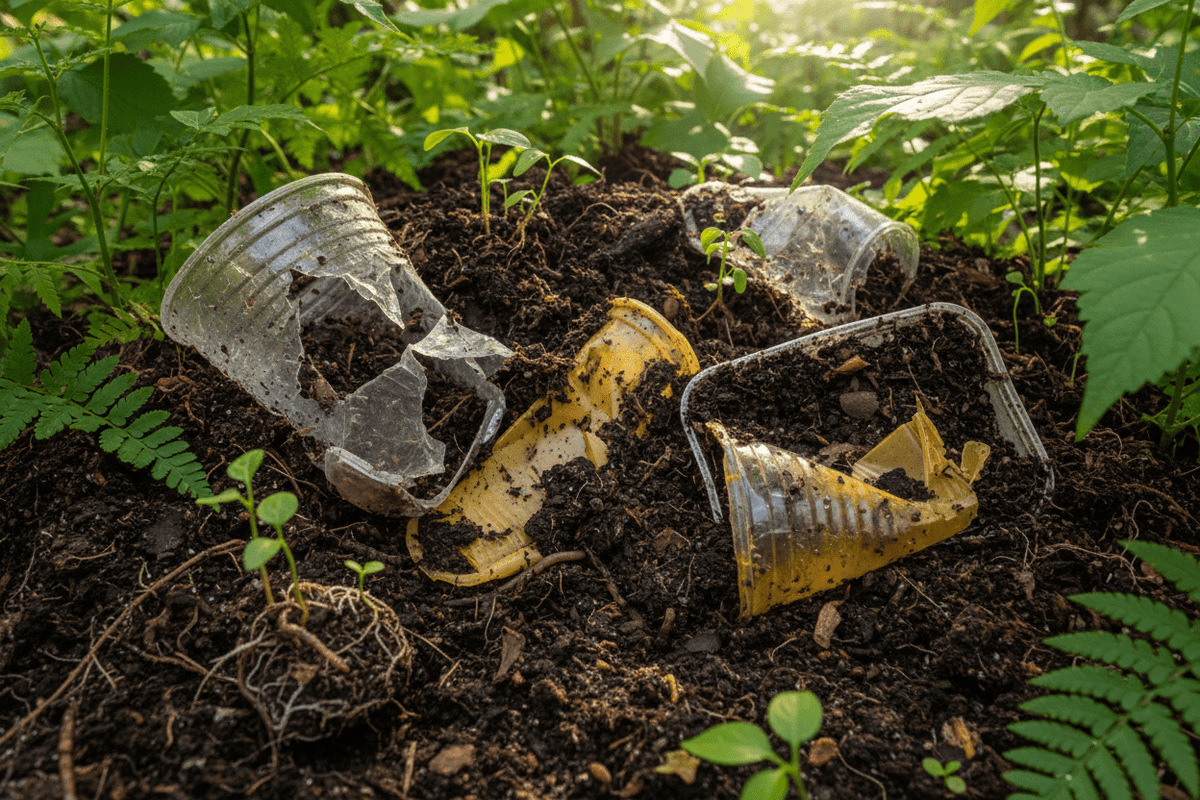
No, conventional plastic should not go into a GEME composter. “Biodegradable,” “biobased,” and “compostable” labels can be confusing, and many compostable plastics are designed for industrial compo...
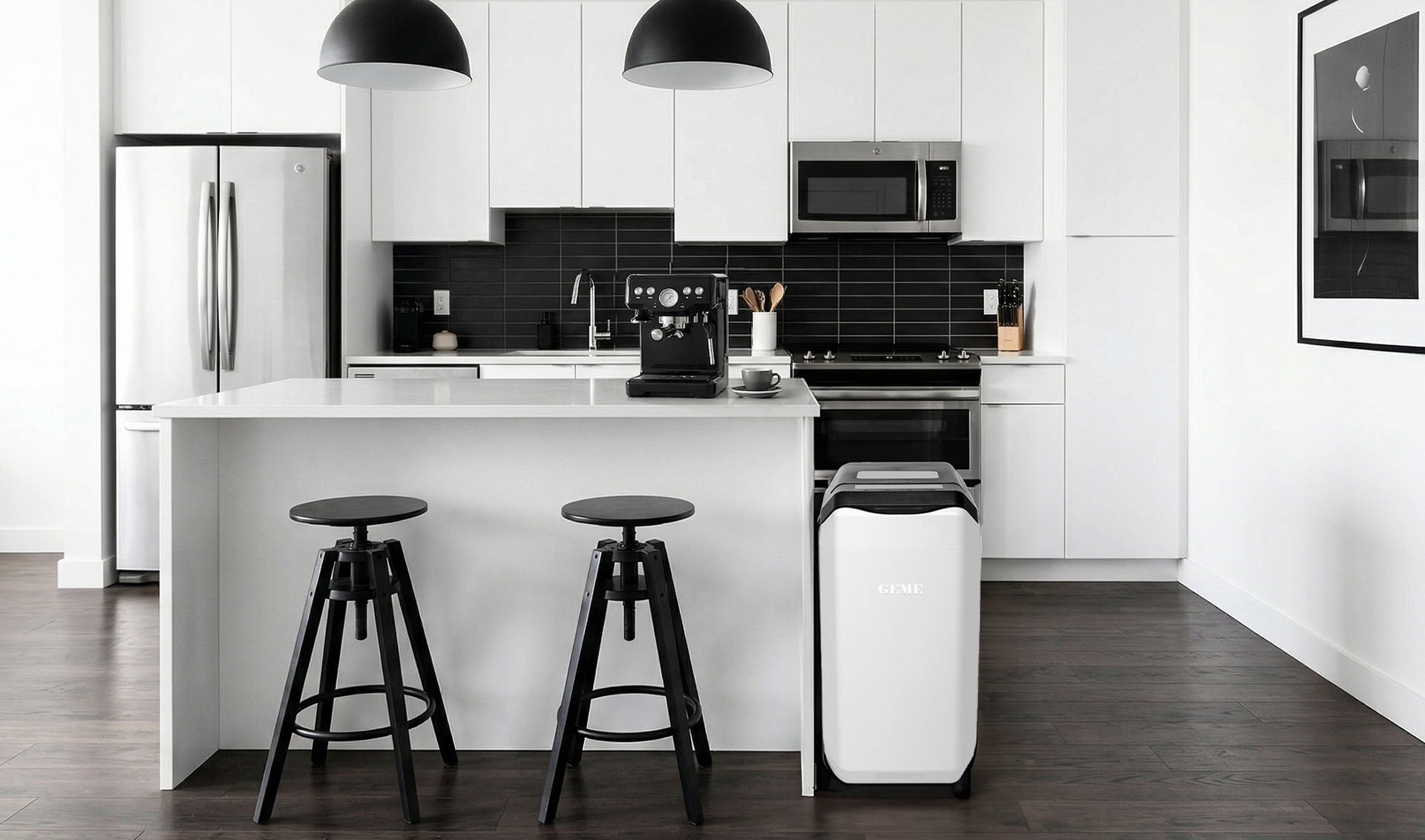
Kitchen Composting Solution: Why GEME Terra II Is the Right Electric Composter for Your Home
Many kitchen composters only dry and grind food scraps. GEME Terra II takes a different approach: real microbial composting, continuous feed, no filter replacements, zero recurring filter costs, an...
Compost Pile vs Electric Composter: Which Is Better for Home Composting in 2026?
A complete guide comparing compost piles and electric composters, including how they work, what they can compost, and which option is best for your lifestyle.