


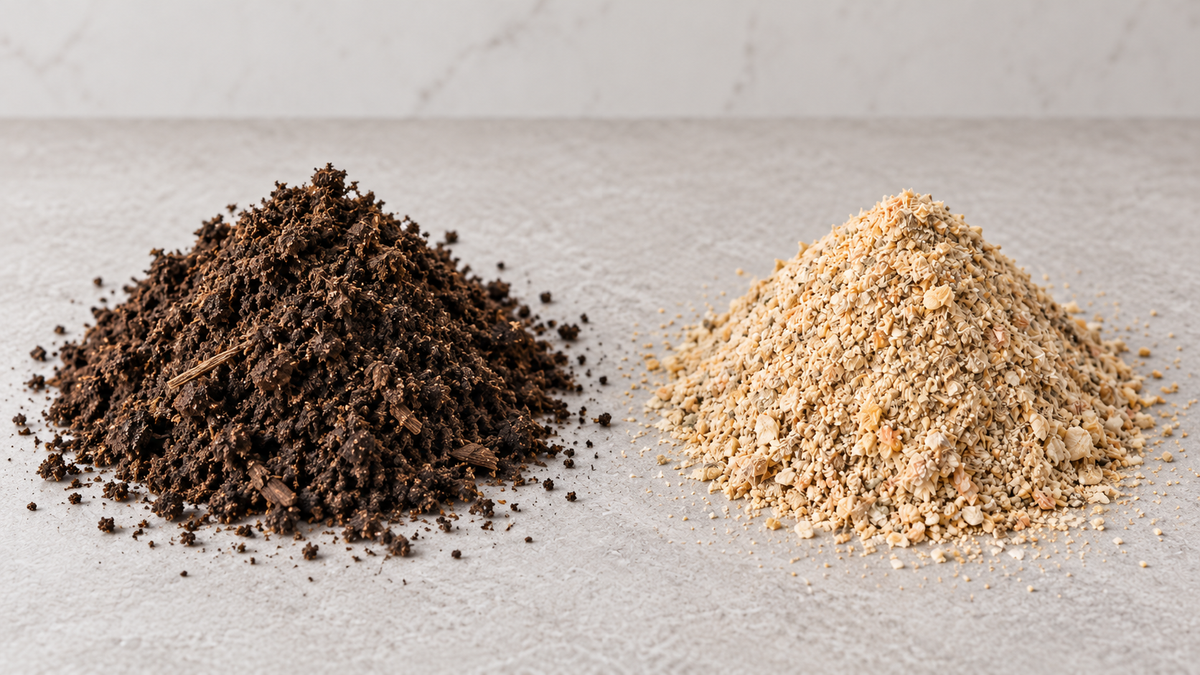
Real Compost vs Dehydrated Food Waste: Which Is More Sustainable?
Dried food waste and real compost are not the same thing. Dehydration removes water and reduces volume; composting uses microorganisms to biologically transform organic matter and create a soil-ret...

Composting in Winter: Indoor Composting with GEME Composter | Composting Basics 37
Cold weather can slow an outdoor compost pile, but your kitchen keeps producing scraps. Discover how GEME Terra 2 and GEME Pro support continuous indoor composting through winter, which model fits ...
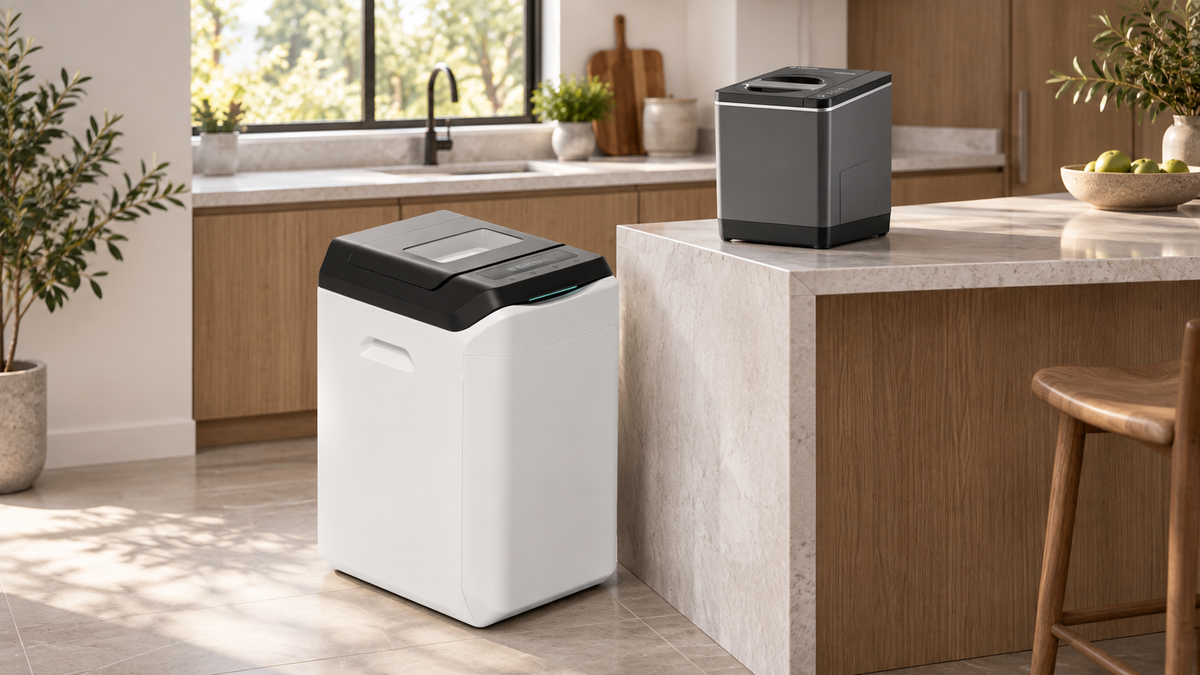
GEME Composter vs Vitamix FoodCycler: Understanding Kitchen Compost Machines
Vitamix FoodCycler and GEME Composter are both used for kitchen food waste, but the processes inside are fundamentally different. This guide separates grinding, drying and microbial composting so y...
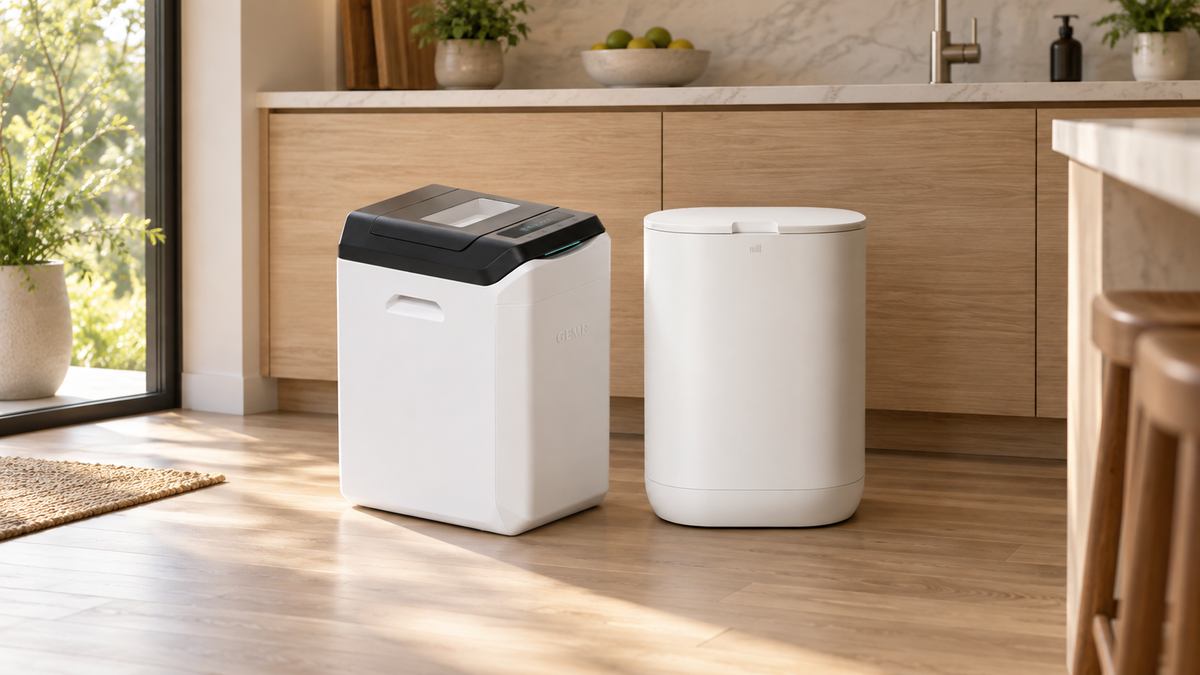
GEME Composter vs Mill Food Recycler: Composting Or Waste Collection?
Mill and GEME Terra 2 both manage daily food scraps, but they perform different jobs. Mill collects, dries and grinds food into Food Grounds; Terra 2 maintains an aerobic microbial composting bed a...
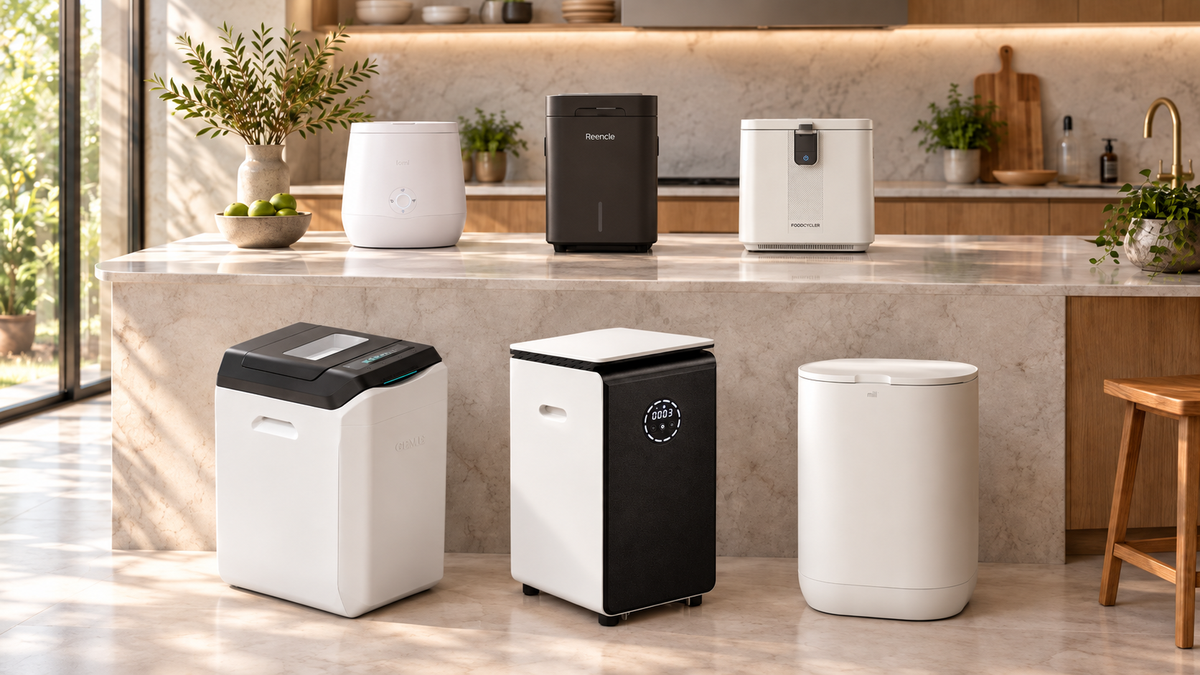
We Reviewed 6 Best Composters: GEME Composter vs. Lomi vs. Mill vs. Reencle vs. FoodCycler
We compared six of the most talked-about kitchen composters and food recyclers using the same practical review framework: daily workflow, biological process, capacity, odor, output, maintenance and...

Compost Odor: Why Compost Smells and How to Fix It
Healthy aerobic compost should smell earthy, not rotten. If your compost smells bad, excess moisture, poor airflow or an imbalance of carbon-rich and nitrogen-rich materials is usually involved. Th...
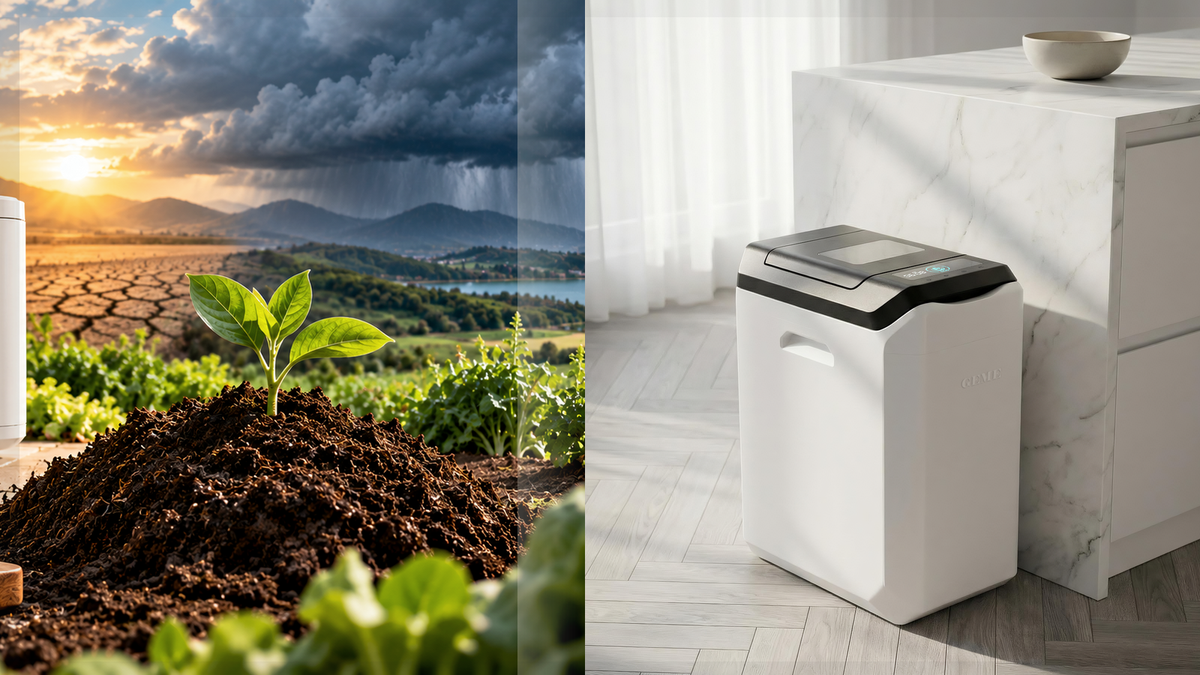
Climate Resilience, Food Waste & Soil: How Compost Helps Build a Stronger Food System
Extreme heat, drought, floods and storms expose weak points across the food system. This guide explains how food waste adds climate pressure, why soil is a critical resilience layer, and how well-m...