

Popcorn Storage & Food Waste Guide
Yes, popcorn can expire or go bad. Dry kernels are shelf-stable, but they can lose the internal moisture they need to pop. Microwave popcorn and flavored popcorn usually decline faster because added oils, butter flavoring, sugar, cheese powder, or seasonings can become stale or rancid.
If popcorn smells rancid, looks moldy, feels damp, tastes bitter, or has been stored in humid conditions, do not eat it. Plain popcorn and unpopped kernels can often be composted in small amounts through a managed composting system.
Keep kernels sealed, cool, dry, and away from heat. Compost only appropriate scraps responsibly.

Airtight, cool, dry, and away from sunlight.
Quick Answer
Popcorn can expire, but the timeline depends on the type. Dry unpopped kernels often keep for about 1–2 years when sealed and stored in a cool, dry place. Microwave popcorn is often best within 6–12 months because oils and flavorings can turn rancid. Plain popped popcorn is best eaten quickly, often within 1–2 days for best quality.
Do not eat popcorn that smells rancid, looks moldy, feels damp, tastes bitter or chemical-like, or comes from damaged packaging. If popcorn is plain and not contaminated with non-compostable packaging, it can often be composted in small amounts.
For related context, read do eggs expire?, how long apples last in the fridge, and how to use compost correctly.
Key Takeaways
- Popcorn can expire or lose quality. Kernels, microwave popcorn, and popped popcorn age differently.
- Dry kernels need internal moisture. Kernels that dry out too much may not pop well.
- Moisture is also a risk. Humidity can lead to mold or poor popping performance.
- Microwave popcorn goes bad faster. Added oils and flavorings can become rancid before the kernels fully fail.
- Popped popcorn goes stale quickly. Plain popped popcorn is best eaten soon after popping.
- Trust smell and texture. Rancid, moldy, damp, or bitter popcorn should not be eaten.
- Compost plain popcorn cautiously. Plain kernels or popped popcorn can often be composted in small amounts; oily, cheesy, sugary, or heavily salted popcorn needs more caution.
- GEME Terra II: can support real microbial composting for appropriate food scraps according to product guidance, with compost output for soil blending.
Table of Contents
- Does Popcorn Expire?
- Popcorn Shelf Life Table
- How Long Does Unpopped Popcorn Last?
- Does Microwave Popcorn Go Bad?
- Does Popped Popcorn Expire?
- How to Know If Popcorn Has Gone Bad
- How to Store Popcorn Properly
- Can You Eat Expired Popcorn?
- Can You Compost Expired Popcorn?
- From Expired Snacks to Responsible Waste Handling
- FAQ About Popcorn Expiration
- Summary
- Sources
- Related Articles
Does Popcorn Expire?
Popcorn expires in two main ways: it can lose quality, or it can become unsafe to eat. Dry kernels may not spoil quickly, but they can lose the moisture needed for popping. When that happens, more kernels stay hard at the bottom of the pot or bag.
Microwave popcorn, buttered popcorn, cheese popcorn, caramel popcorn, and flavored popcorn have more ingredients than plain kernels. Oils and flavorings can become rancid, stale, sticky, or unpleasant over time.
The date on the package is helpful, but smell, texture, packaging condition, moisture exposure, and storage history matter more when deciding whether popcorn is still usable.
Popcorn Shelf Life Table
| Popcorn Type | Typical Best-Quality Window | Best Storage Method | Main Risk |
|---|---|---|---|
| Unpopped dry kernels | Often 1–2 years | Airtight container, cool, dry pantry | Drying out or mold from moisture |
| Microwave popcorn packets | Often 6–12 months for best quality | Original sealed packaging, cool dry pantry | Rancid oils or stale flavorings |
| Freshly popped plain popcorn | Best within 1–2 days | Covered bowl or airtight container | Staleness, chewiness, moisture |
| Buttered or oily popcorn | Shorter than plain popcorn | Sealed, cool, dry, eaten quickly | Rancid oil and soggy texture |
| Cheese, caramel, or sugary popcorn | Follow package guidance | Sealed package or airtight container | Stickiness, rancidity, mold, texture loss |
These are practical quality windows, not guarantees. Packaging, preservatives, humidity, heat, and ingredients can change shelf life.
How Long Does Unpopped Popcorn Last?
Unpopped popcorn kernels can often last about 1–2 years when stored properly. The key is moisture balance. Kernels need some internal moisture to pop, but they should not be exposed to external moisture, humidity, steam, or condensation.
When kernels become too dry, they may not pop well. When they absorb moisture from the environment, they can become moldy, musty, or unsafe.
Signs Unpopped Kernels Are Too Old or Poorly Stored
- Many kernels do not pop.
- Kernels smell stale, musty, oily, or rancid.
- You see mold or unusual discoloration.
- Kernels look cracked, dusty, or very dry.
- The storage container has condensation or moisture.
- The kernels were kept near heat, steam, sunlight, or humidity.
For old kernels, test a small batch first. If popping performance is poor but the kernels smell and look normal, the issue may be quality rather than safety. If there is mold, dampness, or a musty odor, discard them.
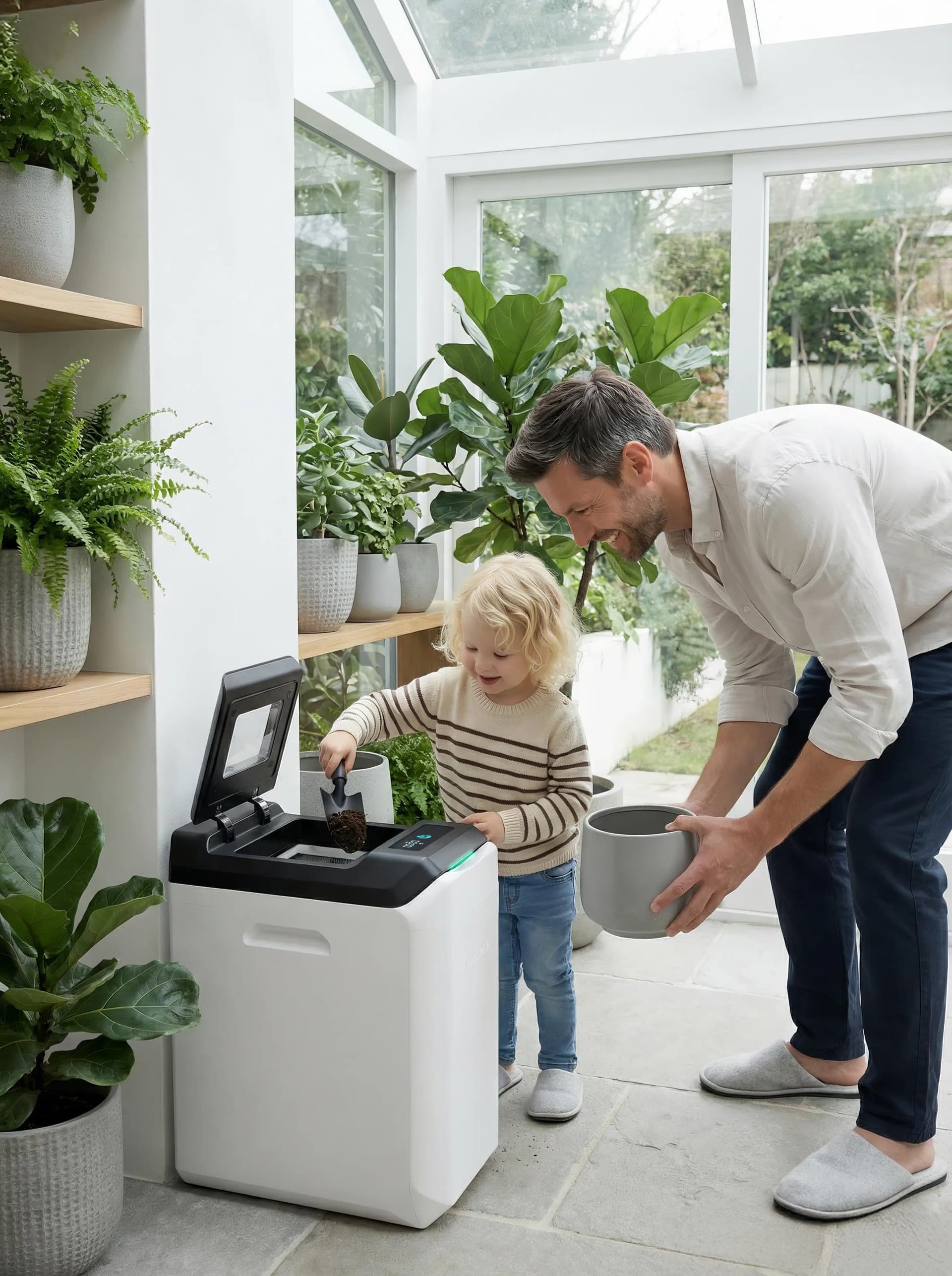
Do not eat moldy or rancid food. Handle scraps responsibly.
Reduce Snack Waste Without Guessing on Safety
Better storage helps popcorn last longer. When appropriate plain scraps still need handling; GEME Terra II supports real microbial composting indoors according to product guidance, with no drying, no replacement odor filters, and compost output for soil blending.
Real microbial composting. No filter replacements. Compost for soil blending.
Does Microwave Popcorn Go Bad?
Yes. Microwave popcorn can go bad because it often contains oils, butter flavoring, salt, sugar, or seasonings. These added ingredients can become rancid, stale, sticky, or unpleasant over time.
Unopened microwave popcorn may still pop after its best-by date, but the flavor, smell, and quality can decline. The biggest warning sign is rancid oil. If the bag smells chemical-like, sour, bitter, paint-like, or unusually greasy, do not microwave or eat it.
Do Not Eat Microwave Popcorn If:
- The bag smells rancid, chemical-like, sour, or unpleasant.
- The popcorn has visible mold.
- The package is torn, wet, swollen, or leaking oil.
- The kernels or bag feel greasy, damp, or unusually soft.
- The taste is bitter, stale, metallic, or strange.
- The popcorn was stored near heat, sunlight, or moisture.
Does Popped Popcorn Expire?
Popped popcorn expires faster than dry kernels because it has already been exposed to heat, air, and handling. Plain popped popcorn usually becomes stale, chewy, or flat as it absorbs moisture or loses crispness.
- Open bowl: best eaten the same day or within 1–2 days.
- Airtight plain popcorn: may keep its quality a little longer if completely dry.
- Buttered popcorn: best eaten quickly because oils can turn rancid.
- Humid storage: can make popcorn soggy or moldy.
- Caramel, cheese, or sweet popcorn: follow package guidance and inspect carefully.
Popped popcorn that is simply stale may be a quality issue. Popcorn that is moldy, damp, rancid, or strange-smelling is a safety concern and should not be eaten.
How to Know If Popcorn Has Gone Bad
Bad popcorn usually gives clear warning signs. Check smell, texture, appearance, and packaging before tasting. Do not taste popcorn that is moldy, damp, or strongly rancid.
Signs Popcorn Has Gone Bad
- Rancid smell: old oils may smell sour, bitter, waxy, or paint-like.
- Mold: visible mold means the popcorn should not be eaten.
- Damp texture: moisture can lead to spoilage and mold.
- Musty odor: often points to humidity exposure.
- Stale texture: popcorn becomes chewy, flat, or soft.
- Bad taste: a bitter, chemical, sour, or unusual flavor is a warning sign.
- Damaged packaging: tears, leaks, oil stains, moisture, or insects are reasons to discard.
For microwave popcorn, smell the package before heating. Heating rancid oils can make the odor stronger and more unpleasant.
How to Store Popcorn Properly
The best popcorn storage method is simple: keep it sealed, cool, dry, dark, and away from direct sunlight, steam, and heat.
Best Storage Tips
- Store dry kernels in airtight jars or containers.
- Keep popcorn in a cool, dry, dark pantry.
- Keep microwave popcorn in its original sealed packaging until use.
- Do not store popcorn near a stove, dishwasher, kettle, sink, sunny window, or humid cabinet.
- Do not refrigerate or freeze-dry kernels for normal household storage because moisture imbalance can hurt popping quality.
- Label containers with purchase or opening dates.
- Use smaller containers if you buy kernels in bulk, so you do not repeatedly expose the full supply to air.
Should Popcorn Be Refrigerated?
Usually no. Dry kernels should be stored in an airtight container in a cool pantry. Refrigeration can introduce condensation and disturb moisture balance. Popped popcorn also becomes stale faster when exposed to moisture.
Can You Eat Expired Popcorn?
Sometimes. If popcorn is only past a best-by date but has been stored properly, smells normal, looks normal, and feels dry, it may still be usable. The main issue may be lower quality, fewer popped kernels, or stale texture.
Do not eat popcorn if it smells rancid, looks moldy, feels damp, tastes bitter or chemical-like, or comes from damaged packaging. Microwave popcorn should be checked especially carefully because oils and flavorings can go bad before dry kernels do.
Safer Decision Rule
- Past best-by date but sealed, dry, normal-smelling kernels: test a small batch.
- Old kernels that do not pop well: quality may be poor; discard if needed.
- Rancid or chemical smell: do not eat.
- Mold, moisture, insects, or damaged packaging: discard.
- Buttered, oily, cheesy, or sweet popcorn: inspect more carefully and follow package guidance.
Can You Compost Expired Popcorn?
Yes, appropriate popcorn can often be composted. Plain unpopped kernels, stale plain popcorn, and small amounts of plain popped popcorn are plant-based organic materials that can enter a managed composting system.
Be more cautious with heavily buttered, oily, salted, sugary, caramel, or cheese-flavored popcorn. These foods can attract pests, create odors, add excess salt or oil, and make outdoor compost piles harder to manage.
Composting Tips for Expired Popcorn
- Compost plain popcorn in small amounts.
- Remove all packaging, plastic, bags, labels, and non-food materials.
- Break up clumps before adding to compost.
- Mix with dry brown materials such as shredded cardboard, dry leaves, sawdust, or wood chips.
- Bury popcorn inside outdoor piles to reduce pest attraction.
- Avoid large amounts of buttered, oily, cheesy, sugary, or heavily salted popcorn in simple backyard piles.
- Use an enclosed food-waste system only according to product guidance.
- Use finished compost as a soil amendment, not directly on edible plant parts.
GEME Terra II is designed for real microbial composting with a warm, moist, oxygen-rich chamber and no replacement odor filters. Use it according to current product guidance, then screen larger pieces and mix the compost base with soil before plant use.
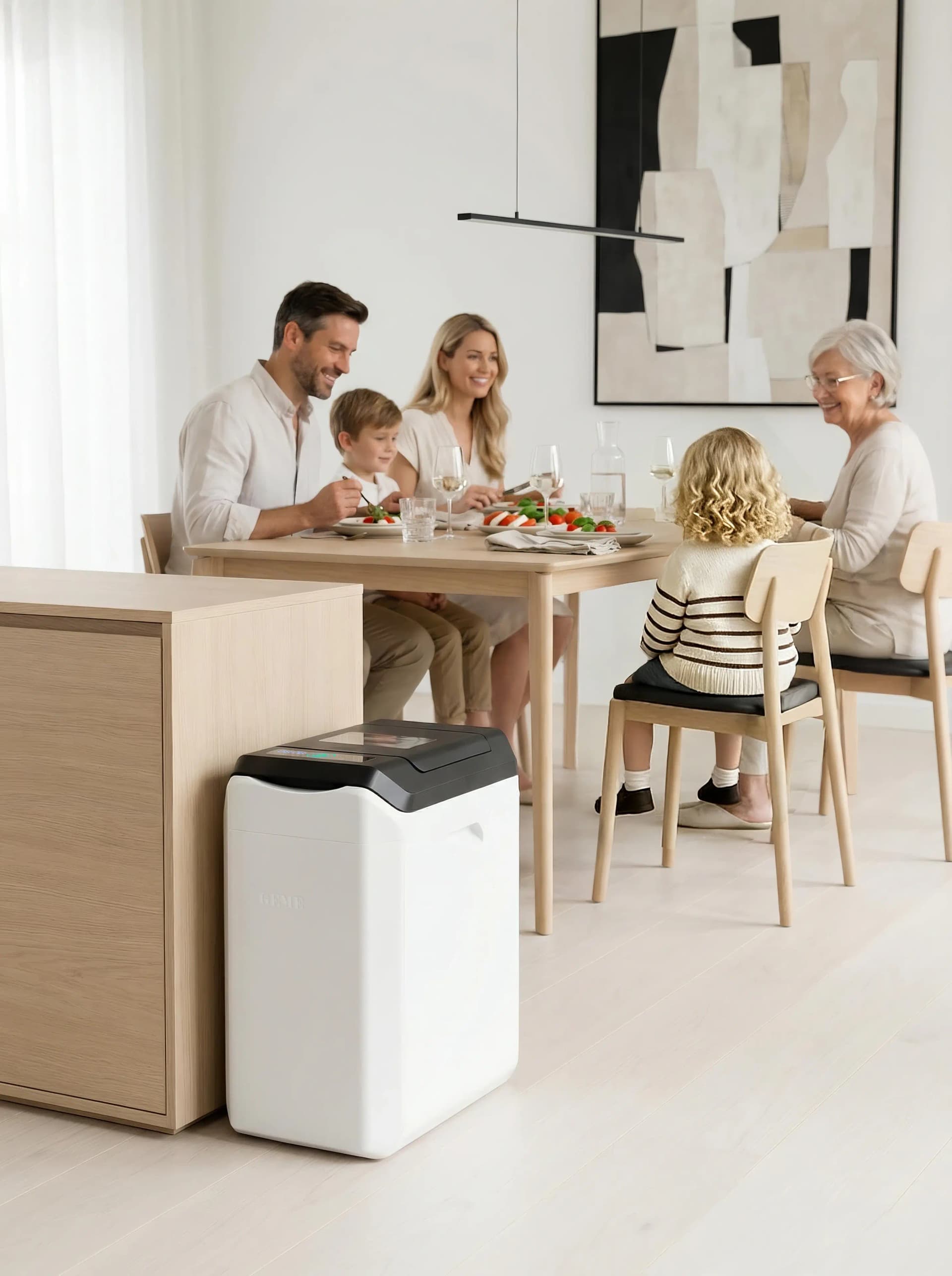
Screen, mix, and use responsibly.
Compost Appropriate Plain Popcorn Responsibly
GEME Terra II supports real microbial composting for appropriate organic kitchen scraps. Use the compost output responsibly: screen large pieces, return unfinished material, and mix with soil before plant use.
Terra II for everyday homes. GEME Pro for larger routines.
From Expired Snacks to Responsible Waste Handling
The best food-waste strategy is prevention: buy popcorn in amounts you can use, store kernels properly, keep packets dry, and eat popped popcorn while it is still crisp.
A better household routine looks like this:
Buy popcorn → store sealed and dry → test old kernels → do not eat rancid or moldy popcorn → compost appropriate plain scraps in small amounts → mix finished compost with soil
Composting is not a way to make unsafe popcorn safe to eat. It is simply one possible waste-management path for appropriate scraps when a system is designed to handle them.
Final Takeaway: Popcorn Can Expire, Especially When Moisture or Oil Is Involved
Dry popcorn kernels can last a long time when sealed and stored correctly, but they still lose popping quality over time. Microwave popcorn and flavored popcorn are more vulnerable because oils and flavorings can become rancid.
If popcorn smells rancid, looks moldy, feels damp, tastes strange, or comes from damaged packaging, do not eat it. Plain expired popcorn can often be composted in small amounts, while buttery, oily, cheesy, sugary, or heavily salted popcorn requires more caution.
For the best result, store kernels in an airtight container in a cool, dry pantry and keep composting practices conservative and well managed.
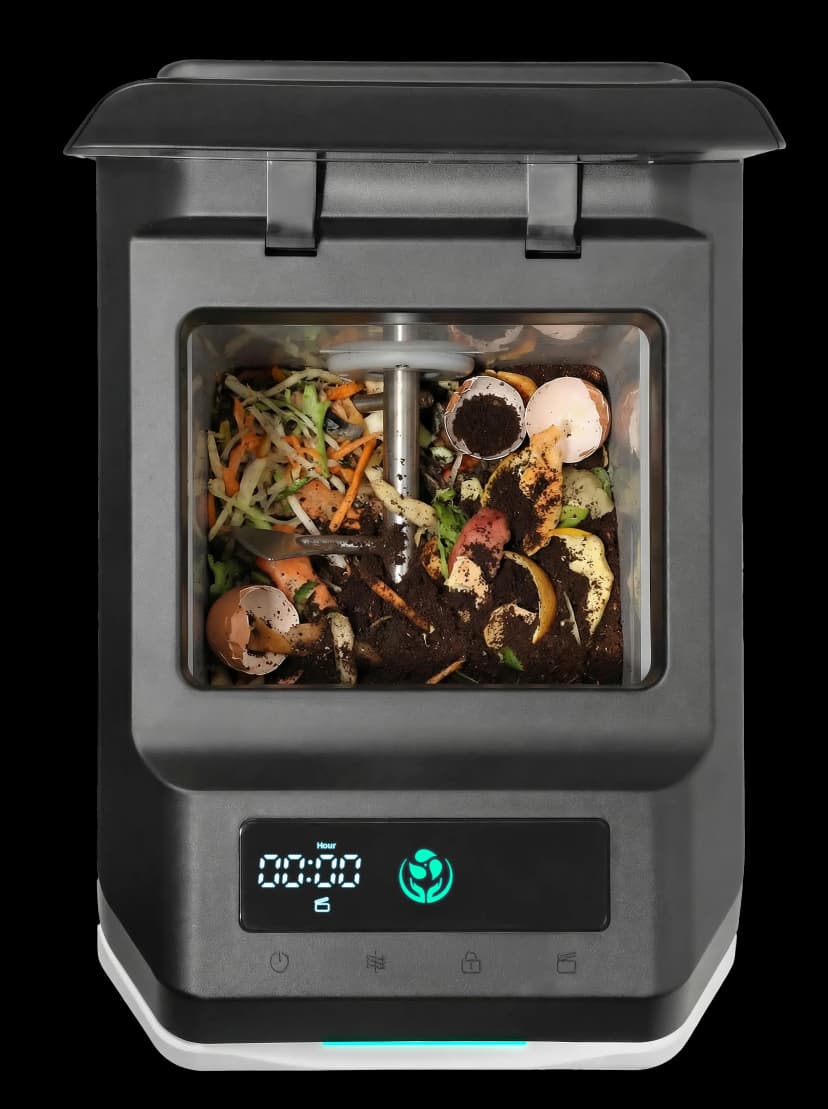
Real microbial composting for modern kitchens.
Build a Cleaner Food-Waste Routine With GEME
GEME Terra II and GEME Pro help households turn appropriate food scraps into compost for soil blending, with real microbial composting, no filter replacements, and zero recurring filter costs.
Terra II for everyday homes. GEME Pro for larger routines.
FAQ About Popcorn Expiration
Can popcorn expire?
Yes. Popcorn can expire, lose quality, or go bad. Kernels may dry out and stop popping well, microwave popcorn oils may turn rancid, and popped popcorn may become stale or moldy.
Does unopened popcorn go bad?
Unopened popcorn can go bad if the packaging is damaged or exposed to moisture, heat, insects, or humidity. Properly sealed dry kernels can often last about 1–2 years for best quality.
How long does microwave popcorn last?
Microwave popcorn is often best within 6–12 months because oils and flavorings can become rancid. Always check smell, texture, and packaging before eating.
Can expired popcorn make you sick?
Expired popcorn is often a quality issue, but moldy popcorn, damp kernels, or rancid microwave popcorn may be unsafe or cause digestive discomfort. Do not eat popcorn that smells off or looks moldy.
Can mold grow on popcorn kernels?
Yes. Mold can grow if popcorn kernels are exposed to moisture or stored in humid conditions. Moldy kernels should not be eaten.
Can you compost popcorn?
Yes. Plain expired popcorn, plain popped popcorn, and unpopped kernels can usually be composted in small amounts. Heavily buttered, oily, cheesy, sugary, or salty popcorn should be handled cautiously and mixed with dry browns.
Should popcorn be refrigerated?
Usually no. Refrigeration can disturb the moisture balance of kernels and may reduce popping quality. Store popcorn in a sealed container in a cool, dry pantry instead.
Is GEME Terra II useful for expired popcorn?
GEME Terra II can help households compost appropriate plain popcorn and other organic kitchen scraps through real microbial composting. Use the output responsibly by screening large pieces and mixing the compost base with soil before plant use.
Summary
- Unpopped kernels: often last about 1–2 years when sealed and stored dry.
- Microwave popcorn: often best within 6–12 months because oils and flavorings can go rancid.
- Popped popcorn: best eaten quickly, often within 1–2 days for best quality.
- Bad popcorn signs: rancid smell, mold, damp texture, poor popping, damaged packaging, or strange taste.
- Best storage: airtight container, cool, dry pantry, away from sunlight, heat, steam, and humidity.
- Do not refrigerate kernels: moisture imbalance can affect popping quality.
- Composting: plain expired popcorn can often be composted in small amounts; oily, cheesy, sugary, or salted popcorn needs caution.
- GEME Terra II: supports real microbial composting for appropriate food scraps, with no filter replacements and compost output for soil blending.


Zostaw komentarz
Ta strona jest chroniona przez hCaptcha i obowiązują na niej Polityka prywatności i Warunki korzystania z usługi serwisu hCaptcha.