
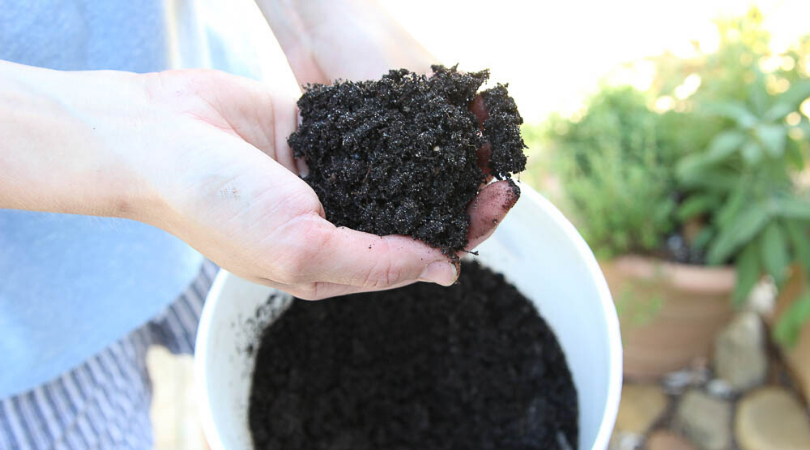
Garden Soil, Compost & Healthy Soil Guide
Garden soil and compost are not the same thing. Garden soil provides the mineral base and physical structure that plant roots need, while compost adds organic matter and helps improve soil health over time.
For most gardens, the best answer is not garden soil or compost alone. It is usually a smart combination of both: soil for structure, compost as a soil amendment.
Soil gives roots a home. Compost improves that home.
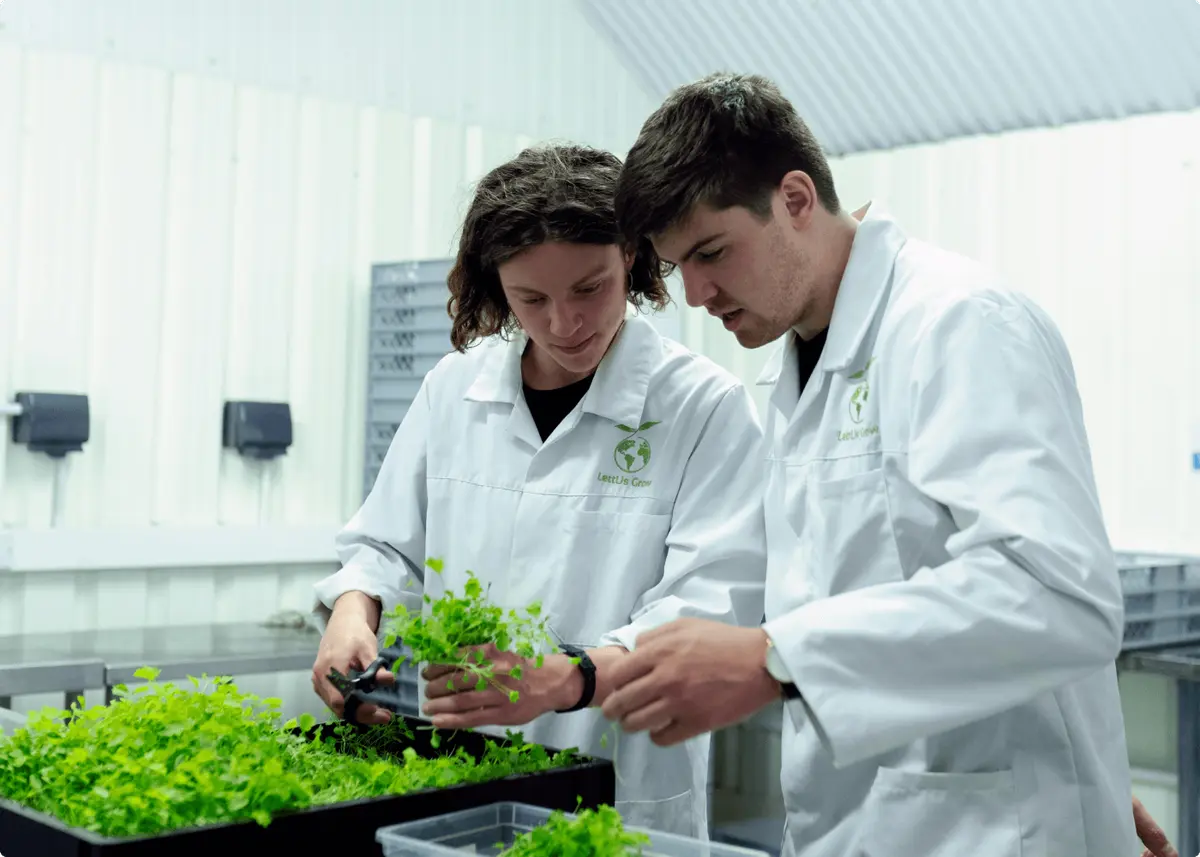
Soil provides structure. Compost improves soil.
Quick Answer
Use garden soil as the planting base and compost as a soil amendment. Garden soil gives plants physical support, while mature compost improves organic matter, soil structure, moisture behavior, nutrient availability, and microbial activity.
In most cases, you should not plant directly in pure compost. A better approach is to mix mature compost into garden soil or apply it as a moderate top dressing, depending on your crop, soil type, and soil test results.
For related context, read how to plant a garden, how to use compost correctly, and when compost is ready to use.
Key Takeaways
- Garden soil is the base. It provides mineral particles, root support, air spaces, and water-holding structure.
- Compost is an amendment. It adds organic matter and helps improve soil quality over time.
- They work best together. Soil gives structure; compost improves that soil.
- Pure compost is usually not ideal for planting. It may hold too much moisture, lack mineral structure, or be too nutrient-rich for some plants.
- Use mature compost. Immature compost can be too biologically active for seedlings and sensitive roots.
- Soil testing matters. A soil test helps avoid over-application of compost, lime, or fertilizer.
- Compost quantity depends on the use case. Vegetable beds, lawns, containers, and raised beds need different approaches.
- GEME Terra II: supports real microbial composting for appropriate kitchen scraps, with compost output for soil blending.
Table of Contents
- Garden Soil vs Compost: The Simple Difference
- What Is Garden Soil?
- Pros and Cons of Garden Soil
- What Is Compost?
- Pros and Cons of Compost
- Should You Use Garden Soil or Compost?
- How to Use Garden Soil and Compost Together
- Recommended Garden Soil and Compost Approaches
- Can You Plant Directly in Compost?
- How Kitchen Composting Fits Into Soil Health
- Which Is Better: Garden Soil or Compost?
- FAQ
- Summary
- Sources
- Related Articles
Garden Soil vs Compost: The Simple Difference
Garden soil is mostly made from mineral particles such as sand, silt, and clay, along with organic matter, air, water, and soil organisms. Compost is decomposed organic matter made from materials such as leaves, grass clippings, food scraps, coffee grounds, and other biodegradable materials.
In a practical home garden, garden soil is the foundation. Compost is the amendment that improves the foundation.
| Feature | Garden Soil | Compost |
|---|---|---|
| Main role | Provides structure and root support | Improves soil organic matter and soil health |
| Composition | Sand, silt, clay, minerals, air, water, organic matter | Decomposed organic matter |
| Best use | Planting beds, lawns, raised beds, landscaping, and in-ground gardens | Soil amendment, top dressing, mulch layer, potting mix ingredient |
| Nutrient value | Varies widely by source and soil test | Varies by feedstock, maturity, and composting process |
| Can it be used alone? | Often, yes, but many soils benefit from amendments | Usually not ideal alone for most plants |
What Is Garden Soil?
Garden soil is the growing medium that supports roots, holds moisture, stores nutrients, and gives plants a physical place to anchor. Native soil in your yard can vary widely depending on local geology, drainage, compaction, organic matter, and past land use.
Bagged garden soil is usually a prepared mix sold for planting beds, landscaping, and raised beds. It is different from potting mix, which is designed for containers and usually has lighter drainage and aeration properties.
What Garden Soil Contains
- Sand: improves drainage and aeration.
- Silt: helps hold moisture and nutrients.
- Clay: holds water and nutrients but can become compacted.
- Organic matter: supports structure and soil biology.
- Air and water: essential for roots and soil organisms.
- Microorganisms: part of the living soil ecosystem.
Pros and Cons of Garden Soil
Pros of Garden Soil
- Provides a stable mineral base for plant roots.
- Can be cost-effective for large garden areas.
- Works well for raised beds, landscaping, lawns, and in-ground planting.
- Can support long-term soil ecosystems when managed well.
- Can be improved gradually with compost, mulch, cover crops, and careful planting.
Cons of Garden Soil
- Quality can vary widely by source.
- May become compacted over time.
- May drain poorly if it contains too much clay.
- May dry out quickly if it is too sandy.
- May be low in organic matter or nutrients.
- Can contain weed seeds, pests, or disease if poorly sourced.
- May need pH adjustment or nutrient correction based on a soil test.
What Is Compost?
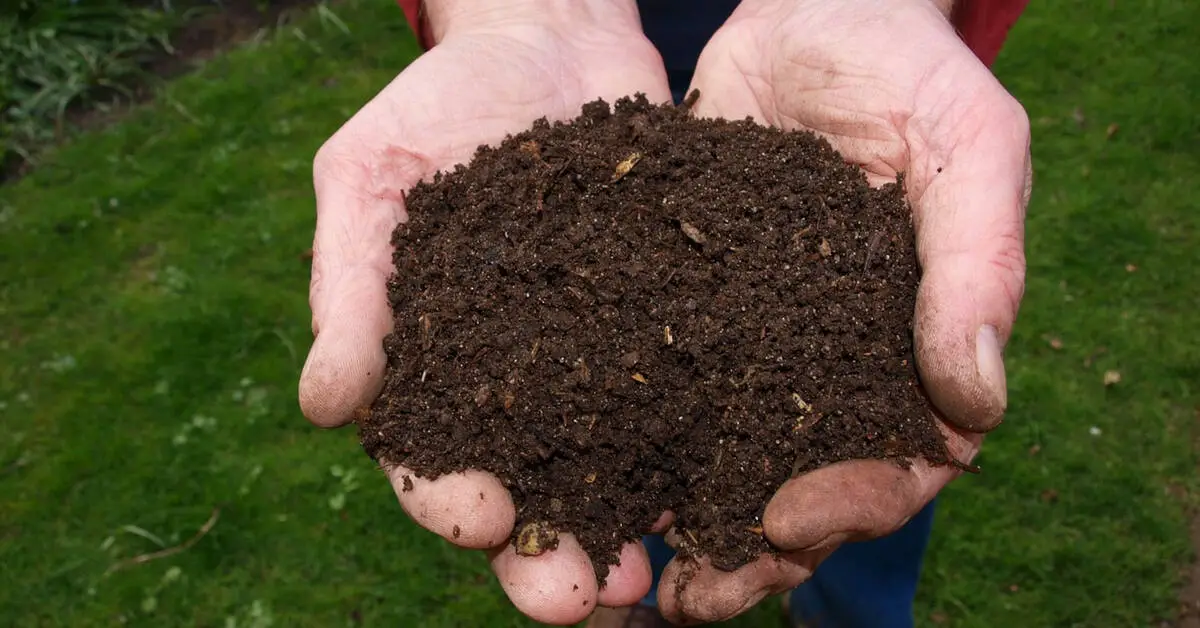
Compost is decomposed organic matter. It is created when microorganisms break down materials such as vegetable scraps, fruit peels, coffee grounds, leaves, grass clippings, and other biodegradable materials under managed conditions.
In gardening, compost is best understood as a soil amendment, not a complete replacement for soil. Mature compost can improve soil quality by adding organic matter, supporting microbial activity, and improving water and nutrient behavior.
Simple rule: compost feeds the soil system; soil supports the plant structure.
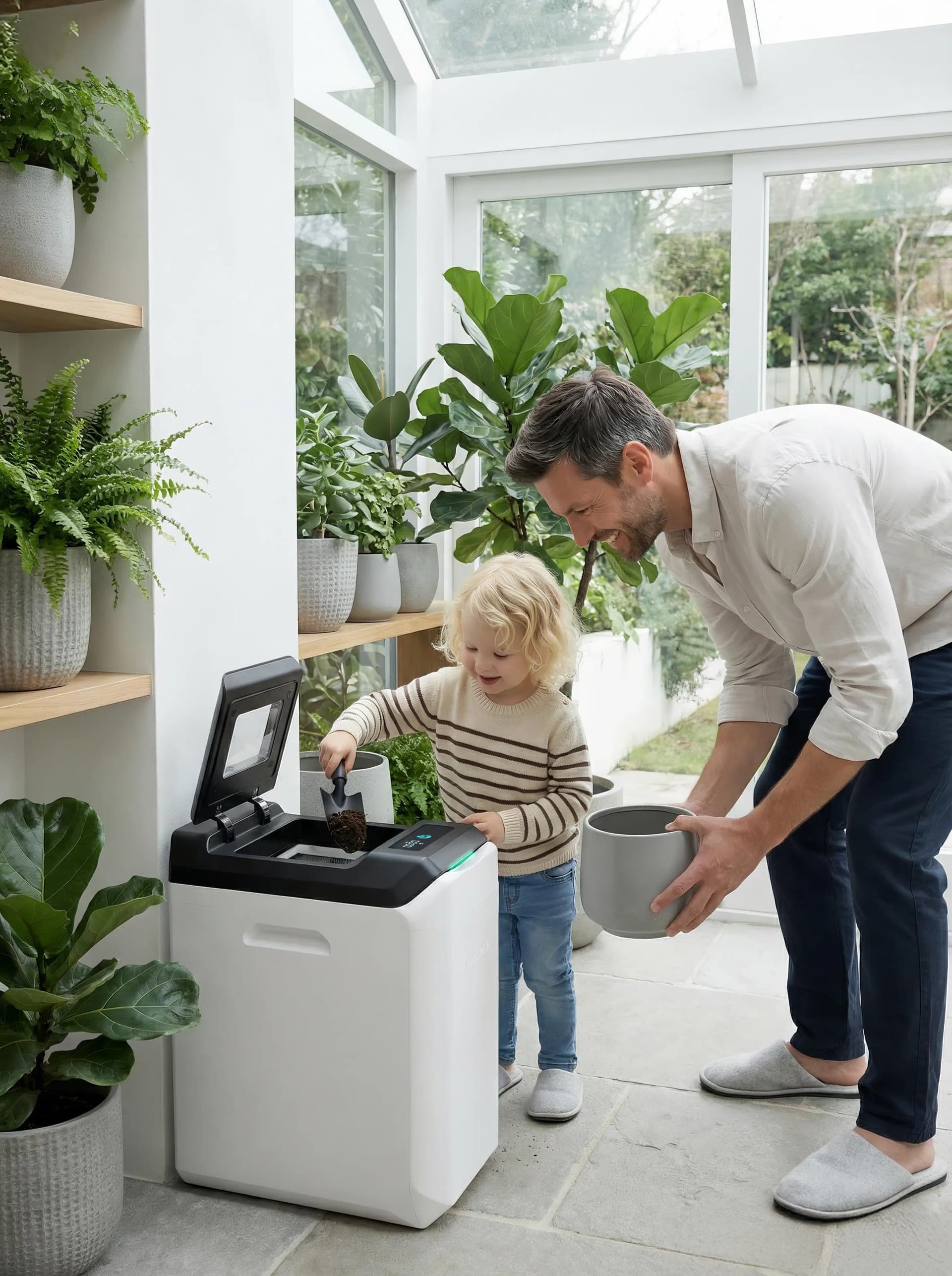
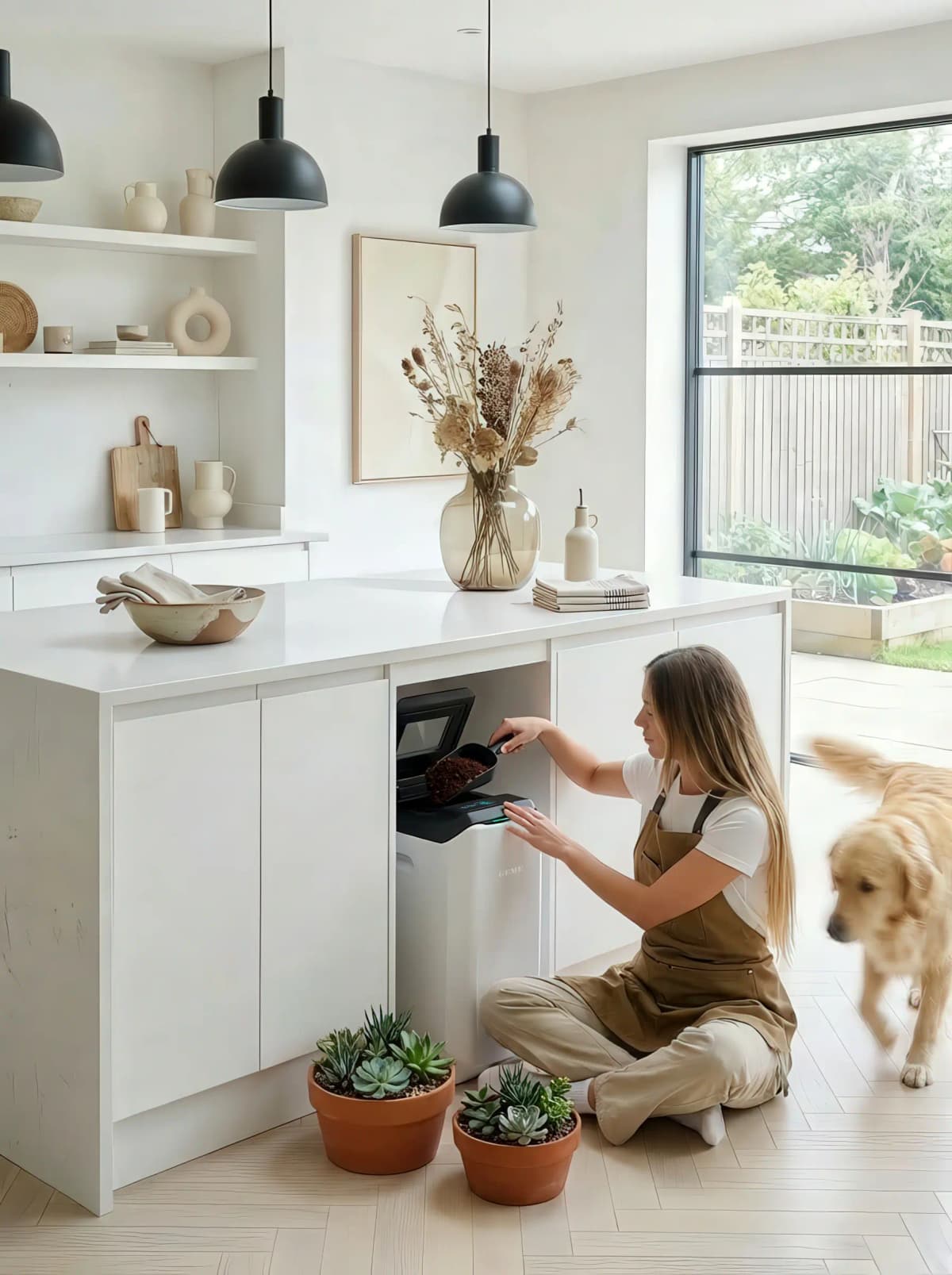
Create compost output for soil blending at home.
Make Soil-Building Compost at Home With GEME
GEME Terra II supports real microbial composting for appropriate kitchen scraps, producing compost output for soil blending. Use the output responsibly: screen larger pieces, return unfinished material, and mix with garden soil before plant use.
Real microbial composting. No filter replacements. Compost for soil blending.
Pros and Cons of Compost
Pros of Compost
- Improves soil structure: compost helps loosen heavy soil and improve poor soil texture.
- Adds organic matter: organic matter supports healthier soil over time.
- Supports microbial activity: mature compost contributes to the soil food web.
- Improves moisture behavior: compost can help sandy soil hold moisture and improve clay soil workability.
- Contributes nutrients slowly: compost can support plant growth without acting like a quick synthetic fertilizer.
- Reduces organic waste: composting helps recycle food scraps and yard materials into a soil amendment.
Cons of Compost
- Compost alone usually does not provide enough mineral structure for most plants.
- Immature compost can be too active for seedlings or sensitive roots.
- Over-application can raise salts, phosphorus, or nutrient levels too much.
- Homemade compost may contain weed seeds if not managed properly.
- Purchased compost quality can vary.
- Compost can be more expensive than basic garden soil for large volumes.
- Some composts need curing, screening, or blending before use.
Should You Use Garden Soil or Compost?
For most gardeners, the answer is both. Garden soil gives plants physical structure. Compost improves the quality of that soil.
If your garden soil is too sandy, compost can help it retain more moisture. If your soil is heavy clay, compost can improve workability and drainage behavior over time. If your soil is low in organic matter, compost can help rebuild long-term soil health.
Still, compost is not a cure-all. A soil test is the best way to understand pH, phosphorus, potassium, organic matter, and other factors before adding large amounts of amendments.
How to Use Garden Soil and Compost Together
The best way to use compost is to mix mature compost into soil or apply it as a top dressing. The right method depends on your garden type.
- For new garden beds: mix mature compost into the topsoil layer before planting.
- For existing vegetable gardens: add a modest annual layer and incorporate gently where appropriate.
- For flower beds: mix compost into the soil or apply a thin layer around plants.
- For lawns: use screened mature compost as a thin top dressing.
- For containers: blend mature compost with potting mix; avoid using compost alone.
- For trees and shrubs: use compost carefully and avoid burying trunks or stems.
Compost should be mature, earthy-smelling, screened if needed, and free of visible food scraps before being used around plants.
Recommended Garden Soil and Compost Approaches
There is no single universal compost ratio for every garden. Soil type, crop, compost maturity, climate, and existing nutrient levels all matter. Use the table below as a practical starting point.
| Use Case | Recommended Approach | Important Caution |
|---|---|---|
| New vegetable bed | Mix mature compost into the top 8–12 inches of soil. | Use soil testing to avoid over-amending. |
| Existing vegetable bed | Add a thin annual layer of mature compost and incorporate gently. | Too much compost every year can raise nutrient levels excessively. |
| Flower bed | Use compost as a soil amendment or top dressing. | Keep compost away from direct stem contact. |
| Raised bed | Use soil or raised-bed mix as the base and add compost for organic matter. | Avoid filling beds with pure compost. |
| Potted plants | Blend mature compost with potting mix in modest amounts. | Containers need good drainage and aeration. |
| Lawn top dressing | Apply a very thin layer of screened mature compost. | Do not smother grass blades. |
Can You Plant Directly in Compost?
In most cases, you should not plant directly in pure compost. Compost is rich in organic matter, but it does not always provide the mineral structure, drainage balance, air space, and long-term stability that plant roots need.
Pure compost can also vary in salt level, nutrient concentration, pH, maturity, and water-holding behavior. Seedlings and sensitive plants may struggle if compost is immature or too strong.
A better approach is to mix mature compost with garden soil, raised-bed mix, or potting mix. This gives plants both structure and organic matter.
How Kitchen Composting Fits Into Soil Health
Kitchen scraps such as fruit peels, vegetable leftovers, coffee grounds, tea leaves, and crushed eggshells can become part of the composting cycle when processed correctly. Instead of treating organic scraps as trash, composting can turn them into a useful soil amendment.
This is where a kitchen composter can help. For people who want to compost at home but do not have an outdoor compost pile, an indoor composting system can make the process easier to manage.
The key is to use the output correctly: let unfinished material continue processing, screen large pieces when needed, and mix finished compost output with soil before using it around plants.
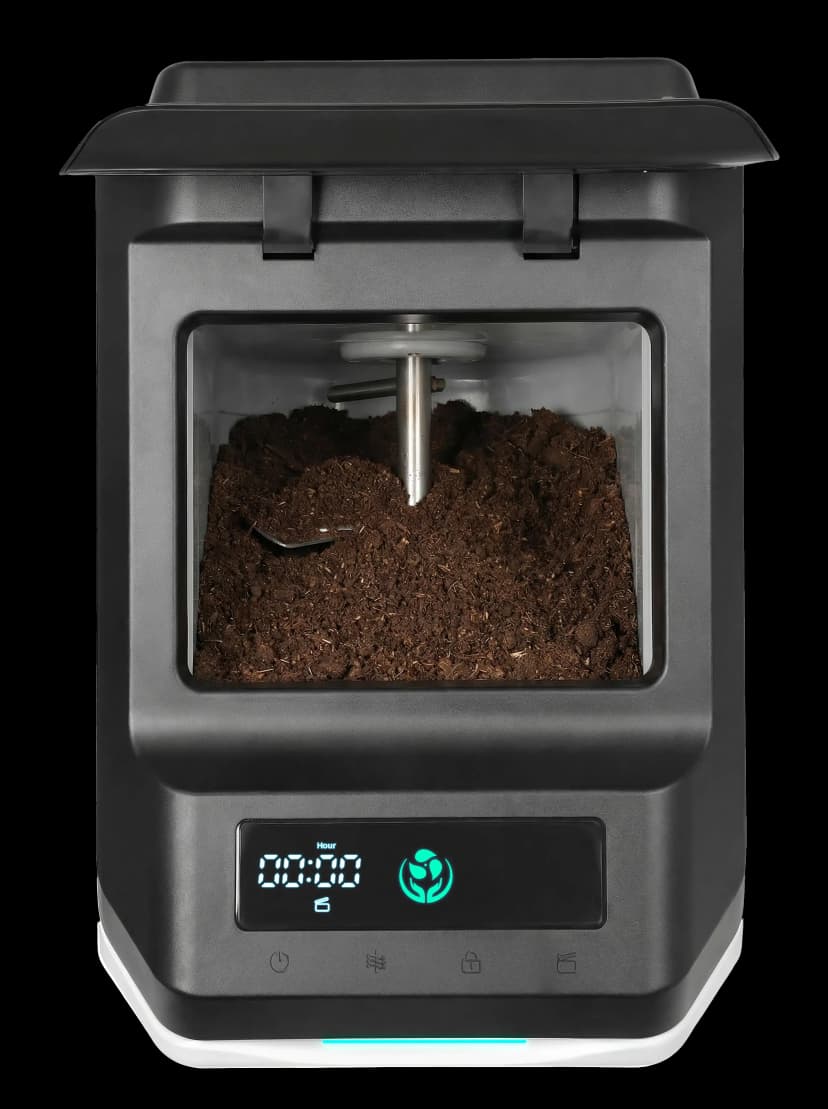
Screen, mix, and use compost output responsibly.
Turn Appropriate Kitchen Scraps Into Compost for Soil Blending
GEME Terra II supports real microbial composting for appropriate food scraps. Use the compost output responsibly: screen large pieces, return unfinished material, and mix with soil before plant use.
Terra II for everyday homes. GEME Pro for larger routines.
Which Is Better: Garden Soil or Compost?
Compost is better for improving soil quality. Garden soil is better for providing a planting base. They work best together.
If you are filling a large bed, start with garden soil or a raised-bed mix and amend it with mature compost. If you are improving existing soil, add compost regularly but moderately. If you are trying to reduce kitchen waste, composting at home can help create organic material that supports your garden over time.
The goal is not to choose one forever. The goal is to build a soil system that has mineral structure, organic matter, air, water, nutrients, and biological activity in balance.
Final Takeaway: Soil Provides Structure, Compost Improves Soil
Garden soil and compost are different tools. Garden soil gives plants the physical base they need. Compost improves that base by adding organic matter and supporting long-term soil health.
For most gardens, the best choice is a balanced combination: use soil as the foundation and mature compost as an amendment. Avoid planting directly in pure compost unless a specific growing system is designed for that purpose.
When compost comes from kitchen scraps, use it thoughtfully: make sure it is mature enough, screen larger pieces, and mix it with soil before plant use.
Real microbial composting for modern homes.
Build a Better Garden Soil Routine With GEME
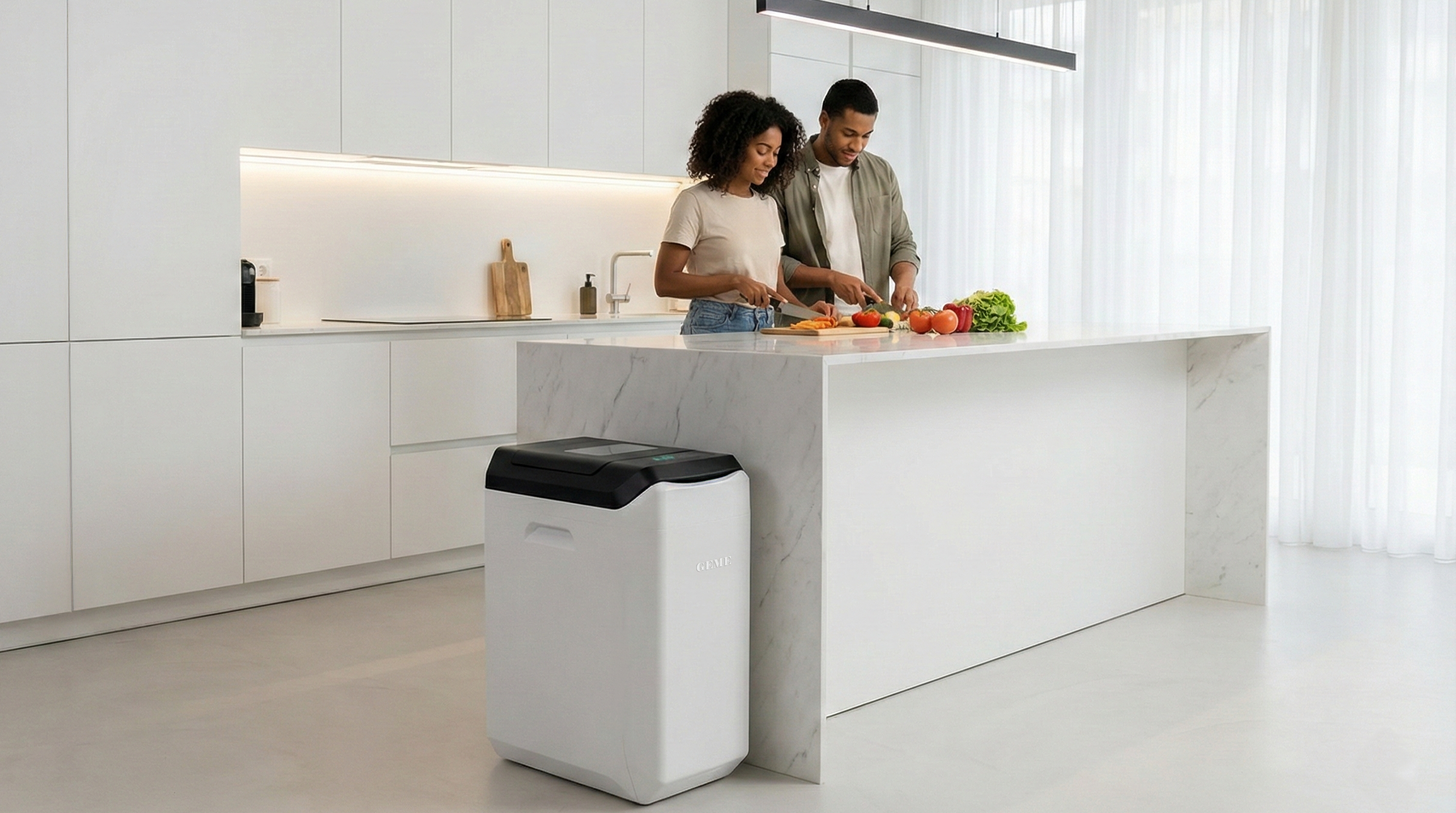
GEME Terra II and GEME Pro help households turn appropriate food scraps into compost for soil blending, with real microbial composting, no filter replacements, and zero recurring filter costs.
Terra II for everyday homes. GEME Pro for larger routines.
Frequently Asked Questions
Is compost the same as garden soil?
No. Garden soil is a mineral-based growing medium, while compost is decomposed organic matter used to improve soil health.
Should I use compost or garden soil for vegetables?
Use both. Garden soil provides structure, while compost improves organic matter, moisture behavior, fertility, and soil biology.
Can compost replace soil?
Usually no. Compost is best used as a soil amendment rather than a complete soil replacement. Most plants need the mineral structure and drainage balance that soil or potting mix provides.
How much compost should I add to garden soil?
The exact amount depends on soil type, crop, compost maturity, and soil test results. Many gardens benefit from a moderate layer of mature compost mixed into the topsoil layer, while existing beds may need only a thin annual top-up.
Can kitchen scraps become compost?
Yes. Kitchen scraps can become compost when they are broken down through a managed composting process. Fruit peels, vegetable scraps, coffee grounds, tea leaves, and other appropriate organic materials can all be part of the composting cycle.
What is the easiest way to compost at home?
The easiest method depends on your space and routine. Outdoor piles work for backyards, worm bins work for some small spaces, and a kitchen electric composter such as GEME Terra II can support indoor food-scrap composting for households without outdoor compost piles.
Can I use compost as potting soil?
Usually no. Compost should be blended with potting mix or other container materials. Pure compost may hold too much water, drain poorly, or lack enough air space for container roots.
Is GEME Terra II useful for gardeners?
GEME Terra II can help gardeners turn appropriate kitchen scraps into compost output for soil blending through real microbial composting. Use the output responsibly by screening larger pieces and mixing the compost base with soil before plant use.
Summary
- Garden soil: provides mineral structure, root support, air, water, and a planting base.
- Compost: adds organic matter and helps improve soil health over time.
- Best choice: use soil and compost together for most gardens.
- Pure compost: usually not ideal as the only growing medium for most plants.
- Vegetable gardens: often benefit from mature compost mixed into the topsoil layer.
- Containers: use potting mix as the base and add compost modestly if appropriate.
- Soil testing: helps avoid over-applying compost, lime, or fertilizer.
- Kitchen scraps: can become compost through a managed composting process.
- GEME Terra II: supports real microbial composting for appropriate kitchen scraps, with no filter replacements and compost output for soil blending.
Sources
- Oregon State University Extension — How to Use Compost in Gardens and Landscapes
- Oregon State University Extension — Garden Soil and Compost
- University of Minnesota Extension — Promote Healthy Soil in Your Garden
- University of Minnesota Extension — Too Much Compost and Manure
- U.S. EPA — Composting at Home
- U.S. EPA — Composting
- GEME — Terra II Product Page
- GEME — How Real Microbial Composting Works
- GEME — Advanced Compost Application Guide

Zostaw komentarz
Ta strona jest chroniona przez hCaptcha i obowiązują na niej Polityka prywatności i Warunki korzystania z usługi serwisu hCaptcha.