
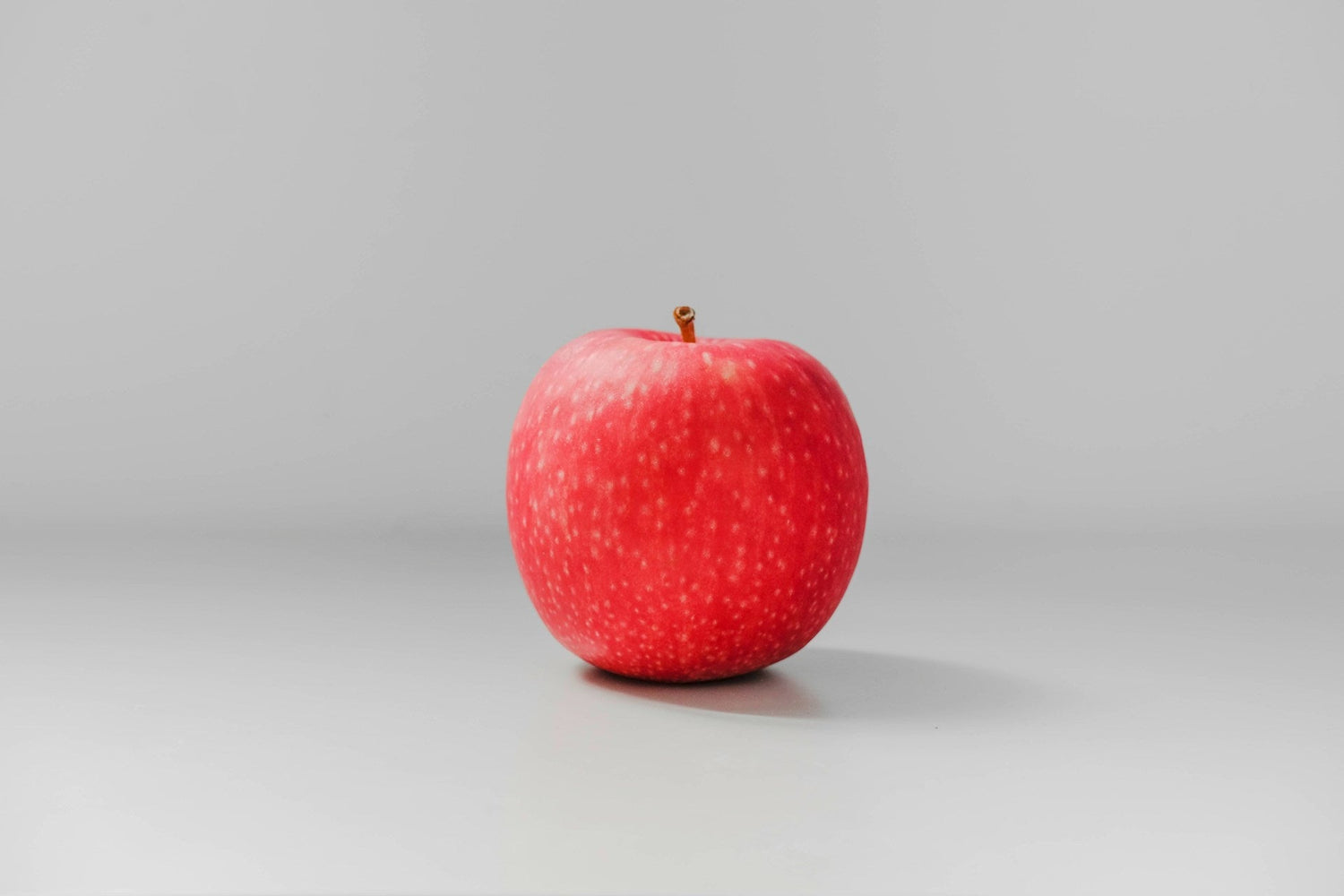
Apple Storage & Food Waste Guide
Whole apples usually last much longer in the refrigerator than on the countertop. In a home fridge crisper drawer, firm unwashed apples often stay crisp for several weeks, and some varieties can last even longer when stored cold, humid, and undamaged.
Countertop apples usually soften faster, while cut apples should be refrigerated in an airtight container and used within a few days. Moldy, sour-smelling, slimy, or leaking apples should not be eaten.
Store whole apples cold and unwashed. Use cut apples quickly. Compost appropriate scraps responsibly.
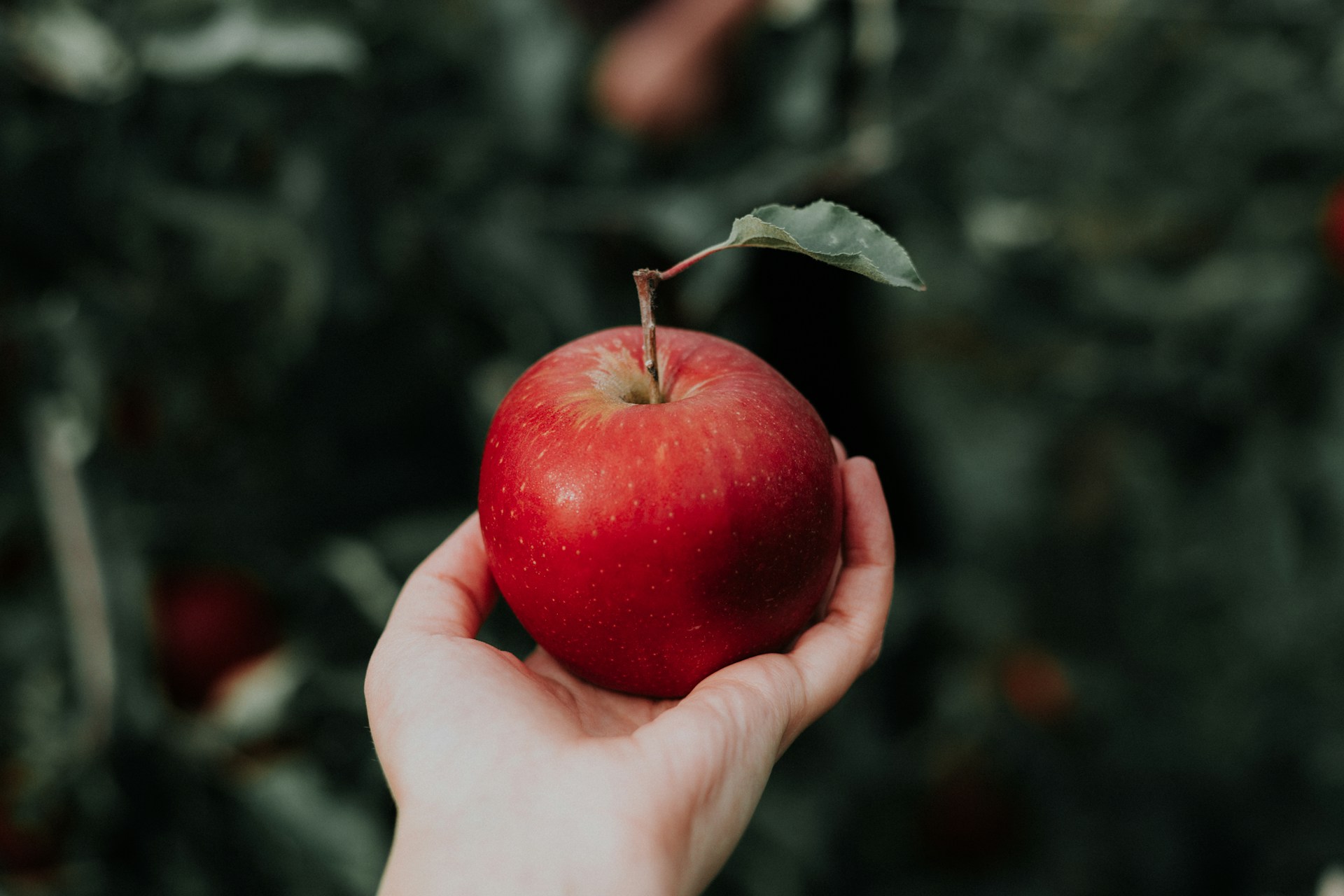
Cold, unwashed, separated, and checked often.
Quick Answer
Whole apples often last several weeks in the fridge, commonly around 4–8 weeks in a home crisper drawer when they are firm, unwashed, unbruised, and stored properly. On the counter, apples usually last about 5–7 days, depending on variety and room temperature. Cut apples should be refrigerated and used within 3–5 days.
Do not eat apples that are moldy, slimy, leaking liquid, sour-smelling, or rotten through the flesh. Slightly soft apples may still be useful for cooking or applesauce if they have no mold, slime, sour odor, or deep rot.
For related context, read can popcorn expire?, do eggs expire?, and how to use compost correctly.
Key Takeaways
- Fridge storage lasts the longest. Whole apples keep best in cold, humid storage such as a refrigerator crisper drawer.
- Countertop storage is short-term. Room temperature speeds ripening and softening.
- Do not wash before long-term storage. Wash apples under running water right before eating, cutting, or cooking.
- Separate damaged apples. Bruised or leaking apples can accelerate spoilage in nearby fruit.
- Cut apples spoil faster. Once cut, apples should be refrigerated in an airtight container and used within a few days.
- Watch for mold, slime, leaks, and a sour smell. These are signs not to eat the apple.
- Dogs can eat apples in moderation. Remove seeds, core, and stem before feeding apple slices.
- Compost appropriate apple scraps responsibly. Peels, cores, and spoiled apples can often be composted in a managed system.
- GEME Terra II: can support real microbial composting for appropriate fruit scraps according to product guidance, with compost output for soil blending.
Table of Contents
- How Long Do Apples Last in the Fridge?
- Apple Storage Life Table
- How to Store Apples for Maximum Freshness
- How to Know When Apples Have Gone Bad
- How to Store Apples Long Term
- How Long Do Cut Apples Last?
- Can You Compost Bad Apples?
- Can Dogs Eat Apples?
- Apple Recalls and Food Safety
- From Spoiled Apples to Responsible Waste Handling
- FAQ
- Summary
- Sources
- Related Articles
How Long Do Apples Last in the Fridge?
Whole apples stored in a refrigerator crisper drawer often last several weeks, and many home kitchens can expect about 4–8 weeks when the apples are firm, unwashed, undamaged, and stored with good humidity.
Firmer, thicker-skinned varieties usually store better than softer or more delicate apples. Freshly harvested, unbruised apples also last longer than apples that were already warm, old, bruised, or waxy-soft when purchased.
On the counter, apples usually last about 5–7 days. In a warm kitchen, they may soften faster. If you want apples to stay crisp for more than a few days, the fridge is usually the better place.
Apple Storage Life Table
| Apple Type / Condition | Countertop | Fridge Crisper Drawer | Long-Term Cool Storage | Cut Apples |
|---|---|---|---|---|
| Firm standard apples | About 5–7 days | Often 4–8 weeks | Often 1–4 months under good cool storage | 3–5 days in fridge |
| Thick-skinned storage varieties | About 5–7 days | Often 6–12 weeks if undamaged | Several months under ideal conditions | 3–5 days in fridge |
| Soft or thin-skinned apples | About 3–5 days | Often 2–6 weeks | Shorter than firm storage varieties | 2–4 days in fridge |
| Bruised or damaged apples | Use quickly | Use within days to 1–2 weeks if still safe | Not recommended | Not ideal for storage |
| Moldy, slimy, leaking, or sour apples | Do not eat | Do not eat | Do not store | Discard or compost appropriately |
These are practical home-storage ranges, not guarantees. Variety, harvest age, bruising, humidity, temperature, and handling all affect shelf life.
How to Store Apples for Maximum Freshness
The best way to store whole apples is to keep them unwashed in the refrigerator’s crisper drawer. Cold temperatures slow ripening, while a humid crisper drawer helps reduce shriveling.
Best Fridge Conditions for Apples
- Temperature: cold storage helps apples stay crisp longer.
- Humidity: moderate to high humidity helps reduce moisture loss.
- Airflow: use breathable bags or avoid sealing apples too tightly.
- Separation: keep apples away from ethylene-sensitive produce when possible.
- Inspection: check stored apples weekly and remove damaged fruit.
Apple Storage Mistakes to Avoid
- Do not wash apples before long-term storage.
- Do not store bruised or leaking apples with healthy apples.
- Do not seal apples in a wet, airtight bag with condensation.
- Do not store apples near strong-smelling foods for long periods.
- Do not leave cut apples at room temperature for long periods.
- Do not ignore one spoiled apple in a bag or drawer.
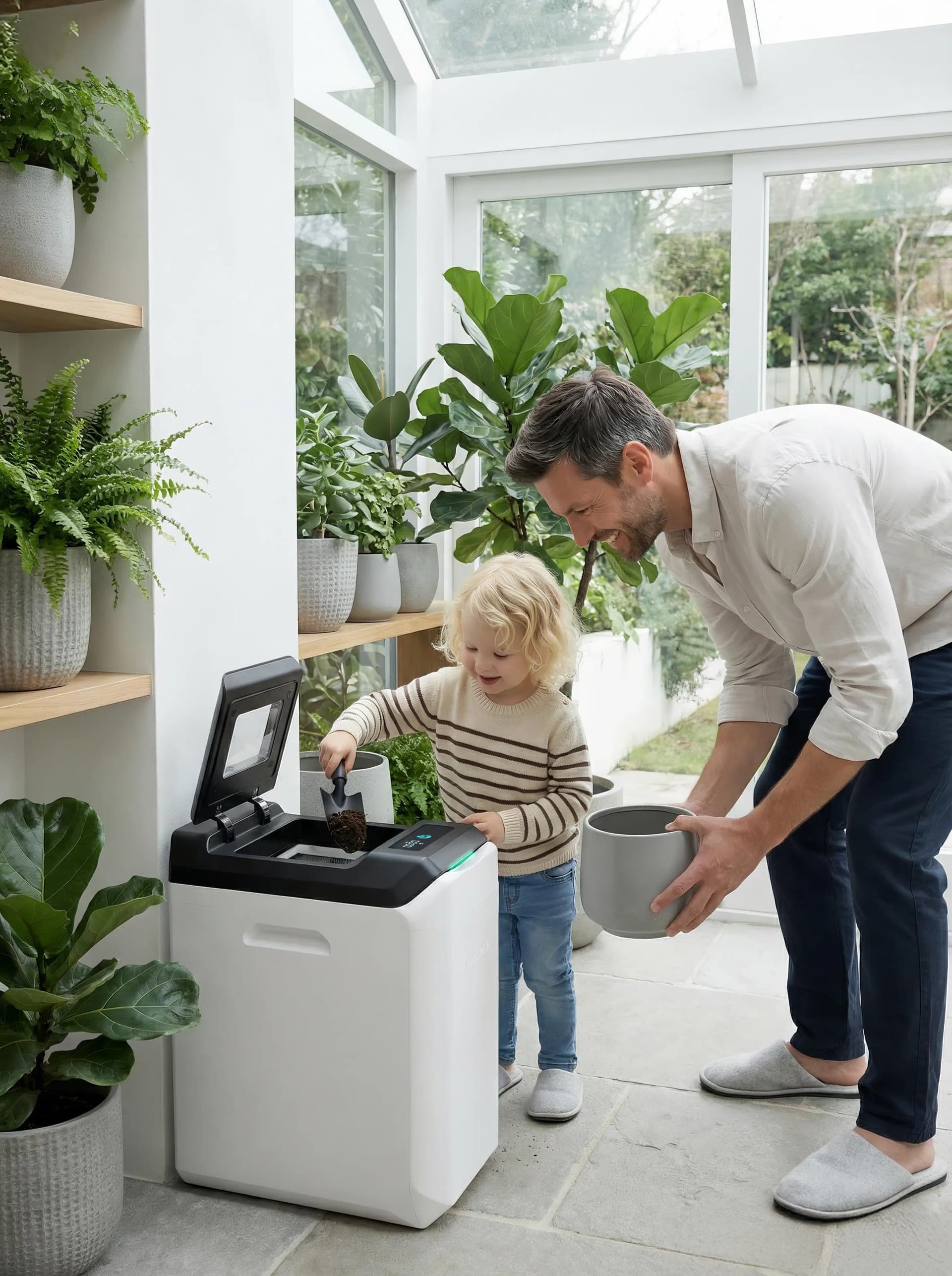
Store better first, compost appropriate scraps responsibly.
Reduce Apple Waste With Real Microbial Composting
Better storage helps apples last longer. When peels, cores, and spoiled fruit still need handling, GEME Terra II supports real microbial composting indoors, with no drying, no replacement odor filters, and compost output for soil blending.
Real microbial composting. No filter replacements. Compost for soil blending.
How to Know When Apples Have Gone Bad
Slightly soft apples are not automatically unsafe. They may still work for baking, applesauce, smoothies, or cooked recipes if they have no mold, slime, sour odor, or deep rot.
Badly spoiled apples should not be eaten. If an apple has visible mold, leaking liquid, fermented smell, slimy texture, or large rotten patches, handle it as waste rather than food.
Signs an Apple Has Gone Bad
- Visible mold: do not eat moldy apples.
- Sour or fermented smell: a sign the fruit is breaking down.
- Slimy surface: discard or compost appropriately.
- Leaking juice: the apple is no longer fresh.
- Large brown or rotten patches: avoid eating it raw.
- Deep bruising: use quickly if still safe, or compost if quality is poor.
- Unknown contamination: discard if the apple contacted unsafe surfaces or spoiled food.
When one apple in a bag spoils, inspect the rest. Remove damaged apples quickly so moisture and decay do not spread.
How to Store Apples Long Term
For long-term apple storage, choose firm apples without bruises, cuts, punctures, soft spots, or signs of mold. Long-term storage works best with storage varieties and consistent cold conditions.
- Choose only unbruised, dry apples.
- Do not wash apples before storing.
- Wrap apples individually in paper or separate them to reduce contact damage.
- Store them in a cool, dark, humid place.
- Keep apples away from potatoes, onions, strong odors, and ethylene-sensitive produce.
- Check regularly and remove damaged apples quickly.
Traditional storage methods may use paper wrapping, breathable bags, trays, boxes, or cool cellar conditions. The goal is the same: prevent bruising, slow ripening, maintain humidity, and catch spoilage early.
How Long Do Cut Apples Last?
Cut apples should be refrigerated and used within 3–5 days. Once an apple is cut, the flesh is exposed to air, moisture, handling surfaces, and microbes, so it spoils faster than a whole apple.
How to Keep Cut Apples Fresh
- Wash the whole apple before cutting.
- Use a clean knife and cutting board.
- Store cut apples in a clean, airtight container.
- Add lemon juice or another acidic treatment to slow browning if desired.
- Keep cut apples refrigerated.
- Use within a few days.
- Discard if cut apples become slimy, sour-smelling, moldy, or leaking.
Browning alone is not always spoilage. Browning is often oxidation. Slime, sour smell, mold, and leaking liquid are stronger warning signs.
Can You Compost Bad Apples?
Yes, appropriate apple scraps can usually be composted. Apple peels, apple cores, bruised apples, soft apples, and spoiled apple pieces are plant-based organic materials that can enter a managed composting system.
Moldy or rotten apples should not be eaten, but they can often be composted if your system is well managed. Cut large apples into smaller pieces, mix them with dry brown materials, and avoid adding too much wet fruit at once.
Composting Tips for Bad Apples
- Remove stickers, plastic, packaging, twist ties, and labels.
- Cut whole apples into smaller pieces to speed breakdown.
- Mix wet apple scraps with dry browns such as shredded cardboard, dry leaves, sawdust, or wood chips.
- Bury fruit scraps inside outdoor piles to reduce pests.
- Avoid adding large amounts of rotten fruit at once.
- Use an enclosed food-waste system only according to product guidance.
- Use finished compost as a soil amendment, not directly on edible plant parts.
GEME Terra II is designed for real microbial composting with a warm, moist, oxygen-rich chamber and no replacement odor filters. Use it according to current product guidance, then screen larger pieces and mix the compost base with soil before plant use.
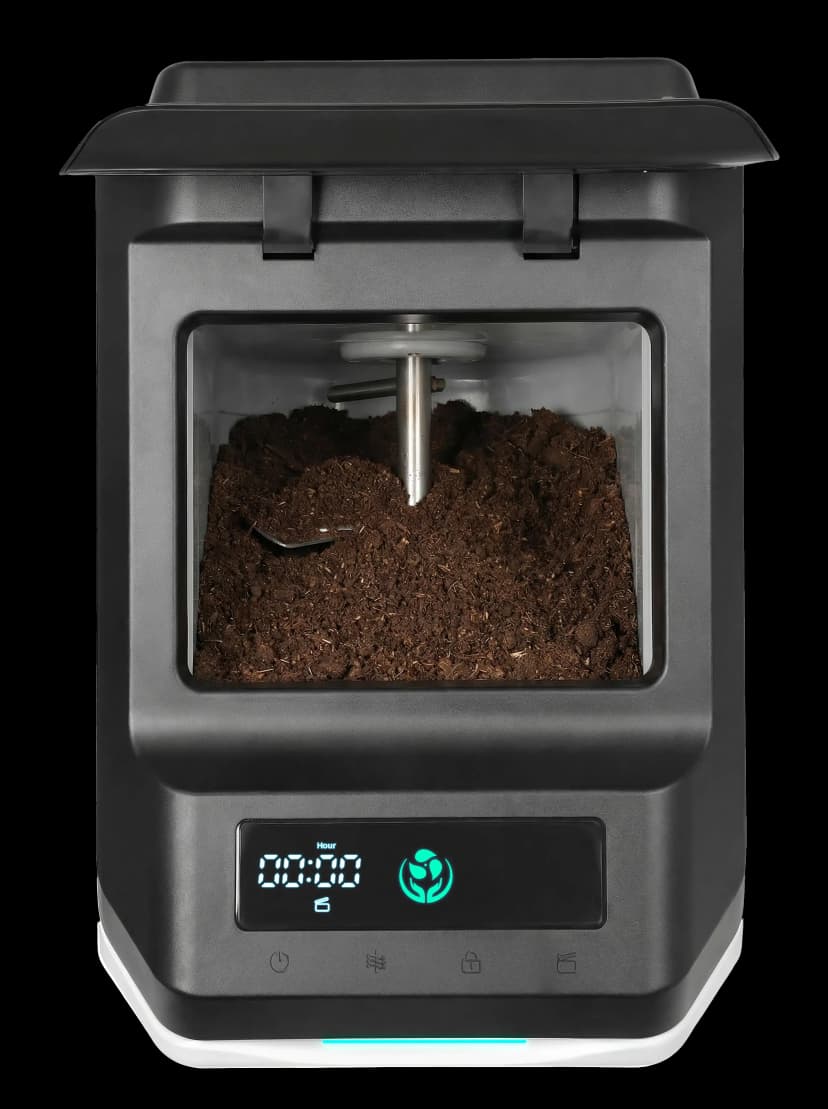
Screen, mix, and use responsibly.
Turn Appropriate Apple Scraps Into Compost for Soil Blending
GEME Terra II supports real microbial composting for appropriate fruit scraps and everyday kitchen waste. Use the compost output responsibly: screen large pieces, return unfinished material, and mix with soil before plant use.
Terra II for everyday homes. GEME Pro for larger routines.
Can Dogs Eat Apples?
Yes, many dogs can eat apple slices in moderation, but apples should be prepared safely. Remove the seeds, core, and stem, then cut the apple into small pieces.
Safe Apple Feeding Tips for Dogs
- Wash apples before cutting.
- Remove seeds, core, and stem.
- Cut apples into small bite-sized pieces.
- Feed apples only in moderation.
- Avoid apple pie, sugary apple desserts, nutmeg, caramel, and heavily processed apple foods.
- Stop feeding apples if your dog has stomach upset.
- Ask a veterinarian if your dog has diabetes, digestive issues, allergies, or a special diet.
Do not feed dogs moldy, fermented, rotten, or spoiled apples.
Apple Recalls and Food Safety
Apples are usually eaten raw with the skin, so washing and safe handling matter. Wash apples thoroughly under running water before eating, cutting, or cooking. Do not use soap, detergent, or commercial produce wash.
Food recalls involving apples or apple-containing foods can happen because of contamination, misbranding, undeclared allergens, or problems in prepared foods. If a product is under recall, follow the recall instructions rather than trying to wash or cook the risk away.
Apple Food Safety Tips
- Wash apples under running water before eating or cutting.
- Use a clean knife and cutting board.
- Keep cut apples refrigerated.
- Separate fresh produce from raw meat, poultry, seafood, and leaking packages.
- Do not eat apples affected by a recall.
- Discard apples with mold, slime, leaking liquid, or sour odor.
From Spoiled Apples to Responsible Waste Handling
The best food-waste strategy is prevention: buy the right quantity, store apples cold and unwashed, separate bruised fruit, and use older apples first.
A better household routine looks like this:
Buy firm apples → store cold and unwashed → check weekly → cook slightly soft apples → compost appropriate peels, cores, and spoiled fruit → mix finished compost with soil
Composting is not a way to make unsafe apples safe to eat. It is a responsible waste-management path for appropriate organic scraps when the composting system is designed and managed well.
Final Takeaway: Apples Last the Longest Cold, Unwashed, and Undamaged
Whole apples often last several weeks in the fridge and only about a week on the counter. For the longest storage life, choose firm, unbruised apples, keep them unwashed in the crisper drawer, separate damaged apples, and check them regularly.
Cut apples should be refrigerated and used within a few days. Moldy, slimy, leaking, or sour-smelling apples should not be eaten.
For apple scraps, peels, cores, and spoiled fruit, composting can be a good option when done in a managed system and followed by responsible soil blending.
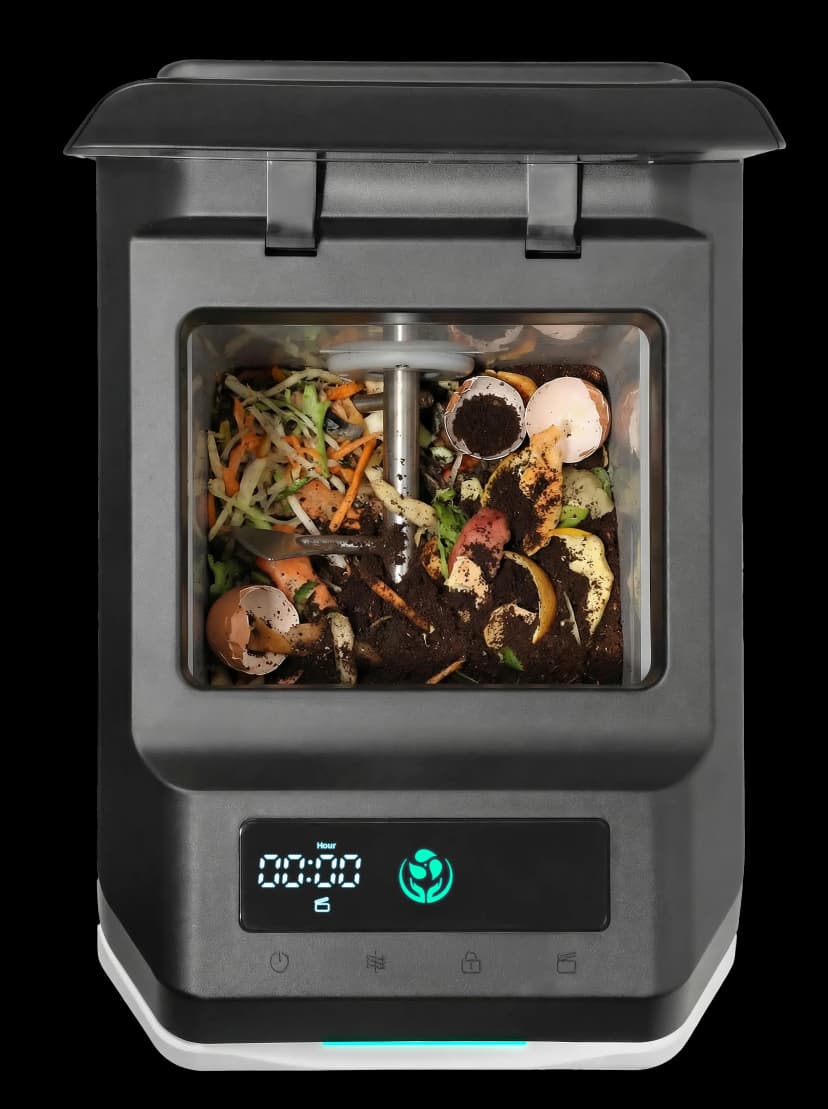
Real microbial composting for modern kitchens.
Build a Cleaner Food-Waste Routine With GEME
GEME Terra II and GEME Pro help households turn appropriate food scraps into compost for soil blending, with real microbial composting, no filter replacements, and zero recurring filter costs.
Terra II for everyday homes. GEME Pro for larger routines.
Frequently Asked Questions
Should apples be refrigerated?
Yes, if you want them to last longer. Apples can sit at room temperature for a few days, but refrigeration slows ripening and helps them stay crisp for several weeks.
How long do apples last on the counter?
Most apples last about 5–7 days on the countertop. In a cool room, some apples may last slightly longer, but warm kitchens speed softening.
How long do apples last in the fridge?
Whole apples often last several weeks in the fridge, commonly around 4–8 weeks in a home crisper drawer when stored properly. Firm storage varieties can last longer under ideal conditions.
How long do cut apples last in the fridge?
Cut apples usually last 3–5 days in the fridge when stored in a clean airtight container.
Can you eat a slightly soft apple?
Yes, if it has no mold, sour smell, slime, leaking liquid, or deep rot. Slightly soft apples are often better for baking, applesauce, sauces, or smoothies than for fresh eating.
Can you compost moldy apples?
Yes, moldy apples can often be composted in a managed system. Cut them into smaller pieces, mix with dry browns, and avoid adding too much wet fruit at once.
Can dogs eat apples?
Yes, many dogs can eat apple slices in moderation. Remove the seeds, core, and stem before feeding apples to dogs.
How do you keep apples fresh for months?
Choose firm, unbruised storage varieties, keep them cold and humid, avoid washing before storage, separate apples to reduce bruising, and check regularly for spoilage.
Is GEME Terra II useful for spoiled apples?
GEME Terra II can help households compost appropriate apple scraps and other fruit waste through real microbial composting. Use the output responsibly by screening large pieces and mixing the compost base with soil before plant use.
Summary of Key Tips
- Whole apples in the fridge: often several weeks, commonly around 4–8 weeks in good home storage.
- Whole apples on the counter: usually about 5–7 days.
- Cut apples: refrigerate and use within 3–5 days.
- Best storage method: keep apples unwashed in the crisper drawer.
- Bad apple signs: mold, sour smell, slime, leaking juice, or major rotten patches.
- Dogs: apple slices can be safe in moderation after removing the seeds, core, and stem.
- Food safety: wash apples under running water before eating or cutting; do not use soap.
- Composting: apple peels, cores, and spoiled apples can often be composted responsibly in a managed system.
- GEME Terra II: supports real microbial composting for appropriate food scraps, with no filter replacements and compost output for soil blending.
Sources
- University of Maine Cooperative Extension — Cold Storage Conditions for Tree Fruits
- Michigan State University Extension — Produce Storage Confusion: Why Refrigerate This and Not That?
- University of Maine Cooperative Extension — Storing and Washing Fresh Fruits and Vegetables
- FDA — Selecting and Serving Produce Safely
- American Kennel Club — Can Dogs Eat Apples?
- U.S. EPA — Composting at Home
- U.S. EPA — Composting
- GEME — Terra II Product Page
- GEME — How Real Microbial Composting Works
- GEME — Advanced Compost Application Guide

Zostaw komentarz
Ta strona jest chroniona przez hCaptcha i obowiązują na niej Polityka prywatności i Warunki korzystania z usługi serwisu hCaptcha.