
Compost Use Guide
Compost is one of the most useful soil amendments, but it works best when it is mature, used in the right amount, and matched to the place where you are applying it.
You can use compost as a garden-bed top dressing, mix it into soil, blend it into raised beds, add small amounts to potting mixes, or spread a thin screened layer over lawns.
Compost is powerful. Use it as a soil amendment, not as an unlimited soil replacement.

Mature, moderate, mixed with soil.
Quick Answer
To use compost correctly, apply only finished compost and match the amount to the use case. Existing garden beds often need only a thin annual layer, while new beds can use more compost incorporated into the topsoil. Raised beds and containers should use compost as one part of a balanced growing mix, not as the entire medium.
As a practical starting point, use thin top dressings for existing beds, moderate compost percentages in raised beds and containers, and only ¼–½ inch of screened compost on lawns. Avoid applying unfinished, sour-smelling, wet, or chunky compost around delicate roots.
For related context, read when compost is ready to use, garden soil vs compost, and how to compost at home.
Key Takeaways
- Use finished compost. Good compost should be dark, crumbly, mostly uniform, and earthy-smelling.
- Do not overuse compost. Too much compost can create nutrient imbalance, salt buildup, poor drainage, or weak growth.
- Existing garden beds need modest annual additions. A thin layer is often enough for maintenance.
- New beds can use more compost. Incorporate compost into the topsoil rather than planting into pure compost.
- Raised beds need a balanced mix. Compost should be combined with soil and structure-building materials.
- Containers need drainage and air space. Mature compost can be part of a potting blend, but pure compost is usually too dense for pots.
- Kitchen-composter output still needs responsible use. Screen large, unfinished pieces and mix compost with soil before plant use.
Table of Contents
- What Is Compost?
- How Much Compost Should You Use?
- How to Use Compost in Garden Beds
- How to Add Compost to Soil
- How to Use Compost in Raised Beds
- How to Use Compost in Potting Soil
- How to Add Compost to Lawns
- Does Compost Expire?
- Common Compost Mistakes to Avoid
- Best Tools for Applying Compost
- How Compost Improves Soil Health
- Seasonal Guide to Compost Use
- FAQ
- Sources
- Related Articles
What Is Compost?
Compost is decomposed organic matter made from materials such as food scraps, leaves, grass clippings, garden trimmings, and other biodegradable plant-based materials.
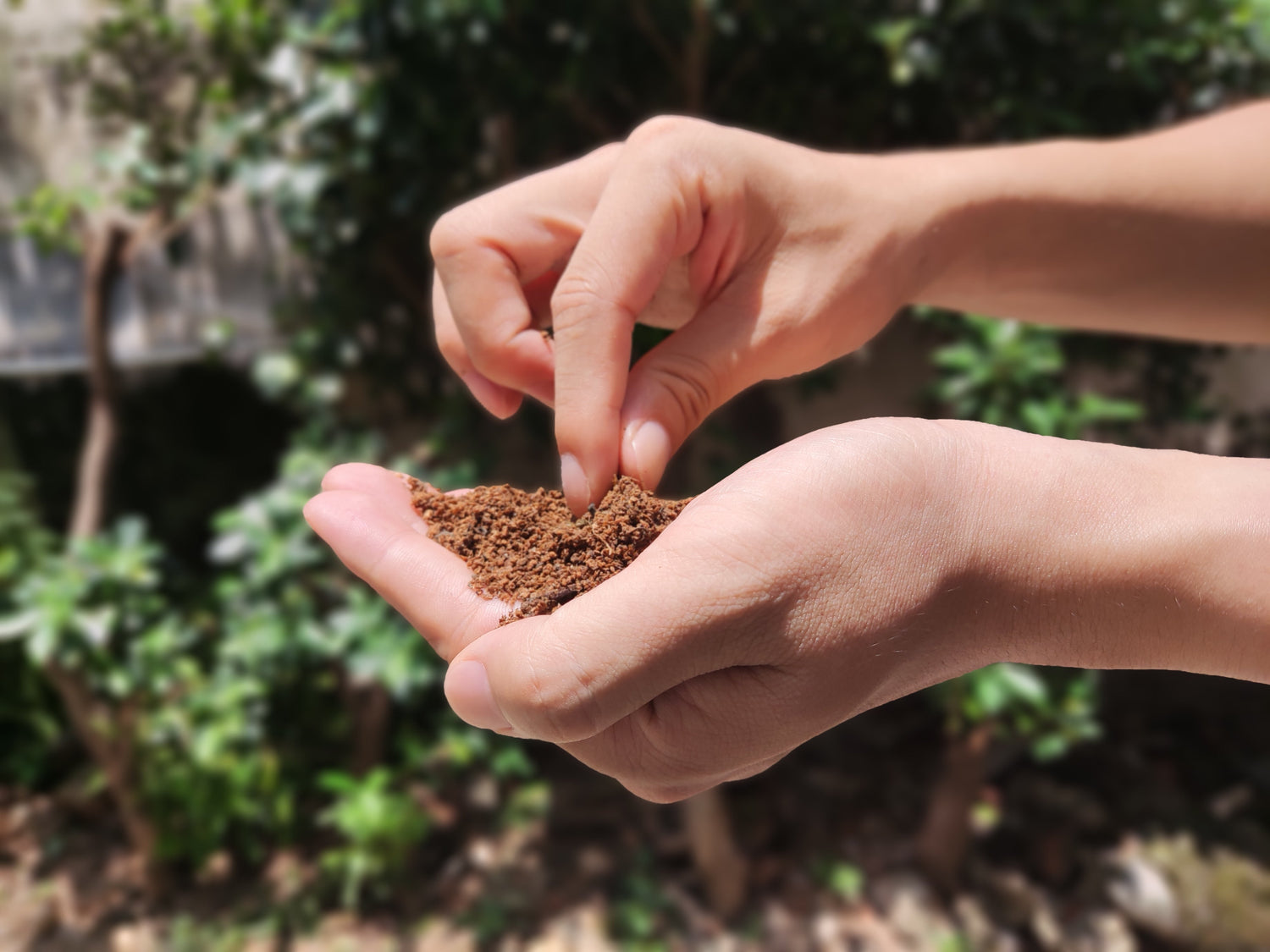
Finished compost is best understood as a soil amendment. It adds organic matter, supports soil life, improves soil structure, helps water management, and can contribute nutrients over time.
Good finished compost should be:
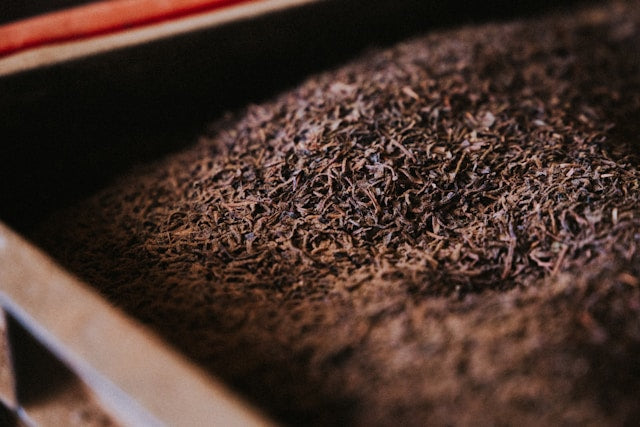
- Dark brown to black
- Crumbly
- Earthy-smelling
- Cool or ambient, not actively heating
- Mostly free from recognizable food scraps
- Screened when used for pots, seedlings, or lawns
Compost that smells sour, rotten, or like ammonia is not ready for delicate plants and may need more aeration, time, or balancing with dry brown materials.
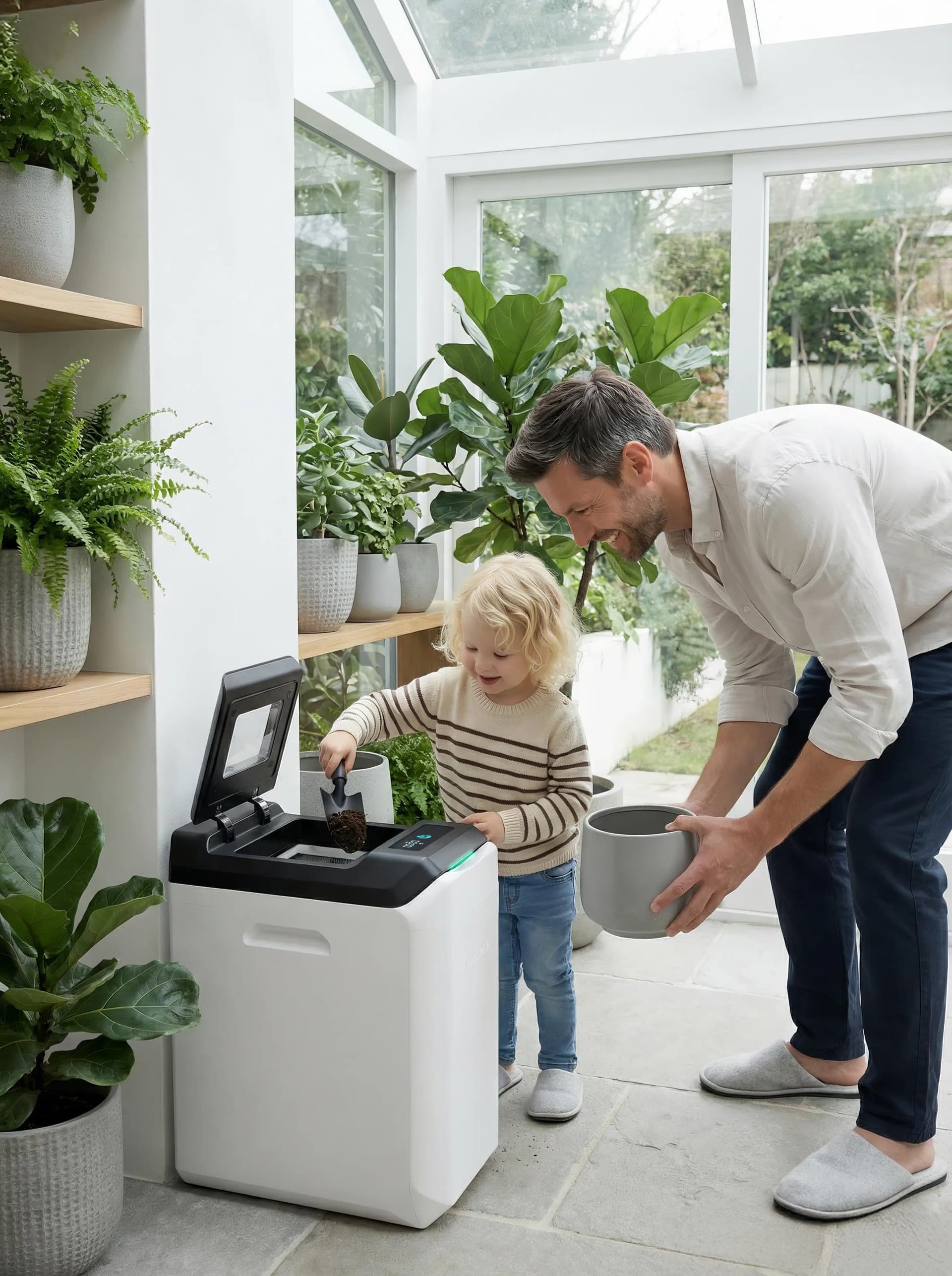
Then use it responsibly in soil.
Turn Kitchen Scraps Into Compost for Soil Blending
GEME Terra II supports real microbial composting indoors, with continuous feeding, no filter replacements, and compost output designed for soil blending.
Real microbial composting. No filter replacements. Compost for soil blending.
How Much Compost Should You Use?
The right amount of compost depends on the soil, the crop, the compost quality, and whether you are starting a new bed or maintaining an existing one.
Too little compost may not change poor soil much. Too much compost can create nutrient imbalance, salt buildup, excess phosphorus, poor drainage, or overly rich growing conditions.
| Application | Practical Starting Amount | Best Use |
|---|---|---|
| Existing garden beds | Thin annual layer; often ¼–1 inch for maintenance | Spring or fall soil improvement |
| New garden beds | Several inches may be incorporated, depending on soil conditions | Building poor soil before planting |
| Raised beds | Use as one component of the total mix, often around 20–30% | Blend with topsoil, mineral soil, coir, or aeration materials |
| Potting mixes | Small to moderate amounts, often 10–25% | Containers and houseplants, only with mature screened compost |
| Lawns | ¼–½ inch screened compost | Light top dressing after aeration or overseeding |
| Seedlings | Use very lightly or avoid unless compost is mature, screened, and low-salt | Sensitive young plants |
For high-value crops, sensitive plants, or repeated compost use, a soil test is the safest way to decide whether more compost, fertilizer, lime, or another amendment is actually needed.
How to Use Compost in Garden Beds
For most existing garden beds, compost works well as a surface top dressing or as a shallow soil amendment. The goal is to add organic matter without overloading the soil.
Best Time to Add Compost to Garden Beds
- Spring: add compost before planting vegetables, herbs, and flowers.
- Fall: add compost after harvest to rebuild soil over winter.
- During the season: use small side dressings around heavy feeders if plants and soil need it.
Top Dressing vs Mixing Compost In
- Top dressing: spread finished compost on the surface and let watering, rain, worms, and soil life move it downward over time.
- Mixing in: gently blend compost into the top few inches of soil when preparing a new bed or refreshing poor soil.
If you are unsure whether compost is finished, check that it is dark, crumbly, and earthy-smelling. You can also read when compost is ready to use.
How to Add Compost to Soil
Compost works best when it is matched to your soil type and plant needs. Sandy soil benefits from compost because organic matter can improve water and nutrient holding capacity. Clay soil benefits from compost, which can help improve structure and workability.
Three Common Ways to Add Compost to Soil
- Top dressing: spread compost over the surface and leave it undisturbed.
- Soil blending: mix compost with garden soil in moderate amounts.
- Planting-hole amendment: mix compost with native soil before planting instead of filling the hole with pure compost.
Avoid filling planting holes with pure compost. Most plants need a balanced mix of mineral soil, organic matter, air, water, and structure.
How to Use Compost in Raised Beds
Raised beds usually perform best when compost is part of a balanced growing mix rather than the entire bed. Compost provides organic matter and nutrients, while other materials provide minerals, drainage, aeration, and moisture balance.
Simple Raised Bed Mix Framework
- Compost: often around 20–30% of the total mix as a practical starting range.
- Topsoil or mineral soil: provides mineral structure and anchoring.
- Aeration or moisture-balancing materials: such as coir, leaf mold, perlite, or other appropriate amendments.
For maintenance, add a thin layer of finished compost to the surface once or twice a year instead of replacing the whole bed mix.
If raised-bed crops are growing poorly despite compost additions, do not keep adding more compost blindly. Check soil moisture, drainage, pH, nitrogen, phosphorus, potassium, and salt levels.
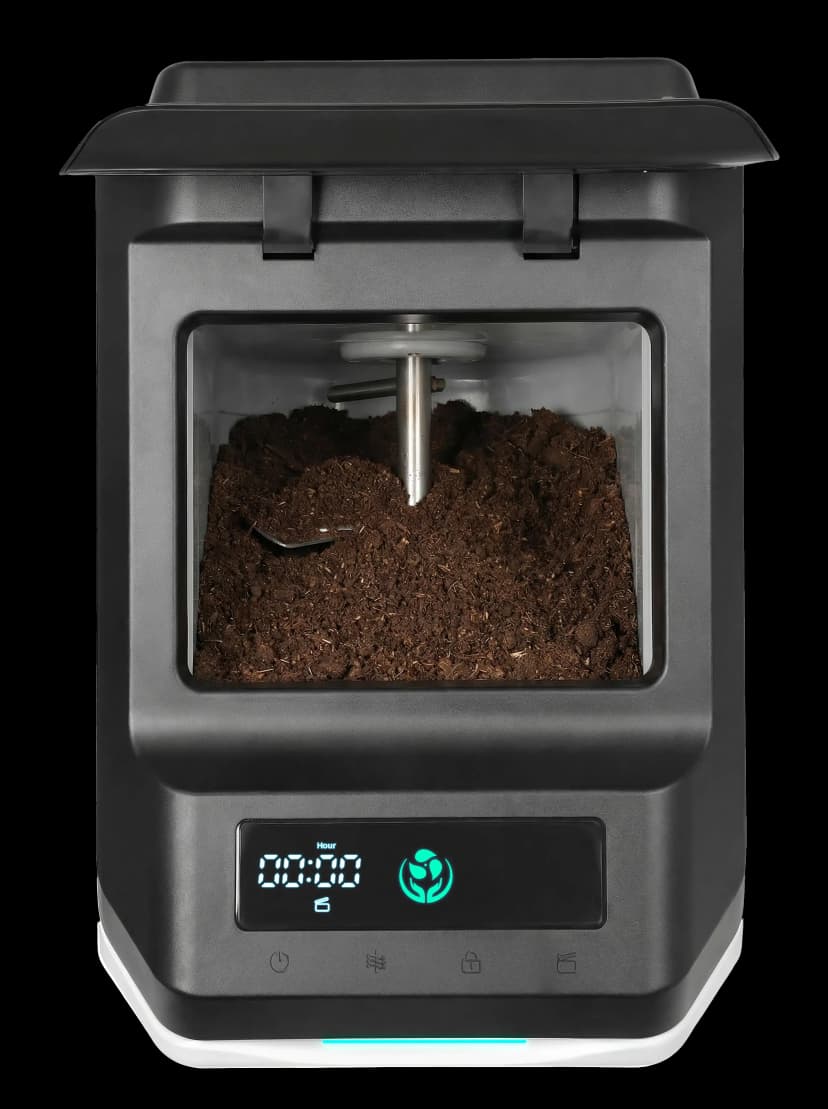
Screen, mix, and use responsibly.
Compost Is Most Useful When It Becomes a Routine
GEME Terra II helps households turn everyday kitchen scraps into compost for soil blending, with continuous feeding, no filter replacements, and zero recurring filter costs.
Terra II for everyday homes. GEME Pro for larger routines.
How to Use Compost for Potting Soil and Plants
Compost can improve potting mixes, but it should not usually be used alone in containers. Pure compost may be too rich, too dense, too salty, or poorly draining for many potted plants.
Practical Compost Ratios for Containers
- Vegetable containers: mature compost can be used as part of a potting blend, often around 10–25% depending on crop and mix.
- Houseplants: use smaller amounts, especially for sensitive plants.
- Seedlings: use very mature, screened compost only in small amounts, or use a seed-starting mix instead.
Containers need structure, drainage, and air space. Mature compost can support fertility, but it should be balanced with potting mix, coir, perlite, bark fines, or other appropriate container materials.
If compost smells sour, looks unfinished, contains large recognizable scraps, or feels slimy, do not use it in pots yet.
How to Add Compost to Lawns
Compost can be used as a lawn top dressing. The key is to apply a thin, even layer of screened compost so it improves the soil without smothering the grass.
Lawn Compost Tips
- Use screened compost to avoid large clumps.
- Apply a thin layer, usually ¼–½ inch.
- Rake it evenly across the lawn.
- Apply after aeration when possible.
- Water lightly after spreading.
- Top dress in spring or fall when grass is actively growing.
Too much compost can smother turf, so keep the layer light, screened, and even.
Does Compost Expire?
Compost does not expire like fresh food, but it can lose quality if stored poorly. Finished compost remains most useful when it is kept slightly moist, shaded, protected from heavy rain, and allowed some airflow.
Signs Compost Has Lost Quality
- It smells sour, rotten, or like ammonia.
- It becomes slimy or waterlogged.
- It dries into a hard, dusty mass.
- It grows excessive mold and smells unpleasant.
- It contains many recognizable food scraps or plant pieces.
How to Store Compost Properly
- Keep it in a shaded place.
- Protect it from heavy rain.
- Allow some airflow.
- Keep it slightly moist, not soaked.
- Screen before using in pots, lawns, or around seedlings.
Common Compost Mistakes to Avoid
Using Too Much Compost
Too much compost can cause nutrient imbalance, salt buildup, excess phosphorus, poor drainage, or overly rich soil. This is especially important in containers and raised beds.
Using Unfinished Compost
Unfinished compost may contain recognizable scraps, smell sour, attract flies, or continue decomposing in the soil. It can temporarily tie up nitrogen and stress young plants.
Using Compost as a Complete Soil Replacement
Compost is a soil amendment, not always a complete growing medium. Most plants need soil structure, drainage, minerals, and air space, as well as organic matter.
Applying Compost Too Thickly on Lawns
A thick compost layer can smother grass. Use a thin, even layer and rake it in gently.
Applying Compost Directly Against Stems
Avoid piling compost tightly around plant stems or crowns. Keep compost slightly away from stems and let it act as a soil amendment rather than a wet collar around the plant.
Best Tools for Applying Compost
You do not need complicated tools to use compost effectively. The right tools depend on whether you are applying compost to beds, pots, or lawns.
- Garden fork
- Shovel
- Rake
- Wheelbarrow
- Compost spreader for lawns
- Gloves
- Screen or sieve for potting mixes and lawns
- Bucket or scoop for containers and side dressing
Safety Tips When Handling Compost
- Wear gloves when handling compost.
- Use a mask if compost is dry and dusty.
- Wash your hands after use.
- Avoid breathing dust from old compost piles.
- Use mature compost around edible crops.
How Compost Improves Soil Health
Compost improves soil by adding organic matter, supporting soil organisms, and helping soil hold both water and air. It can also improve nutrient retention and create better conditions for root growth.
In sandy soils, compost can help water and nutrients stay in the root zone longer. In heavy soils, compost can support better structure and workability over time.
Compost can reduce dependence on fertilizer, but it does not always replace a full fertility plan. Heavy feeders, fruiting crops, and depleted soils may still need targeted nutrients based on a soil test.
Seasonal Guide to Compost Use
Spring
- Add finished compost before planting vegetables and flowers.
- Refresh raised beds with a thin compost layer.
- Mix compost into new garden beds if the soil needs rebuilding.
Summer
- Use small side dressings for heavy feeders if needed.
- Add compost around tomatoes, squash, peppers, or other productive crops only when soil and plant growth suggest it.
- Avoid thick compost layers during hot, wet conditions.
Fall
- Add compost after harvest to rebuild garden beds.
- Use compost as part of winter soil protection.
- Prepare beds for spring planting.
Winter
- Store compost properly if not using it immediately.
- Apply compost only where the soil is workable and conditions are appropriate.
- Plan compost needs for the next growing season.
Final Takeaway: Compost Works Best When Used Moderately
Compost is a powerful soil amendment, but it is not something to use without limits. The safest approach is to use finished compost, apply moderate amounts, screen it for sensitive uses, and mix it with soil rather than planting directly into pure compost.
For gardens, raised beds, lawns, and containers, the goal is the same: build better soil structure, support soil life, and improve the growing environment without overloading the system.
With a steady kitchen-scrap composting routine and careful soil use, compost becomes a practical bridge between daily food waste and healthier garden soil.
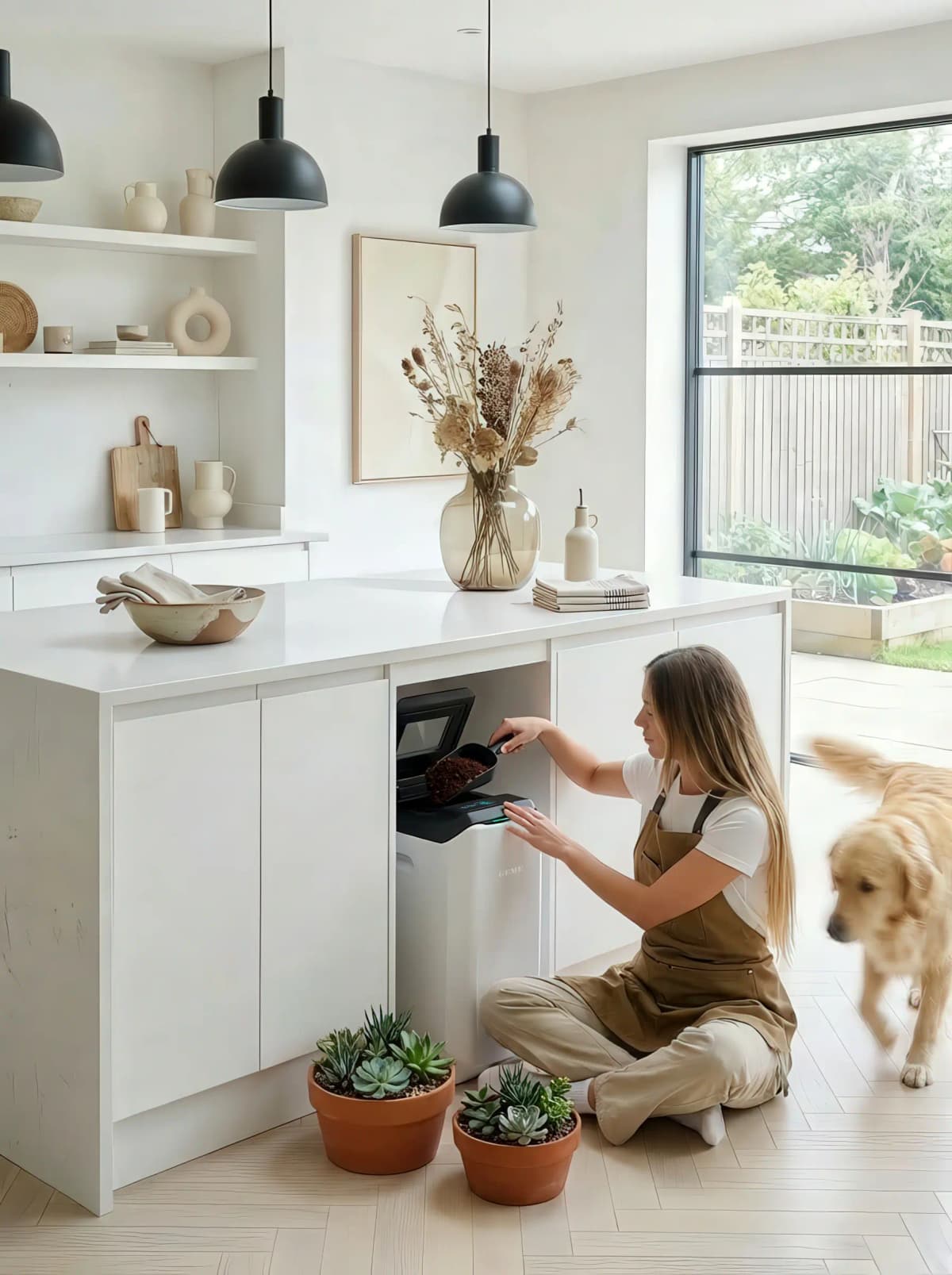
Real microbial composting for modern homes.
Start Composting at Home With GEME
GEME Terra II and GEME Pro help households turn food scraps into compost for soil blending, with real microbial composting, no filter replacements, and zero recurring filter costs.
Terra II for everyday homes. GEME Pro for larger routines.
Frequently Asked Questions
Can compost go bad?
Compost can lose quality if it becomes waterlogged, anaerobic, extremely dry, sour-smelling, or contaminated. Finished compost should smell earthy and feel crumbly.
Can you use too much compost?
Yes. Too much compost can create nutrient imbalance, salt buildup, poor drainage, excess phosphorus, or weak plant growth, especially in pots and raised beds.
How often should compost be added?
Many gardens benefit from compost once or twice a year, usually in spring or fall. The amount should depend on soil condition, crop needs, and whether a soil test shows nutrient excess or deficiency.
Can compost replace fertilizer?
Compost can reduce the need for fertilizer, but it may not provide enough of every nutrient for every plant. Some crops still benefit from targeted fertilization based on soil testing.
Can I use compost directly from my kitchen composter?
It depends on the maturity of the output. For best results, screen out large unfinished pieces, let material stabilize if needed, and mix compost with soil instead of applying concentrated compost directly to delicate roots.
Is compost safe for seedlings?
Only mature, screened compost should be used around seedlings and in small amounts. Strong, salty, or unfinished compost may harm young plants.
How much compost should I use in raised beds?
A practical starting range is to use compost as one component of the raised bed mix, often around 20–30%, then refresh the surface with a thin layer once or twice a year.
Should compost be mixed into soil or laid on top?
Both methods can work. Top dressing is easy and supports soil life over time. Mixing compost into the topsoil works faster when preparing new beds or rebuilding poor soil.
Can compost be used on lawns?
Yes. Use screened compost in a thin ¼–½ inch layer and rake it evenly. Too much compost can smother grass.
Sources and Further Reading
- Oregon State University Extension — How to Use Compost in Gardens and Landscapes
- U.S. EPA — Benefits of Using Compost
- U.S. EPA — Composting at Home
- University of Minnesota Extension — Composting in Home Gardens
- University of Minnesota Extension — Why You Should Test Your Compost
- University of Maryland Extension — How to Make Compost at Home
- GEME — Terra II Product Page
- GEME — How Real Microbial Composting Works
- GEME — Advanced Compost Application Guide

Zostaw komentarz
Ta strona jest chroniona przez hCaptcha i obowiązują na niej Polityka prywatności i Warunki korzystania z usługi serwisu hCaptcha.