
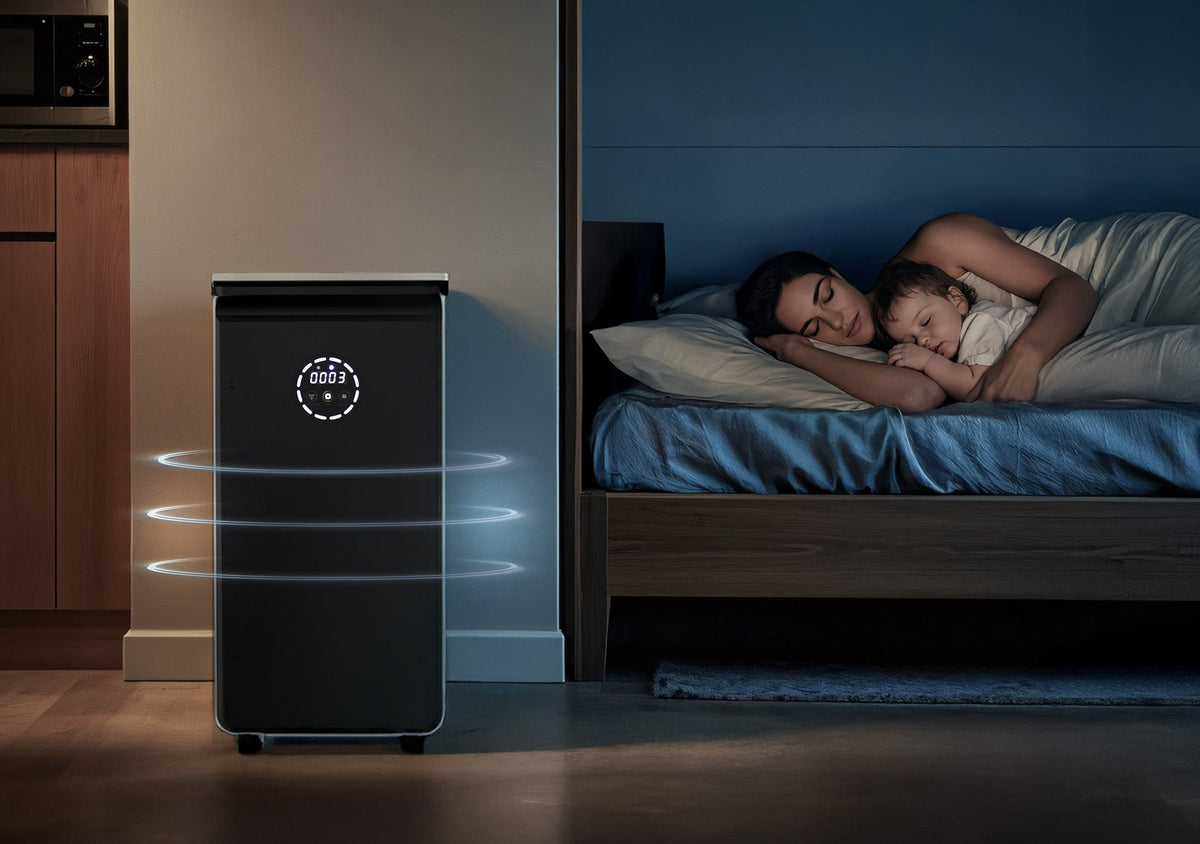
Kitchen Composter Buying Guide
A kitchen composter is worth it when it removes a recurring household problem, not merely because composting sounds sustainable.
The strongest reasons to buy are usually daily convenience, better containment of wet food scraps, odor control, lower recurring consumable costs and a useful pathway from kitchen scraps back to soil.
Automation also matters. A system that automatically manages airflow, moisture, heat and mixing can deliver real microbial composting without asking the user to turn a pile, measure moisture or manually rebalance the process every day.
The right question is not simply “Is it worth the price?” It is “Which costs, chores and outcomes will it replace in my home?”
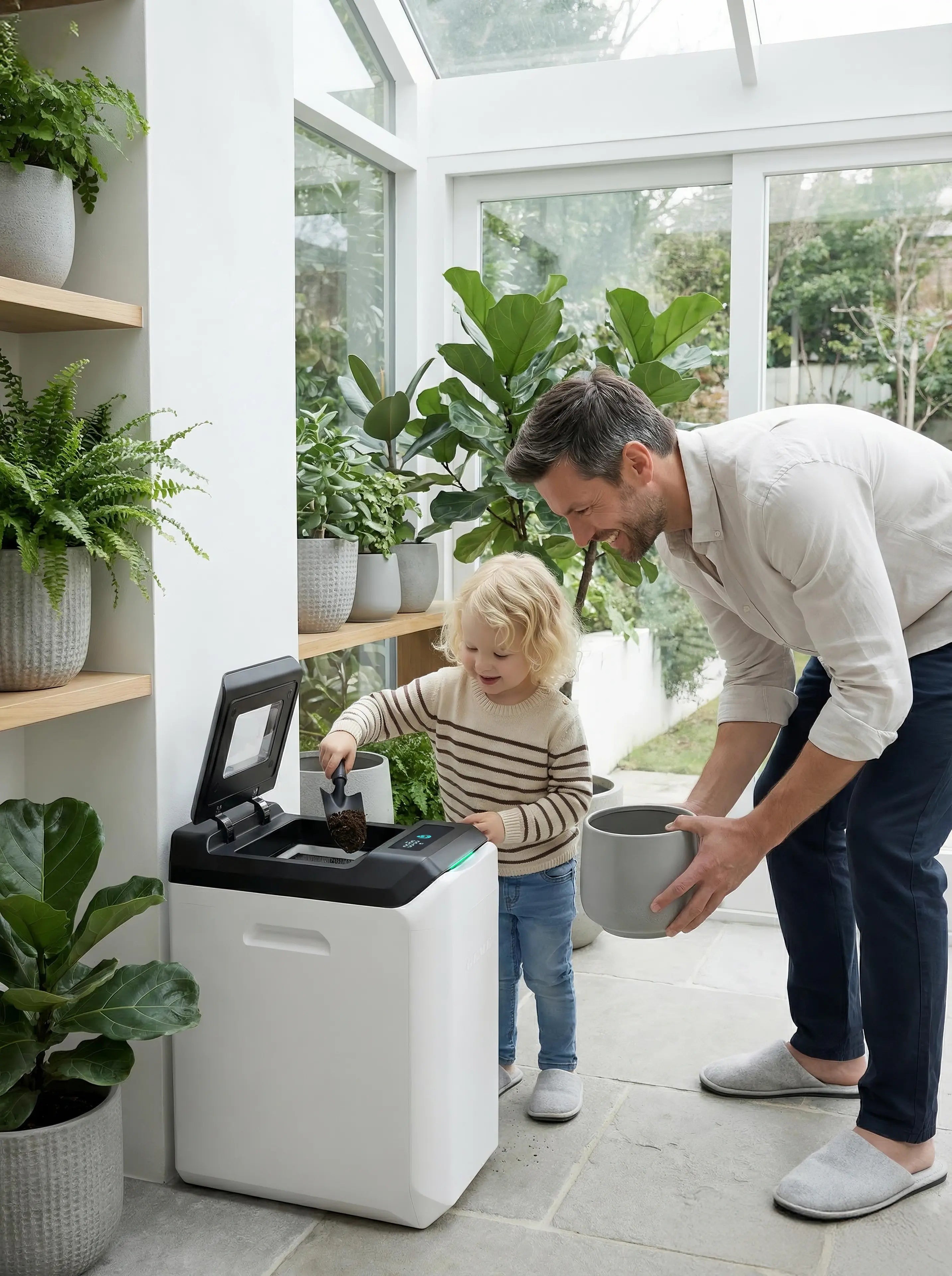
Cost + convenience + automation + odor control + output + recurring ownership costs.
Quick Answer: Are Kitchen Composters Worth It?
Yes, for the right household. A kitchen composter can be worth it when you cook frequently, generate food scraps throughout the week, dislike keeping wet scraps in the trash and want a contained indoor routine with a useful output.
It may not be worth it when you rarely cook, already have convenient curbside organics collection, have no suitable installation space or do not have a realistic plan for the resulting material.
For many owners, the first return is not cash. It is convenience: fewer leaking food-scrap bags, less exposed organic waste, less pressure to carry scraps outside immediately and less manual compost-process management.
Before comparing products, understand the category difference in Kitchen Composter vs Food Waste Recycler.
The 60-Second Buying Verdict
Probably Worth It
You cook most days, generate wet food scraps, value indoor odor control, want automated continuous processing and will use or share the compost output.
Probably Not Worth It
You rarely cook, generate very few scraps, have no output plan or already use a clean and inexpensive municipal organics service.
Compare Carefully
You mainly want smaller, less smelly trash. A food recycler may be enough when real biological composting and soil return are not priorities.
Table of Contents
- What “Worth It” Actually Means
- Kitchen Composter ROI
- Convenience and Automation
- Is Odor Control Worth Paying For?
- Real Compost vs Dry Food Grounds
- Environmental Value
- Who Gets the Most Value?
- When Is It Not Worth It?
- Is GEME Terra II Worth It?
- Limitations and Honest Expectations
- Household Fit Scorecard
- Frequently Asked Questions
- Final Verdict
- Sources
- Related Guides
What Does “Worth It” Actually Mean?
Buyers often compare the purchase price of a kitchen composter with the price of an ordinary trash bin. That misses most of what the appliance is intended to change.
A kitchen composter can create value across six categories:
Financial Value
Avoided filters, pods, paid collection, trash bags or purchased soil amendments.
Time Value
Less storing, carrying, freezing or transporting food scraps.
Automation Value
Less turning, moisture checking and manual process balancing.
Kitchen Value
Better containment of wet scraps, odors and pest attraction.
Soil Value
A compost base that can support a household soil-return routine.
Behavior Value
A visible daily system that makes food-waste separation easier to maintain.
The weighting is personal. A household with a garden may place more value on compost output. A busy household may care most about odor control and removing the daily work associated with scrap storage and traditional pile management.
Start with prevention rather than disposal. The Food Storage & Waste Reduction Hub explains how to keep edible food in use before it becomes compost feedstock.
Kitchen Composter ROI: Use Total Ownership Cost, Not Sticker Price
A serious ROI calculation must include the costs that continue after checkout. It should also avoid counting benefits the machine does not actually create.
Three-Year Ownership Cost
Purchase price
+ electricity
+ required filters, pods or refills
+ optional microbial support products
+ maintenance or replacement parts
− avoided paid organics collection
− avoided recurring odor-control consumables
− compost or soil-amendment value you genuinely use
− reasonable value assigned to time and manual work saved
A Practical Break-Even Formula
| Variable | What to Enter |
|---|---|
| A | Current machine purchase price. |
| B | Annual electricity and required maintenance cost. |
| C | Annual filters, pods or subscriptions avoided. |
| D | Annual paid collection, trash-bag or transport expense avoided. |
| E | Annual value of compost output you actually use. |
| F | Annual value assigned to convenience, automation and time saved. |
When annual benefits exceed annual operating costs, an approximate break-even period is:
Break-even months = A ÷ [(C + D + E + F) − B] × 12
This formula is intentionally conservative. Do not count the grocery value of spoiled food as money recovered by the composter. That expense was already lost when edible food became waste.
Prevention, not composting, is what protects grocery value. See EPA’s Wasted Food Scale and How to Reduce Food Waste at Home.
Convenience and Automation: The Return Buyers Feel Every Day
Kitchen composting fails when the routine asks too much of the household. A system may be environmentally attractive and still go unused because it requires extra buckets, freezer space, outdoor trips, regular turning, moisture checks or frequent filter changes.
A traditional compost pile asks the user to monitor and manage much of the environment. Terra II uses GEMEBrain™ to automatically adjust airflow, moisture, heat and mixing according to chamber conditions.
This automation does not remove the biology. It removes much of the routine work traditionally required to keep that biology active.
| Traditional Composting Task | Terra II Approach |
|---|---|
| Turn or aerate material manually. | Automated airflow and mixing support an oxygen-rich chamber. |
| Check whether the pile is too dry or too wet. | GEMEBrain™ monitors and adjusts moisture-related operation automatically. |
| Wait for suitable outdoor temperatures. | Managed heat supports a more stable indoor biological environment. |
| Build and rebalance a pile by hand. | Users add suitable varied scraps while the system manages key chamber conditions. |
Daily convenience is created when the appliance fits the moment food waste appears:
- Add suitable scraps after food preparation or meals.
- Keep wet organic waste enclosed instead of exposed in a caddy.
- Reduce the need to freeze scraps until collection day.
- Avoid frequent trips to an outdoor pile or shared waste room.
- Reduce manual turning, moisture checks and process balancing.
- Keep one continuous routine instead of restarting a batch for every load.
The best convenience test:
Would this appliance replace a chore you already dislike several times every week?
For the process in more detail, read How Does a Real Electric Composter Work?
Is Kitchen-Composter Odor Control Worth Paying For?
For many buyers, odor control is the most immediate benefit. Food scraps begin changing as soon as they sit wet and exposed. Warm kitchens, meat, dairy, sauces, and mixed leftovers can quickly make ordinary scrap bins unpleasant.
A well-designed indoor system reduces that friction through containment, managed airflow and an operating process that avoids stagnant, oxygen-poor conditions.
What Good Odor Control Should Mean
- Ordinary kitchen scraps remain enclosed during processing.
- Airflow helps maintain the biological process in an aerobic state.
- Odor molecules are treated before exhaust returns to the room.
- The system does not require constant disposable-filter replacement.
- Users receive clear limits for liquids, oil, salt, overloads and power interruption.
What It Should Not Mean
“Odor control” should not be interpreted as a promise that no smell can ever occur under every condition. Excess liquid, a severely unbalanced load, power loss, neglected maintenance or unsuitable inputs can challenge any indoor biological system.
Terra II combines an automatically managed aerobic chamber with permanent metal-ion odor purification. It is designed for strong odor control during normal operation without routine replacement odor filters.
Review Odor-Free Composting Options for Apartments and the Electric Composter Salt & Oil Boundaries.
Are You Buying a Composter or a Food Waste Recycler?
The word “composter” is used loosely. Some kitchen appliances support biological decomposition. Others grind and dehydrate scraps into dry grounds.
The U.S. EPA explains that residential grinding and dehydrating appliances reduce food-scrap volume and weight but do not directly produce compost. Their output requires further composting, curing or another treatment pathway.
| Question | Microbial Kitchen Composter | Dry-and-Grind Food Recycler |
|---|---|---|
| Main process | Microbial breakdown supported by oxygen, moisture, warmth and time. | Heating, dehydration, grinding or stabilization. |
| Main outcome | Moist compost base for responsible soil blending. | Dry food-scrap grounds requiring a next step. |
| Process management | May automate airflow, moisture, heat and mixing while keeping microbes active. | Runs a defined heating and grinding cycle. |
| Best fit | Households that want biological processing and soil return. | Households focused mainly on storage, odor and volume reduction. |
| Output management | Screen, blend with soil and allow more time where needed. | Compost, cure, collect or dispose according to guidance. |
Authoritative reference: U.S. EPA — Composting at Home.
For model-level comparisons, continue to Best Kitchen Composters 2026.
What Is the Environmental Return?
EPA’s Wasted Food Scale places preventing wasted food above composting because prevention avoids the agricultural, transportation, refrigeration and preparation impacts associated with producing food that is never eaten.
Once food waste is unavoidable, composting can keep organic material out of landfills, recover nutrients and support soil improvement. EPA estimates that food waste is responsible for 58% of fugitive methane emissions from municipal solid-waste landfills.
The Responsible Environmental Order
Buy Realistically
↓
Store and Use Edible Food
↓
Repurpose, Share or Freeze
↓
Compost Suitable Unavoidable Scraps
↓
Return Compost Base to Soil
Sources: EPA Wasted Food Scale and EPA Composting .
Which Households Get the Most Value?
Daily Cooks
Continuous scraps create recurring convenience value instead of an occasional novelty.
Low-Maintenance Composting Seekers
GEMEBrain™ reduces the turning, moisture checking and manual balancing associated with traditional composting.
Gardeners
Compost output has a clear destination in planters, beds, trees or soil-building routines.
Apartment Households
An enclosed indoor process can replace freezer bags, scrap caddies or frequent waste-room trips.
Filter-Averse Buyers
Avoiding routine carbon-filter replacement can improve long-term ownership value.
Mixed-Diet Homes
Managed systems may accept a broader range of suitable kitchen scraps than traditional backyard piles.
When Is a Kitchen Composter Not Worth It?
A high-quality machine can still be a poor purchase when it does not match the household.
- You rarely generate food scraps. Low usage weakens both financial and convenience value.
- You already have excellent curbside organics collection. A clean, affordable service may solve the problem with less equipment.
- You have no output plan. Compost base still needs to be harvested, shared or used.
- You only want smaller trash. A food recycler may be a more direct fit.
- You want the lowest possible initial price. A real microbial system may cost more upfront than a basic dehydrator.
- You cannot provide suitable installation space. Measure the appliance area, lid clearance and ventilation space before purchasing.
- You expect every input to disappear instantly. Dense fibres, pits, shells and large bones retain natural material limits.
- You expect a completely responsibility-free disposal appliance. GEMEBrain™ automates airflow, moisture, heat and mixing, but users must still remove packaging, respect input boundaries and harvest the compost base periodically.
For a complete limitation review, read GEME Terra II Pros and Cons.
Is GEME Terra II Worth It?
Terra II is strongest for buyers who want a continuous microbial composter without the daily turning, moisture checks and manual balancing associated with a traditional compost pile.
| Buying Concern | Terra II Response | Boundary to Remember |
|---|---|---|
| Daily convenience | Continuous feeding allows scraps to be added without waiting for a batch cycle. | The machine should remain powered to maintain its managed environment. |
| Biological process management | GEMEBrain™ automatically adjusts airflow, moisture, heat and mixing according to chamber conditions. | Automation reduces intervention but does not remove input rules or harvesting. |
| Household capacity | Current specifications list a 14 L chamber and capacity up to 2 kg per day. | A daily limit does not mean the full amount should be added in one oversized load. |
| Odor control | Managed aerobic operation and permanent metal-ion purification support strong odor control without routine replacement filters. | Overloads, free liquids, power loss and unsuitable inputs can still cause odor. |
| Recurring costs | No routine disposable odor-filter subscription. | Electricity and any optional biological support products still belong in the calculation. |
| Output | A moist compost base created through microbial breakdown. | Screen unfinished pieces and mix output with soil rather than planting directly into it. |
| Space | Compact floor-space footprint designed for modern homes and apartments. | Measure the installation area and allow lid clearance and airflow. |
Terra II is likely worth it when real microbial processing, automatic chamber management, continuous feeding, low recurring filter costs and soil return are meaningful to you.
It is less compelling when the only objective is to make scraps smaller at the lowest possible upfront cost.

GEMEBrain™ automatically manages airflow, moisture, heat and mixing.
See Whether Terra II Fits Your Kitchen
Terra II is designed for households that want continuous microbial composting without the routine turning and manual moisture balancing of a traditional pile. Review its current price, dimensions, specifications and purchase terms before deciding.
Check live pricing, regional availability and delivery information on the product page.
Honest Expectations Before You Buy
1. Real Biology Does Not Require Traditional Daily Management
Terra II uses GEMEBrain™ to automatically manage much of the chamber environment. Airflow, moisture, heat and mixing are adjusted so users do not need to turn a pile or manually balance the system every day.
Users still need to remove packaging, follow input boundaries, avoid excessive free liquid and harvest compost base periodically. This is a simple feeding-and-harvesting routine—not traditional hands-on pile management.
2. Different Materials Still Have Different Timelines
Soft fruit, cooked grains and vegetable scraps become visually unrecognizable faster than woody stems, corn cobs, pits, shells or dense bones. Slow breakdown of hard material is natural.
3. Output Still Needs Responsible Use
GEME output is a concentrated compost base, not a substitute for bagged potting soil. Screen larger pieces, return unfinished material and mix approximately one part compost base with eight parts plain soil before plant use.
Read the Advanced GEME Compost Application Guide.
4. Automation Does Not Turn It Into a Garbage Disposal
Terra II automates the biological environment, but plastic, glass, metal, long strings, excessive free liquid, oversized hard materials and other unsuitable inputs must remain outside the chamber.
Review What Can You Put in an Electric Composter?
5. Continuous Operation Uses Electricity
Electricity supports airflow, mixing, heat and adaptive chamber management. Include your local utility rate in the ROI calculation rather than treating continuous operation as free.
6. The First Harvest Is Not Immediate
A microbial ecosystem must establish and build a working compost base. Visual breakdown can begin quickly, but the first practical harvest requires more time than a single dry-and-grind cycle.
Kitchen Composter Household Fit Scorecard
Give yourself one point for every “yes.”
- We cook at home at least four days per week.
- Wet food scraps regularly create odor, leakage or pest concerns.
- We dislike storing scraps in the freezer or carrying them outside frequently.
- We want a continuous process rather than separate batch cycles.
- We value automatic airflow, moisture, heat and mixing control.
- We have suitable installation space near the kitchen.
- We have plants, a garden, a compost outlet or someone who can use the output.
- We prefer to avoid routine replacement odor filters.
- We are willing to follow input and harvesting guidance.
- We value convenience and automation in addition to cash payback.
| Score | Interpretation |
|---|---|
| 8–10 | An automated microbial kitchen composter is likely to create strong household value. |
| 5–7 | Compare models carefully and quantify recurring costs, automation and output use. |
| 0–4 | A scrap bin, curbside service, backyard pile or food recycler may be a better fit. |
Frequently Asked Questions
Are kitchen composters worth it?
They can be worth it for households that cook frequently, want better food-scrap containment, value odor control and have a realistic use for the resulting material.
Do kitchen composters save money?
Direct cash savings vary. Potential savings may include avoided filters, pods, paid organics collection, trash bags or purchased compost. Convenience, automation and time can create value before direct financial payback.
Does Terra II require daily manual compost management?
No. GEMEBrain™ automatically adjusts airflow, moisture, heat and mixing. Users primarily add suitable scraps, keep packaging and unsuitable materials out, and harvest compost base when needed.
Does a kitchen composter reduce grocery waste?
It manages suitable scraps after they become waste. Meal planning, correct storage, freezing and using leftovers are what protect the grocery value of edible food.
Do electric kitchen composters make real compost?
It depends on the process. Residential grinders and dehydrators do not directly produce compost. Microbial systems support biological decomposition and can create a compost base that still needs responsible soil integration.
Do kitchen composters smell?
A well-operated enclosed system should control ordinary food-scrap odor, but no system is universally odorless. Excess liquid, overloads, unsuitable inputs, power interruption or neglected maintenance can cause odor.
Are kitchen composters expensive to maintain?
Maintenance varies by model. Compare electricity, filters, pods, microbial products, subscriptions, cleaning requirements and replacement parts. Terra II does not require routine replacement odor filters.
Is a kitchen composter worth it without a garden?
It can still be worthwhile for odor control, automation and convenience, but the output needs a destination such as houseplants, a community garden, friends or another approved compost-use route.
Is GEME Terra II worth the money?
Terra II offers stronger value when continuous microbial processing, GEMEBrain™ automatic chamber management, compost base, indoor odor control and no routine replacement odor filters are important.
How should GEME compost output be used?
Screen larger unfinished pieces and return them to the chamber. Mix the compost base with plain soil at approximately one part compost base to eight parts soil.
Final Verdict
Kitchen composters are worth it when they are used frequently, remove a real household inconvenience and create an output the household can use responsibly.
Financial payback is only one form of return. Convenience, odor containment, fewer recurring consumables, automated chamber management and a reliable kitchen-to-soil pathway may matter more.
Terra II is a strong fit for daily cooks who want real microbial composting without the daily turning, moisture checks and manual balancing of a traditional pile.
It is not the right purchase for every home. Measure the space, define the output plan, calculate recurring costs and buy according to the process and level of automation you actually want.
Academic and Authoritative Sources
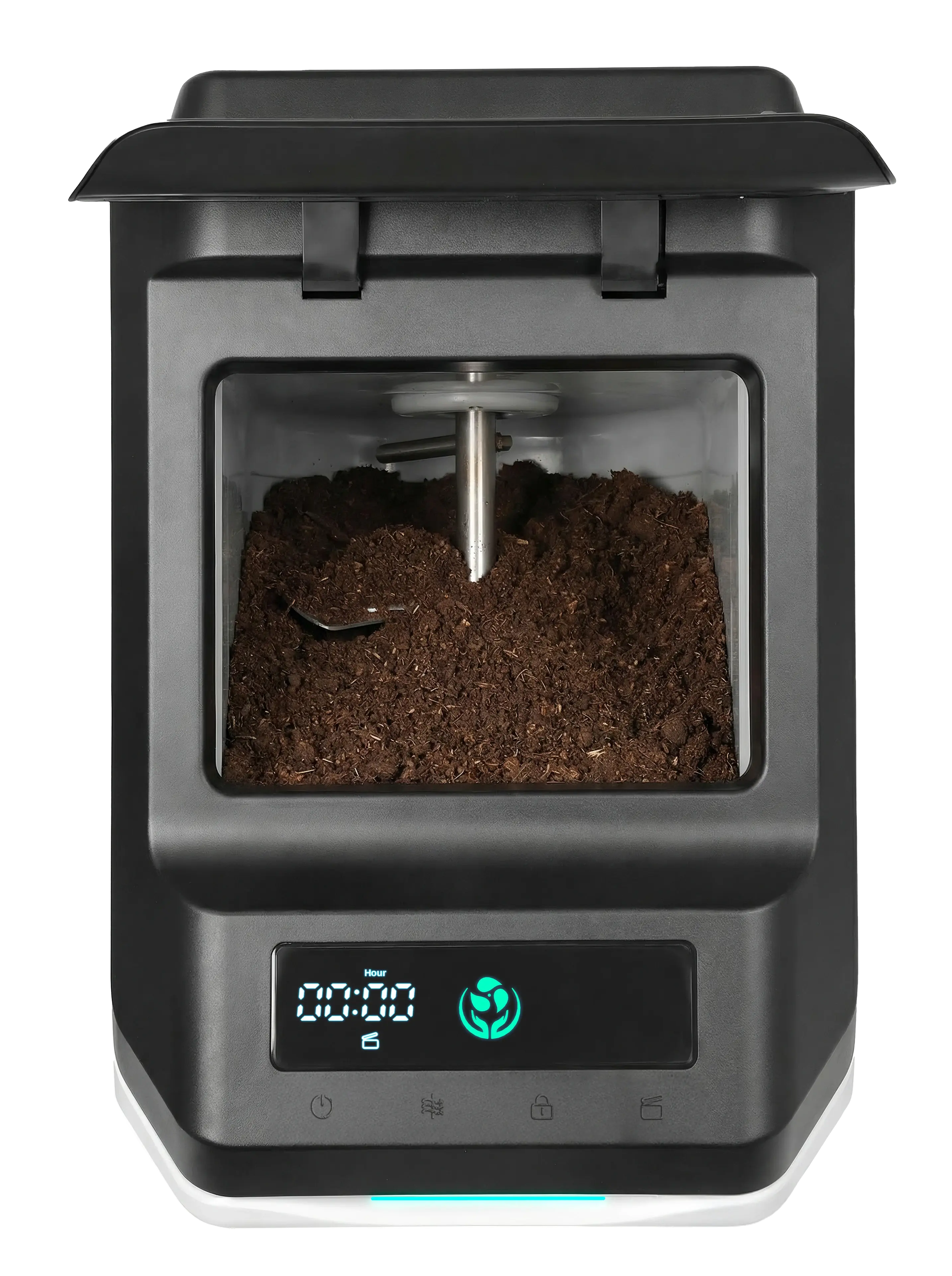
GEMEBrain™ manages the chamber while you follow a simple feeding and harvesting routine.
Decide With the Live Terra II Details
Compare the current purchase price, dimensions, capacity, automatic chamber management and product boundaries against your own scrap volume, available space and output plan.
Real microbial composting. GEMEBrain™ adaptive control. No routine replacement odor filters.



Hinterlasse einen Kommentar
Alle Kommentare werden vor der Veröffentlichung geprüft.
Diese Website ist durch hCaptcha geschützt und es gelten die allgemeinen Geschäftsbedingungen und Datenschutzbestimmungen von hCaptcha.