
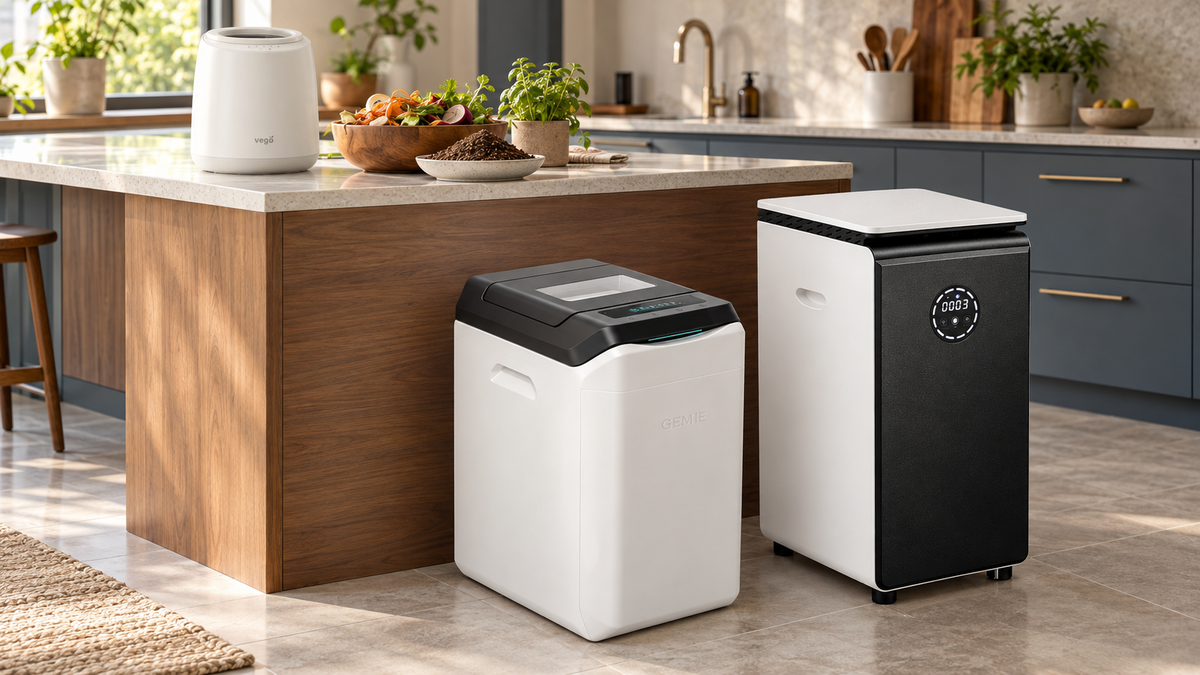
Vego Composter vs GEME Composter: Modes, Feeding & Soil Use
Choose GEME Composter for continuous microbial composting. Compare Vego’s individual modes, ongoing additions, optional VegoTabs, filter maintenance, and soil instructions with Terra 2 and GEME Pro.
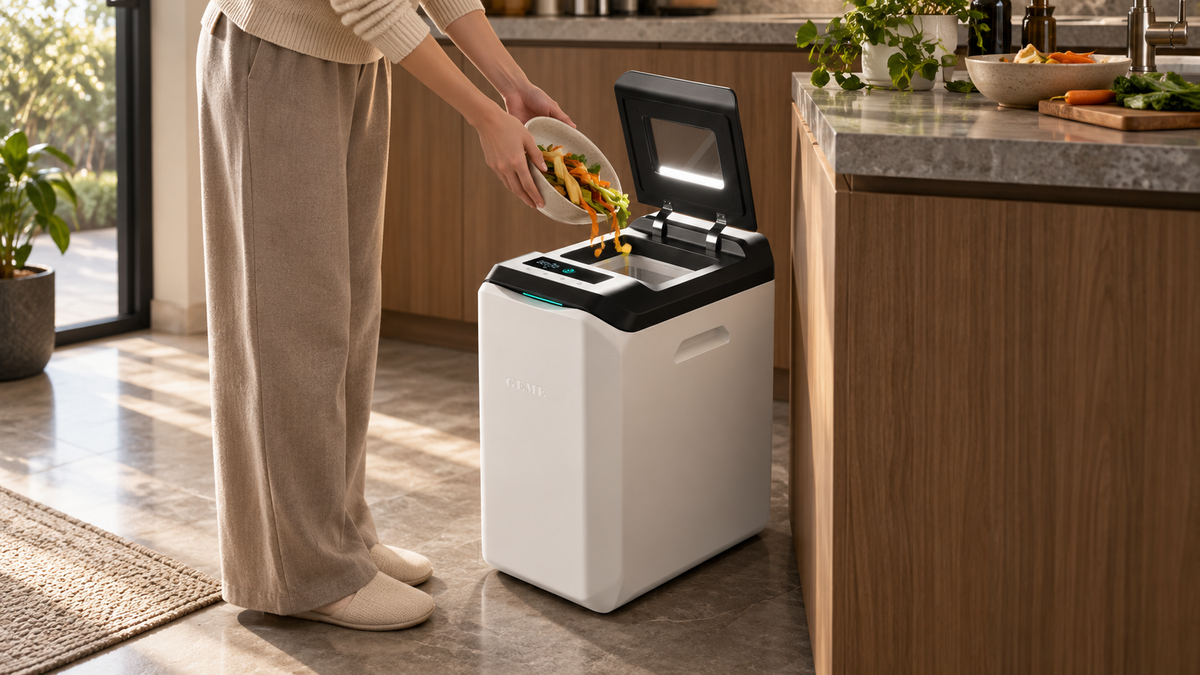
Batch vs Continuous Electric Composters: What Happens Between Meals?
Can you add breakfast, lunch, and dinner scraps as they appear, or do you need to wait for a cycle? Compare batch recyclers, interruptible cycles, scheduled Dry & Grind systems, and true contin...
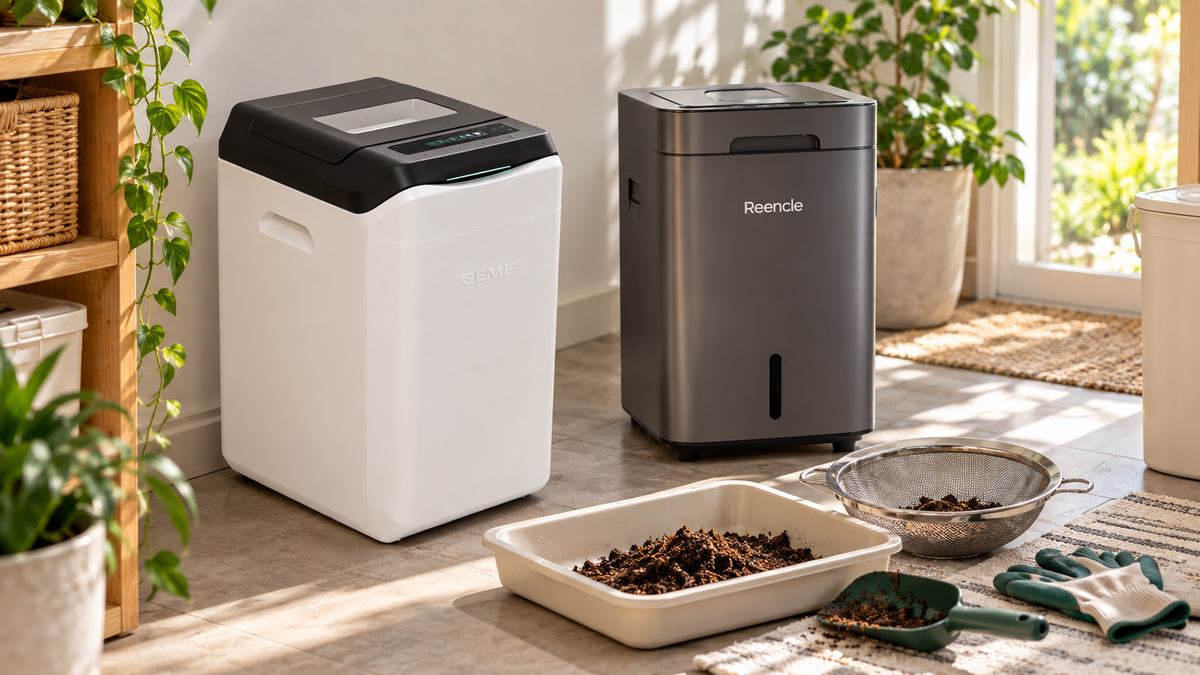
GEME Composter vs Reencle: Harvesting and Caring for the Microbial Bed
GEME and Reencle both use living microbial beds, but their harvest routines are not identical. Compare how each system preserves the starter bed, removes material, screens unfinished pieces, handle...
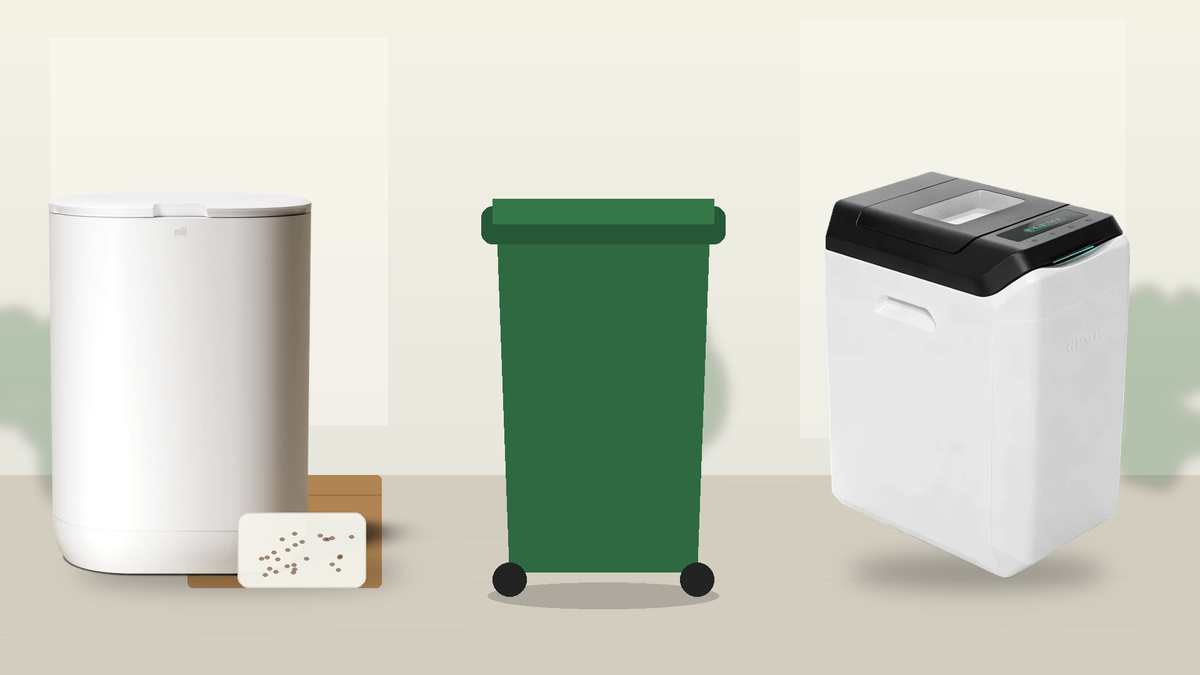
Mill Pickup vs Local Compost Collection vs GEME Composter: What Happens After the Bin Is Full?
What happens after your food-waste bin fills? Compare Mill Pickups, local organics collection, and GEME by packaging, storage, handoff, final destination, and the work still required before nutrien...
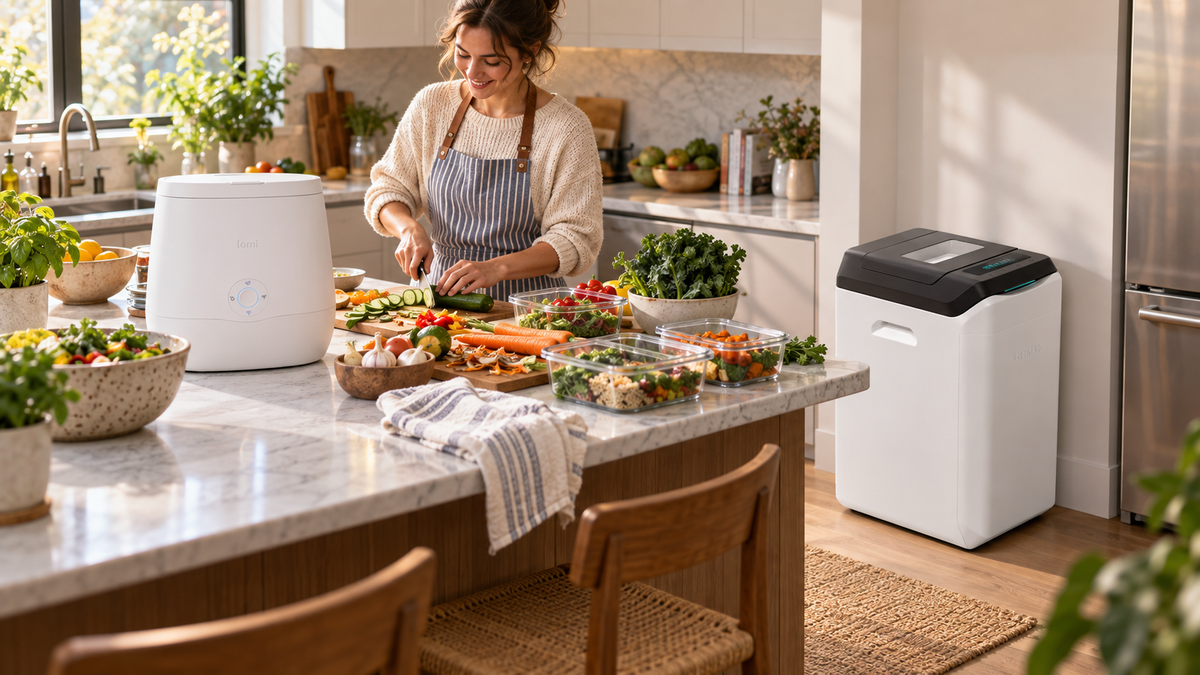
Lomi vs GEME Composter for Weekly Meal Prep: Why Continuous Feeding Wins
Sunday meal prep rarely creates one neat bucket of food waste at one moment. Scraps arrive while washing produce, trimming vegetables, portioning meat and cleaning up. Lomi 3 processes those scraps...

Electric Composting vs Anaerobic Digestion | Composting Basics 46
Follow food scraps through GEME home composting and facility anaerobic digestion. Compare oxygen, energy recovery, output preparation, and why GEME puts your kitchen-to-soil routine in your hands.
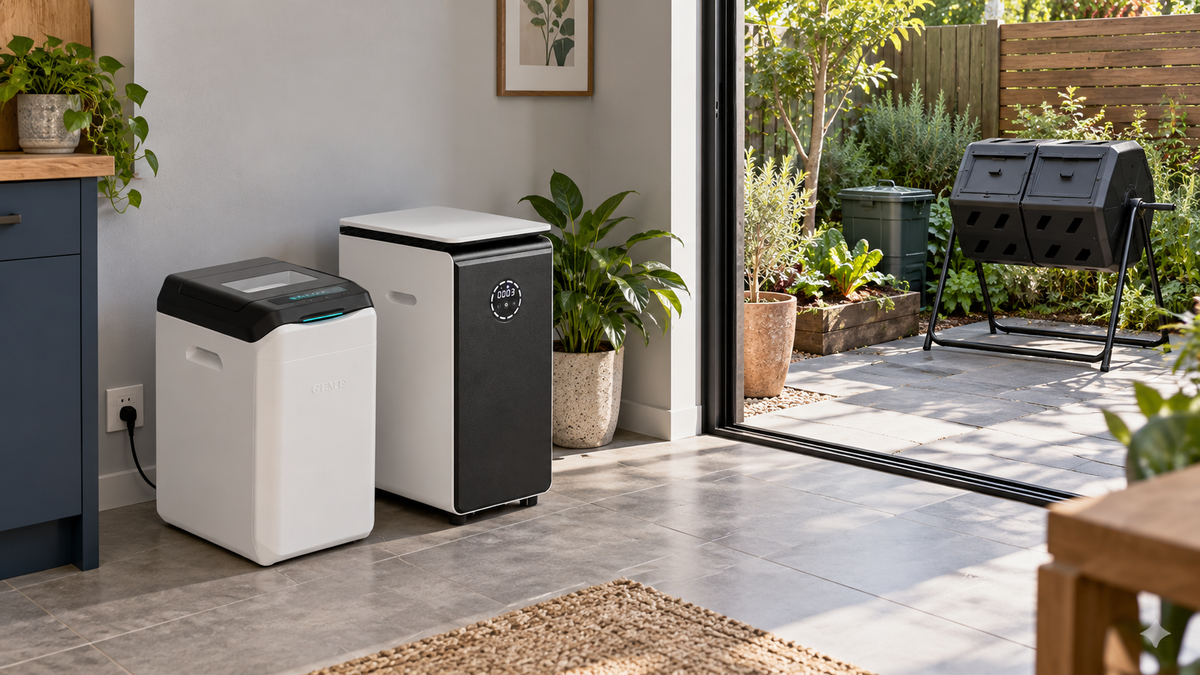
Electric Composter vs Compost Tumbler for a Small Backyard
For most households with a small backyard, GEME is the better way to handle daily kitchen scraps. It keeps the composting routine indoors, automates mixing, accepts continuous feeding, avoids stori...