
Home Composting Guide 2026
A backyard compost pile can be low-cost, natural, and deeply satisfying. An electric composter can make daily food-scrap management easier for apartments, small homes, winter climates, and busy kitchens.
This guide compares both methods by space, speed, maintenance, odor risk, accepted materials, output use, and long-term fit.
Outdoor pile or indoor composter?
Quick Answer
Choose a backyard compost pile if you have outdoor space, yard waste, patience, and want the lowest-cost composting method. A compost pile is excellent for gardeners who enjoy hands-on composting and can manage moisture, airflow, greens, and browns.
Choose an electric composter if you need indoor food-scrap processing, less daily mess, reduced pest exposure, and a more convenient routine. GEME Terra II and GEME Pro are best understood as microbial kitchen composters, while many other electric machines are better framed as food recyclers or dehydrator-style systems.
For related buying guides, see best kitchen composter in 2026, best indoor composter for apartments, and real compost vs dehydrated food waste.
Key Takeaways
- Backyard compost piles are best for space-rich homes. They are low-cost and excellent for yard waste, but they need time, airflow, and management.
- Electric composters are best for convenience. They fit apartments, kitchens, winter routines, and households that do not want to manage an outdoor pile.
- Not every electric composter truly composts. Some machines mainly dry or grind food waste, while microbial systems support biological breakdown.
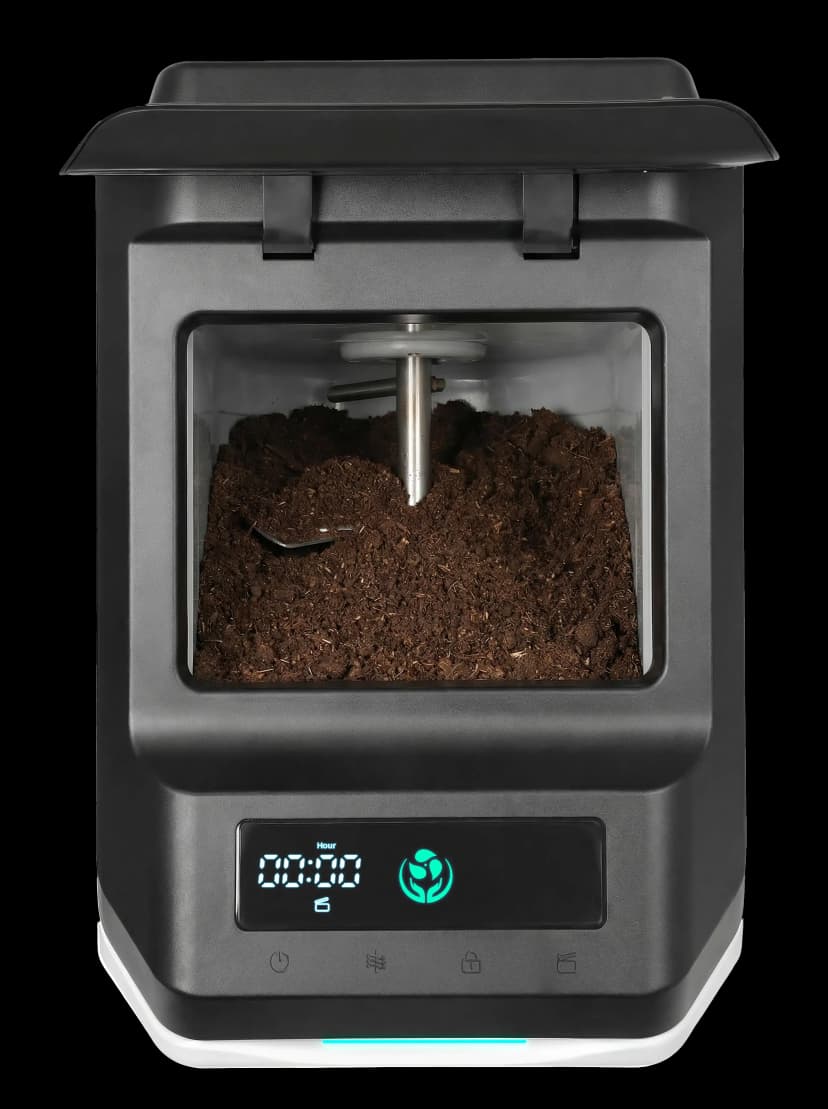
- GEME Terra II is designed for daily kitchen composting. It supports continuous feeding, microbial processing, and compost-like output for soil blending.
- Output use still matters. Compost-like output should be treated as compost base, screened when needed, and blended with soil before plant use.
Table of Contents
- What Is Composting?
- Why Compost at Home?
- What Can You Compost?
- How a Backyard Compost Pile Works
- How an Electric Composter Works
- How GEME Electric Composters Work
- Compost Pile vs Electric Composter Comparison
- Pros and Cons
- Which Method Should You Choose?
- Tips for Successful Composting
- FAQ
- Sources
- Related Articles
What Is Composting?
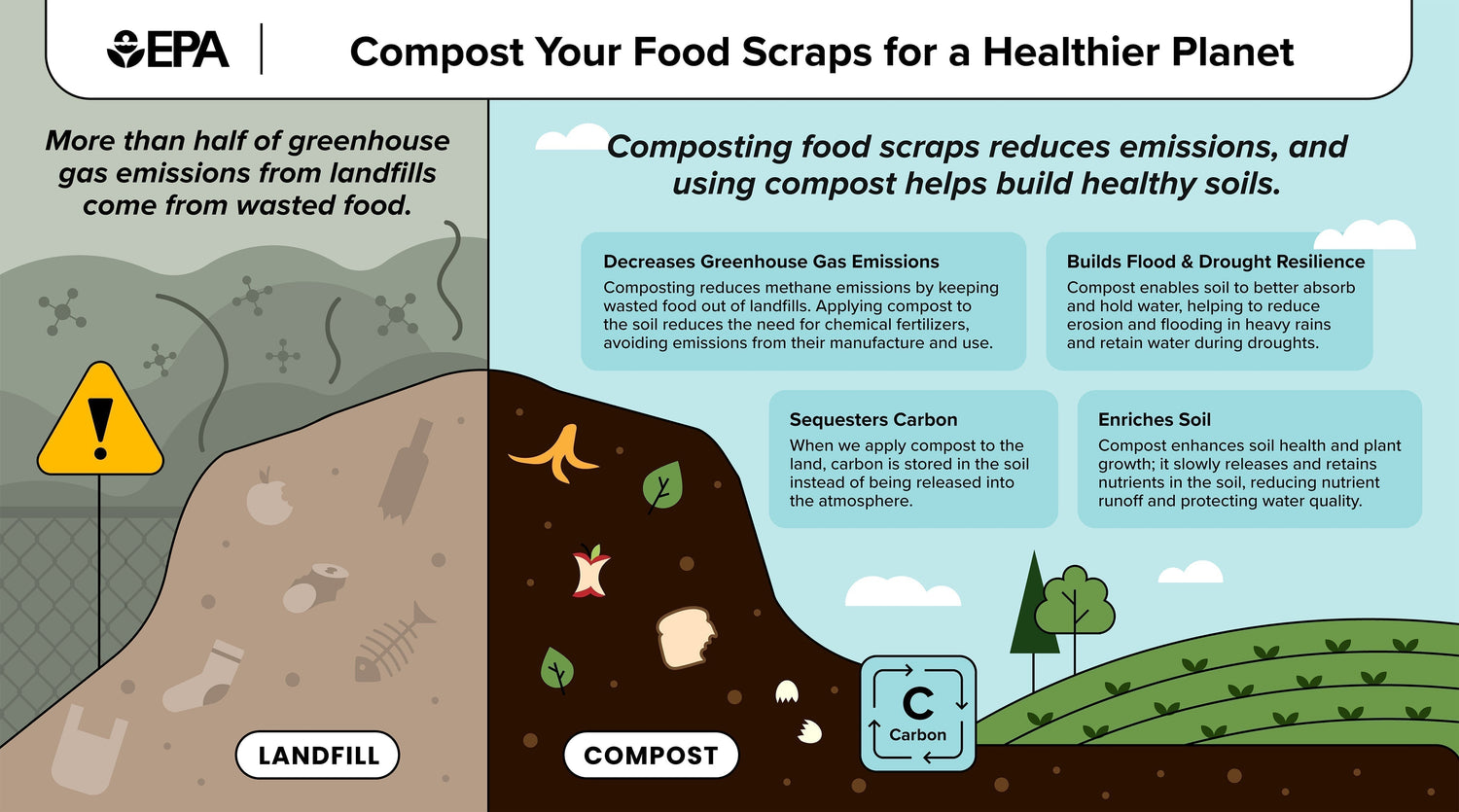
Composting is the managed, aerobic breakdown of organic materials into a soil-supporting amendment. In a healthy composting system, microorganisms break down kitchen scraps, yard trimmings, leaves, and other organic matter in the presence of oxygen.
Composting depends on four basic elements:
- Greens: nitrogen-rich materials such as fruit scraps, vegetable peels, coffee grounds, and grass clippings.
- Browns: carbon-rich materials such as dry leaves, straw, shredded paper, cardboard, and wood chips.
- Moisture: enough water to keep microbes active without making the pile soggy.
- Oxygen: airflow that supports aerobic decomposition and reduces odor risk.
When these elements are balanced, compost can heat up as microbes work. Mature compost is usually dark, crumbly, earthy-smelling, and useful for improving soil structure.
Why Compost at Home?
Composting at home turns food scraps and yard waste into a useful soil amendment instead of sending organic material into the general trash.
Home composting can help reduce household trash, support soil health, improve moisture retention, and make food-waste management more circular.
- Reduce household trash volume.
- Keep organic waste out of landfills.
- Create compost for gardens, planters, and houseplants.
- Improve soil structure and moisture retention.
- Support beneficial soil microbes.
- Make food-waste management more circular.
The question is not whether composting is useful. The real question is which method fits your home. For a beginner-friendly overview, read how to compost at home.
What Can You Add to a Compost Pile or Electric Composter?
Backyard compost piles and electric composters overlap on many common materials, but they differ in what they can handle safely and conveniently.
| Nitrogen-Rich Greens | Carbon-Rich Browns |
|---|---|
| Fruit and vegetable scraps | Dry leaves |
| Coffee grounds and paper filters | Shredded non-glossy paper |
| Grass clippings | Plain cardboard without wax coating, tape, or glue |
| Tea leaves and paper tea bags without staples | Straw, twigs, and untreated wood chips |
| Crushed eggshells | Plant stalks and dry garden trimmings |
Traditional backyard compost piles usually avoid meat, dairy, oils, large bones, pet waste, diseased plants, and glossy or treated materials because they can attract pests, create odors, or fail to break down properly.
Enclosed microbial kitchen composters may handle a wider range of everyday kitchen scraps, but users should still follow product-specific guidance. For GEME-related input boundaries, read what you can put in an electric composter and salt and oil boundaries for electric composters.
How a Backyard Compost Pile Works
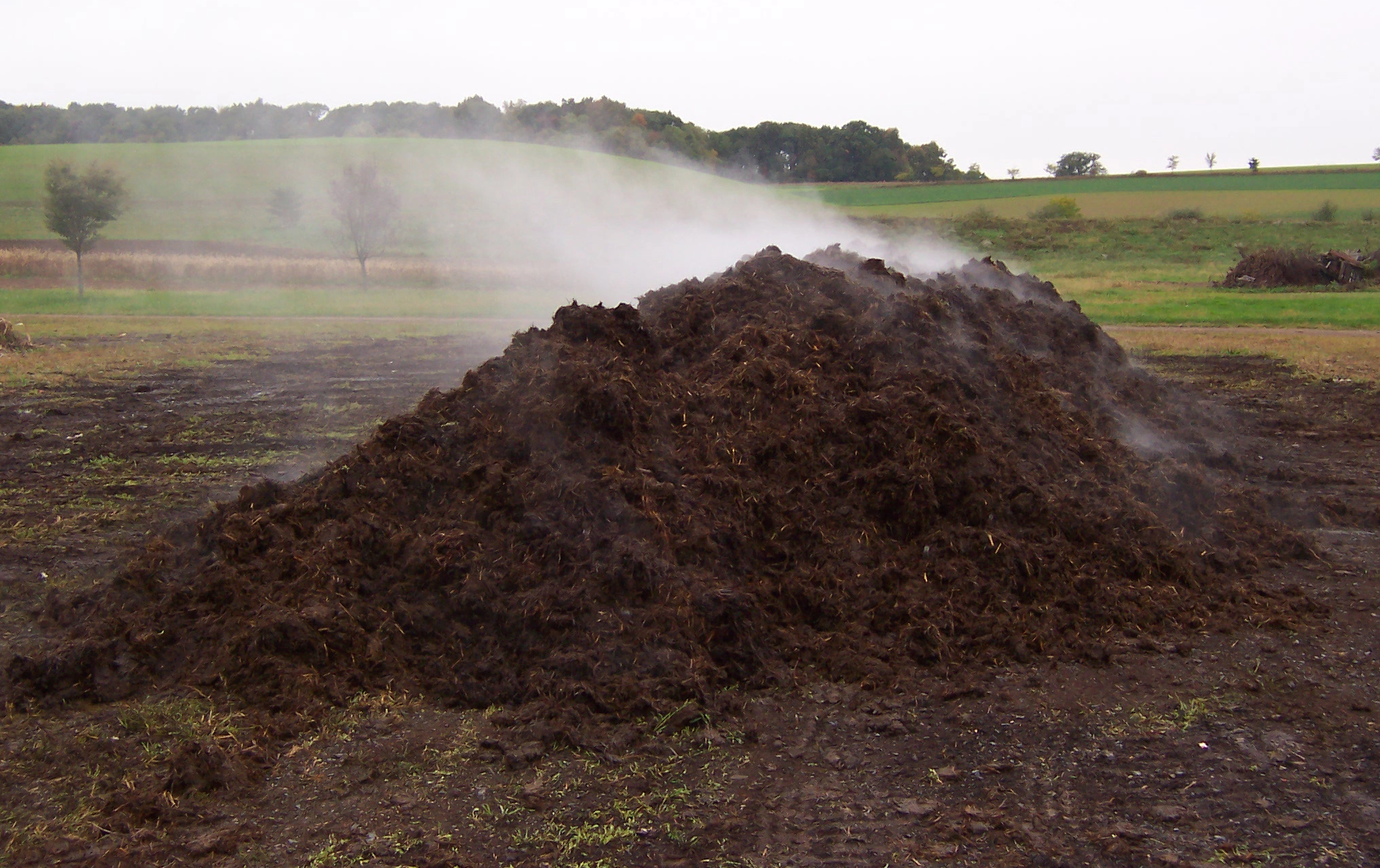
A backyard compost pile is the traditional way to compost at home. You combine greens, browns, moisture, and oxygen, then let microbes and time do the work.
The process is simple, but it does require regular attention.
Step 1: Choose the Right Location
Select a dry, shaded, well-drained area. You can compost directly on the ground or use a bin made from wood, wire, plastic, or concrete blocks.
Step 2: Build the Pile
Start with coarse browns such as twigs or wood chips to create airflow at the bottom. Then alternate layers of greens and browns.
A practical starting ratio is:
- 1 part greens
- 2–3 parts browns
This helps reduce the risk of excess moisture and odor.
Step 3: Maintain Air and Moisture
Turn the pile regularly to speed up composting. Keep it damp like a wrung-out sponge, not soggy.
If the pile smells bad, it may be too wet or low in oxygen. Add dry browns and turn it. If it is not breaking down, it may be too dry or low in nitrogen. Add moisture or greens.
Step 4: Harvest Compost
A well-managed backyard compost pile can produce mature compost in several months. A passive pile may take much longer. Mature compost should look dark and crumbly, smell earthy, and no longer contain recognizable food scraps.
How an Electric Composter Works
Electric composters are indoor appliances designed to process food waste faster or more conveniently than traditional compost piles.
However, the term “electric composter” can be confusing because not every electric food-waste machine truly composts.
There are two broad categories:
- Food recyclers or dehydrator-style machines: dry, heat, grind, or reduce scraps into smaller material.
- Microbial electric composters: use controlled conditions and microbes to support biological decomposition.
Dehydrator-style machines can reduce odor and waste volume, but their output may need further composting before it behaves like mature compost in soil. For more detail, read real compost vs dehydrated food waste.
How GEME Electric Composters Work
GEME electric composters are designed around microbial kitchen composting rather than simple drying alone.
The GEME system uses Kobold™ microbial technology to support biological breakdown under controlled aerobic conditions. The machine helps manage mixing, airflow, moisture, and operating conditions so the microbial process can keep working in a kitchen environment.
GEME output should be treated as compost-like organic material or compost base. For plant use, screen large unfinished pieces when needed and blend the material with soil instead of using it as pure potting soil.
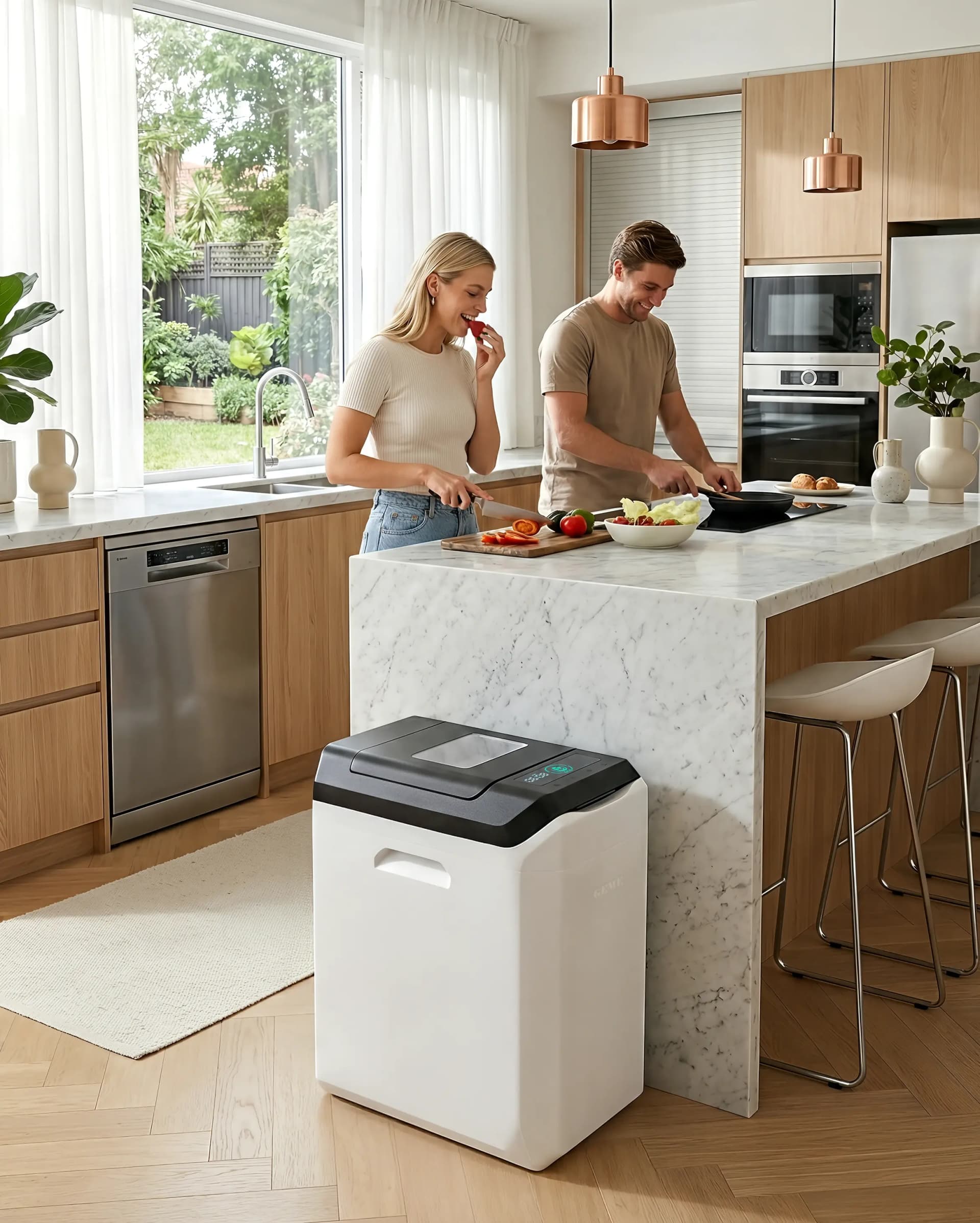
Built for daily food scraps.
Compost Indoors with Terra II
GEME Terra II supports daily kitchen-scrap composting through a controlled microbial process, continuous feeding, and no routine odor filter replacement.
Built for indoor kitchen-to-soil routines.
Compost Pile vs Electric Composter Comparison
The best method depends on your space, patience, waste volume, garden access, and whether you want a hands-on or appliance-supported routine.
| Factor | Backyard Compost Pile | Electric Composter | GEME Fit |
|---|---|---|---|
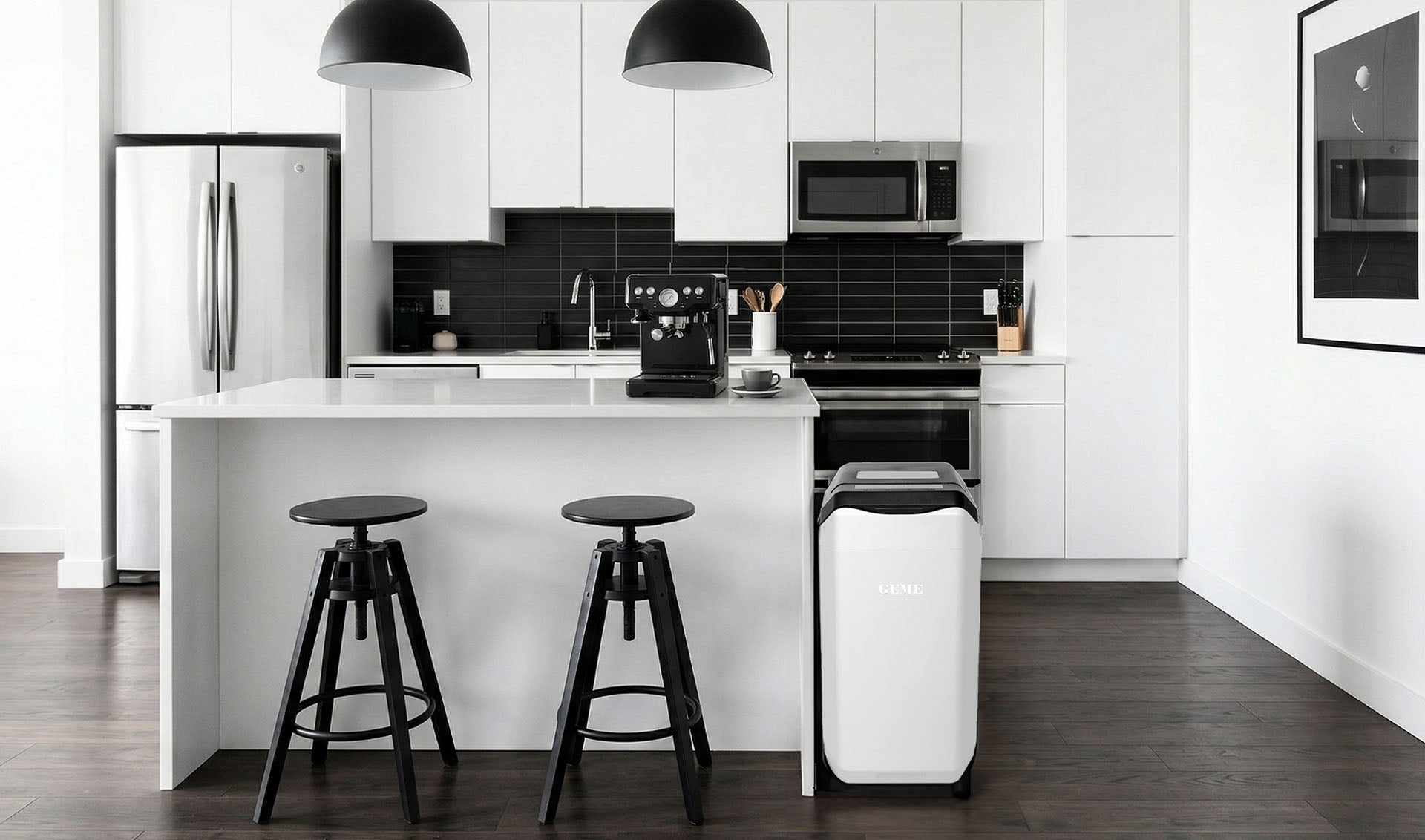
| Space needed | Outdoor yard or garden space | Indoor kitchen or utility area | Works for apartments and small homes |
| Processing time | Usually months | Hours to days for visible processing, depending on technology | Designed for visible breakdown and continuous daily use |
| Maintenance | Turning, watering, and balancing greens and browns | Varies by machine | Designed for lower daily intervention |
| Odor risk | Can smell if too wet or low in oxygen | Usually enclosed, filtered, or controlled | Closed microbial system designed to reduce odor risk |
| Pest risk | Possible if food scraps are exposed | Lower when scraps stay enclosed | Closed indoor chamber limits food-scrap exposure |
| Accepted food types | Mostly plant-based scraps | Often broader, depending on the model | Designed for everyday kitchen scraps within product guidance |
| Best for | Gardeners with outdoor space | Apartments, busy households, and winter climates | Microbial kitchen composting with convenience |
Backyard Compost vs Electric Composter: Pros and Cons
Backyard Compost Pile Pros
- Very low cost.
- Handles large yard-waste volume.
- Produces excellent compost when managed well.
- Good option for gardeners who enjoy hands-on composting.
Backyard Compost Pile Cons
- Requires outdoor space.
- Can take months.
- Needs turning, moisture control, and balance.
- Can attract pests if mismanaged.
- Usually avoids meat, dairy, oils, and cooked foods.
Electric Composter Pros
- Works indoors.
- More convenient for daily kitchen scraps.
- Lower pest exposure because scraps stay enclosed.
- Useful for apartments and winter climates.
- Can reduce the need to manage an outdoor pile.
Electric Composter Cons
- Higher upfront cost.
- Requires electricity.
- Some models are mainly dehydrators or food recyclers, not microbial composters.
- Capacity depends on machine design.
- Output may need further composting or soil-use guidance.
GEME-Specific Advantages
- Uses microbial composting rather than simple drying alone.
- Supports continuous food-waste input.
- Produces compost-like output for soil blending.
- Designed for indoor use without routine odor filter replacement.
Which Composting Method Should You Choose?
Choose a backyard compost pile if...
- You have outdoor space.
- You produce yard waste.
- You want the lowest-cost method.
- You enjoy hands-on gardening.
- You are comfortable waiting several months.
Choose a food recycler if...
- Your main goal is to reduce wet trash volume.
- You do not need a compost base from the machine.
- You are comfortable checking filter, consumable, or service requirements.
- You understand the output may need further handling.
Choose GEME Terra II or GEME Pro if...
- You want microbial kitchen composting indoors.
- You want compost-like output for soil blending.
- You need a convenient daily food-scrap routine.
- You live in an apartment or compost through winter.
- You prefer no routine odor filter replacement.
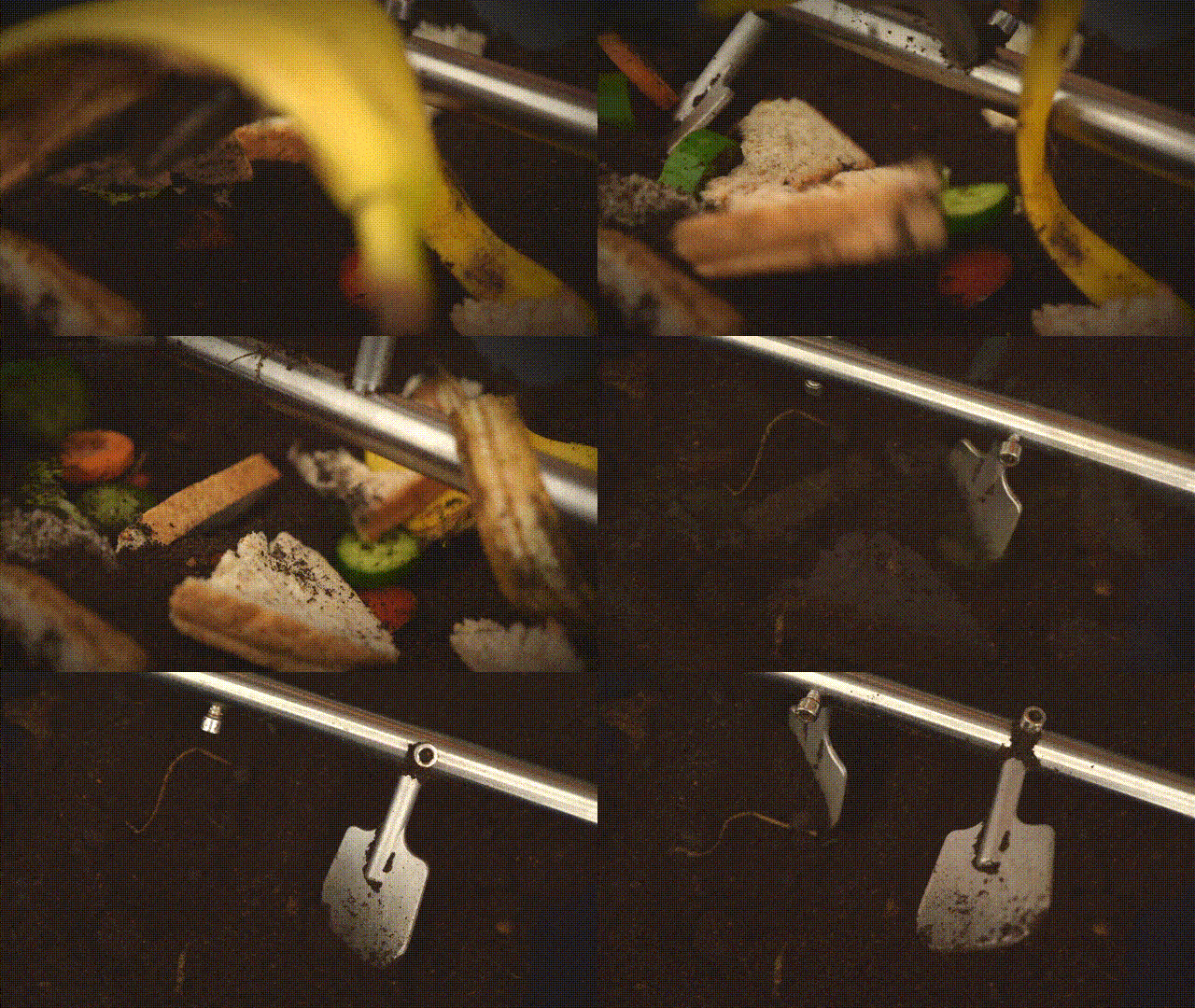
Built for heavier food-scrap routines.
Need More Capacity?
GEME Pro is designed for larger households and heavier daily food-waste routines where capacity matters as much as composting convenience.
Built for everyday kitchen composting.
Tips for Successful Composting
Whether you choose a backyard pile or an electric composter, the same biological principles still matter.
- Balance wet and dry materials: too much wet food waste can create odor and compaction.
- Keep oxygen available: composting works best under aerobic conditions.
- Monitor moisture: compost should be damp, not dripping wet.
- Chop larger scraps: smaller pieces break down faster.
- Avoid contaminants: remove stickers, plastics, glossy paper, and non-compostable packaging.
- Use compost correctly: mix compost into soil rather than placing fresh, strong material directly against sensitive roots.
For GEME compost base, a practical starting point for most home gardening applications is about one part compost base mixed with eight parts soil. For more detail, see the advanced GEME compost application guide.
Bottom Line
A backyard compost pile is still one of the best composting methods if you have outdoor space, yard waste, and patience.
An electric composter is a better fit if you live in an apartment, cook daily, compost through winter, or want a cleaner kitchen-based food-scrap routine.
GEME Terra II and GEME Pro are strongest for households that want microbial kitchen composting, continuous feeding, and compost-like output for soil blending.
Frequently Asked Questions
Is a compost pile better than an electric composter?
Neither is universally better. A compost pile is ideal if you have outdoor space, patience, and enjoy gardening. An electric composter is often better for apartments, winter climates, and households that want a cleaner daily food-scrap routine.
Do electric composters make compost?
Some do, and some do not. Many electric food-waste machines mainly dry and grind food scraps. Microbial kitchen composters are designed to support biological decomposition and create compost-like organic material for soil blending.
Can I compost meat and dairy in a backyard compost pile?
Most backyard compost piles avoid meat, dairy, oils, and cooked foods because they may attract pests and create odors. Some enclosed microbial systems can handle a broader range of kitchen scraps, but users should always follow product guidance.
How long does a compost pile take?
A well-managed backyard compost pile may produce mature compost in several months, while a passive pile can take much longer depending on weather, materials, and management.
Do electric composters smell?
Most electric composters are designed to reduce odor risk through enclosure, filtration, drying, or process control. Proper operation and following the manufacturer’s guidance still matter.
Can I use compost directly in my garden?
Mature backyard compost can be mixed into garden soil, raised beds, or containers. GEME output should be used as compost base: screen large unfinished pieces and start with about one part compost base mixed with eight parts soil.
Which composting method is best for apartments?
Electric composters are generally better suited to apartments because they do not require outdoor space. For compost-oriented output, choose a microbial kitchen composter rather than a machine that only dries or grinds food waste.
Which composting method costs less?
A backyard compost pile usually has the lowest upfront cost. Electric composters cost more initially but can save time, reduce mess, and simplify daily food-waste management.
Sources
Compost base for better routines.
Choose the Composting Method That Fits Your Life
Love gardening and have outdoor space? A backyard compost pile may be perfect. Need a cleaner indoor routine? GEME brings microbial kitchen composting into everyday homes.
Built for daily kitchen-to-soil routines.


Dejar un comentario
Este sitio está protegido por hCaptcha y se aplican la Política de privacidad de hCaptcha y los Términos del servicio.