
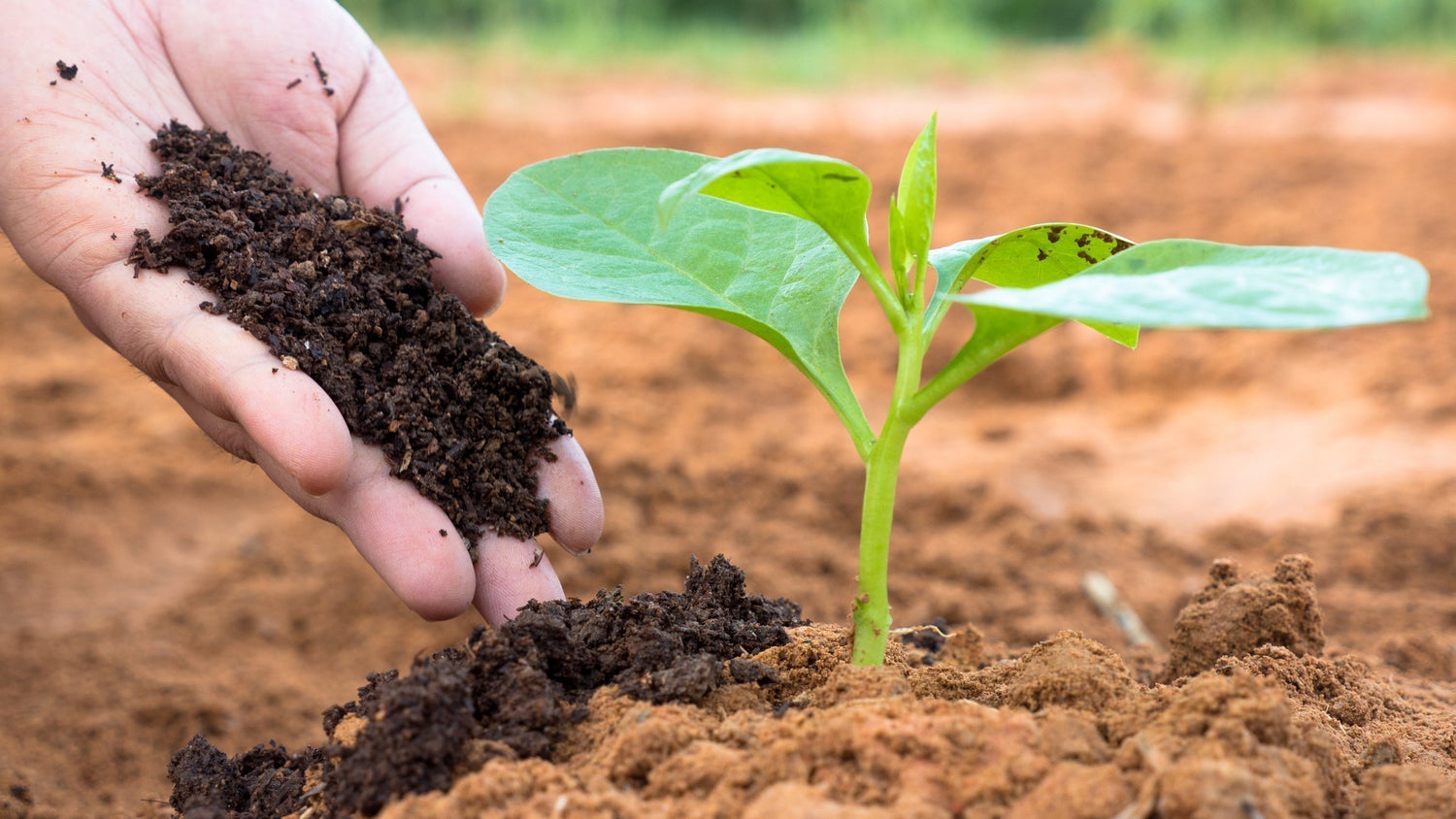
Indoor Composting Guide 2026
Worm composting and microbial electric composters both rely on biology, but they fit very different lifestyles. One is a living worm-bin hobby. The other is a controlled kitchen appliance designed for daily food-scrap processing.
This guide compares vermicomposting and GEME Terra II by hygiene, maintenance, food limits, odor risk, pest access, capacity, and compost output.
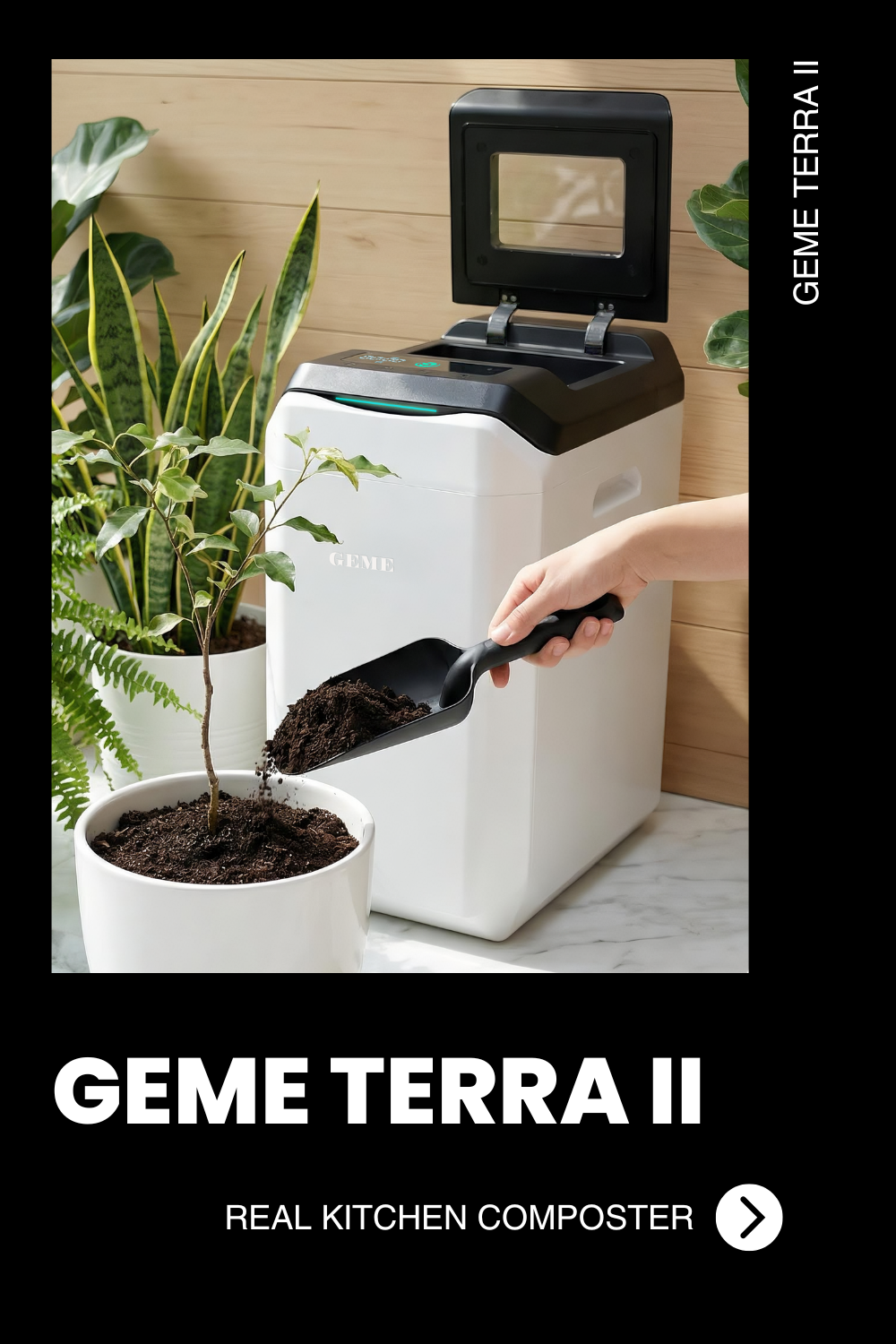
Worm bin or microbial kitchen composter?
Quick Answer
Worm composting is excellent if you enjoy maintaining a living worm colony, mostly compost fruit and vegetable scraps, and want high-quality worm castings for gardening. It is low-cost and educational, but it requires moisture control, temperature stability, careful feeding, and regular harvesting.
GEME Terra II is better if you want a lower-maintenance indoor kitchen routine, broader everyday food-scrap handling within product guidance, reduced pest exposure, and compost-like output for soil blending. It does not produce worm castings, but it is easier for most busy households and apartments.
For broader context, read how to compost at home, how to compost in an apartment, and compost pile vs electric composter.
Key Takeaways
- Worm composting produces excellent castings. It is especially valuable for gardeners who enjoy hands-on biological systems.
- Worm bins have strict food limits. Meat, dairy, oily foods, salty leftovers, and many cooked foods are usually poor fits.
- Indoor worm bins need care. Moisture, temperature, bedding, fruit flies, and feeding balance matter.
- GEME Terra II is designed for daily kitchen use. It supports microbial composting in a controlled indoor chamber.
- Output use still matters. GEME output should be treated as compost base, screened when needed, and blended with soil before plant use.
Table of Contents
What Is Vermicomposting?
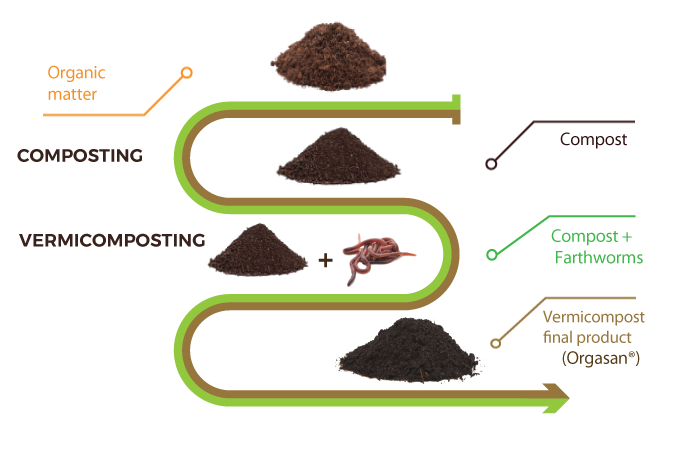
Vermicomposting uses composting worms, often red wigglers, to help break down organic materials into worm castings. It is a cool, living composting system that relies on worms, microbes, bedding, moisture, and careful feeding.
A healthy worm bin can produce excellent castings for gardens and houseplants. Many gardeners love vermicomposting because it is quiet, low-energy, educational, and biologically rich.
The tradeoff is that worm bins are living ecosystems. They need the right temperature, moisture, food type, bedding balance, and harvest routine. For beginners, our home composting guide gives a wider overview of composting methods.
Pros of Worm Composting
Worm composting is one of the most rewarding low-tech composting methods when it is well managed.
- Low startup cost: a simple bin, bedding, and worms are often enough to begin.
- Excellent worm castings: castings are valued by gardeners for soil improvement.
- Educational: children and adults can observe a living decomposer system.
- No electricity required: the system is biological and passive.
- Strong microbial activity: a healthy worm bin supports a rich decomposer community.
Cons of Worm Composting
Worm composting is not difficult, but it is not “set and forget.” It has limits that matter in kitchens and apartments.
- Usually avoids meat, dairy, oily foods, salty foods, and most cooked leftovers.
- Can attract fruit flies or fungus gnats if food is exposed or the bin is too wet.
- Requires careful moisture management.
- Can be sensitive to heat, cold, and sudden food changes.
- Has lower processing capacity than a powered kitchen composter.
- Requires harvesting and bedding management.
If odor or insects are your main concern, read how to reduce indoor compost odor and how to compost in an apartment.
Where Worm Composting Hits a Hygiene Boundary
Indoor worm bins work best when the food is plant-based, chopped small, buried under bedding, and added in moderate amounts. Problems usually appear when the bin becomes too wet, too warm, overfed, or exposed to the wrong scraps.
Excess moisture can encourage mold and anaerobic pockets. Sweet fruit scraps can attract fruit flies. Protein-rich or oily leftovers can create odor and hygiene concerns.
For many apartment dwellers, the worm bin eventually moves to a balcony, garage, basement, or outdoor utility space. That does not mean vermicomposting is bad. It means it is a living system that needs the right environment.
What Is GEME Terra II?
GEME Terra II is a microbial kitchen composter designed for daily food-scrap processing inside the home.
Instead of worms, it uses Kobold™ microbial technology inside a controlled aerobic chamber. The system helps manage mixing, airflow, moisture, and operating conditions so microorganisms can support biological breakdown.
GEME Terra II output should be treated as compost-like organic material or compost base. For plant use, screen large unfinished pieces when needed and blend the material with soil rather than applying it as pure potting soil.
Learn more about Kobold™ microbial technology and how GEME composting works.
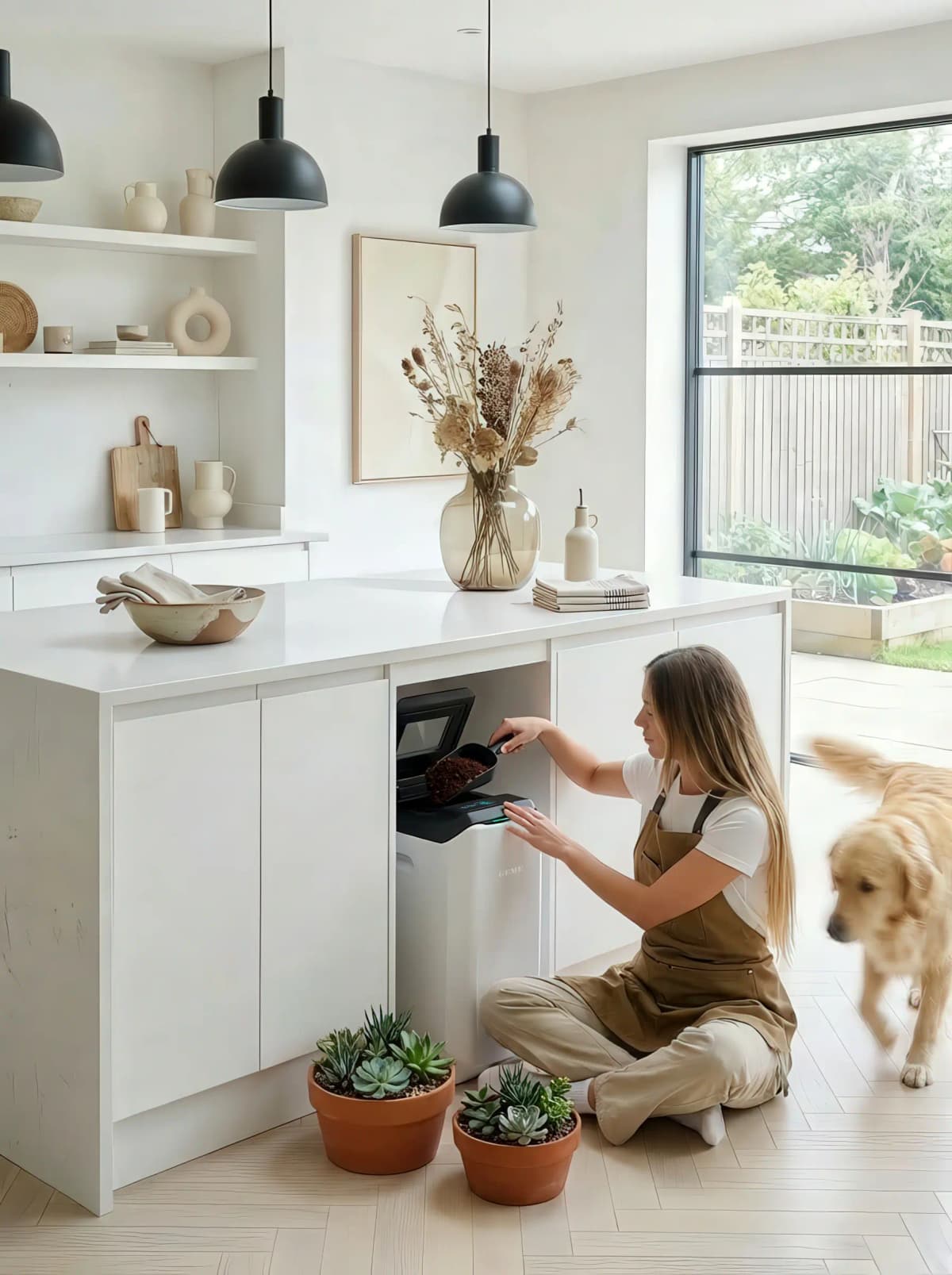
Use with soil, not as a pure potting mix.
Compost Without a Worm Bin
GEME Terra II supports daily food-scrap composting through a controlled microbial process, continuous feeding, and no routine odor filter replacement.
Built for indoor kitchen-to-soil routines.
Pros of GEME Terra II
GEME Terra II is built for households that want composting to fit normal kitchen life without managing a worm colony.
- Broader everyday food-scrap handling: suitable for a wider range of kitchen scraps within product guidance.
- Closed chamber: helps limit food-scrap exposure and pest access.
- Reduced odor risk: designed to manage decomposition in a controlled indoor environment.
- Higher daily capacity: better suited to daily cooking households than most small worm bins.
- No routine odor filter replacement: reduces ongoing maintenance friction.
- Lower manual intervention: no worm bedding, worm feeding balance, or castings harvest cycle.
- Compost-like output: can be used as a compost base for soil blending.
For input boundaries such as meat, dairy, bones, oil, and salt, read what you can put in an electric composter and salt and oil boundaries for electric composters.
Cons of GEME Terra II
- Higher upfront investment: it costs more than a basic worm bin.
- Uses electricity: unlike a passive worm bin, it is an appliance.
- Requires floor space: it is not a tiny countertop scrap container.
- Does not produce worm castings: gardeners who specifically want castings may still prefer a worm bin.
- Output needs proper use: compost base should be blended with soil, not used as pure potting mix.
Electric Composter vs Worm Composting
Both systems are biological, but they differ sharply in what they accept, how much attention they need, and what kind of household they fit.
| Factor | Worm Composting | GEME Terra II |
|---|---|---|
| Core biology | Worms, bedding, and microbes | Microbial composting in a controlled chamber |
| Food restrictions | Many restrictions | Broader everyday kitchen scraps within guidance |
| Odor risk | Possible if too wet, overfed, or unbalanced | Designed to reduce odor risk during normal use |
| Pest access | Fruit flies and gnats are possible | Closed chamber limits food-scrap exposure |
| Maintenance | Bedding, moisture, feeding, harvest | Lower routine manual management |
| Capacity | Usually low to moderate | Better suited to daily kitchen scraps |
| Output | Worm castings | Compost-like output / compost base for soil blending |
| Best fit | Hands-on gardeners and hobby composters | Apartments, busy households, daily cooking routines |
Which Is Better for Your Home?
Choose worm composting if...
- You enjoy maintaining a living ecosystem.
- You mainly compost fruit and vegetable scraps.
- You want worm castings specifically.
- You have a stable indoor or sheltered location.
- You are comfortable managing moisture and fruit-fly risk.
Choose GEME Terra II if...
- You want a lower-maintenance kitchen appliance.
- You cook daily and produce mixed food scraps.
- You live in an apartment or small home.
- You want continuous feeding without worm-bin management.
- You prefer compost base for soil blending over worm castings.
Can You Use Both Together?
Yes. For serious gardeners, worm composting and GEME Terra II can complement each other.
- Worm bin: fruit and vegetable scraps, coffee grounds in moderation, and worm-friendly materials.
- GEME Terra II: broader everyday kitchen scraps within product guidance, including many cooked leftovers that are poor fits for worm bins.
This combination can help reduce household food waste while giving gardeners both worm castings and a compost base. For soil application, follow the advanced GEME compost application guide.
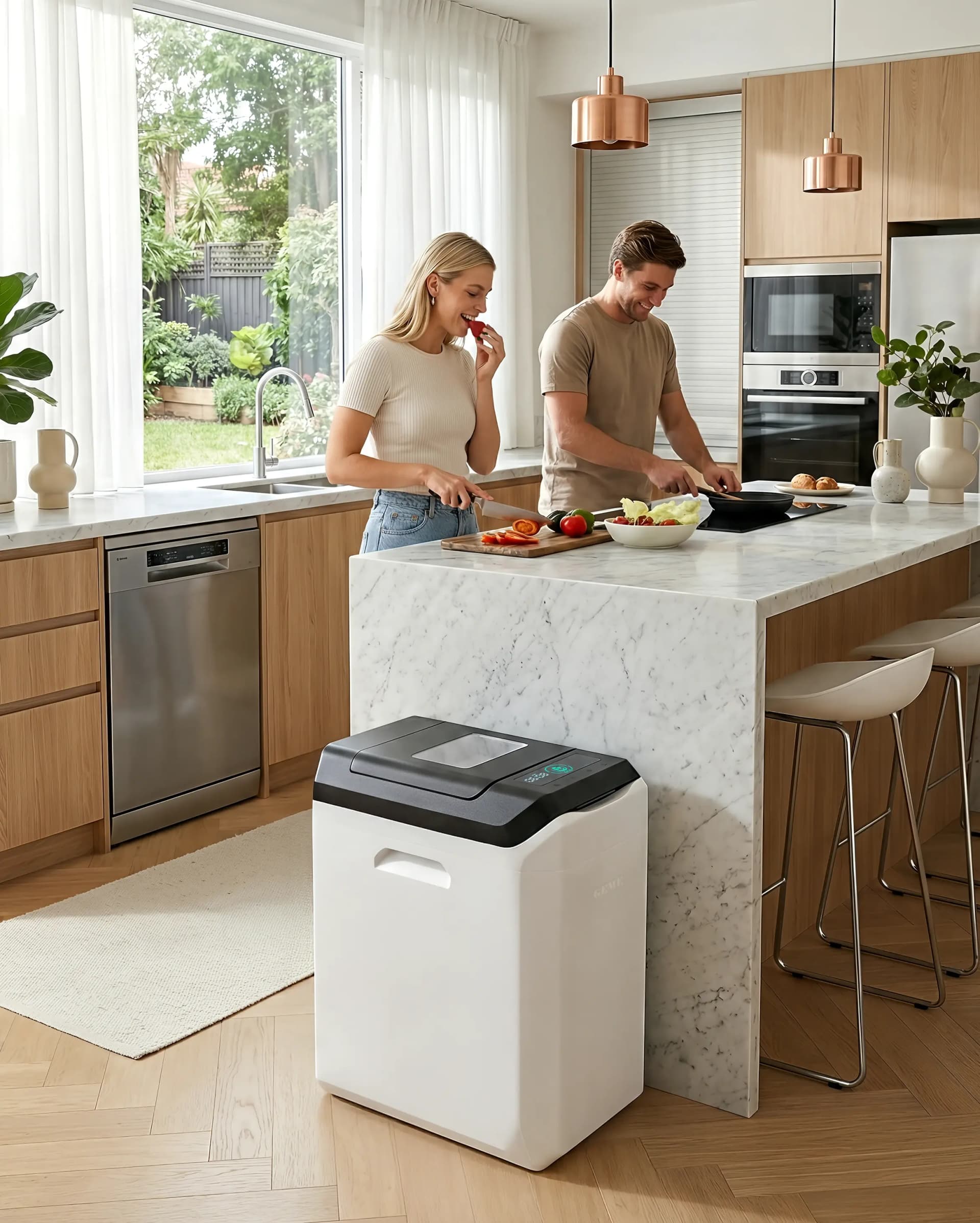
Controlled microbial kitchen composting.
Built for Everyday Kitchen Scraps
GEME Terra II brings microbial composting into the kitchen, without requiring worm bedding, worm feeding balance, or castings harvest routines.
Built for indoor kitchen-to-soil routines.
Bottom Line
Worm composting is a beautiful low-tech method for gardeners who want to maintain a living decomposer system and produce worm castings.
GEME Terra II is a better fit for busy households, apartments, and mixed daily kitchen scraps where convenience, capacity, and lower manual intervention matter more.
Choose worms if you want the hobby. Choose GEME if you want a practical indoor microbial composting routine.
Frequently Asked Questions
Is worm composting better than an electric composter?
It depends on your goals. Worm composting is excellent for hobby gardeners who want worm castings and enjoy maintaining a living system. Electric microbial composters are usually more convenient for daily kitchen waste management.
Can worms eat meat or dairy?
Generally no. Meat, dairy, oily foods, and many cooked foods can create odor, moisture, and pest issues in worm bins.
Can GEME Terra II process cooked food?
GEME Terra II is designed for a broader range of everyday kitchen scraps than most worm bins, including many cooked-food leftovers within product guidance. Users should still avoid unsuitable items and follow feeding instructions.
Do electric composters produce compost?
Some electric machines mainly dehydrate or grind food waste. Microbial kitchen composters such as GEME are designed to support biological breakdown and produce compost-like material for soil blending.
Which method is better for apartments?
For most apartment residents, a closed microbial kitchen composter is easier to manage than a worm bin because it reduces exposed scraps, lowers manual maintenance, and fits daily kitchen routines.
Can GEME output go directly to plants?
Use GEME output as compost base, not pure potting soil. Screen large, unfinished pieces and start with about one part compost base mixed with eight parts soil, then adjust based on plant needs.
Sources
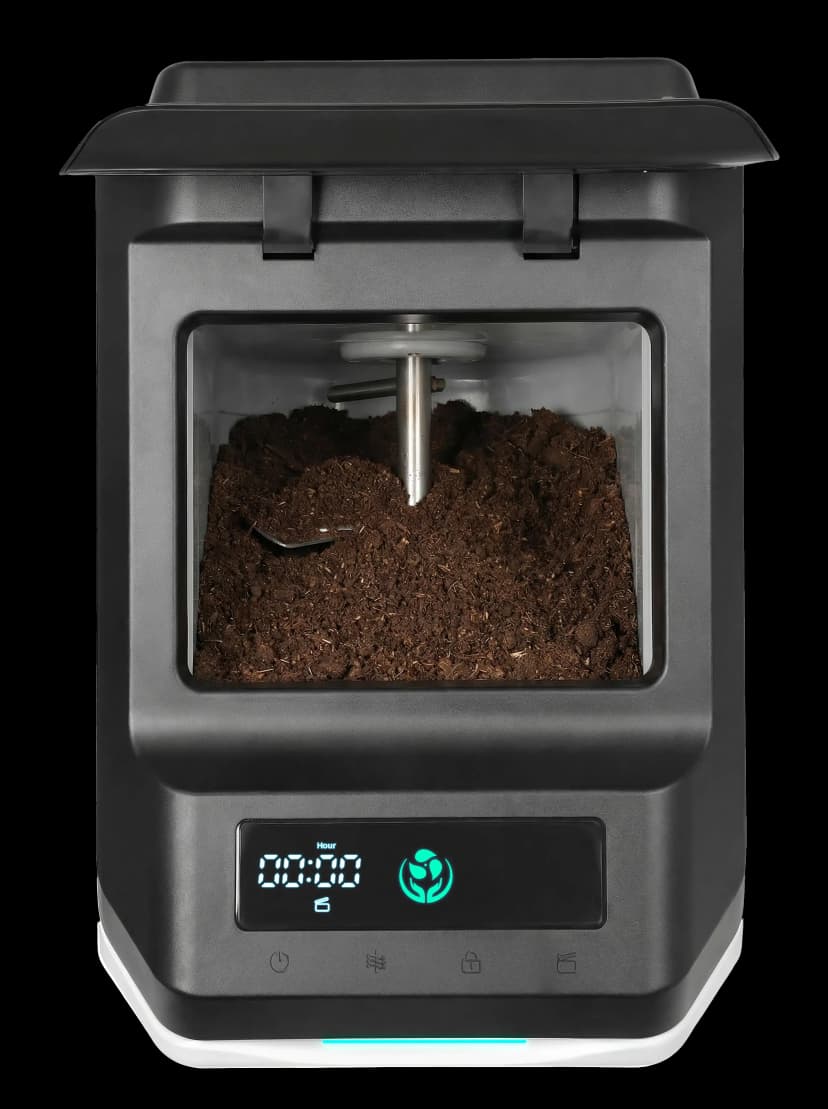
Compost base for better routines.
Choose the Composting Method That Fits Your Life
Love maintaining a living worm system? Vermicomposting may be perfect. Need a cleaner indoor routine for mixed kitchen scraps? GEME brings microbial composting into everyday homes.
Built for daily kitchen-to-soil routines.

Dejar un comentario
Este sitio está protegido por hCaptcha y se aplican la Política de privacidad de hCaptcha y los Términos del servicio.