
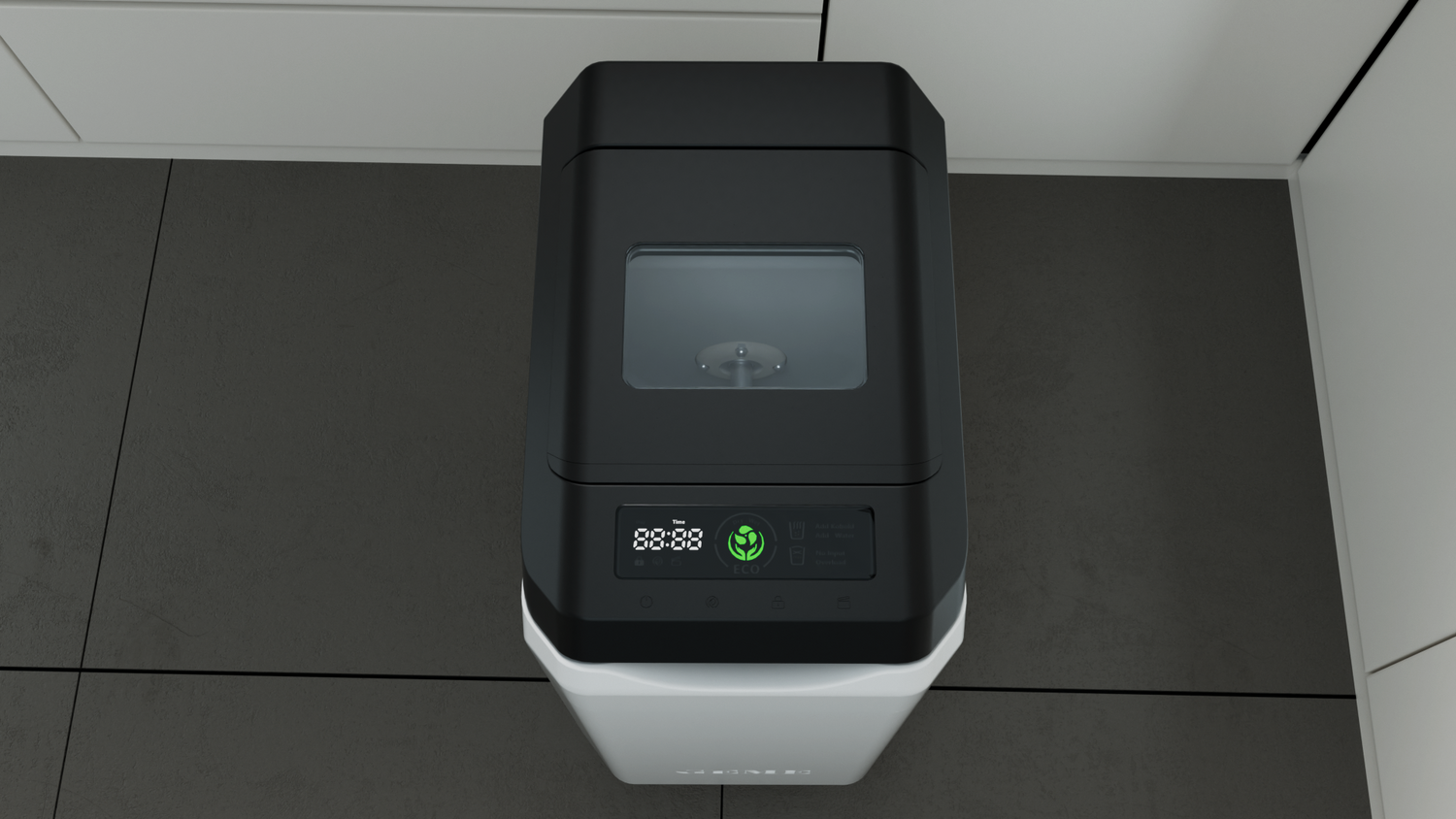
GEME vs Lomi 2026
GEME Terra II and Lomi are often compared because both help households manage kitchen food scraps. But they are not built around the same process.
Lomi is best understood as a batch food recycler that heats, dries, and grinds scraps. GEME Terra II is designed as a real microbial kitchen composter that keeps a living composting base active and produces moist compost base for soil blending.
This guide compares process, output, capacity, filter costs, daily use, and zero-waste home fit.
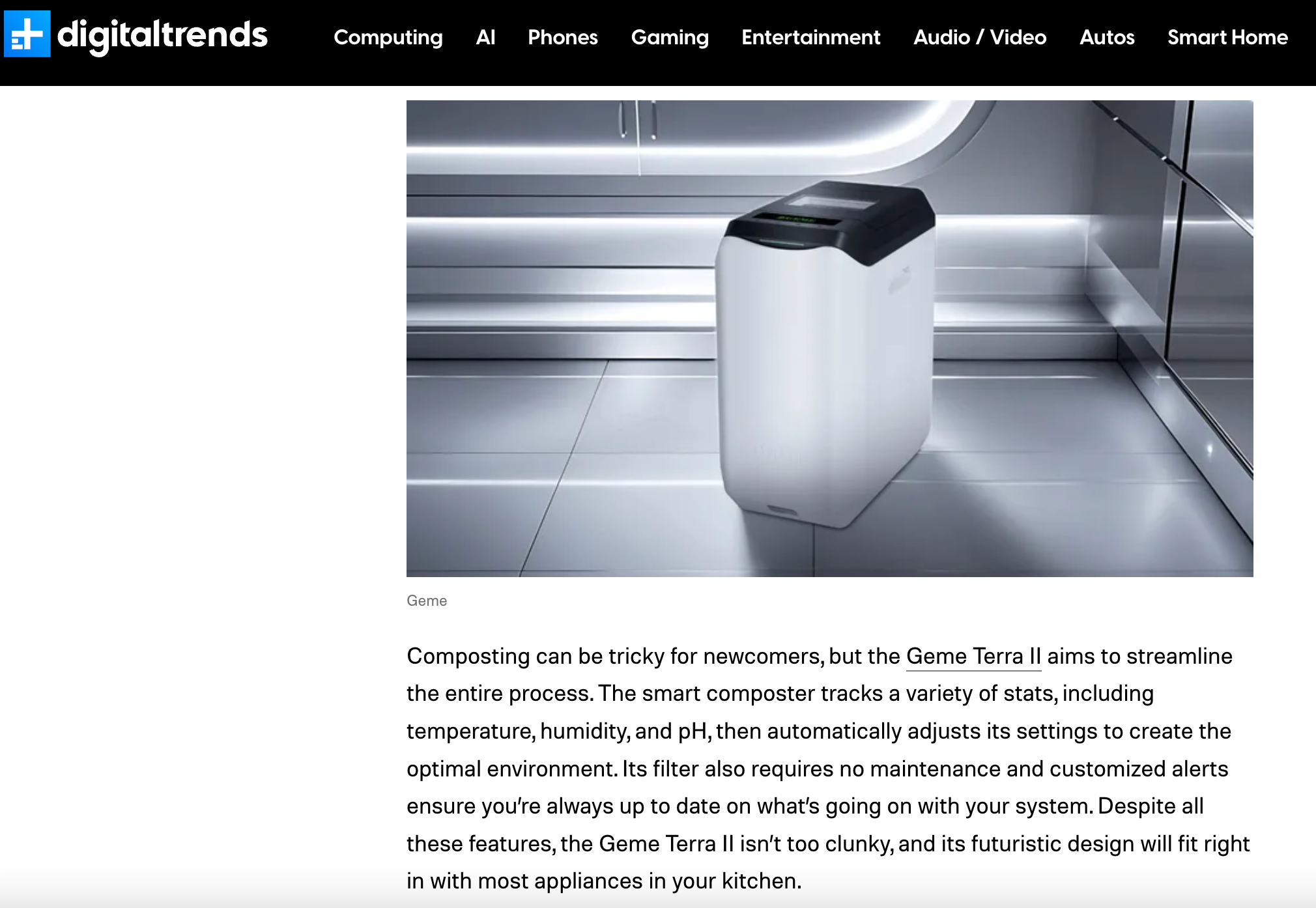
Microbial composting vs batch food recycling.
Quick Answer
Choose GEME Terra II if you want a real microbial kitchen composter designed for continuous feeding, larger household food-scrap routines, moist compost base for soil blending, and no replacement odor filters.
Choose Lomi if your main goal is a compact batch food recycler that heats, dries, and grinds scraps to reduce volume and make food waste easier to store or move to another composting pathway.
The key distinction is not “which machine makes scraps smaller.” The key distinction is whether you want food-waste reduction or a microbial composting routine.
New to the category? Start with what an electric composter really is, then read how a real electric composter works.
Key Takeaways
- GEME Terra II and Lomi solve different problems. Lomi focuses on batch food recycling; GEME focuses on microbial composting.
- Real composting is biological. It depends on microorganisms, oxygen, moisture, temperature, and time.
- Lomi dries and grinds scraps. That can reduce odor, weight, and volume, but the output is better understood as pre-processed food waste.
- GEME Terra II keeps a living composting base active. It uses Kobold™ living microbes and adaptive control to support a composting chamber.
- Capacity matters. GEME Terra II has a larger continuous-feed chamber; Lomi is a smaller batch device.
- Filter costs matter. Lomi uses replaceable filters; GEME Terra II is designed with no replacement odor filters.
- Output use matters. GEME output should be screened and mixed with soil at about 1:8–1:10 before plant use.
Table of Contents
Why This Comparison Matters for Zero-Waste Homes
A zero-waste kitchen is not just about making trash smaller. It is about reducing avoidable waste first, then finding a better path for suitable scraps after cooking.
Composting can help return organic matter to the soil cycle. Food recycling can help reduce odor, volume, and storage friction. Both can be useful, but they are not the same experience, and they do not create the same output.
For a deeper category explanation, compare this page with our guide to why GEME chose aerobic microbial composting over grinding and our overview of compost piles vs electric composters.
The key question: Do you want batch food-waste reduction, or a microbial kitchen composter built around real composting?
GEME Terra II vs Lomi: Side-by-Side Comparison
| Feature | GEME Terra II | Lomi |
|---|---|---|
| Core method | Real microbial composting with living microbes and adaptive chamber control. | Batch food recycling through heating, drying, grinding, and airflow. |
| Feeding style | Continuous feeding: add suitable scraps anytime. | Batch processing: fill, run cycle, empty, repeat. |
| Capacity | 14L continuous-feed chamber for larger daily routines. | 3L bucket for smaller batch use. |
| Output | Moist compost base for soil blending. | Dry, soil-like food-waste output often described as Lomi Earth or pre-compost. |
| Filter model | No replacement odor filters. | Replaceable charcoal filters recommended after a limited number of cycles or months. |
| Best fit | Daily cooking households that want a compost-oriented routine. | Users who mainly want compact food-waste volume reduction. |
Comparing more models? See our GEME vs Mill comparison, Reencle vs GEME Terra II guide, and our broader best kitchen composter 2026 guide.
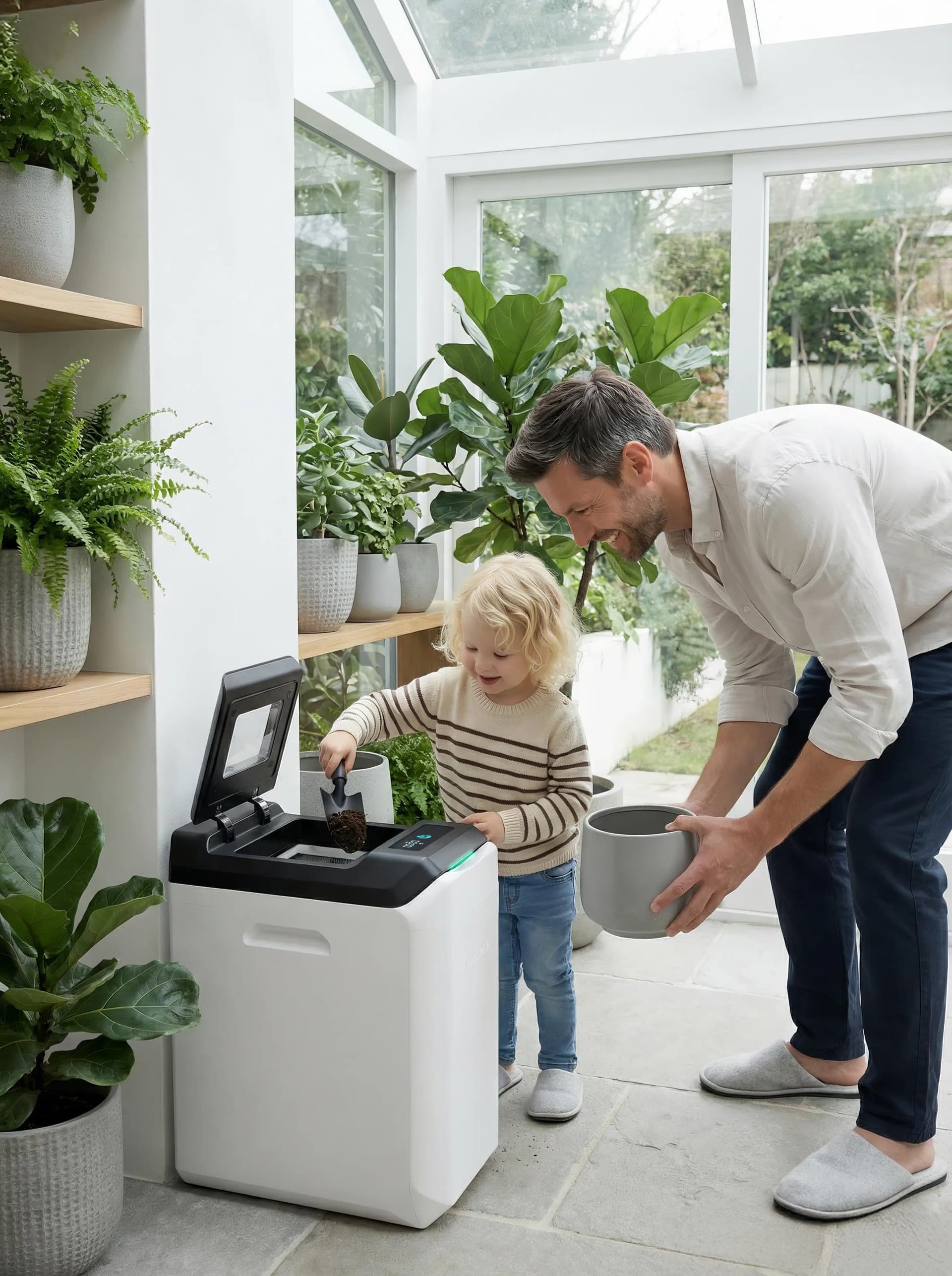
Built for daily kitchens.
Meet GEME Terra II
A microbial kitchen composter designed for continuous feeding, living composting activity, moist compost base for soil blending, and no replacement odor filters.
No drying. No replacement odor filters. Compost base for soil blending.
How GEME Terra II Works
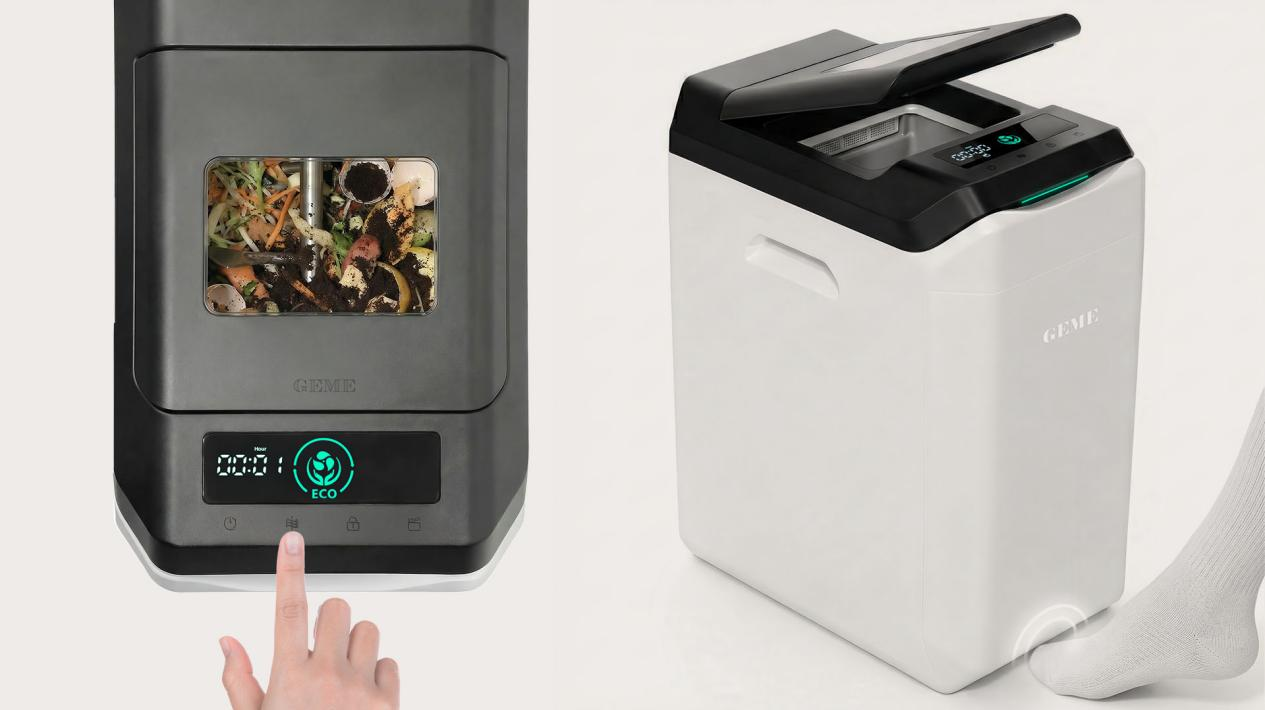
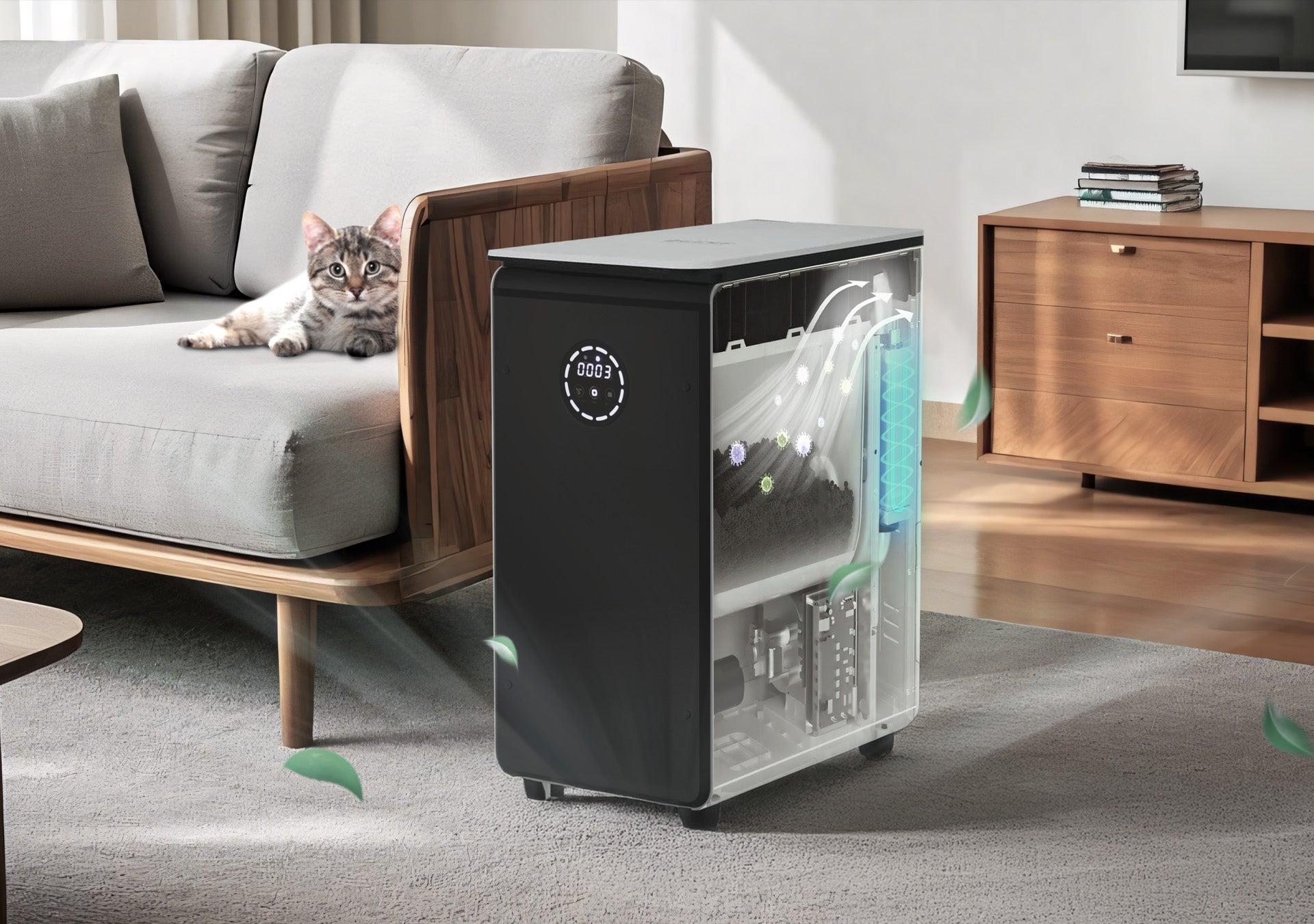
GEME Terra II is built around microbial decomposition rather than simple drying. It uses Kobold™ living microbes and GEMEBrain™ adaptive control to help maintain a warm, moist, oxygen-rich composting chamber.
This matters because real kitchens produce scraps throughout the day. A continuous-feed design lets users add suitable scraps as they cook, instead of waiting for a small-batch cycle to finish.
For the full technical explanation, read how a real electric composter works and why GEME is different from grinding-first food waste processors.
Simple Daily Workflow
- Add suitable scraps. Put appropriate food waste into the composting chamber.
- Let the microbial system work. Air, moisture, heat, and mixing help support aerobic decomposition.
- Harvest compost base. Screen larger pieces, return unfinished material, and mix the output with soil before plant use.
GEME Terra II is best understood as a real microbial kitchen composter for daily kitchen life: larger chamber, continuous input, and a compost-oriented output pathway.
How Lomi Works
Lomi works differently. It is a food recycler that heats, dries, grinds, and reduces food scraps in a batch-style process.
That can be useful for users who want a cleaner way to handle scraps before disposal, storage, backyard composting, worm composting, or another secondary composting route. But the output should not be confused with finished compost.
This is why buyers often also ask Does Lomi really compost?. The same question applies across the category, including whether Mill really composts.
Practical Difference
Lomi is easier to understand as a countertop food recycler. GEME Terra II is better understood as a real microbial kitchen composter.
Is Lomi Really a Composter?
This is one of the most common questions about Lomi. The most accurate answer is: Lomi is often discussed in the same shopping category as composters, but its core process is closer to food recycling, drying, and grinding.
Independent reviewers have also made this distinction. Some reviews describe Lomi as useful for reducing food-waste smell and storage friction, but not as an all-in-one machine that produces finished compost ready for direct garden use.
Clear distinction: Lomi reduces and dries scraps. GEME Terra II is designed around microbial composting.
Capacity: Which One Handles Real Family Waste Better?
Capacity is one of the most important practical differences between GEME Terra II and Lomi.
Lomi uses a smaller 3L bucket and a batch cycle. GEME Terra II uses a larger 14L continuous-feed chamber designed for ongoing daily household scraps.
Lomi May Fit You Better If...
- You live alone or as a couple.
- You want small, neat batch processing.
- Your main goal is to reduce waste volume.
- You are comfortable with a compact food-recycler routine.
GEME Terra II May Fit You Better If...
- You cook frequently.
- You generate scraps every day.
- You want continuous feeding.
- You care about compost base for soil blending.
- You want fewer routine consumable costs.
For a broader shopping context, compare this page with our best kitchen composter 2026 guide and top electric composters on Amazon comparison.
Input and Output Guidance: What Happens After the Machine Runs?
Output handling is where the difference between food recycling and microbial composting becomes practical. Dried food-waste output may need further composting, curing, or careful use. GEME output should also be handled responsibly: screen larger pieces, return unfinished material, and mix the compost base with soil before plant use.
For daily input boundaries, read what you can put in an electric composter, our salt and oil boundary guide, and why plastic should not go into GEME.
After harvesting, follow the advanced GEME compost application guide and avoid fully emptying the living base every time. This helps preserve microbial continuity; see why you should not fully empty the GEME chamber.
Maintenance, Filters, and Long-Term Cost
Filters and refills strongly affect long-term satisfaction. A machine that looks affordable upfront can become less appealing if routine consumables add up.
| Cost Category | Lomi | GEME Terra II |
|---|---|---|
| Processing model | Batch food recycling. | Continuous microbial composting. |
| Routine filters | Replaceable charcoal filters. | No replacement odor filters. |
| Ownership pattern | Small-batch recycling with recurring parts. | Larger daily routine with lower consumable friction. |
| Best value if... | You mainly want food waste drying. | You want a compost-oriented daily system. |
For more details, read our electric compost bin filter cost guide and the best composter to avoid recurring fees.
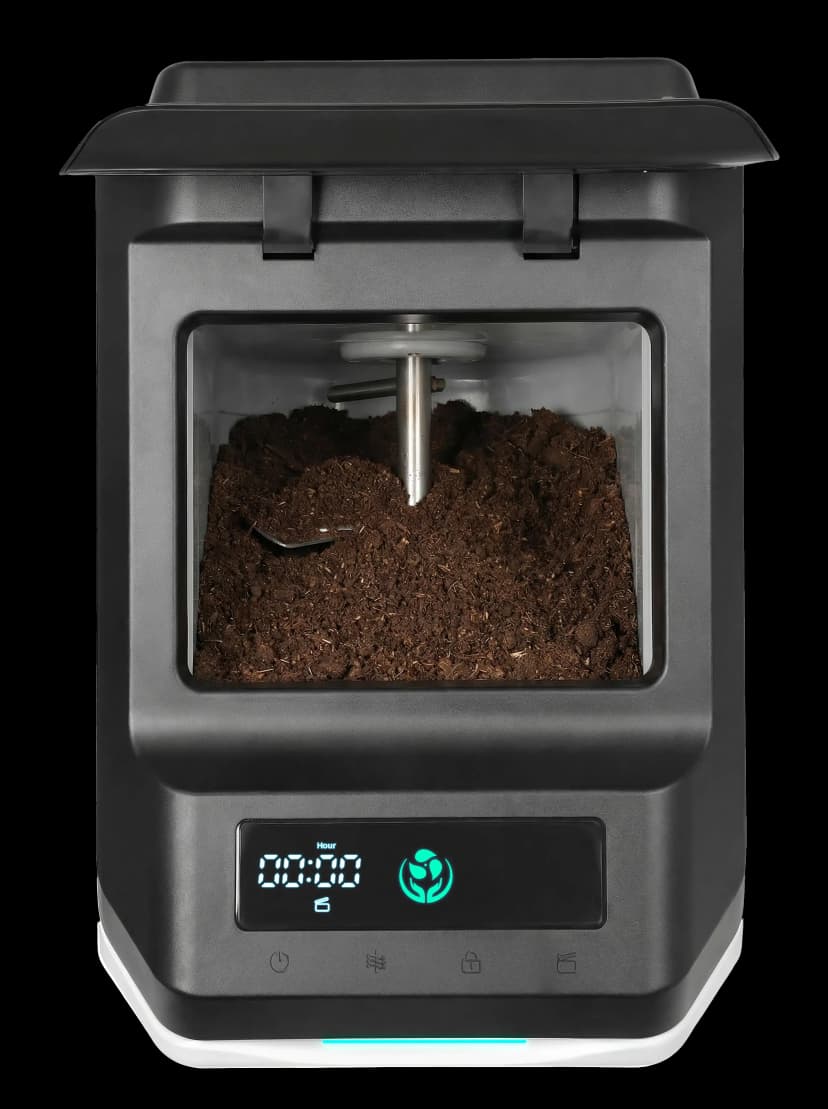
To compost base for soil blending.
Choose Real Microbial Composting
Make daily food scraps useful again with a microbial kitchen composter built for continuous use, no drying, and no replacement odor filters.
Built for everyday kitchens.
More Comparison Guides
GEME vs Lomi is only one part of the kitchen composter decision. Buyers comparing food recyclers, dehydrators, and microbial composters should also look at:
What Reviewers and Experts Suggest
Independent reviews are helpful because they clarify the difference between marketing language and real-world output.
Serious Eats has described Lomi as a dehydrator-and-grinder style food recycler rather than a machine that creates finished compost. WIRED also classifies Lomi as a grind-and-dry food recycler.
This is why the GEME Terra II vs Lomi comparison matters: the products may appear in the same search results, but they are designed for different outcomes.
Which One Is Better for a Zero-Waste Kitchen?
If your definition of zero waste is “I want to shrink and dry food scraps before disposal or secondary composting,” Lomi can be a practical tool.
If your definition is “I want to turn daily kitchen scraps into compost base through a microbial process,” GEME Terra II is the stronger fit.
For the broader food-waste habit layer, pair this comparison with our guide on how to reduce food waste at home and the best composter to reduce food waste.
GEME Terra II Is Especially Appealing For...
- Gardeners who want a compost-oriented output.
- Families that cook frequently.
- Indoor composting routines.
- Buyers seeking a Lomi alternative.
- Users who dislike recurring filter costs.
- Households that prefer continuous feeding over batch cycles.
Final Verdict: GEME Terra II vs Lomi
Both machines can help reduce kitchen food waste, but they do it in different ways.
Lomi is best understood as a compact electric food recycler that heats, dries, and grinds scraps into a reduced output. It can be useful for small-batch food-waste reduction, but its output is not the same as finished compost.
GEME Terra II is the better choice if you want a microbial kitchen composter built around continuous use, larger capacity, no replacement odor filters, and a stronger composting pathway for a zero-waste home.
Decision Rule
Want batch drying and food-waste reduction? Choose Lomi. Want a compost-oriented, microbial, continuous system? Choose GEME Terra II.
FAQ
Is GEME Terra II better than Lomi?
GEME Terra II is usually better for users who want continuous microbial composting, larger household food-scrap capacity, no replacement odor filters, and compost base for soil blending. Lomi may be enough for users who mainly want batch drying and food-waste reduction.
Is Lomi a real composter?
Lomi is often discussed in the same category as composters, but its core process is closer to that of a food recycler that dries and grinds food scraps. Its output is not the same as mature compost.
Is GEME Terra II a countertop composter?
No. GEME Terra II is better described as a microbial kitchen composter or home bio-composter. It is designed for indoor household use, continuous feeding, and larger daily food-waste routines.
Which one has more capacity?
GEME Terra II has a 14L continuous-feed chamber. Lomi uses a smaller 3L bucket and batch processing.
Does GEME Terra II require filter replacement?
GEME Terra II is designed with no replacement odor filters. Users should still follow product guidance for input balance, maintenance, and odor control.
Can Lomi output go directly into the soil?
Lomi output is commonly described as dried food-waste material or pre-compost. Buyers should follow Lomi’s official guidance and consider additional composting, curing, or careful soil use before applying it around plants.
Which one is better for zero-waste homes?
GEME Terra II is usually the stronger fit for zero-waste homes that want a microbial composting routine. Lomi is more suitable for users focused mainly on reducing food waste volume.
Sources
- U.S. EPA — Composting at Home
- U.S. EPA — Composting
- GEME — Terra II Product Page
- GEME — How Real Microbial Composting Works
- Lomi — Lomi 3 Food Recycler
- Lomi — Filter Refills
- Serious Eats — Lomi Food Recycler Review
- WIRED — Home Composters and Food Recyclers Buying Guide
- The New Yorker — The Promises of the Home “Composting” Machine
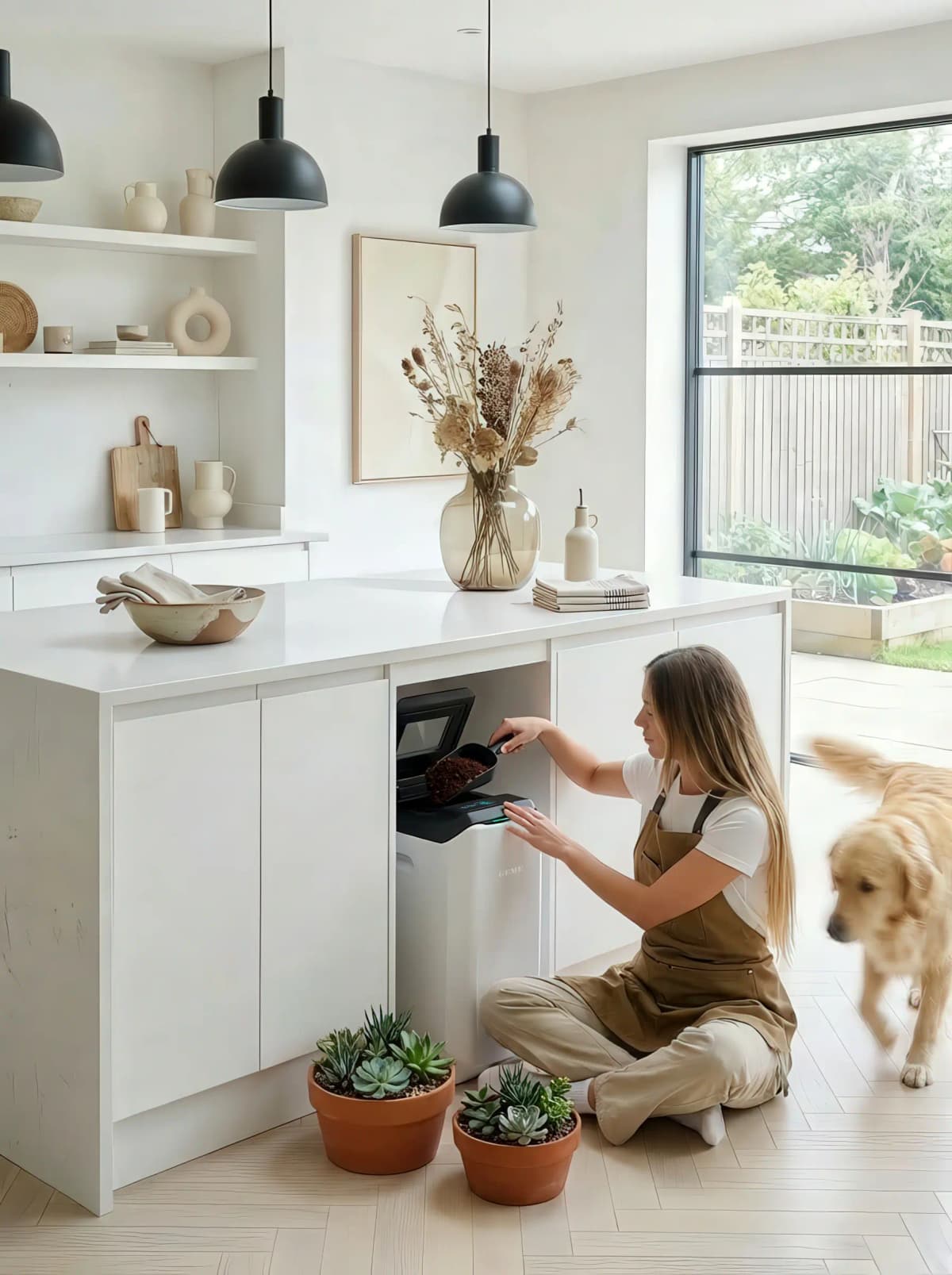
Scraps become compost base for soil.
Start Composting With GEME Terra II
Make food scraps useful again with a microbial kitchen composter built for daily use, continuous feeding, no drying, and no replacement odor filters.
Built for real microbial composting at home.

Dejar un comentario
Este sitio está protegido por hCaptcha y se aplican la Política de privacidad de hCaptcha y los Términos del servicio.