
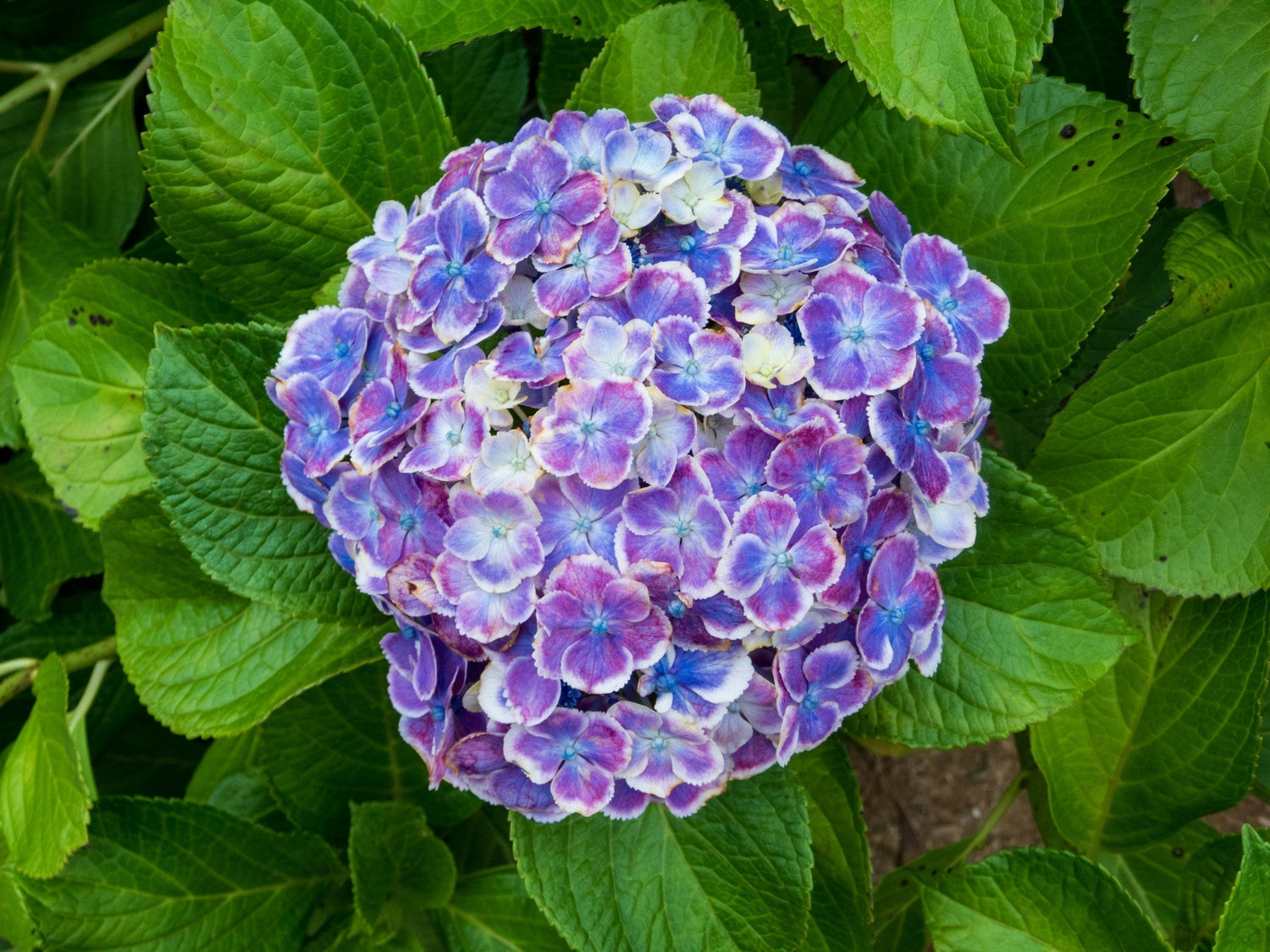
Hydrangea Care & Color Guide
Learn how hydrangea color works, which varieties can change, how soil pH affects blue and pink flowers, and how composted coffee grounds or eggshells can support your garden routine.
Healthy hydrangeas start with soil care. Once the plant is strong, you can gradually guide color through pH, aluminum availability, water quality, and careful compost use.
Color starts below the blooms.
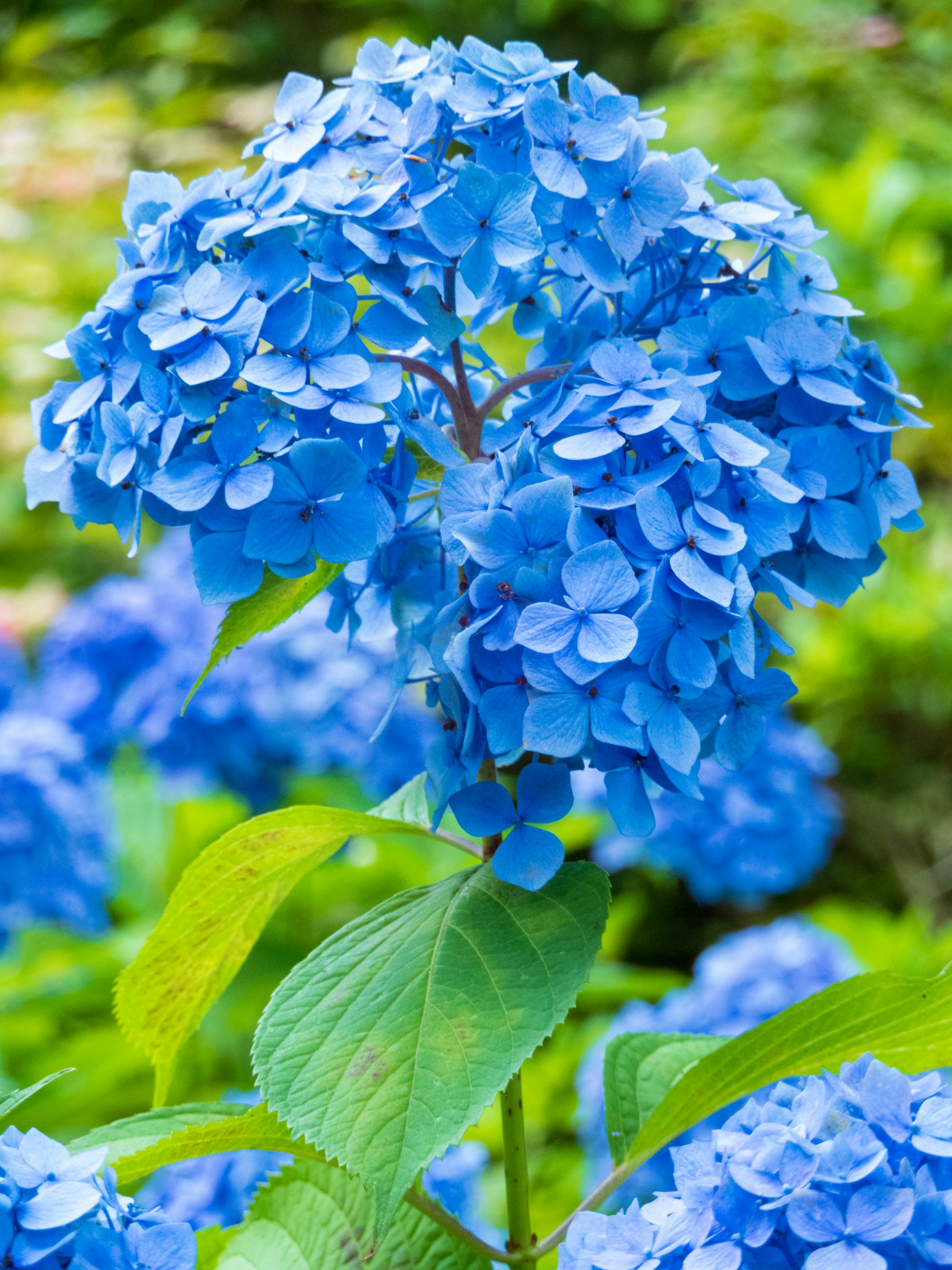
Hydrangea care starts below the blooms.
Quick Answer
Hydrangeas need moist, well-drained soil, organic matter, light shade, careful pruning, and steady watering. Some bigleaf and mountain hydrangeas can change color because soil pH affects aluminum availability: acidic soil tends to support blue flowers, alkaline soil tends to support pink flowers, and slightly acidic conditions can create purple tones.
For the kitchen-scrap side of hydrangea soil care, read how to compost coffee grounds, how to compost eggshells, and how to use GEME compost safely.
Key Takeaways
- Not all hydrangeas change color. Bigleaf and mountain hydrangeas are the main color-changing types.
- Blue hydrangeas need acidic soil and available aluminum. Soil pH below about 5.5 usually supports blue tones.
- Pink hydrangeas need less available aluminum. Higher pH conditions tend to support pink blooms.
- Purple hydrangeas are the middle ground. Slightly acidic soil often creates mauve or purple shades.
- Coffee grounds and eggshells should be composted first. They work slowly and should not replace soil testing.
- GEME compost should be blended with soil. Treat it as a compost base, not pure potting soil.
- GEME Terra II and GEME Pro have no filter replacements and zero recurring filter costs.
Jump To
Introduction: The Magic of Hydrangeas
Hydrangeas can look almost magical: blue, pink, purple, and sometimes mixed tones on the same shrub. But the “magic” is really soil chemistry.
For color-changing hydrangeas, flower color depends on soil pH and aluminum availability. That means gardeners can influence color, but only if they start with the right hydrangea type and make gradual soil adjustments.
This guide covers the practical care basics first, then explains how to guide hydrangeas toward blue, pink, or purple blooms using soil testing, amendments, and compost-based routines.
If you are building a broader kitchen-to-garden routine, hydrangeas connect naturally with other soil-care topics, including composted coffee grounds, composted eggshells, and spring garden fertilizing.
Gardener’s rule: Healthy hydrangeas come before color experiments. Build the plant first, then adjust the soil.
1. Hydrangea Care 101: The Foundation for Beautiful Blooms
Before changing hydrangea color, focus on plant health. Strong roots, steady moisture, and organic-rich soil make color control much easier.
Basic Growing Requirements
| Requirement | Ideal Condition | Why It Matters |
|---|---|---|
| Light | Light shade or morning sun | Protects leaves while supporting bloom development. |
| Soil | Moist, well-drained, organic-rich soil | Supports roots and reduces drought stress. |
| Water | Consistent moisture, not waterlogging | Hydrangeas wilt quickly when dry. |
| Planting time | Spring or autumn | Allows establishment before heat or cold stress. |
| Mulch | Organic mulch, kept away from stems | Conserves moisture and adds organic matter. |
Soil Preparation
Hydrangeas perform best in soil enriched with organic matter. Before planting, work compost or soil improver into the planting area and mulch after planting while leaving a gap around the base.
Watering Wisdom
- New plants: water regularly during the first growing season.
- Mature plants: water during hot, dry spells.
- Containers: check often because pots dry out faster.
- Blue hydrangeas: rainwater may help where tap water is alkaline.
Feeding: Less Is Often More
Established hydrangeas usually do not need heavy feeding. Too much fertilizer, especially too much nitrogen, can encourage soft leafy growth at the expense of flower buds.
Pruning at a Glance
| Hydrangea Type | When to Prune | Basic Rule |
|---|---|---|
| Mophead and lacecap | Mid-spring | Remove dead heads and cut back to strong buds. |
| Panicle and smooth hydrangeas | Early spring | Prune last year’s growth to healthy buds. |
| Oakleaf and rough-leaved types | Spring if needed | Minimal pruning: remove dead or overlong stems. |
2. Which Hydrangeas Can Change Color?
This is where many gardeners get confused. Soil pH does not change for every hydrangea. Only certain types have the pigment chemistry needed for blue-pink shifts.
Hydrangeas That Can Change Color
- Hydrangea macrophylla, including many bigleaf mophead and lacecap types.
- Hydrangea serrata, often called mountain hydrangea.
- Some related cultivars with color-responsive pigments.
Hydrangeas That Do Not Change Color
| Hydrangea Type | Color Behavior |
|---|---|
| Panicle hydrangeas | White, cream, green, or aging pink tones; not pH-controlled. |
| Smooth hydrangeas | Usually white or greenish; not blue-pink responsive. |
| Oakleaf hydrangeas | White aging to pink; soil pH does not create blue blooms. |
| White hydrangeas | Stay white because they lack the pigment needed for color shifting. |
What About Purple Hydrangeas?
Purple hydrangeas are often the middle ground between blue and pink. When soil conditions are slightly acidic and aluminum availability is moderate, blooms can shift toward lavender, mauve, or purple.
3. The Science Behind Hydrangea Colors
Hydrangea color is controlled by two main factors: soil pH and aluminum availability.
| Soil Condition | Aluminum Availability | Typical Flower Color |
|---|---|---|
| Acidic soil, often below pH 5.5 | More available | Blue |
| Slightly acidic to near neutral | Partially available | Purple or mixed tones |
| Alkaline soil, often above pH 6.5 | Less available | Pink |
The plant pigment is present in color-changing hydrangeas. Aluminum interacts with that pigment under acidic conditions, creating blue tones. When aluminum is less available, the flowers tend to appear pink.
Color rule: Do not guess. Test soil pH before adding amendments.
4. How to Make Hydrangeas Blue
To encourage blue hydrangea flowers, you need acidic soil and available aluminum. The goal is usually a soil pH below about 5.5, depending on cultivar and local soil conditions.
The Classic Method: Aluminum Sulfate
Aluminum sulfate can help because it supplies aluminum and can lower pH. Use it carefully, follow label directions, and avoid over-application. Too many amendments can stress roots.
Natural Support: Composted Coffee Grounds
Coffee grounds can support organic matter and may contribute to gradual acidifying effects as they break down. Used grounds should be composted before applying around hydrangeas, especially if you are using them repeatedly.
For a deeper guide, see how to compost coffee grounds before using them in the garden. Composting first helps coffee grounds become part of a broader soil routine rather than a thick surface layer.
How to Use Coffee Grounds Safely
- Compost used coffee grounds before applying them to the soil.
- Mix composted grounds into soil or compost rather than leaving thick layers on the surface.
- Apply gradually around the root zone, not directly against stems.
- Retest soil pH over time instead of assuming color will change immediately.
- Use rainwater where possible if tap water is alkaline and you are trying to maintain blue flowers.
5. How to Make Hydrangeas Pink
To encourage pink hydrangeas, the goal is to reduce aluminum availability. Gardeners usually do that by raising the soil pH.
The Classic Method: Garden Lime
Ground limestone or garden lime can raise soil pH over time. Apply carefully according to local soil test recommendations. Do not add lime blindly, especially if your soil is already alkaline.
Natural Support: Composted Eggshells
Eggshells contain calcium carbonate, but whole shells break down very slowly. For practical gardening, eggshells should be cleaned, dried, crushed finely, or composted before use.
For more details on preparation, plant suitability, and acid-loving plants to avoid, read how to compost eggshells safely.
How to Use Eggshells Safely
- Rinse shells to remove residue and reduce odor risk.
- Dry shells before grinding or composting.
- Use powdered or composted eggshells for better soil contact.
- Apply gradually and monitor pH.
- Do not expect overnight color changes.
Important
Coffee grounds and eggshells can support a soil-care routine, but they are slow amendments. For reliable color control, always start with soil testing and adjust gradually.
6. Using GEME Compost for Hydrangeas
GEME Terra II is a real microbial kitchen composter designed to help turn daily kitchen scraps into compost for soil blending. For hydrangea lovers, the practical value is simple: coffee grounds, fruit peels, and eggshells do not need to become waste. They can become part of a soil amendment routine.
To understand the difference between real microbial composting and dry-and-grind food recyclers, see real compost vs dehydrated food waste. For practical use after harvesting, follow the advanced GEME compost application guide.
Why GEME Fits Hydrangea Care
| Scrap Type | Garden Role | Hydrangea Use Note |
|---|---|---|
| Coffee grounds | Organic matter; may support acidifying routines over time. | Best for blue-hydrangea soil strategies after composting. |
| Eggshells | Calcium source; can support gradual pH-raising routines. | Best for pink-hydrangea soil strategies after processing. |
| Fruit and vegetable scraps | General compost organic matter. | Useful for soil structure, not direct color control alone. |
How to Use GEME Compost Around Hydrangeas
- Screen out large unfinished pieces and return them for continued composting.
- Blend GEME compost base with soil before applying around hydrangeas.
- Use a cautious starting ratio, commonly around one part compost to eight to ten parts soil.
- Keep compost away from stems and crowns.
- Water gently after application.
- Test soil pH before and after repeated amendments.
Hydrangea rule: Compost improves the soil system. Color change still depends on pH, aluminum availability, variety, and time.
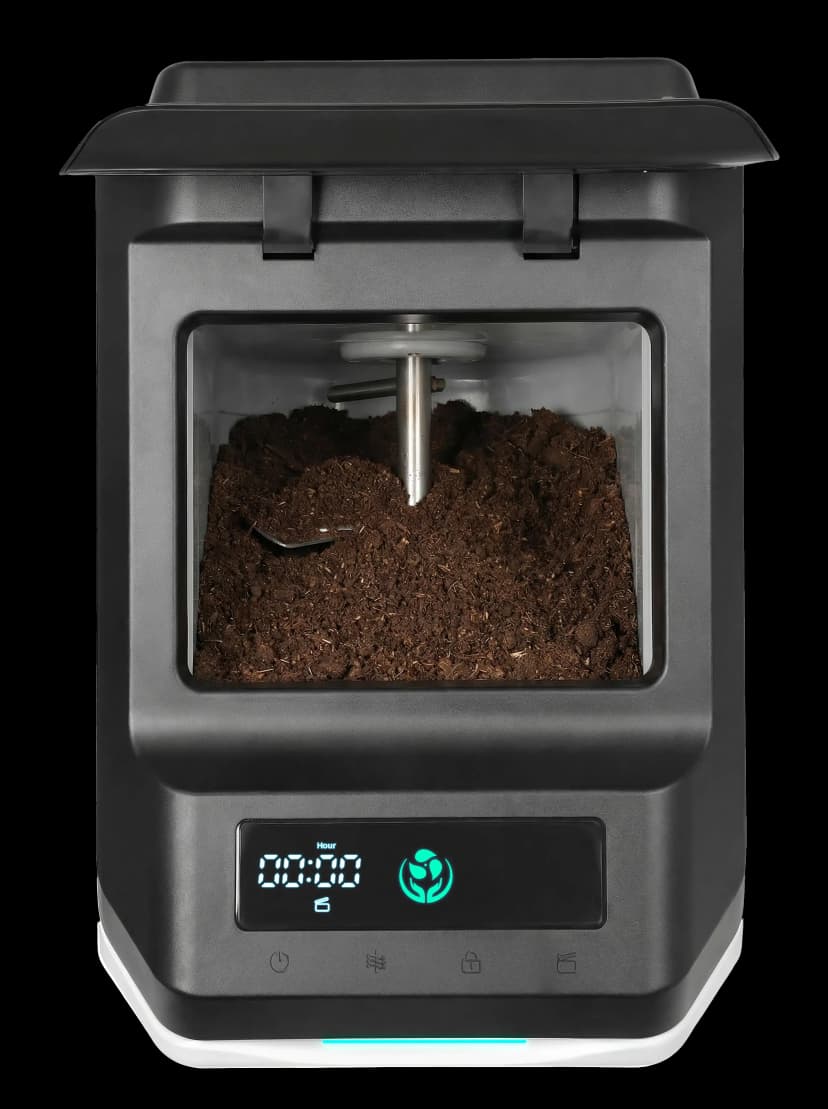
Coffee grounds, eggshells, and compost.
Grow Better Soil
Use GEME Terra II to turn coffee grounds, eggshells, and daily scraps into real compost for hydrangea soil care. Blend with soil before plant use.
Real composter. Real microbial composting. No filter replacements.
7. How to Change Hydrangea Colors Step by Step
Color change should be gradual. Start with identification and testing before applying amendments.
Step 1: Identify Your Hydrangea
Confirm that you have a color-changing type such as bigleaf hydrangea or mountain hydrangea. White, panicle, smooth, oakleaf, and climbing hydrangeas will not become blue through pH changes.
Step 2: Test Soil pH
Use a home soil test kit or send a sample to a local extension service. You need a baseline before adjusting.
| Current pH | Likely Color Direction | Action |
|---|---|---|
| Below 5.5 | Blue more likely | Maintain carefully if blue is desired. |
| 5.5–6.5 | Purple or mixed tones possible | Adjust slowly depending on the target color. |
| Above 6.5 | Pink more likely | Maintain if pink is desired; lower pH gradually for blue. |
Step 3: Choose the Right Amendment
| Desired Color | Common Amendment Options | Timing |
|---|---|---|
| Blue | Aluminum sulfate, sulfur, composted coffee grounds. | Early spring, then monitor. |
| Pink | Garden lime, composted or powdered eggshells. | Winter or early spring, then monitor. |
| Purple | Balanced pH management. | Adjust gradually as needed. |
Step 4: Apply and Monitor
- Apply amendments around the drip line, not directly against stems.
- Water thoroughly after application.
- Wait and observe the bloom response.
- Retest soil pH every few months during active adjustment.
- Adjust slowly rather than making dramatic changes.
8. Common Mistakes and How to Avoid Them
Expecting instant results
Hydrangea color changes take time. Some shifts may take weeks; full results may take a growing season.
Over-amending
Adding too much aluminum sulfate, lime, coffee grounds, or eggshells can stress plants or create a nutrient imbalance. Start small and test.
Ignoring water quality
Alkaline tap water can work against blue-hydrangea goals. Rainwater may be useful where practical.
Using fresh coffee grounds directly
Fresh grounds can mat, mold, or create uneven effects. Compost them first and apply gradually.
This is also why the indoor composting technique matters. If odor or moisture is a concern, read how to reduce odor in indoor composting.
Adding whole eggshells
Whole shells break down very slowly. Crush, grind, or compost them before using them as a soil amendment.
9. Troubleshooting Hydrangeas
| Problem | Likely Cause | Solution |
|---|---|---|
| No flowers | Wrong pruning time, frost damage, or too much nitrogen | Check variety, prune correctly, protect buds, reduce nitrogen. |
| Wilting leaves | Too little water or too much sun | Water deeply and mulch; consider more afternoon shade. |
| Brown leaf edges | Drought stress, fertilizer stress, or heat | Improve watering consistency and avoid overfeeding. |
| Blue flowers turning pink | pH rising or aluminum becoming unavailable | Test soil, consider acidifying amendments, use rainwater if needed. |
| Pink flowers turning blue | Soil becoming more acidic | Test soil and consider lime or gradual pH-raising amendments. |
| Weak, leggy growth | Too much shade or excess nitrogen | Improve light exposure and reduce high-nitrogen feeding. |

More compost for soil care.
For Bigger Plant Routines
GEME Pro gives larger households, flower lovers, and plant shops more capacity for daily scraps and garden routines.
Real composter. Real microbial composting. No filter replacements.
10. Frequently Asked Questions
How do I care for hydrangeas in pots?
Use a container with drainage holes, keep soil consistently moist, and avoid letting the pot dry out completely. If you want blue flowers, use a suitable acidic growing medium and monitor pH.
How long does it take to change hydrangea color?
Some color shifts may begin within weeks, but full changes can take a growing season. Soil chemistry changes slowly, especially with natural amendments.
Can one hydrangea have blue and pink flowers at the same time?
Yes. This can happen when soil conditions vary across the root zone, creating different aluminum availability in different areas.
Are coffee grounds good for hydrangeas?
Used coffee grounds can support organic matter and may help acidifying routines over time when composted first. They should be used gradually and alongside soil pH testing.
Are eggshells good for hydrangeas?
Eggshells can add calcium carbonate slowly. They are more useful when cleaned, dried, ground, or composted. Whole shells break down very slowly.
What causes purple hydrangeas?
Purple hydrangeas usually happen when soil pH and aluminum availability sit between blue and pink conditions, often in slightly acidic soil.
Can I use GEME compost immediately on hydrangeas?
Use GEME compost as a compost base blended with soil, commonly around one part compost to eight to ten parts soil. Avoid applying concentrated compost directly against stems or roots.
Does GEME Terra II require filter replacement?
No. GEME Terra II has no filter replacements and zero recurring filter costs.
Will white hydrangeas turn blue?
No. White hydrangeas lack the pigment needed for blue-pink color shifting.
Can I use coffee grounds and eggshells together?
You can compost both, but they support different color goals. Coffee grounds are more relevant to blue-hydrangea routines, while eggshells are more relevant to pink-hydrangea routines. Test soil before deciding.
Conclusion: Master the Art of Hydrangea Color
Hydrangea color is part science, part patience, and part soil stewardship. The best results come from understanding your plant variety, testing your soil, and making gradual adjustments.
Blue hydrangeas need acidic conditions and available aluminum. Pink hydrangeas need less available aluminum. Purple blooms happen in the middle. Coffee grounds, eggshells, and compost can support the soil system, but they work best when used carefully and consistently.
With GEME Terra II or GEME Pro, everyday kitchen scraps such as coffee grounds and eggshells can become part of a compost-based garden routine instead of going to waste.
Final rule: Test first, amend slowly, and let healthy soil create healthier blooms.
Sources and Further Reading
- Royal Horticultural Society — How to Grow Shrubby Hydrangeas
- New York Botanical Garden — How to Turn Hydrangea Flowers Blue
- Britannica — Hydrangea
- FloraFinder — Hydrangea macrophylla
- Better Homes & Gardens Australia — How to Make Hydrangeas Change Colour
- GEME — How to Compost Coffee Grounds for Garden Soil
- GEME — How to Compost Eggshells Safely

Build your amendment routine at home.
Feed Hydrangea Soil
Turn coffee grounds, eggshells, and daily scraps into real compost for a more circular garden-care routine.
Real composter. Real microbial composting. No filter replacements.


Dejar un comentario
Este sitio está protegido por hCaptcha y se aplican la Política de privacidad de hCaptcha y los Términos del servicio.