
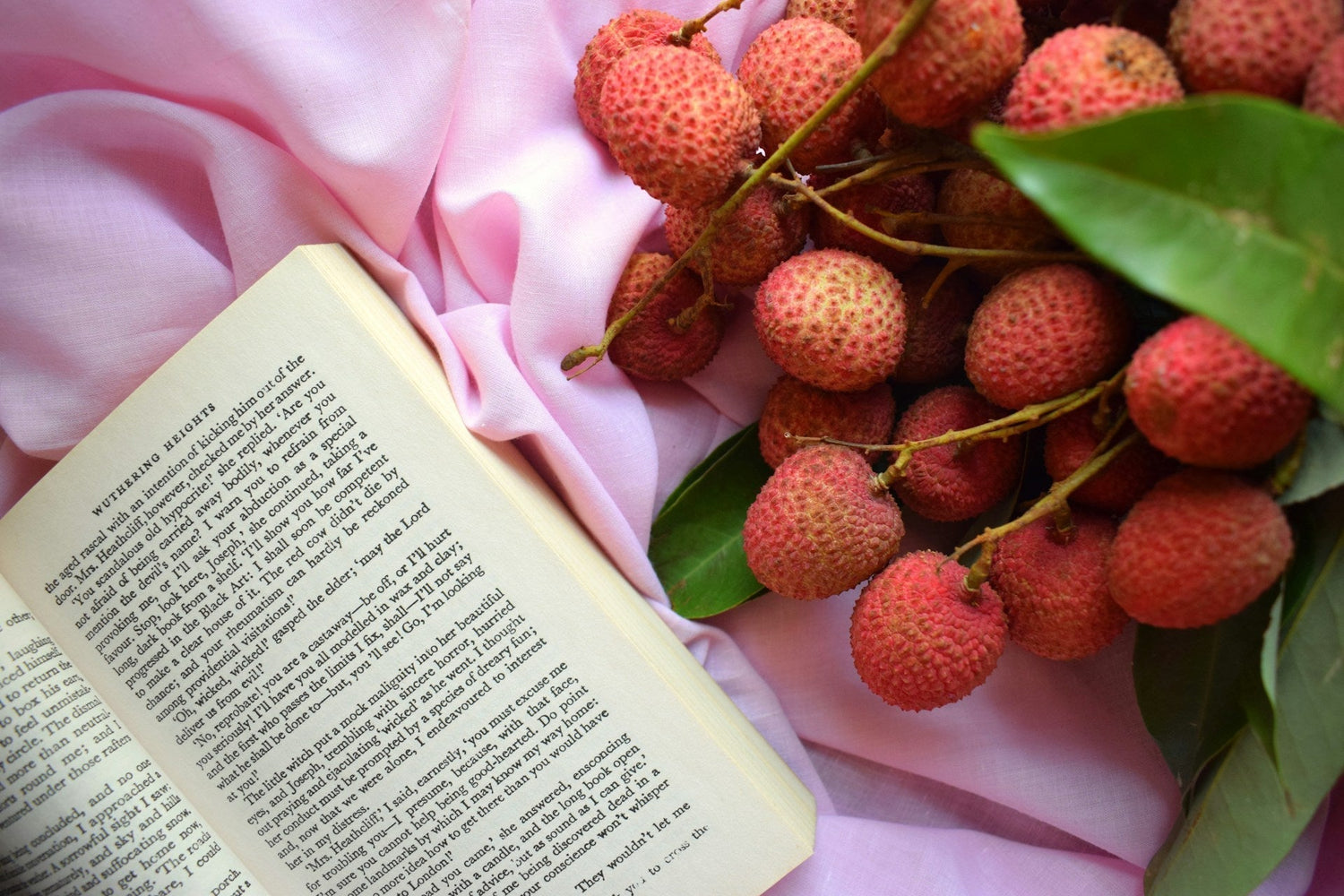
Lychee Taste, Storage & Food Waste Guide
Fresh lychee tastes sweet, juicy, floral, and lightly tart, with a texture close to a peeled grape. To eat lychee, rinse the fruit, peel off the rough skin, remove the glossy brown seed, and enjoy only the soft white flesh.
Lychee is best when ripe, chilled, and eaten soon after purchase. Do not eat the skin or seed, and avoid fruit that smells fermented, feels mushy, leaks juice, or shows mold.
Rinse. Peel. Remove the seed. Eat the white flesh. Compost appropriate scraps responsibly.
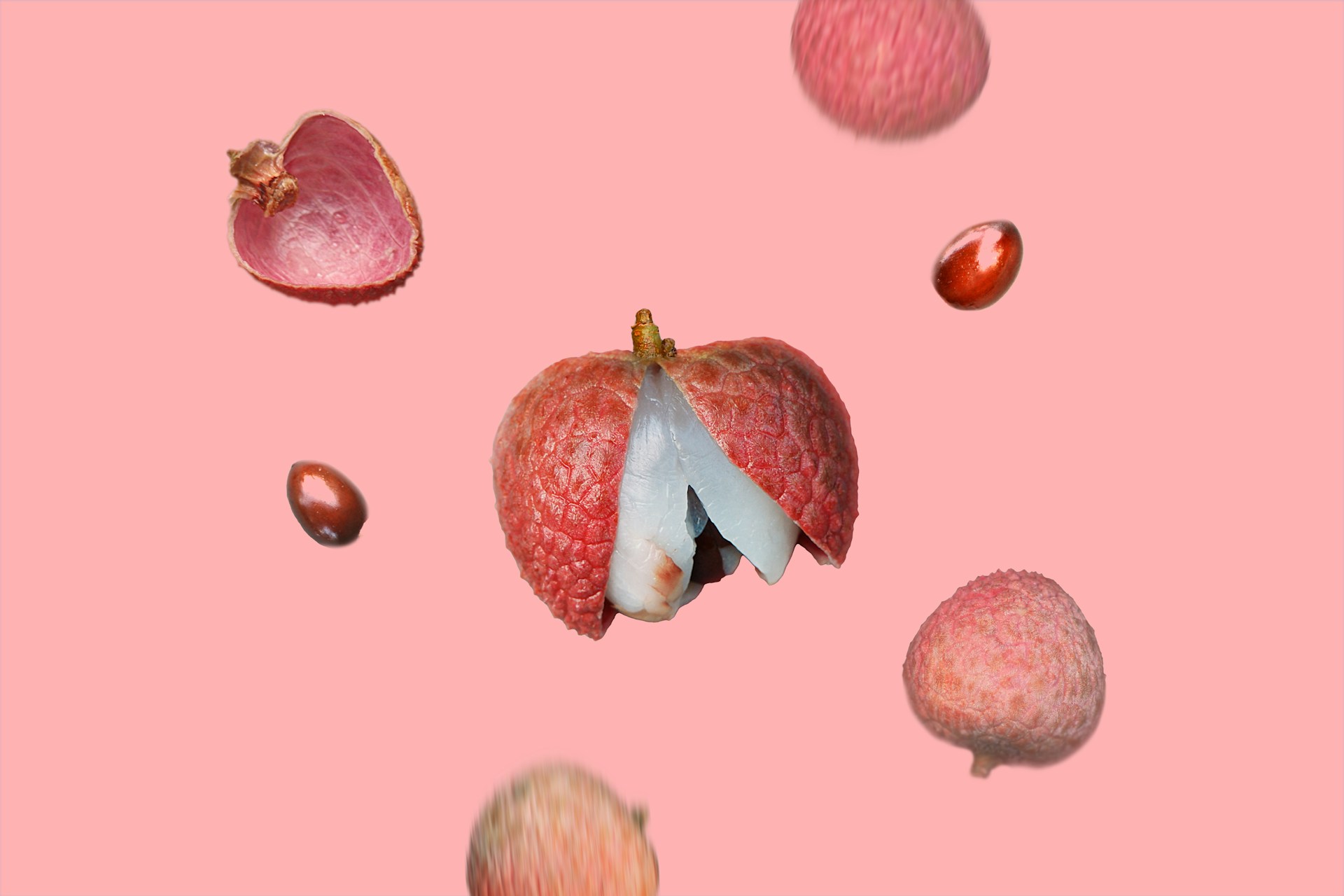
Eat the white flesh only. Remove skin and seed.
Quick Answer
To eat a lychee, wash the whole fruit under running water, crack or peel the rough outer skin, remove the seed, and eat only the juicy white flesh. Fresh, ripe lychee tastes sweet, floral, lightly tart, and refreshing, often compared with grape, rose, pear, strawberry, and watermelon.
Choose ripe lychees that feel heavy, smell gently floral, and have firm, fresh-looking skin. Avoid lychees that are moldy, leaking, deeply brown or blackened, mushy, sour-smelling, alcoholic-smelling, or fermented.
For related context, read how long apples last in the fridge, best way to store strawberries, and how to use compost correctly.
Lychee Safety Note
Eat ripe lychee flesh only. Do not eat the rough skin or the seed. Avoid unripe, spoiled, fermented, or suspicious fruit, and do not taste questionable lychee to check whether it is safe.
Children, people with blood sugar concerns, and anyone with a special medical diet should eat lychee in moderation and avoid eating large amounts on an empty stomach.
Key Takeaways
- Lychee tastes sweet and floral. The flavor is juicy, lightly tart, and often compared with grape, rose, pear, strawberry, and watermelon.
- Eat only the white flesh. Peel off the skin and remove the seed before eating.
- Rinse before peeling. Wash lychees under running water so dirt from the rind does not transfer to the flesh.
- Choose ripe fruit. Lychees do not continue ripening well after harvest, so freshness matters.
- Store cold and use quickly. Fresh lychees are best refrigerated and eaten within a few days for best flavor and texture.
- Do not eat bad lychee. Avoid moldy, mushy, leaking, sour-smelling, bitter, or fermented fruit.
- Compost appropriate scraps responsibly. Peels, seeds, and spoiled fruit can often be composted in a managed system.
- GEME Terra II: can support real microbial composting for appropriate fruit scraps according to product guidance, with compost output for soil blending.
Table of Contents
- What Does Lychee Taste Like?
- How to Select Perfectly Ripe Lychees
- How to Eat Lychee Step by Step
- How to Store Lychee
- How to Tell When Lychee Has Gone Bad
- Can You Compost Moldy Lychee?
- Creative Ways to Eat Lychee
- Why Does Lychee Taste Vary?
- From Spoiled Lychee to Responsible Waste Handling
- FAQ
- Summary
- Sources
- Related Articles
What Does Lychee Taste Like?
Lychee tastes sweet, floral, juicy, and lightly tart. Many people describe it as a mix of grape, rose, pear, strawberry, and watermelon. The flesh is soft, translucent white, and juicy, with a texture similar to a peeled grape.
The best lychee taste comes from ripe, fresh fruit. Underripe lychee can taste flat, acidic, or less sweet, while overripe lychee may taste fermented, sour, alcoholic, or bitter.
| Taste Element | What to Expect |
|---|---|
| Sweetness | High, similar to grape, ripe pear, or tropical fruit |
| Acidity | Light and refreshing when ripe |
| Aroma | Floral, rose-like, tropical, and fragrant |
| Texture | Juicy, tender, slightly crisp, similar to a peeled grape |
| Bad lychee taste | Fermented, sour, bitter, alcoholic, or unpleasant |
How to Select Perfectly Ripe Lychees
Learning how to eat lychee begins with choosing good fruit. Lychees are harvested ripe and do not meaningfully ripen like bananas after picking, so the fruit you buy should already look and smell fresh.
- Color: look for red, pink, reddish-brown, or variety-appropriate ripe color.
- Skin: the rind should be bumpy and firm, not collapsed, wet, or leaking.
- Scent: ripe lychees often have a gentle floral aroma near the stem.
- Weight: good lychees feel heavy and juicy for their size.
- Freshness: choose fruit with a firm shape and no mold.
- Avoid: dull black patches, gray mold, cracked skin, sour smell, or leaking juice.
Brown skin does not always mean the fruit is spoiled, because lychee skin can darken during storage. But if browning comes with leaking, mold, sour smell, or mushy flesh, do not eat it.

Eat ripe fruit first; compost appropriate scraps responsibly.
Reduce Lychee Waste With Real Microbial Composting
Lychees spoil quickly, especially when warm or damaged. When peels, seeds, and spoiled fruit still need handling, GEME Terra II supports real microbial composting indoors, with no drying, no replacement odor filters, and compost output for soil blending.
Real microbial composting. No filter replacements. Compost for soil blending.
How to Eat Lychee Step by Step
Fresh lychee is easy to eat once you know how to peel it. The rough skin and brown seed are not eaten. The edible part is the juicy white flesh.
- Wash the lychee: rinse the whole fruit under cool running water.
- Crack the skin: press with your thumb or use a fingernail near the stem.
- Peel the rind: remove the rough outer skin and discard or compost appropriately.
- Open the fruit: gently split the white flesh if needed.
- Remove the seed: take out the glossy brown seed and do not eat it.
- Eat the flesh: enjoy the white fruit fresh, chilled, or in recipes.
Simple rule: lychee skin comes off, seed comes out, white flesh is eaten.
How to Store Lychee
Lychees are delicate and spoil faster than many firmer fruits. For best flavor, keep fresh, unpeeled lychees refrigerated and eat them within a few days. Cold storage may preserve fruit longer, but the red skin can turn brown during storage.
| Storage Method | Typical Home Result | Best For |
|---|---|---|
| Room temperature | Best for same-day or next-day eating | Very fresh lychee you will eat soon |
| Refrigerator | Often best within a few days for flavor and texture | Short-term fresh storage |
| Freezer | Best quality for several months | Smoothies, frozen fruit, desserts, and drinks |
| Canned or syrup-packed | Follow the package date and storage guidance | Desserts, drinks, and pantry convenience |
Best Lychee Storage Tips
- Keep fresh lychees unpeeled until ready to eat.
- Store in a ventilated container or a loose produce bag.
- Add a paper towel if condensation builds up.
- Check daily and remove leaking or moldy fruit.
- Do not wash lychees long before storage; rinse before eating.
- Freeze peeled, deseeded lychee if you cannot eat it in time.
How to Tell When Lychee Has Gone Bad
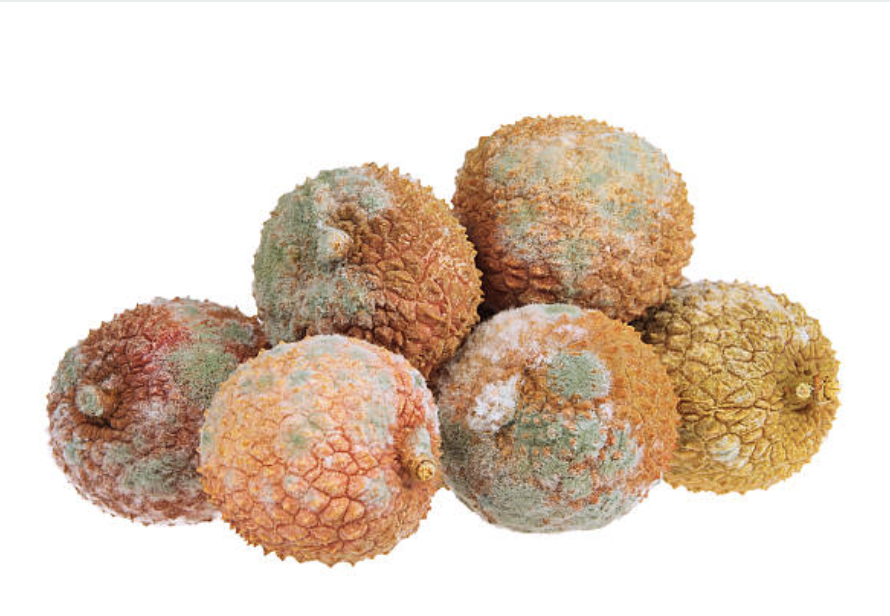
Bad lychee is often easy to identify. If the fruit smells fermented, feels mushy, leaks juice, or shows mold, do not eat it.
- Color: gray mold, black patches, or deeply darkened damaged spots.
- Smell: sour, alcoholic, vinegar-like, or fermented odor.
- Texture: mushy flesh, collapsed skin, or leaking juice.
- Taste: bitter, sour, alcoholic, or unpleasantly fermented.
- Packaging: wet packaging, moldy clusters, or many leaking fruits.
- Seed area: unusual discoloration, strong odor, or slimy texture around the seed.
Never taste questionable fruit to check if it is safe. If a lychee looks or smells spoiled, handle it as food waste.
Can You Compost Moldy Lychee?
Yes, appropriate lychee scraps can usually be composted. Lychee peels, seeds, leftover flesh, and spoiled fruit are plant-based organic materials that can enter a managed composting system.
Moldy or fermented lychee should not be eaten, but it can often be composted if your system is well managed. Because lychee is wet and sugary, avoid adding large amounts at once. Mix it with dry brown materials to help balance moisture and reduce odor.
Composting Tips for Lychee Scraps
- Remove stickers, plastic, packaging, and labels.
- Break up clusters and crush or cut large pieces.
- Mix wet lychee scraps with dry browns such as shredded cardboard, dry leaves, sawdust, or wood chips.
- Bury fruit scraps inside outdoor piles to reduce pests.
- Avoid adding a large amount of wet, sugary fruit at once.
- Use an enclosed food-waste system only according to product guidance.
- Use finished compost as a soil amendment, not directly on edible plant parts.
GEME Terra II is designed for real microbial composting with a warm, moist, oxygen-rich chamber and no replacement odor filters. Use it according to current product guidance, then screen larger pieces and mix the compost base with soil before plant use.
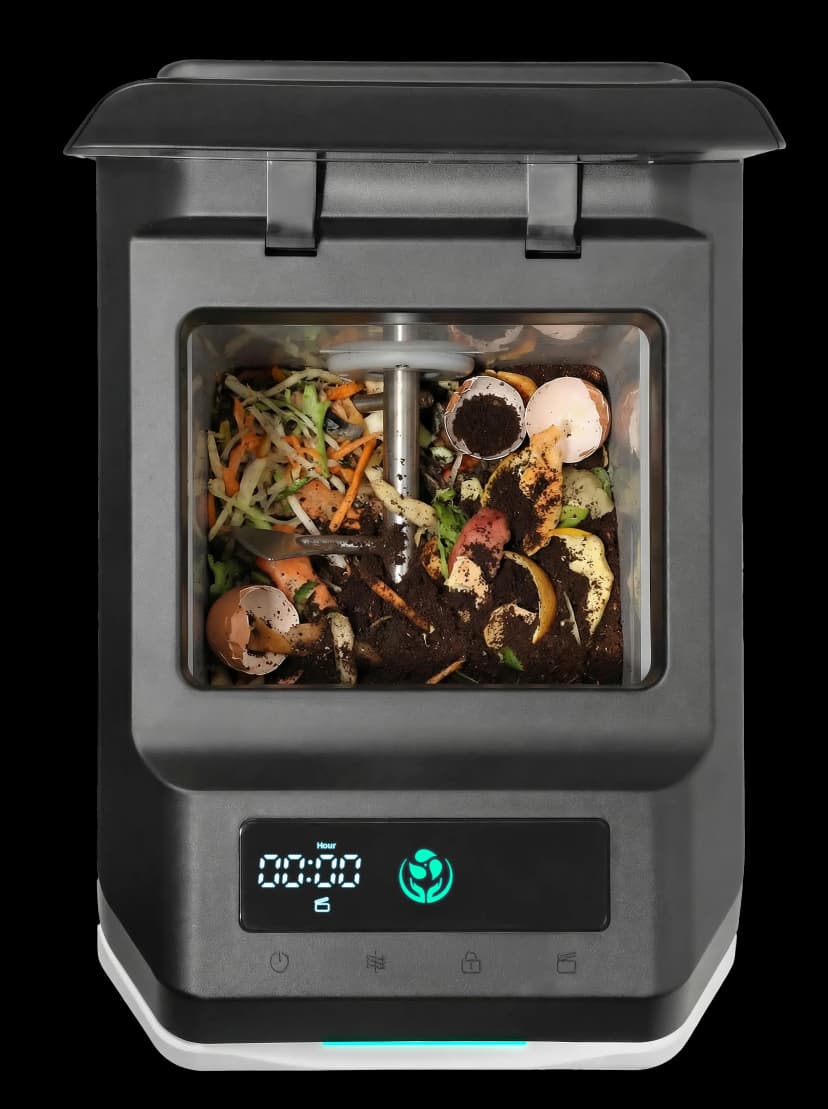
Screen, mix, and use the output with soil.
Compost Appropriate Lychee Peels and Spoiled Fruit
GEME Terra II supports real microbial composting for appropriate fruit scraps and everyday kitchen waste. Use the compost output responsibly: screen large pieces, return unfinished material, and mix with soil before plant use.
Terra II for everyday homes. GEME Pro for larger routines.
Creative Ways to Eat Lychee
Lychee is delicious fresh, but it also works well in drinks, desserts, salads, and savory pairings. Peel and deseed lychee before using it in recipes.
Fresh Lychee Ideas
- Eat chilled lychee straight after peeling and removing the seed.
- Add peeled lychee to fruit salads.
- Pair lychee with mint, cucumber, lime, basil, or ginger.
- Freeze peeled, deseeded lychee for smoothies.
- Add lychee to yogurt bowls, chia pudding, or shaved ice.
Lychee Drink and Dessert Ideas
- Lychee jasmine iced tea: combine lychee with chilled jasmine tea, ice, and mint.
- Lychee refresher: blend lychee with sparkling water and lime.
- Lychee sorbet: puree peeled lychee with a little citrus and freeze.
- Lychee fruit salad: mix lychee with mango, berries, citrus, or melon.
- Lychee savory salad: pair with cucumber, herbs, and soft cheese.
Why Does Lychee Taste Vary?
Lychee taste can vary depending on variety, ripeness, freshness, harvest timing, and storage conditions. Some varieties taste more floral, while others are sweeter, more tart, or more grape-like.
- Underripe lychee: may taste bland, acidic, or less sweet.
- Fresh ripe lychee: usually tastes sweet, floral, juicy, and lightly tart.
- Overripe lychee: may taste fermented or alcoholic.
- Poorly stored lychee: can develop sour, bitter, or musty notes.
- Different varieties: some are more floral, some more sweet-tart, and some more perfumed.
For the best lychee taste, buy ripe fruit, keep it cold, eat it soon, and discard fruit that smells or feels wrong.
From Spoiled Lychee to Responsible Waste Handling
The best food-waste strategy is prevention: buy only what you can eat soon, store lychee cold, check the fruit daily, and freeze peeled flesh if you cannot finish it in time.
A better household routine looks like this:
Buy ripe lychee → store cold → rinse before peeling → eat the flesh → compost appropriate peels, seeds, and spoiled fruit → mix finished compost with soil
Composting is not a way to make unsafe fruit safe to eat. It is a responsible waste-management path for appropriate organic scraps when the composting system is designed and managed well.
Final Takeaway: Eat Ripe Lychee Fresh, Chilled, and Seed-Free
Lychee is at its best when ripe, fresh, and chilled. Peel off the rough skin, remove the seed, and enjoy only the juicy white flesh. The taste should be sweet, floral, refreshing, and lightly tart.
Do not eat lychee that is moldy, mushy, leaking, sour-smelling, bitter, alcoholic, or fermented. Fresh lychees should be refrigerated and used quickly for the best taste.
For lychee peels, seeds, and spoiled fruit, composting can be a good option when done in a managed system and followed by responsible soil blending.

Real microbial composting for modern kitchens.
Build a Cleaner Fruit-Waste Routine With GEME
GEME Terra II and GEME Pro help households turn appropriate food scraps into compost for soil blending, with real microbial composting, no filter replacements, and zero recurring filter costs.
Terra II for everyday homes. GEME Pro for larger routines.
FAQ
How do you eat lychee?
Rinse the fruit, peel off the rough skin, remove the seed, and eat the juicy white flesh. Do not eat the skin or seed.
What does lychee taste like?
Lychee tastes sweet, floral, juicy, and slightly tangy. Many people compare it with grapes, roses, pears, strawberries, and watermelons.
Can you eat lychee skin?
No. Lychee skin is rough, tough, and not eaten. Peel it off before eating the fruit.
Can you eat lychee seeds?
No. Lychee seeds are not edible and should be removed before eating the fruit.
How long does lychee last in the fridge?
Fresh unpeeled lychee is best eaten within a few days in the fridge for best flavor and texture. Cold storage may preserve fruit longer, but the skin can brown during storage.
Can you freeze lychee?
Yes. Peeled and deseeded lychee can be frozen for smoothies, desserts, frozen fruit bowls, and drinks.
How do you know when lychee has gone bad?
Bad lychee may look moldy, smell sour or fermented, feel mushy, leak juice, or taste bitter, alcoholic, or unpleasant. Do not taste questionable fruit to check safety.
Can you compost moldy lychee?
Yes, moldy lychee, lychee peels, seeds, and spoiled fruit can often be composted in a managed system. Mix wet fruit with dry browns and avoid adding too much at once.
Is GEME Terra II useful for lychee scraps?
GEME Terra II can help households compost appropriate lychee peels, seeds, spoiled fruit, and other organic kitchen scraps through real microbial composting. Use the output responsibly by screening large pieces and mixing the compost base with soil before plant use.
Summary
- Lychee taste: sweet, floral, juicy, and lightly tart.
- How to eat lychee: rinse, peel the skin, remove the seed, and eat the white flesh.
- Do not eat: lychee skin, lychee seeds, unripe fruit, or spoiled fruit.
- Best storage: keep fresh unpeeled lychee in the fridge and use within a few days for best quality.
- Bad lychee signs: mold, sour smell, mushy texture, leaking juice, bitter taste, or fermented odor.
- Recipe ideas: fruit salad, iced tea, smoothies, sorbet, yogurt bowls, and sparkling drinks.
- Composting: lychee peels, seeds, and spoiled fruit can often be composted responsibly in a managed system.
- GEME Terra II: supports real microbial composting for appropriate food scraps, with no filter replacements and compost output for soil blending.
Sources
- Purdue University — Lychee, Fruits of Warm Climates
- UCANR Cooperative Extension Ventura County — Lychee
- FDA — Selecting and Serving Produce Safely
- CDC Emerging Infectious Diseases — Probable Toxic Cause for Suspected Lychee-Linked Outbreaks
- U.S. EPA — Composting at Home
- U.S. EPA — Composting
- GEME — Terra II Product Page
- GEME — How Real Microbial Composting Works
- GEME — Advanced Compost Application Guide


Dejar un comentario
Este sitio está protegido por hCaptcha y se aplican la Política de privacidad de hCaptcha y los Términos del servicio.