
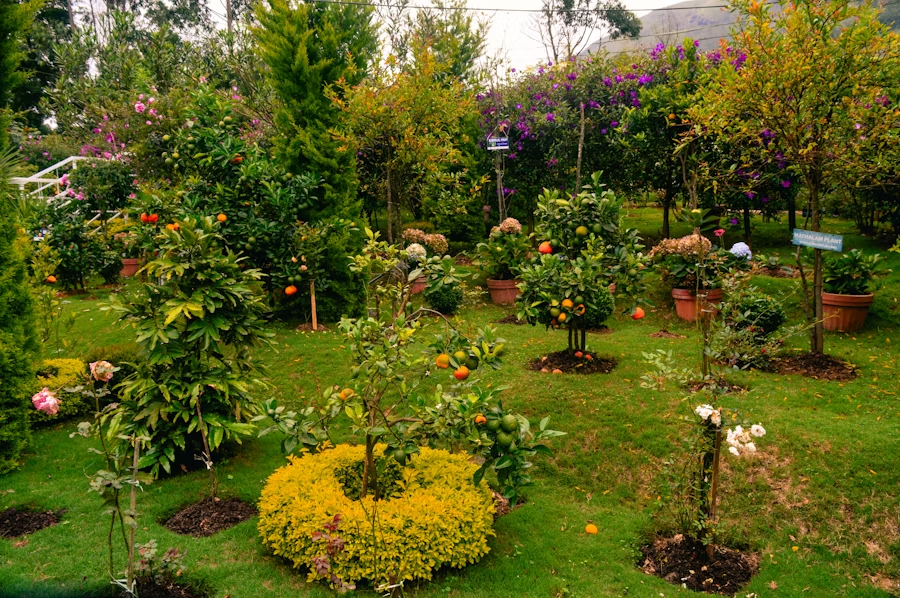
Compost, Soil Health & Garden Growth Guide
High-quality compost is often called “black gold” because it can help transform tired soil into a better home for roots, microbes, water, air, and plant nutrients. It is not just dirt. It is a mature soil amendment made from decomposed organic matter.
Mature compost can improve soil structure, support soil biology, help sandy soil hold more moisture, make heavy soil easier to work, and slowly contribute nutrients. Used correctly, it becomes one of the simplest ways to build healthier gardens over time.
Soil gives roots a home. High-quality compost helps make that home healthier.
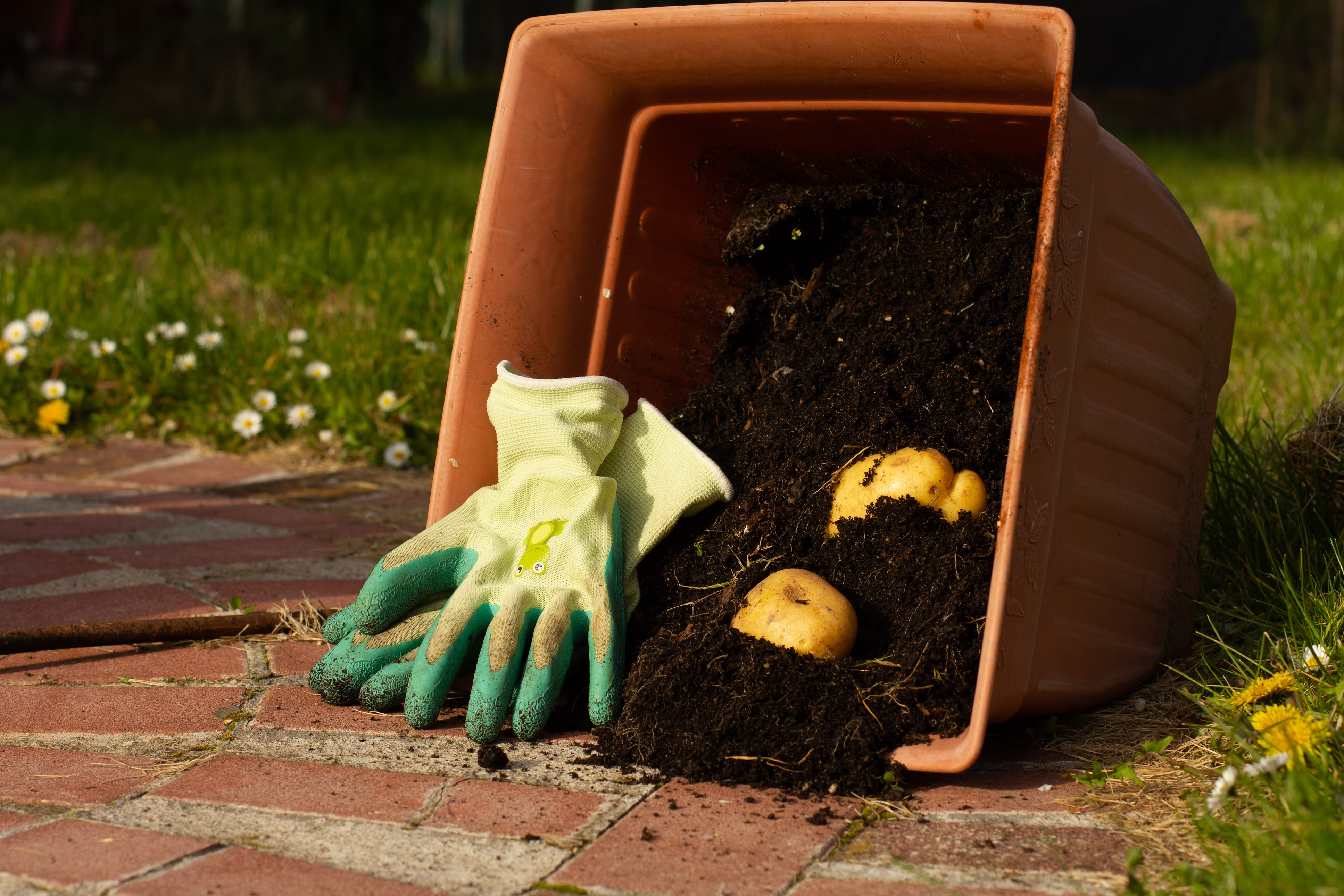
Mature compost improves soil; it does not replace soil.
Quick Answer
High-quality compost is mature, dark, crumbly, earthy-smelling organic matter used to improve soil. It supports better soil structure, moisture behavior, nutrient cycling, and microbial activity. The best compost should look more like rich soil than recognizable food scraps.
Compost works best as a soil amendment, not as a full soil replacement. Mix mature compost with garden soil, apply it as a moderate top dressing, or blend it carefully into potting mixes. Screen unfinished pieces and let active material cure before using it around sensitive plants.
For related context, read garden soil vs compost, when compost is ready to use, and how to use compost correctly.
Key Takeaways
- Compost is a soil amendment. It improves soil, but it should not usually replace all soil.
- Mature compost looks finished. It should be dark, crumbly, earthy-smelling, and mostly free of recognizable scraps.
- Compost supports soil structure. It can improve both heavy clay soil and sandy soil over time.
- Compost contributes organic matter. Organic matter supports soil life and better moisture behavior.
- Compost nutrients vary. Nutrient value depends on feedstock, maturity, and composting process.
- Immature compost needs caution. Fresh, hot, sour, or chunky material should cure longer before plant use.
- Use compost moderately. More compost is not always better; soil testing helps prevent over-application.
- GEME Terra II: supports real microbial composting for appropriate kitchen scraps, with compost output for soil blending.
Table of Contents
- What Is “Black Gold” Compost?
- What Makes High-Quality Compost?
- The Power of Microbes in Compost
- Why Plants and Soil Benefit From Compost
- How Compost Helps Clay and Sandy Soil
- Compost and Soil pH Buffering
- What to Expect From GEME Compost Output
- How to Use High-Quality Compost
- Common Compost Mistakes to Avoid
- FAQ
- Summary
- Sources
- Related Articles
What Is “Black Gold” Compost?
“Black gold” is a nickname gardeners use for finished compost because mature compost can do so much for soil health. It is made when microorganisms break down organic materials such as leaves, vegetable scraps, fruit scraps, coffee grounds, and plant trimmings under the right balance of air, moisture, carbon, and nitrogen.
Good compost is not simply old food waste. It is a more stable, soil-like material that can be blended into garden soil or used as a top dressing to improve soil over time.
Simple rule: food scraps are the input; mature compost is the soil amendment.
What Makes High-Quality Compost?
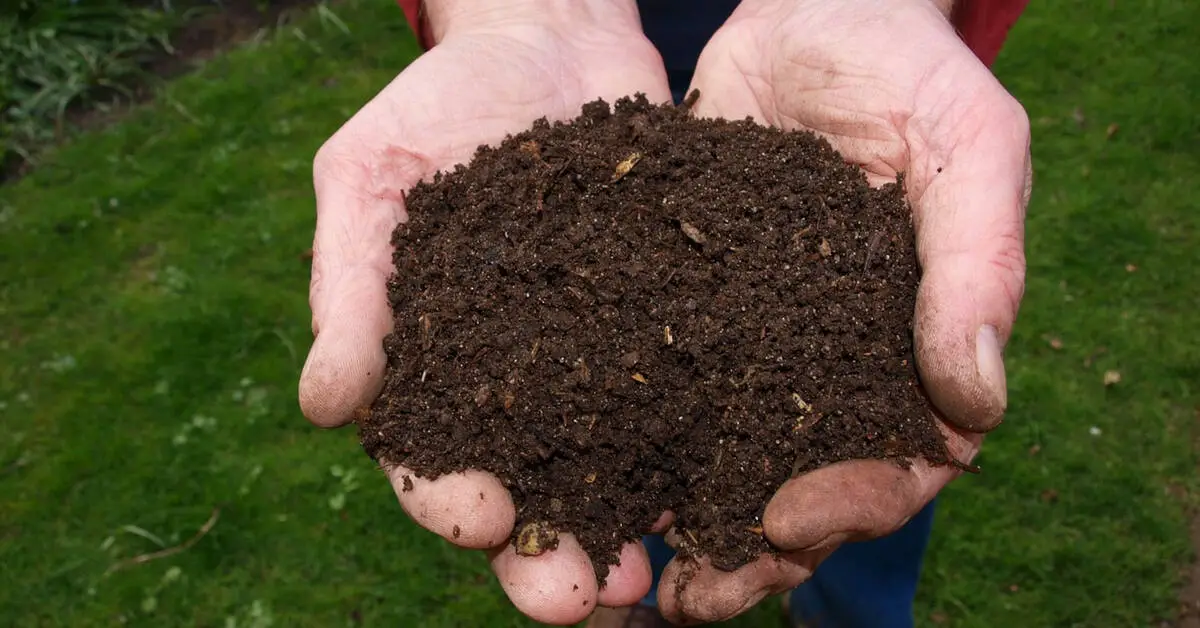
High-quality compost is judged by maturity, stability, texture, smell, moisture, and intended use. The best compost for home gardens should be mature enough that it no longer smells like active food waste or contains large recognizable scraps.
| Quality Sign | Good Compost | Needs More Time or Care |
|---|---|---|
| Color | Dark brown to nearly black | Bright food colors or fresh-looking scraps |
| Texture | Loose, crumbly, soil-like | Wet, sticky, slimy, chunky, or compacted |
| Smell | Earthy, mild, like fresh soil | Sour, rotten, moldy, or ammonia-like |
| Temperature | Close to ambient temperature | Still hot or actively heating |
| Original materials | Mostly unrecognizable | Visible food scraps or large pieces |
A few small woody pieces, fruit skins, or eggshell fragments can be normal. Screen those larger pieces out and return them for further composting when needed.
The Power of Microbes in Compost
Composting is a biological process. Bacteria, fungi, and other organisms help break down organic matter and turn fresh materials into a more stable soil amendment. This microbial process is why real compost is different from material that is merely chopped, dried, or stored.
In soil, mature compost can contribute organic matter and microbial diversity. It also helps create better conditions for roots by improving soil texture, water behavior, and nutrient cycling.

This is also why maturity matters. Compost that is still hot, sour, or full of visible scraps is still actively changing and should usually cure longer before use around sensitive plants.
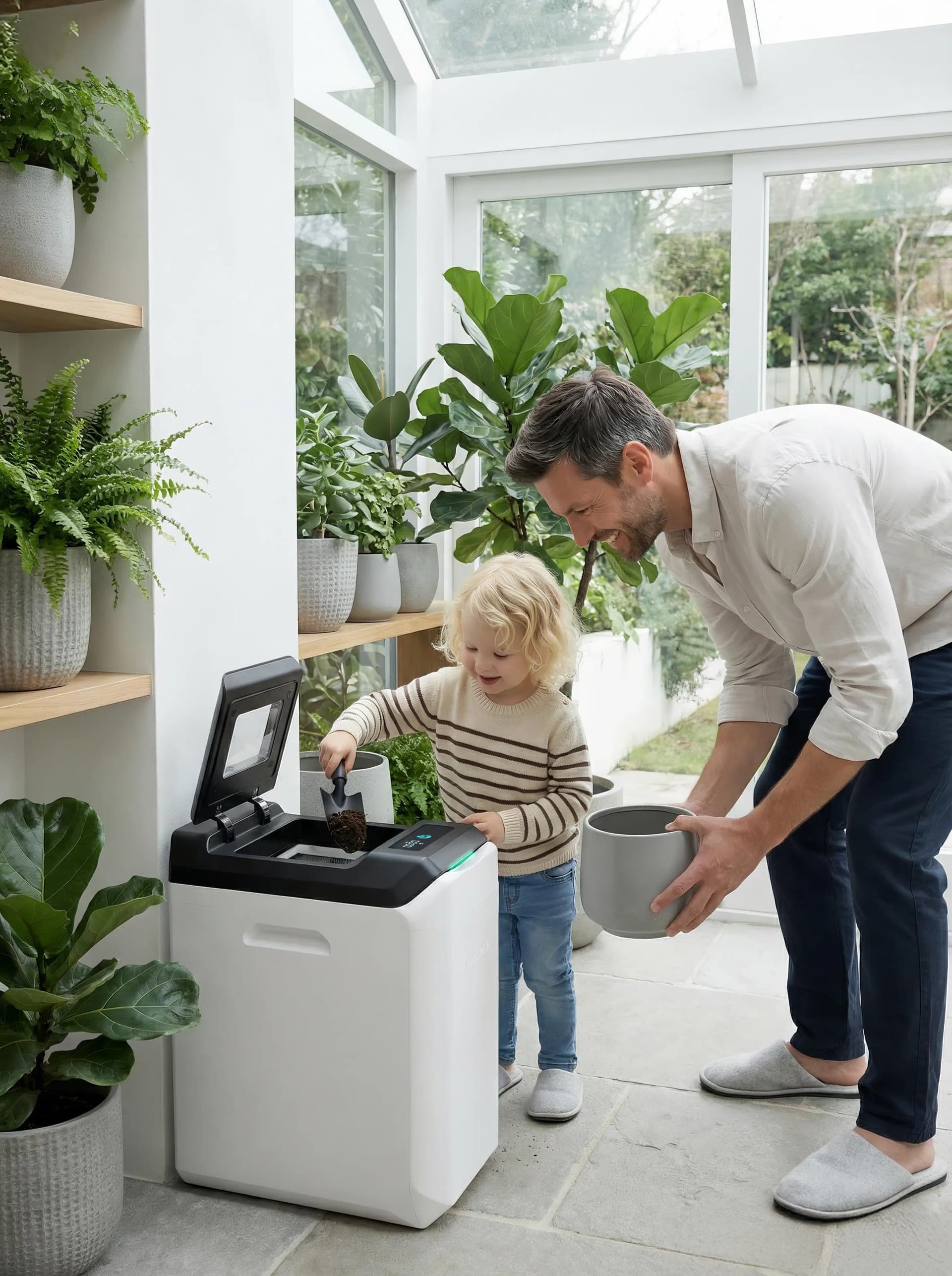
Real microbial composting for modern homes.
Make Compost Output for Soil Blending With GEME Terra II
GEME Terra II supports real microbial composting for appropriate kitchen scraps, with no drying, no replacement odor filters, and compost output designed for soil blending. Screen larger pieces, cure when needed, and mix with soil before plant use.
Real microbial composting. No filter replacements. Compost for soil blending.
Why Plants and Soil Benefit From Compost
Compost is valuable because it supports the soil system rather than only feeding plants directly. Its benefits are especially clear when it is used regularly and moderately over time.
1. Compost Adds Organic Matter
Organic matter helps soil hold together in useful aggregates, supports microbial activity, and improves how soil handles water and nutrients. Many tired garden soils benefit from gradual organic matter improvement.
2. Compost Contributes Nutrients Slowly
Compost can contain nitrogen, phosphorus, potassium, calcium, magnesium, and trace elements, but nutrient levels vary widely. It is best understood as a slow, broad soil amendment rather than a precise fertilizer.
3. Compost Improves Moisture Behavior
In sandy soil, compost can help increase water-holding capacity. In heavier soil, it can improve workability and root-zone conditions over time. This does not happen overnight, but repeated moderate use can make a visible difference.
4. Compost Supports Better Soil Structure
Good soil is not just a container for roots. It needs air spaces, moisture balance, microbial life, and a stable structure. Compost can help build that structure when blended with soil.
How Compost Helps Clay and Sandy Soil
Compost is useful because it can help both extremes: soil that holds too much water and soil that drains too quickly. The goal is not to turn soil into pure compost, but to improve the soil you already have.
Improving Clay Soil
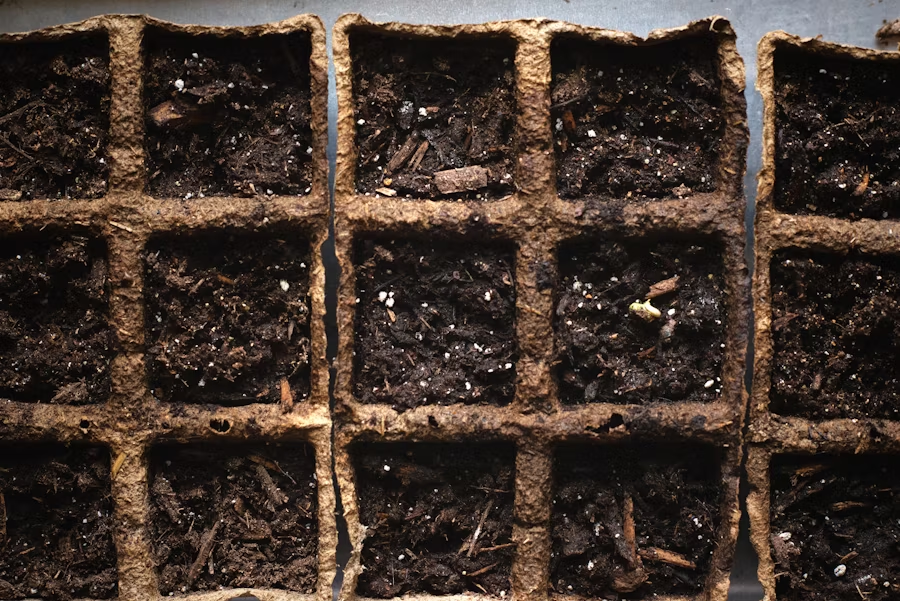
Clay soil can become dense, sticky, and poorly aerated. Mature compost can help improve aggregation and workability over time, making it easier for water, air, and roots to move through the soil.
Enhancing Sandy Soil
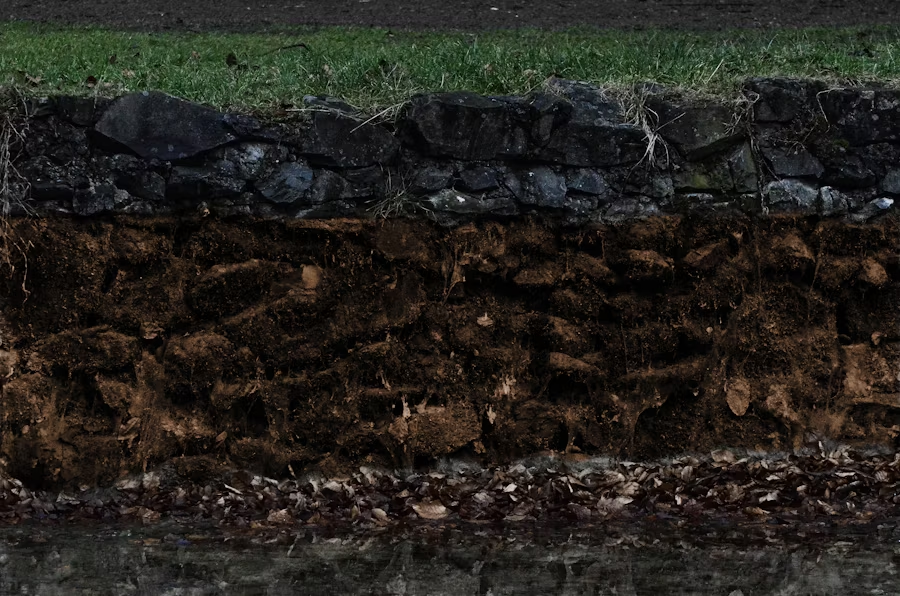
Sandy soil drains quickly and often struggles to hold nutrients. Compost adds organic matter that helps sandy soil retain more moisture and nutrients while still allowing drainage.
Compost and Soil pH Buffering
Compost can help buffer soil conditions, but it should not be treated as a guaranteed pH correction tool. Some composts are neutral, some are slightly alkaline, and some vary depending on feedstock and process.
For acid-loving plants such as blueberries, azaleas, and rhododendrons, a soil test is especially important. Compost may improve organic matter, but it may not provide the exact pH your plants need.
What to Expect From GEME Compost Output
GEME Terra II is designed for real microbial composting, not simple drying or dehydration. Its output is a moist compost base for soil blending. That means it should be treated as part of your soil-building routine, not as pure potting soil or instant fertilizer.
Texture
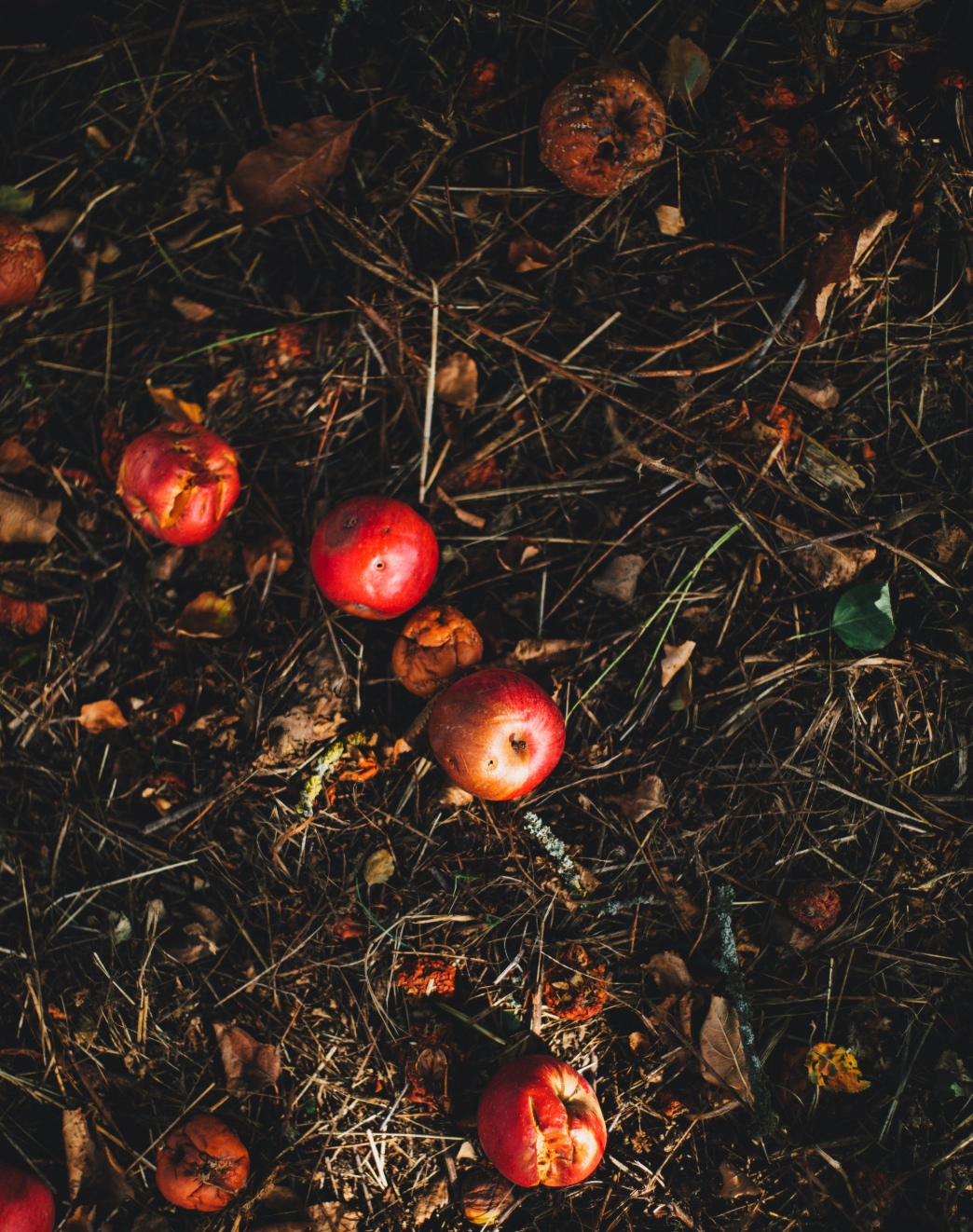
Moist, soil-like material. Screen large unfinished pieces and return them for further processing.
Smell
Mild, earthy odor is desirable. A strong sour or rotten smell means the material needs more balancing or curing.
Moisture
Moist but not soaking wet. Mix with dry soil or browns when needed before garden use.
Use
Blend with soil before plant use. Avoid using pure output directly around delicate seedlings.
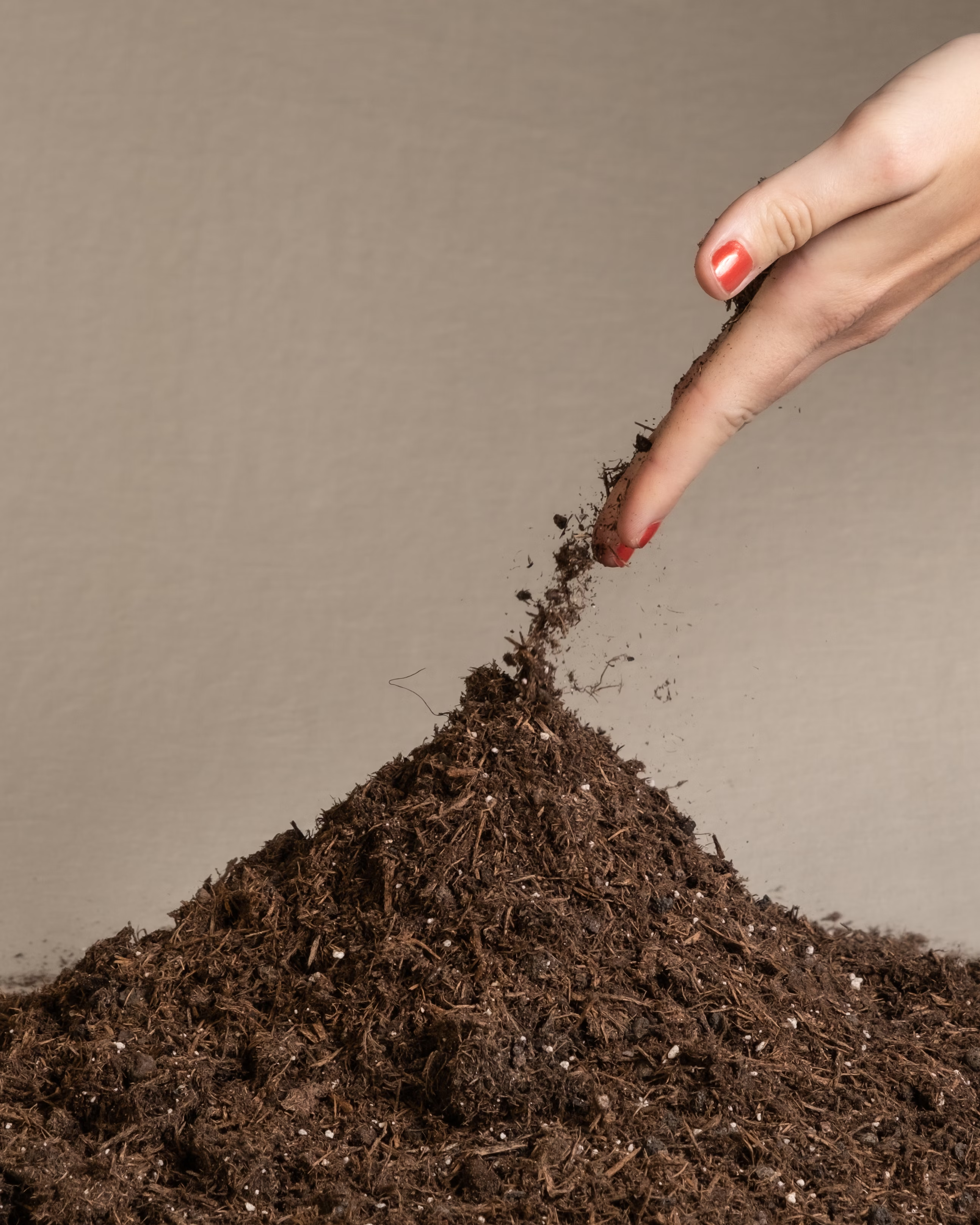
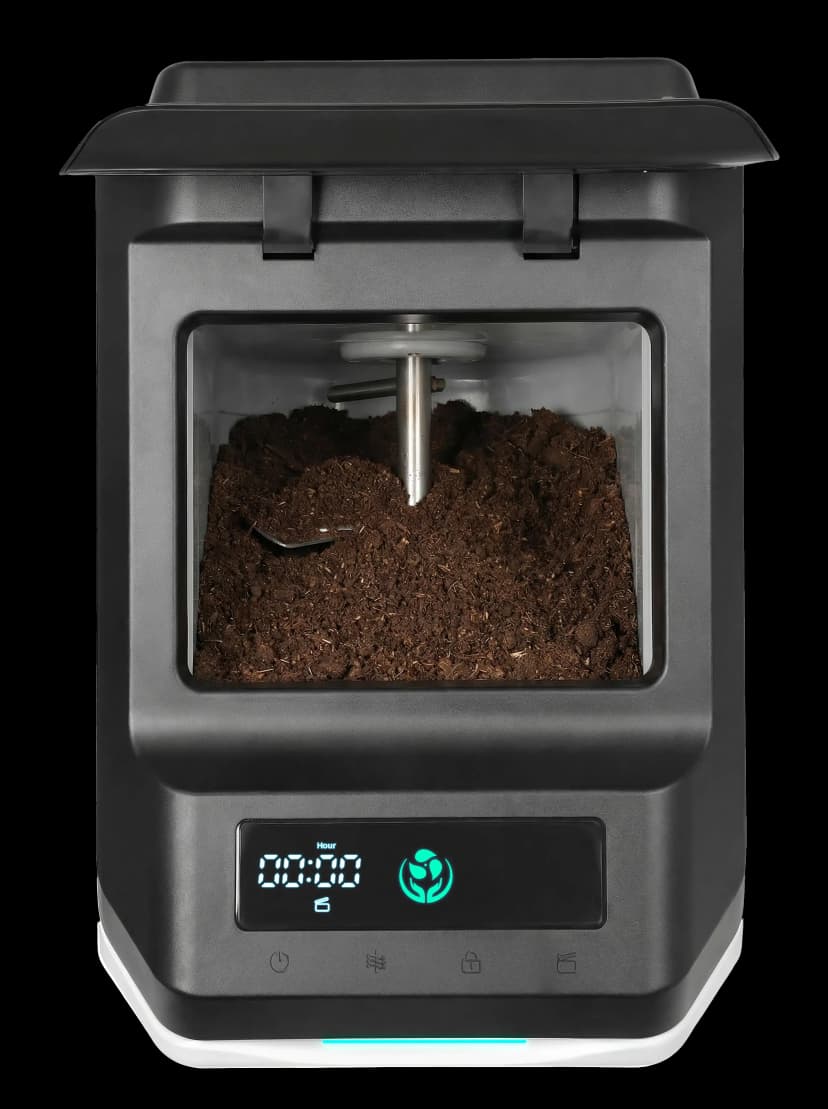
Screen, cure when needed, and mix with soil.
Build a Better Soil Routine From Your Kitchen
GEME Terra II helps households turn appropriate food scraps into compost through real microbial composting. Use it responsibly as part of a soil-building routine: screen, cure when needed, and blend with garden soil.
Terra II for everyday homes. GEME Pro for larger routines.
How to Use High-Quality Compost
The best way to use compost depends on whether you are improving garden beds, feeding containers, maintaining lawns, or supporting houseplants. Mature compost should be applied thoughtfully and moderately.
| Use Case | How to Use Compost | Important Caution |
|---|---|---|
| Vegetable garden beds | Mix mature compost into the topsoil layer before planting or use as a modest annual top-up. | Use soil testing for repeated or heavy applications. |
| Houseplants | Blend small amounts of mature compost with suitable potting mix. | Do not use pure compost as the full potting medium. |
| Raised beds | Use soil or raised-bed mix as the base and add compost as organic matter. | Avoid filling raised beds with only compost. |
| Lawn top dressing | Apply a very thin layer of screened compost. | Do not smother grass blades. |
| Mulch layer | Spread mature compost around plants as a surface layer. | Keep compost away from direct stem contact. |
Compost is powerful because it works with soil. For best results, combine compost with the right soil, proper watering, good drainage, sunlight, and plant-specific care.
Common Compost Mistakes to Avoid
- Using immature compost too early: hot, sour, or chunky compost needs more time.
- Planting directly in pure compost: most plants need soil structure or potting mix structure.
- Adding too much compost every year: over-application can create a nutrient imbalance.
- Ignoring soil tests: soil testing helps prevent overuse of compost, lime, or fertilizer.
- Applying compost against stems: keep compost away from direct stem or trunk contact.
- Using unscreened material: large unfinished pieces should go back into the composting process.
- Assuming all compost is the same: compost quality varies by feedstock, process, maturity, and storage.
High-quality compost is not just about having organic matter. It is about maturity, balance, stability, and responsible use.
Final Takeaway: Black Gold Works Best When Used With Soil
High-quality compost earns the nickname “black gold” because it improves the soil system that plants depend on. It adds organic matter, supports microbial activity, improves soil structure, and helps create better growing conditions over time.
The safest approach is simple: use mature compost, screen unfinished pieces, cure active material when needed, and blend compost with soil instead of using it as a full soil replacement.
With the right composting routine, your kitchen scraps can become part of a healthier garden cycle.
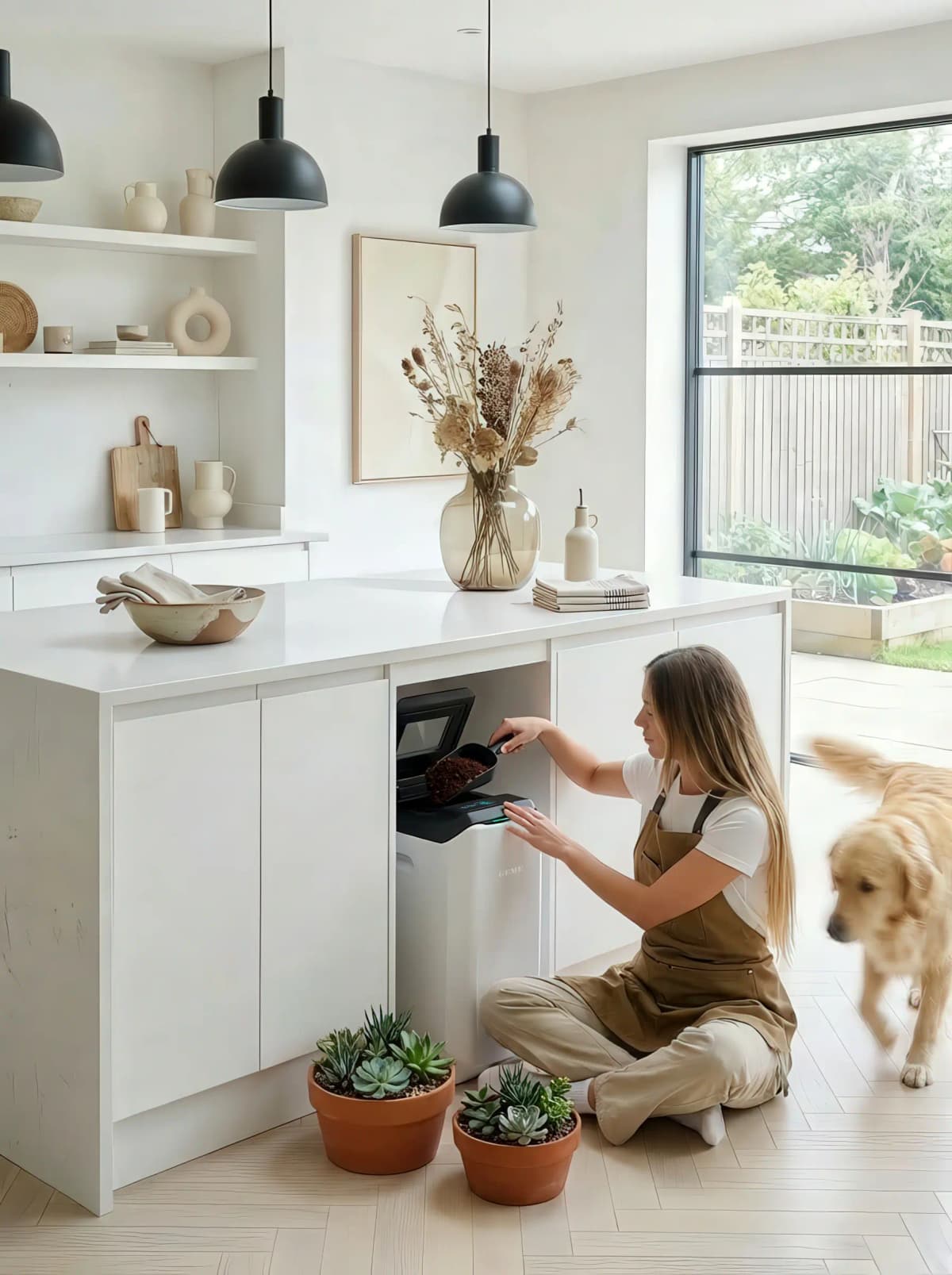
Real microbial composting for modern homes.
Start Your Black Gold Routine With GEME
GEME Terra II and GEME Pro help households turn appropriate food scraps into compost for soil blending, with real microbial composting, no filter replacements, and zero recurring filter costs.
Terra II for everyday homes. GEME Pro for larger routines.
Frequently Asked Questions
Why is compost called black gold?
Compost is called black gold because mature compost can improve soil structure, organic matter, water behavior, microbial activity, and long-term plant health.
What does high-quality compost look like?
High-quality compost is usually dark, crumbly, earthy-smelling, cool, and mostly free of recognizable food scraps. It should look more like soil than fresh organic waste.
Can compost replace garden soil?
Usually no. Compost is best used as a soil amendment. Garden soil provides mineral structure and root support, while compost improves that soil.
Is compost a fertilizer?
Compost can contribute nutrients, but it is better understood as a soil amendment. Nutrient levels vary, and some plants may still need fertilizer based on soil test results.
Can I use compost for houseplants?
Yes, but use it modestly and blend mature compost with a suitable potting mix. Do not fill houseplant pots with pure compost.
How do I know compost is mature?
Mature compost should be dark, crumbly, earthy-smelling, cool, and mostly uniform. If it smells bad, feels hot, or contains visible food scraps, let it cure longer.
Is GEME Terra II useful for making high-quality compost?
GEME Terra II supports real microbial composting for appropriate kitchen scraps. Its output should be screened and mixed with soil before plant use, following current product guidance.
Summary
- Black gold compost: mature compost that improves soil health over time.
- Good compost signs: dark color, crumbly texture, earthy smell, cool temperature, and few recognizable scraps.
- Main role: compost is a soil amendment, not a complete soil replacement.
- Soil benefits: compost improves organic matter, soil structure, moisture behavior, and microbial activity.
- Clay soil: compost can improve workability and aeration over time.
- Sandy soil: compost can help hold moisture and nutrients better.
- Use carefully: screen unfinished pieces, cure active material, and avoid over-application.
- GEME Terra II: supports real microbial composting for appropriate kitchen scraps, with no filter replacements and compost output for soil blending.
Sources
- University of Minnesota Extension — Why You Should Test Your Compost
- U.S. EPA — Composting at Home
- U.S. EPA — Composting
- Oregon State University Extension — How to Use Compost in Gardens and Landscapes
- University of Minnesota Extension — Correct Too Much Compost and Manure
- GEME — Terra II Product Page
- GEME — How Real Microbial Composting Works
- GEME — Advanced Compost Application Guide

Dejar un comentario
Este sitio está protegido por hCaptcha y se aplican la Política de privacidad de hCaptcha y los Términos del servicio.