
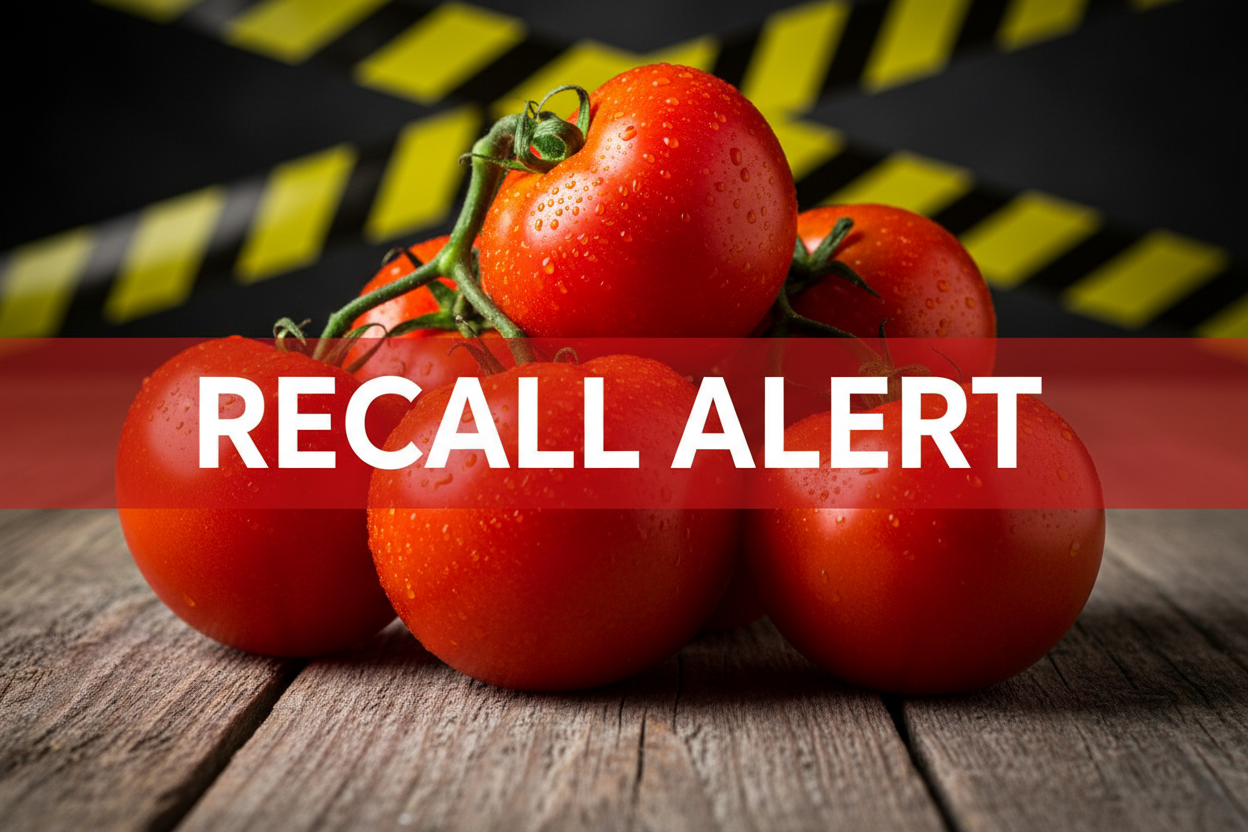
Tomato Safety, Latest Recall Check & Home Growing Guide
Tomatoes are usually safe to eat when they are not part of a recall or outbreak, are washed properly, and are stored and handled safely. But the phrase “safe now” should never depend on an old article alone.
The safest answer is to check the latest FDA recalls, CDC foodborne outbreak reports, and local public health notices before treating any current produce concern as settled.
Simple rule: use current recall data for current safety, and use home growing as a way to gain more control — not as a promise of absolute zero risk.
FDA recalls and CDC outbreak reports matter more than stale safety claims.
Quick Answer
Tomatoes are generally safe to eat when they are not under recall, not linked to an active outbreak, and are washed, stored, and handled properly. The current safety question should be answered by checking the latest FDA recall page and CDC foodborne outbreak updates, not by relying on an old recall headline.
A past tomato recall is useful as a reminder that produce safety risks can happen, but it should not be presented as the current tomato situation unless the FDA, CDC, or local authorities say so now.
Growing tomatoes at home can reduce some supply-chain uncertainty and give you more control over soil, water, and handling. It does not remove all food safety risks. You should still wash tomatoes under running water, avoid damaged or rotten produce for eating, store cut tomatoes safely, and keep gardening tools and kitchen surfaces clean.
Related reading: FDA tomato recall background, produce recall safety lessons, and what can go into an electric composter.
Key Takeaways
- Use live sources for current safety. Check FDA recalls and CDC outbreak reports before treating any tomato safety concern as current.
- Do not freeze old recall news into the present. A 2025 tomato recall can be a historical example, but it should not be written as today’s active risk unless current reports confirm it.
- Tomatoes are not on the 2026 EWG Dirty Dozen list. The older claim that tomatoes consistently rank high should be removed or softened.
- Washing helps, but it has limits. Rinse tomatoes under running water; do not use soap or bleach, and remember that washing reduces but does not eliminate bacteria.
- Cut tomatoes need temperature control. Once washed and cut, tomatoes should be refrigerated and handled as a food-safety item.
- Homegrown is more controlled, not automatically risk-free. Soil, water, compost, tools, pests, and kitchen handling still matter.
- Compost normal spoiled tomatoes only. Do not compost recalled, flood-contaminated, chemically contaminated, or suspicious produce for garden use.
- GEME output should be used as a compost base. Screen, blend with soil, and avoid treating output as instant fertilizer or guaranteed finished compost.
Table of Contents
1. Latest Safety Check: Use Current FDA and CDC Reports
When people ask “Are tomatoes safe to eat now?” they usually want a current answer. That means the article should not depend on an old recall headline as if it were still active. Food safety changes by date, supplier, lot, state, and outbreak investigation.
The safest current method is to check three things:
- FDA recalls, market withdrawals, and safety alerts for current tomato or produce recalls.
- CDC current foodborne outbreak updates for active multistate investigations.
- Local and state health department notices for regional produce advisories.
Current-source rule:
If the article says “now,” the source must also be current. Use live FDA and CDC pages for current safety, and keep older recall stories clearly labeled as historical examples.
2. Are Tomatoes Safe to Eat Now?
In normal conditions, tomatoes can be part of a safe, healthy diet. The real question is whether the tomatoes in your kitchen are affected by a current recall, outbreak notice, unsafe handling, flood exposure, spoilage, or temperature abuse.
Do not judge tomatoes by appearance alone. A tomato can look fine and still be mishandled. A recalled product can look fresh. A homegrown tomato can still be contaminated by unsafe water, dirty tools, animal waste, or poor kitchen handling.
| Situation | Safe Direction | Why |
|---|---|---|
| No recall, fresh, intact, properly handled | Wash under running water before eating, cutting, or cooking. | Basic produce handling reduces surface dirt and some bacteria. |
| Product is under recall | Do not eat. Follow FDA, company, or local disposal instructions. | Washing does not reliably make recalled produce safe. |
| Tomato is rotten, leaking, moldy, or badly bruised | Do not eat. Discard or compost only if it is ordinary household spoilage and not recall- or flood-related. | Spoilage can involve microbial growth and quality breakdown. |
| Tomato touched floodwater or sewage-contaminated water | Do not eat and do not home-compost for edible garden use. | Floodwater may carry pathogens, chemicals, fuel, or sewage. |
| Cut tomatoes left out too long | Use time and temperature rules; discard when safety is uncertain. | Cut tomatoes require time and temperature control. |
3. How to Check Current Tomato and Produce Recalls
Produce recall status can change quickly. A tomato recall may affect one brand, packer, size, lot code, state, date range, or distribution channel, not every tomato in the market.
What to Search Before Eating or Serving
- Brand name or farm name.
- Product description, such as whole tomatoes, grape tomatoes, cherry tomatoes, or packaged tomato products.
- Lot code, UPC, packed-on date, sell-by date, or distribution date.
- State or store where purchased.
- FDA recall listing and CDC outbreak notice status.
What Not to Do
- Do not assume all tomatoes are unsafe because of one historical recall.
- Do not assume your tomatoes are safe if they match a recalled product description.
- Do not wash or eat recalled produce unless the recall notice specifically says it is safe to do so.
- Do not compost recalled produce for edible garden use when contamination is suspected.
4. EWG 2026 Dirty Dozen Update: Do Not Overstate the Tomato Claim
Older tomato articles often say tomatoes are high on the Dirty Dozen list. That sentence should be updated. The 2026 EWG Dirty Dozen list includes spinach, kale/collard/mustard greens, strawberries, grapes, nectarines, peaches, cherries, apples, blackberries, pears, potatoes, and blueberries. Tomatoes are not listed in the 2026 top 12.
That does not mean pesticide concerns never exist for tomatoes. It means this article should avoid outdated ranking claims and use current sources carefully.
Safer Wording
Instead of saying “tomatoes consistently rank high on Dirty Dozen,” say: “Pesticide and produce-safety concerns vary by year, crop, source, and testing data. Check the latest EWG guide, FDA recalls, and CDC outbreak updates before making a current safety judgment.”
5. How to Wash and Store Tomatoes Safely
Tomato safety depends heavily on handling. Washing helps reduce dirt and some surface bacteria, but it does not eliminate all risk, and it does not make recalled or contaminated produce safe.
Safe Washing Steps
- Wash your hands before handling tomatoes.
- Rinse whole tomatoes under clean running water before cutting or eating.
- Do not use soap, bleach, sanitizer, detergent, or commercial produce wash.
- Cut away small bruised or damaged areas only when the rest of the tomato is sound.
- Throw away tomatoes that look rotten, leak fluid, smell off, or are badly damaged.
- Use clean cutting boards, knives, counters, and storage containers.
- Keep tomatoes away from raw meat, poultry, seafood, and their juices.
Cut Tomato Storage
Once tomatoes are washed and cut, treat them as food that needs temperature control. Keep cut tomatoes refrigerated and discard them when time, temperature, or contamination history is uncertain.
6. How to Grow Tomatoes at Home
Growing tomatoes at home can give you more control over soil, compost, water, pest management, harvest timing, and kitchen handling. It can also make tomatoes taste better because you can harvest them closer to peak ripeness.
But “homegrown” does not automatically mean risk-free. Safe growing still requires clean water, clean tools, good soil practices, careful compost use, and proper washing before eating.
Step-by-Step Tomato Growing Guide
- Choose the right variety. Cherry and grape tomatoes are often easier in containers; larger slicers need more support and root space.
- Use a large container or sunny bed. Most tomatoes need strong sun and good drainage.
- Prepare soil with compost. Compost improves soil structure and supports nutrient cycling, but it should not replace all potting mix.
- Plant seedlings deep. Bury part of the stem to encourage root development.
- Water consistently. Avoid repeated drying and flooding cycles that stress plants.
- Support the plant. Use stakes, cages, or trellises to keep fruit off the ground.
- Prune for airflow. Better airflow can reduce disease pressure.
- Harvest gently. Use clean hands or tools and avoid bruising ripe fruit.
- Wash before eating. Even homegrown tomatoes should be rinsed under running water.
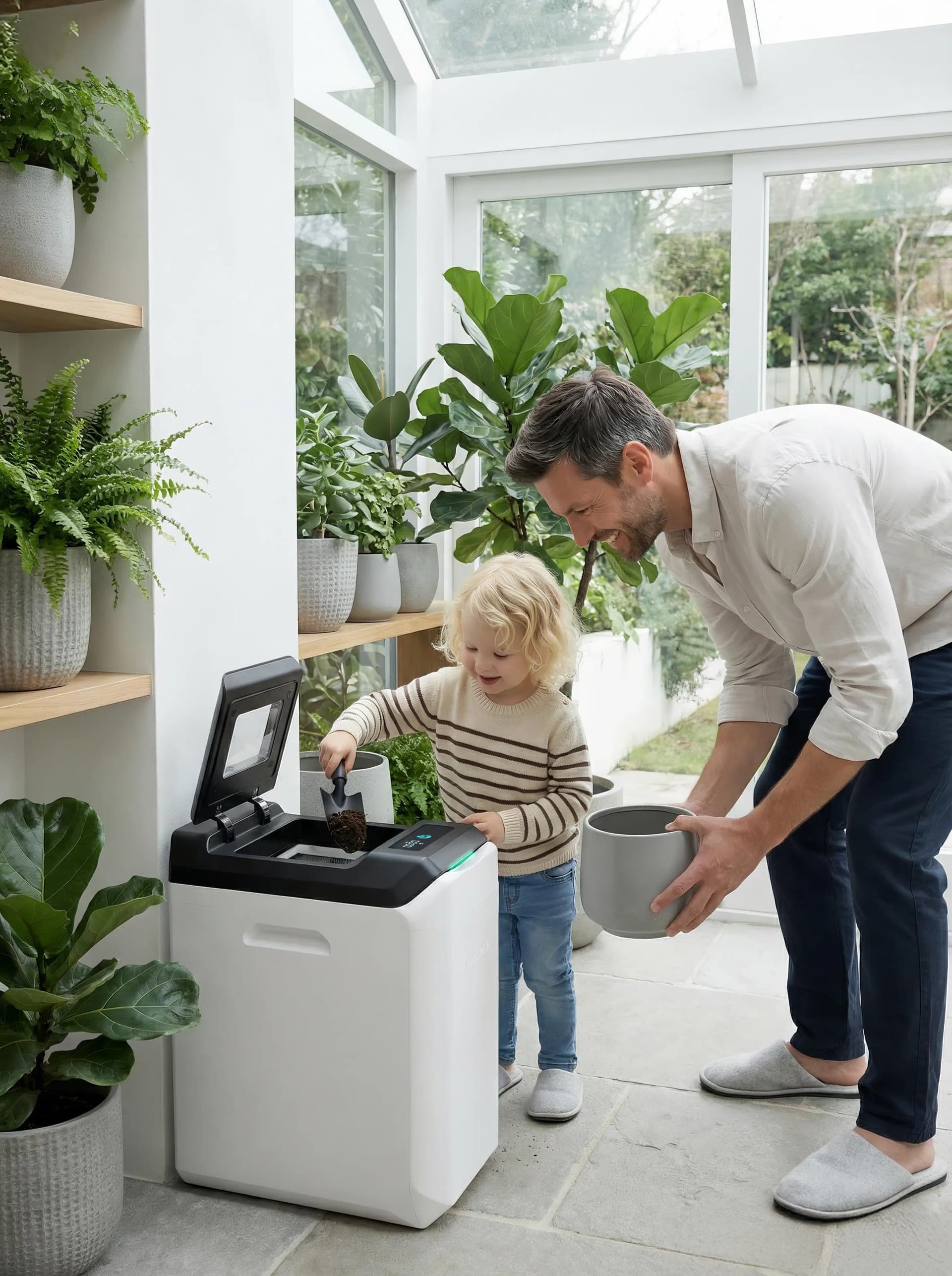
Use suitable, uncontaminated kitchen scraps, not recalled or unsafe produce.
Build a Better Tomato-Growing Routine With GEME Terra II
GEME Terra II helps households turn suitable, uncontaminated kitchen scraps into a moist compost base for soil blending. For tomato gardening, compost is part of soil care, not a shortcut around recall, flood, or contamination safety rules.
Screen, blend with soil, and use compost base responsibly.
7. Compost for Tomato Plants: What It Can and Cannot Do
Compost can improve soil structure, support microbial habitat, help moisture behavior, and contribute nutrients over time. For tomatoes, it can be a valuable part of soil preparation and top dressing.
Compost should not be treated as a complete replacement for all fertility planning. Tomato plants are heavy feeders, and container-grown tomatoes may need additional nutrition depending on soil, watering, plant size, fruit load, and growing season.
| Compost Use | Good Practice | Avoid |
|---|---|---|
| Soil preparation | Blend compost into soil before planting. | Using pure compost as the only growing medium. |
| Container tomatoes | Use a balanced potting mix with a modest compost addition. | Overloading small pots with rich organic material. |
| Top dressing | Apply a thin layer around the plant and water it in. | Piling wet compost against the stem. |
| GEME output | Screen larger pieces and mix compost base with soil. | Treating output as instant fertilizer or guaranteed finished compost. |
8. Can You Compost Spoiled or Rotten Tomatoes?
Ordinary spoiled tomatoes can often be composted if they are not recalled, not flood-contaminated, not chemically contaminated, and not being discarded because of a known foodborne outbreak warning. Cut them into smaller pieces, balance wet inputs with drier material when needed, and avoid adding excessive liquid.
For GEME, the safer claim is this: GEME can process suitable kitchen scraps and produce compost base for soil blending. It should not be described as a device that makes unsafe recalled food safe, sterilizes contamination, or produces fully matured garden-ready compost in every short cycle.
Do Not Compost These for Edible Garden Use
- Recalled tomatoes when the notice says to discard or return them.
- Tomatoes linked to an active outbreak investigation.
- Produce touched by floodwater, sewage, fuel, or chemicals.
- Produce with unknown contamination history.
- Garden plants with severe disease, as the disease could spread through plant residue.
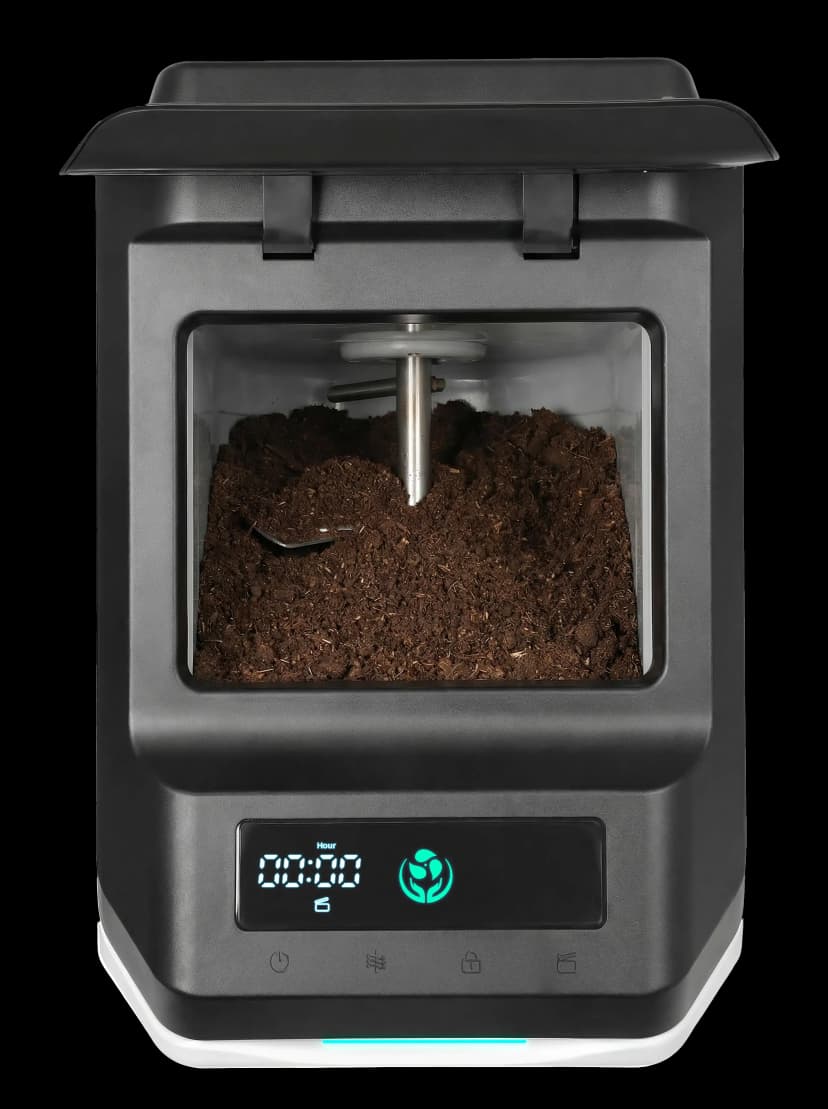
Compost normal scraps, not unsafe recall waste.
Compost Kitchen Scraps Without Confusing Safety Boundaries
GEME Terra II and GEME Pro help households compost suitable, uncontaminated kitchen scraps. Use the output as a compost base for soil blending, and keep recalled or contaminated produce out of home compost intended for edible gardens.
Normal scraps belong in the compost. Recalled or contaminated produce belongs in the disposal guidance.
FAQs: Tomatoes and Gardening Safety Tips
Are tomatoes safe to eat now?
Tomatoes are usually safe when they are not under recall, not linked to an outbreak, and are handled properly. For a current answer, check the latest FDA recall page, CDC outbreak updates, and local public health notices.
Are tomatoes currently on the 2026 Dirty Dozen list?
Tomatoes are not listed in the 2026 EWG Dirty Dozen top 12. Because rankings change by year and dataset, avoid using old Dirty Dozen claims without checking the latest list.
How should I wash tomatoes?
Wash whole tomatoes under running water before eating, cutting, or cooking. Do not use soap, bleach, detergent, sanitizer, or commercial produce wash.
Can washing make recalled tomatoes safe?
No. Washing helps reduce some surface contamination, but it does not make recalled produce safe. Follow the recall notice.
Is homegrown tomato safer than store-bought tomato?
Homegrown tomatoes can give you more control over soil, water, compost, and handling, but they are not automatically risk-free. You still need clean water, clean tools, safe compost practices, and proper washing.
What compost is best for tomatoes?
Use mature or well-managed compost as part of a balanced soil mix. For GEME output, screen larger pieces and blend the compost base with soil rather than using it as pure potting soil.
Can I compost spoiled tomatoes?
Ordinary spoiled tomatoes can usually be composted if they are not recalled, not flood-contaminated, and not chemically contaminated. Do not compost recalled or outbreak-linked tomatoes for edible garden use.
How long does it take to grow tomatoes?
Many tomato varieties take roughly 60 to 85 days from transplant to harvest, though timing depends on variety, climate, container size, sunlight, and care.
Can I grow tomatoes in pots?
Yes. Choose compact or patio-friendly varieties, use a large container with drainage, provide strong sunlight, and support the plant with a cage or stake.
Do I need to rotate crops if growing tomatoes every year?
Crop rotation is helpful because tomatoes are prone to soilborne diseases. Avoid planting tomatoes in the same soil year after year when possible.
Summary
- “Are tomatoes safe now?” requires current sources. Check FDA recalls, CDC outbreak updates, and local public health notices.
- Old recalls should be historical examples. Do not write them as current risk unless current reports confirm it.
- The 2026 Dirty Dozen claim changed. Tomatoes are not in the 2026 EWG Dirty Dozen top 12, so older “rank high” wording should be removed.
- Washing matters. Rinse tomatoes under running water, but do not use soap or bleach.
- Washing has limits. It reduces some bacteria but does not eliminate all risk or make recalled produce safe.
- Homegrown tomatoes give more control. They are not automatically risk-free.
- Compost supports tomato soil. Use compost as a soil amendment, not as a complete substitute for all plant nutrition.
- Compost spoiled tomatoes carefully. Normal household spoilage can be composted, but recalled, flood-contaminated, or chemically contaminated produce should not enter edible-garden compost.
- Best takeaway: use current reports for safety, and use compost and home growing for better long-term control.
Sources
- FDA — Current Recalls, Market Withdrawals & Safety Alerts
- CDC — Current Foodborne Outbreaks
- FDA — Selecting and Serving Produce Safely
- FDA — Storage and Handling of Tomatoes
- CDC — Preventing Food Poisoning
- FDA — Cyclospora and Fresh Produce
- EWG — 2026 Dirty Dozen
- GEME — Terra II Product Page
- GEME — How Real Microbial Composting Works
- GEME — FAQ
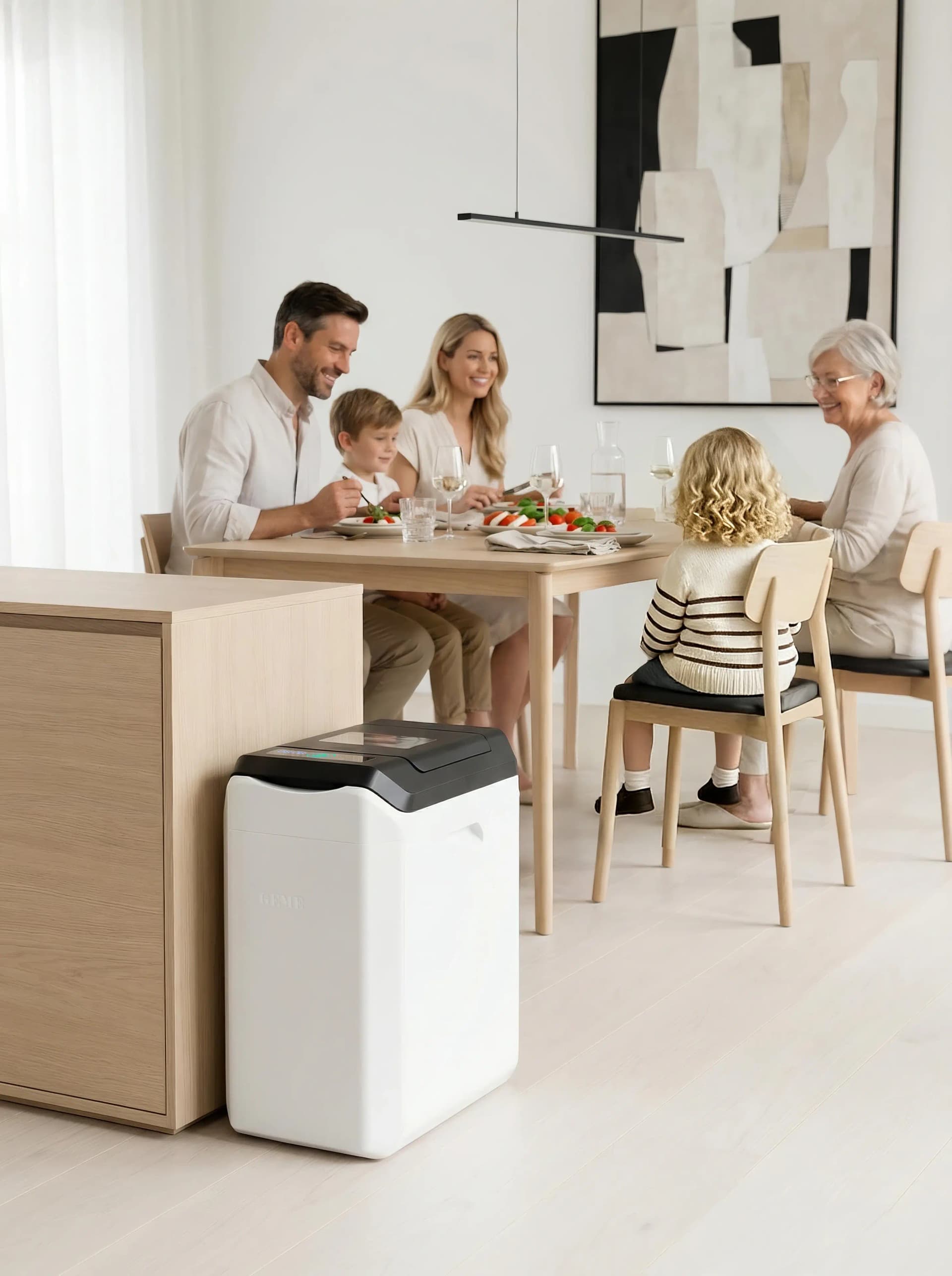
Current safety checks first. Compost and gardening habits second.
Turn Everyday Kitchen Scraps Into a Better Soil Routine
GEME Terra II and GEME Pro help households compost suitable, uncontaminated kitchen scraps and create a compost base for soil blending. For tomato growing, the best routine is simple: check food safety, grow carefully, compost responsibly, and keep unsafe produce out of edible-garden compost.
Compost ordinary scraps. Follow recall guidance. Grow with care.

Laat een reactie achter
Deze site wordt beschermd door hCaptcha en het privacybeleid en de servicevoorwaarden van hCaptcha zijn van toepassing.