
Leftover Food Safety Guide
Leftovers can become unsafe before they smell bad. The biggest mistake people make is assuming food is safe because it looks normal, smells normal, or has been reheated until hot.
That is not always true. Some bacteria linked to leftover food poisoning can grow when food is left too long at room temperature, and some toxins may not be reliably removed by normal reheating.
Food safety first. Compost only what is no longer safe to eat and appropriate for composting.

Store quickly, reheat properly, discard when unsure.
Quick Answer
Cooked rice, pasta, meat, dairy dishes, soups, casseroles, and other perishable leftovers should be refrigerated quickly. A practical home rule is to refrigerate perishable food within two hours, or within one hour when the surrounding temperature is above 90°F / 32°C.
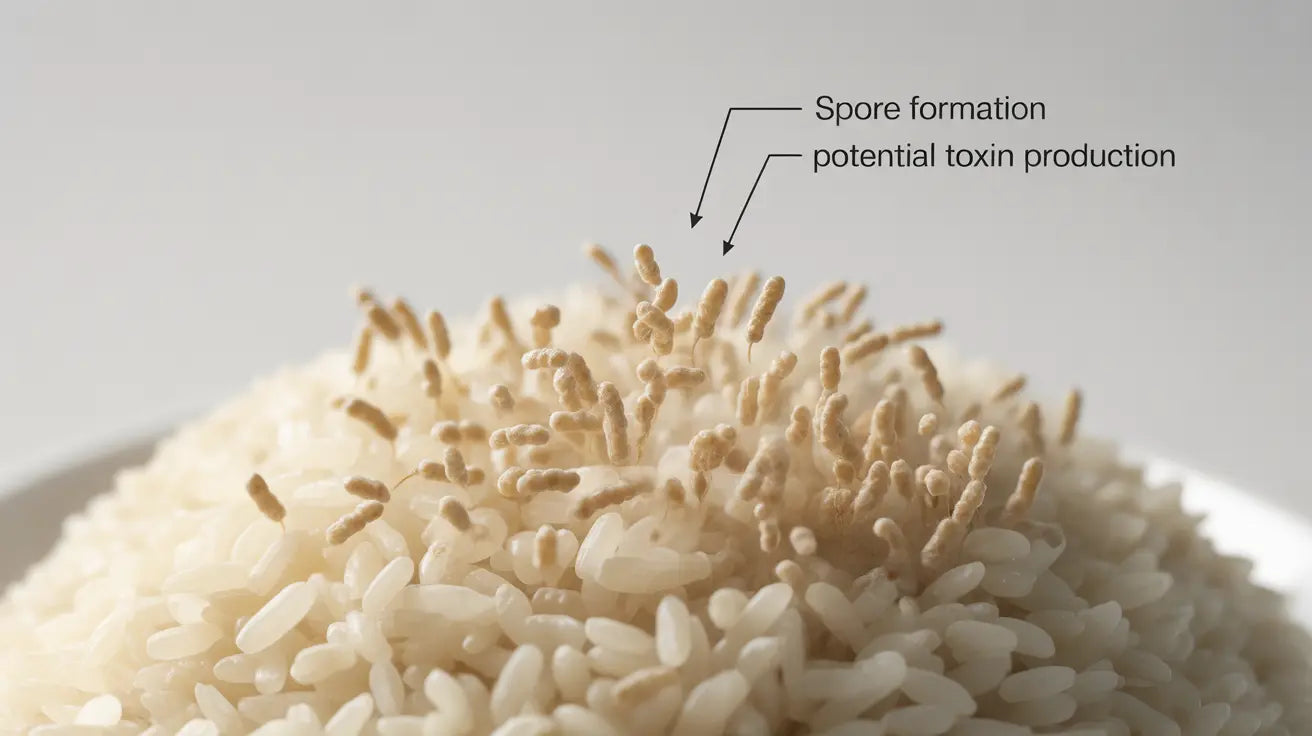
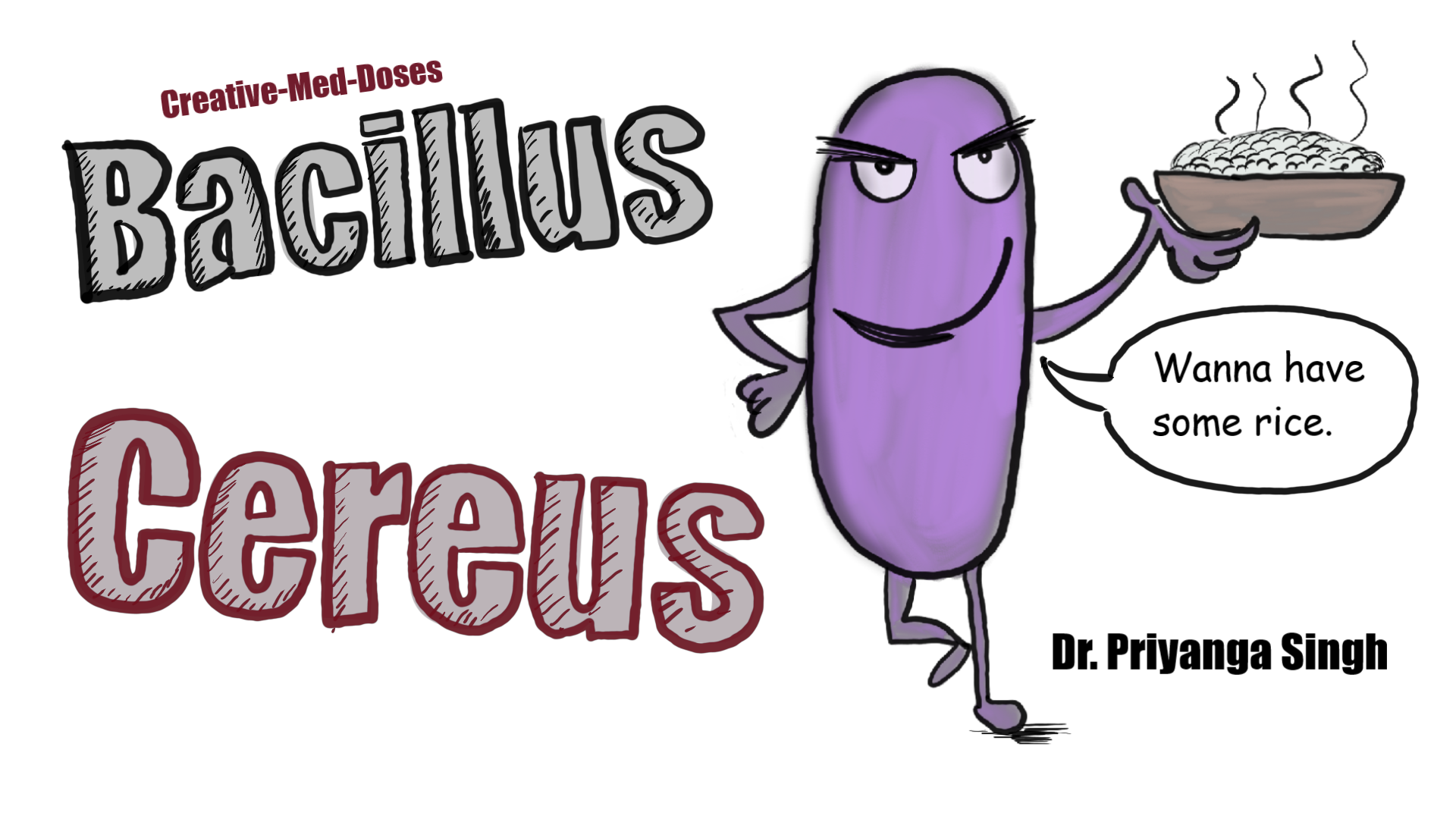
Fried Rice Syndrome is commonly associated with Bacillus cereus, a bacterium whose spores can survive cooking. If cooked rice or pasta sits too long at room temperature, bacteria can multiply and produce toxins. Reheating may kill bacteria, but it may not reliably remove toxins that have already formed.
For related context, read how to reduce food waste at home, what can go into an electric composter, and how to use GEME compost safely.
Food Safety Note
This guide is for general food-safety education. It does not replace medical advice or official local food-safety guidance.
Seek medical advice promptly if symptoms are severe, persistent, bloody, associated with dehydration, or occur in infants, older adults, pregnant people, or immunocompromised individuals.
Key Takeaways
- Do not trust smell alone. Dangerous bacteria or toxins may not change food’s appearance, smell, or taste.
- Cooked rice and pasta need extra care. They are commonly linked to Bacillus cereus when left out too long.
- The danger zone matters. Bacteria grow more easily between 40°F and 140°F / 4°C and 60°C.
- Cool leftovers quickly. Use shallow containers and refrigerate promptly.
- Most cooked leftovers should be used within 3–4 days. Freeze them sooner if you will not eat them in time.
- Reheat to 165°F / 74°C. Stir microwaved food and let it stand to reduce cold spots.
- When in doubt, throw it out. Compost appropriate organic food waste only when it is no longer safe to eat and suitable for your composting method.
Table of Contents
- What Is Fried Rice Syndrome?
- How Long Can Rice Be Left Out?
- Why Reheating Will Not Always Save Unsafe Leftovers
- High-Risk Leftovers
- Safe Leftover Storage
- Safe Reheating Guidelines
- When to Throw Leftovers Away
- Composting Spoiled Leftovers Responsibly
- A Simple Leftover Safety Routine
- FAQ
- Sources
- Related Articles
What Is Fried Rice Syndrome?
“Fried Rice Syndrome” is the common name for food poisoning associated with Bacillus cereus. It is often linked to cooked rice, pasta, noodles, and other starchy foods that were cooked, left out too long, and eaten later.
The key risk is that Bacillus cereus spores can survive cooking. When cooked rice or pasta is held at room temperature, those spores can germinate, multiply, and produce toxins.
Two Types of Bacillus cereus Food Poisoning
- Emetic type: often causes nausea and vomiting within a shorter window after eating contaminated food. It is commonly associated with rice and pasta.
- Diarrheal type: often causes diarrhea and abdominal cramps later. It can be associated with meat, vegetables, sauces, and mixed dishes.
The emetic toxin is especially concerning because it is heat-stable. That means reheating rice may kill some active bacterial cells, but it may not reliably remove toxins that have already formed.
Simple rule: the safest protection is not reheating old rice. It is cooling and refrigerating rice quickly before bacteria have time to multiply and produce toxin.
How Long Can Rice Be Left Out?
A practical home-safety rule is to refrigerate cooked rice and other perishable leftovers within two hours. If the surrounding temperature is above 90°F / 32°C, refrigerate within one hour.
The Danger Zone
Bacteria grow more easily between 40°F and 140°F / 4°C and 60°C. This range is commonly called the Danger Zone.
When cooked food stays in this range for too long, bacteria can multiply quickly. For rice and pasta, this can allow Bacillus cereus spores to become active and produce toxins.
A Practical 2-Hour / 4-Hour Decision Rule
| Time at Room Temperature | Safer Action |
|---|---|
| Less than 2 hours | Eat now or refrigerate promptly in a shallow container. |
| 2 to 4 hours | Higher risk. In many food-safety systems, this food should be eaten immediately rather than refrigerated for later. For cautious home use, discard high-risk foods such as rice when uncertain. |
| More than 4 hours | Discard. Do not refrigerate for later, and do not rely on reheating. |
| Hot room above 90°F / 32°C | Use a one-hour limit for perishable food. |
For home kitchens, the safest habit is simple: cool leftovers quickly, refrigerate them promptly, and do not leave cooked rice sitting out.
Why Reheating Will Not Always Save Unsafe Leftovers
Many people believe that if leftovers are reheated until hot, they are safe. That is not always true.
Reheating can reduce many active bacteria when done properly, but some bacteria can produce toxins before reheating. Once toxin has formed, normal reheating may not reliably remove the risk.
Heat-Stable Toxins
The emetic toxin linked to Bacillus cereus can be heat-stable. That is why old rice or pasta that has sat out too long should not be “rescued” by reheating.
The real protection happens before reheating: rapid cooling, correct storage, and discarding food that has been held too long at unsafe temperatures.
High-Risk Leftovers
Not all leftovers carry the same risk. These categories deserve extra care.
1. Rice and Pasta
Rice and pasta are classic Bacillus cereus risk foods. Spores can survive cooking, and unsafe storage can allow bacteria to grow and toxins to form.
Best practice: cool quickly, refrigerate promptly, and eat within a shorter window when possible.
2. Cooked Poultry and Meat
Cooked chicken, turkey, ground meat, and mixed meat dishes can support bacterial growth if stored improperly.
Best practice: refrigerate quickly and reheat to 165°F / 74°C before eating.
3. Dairy-Based Dishes
Cream soups, dairy sauces, casseroles, and dairy-heavy dishes can become risky if held too long at room temperature.
Best practice: avoid leaving dairy-based dishes out, and discard them if storage time is uncertain.
4. Potatoes
Baked potatoes wrapped in foil and left at room temperature can create low-oxygen conditions that increase food-safety risk.
Best practice: remove foil before storage and refrigerate promptly.
5. Pre-Cut Fruits and Prepared Salads
Pre-cut fruit, packaged salads, deli salads, and prepared chilled meals need careful refrigeration. Certain groups, including pregnant people, older adults, newborns, and immunocompromised individuals, should be especially cautious with ready-to-eat chilled foods.
Best practice: keep cold foods cold, follow label dates, and discard when in doubt.
Leftover Shelf Life Table
| Food Type | Refrigerator Shelf Life | Special Notes |
|---|---|---|
| Rice and pasta | Use quickly; 1–2 days is a cautious target for rice-risk management | Higher Bacillus cereus concern if left out too long |
| Cooked poultry and meat | 3–4 days | Reheat to 165°F / 74°C |
| Soups, stews, casseroles | 3–4 days | Cool in shallow containers |
| Dairy-based dishes | Use sooner when possible; discard if time or temperature is uncertain | Do not leave at room temperature |
| Pizza | 3–4 days | Do not leave on the counter overnight |
| Prepared salads | Follow the label date; use quickly once opened | Keep cold; higher concern for vulnerable groups |
The Science of Safe Leftover Storage
The Two-Hour Rule
Refrigerate perishable leftovers within two hours of cooking. If the room temperature is above 90°F / 32°C, refrigerate within one hour.
Cool Rapidly
Do not put a large hot pot into the refrigerator and expect it to cool quickly. Divide soups, stews, rice, pasta, and casseroles into shallow containers so they cool faster.
Use Clean, Airtight Containers
Store leftovers in clean, covered, airtight containers. This helps reduce contamination risk, protect quality, and make refrigerator organization easier.
Label Everything
Write the date on containers before refrigerating. This avoids guessing and helps you follow safe storage windows.
Keep the Refrigerator Cold
Keep the refrigerator at 40°F / 4°C or below. Use an appliance thermometer if possible.
Follow the 3–4 Day Rule
Most cooked leftovers should be eaten within 3 to 4 days when stored properly in the refrigerator. After that, discard them unless they were frozen earlier.
Freeze for Longer Storage
If you will not eat leftovers within 3 to 4 days, freeze them. Frozen food remains safe for longer, though quality can decline over time.
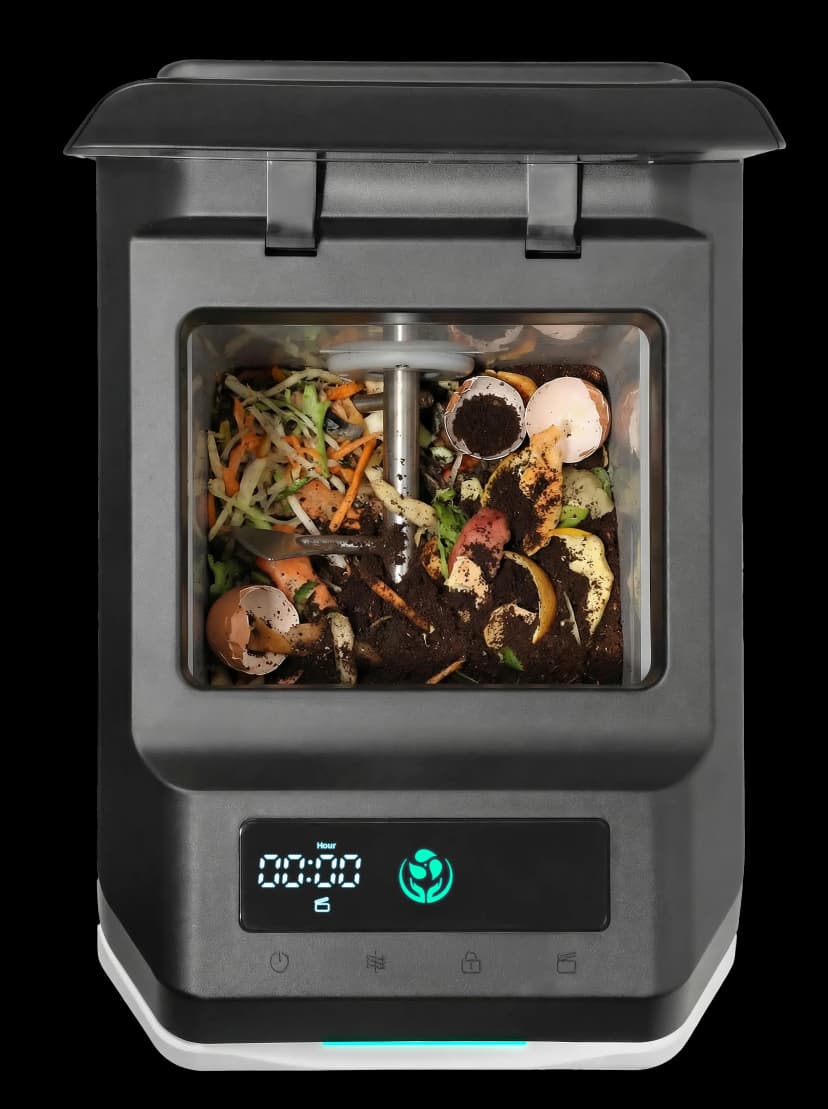
Food safety first, composting second.
When Food Is No Longer Safe, Keep Organic Waste Out of the Trash Pathway
GEME Terra II supports real microbial composting for appropriate organic food waste, with no filter replacements and compost output for soil blending.
Discard unsafe food responsibly. Compost only appropriate organic material.
Safe Reheating Guidelines
Reheat to 165°F / 74°C
Reheat leftovers to an internal temperature of at least 165°F / 74°C. Use a food thermometer rather than guessing.
Heat Evenly
Microwaves can leave cold spots. Stir food halfway through reheating, rotate if possible, cover the food, and let it stand briefly before checking temperature.
Reheat Only What You Will Eat
Each cooling and reheating cycle creates another chance for bacteria to grow if food is mishandled. Reheat only the portion you plan to eat.
Use the Stovetop for Soups and Sauces
Soups, sauces, gravies, and stews should be reheated thoroughly until hot throughout, then served immediately.
When to Throw Leftovers Away
Do not rely only on smell, appearance, or taste. Harmful bacteria and toxins may not change how food looks.
Discard Leftovers Immediately If:
- They were left at room temperature for more than two hours.
- They were left in hot conditions above 90°F / 32°C for more than one hour.
- They have been in the refrigerator for more than four days.
- You cannot remember when they were cooked.
- They were reheated once and not eaten.
- They show mold, sliminess, unusual color, or unusual odor.
- They are high-risk foods, such as cooked rice or dairy dishes, and storage time is uncertain.
When in doubt, throw it out. The cost of replacing a meal is far lower than the risk of food poisoning.
Composting Spoiled Leftovers Responsibly
Food that is no longer safe to eat should not be tasted or reheated “just to check.” Once it is unsafe or uncertain, the first decision is disposal.
Many organic leftovers can be composted responsibly, but composting is not a food-safety fix. It is a waste-management step after you have decided the food should not be eaten.
Do not compost plastic packaging, metal, glass, coated containers, disposable cutlery, aluminum foil, or non-organic materials. Also follow your composter’s guidance for excess liquids, heavy oil, high salt, large bones, and unusual spoiled materials.
Why Composting Is Better Than the Trash Pathway
Organic food waste in landfills can decompose without oxygen and contribute to methane emissions. Composting appropriate organic waste offers a better path by returning organic matter to the soil cycle.
How GEME Terra II Fits
GEME Terra II uses Kobold™ living microbes and an aerobic composting environment to help food scraps break down biologically. Unlike dehydrator-style machines that mainly dry and grind food waste, GEME Terra II is designed for real microbial composting.
The output should be treated as compost for soil blending. Screen large unfinished pieces, return them for continued composting, and mix compost with soil before plant use.
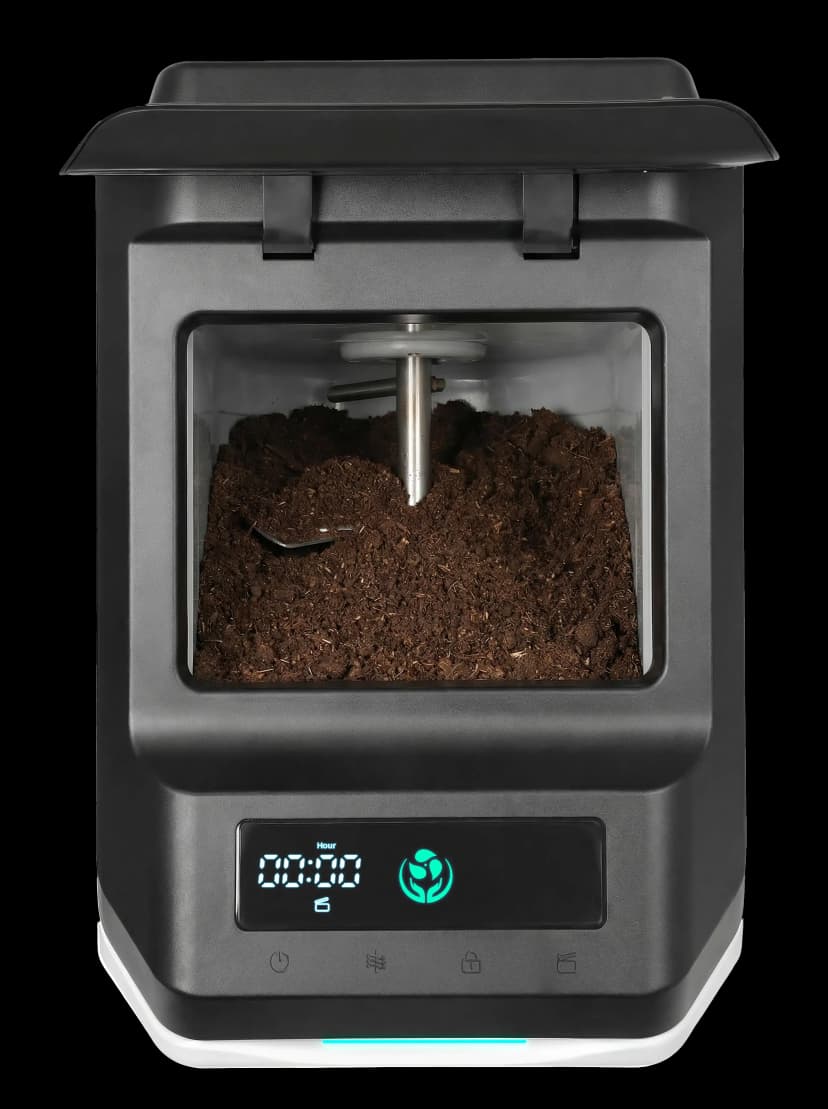
Screen, mix, and use responsibly.
Food Safety First. Compost What You Cannot Eat.
GEME Terra II helps appropriate organic leftovers enter a real microbial composting pathway instead of the landfill pathway — with no filter replacements and compost output for soil blending.
Terra II for everyday homes. GEME Pro for larger routines.
A Simple Leftover Safety Routine
A safe leftover routine is easier than trying to remember every rule in the moment.
| Step | Action | Why It Matters |
|---|---|---|
| After cooking | Divide leftovers into shallow containers. | Helps food cool faster. |
| Within 2 hours | Refrigerate perishable leftovers. | Reduces time in the Danger Zone. |
| Before storing | Label containers with the date. | Prevents guessing later. |
| Within 3–4 days | Eat, freeze, or discard most cooked leftovers. | Keeps storage within safer limits. |
| Before eating | Reheat to 165°F / 74°C and heat evenly. | Reduces bacterial risk when food was stored properly. |
| When uncertain | Throw it out or compost appropriate organic material. | Avoids unnecessary food poisoning risk. |
Final Takeaway: Safe Storage First, Composting Second
The best way to avoid leftover food poisoning is not to rely on smell, taste, or reheating. It is to cool food quickly, refrigerate it promptly, label it clearly, reheat it properly, and discard it when the storage history is uncertain.
Composting is the next step after food is no longer safe to eat. It should never be used as an excuse to save questionable food for eating, but it can help keep appropriate organic waste out of the trash pathway.
With the right habits, your kitchen can protect food safety first and still turn unavoidable organic leftovers into compost for soil blending.
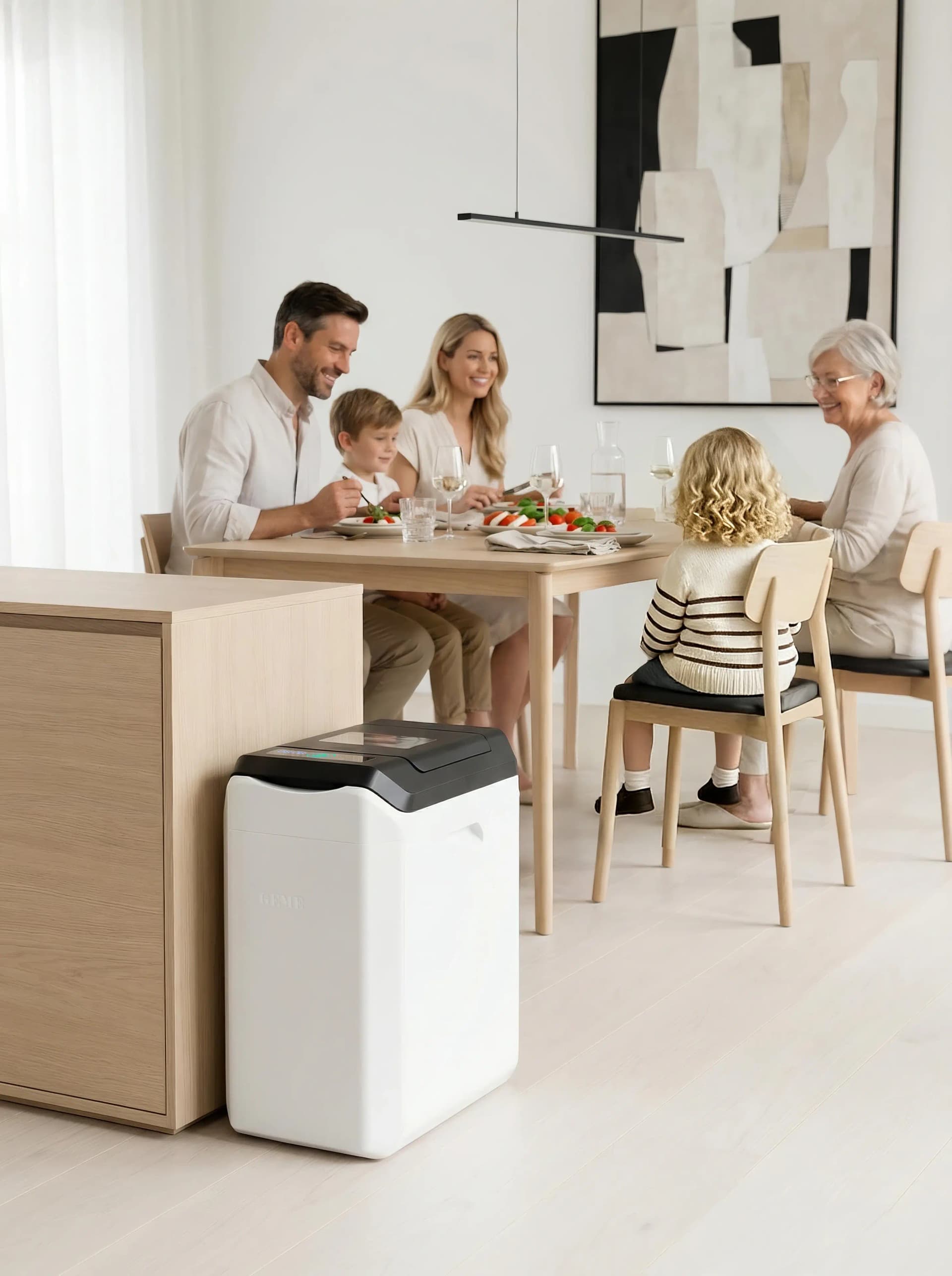
Compost appropriate organic leftovers responsibly.
Compost Appropriate Spoiled Food Responsibly
GEME Terra II supports real microbial composting for appropriate organic food waste — with continuous feeding, no filter replacements, and compost output for soil blending.
Terra II for everyday homes. GEME Pro for larger routines.
Frequently Asked Questions
How long can rice be left out?
Cooked rice should generally be refrigerated within two hours. If the surrounding temperature is above 90°F / 32°C, use a one-hour limit.
What is Fried Rice Syndrome?
Fried Rice Syndrome is a common name for food poisoning associated with Bacillus cereus, often from cooked rice or pasta that was left too long at room temperature.
Can reheating rice make it safe?
Not always. Reheating may kill active bacteria, but it may not reliably remove heat-stable toxins already produced by Bacillus cereus.
How long do leftovers last in the fridge?
Most cooked leftovers should be eaten within 3 to 4 days when stored at 40°F / 4°C or below. High-risk foods such as rice may be better used sooner.
Can you tell if leftovers have harmful bacteria?
No. Dangerous bacteria and toxins may not change the smell, taste, or appearance of food.
What leftovers are most dangerous?
Rice, pasta, cooked poultry, ground meat, dairy-based dishes, potatoes stored improperly, and prepared salads are among the higher-risk leftovers when storage is poor or uncertain.
Can spoiled leftovers be composted?
Many spoiled organic leftovers can be composted responsibly, but only after they are no longer being considered for eating. Do not compost packaging, plastic, metal, glass, or non-organic materials.
Can GEME Terra II compost spoiled leftovers?
GEME Terra II can compost appropriate organic food waste according to product guidance. Avoid excess liquids, heavy oil, non-organic materials, and unusual inputs outside the product’s recommended boundaries.
Sources and Further Reading
- CDC — Food Poisoning Symptoms
- CDC MMWR — Bacillus cereus Food Poisoning
- USDA FSIS — Danger Zone 40°F–140°F
- USDA FSIS — Leftovers and Food Safety
- FDA — Refrigerator and Freezer Storage Chart
- FoodSafety.gov — Cold Food Storage Charts
- University of Maine Cooperative Extension — Is Your Leftover Rice Safe?
- NSW Food Authority — Leftovers
- GEME — Terra II Product Page
- GEME — How Real Microbial Composting Works
- GEME — Kobold™ Microbial Technology
- GEME — Advanced Compost Application Guide


Laat een reactie achter
Deze site wordt beschermd door hCaptcha en het privacybeleid en de servicevoorwaarden van hCaptcha zijn van toepassing.