


Regels voor input in een elektrische composter
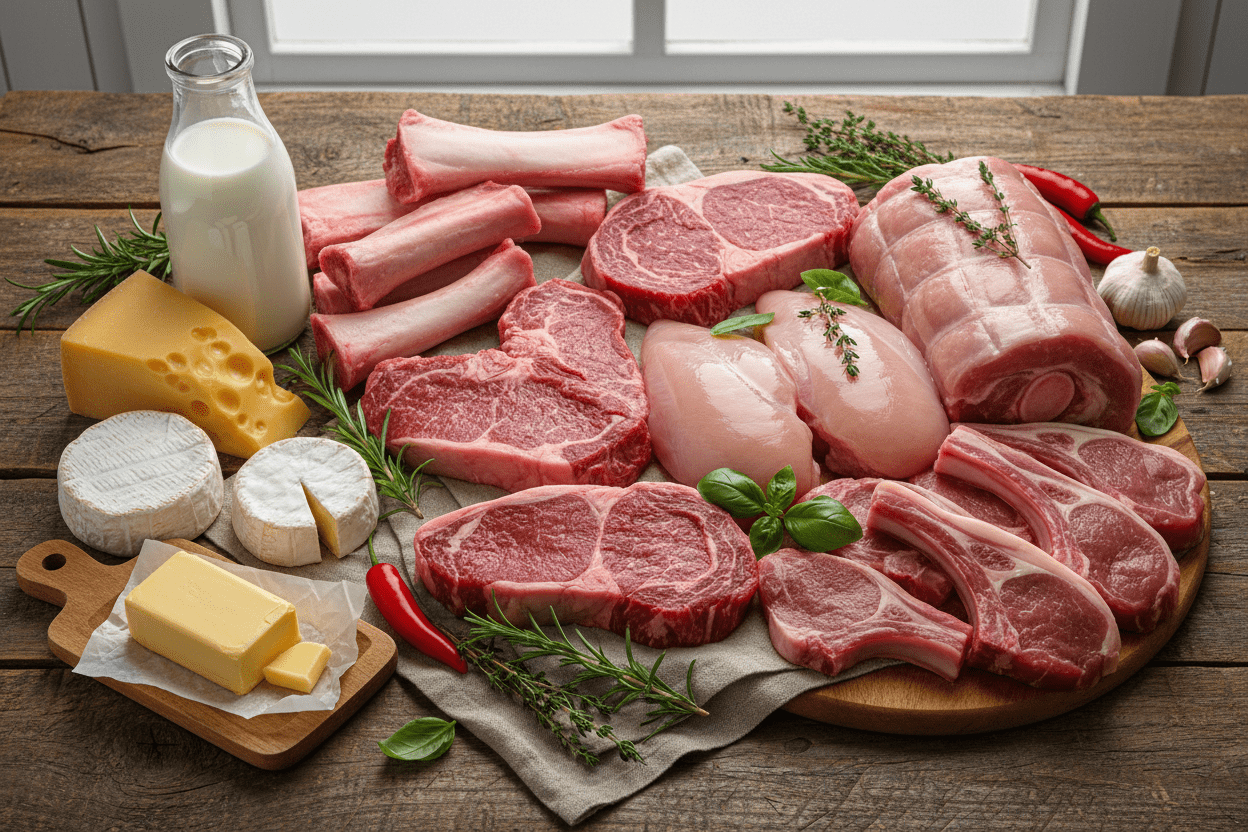
De meeste mensen hebben geen fantasielijst met “alles” nodig. Ze hebben een beslissingssysteem nodig. Vlees en zuivel kunnen in een gecontroleerde elektrische composter verwerkt worden wanneer ze als normale gemengde etensresten voorkomen, maar vloeistofrijke, vette, dichte of mineraalharde ladingen zijn de oorzaak van problemen.
Deze gids verdeelt de input in drie groepen: wel, onder voorwaarden en absoluut niet. Ook wordt uitgelegd waarom grote, dichte botten, schelpen, vrije vloeistoffen, pekel en frituurvet niet hetzelfde zijn als gewone etensresten.
Eenvoudige regel: vraag jezelf af of de input eetbaar, vloeibaar, vet, dicht of mineraalhard is voordat je het toevoegt.
Gemengde etensresten zijn anders dan natte, vette, dichte of mineraalharde ladingen.
Bewijslast
Belangrijkste conclusie in één zin
Vlees en zuivel kunnen compatibel zijn met een gecontroleerde aerobe elektrische composter wanneer ze als normale gemengde etensresten voorkomen, maar grote dichte botten, harde schelpen, vrije vloeistoffen, pekel, frituurvet en “natte + vette + dichte” ladingen zijn harde beperkingen of risicovolle grensgevallen.
Waarom dit in de keuken belangrijk is
Deze vraag bepaalt de acceptatie. Als gebruikers geen echte etensresten kunnen toevoegen, wordt de gewoonte verbroken. Als ze artikelen toevoegen die nooit in de composter horen, geven ze de machine de schuld. Duidelijke regels beschermen de gebruikerservaring, geurbeheersing, betrouwbaarheid van de apparatuur en de kwaliteit van de geproduceerde compost.
Wat deze gids behandelt
Deze gids richt zich op typische huishoudelijke etensresten, waaronder bereide maaltijden met kleine hoeveelheden vlees of zuivel, plus mislukte gevallen gerelateerd aan hardheid, dichtheid, overtollige vloeistof, olie, zout en slechte luchtstroom.
Wat deze gids niet beweert
Het wordt niet beweerd dat elke vlees-, zuivel-, bot-, zeevruchten- of oliecasus even goed werkt. Het wordt niet beweerd dat onveilige voedselproducten eetbaar worden. Het publiceert geen microbiële formules, bedrijfsdrempels of private besturingslogica.
Kort antwoord
Ja, sommige elektrische composters kunnen vlees, zuivel en kleine botten verwerken, maar alleen binnen duidelijke grenzen. In de GEME Terra II staat in de officiële productrichtlijnen dat het systeem vlees, zuivel, vette etensresten en kleine botten kan verwerken. Dat betekent niet dat dichte botten, oesterschelpen, frituurvet, pekel of vloeistofrijke ladingen moeten worden toegevoegd.
De nuttige regel is niet “vlees en zuivel zijn altijd verboden” en ook niet “alles mag.” De nuttige regel is: normale gemengde etensresten zijn anders dan vrije vloeistoffen, grote hoeveelheden vet, dichte stukken en mineraalharde materialen.
Voor compostering in de achtertuin worden vlees, vis, botten, zuivel, vetten, oliën en vetten over het algemeen vermeden omdat ze dieren aantrekken en gewone composthopen in de achtertuin ze mogelijk niet volledig kunnen afbreken. Een afgesloten elektrische composter verandert de context, maar verwijdert de natuurwetten niet: zuurstof, vocht, dichtheid en hardheid blijven belangrijk.
Verder lezen: beperkingen voor zout en olie in een elektrische composter, hoe een echte elektrische composter werkt, en geavanceerde GEME-gids voor composttoepassing.
Inhoudsopgave
- Het probleem met eenvoudige voedsellijsten
- Het beslissingssysteem
- Wel / Onder voorwaarden / Absoluut niet
- Kun je vlees composteren?
- Kun je zuivel composteren?
- Kun je botten composteren?
- Natte, vette en zoute ladingen
- Hoe GEME Terra II complexe etensresten verwerkt
- De beslisregel van 20 seconden
- Hoe je het resultaat gebruikt
- Veelgestelde vragen
- Bronnen
- Gerelateerde artikelen
1. Het probleem met eenvoudige voedsellijsten
Traditionele adviezen voor compostering in de achtertuin zeggen vaak dat je vlees en zuivel moet vermijden. Dat advies is niet onjuist voor open hopen. Vlees, botten, zuivel, vetten en vette voedingsmiddelen kunnen dieren aantrekken, geur veroorzaken en in gewone achtertuinomstandigheden niet volledig worden afgebroken.
Maar een afgesloten elektrische composter is geen open hoop. Hij kan luchtstroom, warmte, vocht, menging, geurbeheersing en microbiële activiteit op manieren regelen die een passieve hoop in de achtertuin niet kan.
Toch betekent dat niet “alles mag.” De verkeerde input kan het systeem overbelasten voordat de biologie de tijd heeft om te werken.
De echte vraag is niet “vlees of geen vlees?”
De echte vraag is of de input de zuurstof, vochtbalans, menging en realistische afbraaktijd beschermt.
2. Het beslissingssysteem: oordeel op basis van natuurkunde, niet op basis van angst
Een praktische regel voor input moet gebaseerd zijn op wat de prestaties in een compostkamer daadwerkelijk bepaalt.
As 1: Kan het biologisch worden afgebroken?
De meeste etensresten kunnen uiteindelijk door microbiële activiteit worden afgebroken. Vlees, zuivel, groenten, fruit, granen, rijst, pasta, brood, koffieresten en bereide etensresten zijn allemaal organische materialen.
As 2: Breek het het proces voordat het wordt afgebroken?
Hier worden de grenzen in de praktijk zichtbaar. Overtollige vloeistof vermindert de luchtstroom. Vet vormt een laagje op de deeltjes en kan de zuurstofoverdracht vertragen. Dichte stukken creëren natte plekken. Grote botten en harde schelpen kunnen simpelweg langer blijven hangen dan de tijdlijn voor keukencompostering.
As 3: Creëert het een falende gebruikerservaring?
Zelfs als iets technisch gezien organisch is, kan het nog steeds een slechte input zijn als het vermijdbare geur, verstoppingen in de schacht, slib, ongedierte buiten de machine, harde resten in het resultaat of frustratie bij de gebruiker veroorzaakt.
3. Wel / Onder voorwaarden / Absoluut niet: De uitvoerbare keukenregels
| Categorie | Voorbeelden | Regel |
|---|---|---|
| Wel | Fruit, groenten, rijst, pasta, brood, koffieresten, gewone bereide etensresten, kleine hoeveelheden vlees of zuivel gemengd in normale maaltijden. | Voeg normale huishoudelijke porties toe. Snijd grote stukken kleiner. Voorkom overbelasting. |
| Onder voorwaarden | Vette restjes, natte stoofschotels, sauzige etensresten, zoute/vette maaltijden, kleine vis- of kippenbotten, dichte bereide stukken. | Laat vloeistof uitlekken, doseer uitersten, voeg bescheiden hoeveelheden toe en vermijd achter elkaar ladingen met een hoog risico. |
| Absoluut niet | Grote dichte botten, rund- of varkensbotten, oesterschelpen, mosselschelpen, plastic, metaal, verpakkingen, pekel, frituurvet, vrije vloeistoffen. | Niet toevoegen. Dit zijn harde beperkingen vanwege dichtheid, mineraalhardheid, niet-organisch materiaal of het risico op zuurstofinstorting. |
4. Kun je vlees composteren in een elektrische composter?
In een gecontroleerde elektrische composter die is ontworpen voor complexe etensresten, kan vlees in normale huishoudelijke hoeveelheden acceptabel zijn. De veiligste formulering is niet “al het vlees is altijd makkelijk.” De betere formulering is: vlees als onderdeel van normale gemengde etensresten is anders dan een kamer die vol zit met dichte of vette vleesresten.
Meestal wel
- Kleine bereide stukjes vlees gemengd in rijst, pasta, groenten of etensresten.
- Restjes van borden met normale porties vlees.
- Kleine vis- of zeevruchtresten volgens de productrichtlijnen.
- Normale huishoudelijke porties, geen bulkverwerking van vlees.
Gebruik voorzichtigheid
- Grote stukken vlees die compacte natte plekken kunnen vormen.
- Zeer vette resten of zichtbare vetklonten.
- Vet vlees met overtollige saus of vloeibaar vet.
- Herhaaldelijke grote hoeveelheden vlees zonder voldoende uitgebalanceerde etensresten.
- Rauw of bedorven vlees dat voor het weggooien zorgvuldig moet worden behandeld volgens de voedselveiligheid.
5. Kun je melkproducten composteren in een elektrische composter?
Melkproducten zijn vergelijkbaar met vlees: de context is belangrijk. Kaas op pizza, yoghurtresten in een kleine hoeveelheid eten of melkproducten gemengd met bereide etensresten zijn niet hetzelfde als een bak room of gesmolten kaas in de kamer dumpen.
Meestal oké
- Kaas als onderdeel van gemengde etensresten.
- Kleine sporen van melkproducten in etensresten.
- Gebakken of bereide voedingsmiddelen met een bescheiden hoeveelheid melkproducten.
- Normale restjes van huishoudelijke borden.
Gebruik voorzichtigheid
- Grote hoeveelheden room, melk, gesmolten kaas of yoghurt.
- Natte ladingen met veel melkproducten die tot slib kunnen worden.
- Zeer zoute of vette melkproducten die herhaaldelijk worden toegevoegd.
- Bulkverwerking van over datum gegaan melkproducten.
6. Kun je botten composteren in een elektrische composter?
Botten hebben de duidelijkste grens. Kleine vishandjes of kleine kippenbotjes zijn volgens de productrichtlijnen mogelijk acceptabel, maar grote, compacte botten zijn een harde grens. Bot is niet zomaar “voedsel.” Het is een compact bouwmateriaal dat gedurende de levensduur van een keukenapparaat mogelijk niet betrouwbaar afbreekt.
Een harde no
- Grote runderbotten.
- Grote varkensbotten.
- Markbotten.
- Dikke soepbotten.
- Grote gevogelbotten.
- Osterschelpen, mosselschelpen, mosselschelpen en vergelijkbare harde minerale schelpen.
Een handige regel is: als het hard genoeg is dat je niet verwacht dat keukenmicroben en mengen het in redelijke tijd zichtbaar veranderen, voeg het dan niet toe.
7. Natte, vette en zoute ladingen: het echte faalpatroon
Het meest voorkomende faalpatroon is niet “vlees bestaat.” Het is nat + vettig + compact. Die combinatie vermindert de zuurstofstroom, vertraagt de toegang van microben en verhoogt de geurdruk.
Als het vloeibaar is, laat het dan eerst uitlekken
Soep, stoofvloeistof, pekel, bouillon, jus, saus en waterige etensresten moeten niet rechtstreeks in de kamer worden gegoten. Voeg het vaste voedselgedeelte toe en laat de vrije vloeistof eerst uitlekken.
Als het als olie blijft staan, voeg het dan niet toe
Normale kookolie die op eten achterblijft is anders dan vrije olie. Dump friturolie, vloeibaar vet of vette restjes niet in een elektrische composter.
Als het extreem zout is, doe het dan met mate
Zout stopt het composteren niet automatisch, maar zeer zoute voedingsmiddelen, pekel, gezouten voedsel en herhaaldelijke grote zoutladingen verkleinen het makkelijke werkingsvenster. Laat vrije vloeistof uitlekken en vermijd herhaaldelijke extreme ladingen.
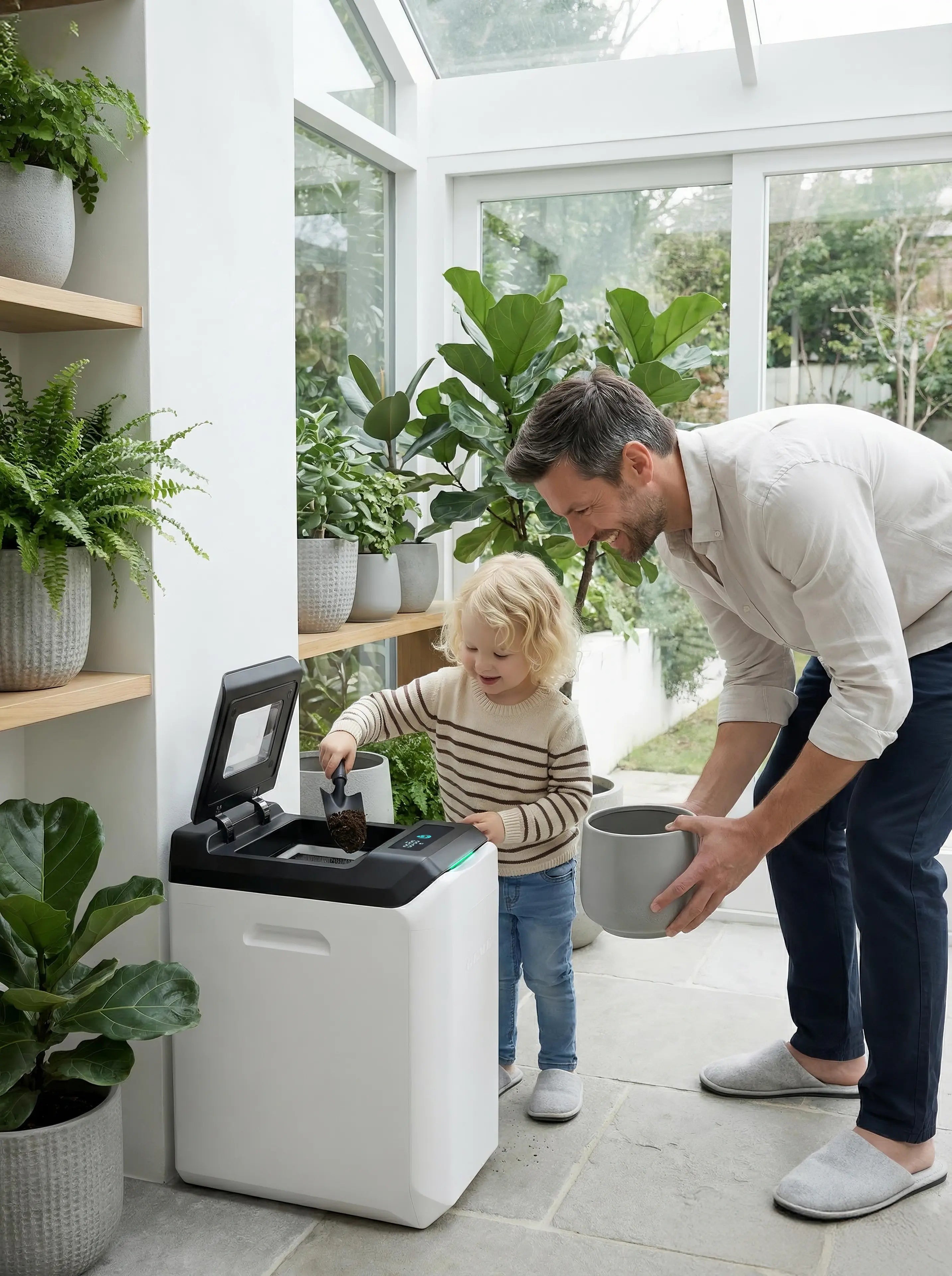
Vlees, melkproducten, vette etensresten en kleine botjes met duidelijke grenzen.
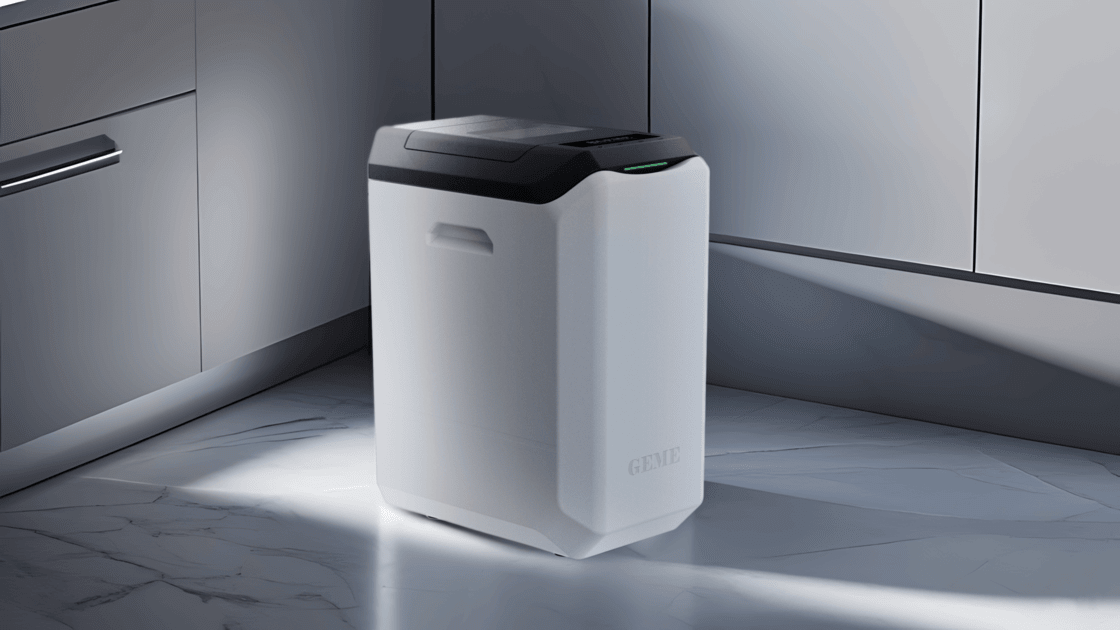
Maak kennis met GEME Terra II
GEME Terra II is ontworpen voor echte microbiële compostering en alledaagse keukenresten, inclusief geschikte complexe etensresten. Voeg normale porties toe, vermijd harde grenzen, zeef grotere stukken en meng de compostbasis met aarde voordat je het bij planten gebruikt.
Duidelijke invoerregels. Minder dagelijkse frictie. Geen vervangende geurfilters.
8. Hoe GEME Terra II complexe etensresten verwerkt
GEME Terra II creëert een warme, vochtige, zuurstofrijke kamer voor Kobold™-microben. GEMEBrain™ helpt de warmte, luchtstroom, vochtigheid en het mengen te beheren, zodat biologische afbraak automatisch kan doorgaan.
Daarom kan GEME flexibeler zijn dan composteren in de achtertuin. Het is afgesloten, beheerd en ontworpen voor echte huishoudelijke voedselafval. Maar flexibiliteit hangt nog steeds af van het respecteren van de systeemgrenzen.
GEME-veiligheidsregels voor invoer
- Verwijder plastic, metaal, verpakkingen, stickers, tie-wraps, clips, absorberende pads en gecoate wikkelingen.
- Snijd grote voedselstukken indien praktisch kleiner.
- Voeg vlees en melkproducten toe als normale gemengde etensresten, niet als bulkverwerking.
- Laat vrije vloeistof uit soepen, sauzen, pekel of waterige etensresten uitlekken.
- Dump geen friturolie, vloeibaar vet of grote vette ladingen.
- Vermijd grote compacte botten, grote schelpen en harde minerale materialen.
- Zeef grotere onafgewerkte stukken terug in de kamer bij het oogsten.
- Meng het resultaat met aarde in een verhouding van ongeveer 1:8–1:10 voordat je het bij planten gebruikt.
9. De 20-seconden-beslisregel
Wanneer je iets vasthoudt en vraagt “Kan dit erin?”, grijp dan niet naar een lijst van 60 regels. Stel drie praktische vragen.
-
Is het normaal eetbaar voedselafval?
Zo ja, dan is het vaak oké in normale porties — tenzij het voornamelijk vloeibaar is, voornamelijk vet, extreem zout of extreem compact. -
Is het hard als mineraal, schelp of dik bot?
Zo ja, dan is het een harde no. -
Is het vloeibaar, blijft het staan of druppelt het als vrije vloeistof?
Zo ja, laat het dan eerst uitlekken of voeg het niet toe.
De makkelijkste regel: als het vloeibaar is, laat het uitlekken. Als het mineraalhard is, voeg het niet toe. Als het normaal voedsel is in normale porties, is het meestal makkelijker te beheren.
10. Hoe gebruik je het compostresultaat
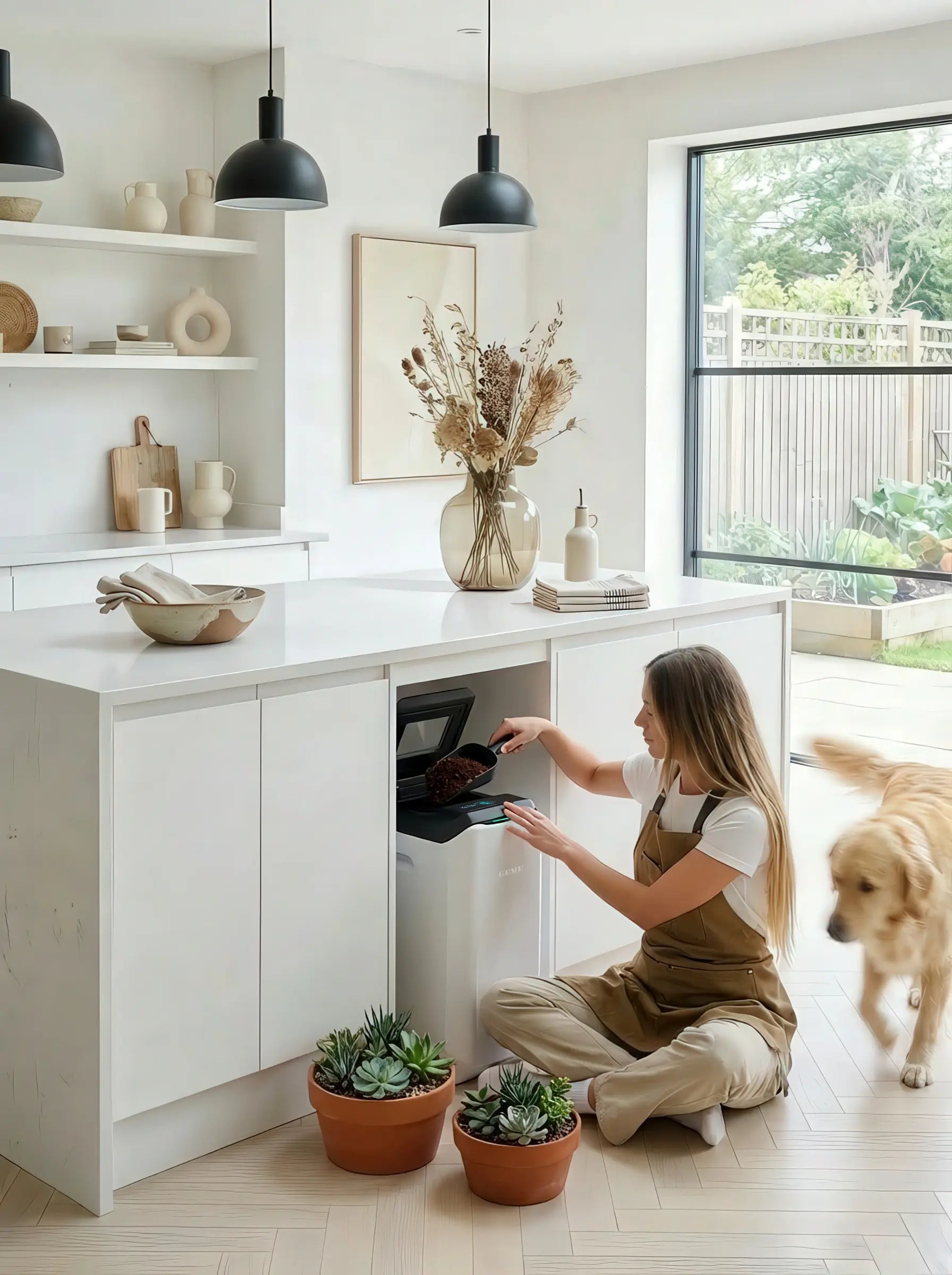
GEME-resultaat moet worden behandeld als een compostbasis voor aardenmenging. Gebruik puur resultaat niet als potgrond en plaats het niet direct tegen gevoelige wortels.
| Stap | Wat te doen | Waarom het belangrijk is |
|---|---|---|
| Zeef | Verwijder grote onafgewerkte stukken. | Beschermt planten tegen onrijp materiaal en harde stukken. |
| Terug | Doe onafgewerkte stukken terug in de kamer. | Maakt verdere afbraak mogelijk en ondersteunt microbiële continuïteit. |
| Meng | Meng de gezeefde compostbasis met aarde in een verhouding van ongeveer 1:8–1:10. | Verdunt geconcentreerd organisch materiaal voor veiligere plantengebruik. |
| Dek af | Dek mengsels af met gewone aarde bij gebruik in de buurt van planten. | Vermindert geur, plagen en direct wortelcontact. |
Zeef, doe terug, meng met aarde en gebruik verantwoord.
Kies een keukencomposter die is gebouwd voor echte etensresten
GEME Terra II en GEME Pro helpen huishoudens geschikte keukenresten te verwerken via echte microbiële compostering. Respecteer de harde grenzen, vermijd vloeistof- en vetdumping en gebruik het resultaat als een compostbasis voor aardenmenging.
Terra II voor alledaagse huishoudens. GEME Pro voor zwaardere dagelijkse routines.
Veelgestelde vragen
Kun je vlees in een elektrische composter doen?
Het hangt af van de machine. GEME Terra II is ontworpen om geschikte vleesresten en gemengde etensresten te verwerken volgens de productrichtlijnen. Gebruik normale huishoudelijke porties, vermijd grote vette ladingen en behandel bedorven vlees niet als voedsel.
Kun je melkproducten in een elektrische composter doen?
Geschikte melkproducten gemengd met etensresten kunnen acceptabel zijn in een gecontroleerde elektrische composter zoals GEME. Vermijd het dumpen van grote hoeveelheden melk, room, gesmolten kaas of natte ladingen met veel melkproducten.
Kun je botten in een elektrische composter doen?
Kleine vishandjes of kippenbotjes zijn volgens de productrichtlijnen mogelijk acceptabel, maar grote compacte botten zijn een harde no. Vermijd runderbotten, varkensbotten, markbotten, dikke soepbotten en andere compacte botstukken.
Kun je schelpen in een elektrische composter doen?
Voeg geen osterschelpen, mosselschelpen, mosselschelpen of vergelijkbare mineraalharde schelpen toe. Ze zijn geen normale etensresten en breken mogelijk niet betrouwbaar af in een keukenapparaat.
Kun je soep in een elektrische composter gieten?
Nee. Laat eerst vrije vloeistof uitlekken en voeg alleen het vaste voedselgedeelte toe. Vrije vloeistof kan zuurstofoverdracht verminderen en geur of slib creëren.
Kun je olie of frituurgres in een elektrische composter doen?
Dump geen friturolie, vloeibaar vet of grote vetladingen. Normale kookolie die op eten achterblijft is anders dan vrije olie. Als het blijft staan of vloeibaar is, voeg het niet toe.
Kan GEME Terra II vlees, melkproducten en kleine botjes verwerken?
Ja, de officiële richtlijnen van GEME Terra II zeggen dat het vlees, melkproducten, vette etensresten en kleine botjes kan verwerken. De belangrijke grenzen zijn normale porties, geen grote compacte botten, geen harde schelpen, geen verpakkingen, geen vloeistofdumping en geen overtollige olie.
Kan ik bedorven vlees of melkproducten in GEME doen?
Onveilig voedsel mag nooit worden gegeten of aan huisdieren worden gegeven. Als de productrichtlijnen weggooien via de machine toestaan, behandel bedorven voedsel zorgvuldig, verwijder verpakkingen, voeg bescheiden hoeveelheden toe, reinig de aangeraakte oppervlakken en gebruik het resultaat alleen als een compostbasis voor aardenmenging.
Gaat GEME-resultaat direct op planten?
Nee. Zeef grotere onafgewerkte stukken en meng GEME-resultaat met aarde in een verhouding van ongeveer 1:8–1:10 voordat je het bij planten gebruikt. Gebruik puur resultaat niet als potgrond of plaats het niet direct tegen gevoelige wortels.
Samenvatting
- Regels voor composteren in de achtertuin zijn niet hetzelfde als regels voor een elektrische composter. Open hopen vermijden vaak vlees, melkproducten, botten, vetten, oliën en vet.
- GEME Terra II is ontworpen voor geschikte complexe keukenresten. Officiële richtlijnen omvatten vlees, melkproducten, vette etensresten en kleine botjes.
- Normale gemengde etensresten zijn meestal makkelijker. Bulk vlees, bulk melkproducten, natte ladingen, vette ladingen en compacte stukken zijn moeilijker.
- Grote compacte botten zijn een harde no. Runderbotten, varkensbotten, markbotten en dikke soepbotten moeten niet worden toegevoegd.
- Harde schelpen zijn een harde no. Osterschelpen, mosselschelpen en vergelijkbare minerale schelpen horen niet in de kamer.
- Als het vloeibaar is, laat het dan eerst uitlekken. Vrije vloeistof is een van de snelste manieren om geur- en zuurstofproblemen te creëren.
- Als het als olie blijft staan, voeg het dan niet toe. Friturolie en vloeibaar vet zijn geen normale etensresten.
- Verwijder elke keer verpakkingen. Plastic, metaal, stickers, absorberende pads, tie-wraps en gecoate wikkelingen horen niet in de compost.
- Gebruik het resultaat verantwoord. Schil grotere stukken en meng de compostbasis met aarde in een verhouding van ongeveer 1:8–1:10.
- Beste praktische regel: eetbare gewone etensresten zijn meestal makkelijker; vloeibare, vette, dichte of mineraalharde materialen zijn het probleem.
Bronnen
Composteer echte keukenresten zonder te hoeven gokken.
Verander geschikte keukenresten in compostbasis met GEME
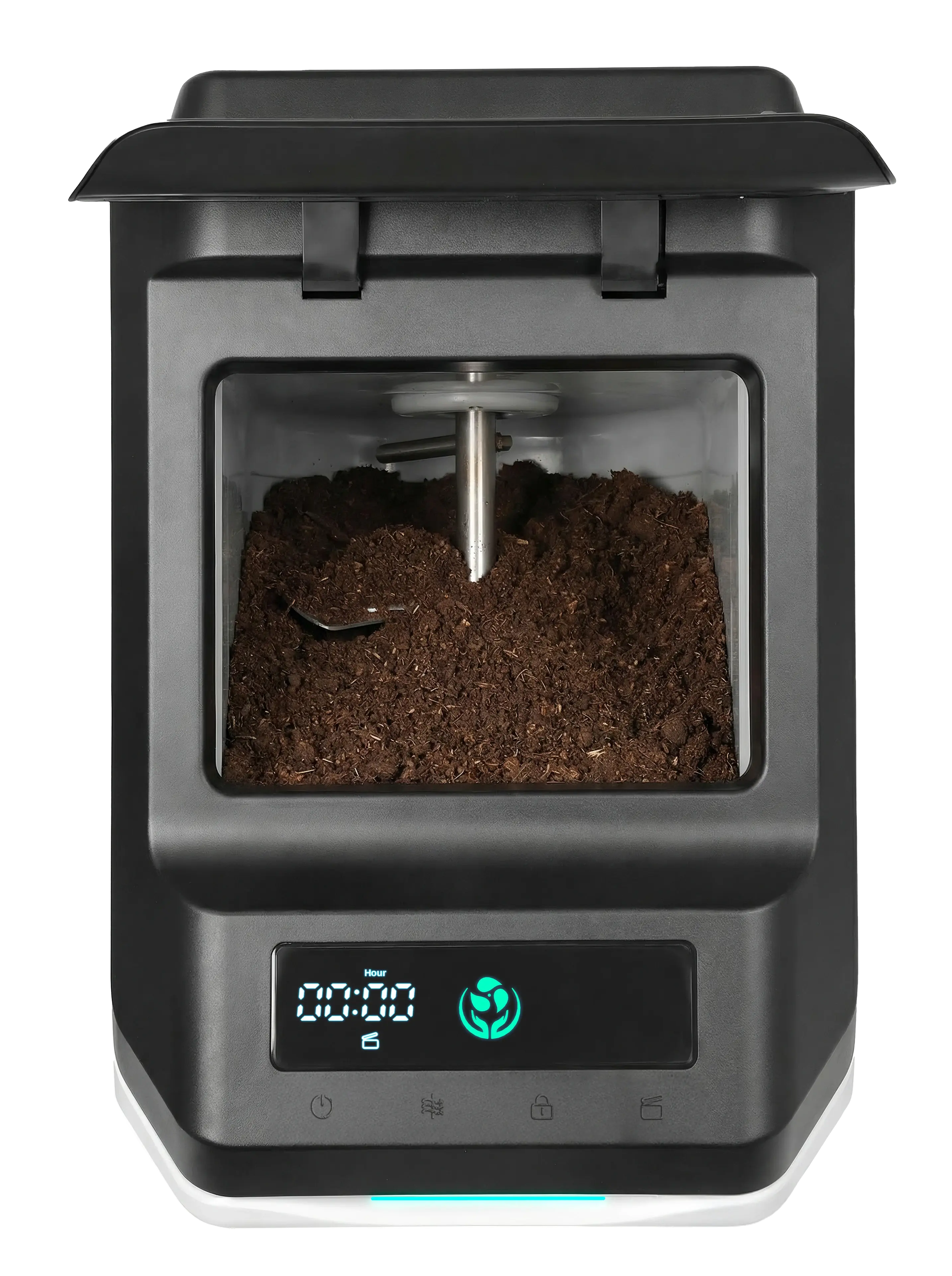
GEME Terra II en GEME Pro zijn ontworpen voor echte microbiële compostering, dagelijkse continue voeding, zonder routinematige vervanging van geurfilters, en compostoutput voor het mengen met aarde.
Vlees en zuivel hebben grenzen. Dichte botten en harde schillen zijn absoluut niet toegestaan.


Laat een reactie achter
Alle reacties worden gemodereerd voordat ze worden gepubliceerd.
Deze site wordt beschermd door hCaptcha en het privacybeleid en de servicevoorwaarden van hCaptcha zijn van toepassing.