
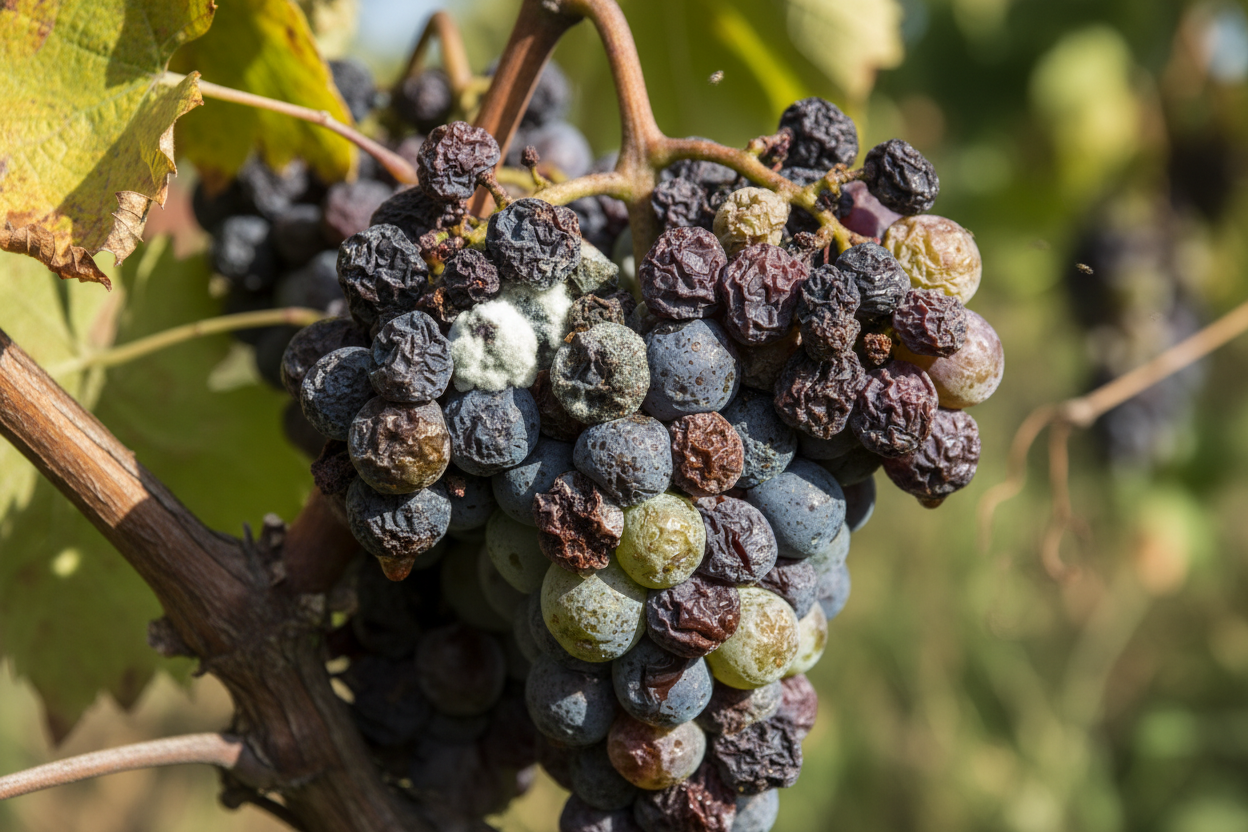
Moldy Grapes, Food Safety & Composting Guide
Yes, moldy grapes can usually be composted, but they should not be eaten. Grapes are soft, moist fruit, so visible mold should be treated as a food-safety warning rather than something to cut around.
The best approach is simple: remove moldy grapes from the eating batch, compost suitable spoiled grapes carefully, store fresh grapes cold and dry, and wash grapes only right before eating.
Simple rule: eat fresh grapes, compost suitable spoiled grapes, and never eat moldy grapes.
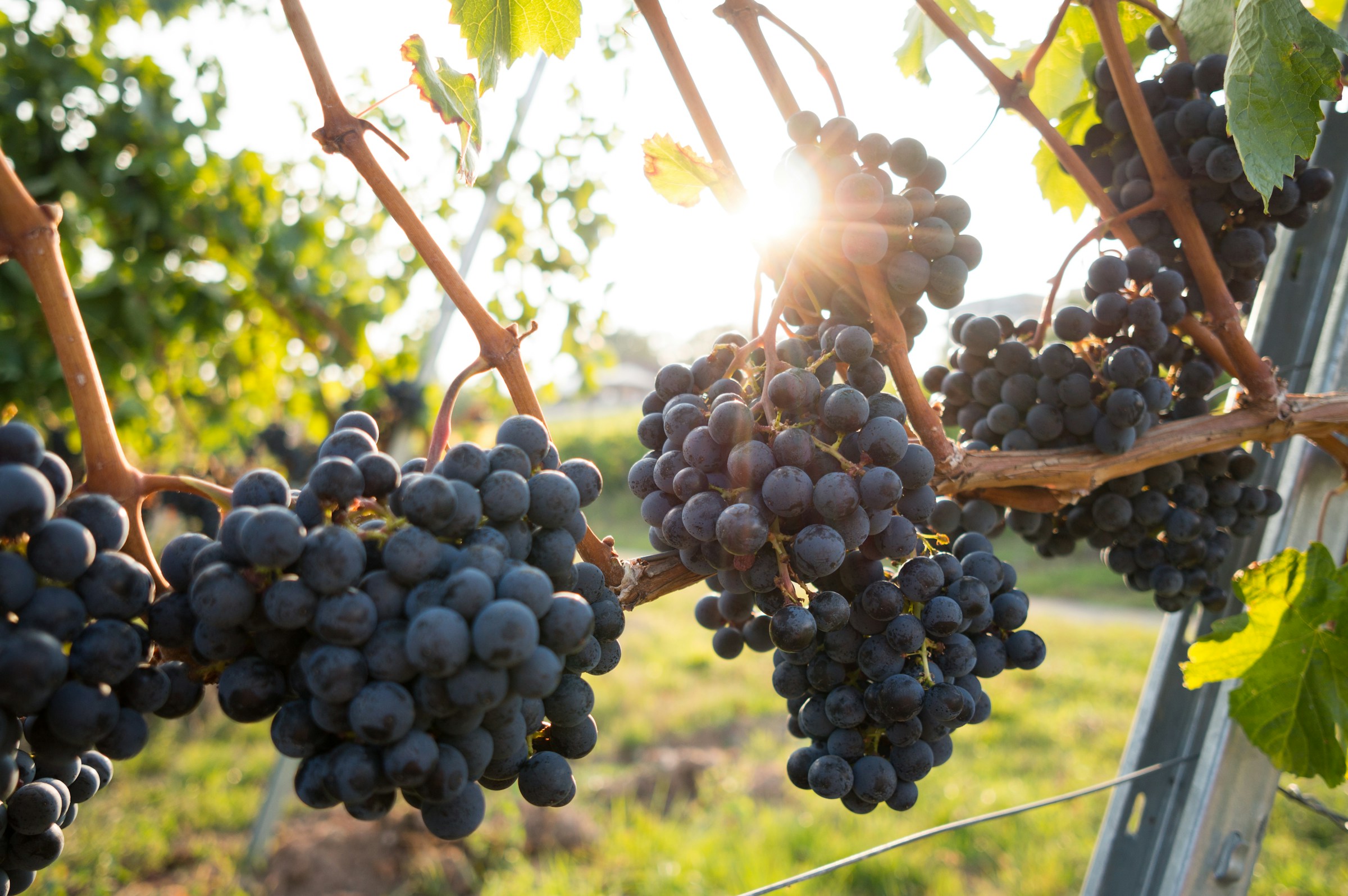
Natural bloom is fine. Fuzzy mold is not food.
Quick Answer
Yes, you can compost moldy grapes as long as you treat them as food waste, not food. Do not eat moldy grapes, and do not try to rescue them by washing, blending, freezing, or cooking.
If only one or two grapes are moldy, remove those grapes and any grapes touching them, then inspect the rest carefully. If many grapes in the container are soft, leaking, fuzzy, or fermented-smelling, discard or compost the batch instead of trying to save it.
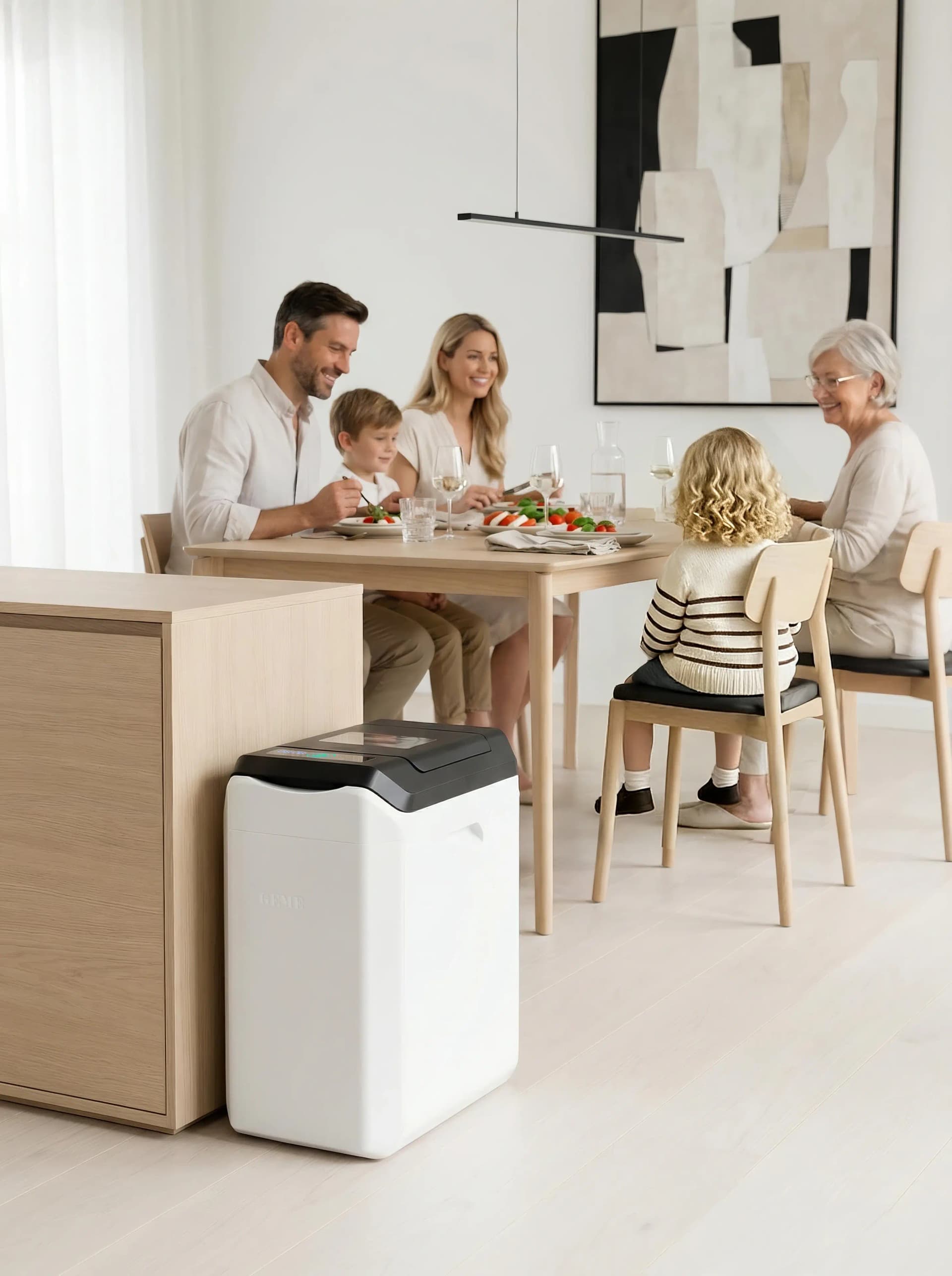
In a backyard compost pile, grapes should be buried in the active center and covered with dry browns. In GEME Terra II, suitable grape scraps can be processed through real microbial composting, but the output should still be screened and mixed with soil before plant use.
Related guides: can you compost moldy bread, how long blueberries last in the fridge, and advanced GEME compost application guide.
Key Takeaways
- Moldy grapes should not be eaten. Soft fruit is not a good candidate for cutting around mold.
- Bloom is not mold. A thin, even, whitish waxy coating on grapes can be natural bloom; fuzzy, patchy, spreading growth is mold.
- Remove contact fruit. If one grape is moldy, remove that grape and nearby grapes touching it.
- Compost grapes as wet greens. Grapes are moist fruit scraps and need dry browns to avoid odor and flies.
- Do not leave grapes exposed. Bury grape scraps and cover with dry leaves, shredded cardboard, straw, or dry garden trimmings.
- Store grapes unwashed. Extra moisture speeds mold, so wash grapes only before eating.
- Wash with water, not soap. Rinse under cool running water and gently rub with clean hands.
- GEME Terra II: suitable grape scraps can be processed through real microbial composting, with compost output for soil blending.
Table of Contents
- Mold on Grapes: Bloom vs Real Mold
- What to Do With Moldy Grapes
- Can You Compost Moldy Grapes?
- How to Compost Grapes in a Backyard Pile
- How GEME Terra II Handles Suitable Grape Scraps
- How to Store Grapes
- How Long Do Grapes Last in the Fridge?
- How to Wash Grapes
- How to Use GEME Compost Output
- FAQ
- Summary
- Sources
- Related Articles
Mold on Grapes: Bloom vs Real Mold
Not every white mark on a grape is mold. Fresh grapes often have a thin, whitish, waxy coating called bloom. It helps protect the grape skin and usually looks even, dusty, and dry.
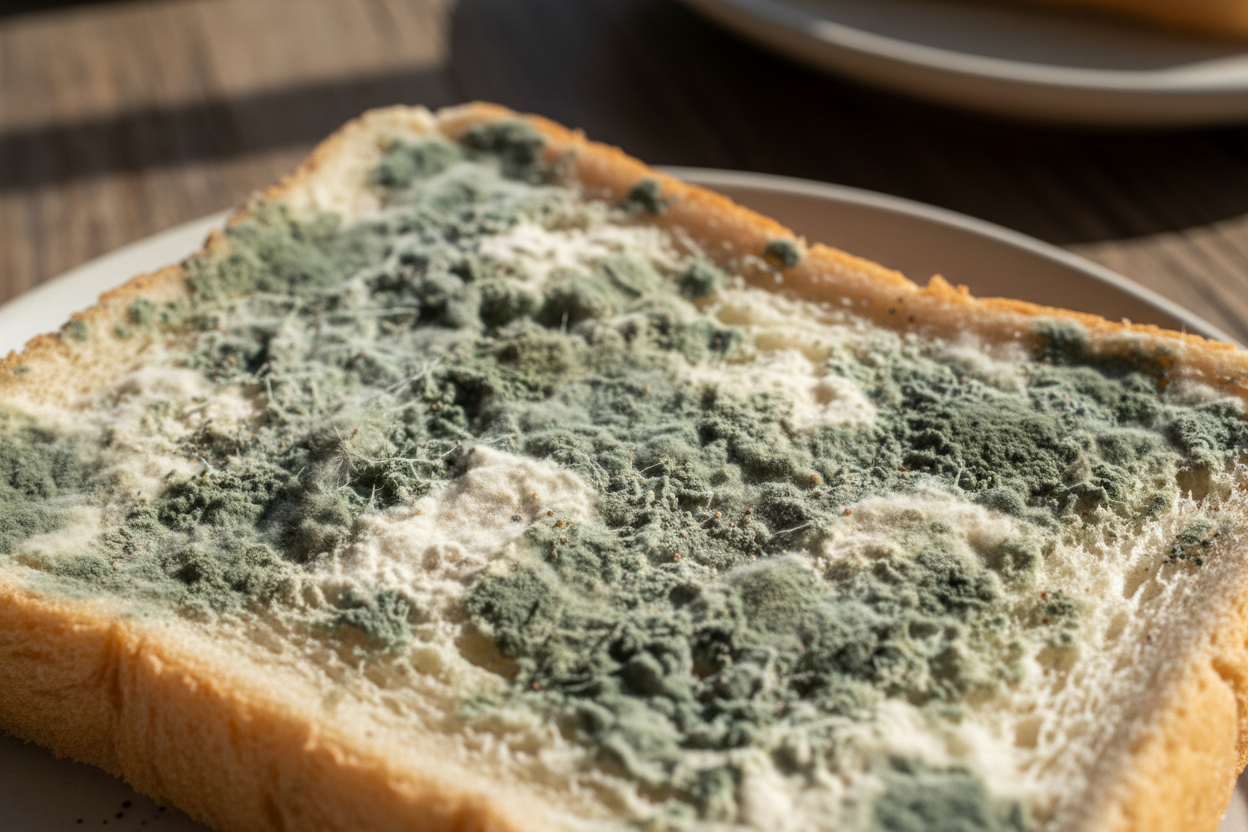
Real mold looks different. It is usually fuzzy, powdery, patchy, spreading, wet-looking, gray, green, black, blue-green, or paired with soft spots, leaking juice, split skin, or a fermented smell.
| What You See | Likely Meaning | What to Do |
|---|---|---|
| Thin, even white film | Natural grape bloom. | Rinse before eating. |
| Fuzzy white, gray, green, or black patch | Likely mold. | Do not eat. Remove affected grapes and touching grapes. |
| Soft, leaking, or split grapes | Spoilage or handling damage. | Remove from the eating batch; compost or discard safely. |
| Fermented or alcoholic smell | Overripe, fermenting, or spoiled fruit. | Do not eat if quality or safety is doubtful. |
| Many grapes moldy in one container | Widespread spoilage risk. | Discard or compost the batch instead of trying to save it. |
What to Do With Moldy Grapes
When grapes turn moldy, do not taste them and do not sniff them closely. Moldy foods may contain invisible microbial growth, and mold spores can irritate sensitive people.
Safe Handling Steps
- Remove visibly moldy grapes. Do not eat them.
- Remove grapes touching the moldy grapes. They may have surface contamination, hidden soft spots, or leaking juice.
- Inspect the rest of the bunch. Look for softness, split skin, fermented smell, or fuzzy patches.
- If mold is widespread, compost or discard the whole batch. Do not try to rescue a badly spoiled container.
- Clean the container or fridge drawer area. Moldy juice and spores can remain on surfaces.
- Wash hands afterward. Treat moldy grapes as food waste.
Safety Rule
Moldy grapes belong in compost or safe disposal, not in smoothies, jam, juice, fruit salad, or snacks. Blending, freezing, or cooking should not be used to rescue questionable moldy fruit.
Can You Compost Moldy Grapes?
Yes, moldy grapes can usually be composted. Grapes are fruit scraps, and fruit and vegetable scraps are common compost inputs. Mold and fungi are also part of natural decomposition.
The practical issue is not whether grapes can break down. The practical issue is that grapes are wet, sugary, and attractive to fruit flies and animals. If you leave grapes exposed on top of a compost pile, they can quickly become a pest and odor problem.
Best practice: compost grapes in small amounts, bury them in the active center, and cover them with dry browns.
How to Compost Grapes in a Backyard Pile
Grapes can compost well in an outdoor pile when they are balanced with dry carbon-rich material and protected from pests.
Step-by-Step Grape Composting
- Remove packaging: take off plastic bags, produce stickers, twist ties, labels, and any non-compostable materials.
- Separate food from waste: do not eat moldy, leaking, fermenting, or mushy grapes.
- Crush or split if useful: whole grapes will compost, but broken grapes expose more surface area and break down faster.
- Add dry browns: mix grapes with dry leaves, straw, shredded cardboard, wood chips, or dry garden trimmings.
- Bury in the center: place grapes in the active middle of the pile, not on the exposed surface.
- Cover with 4–8 inches of browns: this helps reduce fruit flies, rodents, pets, and odor.
- Keep the pile aerated: turn or fluff the pile so wet grapes do not create anaerobic pockets.
- Manage moisture: if the pile becomes wet or sour-smelling, add more dry browns.
Backyard Pile Rule
Grapes are easy for microbes to digest, but they are also easy for pests to find. Covering and balancing them matter more than adding a large wet batch at once.
How GEME Terra II Handles Suitable Grape Scraps
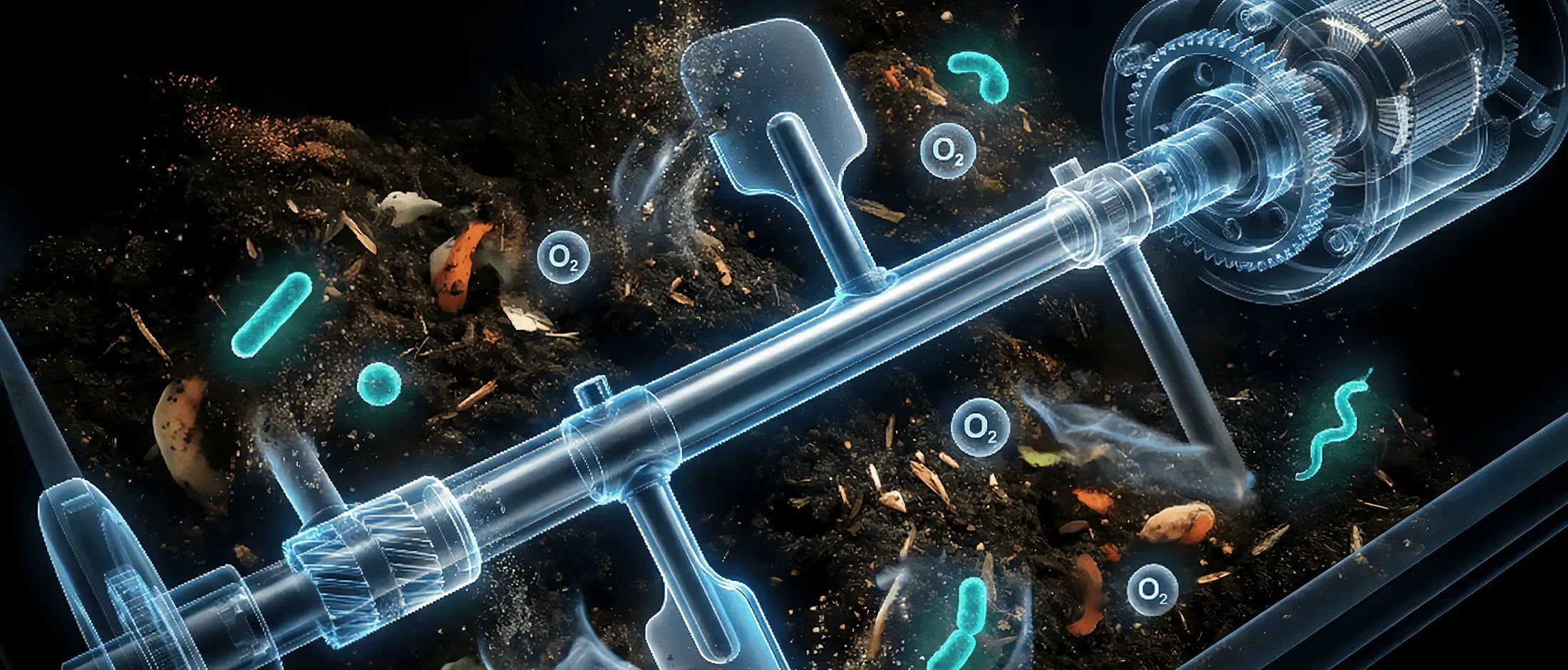
GEME Terra II is designed for real microbial composting in a warm, moist, oxygen-rich chamber. It uses Kobold™ living microbes and adaptive control to process appropriate kitchen scraps without drying them into flakes.
Grapes are moist fruit scraps. In GEME, suitable grape scraps can be added in modest amounts, but users should still avoid dumping large wet fruit loads at once. Too much wet fruit can make any composting system harder to balance.
Safe GEME Grape-Scrap Rules
- Do not eat moldy grapes.
- Remove plastic bags, produce stickers, twist ties, labels, and packaging.
- Add grapes in modest amounts instead of dumping a large wet batch all at once.
- Include stems only when they are small enough to avoid tangling or large unfinished pieces.
- Use suitable dry plant material when the chamber becomes too wet.
- Screen larger unfinished pieces back into the chamber when harvesting.
- Use output as compost base for soil blending, not as pure potting soil or direct root contact.
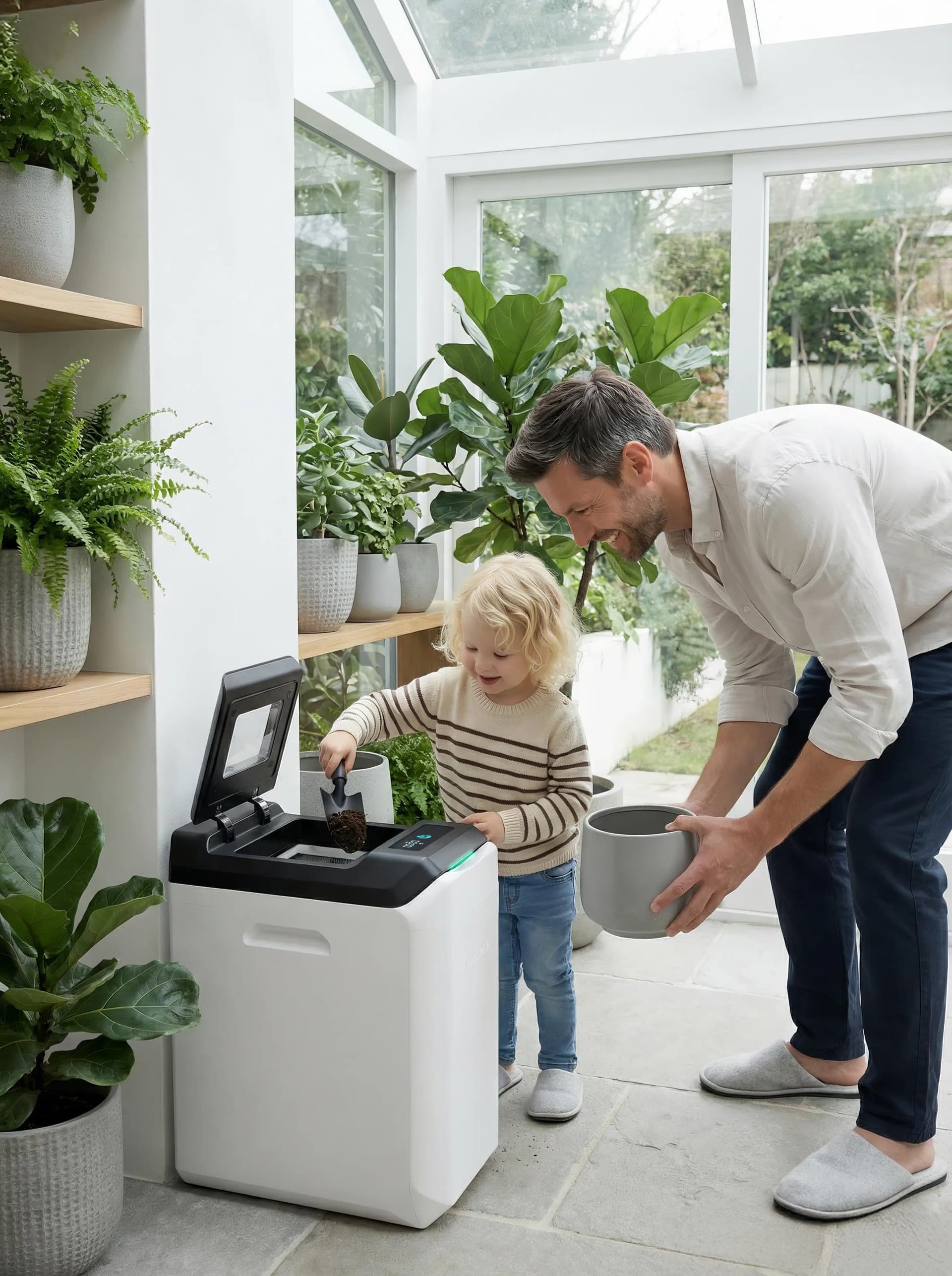
Keep moldy grapes off your plate and return suitable scraps to the soil cycle.
GEME Terra II Helps Suitable Fruit Scraps Return to Soil
GEME Terra II supports real microbial composting for appropriate kitchen scraps, including suitable spoiled fruit. Remove packaging, avoid large wet overloads, screen larger pieces, and mix the compost output with soil before plant use.
Real microbial composting. No filter replacements. Compost for soil blending.
How to Store Grapes
Good grape storage starts before mold appears. Grapes should be kept cold, dry on the surface, and ventilated. Moisture trapped around grapes can accelerate decay.
Best Home Storage Steps
- Refrigerate promptly: keep grapes in the refrigerator rather than on the counter.
- Keep them unwashed: wash grapes only before eating or using them.
- Use ventilation: keep grapes in their perforated bag or a vented container.
- Avoid airtight wet storage: trapped condensation encourages mold.
- Handle gently: bruised or split grapes spoil faster.
- Inspect often: remove soft, leaking, or moldy grapes before they affect nearby fruit.
- Keep away from strong odors: grapes can pick up unwanted refrigerator smells.
Commercial grape storage is colder and more controlled than a normal home refrigerator. At home, the realistic goal is cold, clean, ventilated storage and regular inspection.
How Long Do Grapes Last in the Fridge?
In a normal home refrigerator, grapes often keep good quality for about a week when stored cold, dry, unwashed, and ventilated. Very fresh, firm grapes may last longer under excellent conditions, but quality depends on the grape variety, ripeness at purchase, handling damage, moisture, and refrigerator temperature.
| Storage Condition | Expected Result | Best Practice |
|---|---|---|
| Room temperature | Spoils faster, especially in warm rooms. | Use only for short serving periods. |
| Standard refrigerator | Often about 7 days of good quality. | Store unwashed in a ventilated container. |
| Very cold, well-managed storage | May last longer if grapes are fresh and dry. | Avoid freezing, condensation, and bruising. |
| Washed before storage | Higher mold risk from added moisture. | Wash only right before eating. |
Signs Grapes Are Past Their Prime
- Wrinkled or shriveled skins.
- Soft or mushy texture.
- Leaking juice.
- Brown, gray, or sunken areas.
- Fermented or alcoholic smell.
- Visible fuzzy mold.
- Sticky liquid pooling at the bottom of the container.
How to Wash Grapes
Wash grapes right before eating, not before storage. The safest basic method is simple: rinse under cool running water and rub gently with clean hands.
Step-by-Step Washing
- Wash your hands first: use soap and water before handling fruit.
- Inspect the grapes: remove moldy, mushy, leaking, or damaged grapes.
- Rinse under running water: use cool tap water and gently move the grapes with your hands.
- Do not use soap or detergent: produce is porous, and soap is not meant to be eaten.
- Drain well: use a clean colander.
- Dry if not eating immediately: use a clean towel or allow grapes to air-dry briefly.
About Baking Soda, Salt, Vinegar, and Produce Wash
A plain running-water rinse is the safest baseline for home use. Some people use baking soda, salt, or vinegar rinses for residue removal, but they should still rinse thoroughly with clean water afterwards. Soap, detergent, and commercial produce washes are not recommended.
How to Use GEME Compost Output From Grape Scraps
GEME output should be treated as a compost base for soil blending. Do not use pure output directly around roots. Screen larger pieces, return unfinished organic material to the chamber, and mix the screened compost base with soil before plant use.
| Use Case | Recommended Method | Key Caution |
|---|---|---|
| Garden beds | Mix screened GEME output with soil at about 1:8–1:10. | Do not use pure output as a full soil replacement. |
| Existing ornamentals | Apply in a ring away from stems, then cover with plain soil. | Do not pile compost base against stems or trunks. |
| Potted plants | Use small amounts blended into soil or potting mix. | Use less for small pots and sensitive plants. |
| New plants | Place the blend below a plain-soil cap. | Keep roots out of direct contact with concentrated output. |
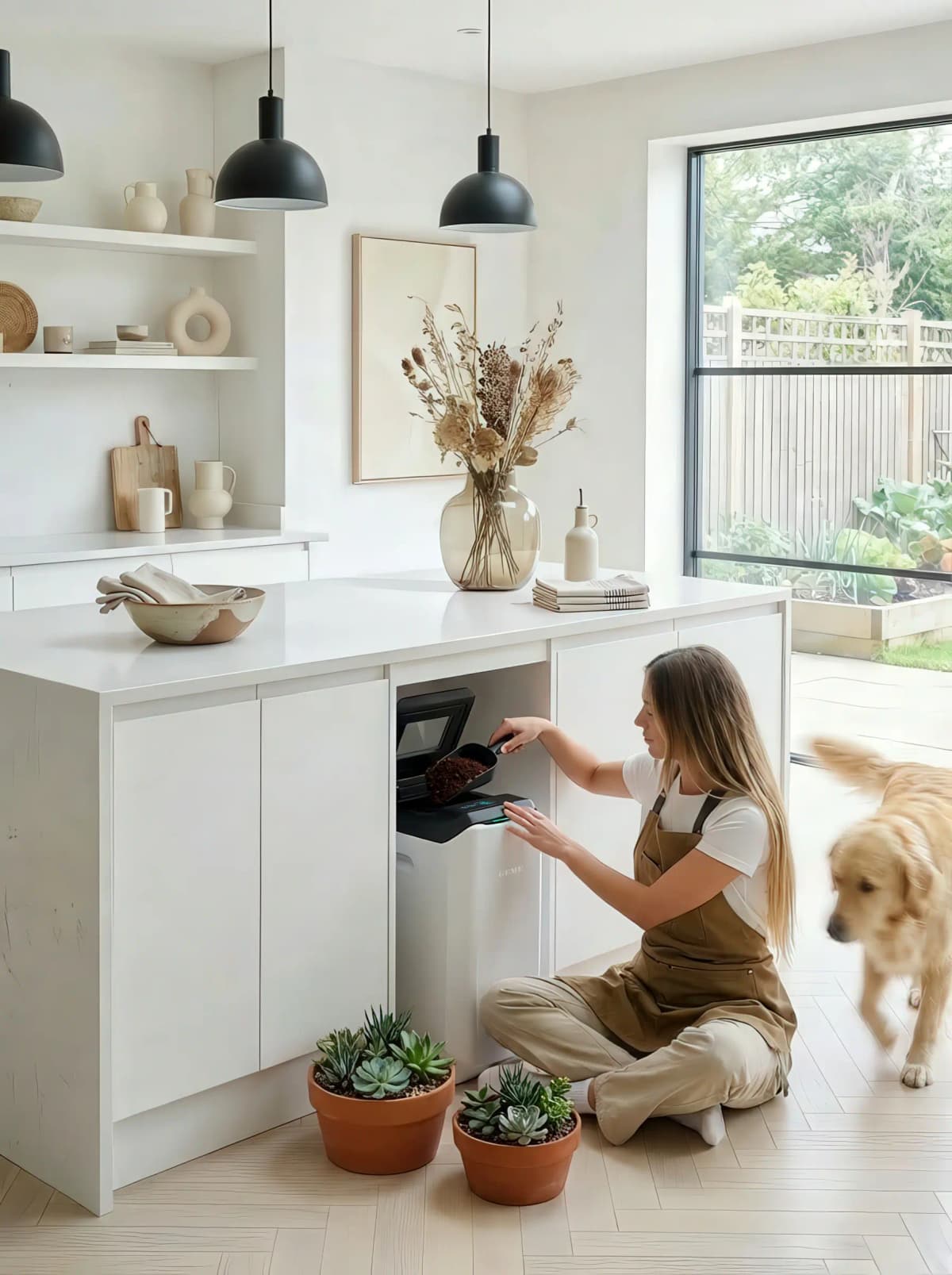
Screen, return, mix with soil, and use responsibly.
Compost Suitable Fruit Scraps Without an Open Pile
GEME Terra II and GEME Pro help households process appropriate kitchen scraps through real microbial composting. Remove packaging, avoid large wet overloads, screen output, and mix the compost base with soil before plant use.
Terra II for everyday homes. GEME Pro for larger routines.
Final Takeaway: Do Not Eat Moldy Grapes, But Do Not Waste the Nutrients
Moldy grapes should not be eaten. Remove affected grapes and any grapes touching them, inspect the rest carefully, and discard or compost spoiled fruit safely.
Grapes can usually be composted, but they need good management because they are wet and sugary. In a backyard pile, crush or split them, bury them in the center, and cover them with dry browns.
For a more contained indoor routine, GEME Terra II can process suitable grape scraps through real microbial composting. The output should still be screened and mixed with soil before plant use.
Store better, compost suitable scraps, and feed the earth.
Turn Suitable Kitchen Scraps Into Compost Base With GEME
GEME Terra II and GEME Pro help households turn appropriate kitchen scraps into compost for soil blending, with real microbial composting, no filter replacements, and zero recurring filter costs.
Do not eat moldy grapes. Compost suitable scraps responsibly.
Frequently Asked Questions
Can you compost moldy grapes?
Yes, moldy grapes can usually be composted. Treat them as wet fruit scraps, bury them in the active compost area, and cover them with dry browns to reduce pests and odor.
Can I eat grapes if only one grape is moldy?
Remove the moldy grape and any grapes touching it, then inspect the rest carefully. Do not eat grapes with visible mold, leaking juice, soft spots, or a fermented smell. If mold is widespread, compost or discard the batch.
What is the white coating on grapes?
A thin, even whitish coating can be natural grape bloom. It is different from fuzzy or powdery mold. Rinse grapes under running water before eating.
What happens if I accidentally eat a moldy grape?
Some healthy adults may have no symptoms after a small accidental exposure, but possible reactions include stomach upset, nausea, vomiting, diarrhea, allergic symptoms, or breathing discomfort in sensitive people. Seek medical advice if symptoms are severe, persistent, or involve a child, pregnant person, older adult, or immunocompromised person.
How should I store grapes to prevent mold?
Store grapes unwashed in the refrigerator in a ventilated container or perforated bag. Keep them cold, avoid trapped moisture, and inspect regularly for damaged or moldy grapes.
How long do grapes last in the fridge?
Grapes often keep good quality for about a week in a standard home refrigerator when stored cold, dry, unwashed, and ventilated. Very fresh grapes may last longer under excellent conditions.
Should I wash grapes before storing them?
No. Washing before storage adds moisture and can encourage mold. Wash grapes right before eating or using them.
How should I wash grapes?
Rinse grapes under cool running water and gently rub them with clean hands. Do not use soap, detergent, or commercial produce wash.
Can I put grapes in GEME Terra II?
Suitable grape scraps can be processed through GEME Terra II according to product guidance. Remove packaging and stickers, avoid large wet overloads, and use the output as a compost base for soil blending.
Can GEME output be used directly on plants?
Do not use pure GEME output directly around roots. Treat it as a compost base for soil blending. Screen larger pieces and mix with soil at about 1:8–1:10 before plant use.
Summary
- Can you compost moldy grapes? Yes, spoiled or moldy grapes can usually be composted.
- Can you eat moldy grapes? No. Moldy grapes should be discarded or composted, not eaten.
- Bloom vs mold: natural grape bloom is a thin waxy film; fuzzy or spreading patches are mold.
- Mold handling: remove moldy grapes and any grapes touching them; compost or discard the batch if spoilage is widespread.
- Backyard compost: grapes are wet greens. Crush or split them, bury them, and cover with dry browns.
- Pest prevention: do not leave grapes exposed on top of a compost pile.
- Storage: keep grapes cold, dry, unwashed, and ventilated until ready to eat.
- Washing: rinse under cool running water before eating; do not use soap or detergent.
- GEME Terra II: suitable grape scraps can be processed according to product guidance.
- Output use: screen larger pieces and mix compost base with soil before plant use.
Sources
- FDA — Selecting and Serving Produce Safely
- USDA Food and Nutrition Service — Grape Information Sheet
- UC Davis Postharvest Research and Extension Center — Grape
- USDA FSIS — Molds on Food: Are They Dangerous?
- U.S. EPA — Composting at Home
- U.S. EPA — Composting
- GEME — Terra II Product Page
- GEME — How Real Microbial Composting Works
- GEME — Advanced Compost Application Guide

Zostaw komentarz
Ta strona jest chroniona przez hCaptcha i obowiązują na niej Polityka prywatności i Warunki korzystania z usługi serwisu hCaptcha.