
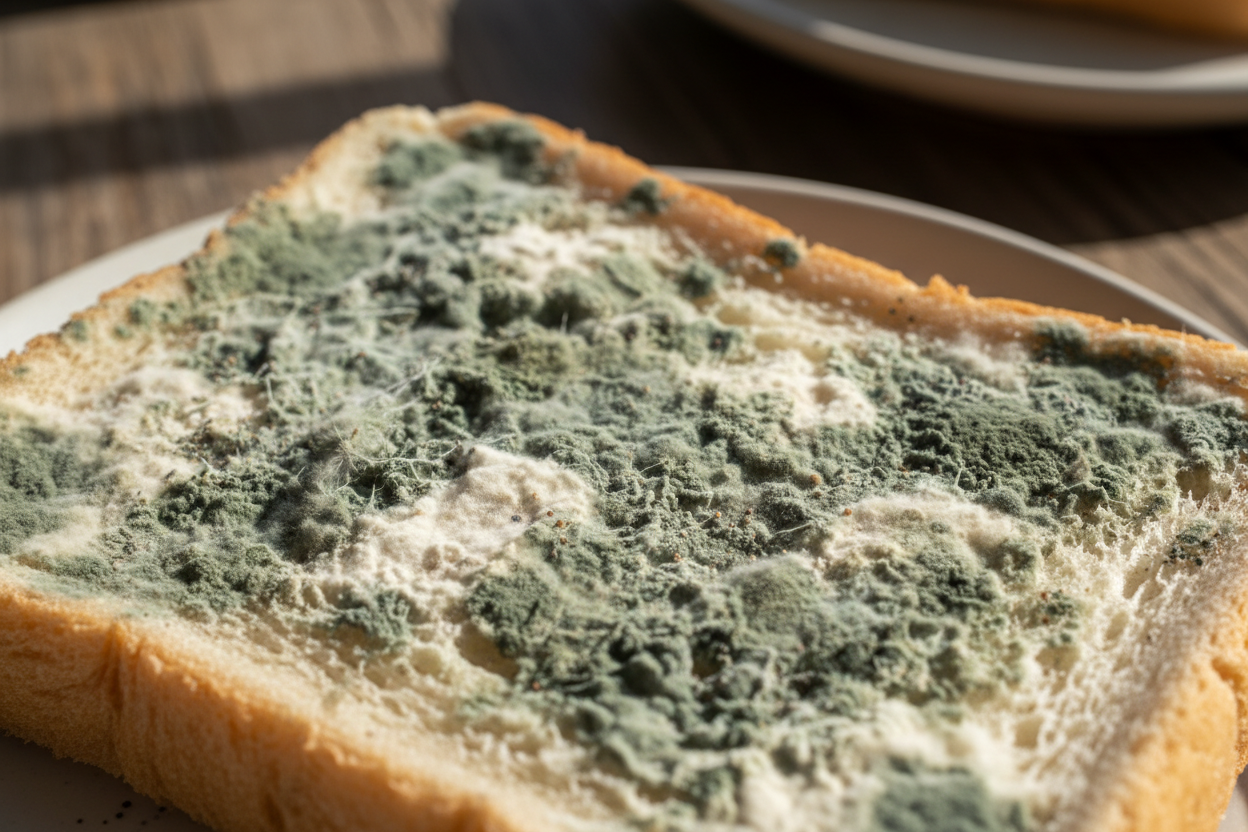
Bread Waste, Moldy Bread & Home Composting Guide
Yes, bread can usually be composted, including stale bread and moldy bread, but it should be handled carefully. Bread is organic material, yet it can also attract pests, clump when wet, and create odor in poorly managed compost piles.
The key is simple: do not eat moldy bread, remove all packaging, avoid oily or dairy-heavy bread products in open piles, tear bread into small pieces, and balance it with dry browns.
Simple rule: bread can return to compost, but moldy bread should not return to your plate.
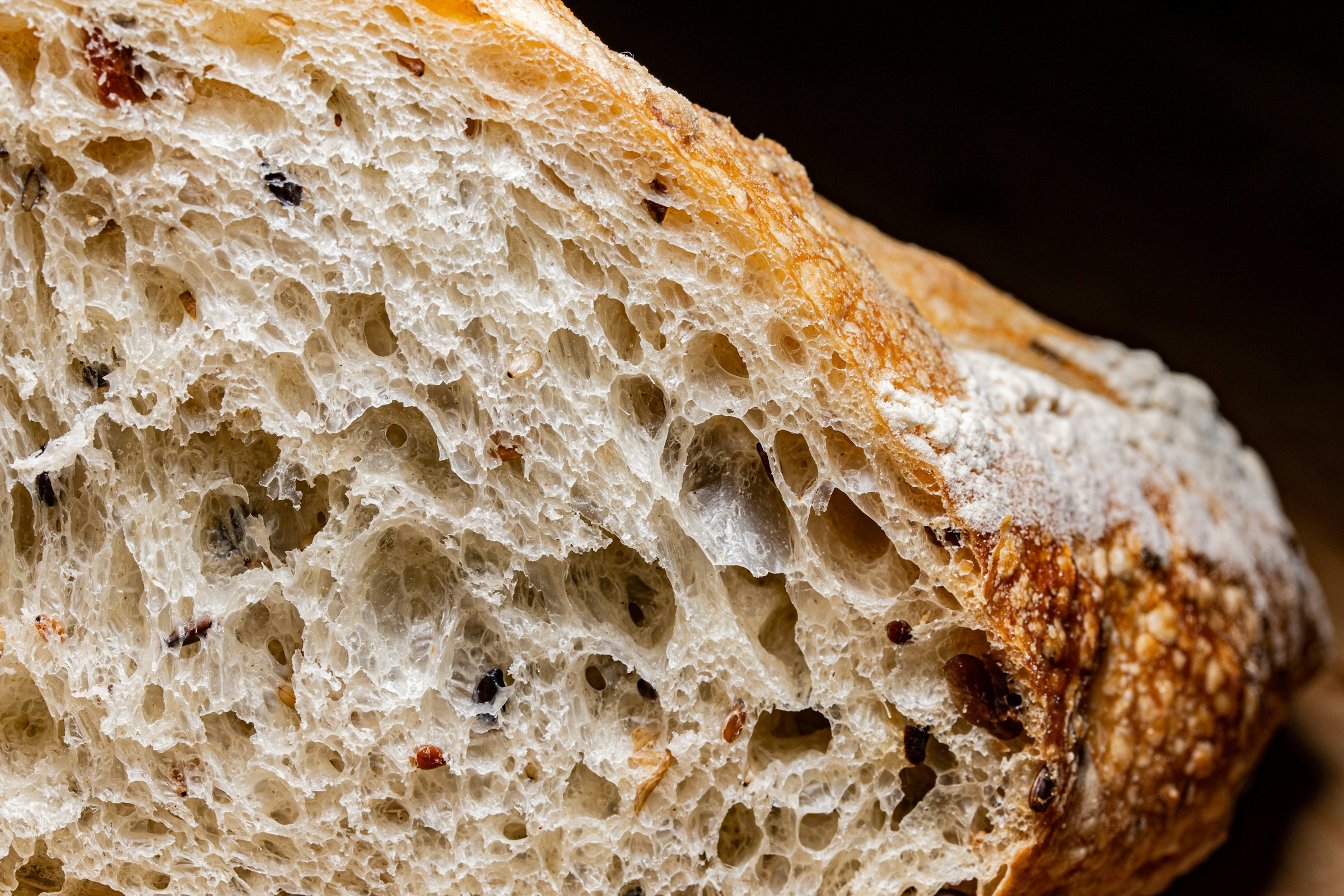
Tear small, bury deep, add browns, and keep pests out.
Quick Answer
Yes, you can compost bread in small amounts. Stale bread, dry bread, crusts, crumbs, and plain moldy bread can usually be composted if you manage moisture, airflow, and pests.
In a backyard compost pile, tear bread into small pieces, bury it in the center of the pile, and cover it with dry browns such as leaves, shredded cardboard, straw, or dry garden trimmings. Avoid dumping large wet lumps of bread on top of the pile.
In GEME Terra II, suitable bread scraps can be processed as appropriate kitchen scraps. Remove packaging, avoid large oily or dairy-heavy loads, add modest amounts, and use the output as a compost base for soil blending.
For related reading, see complete composting material list, how to compost at home, and advanced GEME compost application guide.
Key Takeaways
- Bread can usually be composted. Plain bread is organic material and can break down in a managed composting system.
- Moldy bread should not be eaten. Mold can spread below the visible surface, and some molds may produce harmful compounds.
- Backyard compost needs caution. Bread can attract rodents, insects, and wildlife if it is left exposed.
- Small pieces work better. Tear or crumble bread before composting to reduce clumping.
- Add dry browns. Mix bread with dry leaves, shredded cardboard, straw, or dry garden waste to protect airflow.
- Avoid problem breads in open piles. Cheese-filled, butter-heavy, oily, meat-filled, or very sugary bread products can create odor and pest issues.
- Remove packaging. Plastic bags, twist ties, stickers, paper labels, and coated wrappers do not belong in compost.
- GEME Terra II: suitable bread scraps can be processed through real microbial composting, with the output used as a compost base for soil blending.
Table of Contents
- Can You Compost Bread?
- Can You Compost Moldy Bread?
- What Happens If You Eat Moldy Bread?
- How to Tell If Bread Has Gone Bad
- How to Compost Bread in a Backyard Pile
- Bread Types That Need Extra Caution
- How GEME Terra II Handles Suitable Bread Scraps
- How to Use GEME Compost Output
- FAQ
- Summary
- Sources
- Related Articles
Can You Compost Bread?
Yes, bread can usually be composted. Bread is made mostly from organic ingredients such as flour, water, yeast, grains, and sometimes seeds or sugar. These materials can break down through microbial activity.
The problem is not whether bread can decompose. The problem is how it behaves in a home compost system. Bread is soft, starchy, and attractive to pests. When it gets wet, it can form dense lumps that reduce airflow and create odor.
Best practice: compost bread in small amounts, tear it into pieces, bury it in the center, and cover it with dry browns.
Can You Compost Moldy Bread?
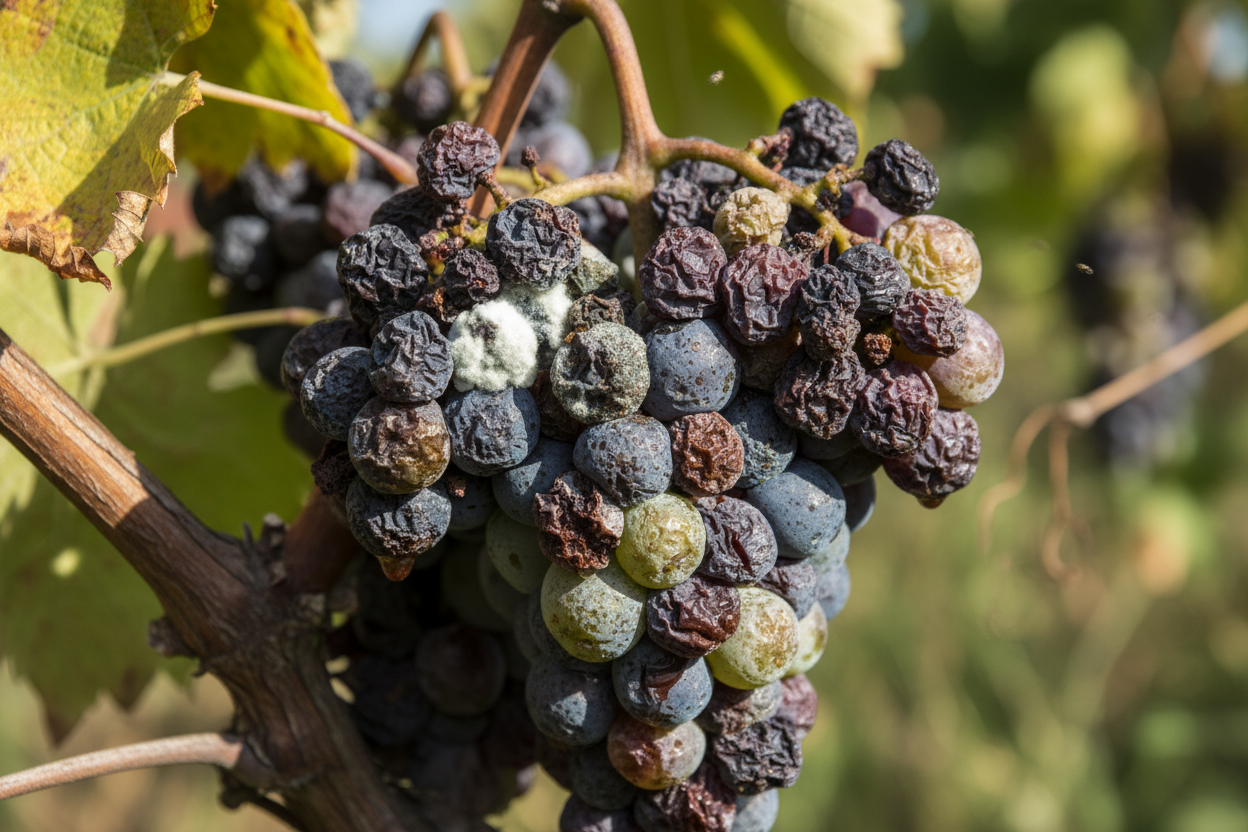
Yes, moldy bread can usually be composted, but it should be handled carefully. Mold is part of fungal decomposition, and fungi are normal participants in composting. However, moldy bread should not be eaten or sniffed.
In an outdoor compost pile, moldy bread should be buried in the active center of the pile and covered well with browns. Do not leave it exposed on top, where it can attract insects, rodents, raccoons, birds, or pets.
Moldy Bread Safety Rule
Do not cut off the visible mold and eat the rest. Bread is porous, so mold can spread below the visible spot. If you see mold, treat the bread as waste.
What Happens If You Eat Moldy Bread?
Moldy bread is not safe to eat. Some people may have no obvious symptoms after accidentally eating a small amount, but that does not make it a safe habit. Mold can cause allergic reactions, respiratory issues, digestive discomfort, and, in some cases, exposure to mycotoxins.
The risk depends on the mold type, the amount eaten, and the person’s health. Children, pregnant people, older adults, people with asthma, and people with weakened immune systems should be especially cautious.
Possible Symptoms After Eating Moldy Bread
- Nausea or stomach discomfort.
- Vomiting or diarrhea.
- Throat irritation.
- Allergic symptoms such as sneezing, coughing, watery eyes, or itching.
- Breathing discomfort in mold-sensitive people.
What to Do If You Accidentally Ate Moldy Bread
- Stop eating it immediately.
- Discard the remaining bread safely.
- Drink water and monitor symptoms.
- Seek medical advice if symptoms are severe, persistent, or involve breathing difficulty.
- Seek professional advice sooner for children, immunocompromised people, pregnant people, or large consumption.
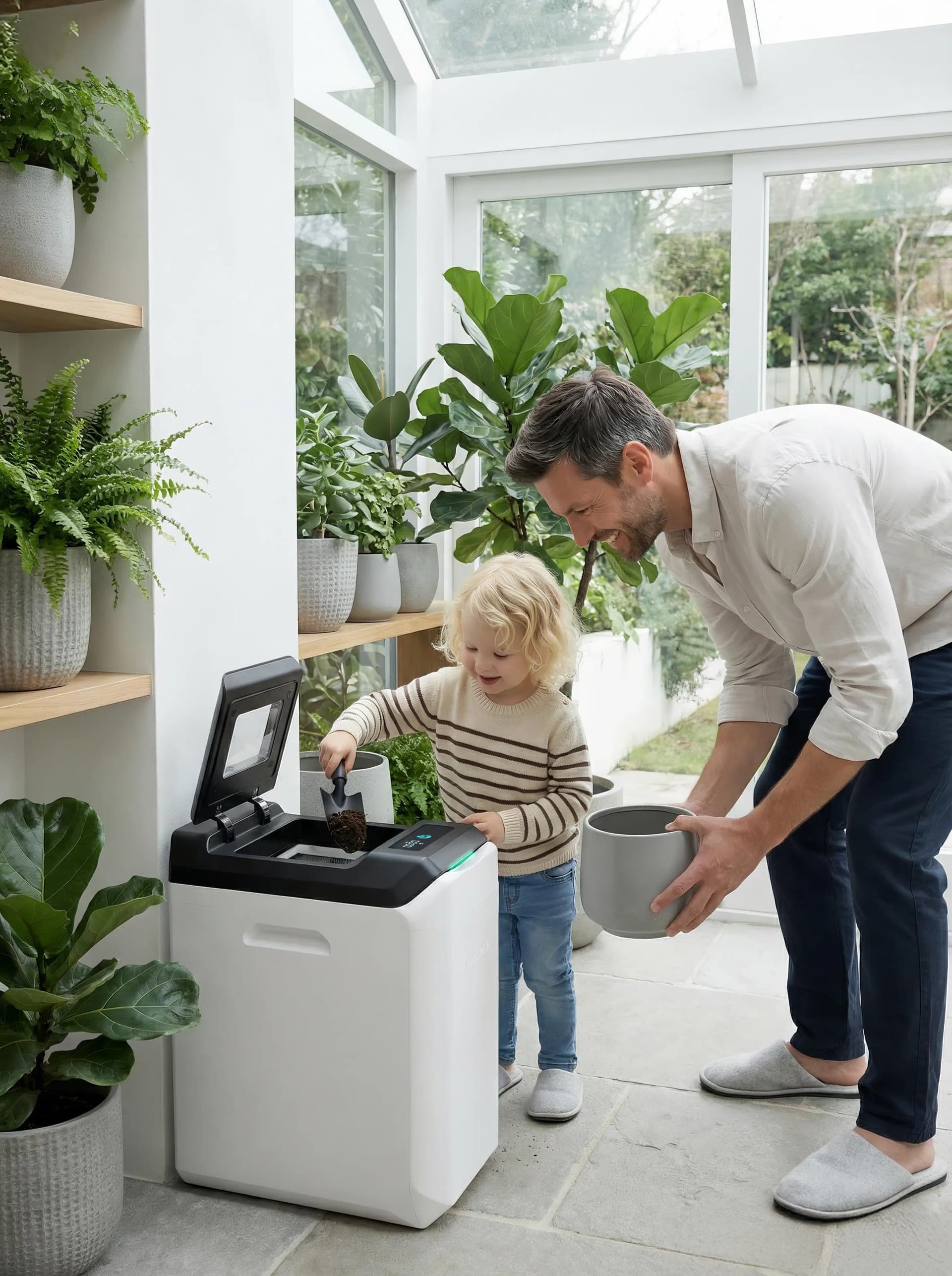
Keep it out of your meal. Return suitable scraps to the soil cycle.
GEME Terra II Helps Suitable Bread Scraps Return to Soil
GEME Terra II supports real microbial composting for appropriate kitchen scraps, including suitable stale or moldy bread. Remove packaging, avoid overloading, screen larger pieces, and mix the compost output with soil before plant use.
Real microbial composting. No filter replacements. Compost for soil blending.
How to Tell If Bread Has Gone Bad
Bread can become stale, dry, sour, or moldy. Stale bread is often still usable for cooking, but moldy bread should be discarded or composted appropriately rather than eaten.
| Bread Condition | What It Means | What to Do |
|---|---|---|
| Dry or stale | Quality has declined, but it may not be unsafe. | Use in cooking if safe, or compost in small pieces. |
| Hard crusts or crumbs | Low moisture, easy to break apart. | Good for composting when mixed with browns and buried. |
| Visible mold | Fungal growth; mold may extend beyond the visible spot. | Do not eat. Compost appropriately or discard safely. |
| Wet, slimy, or sour-smelling | Spoilage or poor storage conditions. | Do not eat. Handle as food waste. |
| Packaging contamination | Plastic, labels, twist ties, or coated wrappers attached. | Remove packaging before composting; discard contaminated parts if needed. |
How to Compost Bread in a Backyard Pile
Bread can be composted in a backyard system, but it needs good placement and balance. The main goal is to avoid exposed food smells, pest attraction, clumping, and low-oxygen pockets.
Step-by-Step Bread Composting
- Remove packaging: take off plastic bags, twist ties, stickers, paper labels, and coated wrappers.
- Tear it small: break slices, crusts, rolls, or buns into smaller pieces.
- Add dry browns: mix with dry leaves, shredded cardboard, straw, wood chips, or dry garden trimmings.
- Bury in the center: place bread inside the active pile instead of leaving it exposed on the surface.
- Cover well: add a layer of browns on top to reduce odor and pest access.
- Keep airflow: turn or fluff the pile as needed so bread does not become a wet, airless lump.
- Use small amounts: compost bread as a small part of the pile, not as a large single load.
Backyard Pile Rule
Bread is not a “never compost” material, but it is a “manage carefully” material. The more open your compost pile is, the more cautious you should be with bread.
Bread Types That Need Extra Caution
Plain bread is easier to compost than bread products mixed with fats, dairy, meat, or heavy sugar. The more a bread product resembles cooked leftovers or greasy food, the more likely it is to attract pests or create odor in an open pile.
| Bread Type | Compost Guidance | Why It Matters |
|---|---|---|
| Plain bread, crusts, rolls | Usually compostable in small pieces. | Starchy and pest-attractive if left exposed. |
| Moldy plain bread | Can usually be composted; do not eat. | Mold participates in decomposition, but a food safety risk remains for eating. |
| Buttered or oily bread | Avoid open piles or add only tiny amounts with many browns. | Grease can smell, slow airflow, and attract pests. |
| Cheese bread or dairy-filled bread | Not recommended for open backyard piles. | Dairy can cause odor and pest problems. |
| Meat-filled bread or sandwiches | Avoid in open piles; use accepted organics pathway or enclosed system guidance. | Meat and cooked leftovers can attract animals and create food-safety concerns. |
| Very sugary pastries | Use caution; add only small amounts if composting outdoors. | Sugar and fats can encourage pests and odors. |
How GEME Terra II Handles Suitable Bread Scraps
GEME Terra II is designed for real microbial composting in a warm, moist, oxygen-rich chamber. It uses Kobold™ living microbes and adaptive control to process appropriate kitchen scraps without drying them into flakes.
Bread is usually one of the easier kitchen scraps to process because it is soft and starchy. However, users should still avoid overloading the chamber with large wet bread masses, greasy bread, dairy-heavy pastries, or packaging-contaminated material.
Safe GEME Bread-Scrap Rules
- Do not eat moldy bread.
- Remove plastic bags, twist ties, stickers, coated labels, and packaging.
- Tear bread into smaller pieces before adding.
- Add bread in modest amounts rather than packing in a large wet loaf.
- Use caution with buttered, oily, cheese-filled, or meat-filled bread products.
- Screen larger unfinished pieces back into the chamber when harvesting.
- Use output as compost base for soil blending, not as pure potting soil or direct root contact.

How to Use GEME Compost Output From Bread Scraps
GEME output should be treated as a compost base for soil blending. Do not use pure output directly around roots. Screen larger pieces, return unfinished organic material to the chamber, and mix the screened compost base with soil before plant use.
| Use Case | Recommended Method | Key Caution |
|---|---|---|
| Garden beds | Mix screened GEME output with soil at about 1:8–1:10. | Do not use pure output as a full soil replacement. |
| Existing ornamentals | Apply in a ring away from stems, then cover with plain soil. | Do not pile compost base against stems or trunks. |
| Potted plants | Use small amounts blended into soil or potting mix. | Use less for small pots and sensitive plants. |
| New plants | Place the blend below a plain-soil cap. | Keep roots out of direct contact with concentrated output. |
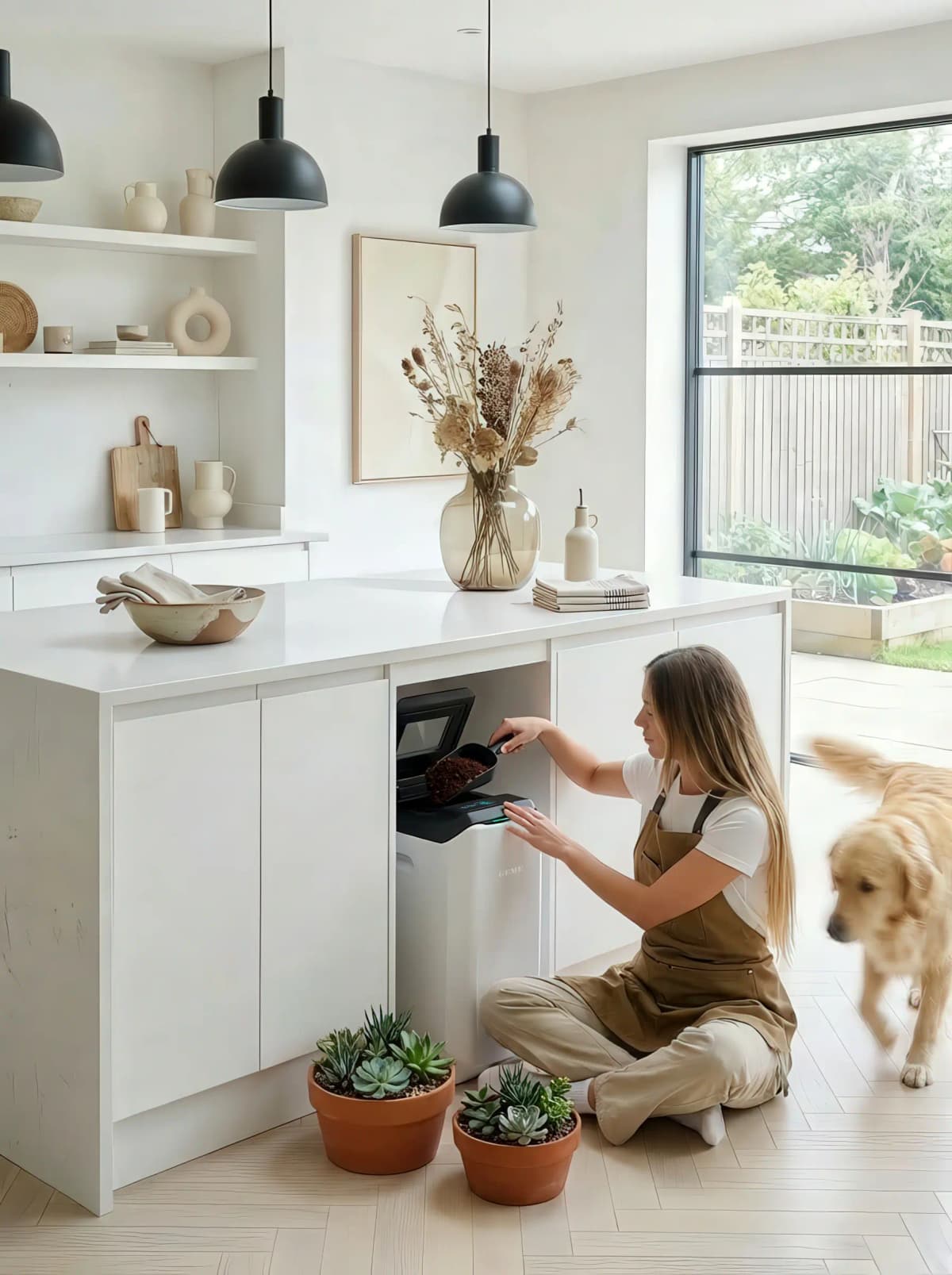
Screen, return, mix with soil, and use responsibly.
Compost Suitable Bread Scraps Without an Open Pile
GEME Terra II and GEME Pro help households process appropriate kitchen scraps through real microbial composting. Remove packaging, avoid overloads, screen output, and mix the compost base with soil before plant use.
Terra II for everyday homes. GEME Pro for larger routines.
Final Takeaway: Compost Bread Carefully, Never Eat Moldy Bread
Bread can usually be composted, including stale and moldy bread. But bread should be managed carefully because it can attract pests, compact into wet lumps, and create odor in poorly aerated systems.
Moldy bread should not be eaten. Do not cut off the visible mold and keep eating the rest. Bread is porous, and mold can extend beyond what you see.
For composting, the safest practical approach is to tear bread small, add dry browns, bury it well, and keep it covered — or use an enclosed microbial system like GEME for suitable bread scraps.
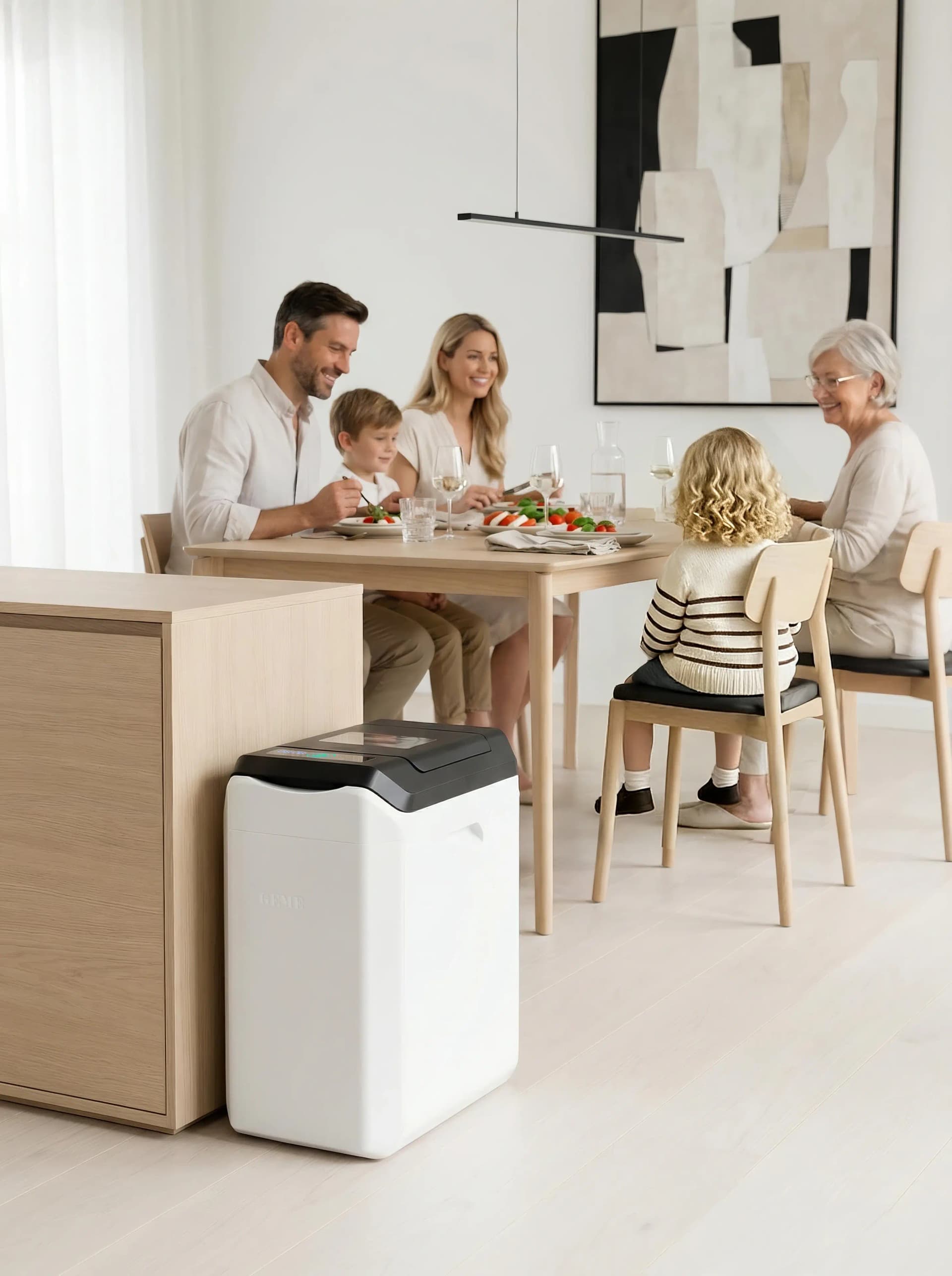
Store better, compost suitable scraps, and feed the earth.
Turn Suitable Kitchen Scraps Into Compost Base With GEME
GEME Terra II and GEME Pro help households turn appropriate kitchen scraps into compost for soil blending, with real microbial composting, no filter replacements, and zero recurring filter costs.
Do not eat moldy bread. Compost suitable scraps responsibly.
Frequently Asked Questions
Can you compost bread?
Yes. Plain bread, crusts, crumbs, rolls, and stale bread can usually be composted in small amounts when torn into pieces, buried in the pile, and balanced with dry browns.
Can you compost moldy bread?
Yes, moldy bread can usually be composted, but it should not be eaten. Handle it as food waste, bury it in the active compost area, and cover it with browns to reduce pests and odor.
Is moldy bread safe to eat if I cut off the mold?
No. Bread is porous, and mold can spread below the visible spot. If bread shows mold, do not eat it.
What happens if you eat moldy bread?
Some people may have no symptoms, but possible reactions include nausea, vomiting, diarrhea, allergic symptoms, throat irritation, or breathing discomfort. Seek medical advice if symptoms are severe, persistent, or involve a child or immunocompromised person.
Does bread count as green or brown compost?
Bread is usually treated more like a nitrogen-rich food scrap than a dry brown. In practice, mix it with true browns such as leaves, shredded cardboard, straw, or dry garden waste.
Why does bread attract pests in compost?
Bread is starchy, soft, and easy for animals and insects to smell. If it is left exposed, it can attract rodents, raccoons, birds, insects, pets, and other pests.
Can I compost bread with butter, cheese, or meat?
Avoid buttered, cheese-filled, oily, or meat-filled bread products in open backyard piles. These materials can smell and attract pests. Use accepted municipal organics guidance or an enclosed system that specifically allows those scraps.
Can I put bread in GEME Terra II?
Suitable bread scraps can be processed through GEME Terra II according to product guidance. Remove packaging, tear bread into smaller pieces, avoid overloads, and use the output as a compost base for soil blending.
Can I put moldy bread in GEME Terra II?
Suitable moldy bread scraps can be handled as food waste in GEME, but do not eat or sniff moldy bread. Remove packaging, add modest amounts, and clean any surfaces that touched moldy food.
Can GEME output be used directly on plants?
Do not use pure GEME output directly around roots. Treat it as a compost base for soil blending. Screen larger pieces and mix with soil at about 1:8–1:10 before plant use.
Summary
- Can you compost bread? Yes, plain bread can usually be composted in small amounts.
- Can you compost moldy bread? Usually yes, but it should not be eaten.
- Eating moldy bread: not recommended; mold can spread through porous bread.
- Backyard compost: tear bread small, bury it in the center, and cover it with browns.
- Pest risk: exposed bread can attract rodents, insects, birds, raccoons, and pets.
- Avoid in open piles: oily bread, cheese bread, meat-filled bread, and greasy pastries.
- Packaging: remove plastic bags, twist ties, stickers, coated labels, and wrappers before composting.
- GEME Terra II: suitable bread scraps can be processed according to product guidance.
- Output use: screen larger pieces and mix compost base with soil before plant use.
- Best prevention: store bread properly, freeze extra bread early, and compost only when it becomes waste.
Sources
- USDA FSIS — Molds on Food: Are They Dangerous?
- USDA FSIS — Molds on Food PDF
- U.S. EPA — Composting at Home
- U.S. EPA — Composting
- USDA — Composting
- Oregon State University Extension — Compost Heat, Odor and Pests
- GEME — Terra II Product Page
- GEME — How Real Microbial Composting Works
- GEME — Advanced Compost Application Guide


Zostaw komentarz
Ta strona jest chroniona przez hCaptcha i obowiązują na niej Polityka prywatności i Warunki korzystania z usługi serwisu hCaptcha.