
Hurricane Recovery, Tropical Storm Forecast & Home Safety
After a hurricane or tropical storm, recovery does not begin with a mop. It begins with information, timing, and safety. Even when the center of a storm has moved away, follow-up rain, flooding, power hazards, contaminated food, unsafe water, and mold can still create serious risks.
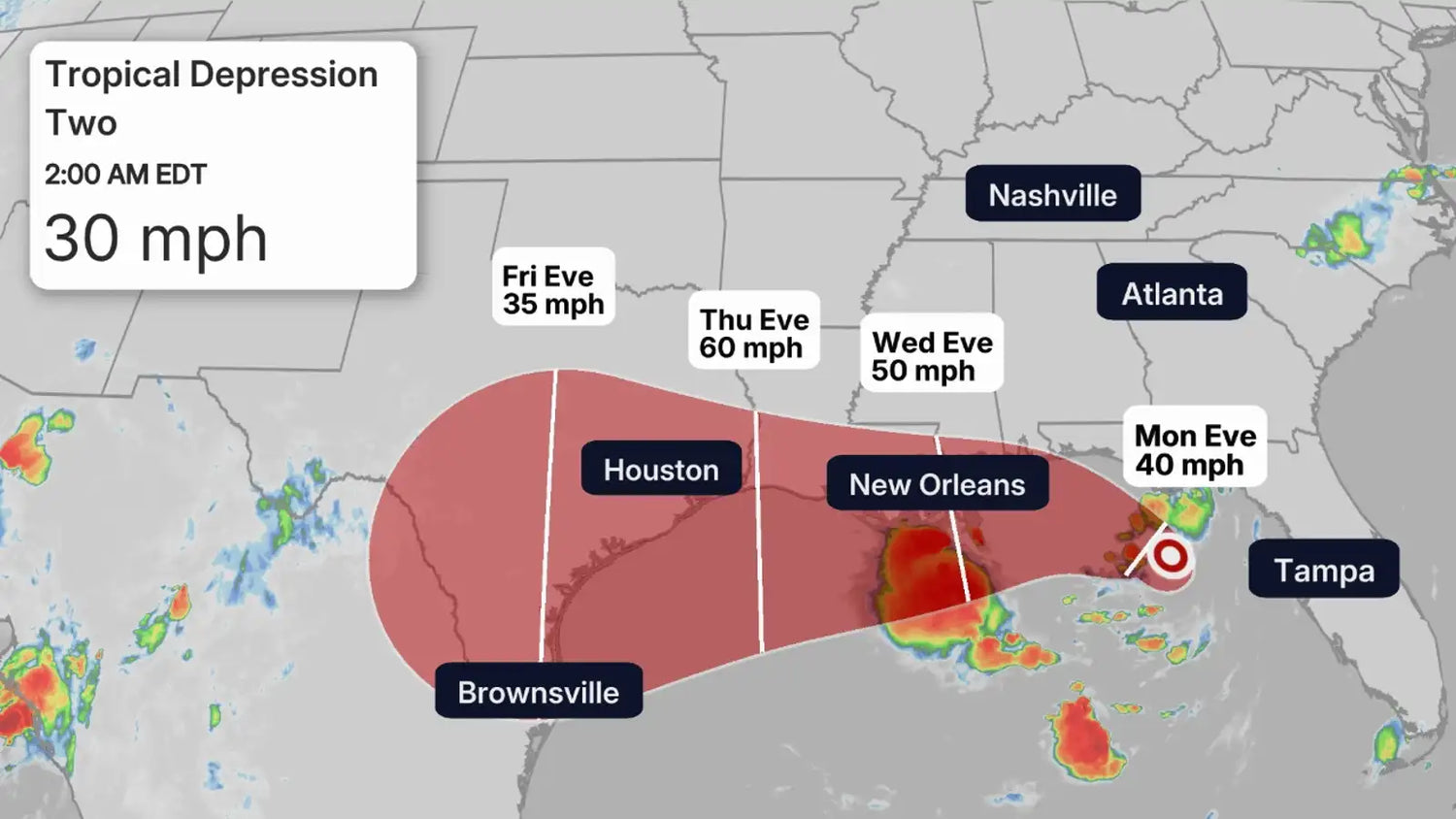
The latest Gulf Coast reporting around Tropical Depression Two and the expected Tropical Storm Bertha is a reminder that a tropical storm weather forecast can change quickly. Recovery plans should stay connected to National Hurricane Center updates and local emergency guidance until officials say conditions are safe.
Simple rule: do not treat “the storm has passed” as “the danger is over.”

Forecast first. Reenter carefully. Clean up without creating new risks.
Quick Answer
The safest recovery after a hurricane is a staged process: keep checking the tropical storm weather forecast, follow National Hurricane Center and local emergency updates, wait before reentering flooded buildings, avoid floodwater, protect food and drinking water, dry the home quickly, and handle yard debris carefully.
Do not assume that cleanup equals normal life. Floodwater can carry sewage, chemicals, sharp debris, and electrical hazards. Food or produce touched by floodwater should be treated as unsafe. Mold can grow after water intrusion even when surfaces look only slightly damp.
Composting can help with ordinary, uncontaminated yard and kitchen organic waste after recovery, but it is not a way to make flood-contaminated food, produce, soil, or debris safe. When floodwater, sewage, fuel, pesticides, or chemicals may be involved, follow local disposal instructions.
Related reading: how to protect your home and garden from hurricanes and floods, how to reduce food waste at home, and what can go into an electric composter.
Key Takeaways
- Keep watching the forecast. A weather forecast tropical storm update can still change after the first landfall or heavy-rain event.
- Use official sources. The National Hurricane Center, local National Weather Service offices, and local emergency alerts should guide timing.
- Do not rush reentry. Flooded homes may have electrical, structural, gas, mold, and contaminated water risks.
- Avoid floodwater. It can hide sharp objects, sewage, chemicals, downed wires, and open drains.
- Protect wounds and health. Clean cuts immediately and seek help if redness, swelling, drainage, or fever appears.
- Throw away unsafe food. Food, drinks, or produce touched by floodwater or stormwater should not be eaten.
- Dry fast, clean safely. Mold risk rises after water intrusion, so ventilate and dry affected areas as soon as it is safe.
- Compost with boundaries. Compost only ordinary, uncontaminated organic waste; do not compost flood-contaminated food or produce for garden use.
Table of Contents
- Why This Matters Now
- Tip 1: Keep Monitoring the Tropical Storm Weather Forecast
- Tip 2: Reenter Your Home Carefully
- Tip 3: Avoid Floodwater and Treat Wounds Quickly
- Tip 4: Handle Power, Generators, and Carbon Monoxide Safely
- Tip 5: Protect Food and Drinking Water
- Tip 6: Dry, Ventilate, and Clean for Mold
- Tip 7: Recover Your Yard and Garden Safely
- Composting After a Hurricane: What Is Safe and What Is Not
- FAQ
- Summary
- Sources
- Related Articles
Why This Matters Now
The latest reporting on the Gulf system expected to become Tropical Storm Bertha highlights a familiar recovery problem: tropical weather is not only about the center track. Heavy rain, flash flooding, coastal flooding, rip currents, isolated tornadoes, and delayed river or drainage impacts can all affect people after the first round of weather has passed.

That is why a recovery article should start with the forecast, not the broom. A tropical storm weather forecast can still shift by county, coastline, rainfall band, and timing. A general weather forecast tropical storm headline is useful, but the practical recovery decision should come from official alerts and local conditions.
Recovery rule: wait for local officials before reentering flooded or damaged areas, and keep checking the National Hurricane Center and local weather forecast updates until the hazard has truly passed.
1. Keep Monitoring the Tropical Storm Weather Forecast
After a hurricane or tropical storm, the first recovery step is information. Do not rely only on what the sky looks like outside your window. Rain bands can redevelop, drainage can fail later, rivers can continue rising, and coastal water can remain dangerous even after the worst wind has moved away.
What to Check
- National Hurricane Center advisories: track, intensity, watches, warnings, storm surge, rainfall, and key messages.
- Local National Weather Service office updates: county-level flooding, tornadoes, wind, and coastal warnings.
- Local emergency management alerts: evacuation, boil-water notices, road closures, shelter locations, and debris pickup rules.
- Power and water utility notices: outage restoration, downed lines, water safety, and service interruption updates.
Watch vs Warning in Plain English
A watch means conditions are possible. A warning means conditions are expected. When a watch or warning is still active, postpone nonessential cleanup and follow official instructions.
Do Not Let “Only a Tropical Storm” Lower Your Guard
Tropical storms can still produce dangerous flooding, storm surge, rip currents, tornadoes, and prolonged outages. Recovery safety should follow the hazard, not the storm category label.
2. Reenter Your Home Carefully
Reentering too early is one of the most common recovery mistakes. A house can look standing and still be unsafe. Water intrusion can damage electrical systems, foundations, flooring, walls, gas lines, appliances, and HVAC equipment.
Before You Go Inside
- Wait until officials say your area is safe to enter.
- Do not enter a building with visible structural damage.
- Do not step into standing water inside the home if electricity may still be connected.
- Smell for gas from outside; leave immediately if you suspect a leak.
- Take photos and videos before moving debris if you need insurance documentation.
- Wear gloves, boots, eye protection, and a mask when cleanup begins.
What to Do First Inside
- Open doors and windows only if conditions are safe.
- Look for sagging ceilings, cracked walls, shifted floors, and wet electrical outlets.
- Remove children, older adults, and pets from risky areas.
- Do not use wet appliances until they have been inspected.
- Keep a written list of damage and cleanup actions.
3. Avoid Floodwater and Treat Wounds Quickly
Floodwater after a hurricane can contain sewage, chemicals, fuel, broken glass, nails, sharp metal, dead animals, downed power lines, and hidden openings. Do not walk, drive, or let children play in floodwater.
Floodwater Safety Rules
- Never drive through floodwater.
- Do not touch floodwater if you have open cuts or wounds.
- Wear waterproof boots and gloves during cleanup.
- Use tools, not bare hands, to move debris.
- Keep children, pets, and older adults away from contaminated areas.
- Wash with soap and safe water after any cleanup activity.
Wound Care After Flood Exposure
Clean cuts immediately with soap and clean water. Cover wounds with clean, dry dressings. Seek medical care if a wound becomes red, swollen, painful, warm, oozing, or if a fever develops.
Tetanus Reminder
Puncture wounds, cuts from debris, or injuries exposed to contaminated water may require medical advice, including a tetanus booster depending on your vaccination history.
4. Handle Power, Generators, and Carbon Monoxide Safely
Power outages often continue after a hurricane. That makes generator safety critical. Carbon monoxide is invisible and odorless, and it can build up quickly when fuel-burning equipment is used incorrectly.
Generator Rules
- Never run a generator indoors.
- Never run a generator in a garage, basement, crawlspace, porch, or near open windows.
- Keep generators outside and far from doors, windows, and vents.
- Use a battery-operated or battery-backup carbon monoxide detector.
- Do not backfeed power into your home wiring without a proper transfer switch installed by a qualified professional.
- Keep fuel stored safely away from heat and living areas.
Electrical Cleanup Rules
- Do not touch electrical equipment if it is wet or you are standing in water.
- Do not use appliances, outlets, or panels that were exposed to floodwater until inspected.
- Stay away from downed power lines and report them immediately.
- Use flashlights instead of candles to reduce fire risk.
5. Protect Food and Drinking Water
Food and water safety after a hurricane is not based on appearance. Floodwater can contaminate sealed-looking containers, garden produce, refrigerators, freezers, counters, utensils, wells, and kitchen surfaces.
Food to Throw Away
- Any food that touched floodwater or stormwater.
- Fresh produce from flooded gardens.
- Food in containers with screw caps, snap lids, pull tops, crimped caps, twist caps, or flip tops if floodwater touches them.
- Home-canned foods exposed to floodwater.
- Food that was not kept cold during a long power outage.
- Any food with unusual odor, color, texture, or questionable temperature history.
Drinking Water Rules
Use bottled water, boiled water, or water that local authorities say is safe. If your area is under a boil-water notice, follow the notice exactly. If your private well was flooded, have it tested and disinfected before using it for drinking, cooking, brushing teeth, washing produce, or preparing baby formula.
Compost Boundary
Do not put floodwater-contaminated food or produce into a home composter for later garden use. Composting is not a shortcut for decontamination after hurricane flooding.
6. Dry, Ventilate, and Clean for Mold
Mold can become a major recovery problem after hurricane rain or flooding. Even when water drains away, damp walls, flooring, insulation, furniture, and hidden cavities can remain wet.
Mold Recovery Steps
- Ventilate when it is safe to do so.
- Remove standing water as soon as power and structural conditions are safe.
- Discard porous materials that cannot be cleaned and dried.
- Clean hard surfaces with appropriate cleaning products.
- Use protective equipment during cleanup.
- Take breaks and avoid overheating, especially in humid post-storm conditions.
- Get professional help for large mold areas, HVAC contamination, sewage exposure, or structural damage.
Who Should Avoid Mold Cleanup
People with asthma, allergies, respiratory disease, weakened immune systems, pregnancy-related concerns, or significant health conditions should avoid mold cleanup when possible and ask for medical or professional guidance.
7. Recover Your Yard and Garden Safely
Yard and garden recovery after a hurricane needs the same safety logic as indoor cleanup. Do not assume plants, soil, mulch, or standing water are safe just because they are outside.
First Outdoor Steps
- Wait until wind, lightning, and floodwater hazards have passed.
- Look for downed wires before touching branches or fences.
- Wear gloves, boots, long sleeves, and eye protection.
- Separate clean yard debris from contaminated debris.
- Do not eat produce touched by floodwater.
- Keep children and pets away from debris piles.
- Follow municipal debris pickup rules for branches, soil, appliances, chemicals, and spoiled food.
Garden Soil After Flooding
Flooded garden soil may contain pathogens, sewage, petroleum residue, pesticides, heavy metals, or other pollutants depending on the source of the water. Avoid planting edible crops until the area is dry, assessed, and safe according to local guidance.
For edible gardens, treat flood exposure as a food safety issue, not only a gardening issue.
Composting After a Hurricane: What Is Safe and What Is Not
Composting can support long-term home and garden recovery, but it has clear disaster boundaries. After a hurricane, the question is not only “Is this organic?” The question is “Was this material contaminated by floodwater, sewage, chemicals, fuel, or unsafe storage conditions?”
| Material | Compost Guidance | Why |
|---|---|---|
| Ordinary kitchen scraps after the power returns | Can be composted if they were not flood-contaminated and are appropriate for your system. | These are normal organic inputs, not disaster-contaminated materials. |
| Food touched by floodwater | Do not compost for garden use; discard according to local emergency rules. | Floodwater may contain sewage, pathogens, chemicals, fuel, or other contaminants. |
| Flooded garden vegetables or fruit | Do not eat; do not home-compost for edible garden use. | Washing is not enough to remove all floodwater contamination risks. |
| Clean fallen leaves and branches | May be compostable if not contaminated by floodwater, chemicals, sewage, or fuel. | Clean plant material can be part of normal organic waste recovery. |
| Debris mixed with trash, oil, sewage, or chemicals | Do not compost; follow local disposal instructions. | Composting is not designed to remove disaster pollutants safely. |
For GEME, the safest message is clear: use it for suitable, uncontaminated kitchen scraps in normal conditions. Do not use it as a treatment device for flood-contaminated food, plants, soil, or debris.
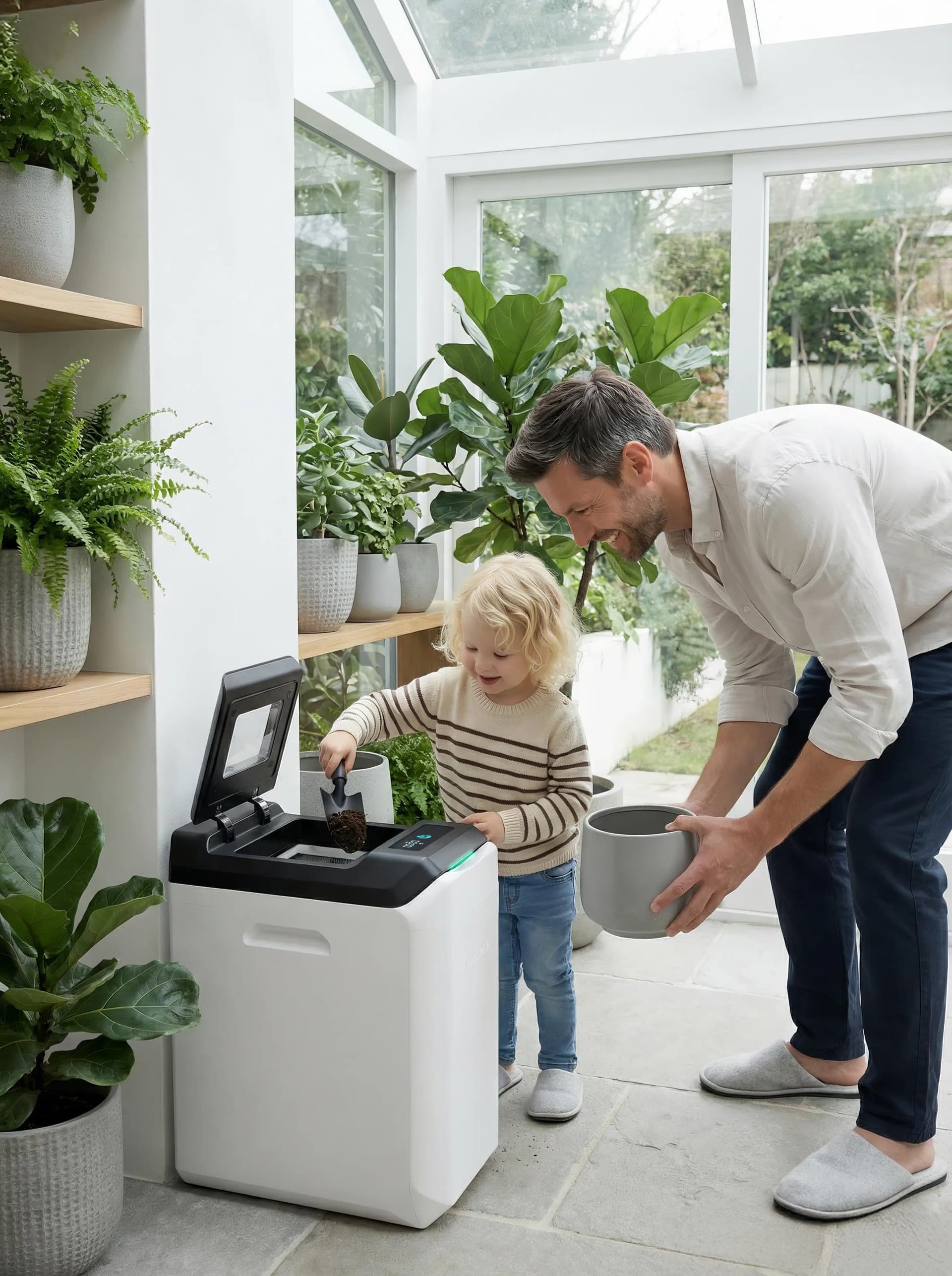
Compost ordinary, uncontaminated kitchen scraps, not flood-contaminated waste.
A Safer Food-Waste Routine After the Storm
Once your home is safe and your kitchen is back to normal, GEME Terra II helps households turn suitable, uncontaminated kitchen scraps into a compost base for soil blending, without using flood-contaminated food or debris as input.
Disaster waste is different from normal kitchen scraps. Keep the boundary clear.
Copy/Paste Hurricane Recovery Checklist
- I will keep checking the tropical storm weather forecast until local officials say the hazard has passed.
- I will follow the National Hurricane Center, local NWS, and local emergency management updates.
- I will not enter flooded buildings until it is safe.
- I will avoid floodwater and keep children and pets away from it.
- I will treat wounds quickly and seek medical help for signs of infection.
- I will use generators only outdoors and far from windows, doors, and vents.
- I will throw away food touched by floodwater or unsafe temperatures.
- I will use bottled, boiled, disinfected, or officially safe water.
- I will dry and ventilate the home as soon as conditions are safe.
- I will separate clean yard debris from contaminated storm debris.
- I will not compost flood-contaminated food, produce, or debris for garden use.
Frequently Asked Questions
What are the first things to do after a hurricane?
Keep monitoring the tropical storm weather forecast, follow local emergency alerts, avoid floodwater, check for electrical or structural hazards, document damage, and use safe water and food only.
Why should I keep checking the National Hurricane Center after the storm?
Tropical systems can continue producing heavy rain, flooding, storm surge, rip currents, and tornado threats after the first impacts. The National Hurricane Center and local weather offices provide updated watches, warnings, rainfall guidance, and hazard messages.
Is it safe to enter my home right after a hurricane?
Only enter when officials say it is safe and you can avoid electrical, structural, gas, and floodwater hazards. If floodwater entered the home, assume hidden contamination and mold risk until cleanup is complete.
Can I drink tap water after a hurricane?
Use bottled water or water that authorities say is safe. Follow boil-water notices exactly. If your private well was flooded, test and disinfect it before using the water for drinking, cooking, brushing teeth, or washing food.
What food should I throw away after hurricane flooding?
Throw away food that touched floodwater or stormwater, food in vulnerable containers touched by floodwater, home-canned foods exposed to floodwater, garden produce touched by floodwater, and refrigerated or frozen foods that were not kept at safe temperatures.
Can I compost food that touched floodwater?
No. Do not compost flood-contaminated food for garden use. Floodwater can carry sewage, pathogens, chemicals, fuel, and other pollutants. Follow local disposal guidance instead.
Can I compost fallen leaves and branches after a hurricane?
Clean, uncontaminated leaves and branches may be compostable. Do not compost debris mixed with floodwater, sewage, fuel, pesticides, chemicals, trash, or unknown contamination.
Can GEME be used during hurricane recovery?
GEME can be part of a normal kitchen-scrap routine after your home is safe and the scraps are uncontaminated. It should not be used to process flood-contaminated food, produce, soil, or disaster debris.
How do I prevent mold after hurricane flooding?
Dry the home as soon as it is safe, remove wet porous materials that cannot be cleaned, ventilate, wear protective gear, and seek professional help for major mold, sewage exposure, or HVAC contamination.
What is the biggest mistake after a tropical storm?
Treating the end of rain or wind as the end of risk. Recovery hazards often continue through floodwater, power outages, contaminated food and water, mold, road closures, and unstable structures.
Summary
- Recovery begins with information. Keep checking the tropical storm weather forecast, National Hurricane Center advisories, and local alerts.
- Do not rush reentry. Flooded homes can hide electrical, structural, gas, and mold hazards.
- Floodwater is unsafe. Avoid contact, protect wounds, and keep children and pets away.
- Generator safety matters. Carbon monoxide is invisible and can be deadly.
- Food safety is strictly enforced after flooding. Throw away food and produce touched by floodwater.
- Water safety depends on official guidance. Use bottled, boiled, disinfected, or officially safe water.
- Mold cleanup requires speed and protection. Dry, ventilate, discard ruined porous materials, and get help when needed.
- Composting has disaster boundaries. Compost clean, ordinary organic waste only; do not compost flood-contaminated food or debris.
- Best takeaway: after a hurricane, safe recovery is slower, more staged, and more careful than ordinary cleanup.
Sources
- Weather.com — Tropical Storm Bertha Forecast in the Gulf
- NOAA National Hurricane Center — Current Tropical Cyclone Advisories
- National Weather Service — Tropical Weather Terms and Warnings
- CDC — Safety Guidelines After a Hurricane or Other Tropical Storm
- CDC — Floodwater Safety After a Disaster
- CDC — Returning Home After a Natural Disaster
- CDC — Mold Cleanup Guidelines
- FDA — Food Safety After a Storm or Flooding
- GEME — What Can You Put in an Electric Composter?
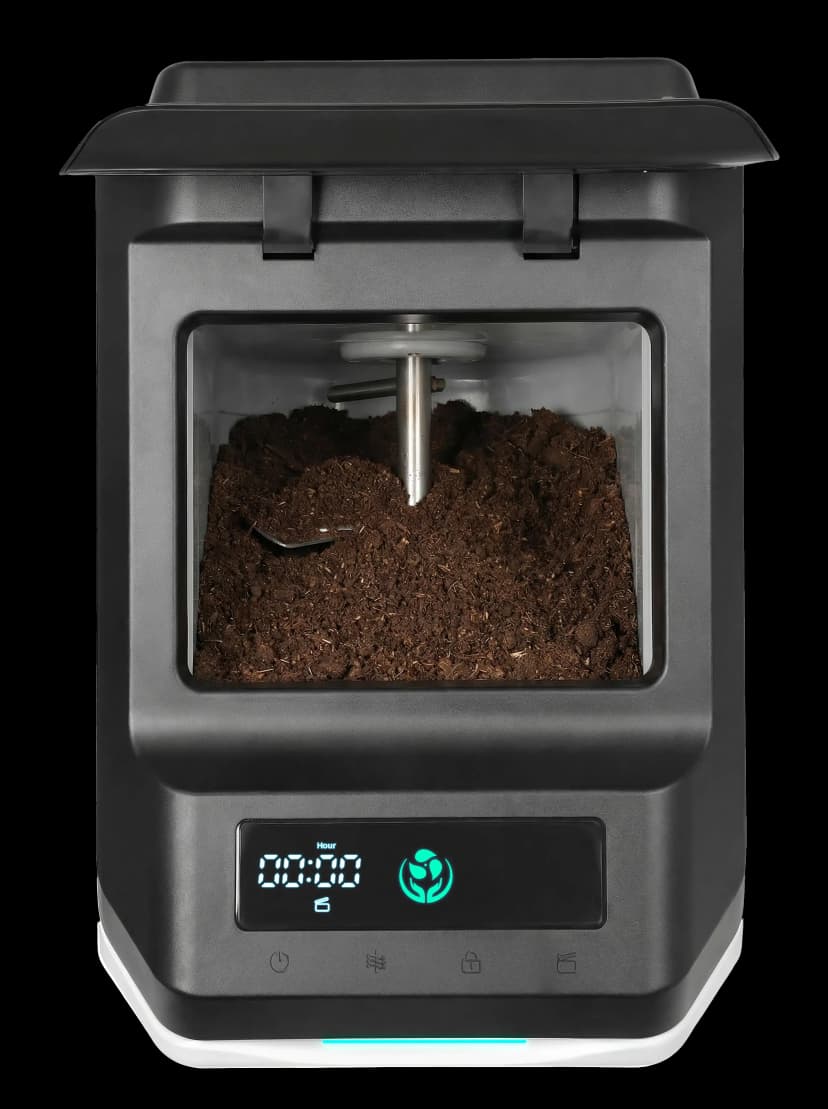
Compost ordinary scraps after the emergency, not contaminated disaster waste.
Build a Safer Kitchen Waste Routine After Recovery
GEME Terra II and GEME Pro help households compost suitable, uncontaminated kitchen scraps once normal conditions return. For hurricane recovery, keep the boundary simple: disaster-contaminated waste belongs in local disposal channels, not in home compost.
Safe recovery first. Composting routine second.


Zostaw komentarz
Ta strona jest chroniona przez hCaptcha i obowiązują na niej Polityka prywatności i Warunki korzystania z usługi serwisu hCaptcha.