


Composting in Summer: How to Beat the Heat
Summer can make composting feel harder: fruit flies multiply faster, juicy seasonal scraps can push moisture too high, odors appear when oxygen drops, while outdoor piles may dry out during hot wea...

Composting at School: How to Start a School Composting Program
A school composting program can do much more than divert cafeteria scraps. Learn how to audit food waste, teach students the science of microbial composting, build environmental awareness, run clas...
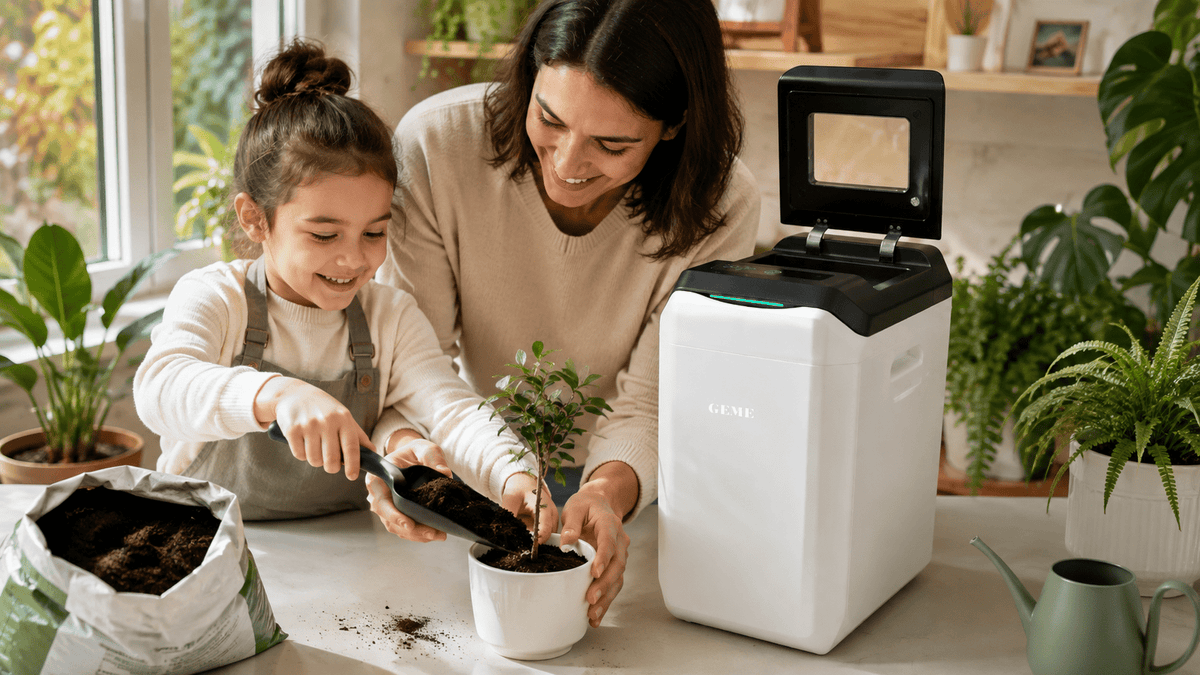
Composting for Kids: A Fun and Educational Guide
Composting turns banana peels, leaves and lunch scraps into a living science lesson. This kid-friendly guide explains microbes, worms, greens and browns, offers easy composting activities for diffe...

Composting vs. Landfill: Environmental Impact
Is composting actually better than sending food waste to landfill? Follow the waste-management chain from the kitchen bin to landfill methane or aerobic composting, then use EPA WARM factors to see...

Fastest Compost Method: Which Composting Method Works Best?
Which composting method is actually fastest? This guide compares traditional compost piles, vermicomposting, Bokashi and controlled microbial composters by visible breakdown, usable intermediate ou...
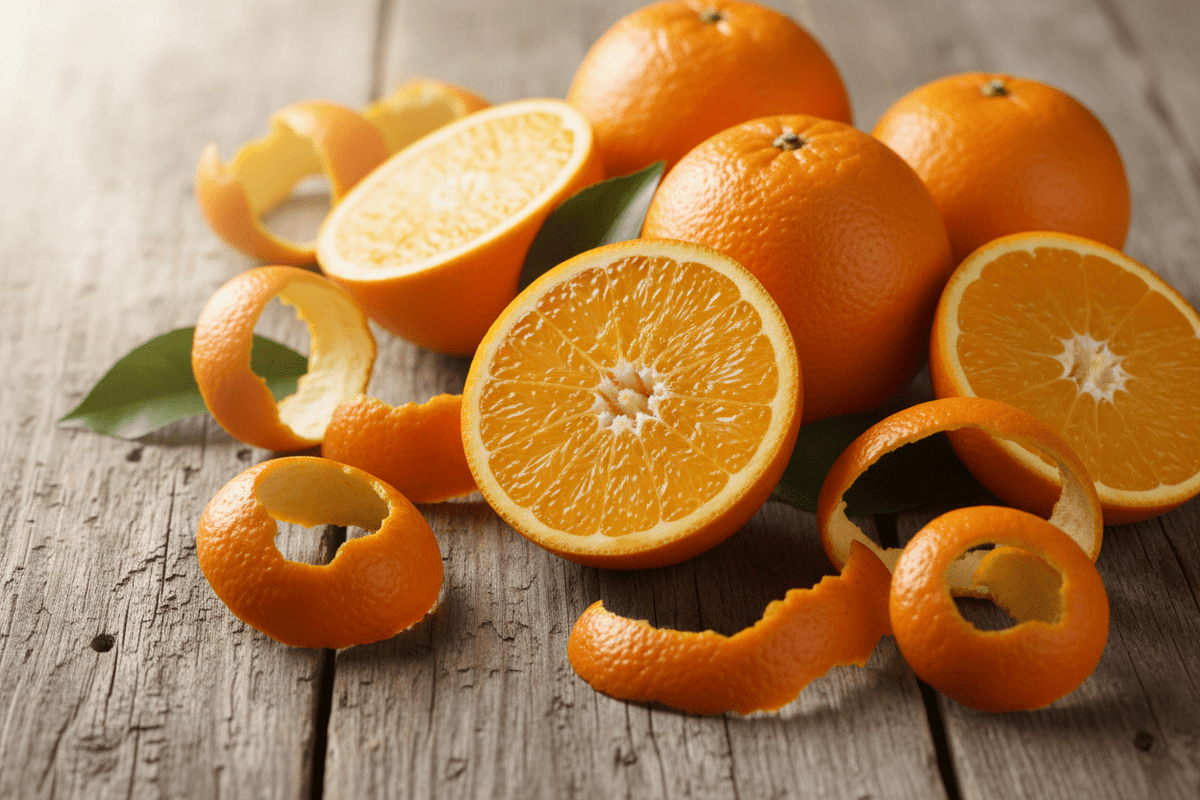
Can You Compost Orange Peels? The Fastest Way to Break Them Down
Orange peels are compostable, but their dense fibre, pectin-rich structure and essential oils make them slower to break down than soft fruit scraps. Chopping the peel increases the surface area ava...
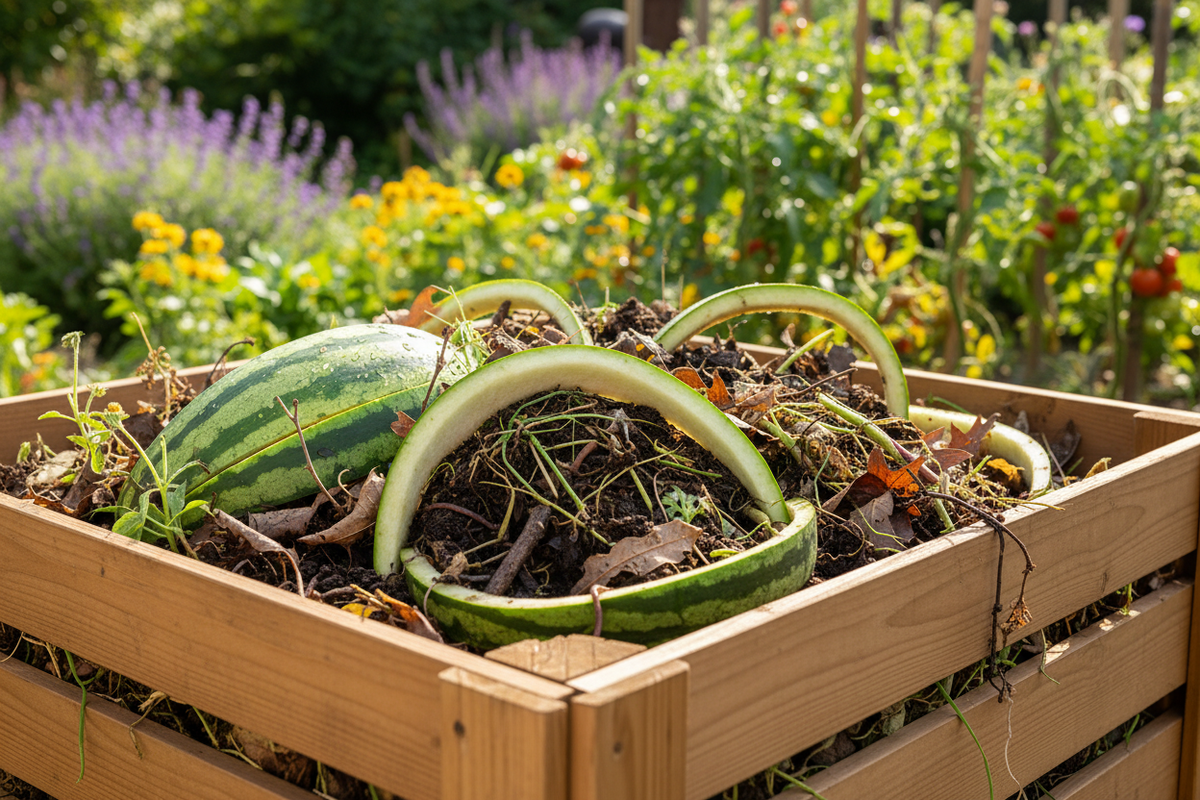
Can You Compost Watermelon Rind? The Best Way to Do It at Home
Watermelon rind is fully compostable, but its thick fibres, high moisture content and large volume can make it inconvenient in a backyard pile or worm bin. For households seeking an indoor, continu...