

Holiday Food Waste Guide
Celebrate abundance without turning the holiday kitchen into a waste problem. Plan smarter, store better, reuse leftovers, and turn unavoidable scraps into a resource.
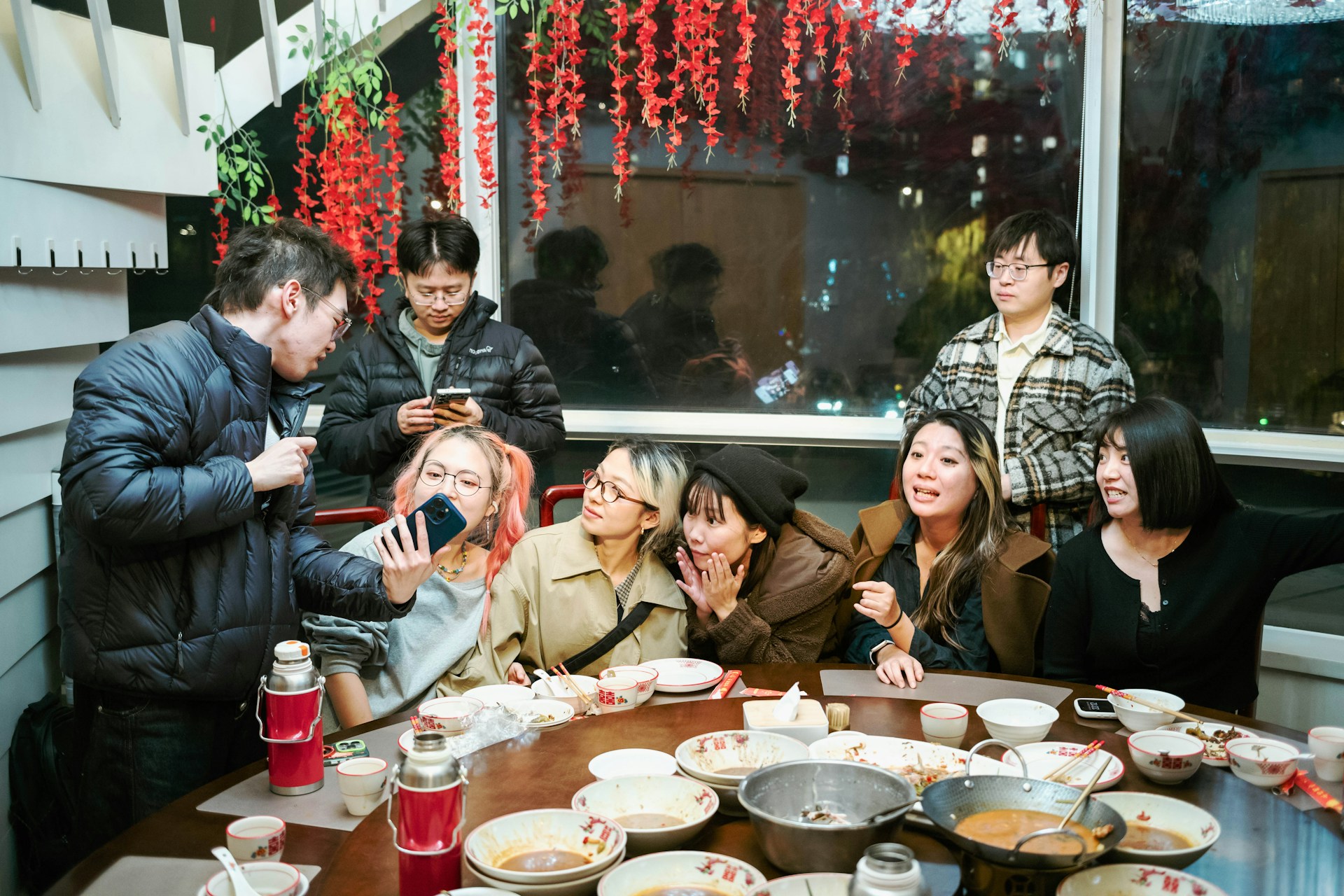
Waste less, compost more.
Quick Answer
To reduce food waste during the Spring Festival, plan meals before shopping, buy fresh ingredients close to the cooking day, serve smaller first portions, create a leftover plan, store cooked food safely, and separate unavoidable scraps for composting. The goal is not to celebrate less — it is to make every dish, peel, bone, and leftover follow a better path.
For year-round habits, pair this guide with our food waste reduction guide for home kitchens and our beginner guide to composting at home.
Key Takeaways
- Holiday food waste starts before cooking. Smarter shopping lists and realistic portions prevent the biggest losses.
- Leftovers need a plan. Build a “leftover remix” day into the festival schedule before the fridge gets crowded.
- Sorting matters. Separate dry trash, edible leftovers, and compostable scraps during cooking and cleanup.
- Winter composting can be slower. Outdoor piles may struggle during cold holiday periods, especially with heavy, wet scraps.
- Indoor composting reduces holiday cleanup stress. A kitchen composter can help handle daily scraps without relying only on trash bags.
- GEME output should be used as a compost base. Blend it with soil and screen large unfinished pieces before garden use.
Table of Contents
Celebrate the Feast, Not the Waste
Spring Festival is a time of reunion, generosity, and food. A full table represents care, prosperity, and welcome. But after the reunion dinner, many homes face the same problem: crowded refrigerators, unfinished dishes, fruit peels, vegetable trimmings, bones, shells, packaging, and plate scraps.
Reducing holiday food waste is not about shrinking the celebration. It is about planning with more intention, storing food more carefully, and building a better route for unavoidable scraps.
If your holiday kitchen often turns chaotic, start with the same principle we use in everyday food-waste reduction: prevent what you can, reuse what is still edible, and compost what remains. For more everyday tactics, read how to reduce food waste at home.
Simple rule: A zero-waste holiday starts before the first ingredient goes into the cart.
1. Why Holiday Food Waste Happens
Holiday food waste usually comes from good intentions: buying extra, cooking generously, preparing too many dishes, and keeping leftovers without a clear plan.
The Four Holiday Waste Triggers
| Trigger | What Happens | Better Habit |
|---|---|---|
| Overbuying | Fresh items expire before they are cooked. | Shop from a meal plan and a quantity list. |
| Overserving | Untouched food on plates becomes waste. | Start with smaller servings and offer seconds. |
| No leftover plan | Cooked dishes sit in the fridge until forgotten. | Schedule a leftover remix day. |
| No scrap system | Peels, shells, bones, and trimmings all go to the trash. | Set up sorting before cooking begins. |
2. Spring Festival Food Waste: Do and Don’t
Do
- Plan key meals before shopping.
- Buy fresh perishables close to the cooking day.
- Label leftovers with dates.
- Turn bones and vegetables into stock where appropriate.
- Compost unavoidable scraps instead of trashing them.
Don’t
- Do not buy “just in case” without a meal plan.
- Do not overload plates on the first serving.
- Do not leave cooked food out too long.
- Do not overwhelm a small outdoor pile with oily holiday scraps.
- Do not treat dried food-waste residue as finished compost.
3. The Pre-Feast Plan: Prevent Waste at the Source
The easiest waste to manage is the waste you never create. Before the shopping rush begins, build a simple pre-feast plan.
Make a Smarter Shopping List
Start with the meals that matter most: reunion dinner, breakfast the next day, visiting snacks, desserts, and any family potluck dishes. Then write quantities instead of vague categories.
| Instead of Buying | Plan This Way |
|---|---|
| “Some vegetables” | “2 heads bok choy, 500g mushrooms, 4 carrots” |
| “Extra fruit” | “6 oranges for guests, 1 pomelo for table display” |
| “More meat just in case” | “500g pork for dumplings, 1 whole chicken for dinner” |
Shop in Two Waves
- Early shop: dry goods, sauces, frozen staples, rice, noodles, snacks, tea.
- Late shop: leafy greens, seafood, fresh fish, herbs, berries, delicate fruit.
Use Potluck Logic
If family members are visiting, assign dishes clearly. “Bring a vegetable dish” is vague. “Bring one cold vegetable dish for six people” prevents duplicates and oversupply.
4. Create a Leftover Remix Blueprint
Leftovers are not a failure. They are ingredients for the next meal. The problem is not having a plan before the fridge fills up.
Leftover Remix Ideas
| Holiday Leftover | Next-Day Use | Waste-Saving Tip |
|---|---|---|
| Steamed fish | Fish congee, fish cakes, noodle topping | Remove bones and refrigerate promptly. |
| Roast chicken | Soup, fried rice, sandwiches, and stock | Use bones for stock before composting remaining scraps where suitable. |
| Cooked vegetables | Frittata, noodle bowl, fried rice | Store separately from sauces when possible. |
| Dumpling filling | Meatballs, soup filling, stir-fry | Cook promptly and cool safely. |
For fruit-heavy holiday kitchens, storage matters too. See our guides on how to make bananas last longer and how long apples last in the fridge.
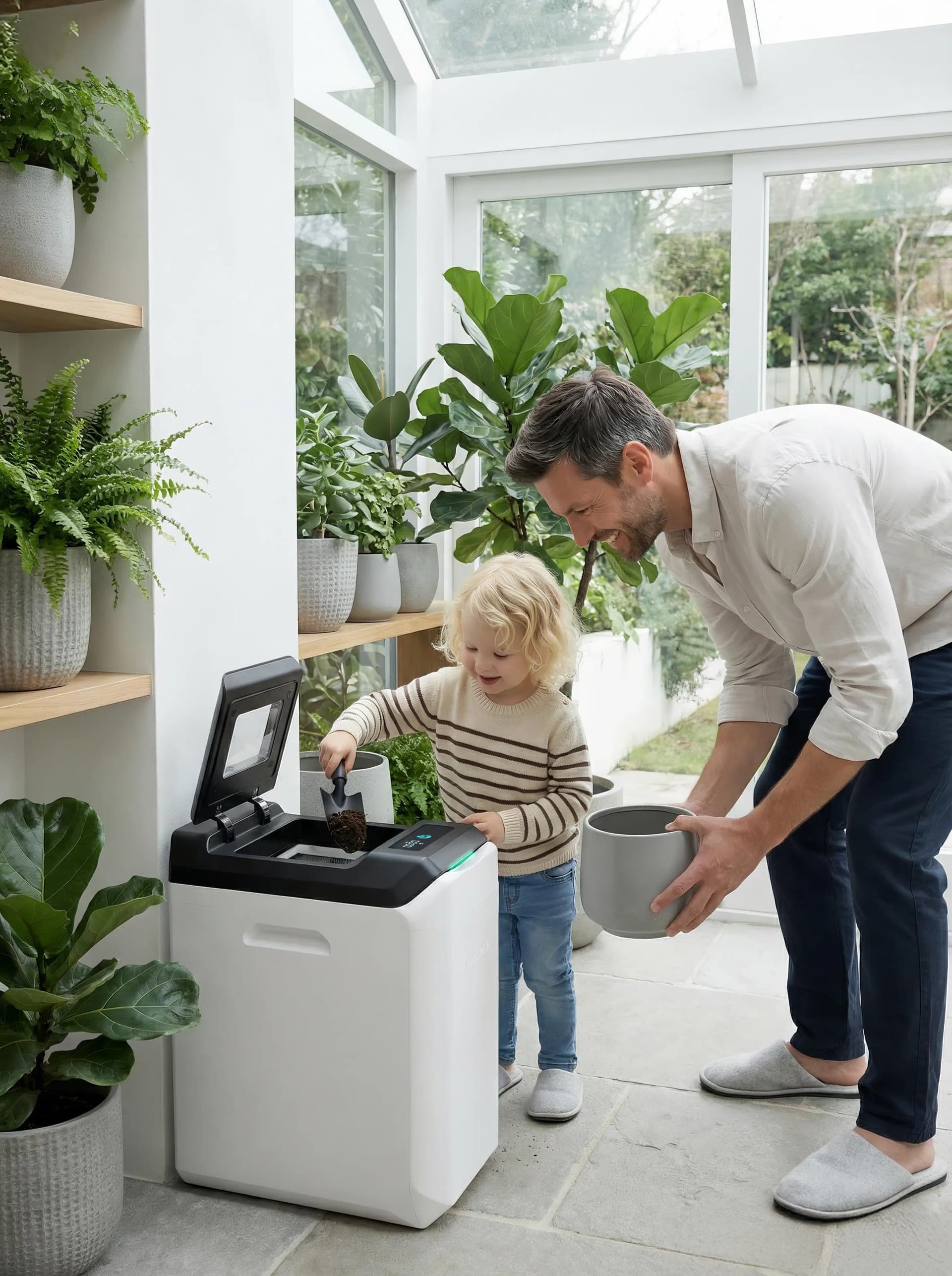
Keep the kitchen cleaner after the feast.
Compost After the Feast
GEME Terra II helps turn daily holiday scraps into compost base without relying only on trash bags, outdoor piles, or freezer storage.
Built for busy kitchen-to-soil routines.
5. Set Up a Holiday Kitchen Sorting Station
During Spring Festival cooking, the kitchen moves fast. If you wait until cleanup to decide what goes where, everything ends up in one trash bag.
Three-Zone Sorting System
| Zone | What Goes Here | Why It Helps |
|---|---|---|
| Eat Soon | Safe edible leftovers | Keeps good food out of the scrap bin. |
| Compost Scraps | Peels, trimmings, fruit skins, coffee grounds, eggshells | Makes composting automatic during cooking. |
| Dry Trash / Recycling | Packaging, wrappers, non-compostable materials | Prevents contamination. |
Common holiday scraps, such as coffee grounds and eggshells, have their own rules for use. Read how to compost coffee grounds and how to compost eggshells before applying finished compost around sensitive plants.
6. Holiday Composting Options
Not every composting method works equally well during a busy holiday week. Volume, temperature, odor risk, and family routines all matter.
Holiday Composting Methods Compared
| Method | Strength | Holiday Limitation |
|---|---|---|
| Trash can | Fast and familiar | Food waste can smell and goes to the landfill. |
| Outdoor compost pile | Good for yard waste and plant scraps | Winter slows activity; large wet loads may overwhelm it. |
| Freezer storage | Stops odor before drop-off | Takes freezer space during a food-heavy holiday. |
| Dehydrator-style food recycler | Reduces volume quickly | Output is dried food-waste residue, not the same as finished compost. |
| Microbial kitchen composter | Continuous indoor composting routine | Requires upfront investment and proper use guidance. |
Winter composting can be slower outdoors. If you rely on a pile, read our winter composting guide before adding a large holiday load.
7. How GEME Fits the Holiday Kitchen
GEME Terra II is a microbial kitchen composter designed for daily food scraps, continuous feeding, compost-like output for soil blending, and no routine odor filter replacement.
During holidays, that matters because scraps arrive in waves: vegetable prep, fruit plates, tea and coffee, leftovers, cleanup after guests, and the next day’s cooking. A continuous system is easier to live with than a system that requires every scrap to wait for a batch cycle.
Holiday Scraps GEME Can Help With
| Scrap Type | Practical Guidance |
|---|---|
| Fruit peels and vegetable trimmings | Good everyday compost material; avoid overwhelming the system with very wet loads all at once. |
| Coffee grounds and tea leaves | Useful in mixed scrap routines; avoid dense wet clumps. |
| Eggshells | Light crushing helps processing and later soil use. |
| Cooked leftovers | Use moderation, follow product guidance, and avoid dumping large oily or salty portions at once. |
| Bones and shells | Small or softer pieces may process more easily; large, hard bones may need more time or should be managed separately. |
For input boundaries such as meat, dairy, bones, salt, and oil, read what you can put in an electric composter and salt and oil boundaries for electric composters.
Dehydrator vs Microbial Composting
Some electric food-waste machines mainly dry and grind scraps. That can reduce trash volume, but dried food-waste residue should not automatically be treated as finished compost. GEME’s positioning is different: it uses microbial composting to create compost-like organic material for soil blending.
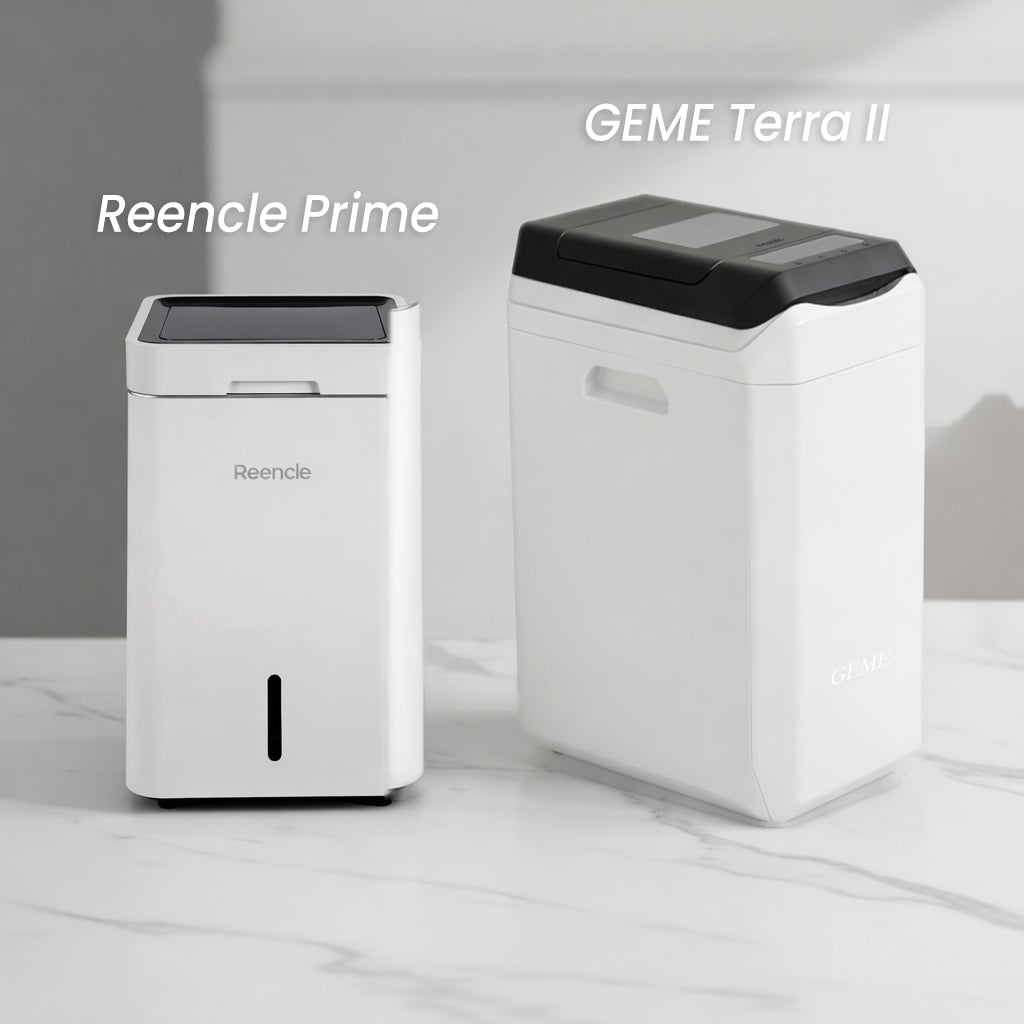
For comparison reading, see GEME vs Lomi, does Lomi really compost?, and does Reencle produce real compost?.
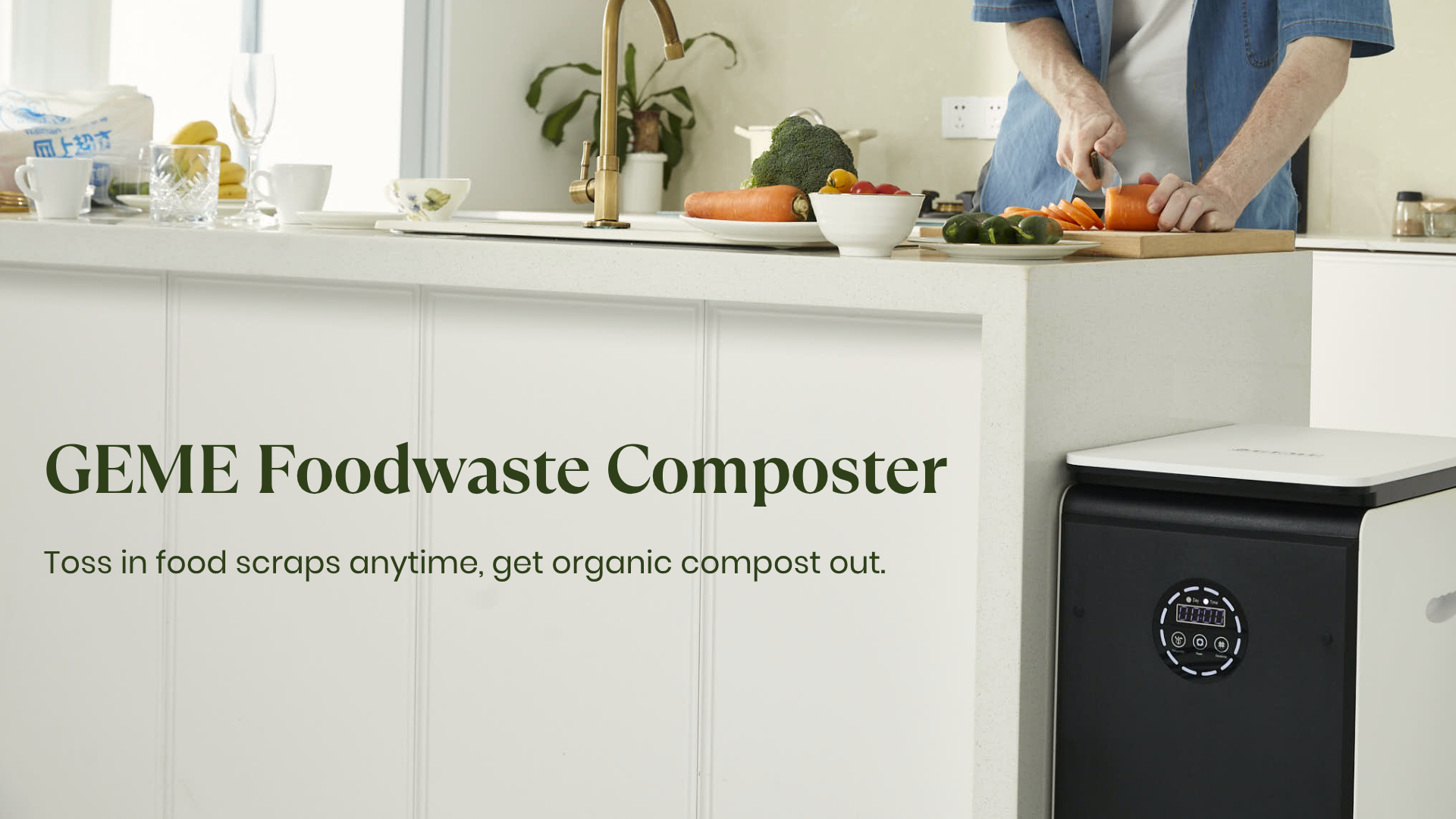
More capacity for busy kitchens.
Need More Capacity?
GEME Pro fits larger households, hosting-heavy kitchens, and holiday routines where daily food scraps add up quickly.
Built for heavier daily composting.
8. Troubleshooting Holiday Food Waste
| Problem | Likely Cause | Solution |
|---|---|---|
| The fridge is full of leftovers | No planned leftover meals | Create a next-day remix meal and freeze safe portions. |
| Trash smells after dinner | Wet scraps mixed with general trash | Separate food scraps immediately and compost or freeze them. |
| Outdoor pile is not breaking down | Cold weather or too many wet scraps | Add browns, chop scraps smaller, and avoid overloading in one day. |
| Fruit flies appear | Exposed fruit peels or sweet scraps | Cover with browns, freeze fruit scraps, or use a sealed system. |
| Compost output has large pieces | Hard scraps, bones, shells, or large pieces need more time | Screen large pieces and return them for continued composting. |
Quick Reference Summary
| Best prevention step | Plan meals and shop with quantities. |
| Best leftover habit | Schedule a leftover remix day. |
| Best scrap habit | Separate food scraps during prep, not after cleanup. |
| Winter compost caution | Outdoor piles may slow down and should not be overloaded with wet scraps. |
| GEME benefit | Continuous indoor composting for busy food-scrap routines. |
9. Frequently Asked Questions
How do I reduce food waste during the Spring Festival?
Plan meals before shopping, buy perishables close to cooking day, serve smaller first portions, label leftovers, and compost unavoidable scraps instead of throwing them into general trash.
What should I do with holiday leftovers?
Store leftovers safely, label them with dates, and schedule a leftover remix meal. Fish can become congee, chicken can become soup, and vegetables can become fried rice, noodles, or frittata.
Can I compost holiday food scraps indoors?
Yes, but the method matters. A basic indoor bin works best for fruit and vegetable scraps with plenty of browns. A microbial kitchen composter is better suited to daily food-scrap routines with lower manual odor work.
Can I compost cooked food after holiday meals?
Cooked food should be managed carefully. Small amounts may be handled by some enclosed systems, but oily, salty, saucy, or meat-heavy leftovers can be difficult for basic indoor bins and outdoor piles.
Why does holiday food waste smell so quickly?
Holiday scraps are often wet, mixed, oily, and protein-rich. When they sit in a warm trash bag without oxygen, odor builds quickly.
Is an outdoor compost pile enough during the winter holidays?
It can help, but winter slows microbial activity. Avoid dumping a large volume of wet holiday scraps into a cold pile all at once.
Is a dehydrator-style food recycler the same as composting?
Not always. Many dehydrator-style machines dry and grind food waste, which reduces volume but does not necessarily create finished compost.
Can GEME Terra II handle holiday food scraps?
GEME Terra II can support daily food-scrap composting during busy kitchen periods. For heavy oil, salt, large bones, or very wet loads, follow product guidance and use moderation.
How should I use GEME compost output after the holidays?
Treat it as a compost base. Screen large unfinished pieces, blend finished material with soil, and avoid using it as pure potting soil.
Does GEME Terra II require routine odor filter replacement?
GEME Terra II is designed with no routine odor filter replacement, which helps reduce ongoing maintenance during daily use.
Conclusion: Celebrate Abundance, Not Waste
Spring Festival is about family, generosity, and hope. Reducing food waste does not take away from that spirit. It protects it.
A better holiday kitchen starts with planning: buy what you need, serve what people can finish, reuse leftovers, and give unavoidable scraps a second life through composting.
Whether you use a manual bin, freezer storage, an outdoor pile, or a microbial kitchen composter, the goal is the same: keep food value in the cycle instead of sending it straight to the landfill.
Final rule: A meaningful holiday feast is not measured by how much is left over, but by how much is respected.
References
- Parkway Cancer Centre — Eat Sustainably During the Festive Season
- WWF — Feed the soil, feed the plants
- City of Huntsville — Composting 101
- Trellis — Innovations in residential food waste
- UA Little Rock — Food waste reduction with GEME composter
- GEME — How It Works
- GEME — Advanced compost application guide
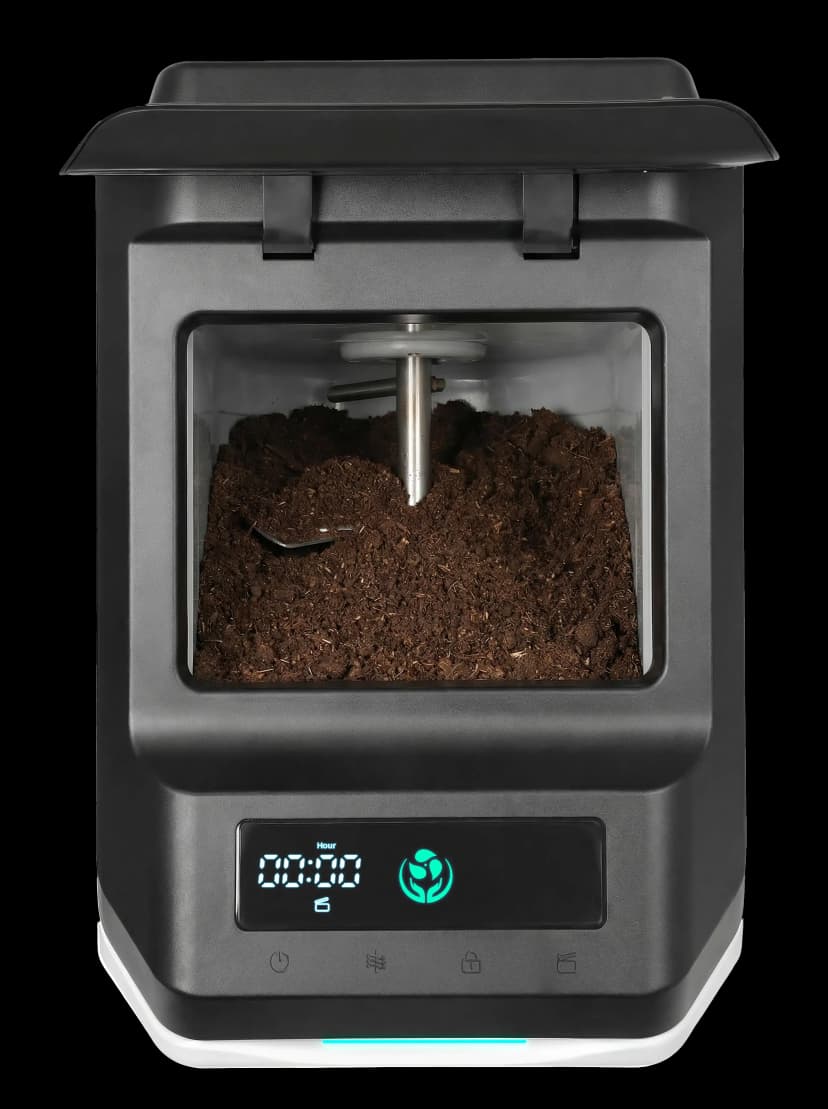
Let holiday scraps complete the loop.
Make Festivals Circular
Turn unavoidable holiday scraps into compost base instead of letting the celebration end in the trash.
Built for holiday kitchens and everyday routines.


Hinterlasse einen Kommentar
Diese Website ist durch hCaptcha geschützt und es gelten die allgemeinen Geschäftsbedingungen und Datenschutzbestimmungen von hCaptcha.