
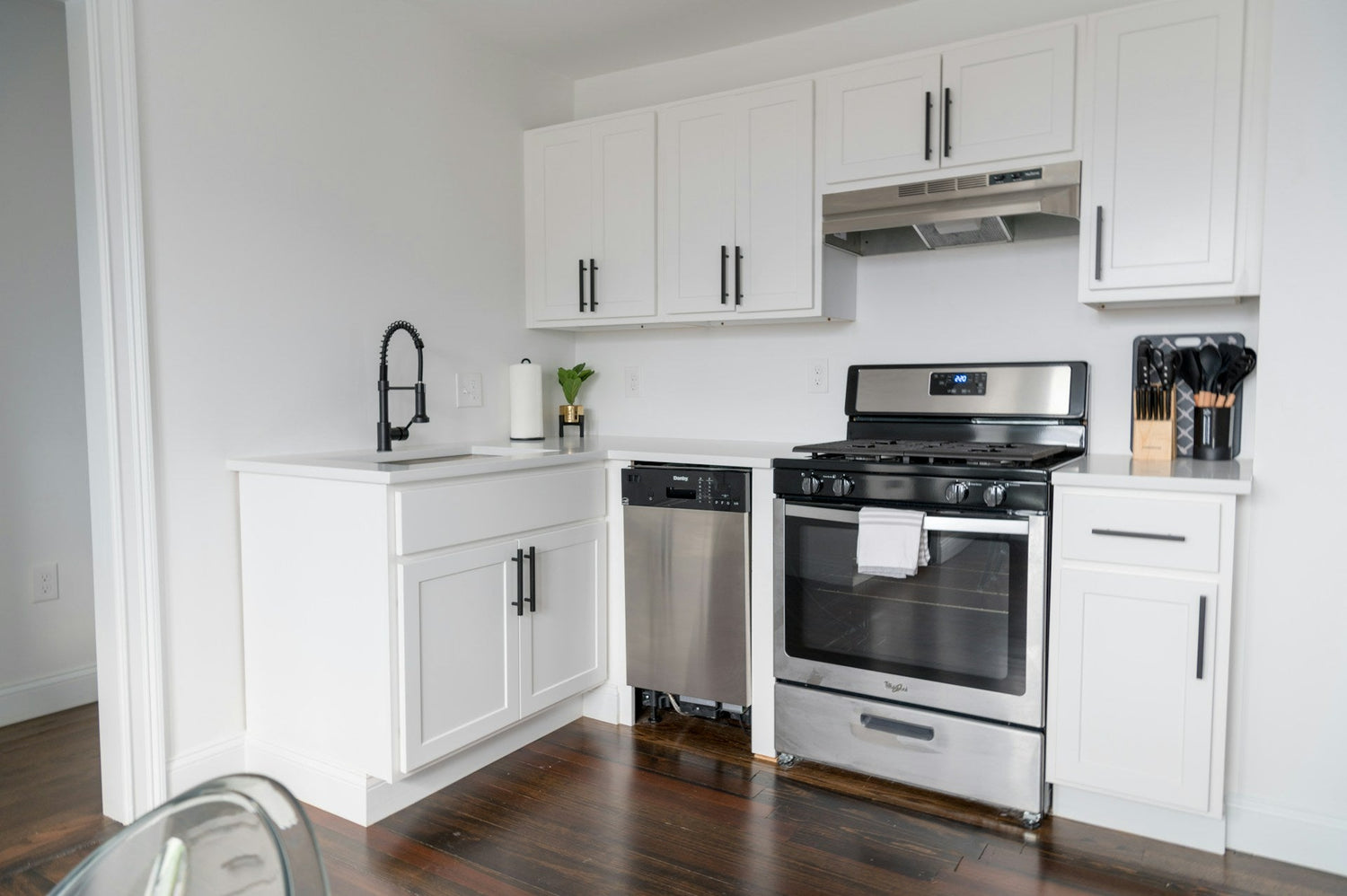
Small Kitchen Composting Guide
In a small kitchen, every square inch matters. The best composter is not simply the smallest appliance. It is the system that creates the least daily friction.
GEME Terra II is a floor-standing real microbial kitchen composter designed for households that want real compost for soil blending, no filter replacements, and zero recurring filter costs — without giving up precious counter space.
Small kitchen. Real composting. Lower recurring upkeep.
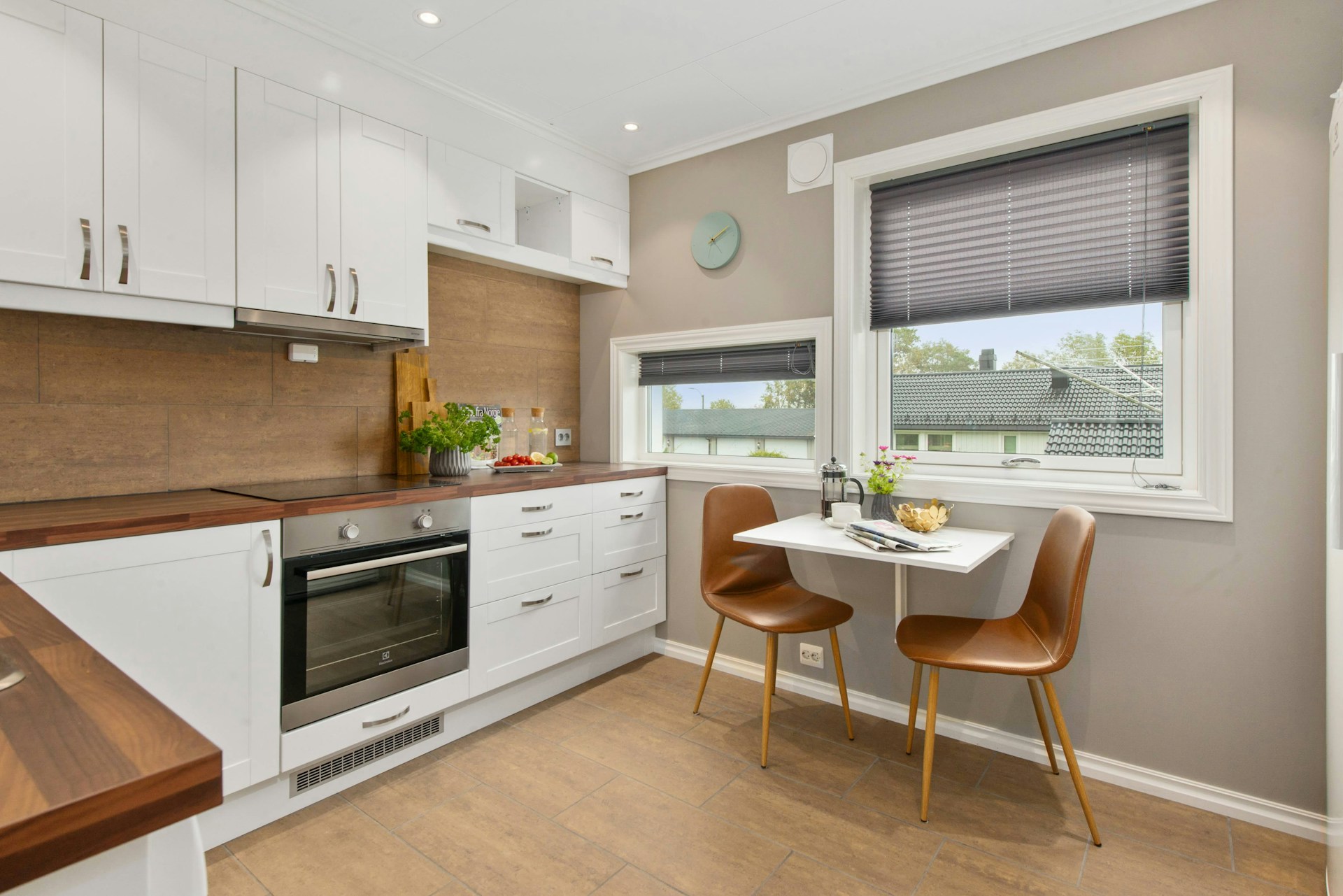
Space, odor, filters, and real compost.
Quick Answer
The best composter for a small kitchen is one that fits your daily routine without stealing prep space, creating recurring filter costs, or leaving you with output that still needs another waste pathway.
GEME Terra II is a strong fit because it is floor-standing, supports real microbial composting, accepts daily food scraps according to product guidance, produces real compost for soil blending, and has no filter replacements or recurring filter costs.
For broader context, read best indoor composter 2026, real compost vs dehydrated food waste, and electric compost bin filters and costs.
Key Takeaways
- Small kitchens need low-friction systems. Space, odor, noise, workflow, and upkeep matter more than gadget appeal.
- Countertop is not always better. A floor-standing composter can protect valuable prep space.
- Many electric “composters” mainly dry and grind food waste. That can reduce volume, but it is not the same as real microbial composting.
- GEME Terra II is designed as a real microbial kitchen composter. It supports a biological composting process rather than only drying scraps.
- Output should be used responsibly. Treat GEME output as real compost for soil blending, screen large unfinished pieces, and avoid placing concentrated compost directly against roots.
- Recurring costs matter. GEME Terra II has no filter replacements and zero recurring filter costs.
- Terra II is floor-standing. It needs a dedicated floor spot, but it does not take over your counter.
Table of Contents
- Why Small Kitchens Need a Different Composter
- Food Recycler vs Real Microbial Composter
- The Five Small-Kitchen Tests
- Meet GEME Terra II
- How GEME Terra II Works
- GEME Terra II vs Lomi vs Mill vs Reencle
- The Real Cost of Small-Kitchen Composting
- How to Use the Output
- Final Verdict
- FAQ
- Sources
- Related Articles
Why Small Kitchens Need a Different Composter
Small kitchens do not forgive bad design. A machine that works in a garage, pantry, or large utility room can feel completely wrong in a galley kitchen, apartment kitchen, condo, or open-plan living space.
Between the coffee maker, toaster, cutting boards, air fryer, kettle, blender, and everyday prep space, another permanent countertop appliance can feel like a tax on your routine.
That is why the best composter for a small kitchen should be judged by practical fit:
- Space: it should not steal the counter space you use every day.
- Odor: it should remain manageable indoors with clear use guidance.
- Noise: it should fit the rhythm of a kitchen close to living and working areas.
- Workflow: it should accept scraps in a way that matches real cooking habits.
- Output: it should create something useful, not just another material you still need to handle.
For apartment-specific context, see best home composter for apartments and how to reduce odor in indoor composting.
Food Recycler vs Real Microbial Composter
The biggest confusion in the kitchen composter category is that different machines do very different things.
Some products mainly heat, dry, and grind food scraps into smaller, drier material. That can reduce trash volume and make scraps easier to handle, but it is not the same as a complete composting process.
Real composting is biological. It depends on microorganisms, oxygen, moisture, temperature, structure, and time.
| Feature | Food Waste Dehydrator / Recycler | Real Microbial Composter |
|---|---|---|
| Core process | Heating, drying, and grinding | Aerobic microbial decomposition |
| Typical output | Dried food particles or Food Grounds | Real compost for soil blending |
| Soil-use reality | Usually needs further decomposition before soil use | Blend with soil; screen large unfinished pieces |
| Daily workflow | Often batch-oriented | Often better suited to continuous feeding |
| Recurring upkeep | Often uses filters, pods, or service pathways | Depends on the system; GEME has no filter replacements |
For a deeper category explanation, read real compost vs dehydrated food waste.
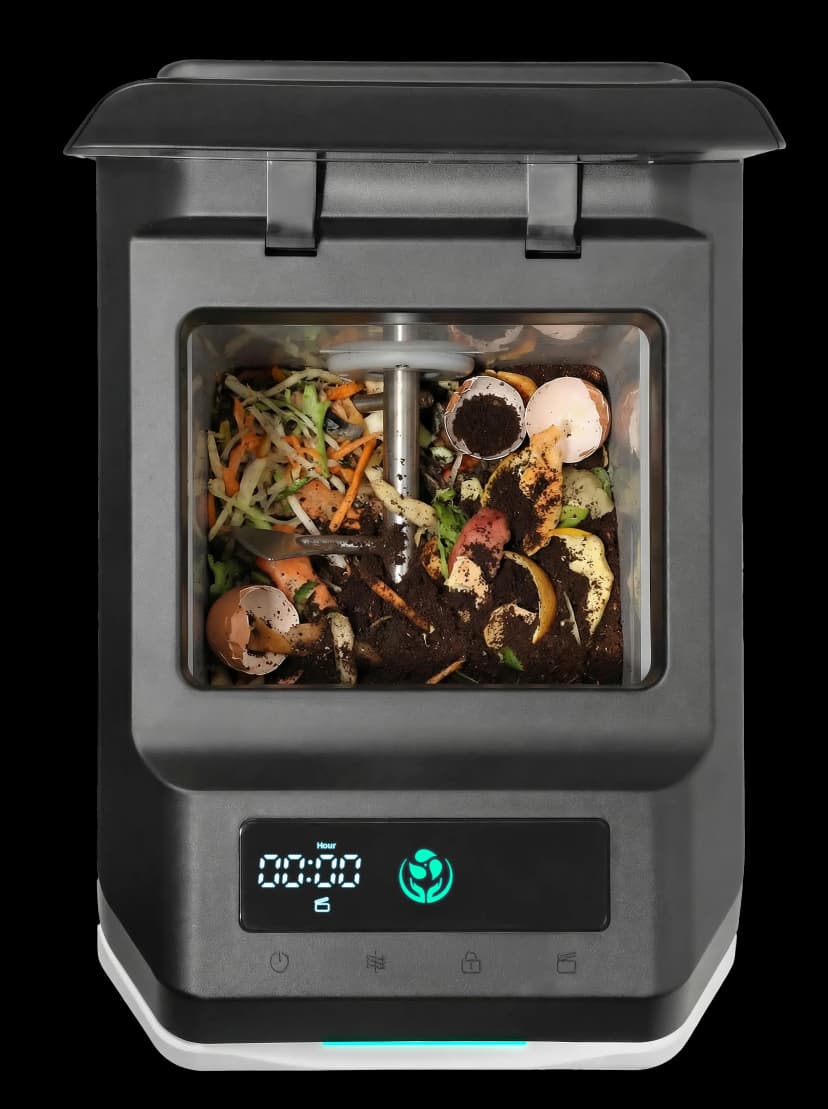
Compost from a floor-standing setup.
Small Kitchen. Real Composting.
GEME Terra II helps small kitchens compost daily food scraps with real microbial composting, no filter replacements, and zero recurring filter costs.
Real composter. Real microbial composting. No filter replacements.
The Five Small-Kitchen Tests
1. Counter Space
A countertop food recycler may look small, but it still competes with the parts of the kitchen you touch every day: chopping, coffee, prep, and cleanup.
GEME Terra II is floor-standing. It needs a dedicated floor spot, but it avoids living permanently on the counter.
2. Odor Management
Indoor composting only works when odor is controlled. Some machines depend on replaceable carbon filters, which can create recurring upkeep.
GEME Terra II uses an enclosed aerobic composting design and no filter replacements. Good use habits still matter: avoid excess liquids, follow food-scrap guidance, and keep the composting process aerobic.
3. Noise and Daily Rhythm
Small kitchens are often close to living rooms, bedrooms, dining tables, or home offices. A machine that runs in intense batch cycles can feel more noticeable than one that fits a steadier routine.
The practical question is not only a product page number. It is whether the system fits your household’s daily rhythm.
4. Feeding Workflow
Food scraps do not arrive once per day in a neat batch. They appear after breakfast, lunch prep, dinner prep, snack cleanup, and leftovers.
A small-kitchen composter should make that workflow easier. GEME Terra II is designed for continuous daily feeding according to product guidance.
5. Output Use
If your goal is only smaller trash, a food recycler may be enough. If your goal is compost for plants, raised beds, balcony planters, or soil improvement, output quality and use guidance matter.
Meet GEME Terra II: A Floor-Standing Real Microbial Kitchen Composter
GEME Terra II is designed for households that want composting to fit real kitchen life. Instead of only heating and drying scraps, it supports a real microbial composting process inside an indoor appliance.
The everyday routine is simple:
- Open the lid.
- Add food scraps according to product guidance.
- Close the lid.
- Let the microbial composting environment continue working.
- Harvest compost when ready and blend it with soil before plant use.
The most important difference is not only the physical design. It is the purpose: GEME Terra II is built for real composting, not just dry waste reduction.
Learn more about how GEME composting works and Kobold™ microbial technology.
How GEME Terra II Works
Inside GEME Terra II, a microbial composting environment helps break down food scraps under aerobic conditions. The system is designed to support the basic conditions composting microbes need:
- Temperature balance
- Airflow
- Moisture balance
- Mixing
- Oxygen availability
- Microbial activity
This is what makes the experience different from a batch food recycler. You are not simply drying scraps into a smaller pile. You are supporting a biological process designed to create real compost for soil blending.
Important distinction: visible breakdown is not the same as finished, garden-ready compost immediately. Use the output responsibly: screen large unfinished pieces and blend compost with soil before plant use.
For practical soil-use ratios and safeguards, read the Advanced GEME Compost Application Guide.
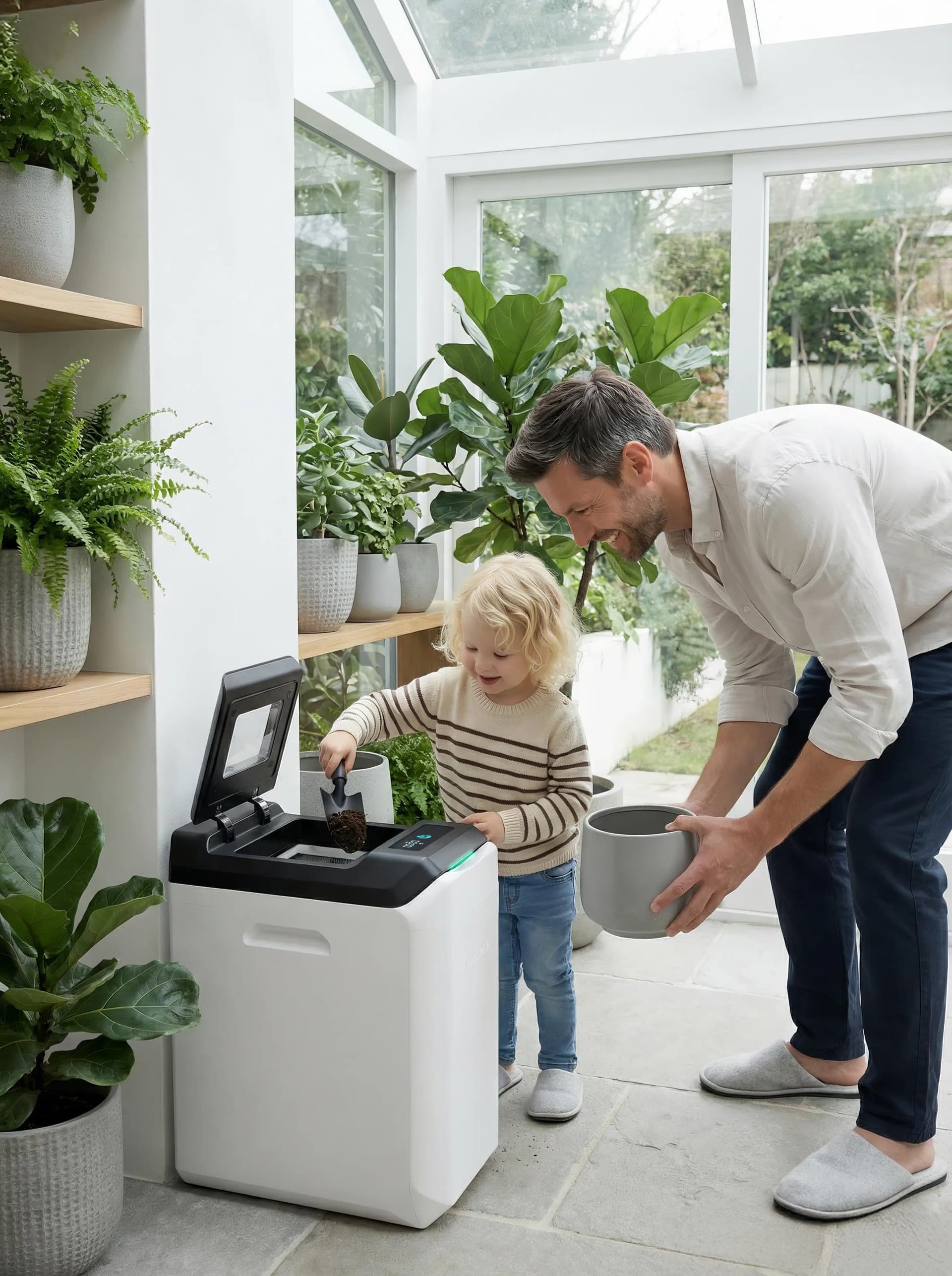
Built for daily food scraps.
Compost at Home Without Giving Up Your Counter
GEME Terra II fits the rhythm of real kitchens: floor-standing, continuous, and designed for real compost for soil blending.
Terra II for everyday homes. GEME Pro for larger routines.
GEME Terra II vs Lomi vs Mill vs Reencle
When choosing the best composter for a small kitchen, compare technology, output, placement, workflow, and recurring cost — not size alone.
| Aspect | GEME Terra II | Reencle | Lomi | Mill |
|---|---|---|---|---|
| Core technology | Real microbial composting | Microbial processing | Food-waste recycling, drying, and grinding | Drying and grinding into Food Grounds |
| Output | Real compost for soil blending | Microbial composting output; curing or screening may help | Reduced dry organic material | Food Grounds, not finished compost |
| Daily workflow | Continuous daily feeding according to guidance | Continuous feeding | Cycle-based food recycling | Bucket-style collection and processing |
| Counter space | Floor-standing; preserves prep counter space | Countertop or appliance space | Countertop appliance | Floor-standing |
| Filter model | No filter replacements | Replaceable filters may apply | Filter refills may apply | Carbon filter replacement may apply |
| Best for | Small kitchens that want real composting and low recurring upkeep | Users who want microbial processing and accept filter upkeep | Users focused on countertop food-waste reduction | Users who prefer storage, pickup, or service-style food recycling |
The Real Cost of Small-Kitchen Composting
Small kitchens do not just need compact appliances. They need appliances that do not create recurring frustration.
Filter refills, pods, memberships, and replacement parts can turn a simple sustainability purchase into another household chore.
| Cost Factor | GEME Terra II | Lomi | Mill | Reencle |
|---|---|---|---|---|
| Routine filter replacement | No filter replacements | Filter refills may apply | Carbon filter replacement may apply | Carbon and mesh filter replacement may apply |
| Subscription / service model | No mandatory subscription to operate | Membership or consumable options may apply | Service options may apply | No mandatory subscription, but filters may recur |
| Output handling | Blend compost with soil before plant use | Further decomposition may be needed | Food Grounds need another pathway | Curing or screening may help |
| Long-term ownership friction | Lower recurring filter-cost friction | Medium | Medium to high, depending on the plan | Medium |
For a deeper recurring-cost breakdown, see best composter to avoid recurring fees.
How to Use GEME Compost in a Small Home
GEME Terra II is designed to produce real compost for soil blending. That does not mean concentrated compost should be placed directly against roots or used as pure potting soil.
A safer small-home routine is:
- Harvest compost when appropriate.
- Screen out large unfinished pieces.
- Return large pieces for continued composting.
- Blend finished compost with soil before plant use.
- Avoid placing concentrated compost directly against roots or stems.
For standard use, GEME’s application guidance commonly recommends blending compost with soil rather than using it alone.
Small-home tip: use GEME compost for houseplants, balcony planters, raised beds, or garden soil only after blending with soil.
Final Verdict: The Best Composter for a Small Kitchen
The best composter for a small kitchen is not necessarily the smallest device.
It is the one that creates the least friction while delivering the most useful output.
| If You Want... | Best Fit |
|---|---|
| The smallest countertop food-waste appliance | A countertop food recycler such as Lomi |
| A service-style food-recycling pathway | Mill |
| Microbial processing in a compact appliance format | Reencle |
| Floor-standing kitchen composting without taking counter space | GEME Terra II |
| Real microbial composting and no filter replacements | GEME Terra II |
| Real compost for soil blending | GEME Terra II |
Final rule: choose a countertop recycler if your main goal is smaller food waste. Choose GEME Terra II if your small kitchen needs a real microbial composter that does not take counter space or require filter replacements.
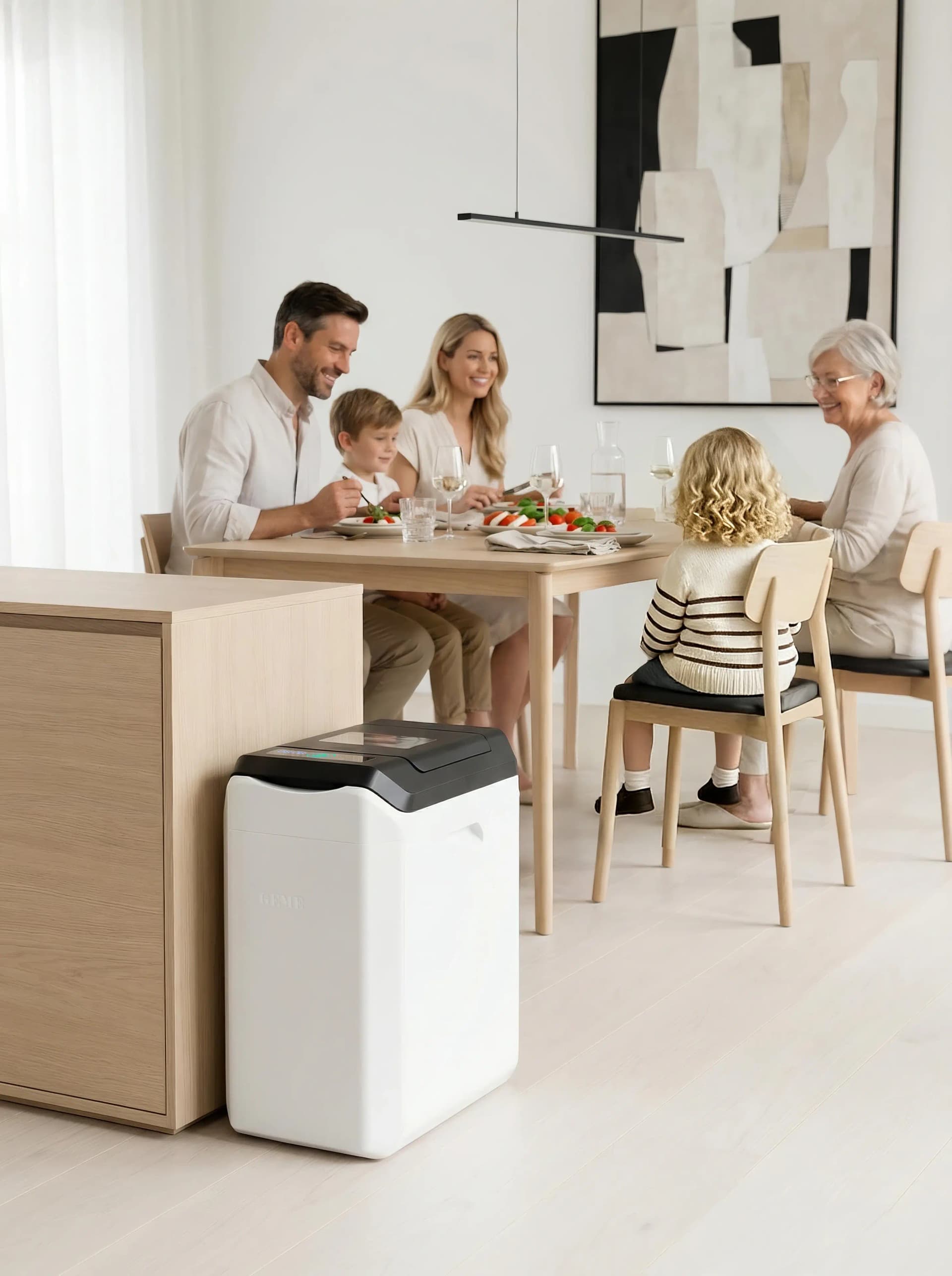
No counter takeover. No filter replacements.
Compost in Your Small Kitchen
Turn everyday food scraps into real compost for soil blending without sacrificing counter space, replacing filters, or waiting on batch cycles.
Real composter. Real microbial composting. No filter replacements.
Frequently Asked Questions
What is the best composter for a small kitchen?
The best composter for a small kitchen is one that minimizes daily friction while producing useful output. For households that want floor-standing design, real microbial composting, no filter replacements, and real compost for soil blending, GEME Terra II is a strong option.
Can you compost in a small apartment kitchen?
Yes. Modern indoor composting systems can make apartment composting possible without an outdoor pile. The key factors are odor management, space, workflow, and clear food-scrap boundaries.
Do electric composters actually make compost?
Some support real composting, while many mainly dry and grind food waste. A real microbial composter supports biological decomposition, while a food recycler usually produces reduced dry organic material that may need further decomposition.
Is GEME Terra II a countertop composter?
No. GEME Terra II is a floor-standing kitchen composter. In many small kitchens, this can be an advantage because it preserves valuable countertop prep space.
Does GEME Terra II require replacement filters?
No. GEME Terra II has no filter replacements and zero recurring filter costs.
Can I add food scraps every day?
Yes. GEME Terra II is designed for continuous daily feeding according to product guidance, so food scraps can be added as they appear rather than waiting for a batch cycle.
Can I use GEME compost directly on plants?
It is better to mix GEME compost with soil before plant use. Screen out large unfinished pieces, return them for continued composting, and avoid placing concentrated compost directly against roots or stems.
What kinds of food scraps can go into GEME Terra II?
Fruit and vegetable scraps, cooked leftovers, coffee grounds, eggshells, and many everyday household food residues may be suitable according to product guidance. Avoid non-organic materials and treat large, hard bones cautiously because they take much longer to break down.
Sources and Further Reading
- U.S. EPA — Composting at Home
- Illinois Food Scrap & Composting Coalition — Food Scrap Dehydrators Are Not Composters
- Lomi — Filter Refills
- Mill Support — What Are Food Grounds?
- Mill Support — Carbon Filter Replacement
- Reencle — Mesh Filter
- Reencle — Carbon Filter
- GEME — How Real Microbial Composting Works
- GEME — Kobold™ Microbial Technology
- GEME — Advanced Compost Application Guide


Hinterlasse einen Kommentar
Diese Website ist durch hCaptcha geschützt und es gelten die allgemeinen Geschäftsbedingungen und Datenschutzbestimmungen von hCaptcha.