



GEME Harvest, Maintenance & Microbial Continuity Guide
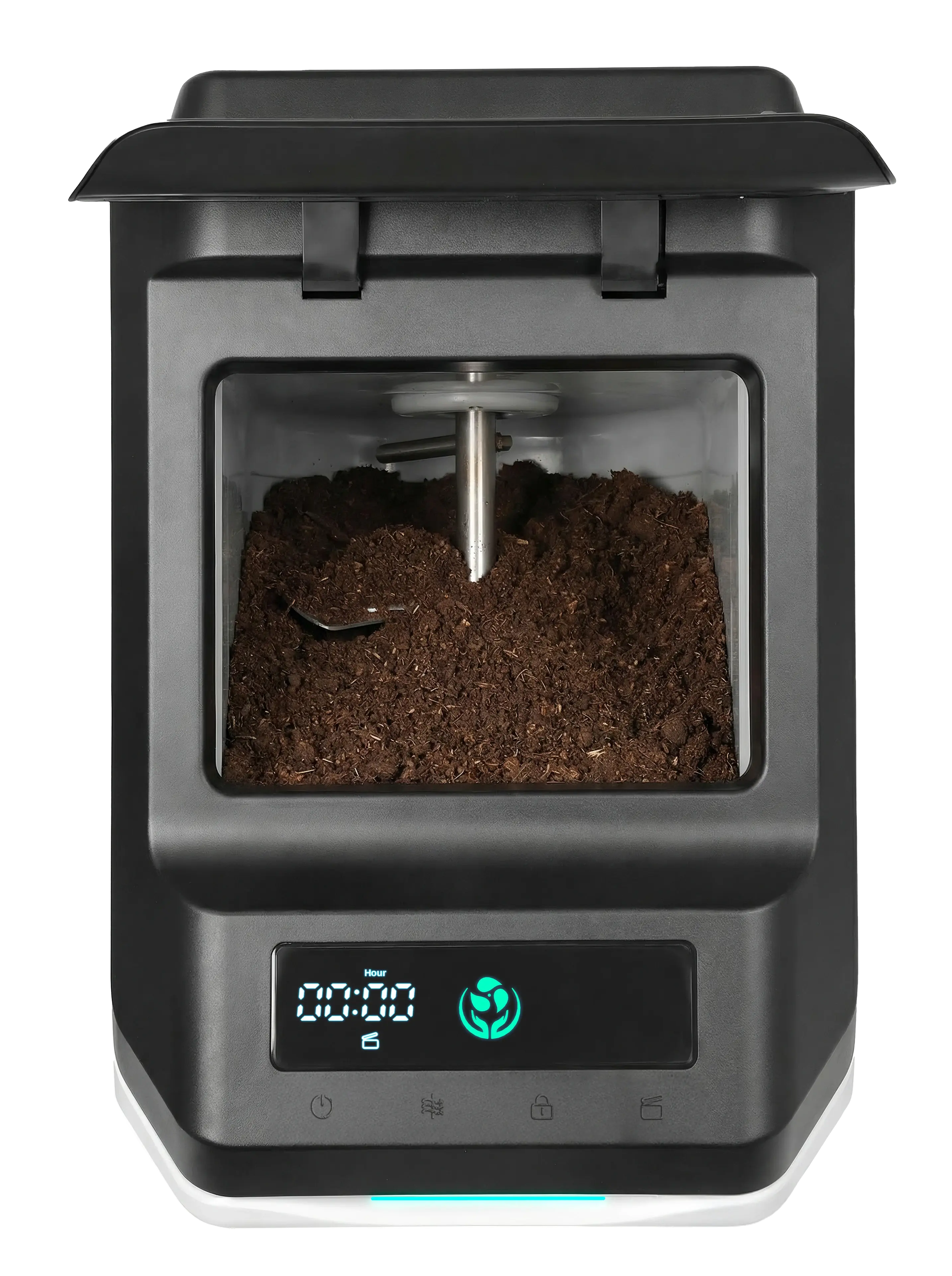
Do not fully empty the GEME composter chamber after every normal harvest. The remaining compost base is not just residue. It works like a living starter bed that helps carry the microbial process into the next round of food scraps.
GEME is a living composting system, not a one-cycle blender or dehydrator. In this kind of system, “clean” does not mean stripping the chamber back to zero every time.
Simple rule: harvest what is ready, keep part of the base, and protect microbial continuity.
Routine harvest is not a full reset.
Quick Answer
You should not fully empty the GEME composter chamber every time because the remaining compost base helps preserve the microbial colony and process continuity. Removing everything turns routine harvesting into a biological restart.
In normal use, harvest by function: remove accumulated compost output when the chamber reaches the harvest threshold, screen larger pieces back into the chamber, and leave enough active base behind to support the next cycle.
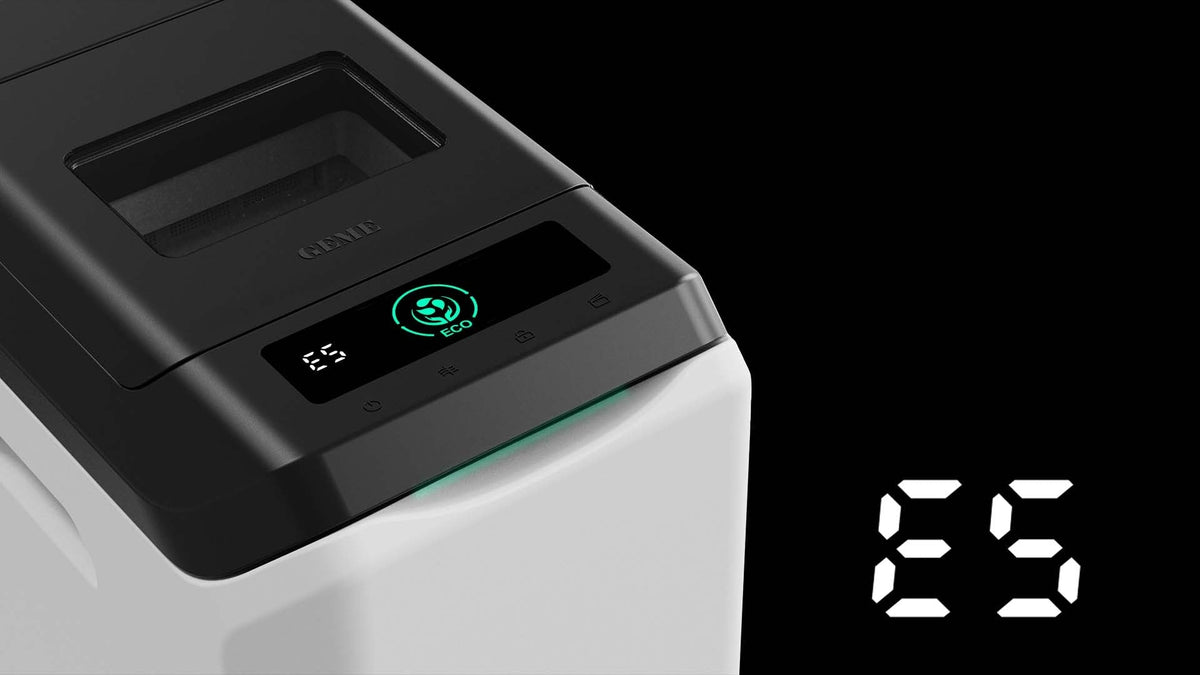
For related context, read the wet standard, advanced GEME compost application guide, and what an E5 fault means.
Table of Contents
- TL;DR Q&A Block
- 90-Second Truth
- Kitchen Fit Check
- Quick Decision
- Why It Matters
- Why Fully Emptying Feels Intuitive but Works Against the System
- Terra II Deep Dive
- GEME Pro Deep Dive
- Hidden Work vs. Headroom
- Practical Decision Rules
- Routine Harvest vs. Starter Reset
- FAQ
- Summary
- Sources
- Related Articles
TL;DR Q&A Block
Should I fully empty GEME every time I harvest?
No. For normal harvesting, leave part of the compost base inside. The remaining base helps preserve the microbial colony needed for the next round of composting.
Why leave some compost behind?
Because the remaining base is not just leftover material. It functions as a living starter bed: microbes, conditioned material, moisture, and texture that help the next cycle start from continuity instead of zero.
Does keeping a base mean the machine is dirty?
No. In GEME, “clean” means removing what should be removed while protecting the living base that supports stable composting. It does not mean emptying the chamber completely after every harvest.
When should I harvest?
Harvest when the compost has accumulated enough that the mixing area is covered and output needs to be removed for normal operation. Use the product guidance and your chamber condition rather than visual perfection.
Do Terra II and GEME Pro follow the same logic?
Yes. The biological continuity logic is the same. GEME Pro provides more headroom for larger routines, but it does not change the rule that routine harvest is not a full biological reset.
90-Second Truth
The instinct to empty the chamber completely usually comes from normal kitchen-appliance thinking: when you clean something, you reset it to zero. GEME is different. It is a living microbial composting system, not a one-cycle gadget that should look factory-empty after every harvest.
The base you leave behind is not waste. It is a working biological infrastructure. It contains microbes, conditioned material, and a chamber environment that helps bridge yesterday’s scraps and tomorrow’s scraps.
Fully emptying the chamber every time removes the most useful part of that continuity. It can make the next round work harder, invite unnecessary Boost use, and make normal operation feel more complicated than it should.
Kitchen Fit Check
Q1. What kind of cleaner are you?
- “I want every machine to look completely empty after maintenance.”
- “I am fine if part of the system stays in place because it helps performance.”
Q2. What bothers you more?
- Seeing some compost base left behind.
- Feeling like the machine slows down after every major clean-out.
Q3. What is your real goal?
- “I want the next cycle to stay fast and stable.”
- “I mostly want the chamber to look visually empty.”
One-line takeaway: in GEME, leaving some base is not neglectful. It is how you preserve biological continuity.
Quick Decision
| Situation | Best Action | Reason |
|---|---|---|
| Normal harvest | Remove output but leave part of the base. | Preserves microbial continuity. |
| Large pieces in harvested output | Screen and return them to the chamber. | They can continue processing. |
| Fibers wrapped around the shaft | Remove selectively and carefully. | Cleaning the problem is different from deleting the base. |
| Processing slows | Check moisture, input mix, airflow, and consider Boost if needed. | Boost is optional support, not daily dosing. |
| Accidentally emptied chamber | Use Starter Reset guidance. | The living base needs to be re-established. |
One-line takeaway: routine harvest is not a full reset.
Why It Matters
1. The base is a living asset, not residue you forgot to remove
The remaining base contains an already-adapted microbial population and a conditioned physical environment. That means it helps the next round of food scraps start from an active system instead of a cold start.
2. “Clean” in a living system is different from “empty”
In a blender or pan, empty often means clean. In GEME, that logic is incomplete. Proper care means wiping exterior surfaces when needed, scraping excessive buildup when needed, cleaning screens when needed, and removing entangled fibers when needed — without erasing the biological base every time.
3. Full emptying can create the slowdown users want to avoid
GEME’s continuity logic is simple: Kobold is self-replicating under the right conditions, and daily dosing is not required. If users fully empty the chamber after every harvest, they repeatedly reduce the microbial density that makes that continuity possible.
Why “Fully Empty” Feels Intuitive but Works Against the System
Customers are not irrational for wanting to fully empty the chamber. In most appliance categories, that feels like the clean and disciplined thing to do. The problem is that GEME does not mainly store finished material. It maintains a living composting process.
In a living process, wiping out the active base removes:
- microbial density,
- acclimated substrate,
- process continuity,
- moisture and texture memory,
- and the easiest bridge between yesterday’s and tomorrow’s scraps.
The right habit is not “empty everything.” It is “remove what should be removed and keep what helps the process continue.”
Terra II Deep Dive
Terra II works best when ordinary households harvest by threshold, not by perfectionism. The goal is stable ongoing performance, not making the chamber look unused after every output removal.
In everyday use, the better mental model is: add scraps, let the compost base stay active, harvest accumulated output when needed, return unfinished pieces, and leave a living base behind.
This approach makes Terra II ownership simpler because you do not turn every harvest into a restart event.

Keep a living base. Harvest only what should be removed.
GEME Terra II Works Best as a Living System
GEME Terra II supports real microbial composting with Kobold™ living microbes, continuous feeding, no drying, and no replacement odor filters. Leave part of the compost base behind during routine harvest to protect microbial continuity.
Real microbial composting. No filter replacements. Compost for soil blending.
GEME Pro Deep Dive
GEME Pro expands the operating headroom for heavier daily routines, but it does not change the harvest philosophy. A larger system is not a reason to discard the living base at every harvest.
Pro users should think in the same continuity logic: remove accumulated output when needed, keep the active base, remove problematic fibers or buildup selectively, and return unfinished pieces for another round.
The larger the routine, the more valuable continuity becomes.
Hidden Work vs. Headroom
Customers usually think of maintenance burden as “how often do I have to clean?” But there is another kind of burden: how much performance do I accidentally give away by cleaning the wrong way?
Fully emptying the chamber every time can create hidden work:
- slower restart,
- more temptation to add Boost unnecessarily,
- more concern that the machine is “not as strong as before,”
- more time spent re-establishing the chamber,
- and more uncertainty around whether the system is working normally.
The continuity rule reduces hidden work by protecting the system’s biological momentum.
Practical Decision Rules
For GEME, harvest by function, not by visual perfection.
- Harvest when the chamber reaches a practical harvest threshold. Do not harvest just because you want the chamber to look empty.
- Keep part of the compost base inside. This protects microbial continuity.
- Screen larger pieces. Return unfinished pieces to the chamber for another round.
- Remove entangled fibers and residue buildup selectively. Clean the problem, not the entire living system.
- Use Boost only when needed. Boost is optional support for speed or slowdown, not daily dosing.
- Use Starter Reset only for unusual cases. Accidental full emptying or stalled breakdown may require reset logic.
- Mix harvested output with soil before plant use. Treat GEME output as compost base for soil blending.
Copy/Paste Checklist
- I understand that I should not fully empty the chamber after every harvest.
- I understand that the remaining base helps preserve microbial continuity.
- I know how to remove large pieces, strings, and buildup selectively.
- I know Boost and Starter Reset are not the same as routine harvesting.
- I understand that Terra II and GEME Pro share the same biological continuity logic.
Routine Harvest vs. Starter Reset
The most common confusion is treating every harvest like a reset. They are not the same.
| Action | When It Applies | What to Do |
|---|---|---|
| Routine harvest | Normal accumulated compost output. | Remove output, screen, return large pieces, leave active base. |
| Selective cleaning | Wall buildup, fibers, residue, or screen maintenance. | Clean only the affected area, not the whole base. |
| Boost support | Processing slows, or the user wants a faster breakdown. | Add Boost as optional support according to product guidance. |
| Starter Reset | Rare cases such as accidental full emptying or a serious stall. | Re-establish the biological base following official guidance. |
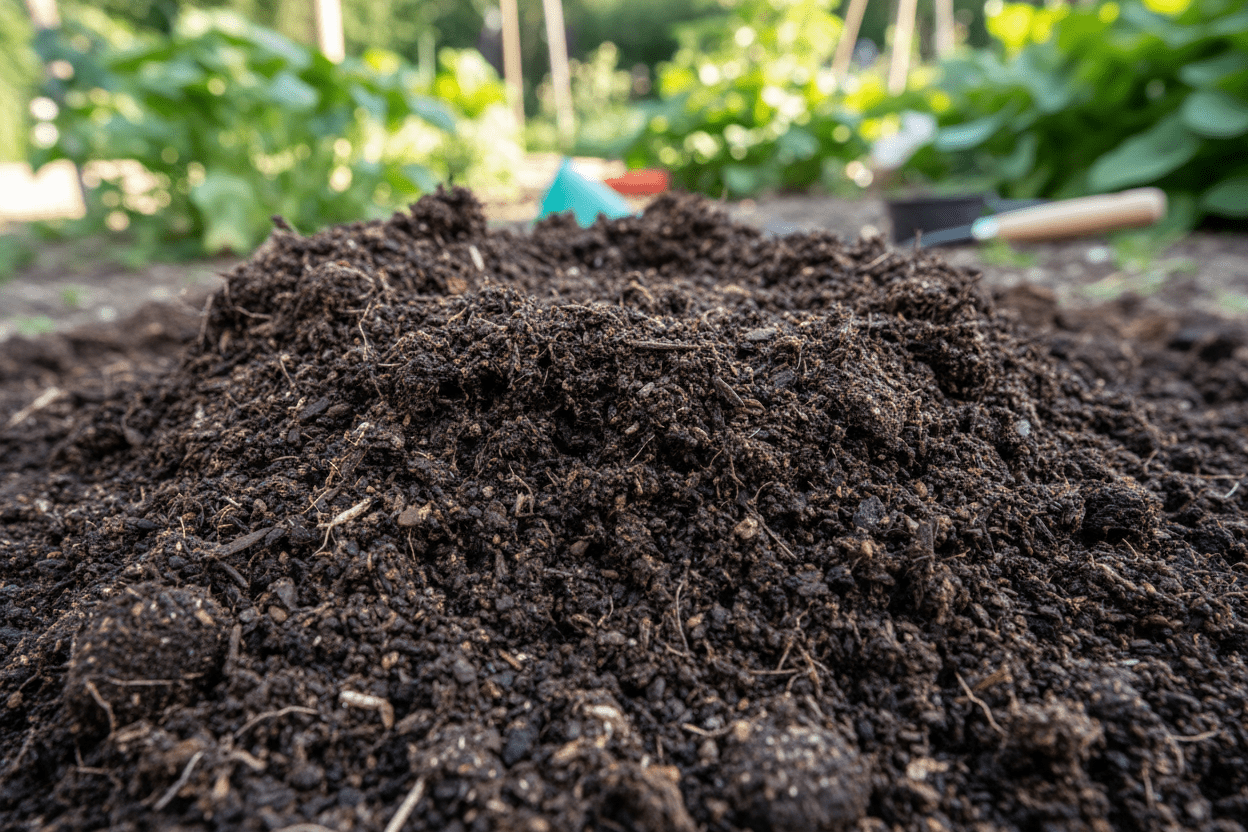
Harvest compost base without deleting the living system.
GEME Turns Food Scraps Into Compost Output for Soil Blending
GEME Terra II and GEME Pro are built around real microbial composting, not repeated empty-and-restart cycles. Leave part of the base behind, screen larger pieces, and mix harvested output with soil before plant use.
Terra II for everyday homes. GEME Pro for larger routines.
Final Takeaway: Clean the Chamber by Protecting the Living Base
GEME works better when routine harvest protects the living compost base. Fully emptying the chamber every time removes microbial density, breaks continuity, and can turn normal harvesting into a restart event.
The better habit is simple: harvest accumulated output, screen unfinished pieces, remove problem fibers or buildup selectively, and leave enough active base to carry the next batch forward.
In a living composting system, the cleanest routine is not the emptiest routine. It is the routine that keeps the process healthy.

Do not turn routine harvest into a full reset.
Build a Smarter GEME Harvest Routine
GEME Terra II and GEME Pro help households turn appropriate food scraps into compost for soil blending, with real microbial composting, no filter replacements, and zero recurring filter costs.
Terra II for everyday homes. GEME Pro for larger routines.
Frequently Asked Questions
Should I empty GEME completely every time I harvest?
No. For normal harvesting, leave part of the compost base inside to preserve microbial continuity for the next batch.
Why leave some compost behind in GEME?
The remaining base acts as a living starter bed. It helps the next round of scraps enter an already active microbial environment.
Does leaving a base mean the chamber is dirty?
No. In GEME, proper cleaning is selective. Remove ready output, large pieces, entangled fibers, and excessive buildup, but keep the living base that supports continuity.
When should I harvest GEME output?
Harvest when the chamber has accumulated enough compost output that removal is useful for normal operation. Do not harvest simply to make the chamber look completely empty.
What should I do with bigger pieces in the harvested output?
Sift or screen them out and return unfinished organic pieces to the chamber for another round.
Do I need to add Kobold every day after harvesting?
No. Kobold is self-replicating under normal use conditions. Daily dosing is not required.
When is Boost useful?
Boost is useful when processing slows or when you want more speed. It is optional support, not a required daily consumable.
When is Starter Reset appropriate?
Starter Reset is for unusual cases, such as accidental full emptying, serious stall, or a chamber that needs to be re-established. It is not a routine harvest.
Does GEME Pro change the “leave a base” rule?
No. GEME Pro changes capacity and headroom, but not the biological continuity rule. Leave part of the active base after normal harvest.
Summary
- Do not fully empty every harvest: routine harvest should leave part of the compost base inside.
- The base matters: it helps preserve microbial continuity for the next batch.
- Clean selectively: remove buildup, fibers, large pieces, and ready output without deleting the living system.
- Return unfinished pieces: screen larger chunks and put organic pieces back into the chamber.
- Kobold: self-replicating under normal use; daily dosing is not required.
- Boost: optional support when processing slows or more speed is desired.
- Starter Reset: for unusual reset scenarios, not routine harvesting.
- Output use: mix GEME compost output with soil before plant use.
- Terra II and Pro: different headroom, same biological continuity logic.

Dejar un comentario
Todos los comentarios se revisan antes de su publicación.
Este sitio está protegido por hCaptcha y se aplican la Política de privacidad de hCaptcha y los Términos del servicio.