


Gardening Hub · Vegetables · Lettuce
How to Grow Lettuce
Lettuce is a fast-growing cool-season vegetable that works well in garden beds, raised beds and containers. Sow the small seeds shallowly, keep the soil consistently moist and give each lettuce plant enough space to develop without crowding.
The biggest challenge when growing lettuce is usually heat rather than complexity. Lettuce grows best in cool conditions; prolonged hot weather can slow germination, trigger bolting and make the leaves increasingly bitter.
By Matthew Moore · Last reviewed August 24, 2026

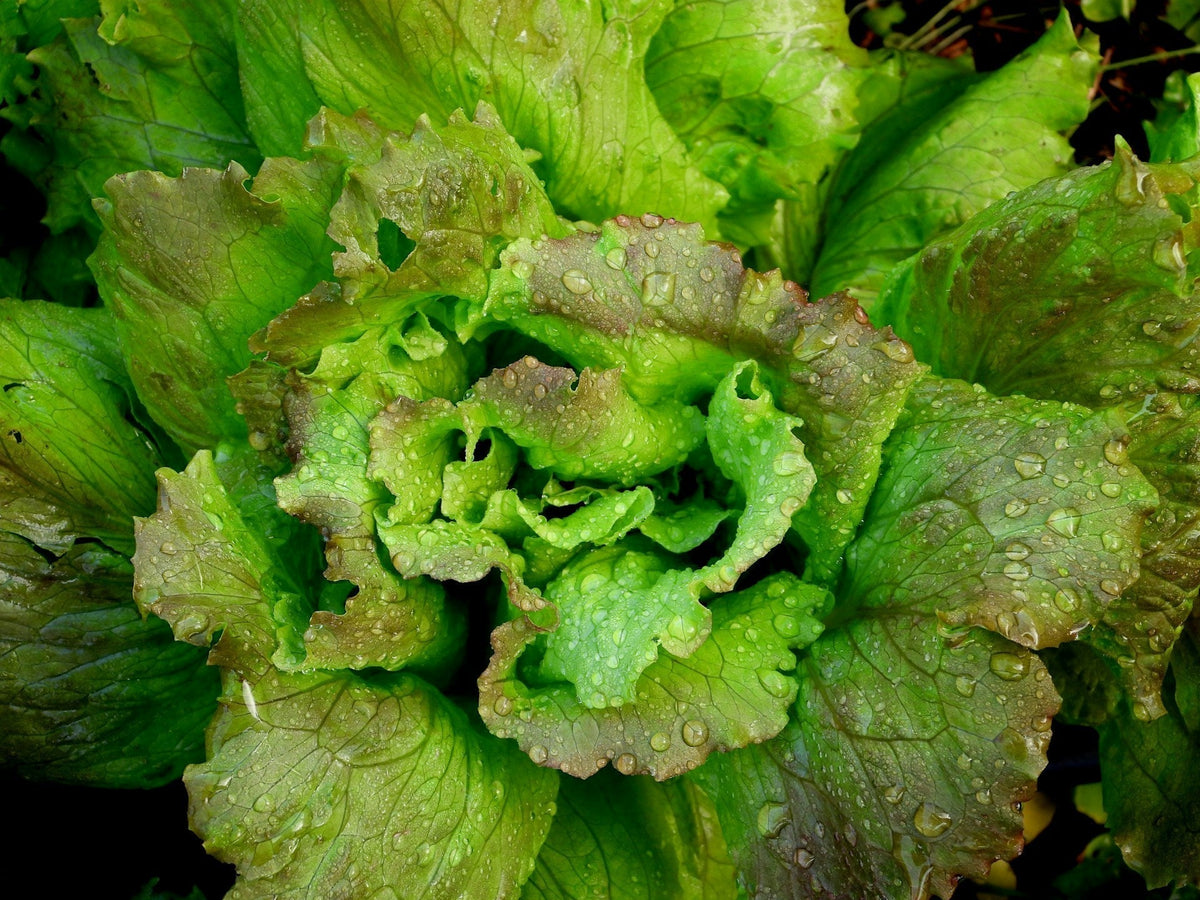
Photo: Aletra ekaye / Unsplash
Quick Answer: How Do You Grow Lettuce?
Sow lettuce seeds about ¼–½ inch deep in fertile, well-drained soil once conditions are cool enough for good germination. Keep the seedbed evenly moist, thin crowded seedlings and harvest before hot weather causes the plants to bolt.
Lettuce seed can germinate once soil reaches around 40°F / 4°C, with germination generally strongest around 55–65°F / 13–18°C. Loose-leaf lettuce can be harvested gradually once useful leaves form, while heading lettuce is harvested when the head reaches the desired size and firmness.
If you are creating your first vegetable bed, begin with How to Plant a Garden for Beginners for sunlight, drainage, soil preparation and basic garden layout.
Table of Contents
- Choose the Right Type of Lettuce
- When to Plant Lettuce
- How to Grow Lettuce From Seed
- How Far Apart Should Lettuce Plants Be?
- How Much Sun Does Lettuce Need?
- What Soil Is Best for Lettuce?
- How Often Should You Water Lettuce?
- Why You Should Thin Lettuce Seedlings
- How to Keep Lettuce Growing Through the Season
- Can You Grow Lettuce in Pots?
- Why Does Lettuce Bolt?
- When to Harvest Lettuce
- How to Harvest Lettuce
- How to Use Compost When Growing Lettuce
- Common Lettuce Growing Problems
- From Lettuce Plant to Soil Again
- Frequently Asked Questions
- Sources
1. Choose the Right Type of Lettuce
Before planting, decide how you want to harvest your lettuce.
There is no single best lettuce plant for every garden.
Choose varieties based on:
- your climate;
- spring, summer or fall timing;
- available space;
- heat tolerance;
- bolting resistance;
- whether you want leaves or full heads.
University of Minnesota Extension recommends paying particular attention to earliness for spring crops, heat and bolting resistance for warmer periods, and cold tolerance for fall planting.
2. When to Plant Lettuce
Lettuce is a cool-season crop.
That means spring and fall are generally easier than the hottest part of summer.
Utah State University Extension notes that lettuce seed can begin germinating once the soil reaches approximately:
40°F / 4°C
while germination is generally best around:
55–65°F / 13–18°C.
Seed germination drops substantially when temperatures become very hot.
In many climates, direct-seeded lettuce can be planted a few weeks before the local last spring frost, but exact timing should follow local conditions rather than one universal calendar date.
Spring Lettuce
Plant once soil is workable rather than frozen or saturated.
Fall Lettuce
Start early enough that plants can reach useful size before severe cold arrives.
Choose quick-maturing cultivars and work backwards from the expected first fall frost.
Summer Lettuce
Summer is possible in some climates, but choose heat-tolerant varieties and consider afternoon shade.
Lettuce grown through strong summer heat is more likely to bolt and taste bitter.
3. How to Grow Lettuce From Seed
Lettuce is well suited to direct sowing because its seeds germinate quickly under suitable conditions.
Step 1: Prepare the Bed
Use loose, fertile and well-drained soil.
Break up large clods so the small lettuce seeds have good contact with fine soil.
Step 2: Sow Shallowly
A practical planting depth is:
¼–½ inch deep.
Lettuce seeds are small, so they should remain relatively close to the soil surface.
Step 3: Keep the Surface Moist
The upper layer of soil dries quickly, especially in sun and wind.
Water gently enough that the seed stays in place.
Step 4: Watch for Germination
Under favorable temperatures, seedlings commonly emerge in roughly 7–10 days.
Step 5: Thin the Seedlings
Once the lettuce plants develop several true leaves, remove excess seedlings so the strongest plants have enough room.
The thinnings do not need to be wasted. Tender young lettuce seedlings can often be eaten as baby greens when they are clean and suitable for food.
4. How Far Apart Should Lettuce Plants Be?
Spacing depends on whether you want baby leaves, loose-leaf lettuce or full heads.
For head-forming lettuce, a useful starting point is approximately:
8–12 inches between plants
with roughly:
12–18 inches between rows.
Loose-leaf varieties grown primarily for smaller leaves can often be planted more closely.
Always check the variety packet because mature plant size varies considerably.
Why Spacing Matters
Overcrowded lettuce plants compete for:
- light;
- water;
- nutrients;
- root space;
- air movement.
Dense planting can be useful for baby greens, but a lettuce plant intended to make a full head needs enough room to develop.
5. How Much Sun Does Lettuce Need?
Lettuce generally performs well in a sunny position during cool weather.
But unlike many heat-loving vegetables, more midday heat is not always better.
During warmer periods, afternoon shade can help:
- keep leaves cooler;
- reduce water stress;
- slow bolting;
- preserve better leaf quality.
Shade from taller plants or an appropriate shade cloth can help when trying to grow lettuce through warmer weather.
Simple rule: give lettuce good light in cool weather, but protect it from excessive heat when summer temperatures begin pushing the plant toward bolting.
6. What Soil Is Best for Lettuce?
Lettuce grows best in fertile, well-drained soil with enough organic matter to hold moisture without becoming waterlogged.
The root system is relatively shallow, so good conditions in the upper soil layer matter.
Avoid:
- hard, compacted soil;
- standing water;
- extremely dry sandy soil with poor moisture retention;
- planting directly into pure compost.
If you are building a new vegetable bed, How to Plant a Garden for Beginners explains the broader relationship among garden soil, drainage, sunlight and organic matter.
7. How Often Should You Water Lettuce?
Lettuce grows quickly and performs best when moisture stays relatively consistent.
A useful general starting point is:
about 1–2 inches of water per week
Depending on soil type, temperature and weather.
That does not mean watering on a rigid schedule.
Check the soil.
A raised bed in hot wind may dry faster than an in-ground garden after several cloudy days.
Why Consistent Moisture Matters
Repeated wet-dry stress can:
- slow growth;
- toughen leaves;
- reduce head development;
- contribute to bitter or lower-quality leaves;
- increase stress during hot weather.
Consistently moist does not mean permanently saturated. Lettuce still needs oxygen around its roots.
8. Why You Should Thin Lettuce Seedlings
Lettuce seeds are tiny, and it is easy to sow too many.
Leaving every seedling in place creates competition exactly when the lettuce plants should be growing rapidly.
Thin once plants have around three to four true leaves.
What to Keep
Leave the healthiest seedlings at the spacing appropriate for your lettuce type.
What to Do With Thinnings
When healthy and suitable to eat, use tender thinnings as baby greens instead of discarding them.
If lettuce seedlings, damaged leaves or other plant material genuinely become unavoidable waste, they can enter an appropriate composting route. For lettuce-specific handling, including leaves, ribs, dense cores, whole heads and prepared salad, read Can You Compost Lettuce?.
For the wider household material list, continue to What Can You Compost at Home?.
9. How to Keep Lettuce Growing Through the Season
Instead of sowing one huge lettuce crop and harvesting everything at once, use succession planting.
Planting smaller new batches at regular intervals can give you a steadier supply of fresh lettuce.
For a small home garden, planting another short row or container every:
10–14 days
is a practical rhythm during suitable weather.
Why Succession Planting Works
Instead of this:
40 lettuce plants ready in the same week
you can create:
a smaller amount of fresh lettuce becoming ready every week or two.
As weather changes, switch varieties.
Use faster cultivars in cool spring, more heat-tolerant and bolt-resistant varieties as temperatures rise, and cold-tolerant varieties for fall.
10. Can You Grow Lettuce in Pots?
Yes. Lettuce is one of the easiest vegetables to grow in containers.
Its relatively shallow root system makes it suitable for:
- balcony planters;
- window boxes;
- raised containers;
- patio pots;
- small urban gardens.
Use a Container With Drainage
Water needs to leave the container freely.
Use Potting Mix, Not Pure Compost
Container plants need structure, air space and drainage.
Mature compost can be one component of the mix, but should not normally fill the pot by itself.
For vegetable containers, How to Use Compost Correctly explains how compost should be incorporated into a broader growing medium.
Check Water More Often
Containers can dry faster than garden beds.
Check the upper soil frequently during warm or windy weather.
11. Why Does Lettuce Bolt?
Bolting is the lettuce plant's transition from producing edible leaves to producing a flower stalk and seeds.
You may notice:
- the center of the plant becoming taller;
- the stem elongating;
- leaves becoming more upright;
- the plant beginning to flower;
- increasing bitterness.
Higher temperatures and longer days accelerate the shift toward flowering.
After bolting, lettuce leaves commonly become much more bitter.
How to Delay Bolting
- grow lettuce primarily during cool weather;
- keep soil moisture consistent;
- use heat-tolerant or slow-bolt varieties when needed;
- provide some afternoon shade during warm weather;
- harvest mature lettuce rather than leaving it indefinitely in the garden.
You cannot reverse a lettuce plant once it has genuinely bolted. The better strategy is to harvest before that transition or allow selected plants to flower if you intentionally want seed.
12. When to Harvest Lettuce
The best harvest point depends on what type of lettuce you are growing and what you want to eat.
| Lettuce Type | When to Harvest | What to Look For |
|---|---|---|
| Baby Leaf | Often around 3–5 weeks after seeding, variety and conditions permitting | Tender leaves at the size you want to eat. |
| Loose-Leaf Lettuce | Any time after useful leaves have formed | Healthy outer leaves before the plant bolts. |
| Romaine / Cos | As the head develops | Upright, developed leaves and a usable central head. |
| Butterhead | Early heading stage | Soft but developed head before overmaturity. |
| Crisphead | At mature head stage | Head feels full and firm. |
Do not wait for a calendar date if the lettuce is already ready.
Delayed or overmature harvest can leave lettuce tough and bitter.
Best harvest rule: harvest lettuce when it reaches the size and texture you want to eat, before the central stalk elongates and the plant begins bolting.
13. How to Harvest Lettuce
Method 1: Pick the Outer Leaves
For loose-leaf lettuce, remove mature outer leaves and leave the center growing point in place.
The younger central leaves can then continue developing.
Method 2: Cut Baby Greens
For baby leaf plantings, cut leaves above the soil surface with clean scissors.
Depending on the variety and how low you cut, some plantings may regrow for another harvest.
Method 3: Harvest the Whole Head
For romaine, butterhead or crisphead lettuce, cut the mature plant near the base with a clean knife.
Harvest During the Cool Part of the Day
Harvest lettuce during the cool part of the day, preferably early morning when practical, and cool it promptly after harvest.
Hot harvested lettuce loses quality faster because the leaves carry more field heat.
Handle lettuce gently.
The leaves bruise easily.
14. How to Use Compost When Growing Lettuce
Lettuce grows quickly, but more compost is not automatically better.
Start with good garden soil and use mature compost as an amendment rather than the entire growing medium.
For garden beds, mature compost can help:
- add organic matter;
- support moisture management;
- improve soil structure;
- contribute nutrients over time.
Do Not Plant Lettuce in Pure Compost
Young lettuce roots need a balanced growing medium with mineral structure, drainage and air space.
The practical application ranges for beds and containers are explained in How to Use Compost Correctly.
Using GEME Compost Base
Because GEME is a continuous-flow microbial system, harvested material may still contain pieces at different stages of breakdown.
Before using it around lettuce:
- screen larger unfinished material;
- return unfinished pieces to the active chamber;
- mix the screened Compost Base with plain soil;
- keep concentrated fresh material away from young lettuce roots;
- water and observe the plant response.
The current GEME application workflow uses approximately:
1 part Compost Base : 8 parts plain soil
with a plain-soil buffer for new plants.
Follow the Advanced GEME Compost Application Guide before using continuous-flow output around young vegetables.
The NPK Test of Home Compost Output (N=50) also explains why household compost should be treated as a variable soil amendment rather than a standardized fertilizer.

From Kitchen Scraps to Soil Care
Build the Soil, Then Let the Lettuce Grow
Healthy lettuce depends on cool conditions, steady moisture and a balanced root zone, not on filling the bed with concentrated compost.
GEME Terra 2 processes suitable household food scraps into Compost Base for responsible soil blending. Screen, mix and apply it as one part of the wider garden-soil system.
Explore GEME Terra 2 →15. Common Lettuce Growing Problems
Problem 1: Lettuce Seeds Do Not Germinate
Possible causes include:
- soil that is too hot;
- seed planted too deeply;
- the surface drying before germination;
- old or poor-quality seed.
Very warm soil can substantially reduce lettuce germination.
Problem 2: Lettuce Plants Stay Small
Check for:
- crowding;
- poor soil;
- water stress;
- root competition;
- insufficient light.
Problem 3: Leaves Become Bitter
Heat, water stress and overmaturity are common causes.
Bitterness is especially common once a lettuce plant begins bolting.
Problem 4: Lettuce Bolts Too Early
Plant during cooler weather, use slower-bolting varieties, maintain even moisture and provide some shade as temperatures rise.
Problem 5: Brown Leaf Edges
Tipburn and other leaf-edge problems can be associated with rapid growth, uneven water availability and environmental stress.
Maintain consistent moisture rather than alternating between very dry and very wet soil.
Problem 6: Slugs or Chewed Leaves
Inspect plants regularly, especially in cool, damp gardens.
Use locally appropriate integrated pest-management guidance rather than waiting until the entire crop is damaged.
16. From Lettuce Plant to Soil Again
A home lettuce crop creates a simple garden cycle:
Plant lettuce
↓
Grow healthy leaves
↓
Harvest and eat them
↓
Compost suitable trimmings and unavoidable scraps
↓
Return mature organic matter to soil responsibly
Healthy lettuce trimmings, wilted leaves and other unavoidable scraps can return to the organic cycle once they are no longer useful as food.
For lettuce specifically, read Can You Compost Lettuce? to learn how loose leaves, dense cores, whole heads, wilted lettuce and dressed salad should be handled differently.
For the broader material list, use What Can You Compost at Home?, or follow the Complete Home Composting Guide if you are building an outdoor pile.
17. The Simple Lettuce Growing Formula
Keep lettuce cool, keep it growing, and harvest it before the plant decides it is time to make seeds instead of salad.
Gardening Starts With the Soil
Grow Lettuce in Soil That Holds Moisture Without Losing Air
Use good soil as the foundation and mature compost as an amendment. If you use GEME Compost Base, screen it, blend it with plain soil and keep concentrated fresh output away from young lettuce roots.
18. Frequently Asked Questions About Growing Lettuce
How do you grow lettuce?
Grow lettuce in fertile, well-drained soil during cool weather. Sow seeds shallowly, keep the soil consistently moist, thin crowded seedlings and harvest before the plants bolt in hot conditions.
How do you grow lettuce from seed?
Sow lettuce seeds about ¼–½ inch deep, keep the soil surface consistently moist and thin the seedlings once they develop several true leaves.
How deep should lettuce seeds be planted?
Lettuce seeds are small and are generally planted about ¼–½ inch deep.
How long does lettuce take to germinate?
Under favorable temperatures, lettuce commonly emerges in roughly 7–10 days. Germination can be slower or less successful when soil is too cold, too dry or excessively hot.
What temperature does lettuce grow best in?
Lettuce is a cool-season crop. Seeds germinate well around 55–65°F / 13–18°C, and plants generally produce better quality before conditions become consistently hot.
Does lettuce need full sun?
Lettuce grows well in a sunny location during cool weather. In hotter weather, some afternoon shade can help reduce heat stress and delay bolting.
How far apart should lettuce plants be?
For head lettuce, approximately 8–12 inches between plants is a common recommendation. Loose-leaf and baby-leaf plantings can be closer depending on how they will be harvested.
How often should lettuce be watered?
About 1–2 inches of water per week is a general starting point, adjusted for rainfall, soil type, wind, containers and temperature.
Can lettuce plants grow in pots?
Yes. Lettuce grows well in containers with drainage holes and a good-quality potting mix. Loose-leaf types are particularly convenient for small spaces.
Why is my lettuce growing tall?
A lettuce plant that suddenly develops a taller central stem may be bolting. Heat and longer days accelerate this shift toward flowering and seed production.
Why does lettuce become bitter?
Heat, water stress, overmaturity and bolting can all increase bitterness. Harvest lettuce before the plant begins flowering for better leaf quality.
When should you harvest lettuce?
Harvest depends on lettuce type. Loose-leaf lettuce can be picked once useful leaves have formed. Crisphead lettuce is harvested when the head is firm, while butterhead and romaine can be harvested once the head reaches the desired stage of development. Harvest before bolting whenever possible.
How do you harvest leaf lettuce?
Remove mature outer leaves while leaving the younger center intact. This allows the lettuce plant to continue producing new leaves.
Can you cut lettuce and let it grow again?
Many loose-leaf and baby-leaf lettuces can produce additional growth when leaves are harvested without damaging the central growing point, although regrowth varies by variety and growing conditions.
When should you harvest a whole head of lettuce?
Harvest once the head reaches the size and firmness appropriate for the variety and before the plant begins bolting or develops strongly bitter leaves.
What is the best time of day to harvest lettuce?
Harvest during the cool part of the day, preferably early morning when practical, and cool the leaves promptly after harvest to preserve quality.
How can you grow lettuce continuously?
Use succession planting. During suitable weather, sow a smaller new batch roughly every 10–14 days instead of planting the entire crop at once.
Can you use compost to grow lettuce?
Yes. Mature compost can be used as a soil amendment, but lettuce should not normally be planted in pure compost. Use compost as one component of healthy, well-drained soil.
Can lettuce scraps be composted after harvest?
Yes. Healthy lettuce trimmings, wilted leaves, ribs and cores can enter an appropriate composting system once they are no longer useful as food. Whole heads should be broken apart, and prepared salad should be evaluated according to any dressing, oil, salt, dairy or other ingredients it contains.
19. Authoritative Sources & Further Reading
- Utah State University Extension — How to Grow Lettuce in Your Garden
- Utah State University Extension — Harvest and Storage of Lettuce and Leafy Greens
- University of Minnesota Extension — Gearing Up to Grow: Head Lettuce
- University of Minnesota Extension — Growing Cool-Season Crops
- Oregon State University Extension — Growing Lettuce & Other Greens
- GEME — How to Plant a Garden for Beginners
- GEME — Can You Compost Lettuce?
- GEME — How to Use Compost Correctly
- GEME — Advanced GEME Compost Application Guide
- GEME — NPK Test of Home Compost Output (N=50)
- GEME — What Can You Compost at Home?
Sources reviewed August 24, 2026. Planting dates, spacing, heat tolerance and maturity vary by lettuce type, cultivar and climate. Use the seed packet and local Cooperative Extension guidance for region-specific planting dates, while using plant size, head development and bolting risk—not the calendar alone—to decide when to harvest.


Dejar un comentario
Todos los comentarios se revisan antes de su publicación.
Este sitio está protegido por hCaptcha y se aplican la Política de privacidad de hCaptcha y los Términos del servicio.