


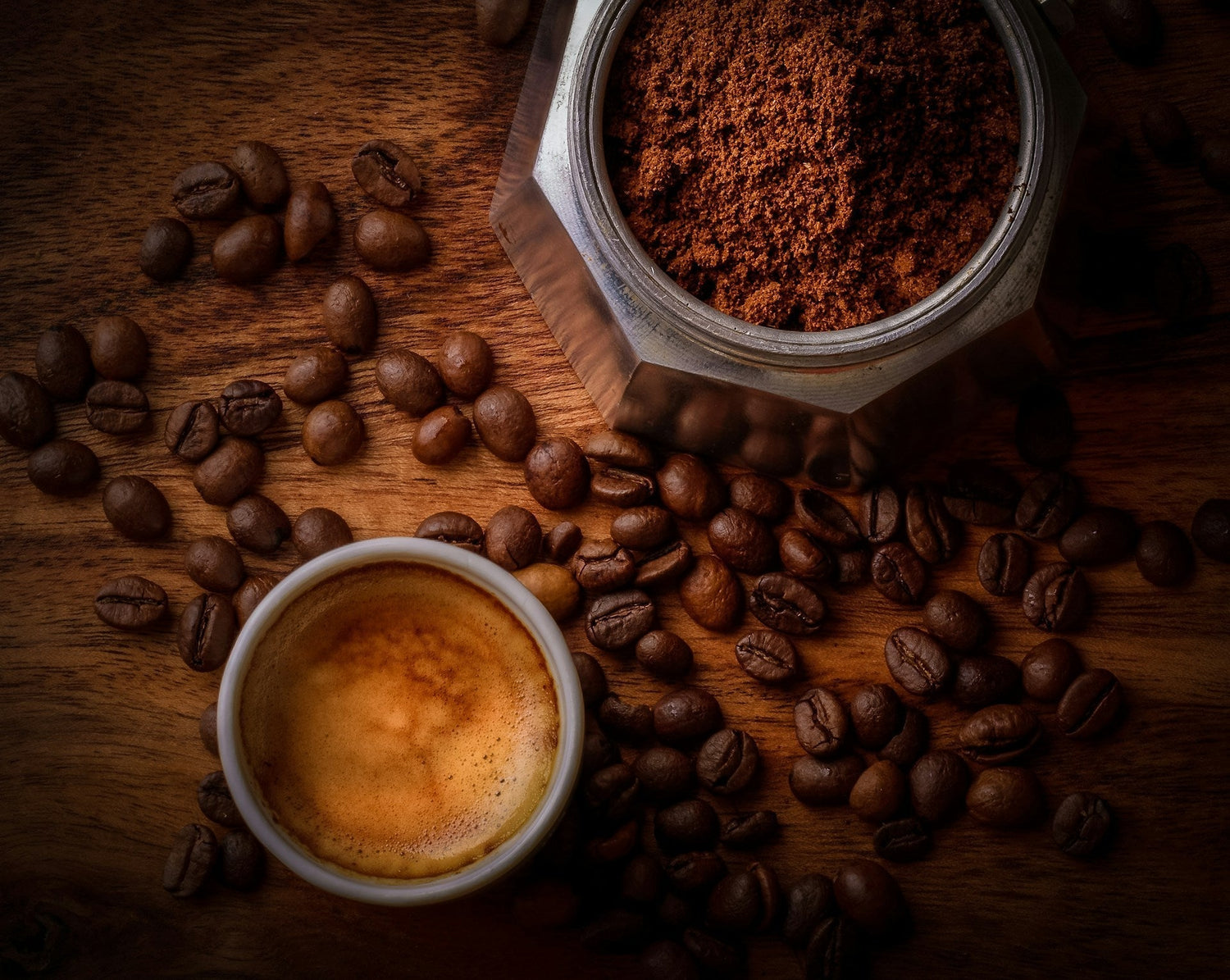
Coffee Grounds Compost Guide
How to Compost Coffee Grounds
Used coffee grounds can support compost and garden soil, but only when they are balanced with dry browns, composted first, and used with the right plants.

Turn used grounds into soil support.
Quick Answer
Yes, you can compost coffee grounds. Used coffee grounds are nitrogen-rich “green” compost material, so they should be mixed with 2–3 times as much dry “brown” material such as leaves, shredded paper, cardboard, or plain paper coffee filters. Keep coffee grounds below about 20–30% of total compost volume, avoid thick direct layers on soil, and use finished compost lightly.
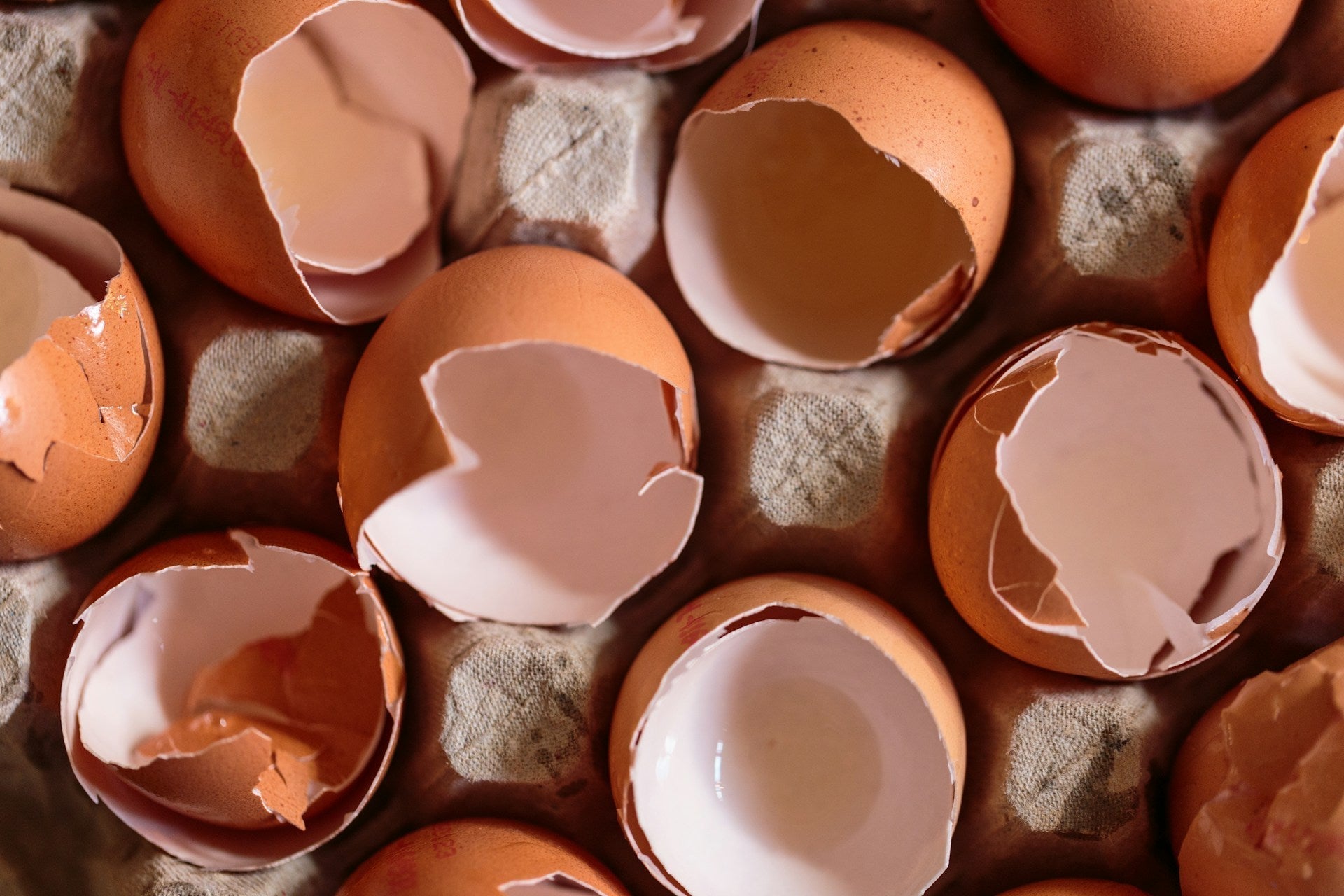
For a complete beginner setup, see our home composting guide for beginners. If you also save eggshells, pair this with our guide on how to compost eggshells safely.
Key Takeaways
- Coffee grounds are compostable. They are “greens” because they are nitrogen-rich.
- Balance matters. Add 2–3 parts browns for every 1 part coffee grounds.
- Do not use thick direct layers. Grounds can compact and block water and air.
- Compost first. This is safer than applying fresh grounds directly to plants.
- Plain paper filters can join the compost. Tear them up so they break down faster.
- GEME Terra II fits daily coffee routines. Add grounds with mixed scraps, then blend the output with soil before plant use.
Table of Contents
Don’t Throw Away Your Coffee Grounds
Used coffee grounds still contain organic matter and nutrients that can support composting. Instead of sending them to the trash, you can turn them into part of a garden soil routine.
But coffee grounds are not a magic fertilizer. They are fine-textured, nitrogen-rich materials. Used incorrectly, they can compact, mold, or create a wet layer that blocks air and water. Used correctly, they become a useful ingredient in a balanced compost system.
Simple rule: Coffee grounds are useful in compost, but they should be mixed, balanced, and applied with restraint.
1. Are Coffee Grounds Good for Plants?
Yes, used coffee grounds can be good for plants when composted first and used in moderation. They can add nitrogen, organic matter, and small amounts of potassium, phosphorus, and micronutrients to a compost pile.
The caution is for direct use. Fresh or uncomposted grounds may contain caffeine, tannins, and other compounds that are not ideal for all plants. They can also mat together on the soil surface, creating a crust that slows water and air movement.
If your goal is to improve soil generally, composting is the safest route. If your goal is plant-specific soil care, such as for blue hydrangeas, read our guide to hydrangea color and soil pH before relying on coffee grounds alone.
Nutrients in Used Coffee Grounds
| Nutrient / Feature | Why It Matters |
|---|---|
| Nitrogen | Feeds compost microbes and contributes to leafy plant growth after composting. |
| Potassium and phosphorus | Present in smaller amounts; useful as part of a broader compost mix. |
| Organic matter | Helps build compost and supports soil structure when balanced with dry browns. |
| Fine texture | Breaks down well when mixed, but can compact if layered too thickly. |
2. Coffee Grounds: Do and Don’t
Do
- Compost used coffee grounds first.
- Mix with dry leaves, paper, cardboard, or filters.
- Keep grounds below about 20–30% of compost volume.
- Use finished compost lightly around plants.
- Blend GEME output with soil before application.
Don’t
- Do not pile thick layers directly on soil.
- Do not use fresh grounds around seedlings.
- Do not assume grounds will strongly acidify soil.
- Do not let dogs eat exposed coffee grounds.
- Do not treat coffee grounds as complete fertilizer.
3. How to Compost Coffee Grounds Step by Step
Coffee grounds count as “greens” because they are nitrogen-rich. That means they need “browns” for balance. For a fuller explanation of compost balance, read our beginner's guide to composting at home.
Green-Brown Balance
| Material Type | Examples | Compost Role |
|---|---|---|
| Greens | Coffee grounds, fruit scraps, vegetable scraps, fresh grass | Add nitrogen and feed microbes |
| Browns | Dry leaves, shredded cardboard, paper filters, straw | Add carbon, absorb moisture, and improve airflow |
The Coffee Grounds Composting Formula
- Add used coffee grounds. Treat them as a green material.
- Add 2–3 times more browns. Dry leaves, shredded paper, cardboard, or torn paper filters work well.
- Mix thoroughly. Do not leave grounds in a dense, wet layer.
- Keep moisture balanced. Compost should feel like a wrung-out sponge.
- Turn or aerate. Fine grounds compact easily, so oxygen matters.
- Use when mature. Finished compost should look dark, crumbly, and earthy.
Can You Compost Coffee Filters?
Yes. Plain-paper coffee filters can be composted and count as browns. Tear them into smaller pieces before adding them to speed breakdown.
Composting Timeline
| Method | Typical Timeline | Best For |
|---|---|---|
| Active outdoor compost | Several months | Gardeners with outdoor space and browns available |
| Passive outdoor compost | 6–12 months | Low-effort composting with patience |
| Vermicomposting | Several months | Small-space users comfortable with worms |
| Microbial kitchen composter | Visible breakdown can happen much faster; harvest depends on the use pattern | Daily kitchen routines and indoor composting habits |
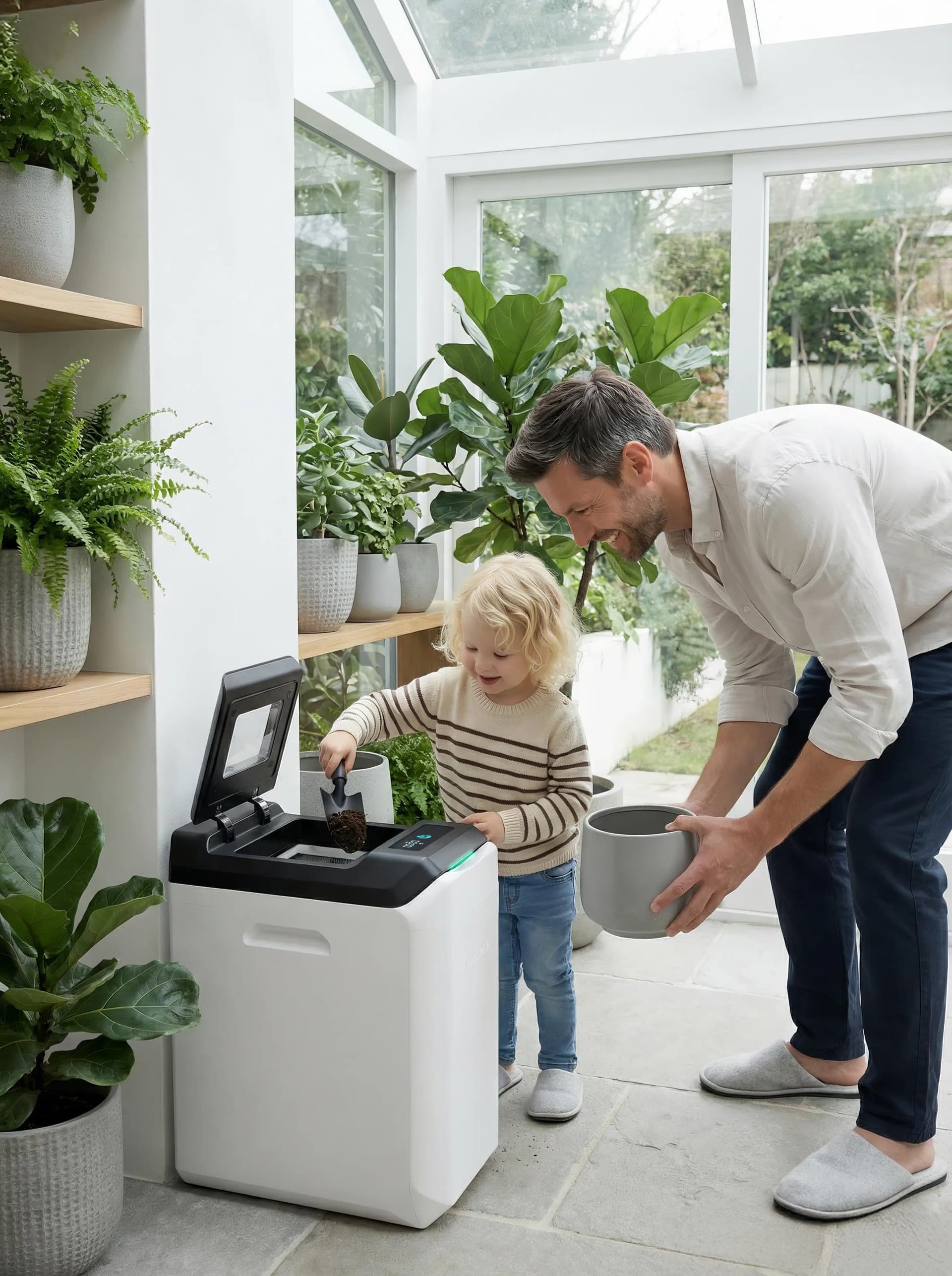
Keep daily grounds in the garden loop.
Compost Coffee Daily
Add used grounds with food scraps, then blend the compost base with soil before using it around plants.
Built for kitchen-to-garden routines.
4. Plants That Like Coffee Grounds
Composted coffee grounds can support many garden plants as part of a balanced soil routine. They are especially useful where organic matter and gentle nitrogen support are welcome.
Plant-Friendly Uses
| Plant / Category | Why Coffee Grounds May Help | Use Note |
|---|---|---|
| Hydrangeas | Composted grounds can support organic matter and may fit blue-hydrangea soil routines over time. | Use with pH testing; read the hydrangea color guide. |
| Blueberries | They prefer acidic soil and organic matter. | Coffee grounds alone do not reliably acidify soil; test and amend properly. |
| Azaleas and rhododendrons | They like organic-rich, acidic conditions. | Use composted grounds lightly, not thick, fresh layers. |
| Roses | Can benefit from compost and organic matter. | Apply as compost, not as a surface crust. |
| Leafy vegetables | Nitrogen-rich compost can support leafy growth. | Use mature compost and avoid over-application. |
5. Plants to Use Coffee Grounds With Caution
Coffee grounds are not a universal plant booster. Some plants may react poorly to fresh grounds, excessive use, or caffeine-related compounds.
| Plant / Situation | Reason for Caution | Safer Approach |
|---|---|---|
| Tomatoes | Fresh grounds and caffeine may not be ideal for growth. | Use composted grounds in moderation; compare with eggshell compost for calcium support. |
| Seedlings | Caffeine may inhibit germination or early growth. | Avoid fresh grounds in seed-starting mixes. |
| Lavender and rosemary | These often prefer leaner, well-drained, less rich conditions. | Avoid heavy compost or wet grounds around them. |
| Dog-accessible gardens | Caffeine can be dangerous to dogs if eaten. | Compost grounds securely or bury finished compost safely. |
6. Best Ways to Use Coffee Grounds for Plants
Method 1: Compost Them First
This is the safest and most reliable method. Add used grounds to compost with plenty of browns and let the pile mature before using it around plants.
Method 2: Add to a Worm Bin in Moderation
Worms can handle coffee grounds, but only in reasonable amounts. Mix grounds with bedding and other food scraps rather than creating dense pockets.
Method 3: Use Coffee Grounds Tea Carefully
Some gardeners make a weak liquid feed by soaking used grounds in water. Use cautiously and avoid treating it as a complete fertilizer.
Method 4: Apply a Very Thin Layer with Mulch
If you apply grounds directly, use only a very thin layer and cover it with coarse organic mulch. Never create a thick mat around plants.
Method 5: Use a Microbial Kitchen Composter
For households that generate daily grounds, a microbial kitchen composter can turn coffee waste into part of a steady compost base routine. For apartment composting choices, see our guide to the best indoor composter for apartments.
7. Common Coffee Ground Mistakes
Applying thick layers directly to soil
Coffee grounds can compact and form a crust that limits water and air movement. Mix or compost them instead.
Using too much in the compost
Too many grounds can create a nitrogen-heavy, wet, poorly aerated pile. Keep grounds below about 20–30% of compost volume.
Assuming that used coffee grounds strongly acidify soil
Used grounds are often closer to neutral than many people expect. If you need acidic soil, use proper soil testing and targeted amendments.
Forgetting the paper filter
Paper filters are useful browns. Tear them up and compost them with the grounds.
8. Composting Coffee Grounds with GEME
GEME Terra II is a microbial kitchen composter designed for daily food scraps, continuous feeding, compost-like output for soil blending, and no routine odor filter replacement.
Coffee grounds fit well into this routine because they are generated daily, mix easily with other scraps, and help keep organic material out of the trash stream. If you are comparing maintenance costs, our guide to electric composter filter costs explains why routine replacement filters matter.
Why Coffee Grounds Fit GEME Terra II
| Feature | Coffee Grounds Benefit |
|---|---|
| Continuous feeding | Add grounds after brewing instead of storing them for an outdoor pile. |
| Microbial process | Grounds become part of a broader composting environment rather than isolated soil topping. |
| Plain paper filters | Filters can support the carbon side of the waste mix when product guidance allows. |
| No routine odor filter replacement | Avoids the recurring filter habit common in many odor-control systems. |
Traditional Composting vs GEME Terra II
| Aspect | Traditional Composting | GEME Terra II |
|---|---|---|
| Space required | Usually outdoor space | Indoor kitchen or utility area |
| Daily grounds routine | Store or carry the grounds to the pile | Add grounds with daily scraps |
| Balance required | Must add browns and turn the pile | Use varied scraps and follow guidance; less outdoor pile management |
| Output use | Finished compost for garden beds | Compost base to blend with soil before plant use |
For safe soil application, pair this article with the advanced GEME compost application guide.
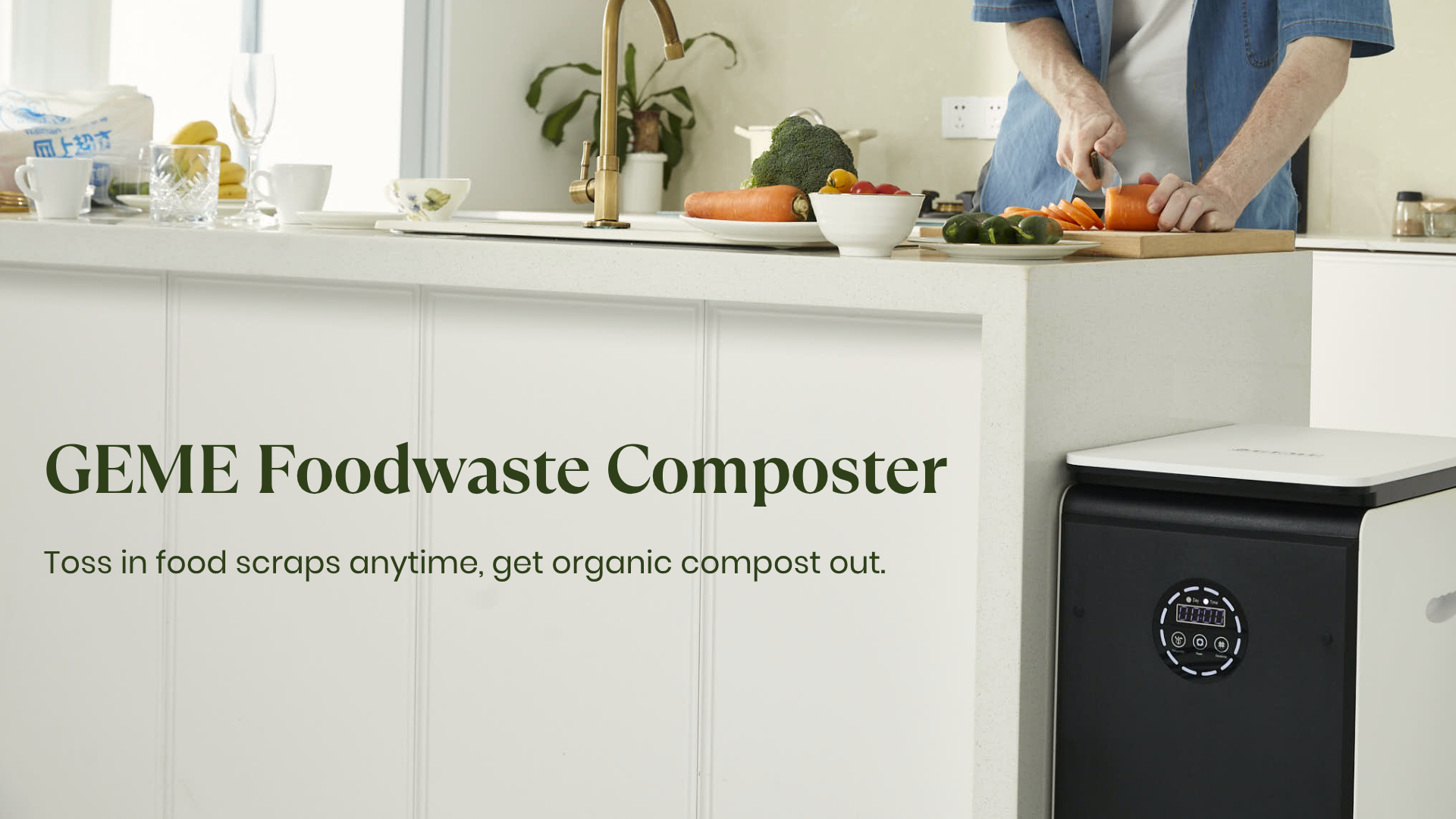
More capacity for bigger routines.
Need More Capacity?
GEME Pro fits larger households, office coffee corners, and heavier food-scrap routines where grounds and filters add up quickly.
Built for heavier daily composting.
9. Troubleshooting Coffee Ground Composting
| Problem | Likely Cause | Solution |
|---|---|---|
| Compost smells like ammonia | Too many nitrogen-rich grounds | Add dry browns and turn the pile |
| Mold on the grounds | Poor airflow or excess moisture | Mix thoroughly and add dry material |
| Water pools on the soil surface | Grounds formed a crust | Break up the layer, mix into compost, and cover with coarse mulch |
| Worms avoid the grounds | Too much fresh material at once | Add smaller amounts and mix with bedding |
| Plants look stressed after application | Fresh grounds, too much material, or wrong plant type | Stop applying grounds, water appropriately, and use composted material only |
The Squeeze Test
Compost should feel like a wrung-out sponge. If water drips out, add browns. If it crumbles dry, add water. If it holds together without dripping, the moisture level is close.
Quick Reference Summary
| Can you compost coffee grounds? | Yes. |
| Compost category | Green / nitrogen-rich material. |
| Best ratio | 1 part coffee grounds to 2–3 parts browns. |
| Maximum amount | Keep below about 20–30% of compost volume. |
| Direct soil use | Avoid thick layers; compost first whenever possible. |
| GEME use | Add grounds with mixed scraps, then blend compost base with soil before plant use. |
10. Frequently Asked Questions
How do you compost coffee grounds at home?
Add used coffee grounds as a green material, mix with 2–3 times the volume of browns such as dry leaves or shredded paper, keep the pile moist but not soggy, and turn regularly.
Are coffee grounds good for plants?
Yes, when composted first and used in moderation. Fresh grounds can compact and may contain compounds that are not ideal for direct plant use.
Can I put coffee grounds directly on soil?
Avoid thick direct layers. If you use them directly, apply only a very thin layer and cover with coarse mulch. Composting first is safer.
Are coffee grounds acidic?
Used coffee grounds are often closer to neutral than many gardeners expect. Do not rely on them alone to acidify soil for blueberries or blue hydrangeas.
Which plants like coffee grounds?
Composted coffee grounds can support acid-loving plants, roses, leafy vegetables, and organic-rich garden beds. Always apply in moderation.
Can I use coffee grounds on tomatoes?
Use caution. Avoid fresh coffee grounds around tomatoes. If you use coffee grounds, compost them first and apply moderately as part of a balanced soil plan.
Can I compost coffee filters?
Yes. Plain-paper coffee filters can be composted and count as brown material. Tear them up before adding.
Can GEME Terra II process coffee grounds?
Yes. GEME Terra II can include used coffee grounds as part of a mixed kitchen-scrap composting routine. Use the output as a compost base and blend it with soil before plant use.
Does GEME Terra II require routine odor filter replacement?
GEME Terra II is designed with no routine odor filter replacement, which helps reduce long-term ownership costs.
Conclusion: From Coffee Grounds to Garden Gold
Coffee grounds are too valuable to throw away, but they need the right handling. Treat them as nitrogen-rich compost material, mix them with plenty of browns, and avoid thick, direct layers around plants.
The best approach is simple: compost first, apply later, and use moderation. That way, your daily coffee habit can support soil health without creating compaction, mold, or plant stress.
GEME Terra II and GEME Pro can help make used coffee grounds part of a steady kitchen-to-garden routine. Add grounds with other scraps, let the system work, and blend the compost base with soil before use.
Final rule: Coffee grounds are not trash. They are compost material — when balanced with the right browns.
References
- SDSU Extension — Spent Coffee Grounds: Fertilizer or Not?
- Ask Extension — Unused coffee grounds
- Ask Extension — Coffee grounds
- BBC Gardeners’ World — How to use coffee grounds for plants
- Better Homes & Gardens — Ways to reuse coffee grounds
- GEME — How it works
- GEME — Advanced compost application guide
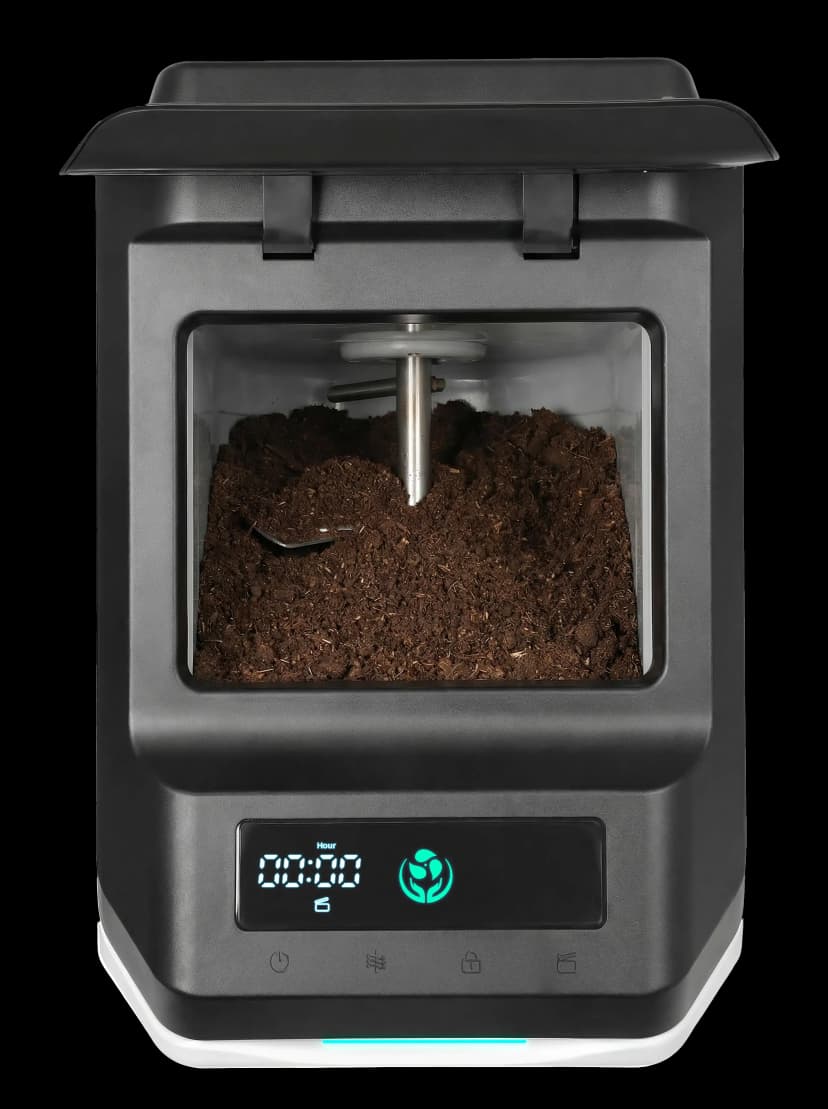
Keep your morning brew in the loop.
Start Composting
Turn coffee grounds, filters, peels, and daily scraps into a compost base for safer soil blending.
Built for kitchen-to-garden routines.


Laisser un commentaire
Ce site est protégé par hCaptcha, et la Politique de confidentialité et les Conditions de service de hCaptcha s’appliquent.