


Winter Garden Cleanup & Spring Soil Prep Guide
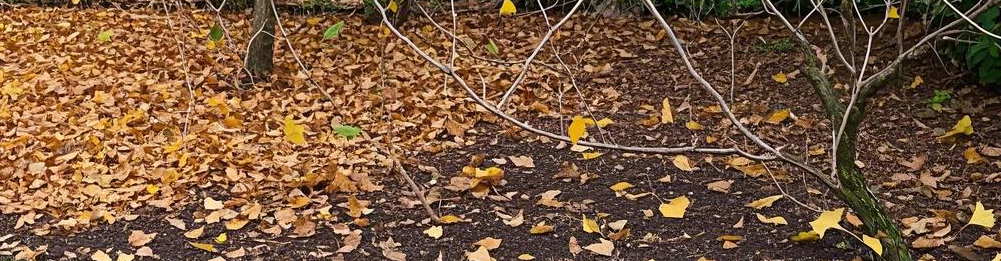
Winter may be fading, but your garden may still be covered with fallen leaves, broken branches, dead stems, old mulch, windblown trash, and leftover plant trimmings. A smart winter garden cleanup helps your outdoor space look better, protects emerging plants, and prepares the soil for spring.
The goal is not to strip the garden bare. The best cleanup removes hazards and waste while keeping useful organic matter, pollinator habitat, and compostable materials in the garden cycle whenever possible.
Clean carefully. Sort wisely. Compost what belongs in the soil cycle.
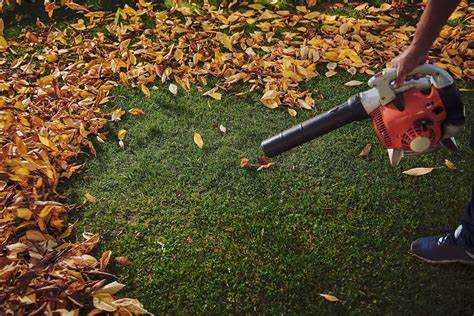
Remove hazards, keep useful organic matter, and compost suitable materials.
Quick Answer
To clean up a winter garden, first choose the right tools for your space, then sort debris into compostable, reusable, recyclable, landfill, and special-handling categories. Finally, use suitable leaves, twigs, plant trimmings, and appropriate kitchen scraps to rebuild soil health for spring.
Clean gently around new shoots, avoid cutting back all stems too early in pollinator-friendly beds, remove diseased or pest-infested plants separately, and use finished compost or compost output responsibly by screening, curing when needed, and mixing with soil.
For related context, read how to plant a garden, how to use compost correctly, and when compost is ready to use.
Key Takeaways
- Do not rush every bed. Many beneficial insects overwinter in leaf litter, hollow stems, and garden debris.
- Start with safety. Remove broken branches, trip hazards, sharp debris, plastic, netting, and damaged structures first.
- Choose tools by area. Rakes are better for delicate beds; leaf blowers can help in open areas but should be used carefully.
- Sort debris before disposal. Leaves, twigs, and healthy plant trimmings can often be composted or used as mulch.
- Handle diseased plants separately. Do not add diseased or pest-infested material to simple backyard compost piles.
- Keep some habitat. In pollinator gardens, leaving some stems and leaves can support beneficial insects.
- Prepare soil after frost and wet conditions pass. Work soil only when it is workable, not waterlogged.
- GEME Terra II: supports real microbial composting for appropriate kitchen scraps, with compost output for soil blending.
Table of Contents
- Before You Start: Clean Up Without Stripping the Garden
- Step 1: Choose the Right Tools for the Job
- Step 2: Sort and Process Debris Like a Pro
- Step 3: Turn Suitable Scraps Into Compost for Spring Soil
- Pollinator-Friendly Winter Garden Cleanup
- Winter Garden Cleanup Checklist
- How to Use Compost After Cleanup
- FAQ
- Summary
- Sources
- Related Articles
Before You Start: Clean Up Without Stripping the Garden
A winter garden can look messy, but not everything needs to be removed immediately. Fallen leaves, old stems, and plant debris can protect soil, shelter beneficial insects, and slowly feed the soil system.
Start by removing clear problems: broken branches, slippery piles on pathways, plastic labels, old ties, synthetic netting, damaged pots, diseased plants, and materials blocking new growth. Leave some clean leaves or stems in less visible areas when they are not causing disease, pests, or safety issues.
Simple rule: clean for safety and plant health, not for a completely bare garden.
Step 1: Choose the Right Tools for the Job
The right tool depends on the size of your garden, the type of debris, and how delicate the planting area is. Large open areas can be cleared quickly, while flower beds and new shoots need gentler handling.
Option 1: Leaf Blower
Leaf blowers can be useful for large yards, driveways, patios, and open lawn areas with heavy leaf coverage. They save time, but they can also disturb mulch, soil, insects, and delicate new growth if used too aggressively.
- Use on dry days to reduce clogging and heavy clumps.
- Wear ear protection and follow local noise rules.
- Use the lowest effective power setting near beds.
- Move leaves into small piles instead of blowing them across the whole yard.
- Avoid blowing directly into new shoots, loose soil, pollinator beds, or mulch layers you want to keep.
Option 2: Rake
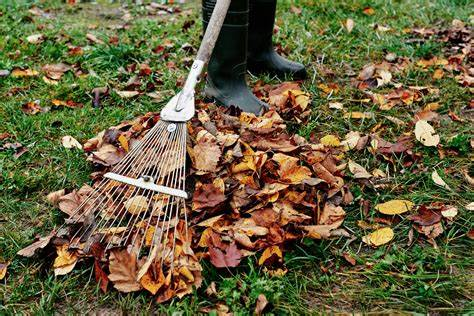
Rakes are ideal for smaller yards, flower beds, vegetable beds, and delicate planting areas. They require more effort but give you better control and make it easier to protect new growth.
- Rake in rows for systematic cleanup.
- Use a tarp to collect leaves and carry them easily.
- Use a leaf rake for lawns and a smaller hand rake for beds.
- Alternate sides and take breaks to avoid muscle strain.
- Rake gently around emerging perennials, bulbs, and seedlings.
Best Hybrid Approach
Use a leaf blower for open hardscapes and large lawn areas, then use a rake or hand rake for tight corners, planting beds, and areas where new growth is emerging. A tarp, wheelbarrow, gloves, pruning shears, and yard-waste containers will make the cleanup faster and cleaner.
Step 2: Sort and Process Debris Like a Pro
Once you gather debris, sort it before throwing anything away. Some materials can become mulch or compost. Some should go to municipal yard waste collection. Some should be disposed of separately to avoid contaminating compost.
| Debris Type | Best Handling | Important Caution |
|---|---|---|
| Dry leaves | Use as mulch, leaf mold, or compost browns. | Avoid thick, wet mats on lawns or crowns of plants. |
| Small twigs and stems | Chop and compost, chip, or use as a base layer in compost. | Keep some hollow stems in pollinator areas when possible. |
| Large branches | Chip for mulch or bundle for local yard-waste pickup. | Check local size and bundling rules. |
| Diseased or pest-infested plants | Bag and dispose of according to local guidance. | Do not add to simple backyard compost piles. |
| Plastic tags, netting, ties, broken pots | Reuse, recycle if accepted, or place in trash. | Remove before composting organic debris. |
| Pine needles | Use as mulch in suitable beds or add modestly to compost. | Do not assume pine needles alone will strongly acidify soil. |
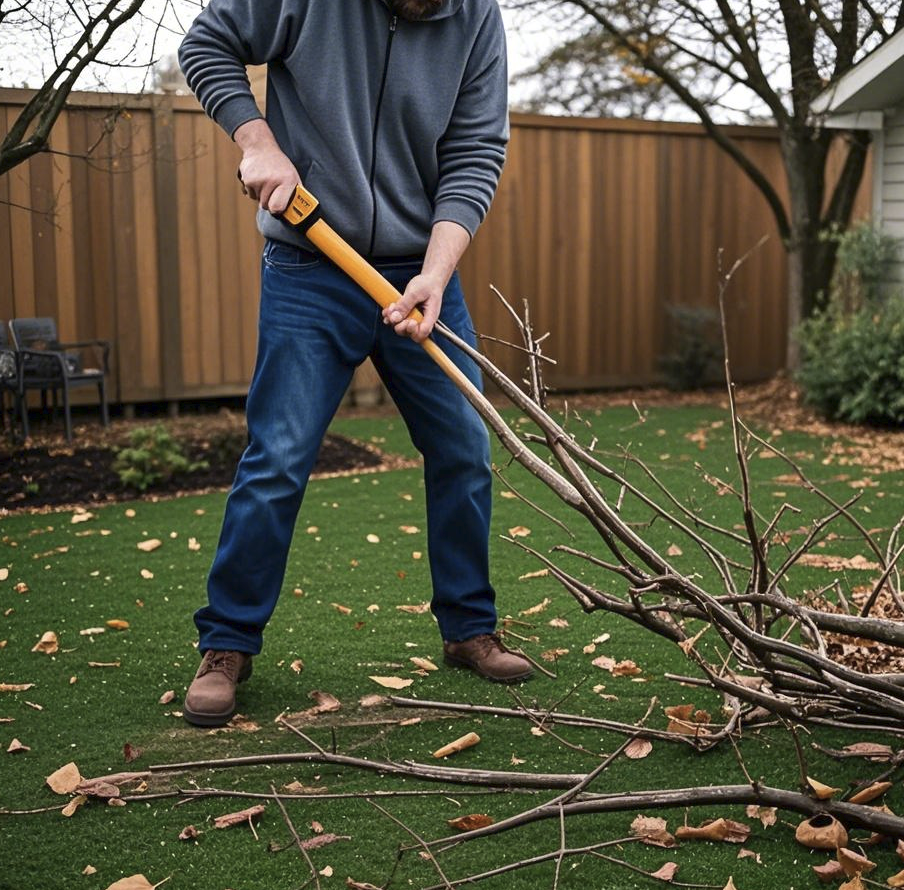
Branches, Twigs, and Woody Material
- Cut or bundle branches according to local collection rules.
- Rent or borrow a chipper only when volume justifies it.
- Use wood chips as path material or mulch where suitable.
- Keep thick mulch away from stems, trunks, and crowns.
Non-Organic and Synthetic Materials
- Remove plastic plant tags, synthetic netting, twist ties, landscape fabric scraps, and foam.
- Reuse plant labels and pots if they are clean and intact.
- Replace plastic garden ties with jute twine or other biodegradable options when appropriate.
- Never put plastic, treated wood, painted wood, or synthetic materials into compost.
Step 3: Turn Suitable Scraps Into Compost for Spring Soil
After the garden is clean, the next step is soil preparation. Healthy leaves, small twigs, plant trimmings, fruit and vegetable scraps, coffee grounds, paper filters, and crushed eggshells can all become part of the composting cycle when managed correctly.
The key is balance. Yard cleanup gives you carbon-rich “browns,” while kitchen scraps provide nitrogen-rich “greens.” Together, with moisture and oxygen, they support microbial composting and eventually produce compost for soil improvement.

Why Compost Matters After Winter Cleanup
- Improves soil structure: compost helps soil handle air and water better.
- Adds organic matter: organic matter supports long-term soil health.
- Supports soil biology: mature compost contributes to microbial activity in soil.
- Helps moisture behavior: compost can help sandy soil hold water and make heavy soil easier to work over time.
- Recycles organic waste: suitable yard and kitchen scraps stay in the soil cycle instead of becoming trash.
What to Add to Compost
- Dry leaves and small twigs.
- Healthy plant stalks and trimmings.
- Fruit and vegetable scraps.
- Coffee grounds and paper filters.
- Tea leaves and staple-free tea bags.
- Crushed eggshells.
- Shredded non-glossy paper or clean cardboard.
What to Avoid in Simple Backyard Compost
- Diseased or pest-infested plants.
- Aggressive weeds with seeds.
- Meat, fish, bones, fats, oils, and heavy grease.
- Cheese and dairy products in simple open piles.
- Pet waste and cat litter.
- Painted, treated, or synthetic materials.
- Produce stickers, plastic, and glossy paper.
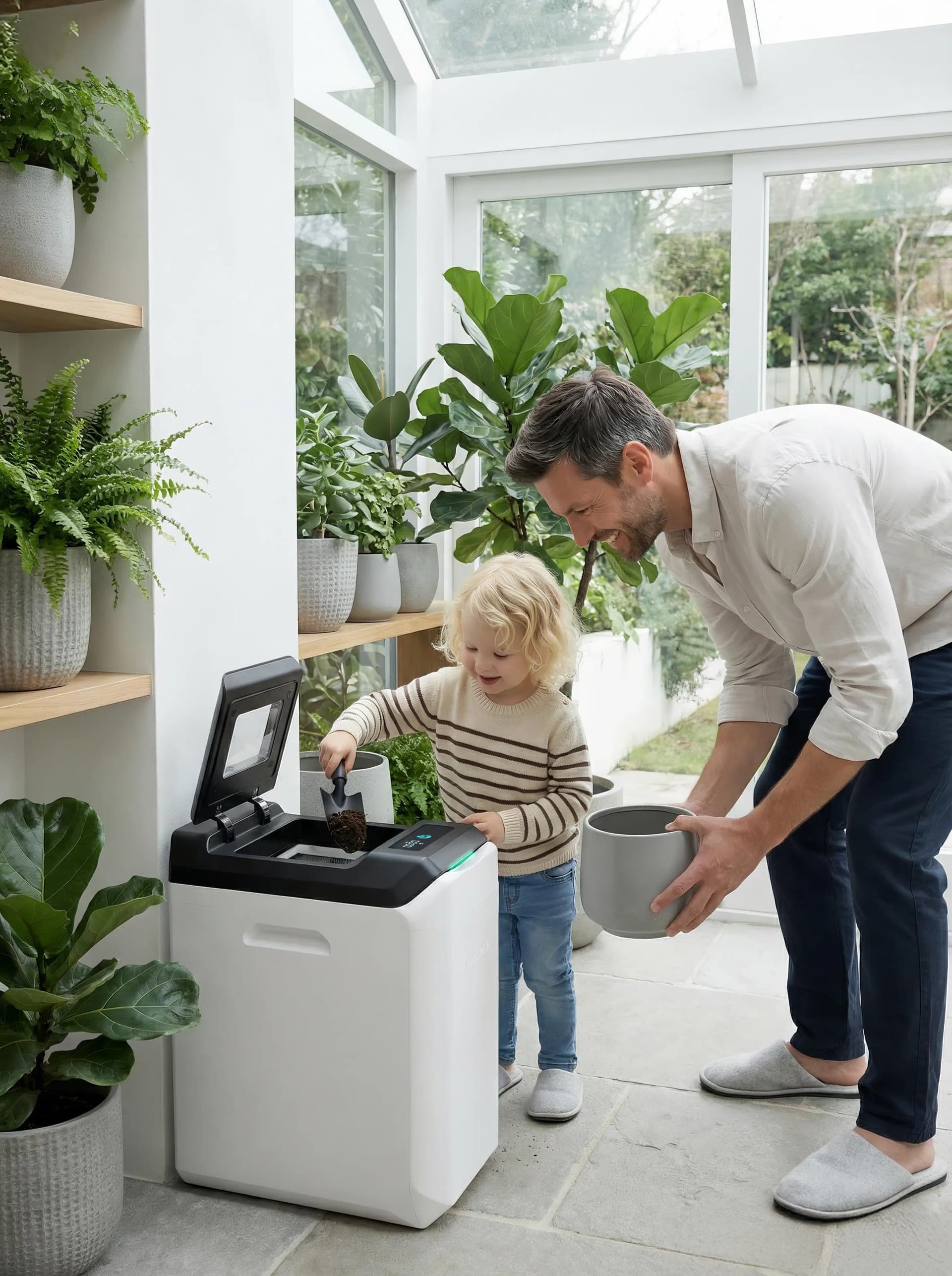
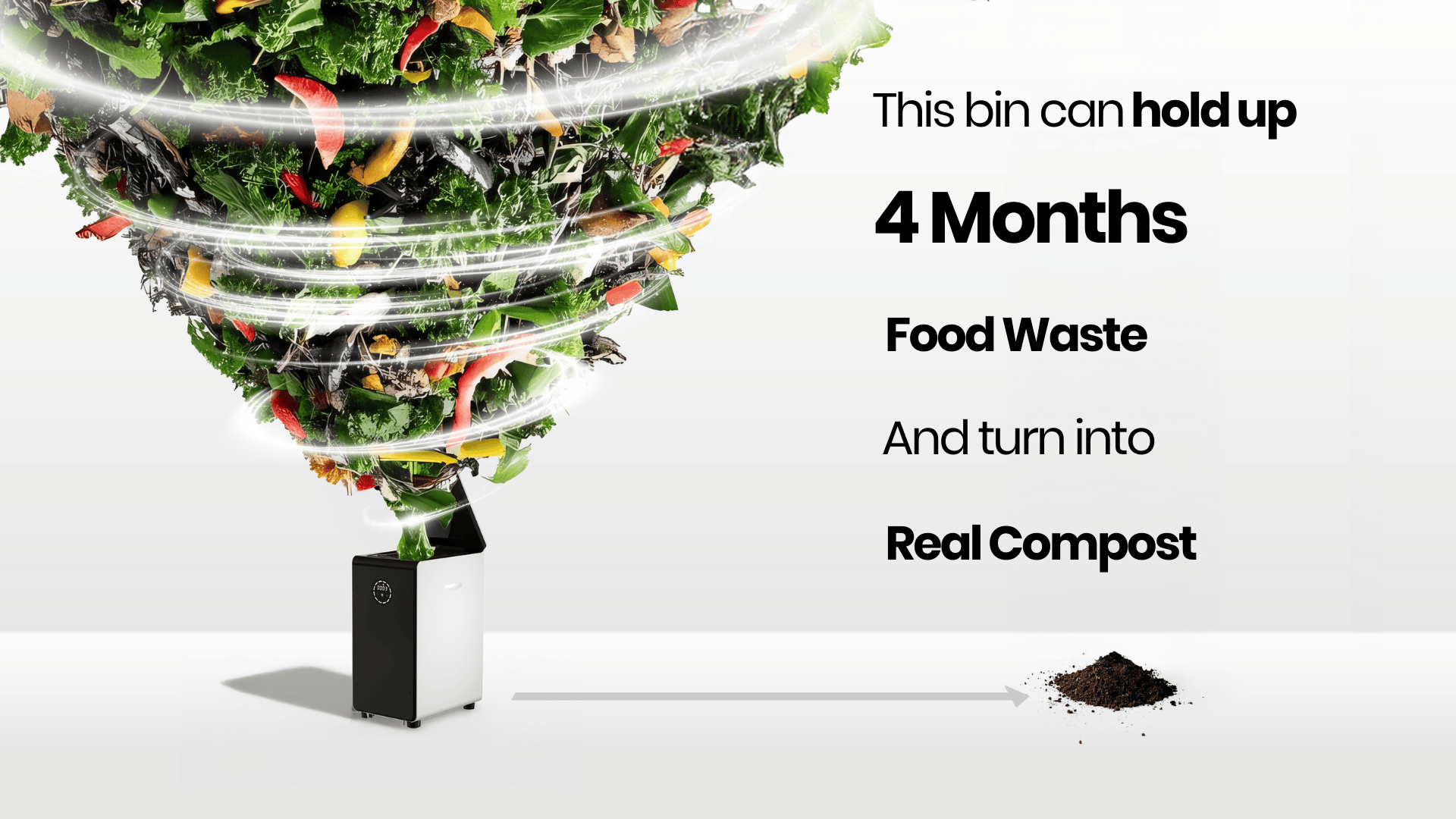
Turn appropriate kitchen scraps into compost output for soil blending.
Make Composting Part of Your Spring Garden Routine
GEME Terra II supports real microbial composting for appropriate kitchen scraps, with no drying, no replacement odor filters, and compost output for soil blending. Screen larger pieces, cure when needed, and mix with soil before plant use.
Real microbial composting. No filter replacements. Compost for soil blending.
Pollinator-Friendly Winter Garden Cleanup
A tidy garden can still support biodiversity. In perennial and pollinator-friendly beds, consider leaving some clean leaves, stems, and small brush piles in less visible areas until temperatures are consistently warmer.
Some native bees and beneficial insects use hollow stems, leaf litter, and old plant debris as overwintering habitat. When you cut stems, you can leave some standing or place cut stems in a loose pile at the edge of the garden.
What to Leave
- Some hollow stems in pollinator beds.
- A thin layer of clean leaves as natural mulch.
- Small brush piles in low-traffic corners.
- Plant debris that is not diseased and not smothering new growth.
What to Remove
- Diseased, moldy, or pest-infested plants.
- Thick wet leaf mats on lawns or crowns.
- Broken branches that create hazards.
- Plastic, synthetic netting, old tags, and trash.
- Debris blocking seedlings, paths, drains, or air circulation.
Winter Garden Cleanup Checklist
| Task | Why It Matters | Best Practice |
|---|---|---|
| Clear paths and hardscapes | Reduces slipping and tripping hazards. | Remove wet leaves, branches, and broken pots. |
| Check emerging plants | Prevents damage to bulbs and perennials. | Use hand tools near new shoots. |
| Remove diseased material | Reduces disease carryover risk. | Bag separately; do not compost in simple piles. |
| Save clean leaves | Leaves are useful browns for compost or mulch. | Shred if possible for faster breakdown. |
| Inspect fences, beds, and supports | Winter can loosen or damage structures. | Repair before the planting season gets busy. |
| Prepare compost and soil | Spring plants perform better in prepared soil. | Mix mature compost only when soil is workable. |
How to Use Compost After Cleanup
Once cleanup is complete, use compost to support soil health rather than treating it as a direct replacement for soil. Mature compost works best when mixed into garden soil, used as a moderate top dressing, or blended carefully into container mixes.
Safe Compost Use Rules
- Use mature compost that is dark, crumbly, and earthy-smelling.
- Screen out large unfinished pieces.
- Let active or strong-smelling material cure longer.
- Mix compost with soil before plant use.
- Keep compost away from direct contact with stems, crowns, and trunks.
- Do not overapply compost year after year without checking the soil condition.
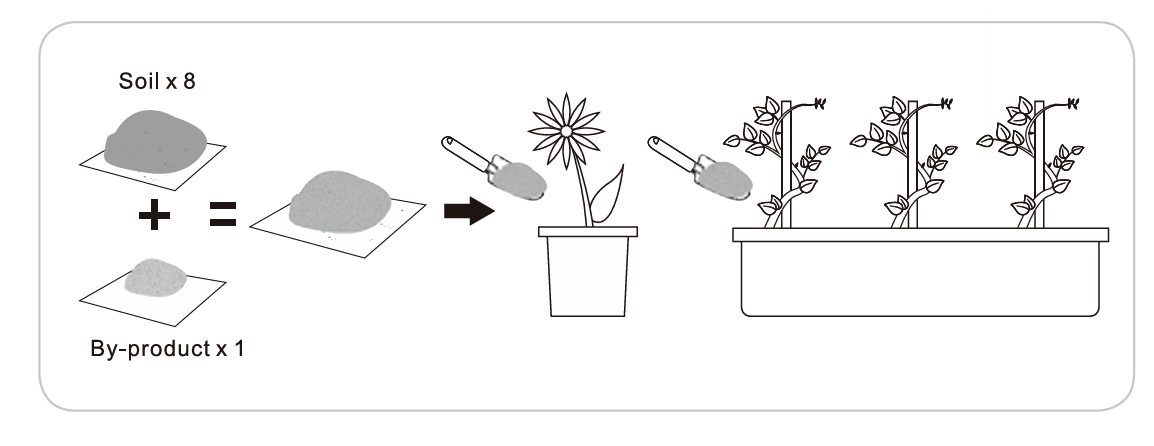
For GEME Terra II compost output, follow the same responsible use logic: harvest mature-looking compost base when needed, sift larger pieces back into the chamber, and mix the output with soil before applying around plants.
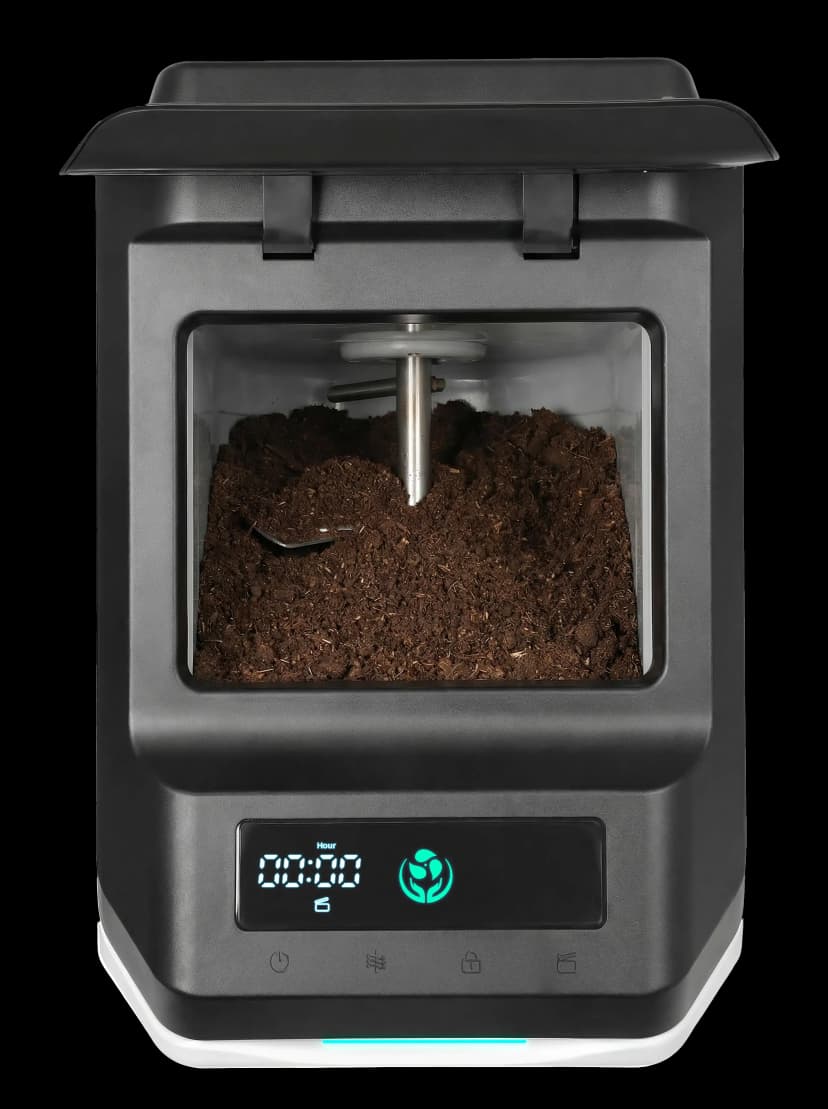
Screen, cure when needed, and mix with soil.
Turn Kitchen Scraps Into Spring Soil Support
Winter cleanup gives you yard browns. GEME Terra II helps process appropriate kitchen scraps through real microbial composting, creating compost output for soil blending with no replacement odor filters.
Terra II for everyday homes. GEME Pro for larger routines.
Watch: Composting Food Scraps at Home
A home composting routine works best when garden cleanup and kitchen scraps are handled together: dry leaves and twigs provide browns, while fruit and vegetable scraps provide greens.
Final Takeaway: Clean Up Winter Debris, Then Feed the Soil
A good winter garden cleanup is practical, not aggressive. Remove hazards, protect emerging plants, sort materials carefully, and leave useful habitat where it makes sense.
Healthy leaves, twigs, plant trimmings, and appropriate kitchen scraps can become part of your spring soil routine through composting. Diseased plants, plastic, synthetic materials, treated wood, and pest-infested material should be handled separately.
Clean the garden for spring. Compost suitable materials for the soil. Let the new season begin with a healthier foundation.
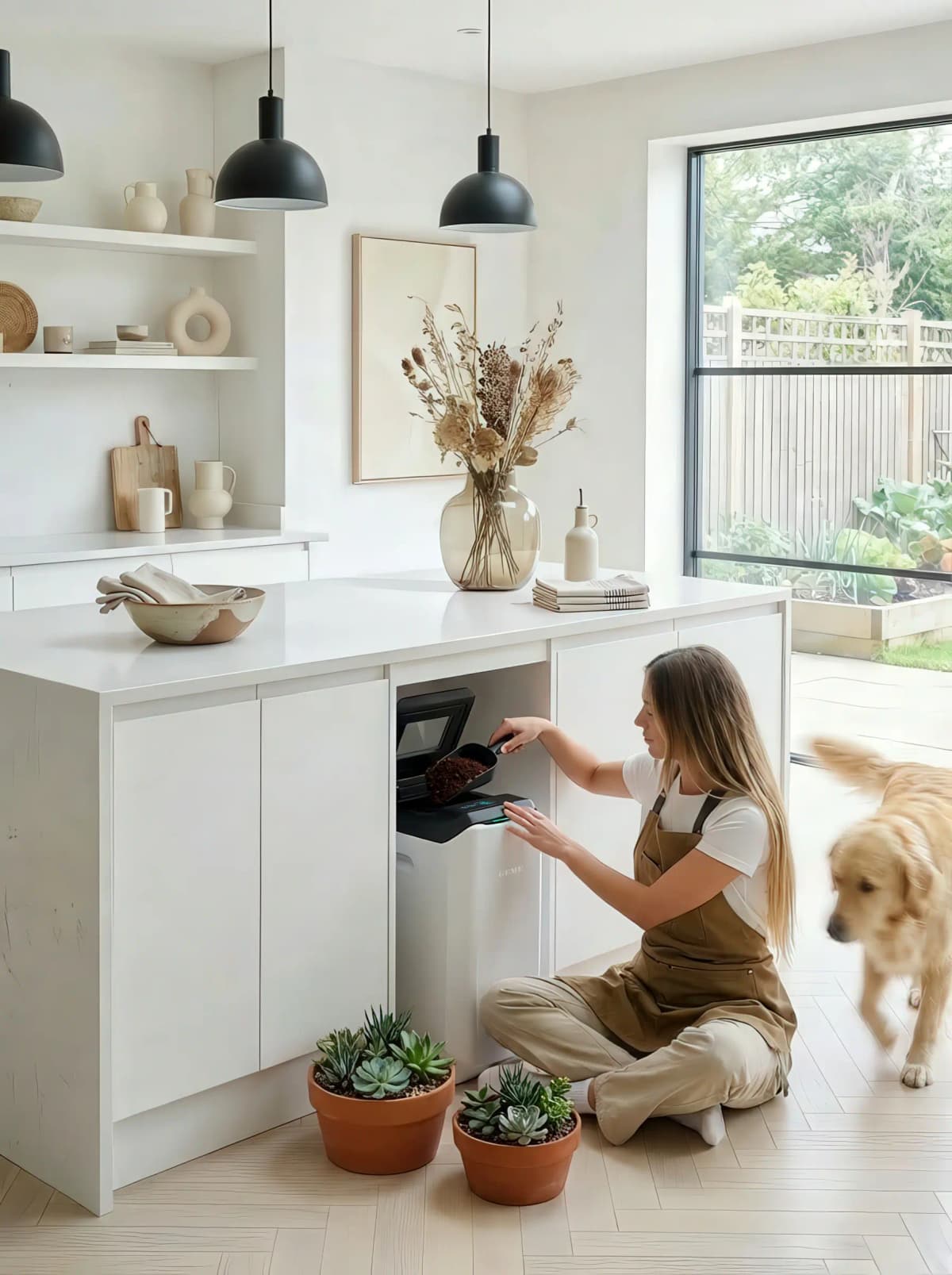
Real microbial composting for modern homes.
Build a Cleaner Spring Composting Routine With GEME
GEME Terra II and GEME Pro help households turn appropriate food scraps into compost for soil blending, with real microbial composting, no filter replacements, and zero recurring filter costs.
Terra II for everyday homes. GEME Pro for larger routines.
Frequently Asked Questions
When should I clean up my winter garden?
Begin with safety cleanup whenever needed, such as removing broken branches and slippery debris from paths. For perennial and pollinator beds, avoid cutting everything back too early; wait until temperatures are more consistent when possible.
Should I remove all leaves from my garden?
No. Remove thick mats from lawns, paths, crowns, and areas where leaves are smothering new growth. Keep some clean leaves as mulch or compost browns where they do not cause problems.
Can I compost winter garden debris?
Yes. Healthy leaves, small twigs, plant stalks, and clean yard trimmings can often be composted. Avoid diseased plants, pest-infested plants, aggressive weeds with seeds, treated wood, plastic, and synthetic materials.
Should I use a rake or a leaf blower?
Use a leaf blower for open areas and a rake for delicate beds. A hybrid approach is often best: blower for patios and lawns, hand tools for new shoots, flower beds, and pollinator areas.
What should I do with diseased plants after winter?
Bag diseased or pest-infested plant material and dispose of it according to local guidance. Do not add it to a simple backyard compost pile.
Can kitchen scraps help prepare my spring garden?
Yes. Appropriate kitchen scraps can become compost through a managed composting process. Mix compost output with soil before plant use and avoid using fresh scraps directly around plants.
Is GEME Terra II useful for spring garden preparation?
GEME Terra II helps households process appropriate kitchen scraps through real microbial composting. Its output should be screened, cured when needed, and mixed with soil before garden use.
Summary
- Step 1: choose the right tools, a leaf blower for open areas, a rake or hand tools for delicate beds.
- Step 2: sort debris into compostable, reusable, recyclable, landfill, and special-handling categories.
- Step 3: compost suitable yard debris and appropriate kitchen scraps to support spring soil health.
- Pollinator care: avoid removing every stem and leaf too early in habitat-focused beds.
- Compost safely: avoid diseased plants, pest-infested material, plastics, treated wood, and synthetic debris.
- Soil preparation: use mature compost or compost output as a soil amendment, not a full soil replacement.
- GEME Terra II: supports real microbial composting for appropriate kitchen scraps, with no filter replacements and compost output for soil blending.

Laisser un commentaire
Ce site est protégé par hCaptcha, et la Politique de confidentialité et les Conditions de service de hCaptcha s’appliquent.