


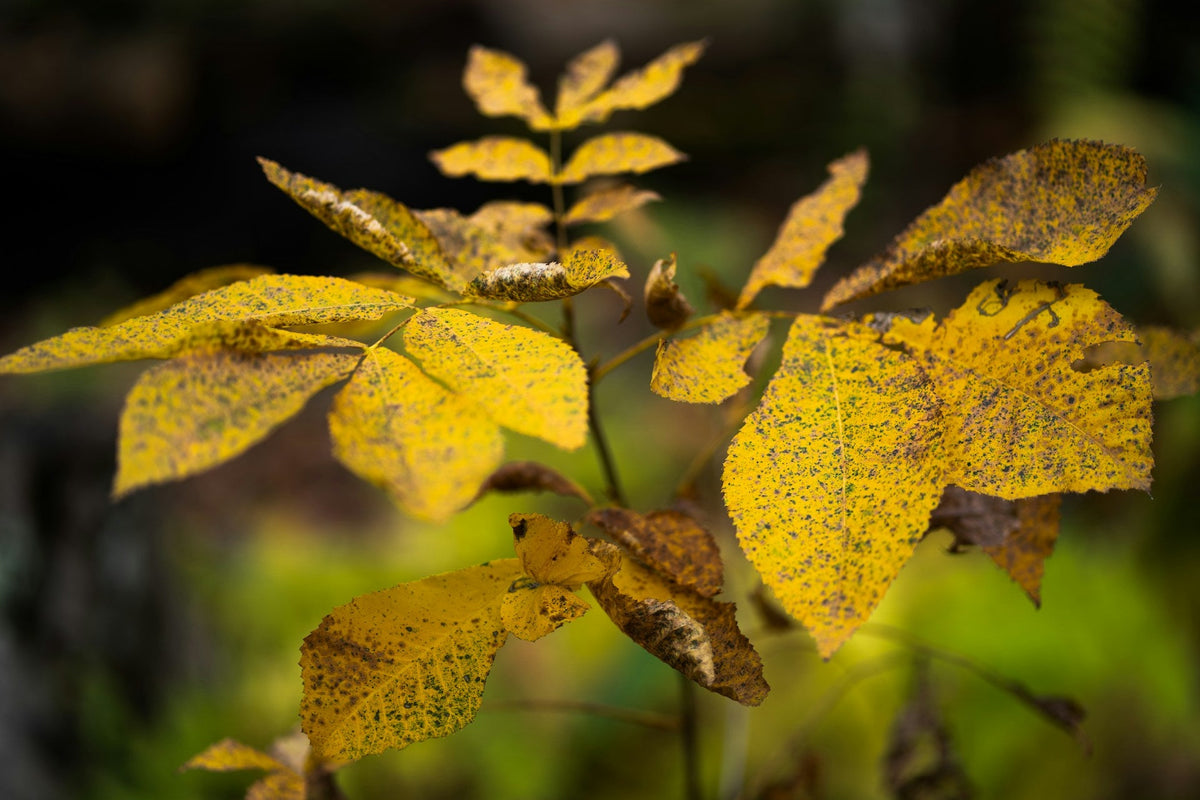
Yellow Leaves · Watering · Roots · Light · Soil & Nutrients
Yellow leaves are a symptom, not a diagnosis. A plant can turn yellow because its roots are too wet, too dry, damaged, compacted, short of oxygen, unable to access nutrients, exposed to unsuitable light, affected by pests or disease, or simply shedding an old leaf.
The fastest way to solve plant leaves turning yellow is not to add fertilizer immediately. Start with the root zone and watering history, then check light, drainage, soil pH, nutrients, pests, and the pattern of yellowing.
Where the yellowing appears matters. One old lower leaf is very different from every new leaf turning pale between green veins.

Why Are My Plant Leaves Turning Yellow?
Check these causes in this order before adding fertilizer:
- Soil moisture: is the root zone constantly wet or extremely dry?
- Drainage: can excess water leave the pot or soil?
- Roots: are they firm and healthy, or brown, mushy, compacted, or damaged?
- Light: did the plant recently move into deeper shade or stronger direct sun?
- Leaf pattern: are old leaves yellowing first, new leaves, or only tissue between the veins?
- Soil pH and nutrients: nutrients may be present but unavailable to roots.
- Pests or disease: look for spots, insects, webbing, distortion, lesions, or unusual leaf drop.
- Natural aging: one or two older leaves can yellow normally as new growth develops.
Best rule: diagnose first. Water, fertilizer, compost, and pH amendments can all make the problem worse when the original diagnosis is wrong.
1. Yellow Leaf Diagnostic Chart
Leaf color alone rarely identifies the cause. Use the yellowing pattern together with soil moisture, root condition, growth rate, recent care changes, and other symptoms.
| What You See | Possible Cause | What to Check Next |
|---|---|---|
| Yellow leaves + wet soil | Overwatering, poor drainage, root stress | Drainage holes, standing water, root smell and texture |
| Yellow leaves + very dry soil + wilt | Drought stress | Root-ball moisture and watering consistency |
| New leaves yellow between green veins | Possible chlorosis / micronutrient availability problem | Soil pH, root health, species requirements |
| Older leaves yellow first | Possible mobile-nutrient deficiency, stress, or natural senescence | Overall growth, fertilizer history, soil test |
| Entire plant pale and weak | Possible low nitrogen, root stress, insufficient light, or chronic watering problem | Root zone, light exposure, soil test |
| Yellow leaves + scorched margins | Water stress, salt buildup, fertilizer excess, root injury | Fertilizer rate, irrigation water, drainage |
| Yellow spots or irregular patches | Pests, disease, spray injury, environmental damage | Leaf undersides, lesions, insects, recent treatments |
| One old lower leaf turns yellow | Possible natural aging | Whether new growth remains healthy |
Pattern is evidence, not proof. Different species can show the same stress differently, and multiple problems can happen at the same time.
2. Check Watering First
When gardeners ask why yellow leaves on plants suddenly appeared, watering is one of the first things worth checking because both excess water and drought can interfere with root function.
Overwatering Can Make Leaves Turn Yellow
Roots need oxygen as well as water. When soil remains saturated, water fills pore spaces that would otherwise hold air.
Utah State University Extension notes that overwatering can reduce root-zone oxygen, damage roots, interfere with water uptake, and produce symptoms including yellowing, wilting, leaf loss, scorch, and dieback.
Common clues include:
- soil that stays wet for many days;
- a pot sitting in standing water;
- yellowing combined with limp growth;
- brown or mushy roots;
- a sour or anaerobic smell from the soil;
- fungus gnats around consistently damp potting mix.
Underwatering Can Also Produce Yellow Leaves
Drought reduces water flow through the plant and can eventually cause older leaves to yellow, dry, curl, or drop.
Signs can include:
- very dry or shrinking potting mix;
- wilting that improves after appropriate watering;
- crisp leaf edges;
- dry brown patches;
- a root ball that has pulled away from the side of the pot.
Do Not Water by Calendar Alone
“Water every Saturday” ignores temperature, light, plant size, soil texture, pot size, humidity, and season.
Instead, check the root zone before watering. The correct moisture level depends on the plant species, but the decision should respond to the actual soil rather than only the date.
3. Check the Roots and Drainage
If watering seems reasonable but the plant leaves are turning yellow, inspect the environment around the roots.
Illinois Extension lists poor drainage, damaged roots, compacted roots, high soil alkalinity, and nutrient problems among common causes of chlorosis.
Healthy Roots Need Air Space
A soil can contain enough water and nutrients but still support a struggling plant if it is compacted or saturated.
Check for:
- blocked drainage holes;
- pots without drainage;
- dense, compacted garden soil;
- root balls circling tightly inside containers;
- soil remaining saturated after irrigation;
- physical root damage after transplanting or digging.
What Does Root Rot Look Like?
Healthy roots vary by species, but many are firm and light colored when young. Roots affected by severe rot may become brown or black, soft, slimy, and fragile.
If roots are dying, the plant can show symptoms that resemble underwatering or nutrient deficiency because damaged roots cannot absorb water and minerals normally.
Do Not Keep Adding Water to a Wilted Plant Until You Check the Soil
A plant can wilt in saturated soil because damaged roots are no longer functioning normally. “Wilted” does not always mean “needs more water.”
4. Check Light and Temperature
Yellowing is not always a soil problem.
Too Little Light
When a plant receives substantially less light than it needs, growth can become weak and leaves may pale or yellow. Indoor plants can show this after seasonal light changes or when they are moved farther from a window.
Too Much Light
Plants adapted to shade can bleach, scorch, or develop pale tissue when abruptly exposed to intense direct light.
Look at what changed before the yellowing started:
- Was the plant moved?
- Did a tree lose leaves and expose it to more sun?
- Did indoor daylight drop with the season?
- Was a grow light moved closer?
- Did a heat wave begin?
Temperature Stress
Cold roots, frost, sudden heat, hot windows, heating vents, or air-conditioning drafts can all stress sensitive plants.
A sudden environmental change is especially important when yellowing appears shortly after relocation.
5. Yellow Leaves on Plants: Where Did the Yellowing Start?
The location of the yellow leaf can provide useful clues because nutrients move differently inside plants and different root problems affect growth in different ways.
New Leaves Yellow First
Yellow new growth with greener veins can suggest chlorosis related to iron availability in some plants.
Illinois Extension notes that iron chlorosis often begins on younger or terminal leaves. High soil pH can make iron less available even when iron is physically present in the soil.
Older Leaves Yellow First
Older leaves yellowing first can occur with natural aging, prolonged stress, or deficiencies involving mobile nutrients such as nitrogen.
Do not diagnose nitrogen deficiency from one yellow bottom leaf alone. Look at the whole plant and its growing conditions.
Yellow Between Green Veins
This pattern is called interveinal chlorosis. It can be associated with nutrient availability problems, but the affected nutrient depends on the plant, leaf age, soil pH, and other conditions.
Whole Leaf Turns Uniformly Yellow
Uniform yellowing can occur with several unrelated stresses, including root damage, excessive water, nutrient shortage, low light, or normal senescence.
The pattern becomes useful only when combined with root-zone and environmental information.
6. Nutrients and Soil pH
A common reaction to yellowing leaves on plants is to add fertilizer immediately.
That can be the wrong move.
A Nutrient Can Be Present but Unavailable
Soil chemistry affects what roots can absorb.
Illinois Extension notes that high pH can reduce iron availability and produce chlorosis even when the soil itself contains sufficient iron.
That means adding more iron, or more fertilizer generally, does not always address the root cause.
Start With a Soil Test When the Problem Persists
A useful soil test can help evaluate:
- pH;
- phosphorus;
- potassium;
- organic matter where offered;
- salinity or soluble salts where relevant;
- other regional soil factors.
For container plants, fertilizer history and salt accumulation also matter because repeated applications can build up in a relatively small root volume.
Too Much Fertilizer Can Also Damage Plants
More nutrients are not automatically better. Excess fertilizer can injure roots, increase soluble salts, burn leaf margins, and create nutrient imbalance.
The same principle applies to compost. Compost supports soil health, but excessive application can contribute to nutrient or salt problems.
For the broader distinction, see How to Fertilize Your Garden in Spring.
GEME’s NPK Test of Home Compost Output (N=50) also shows why compost should be treated as a variable soil amendment rather than a standardized NPK fertilizer.
7. Check for Pests and Disease
Not all yellowing is a root-zone problem.
Inspect both sides of the leaves, stems, growing tips, and soil surface.
Look for:
- webbing;
- small moving insects;
- sticky residue;
- scale-like bumps;
- yellow stippling;
- round or irregular leaf spots;
- water-soaked lesions;
- powdery coatings;
- distorted new growth;
- rapid defoliation.
Penn State Extension notes that yellow spots, irregular discoloration, abnormal leaf patterns, and yellowing can be associated with fungal, bacterial, viral, insect, environmental, or chemical problems.
If the yellowing includes lesions, pest signs, or rapidly spreading damage, identify the organism or disease before choosing a pesticide or treatment.

8. Sometimes a Yellow Leaf Is Normal
A healthy plant does not keep every leaf forever.
Older shaded leaves can yellow and drop as the plant reallocates resources to newer growth.
Natural Aging Is More Likely When:
- only one or two old lower leaves are affected;
- new growth is healthy;
- the plant is growing normally;
- the root zone is healthy;
- there are no spreading spots or pest symptoms.
Transplant Stress
Recently transplanted plants can also shed leaves while roots re-establish, particularly when transplanting changes moisture, light, temperature, or root volume.
Do not respond to every transplant-yellowed leaf by adding strong fertilizer. Give the plant appropriate water, drainage, and time to recover unless other symptoms point to a specific deficiency.
9. Yellow Leaves on Potted Plants
Container plants are especially sensitive because the entire root system depends on a limited volume of growing medium.
Check the Pot Before the Fertilizer Bottle
- Does the pot have drainage holes?
- Is water collecting in a decorative cachepot?
- Has the plant become root-bound?
- Has the potting mix collapsed and compacted?
- Does the mix dry excessively between waterings?
- Has fertilizer been added repeatedly?
Salt Accumulation
Repeated fertilizing without adequate leaching can increase soluble salts in potting media.
University of Minnesota Extension advises following fertilizer labels carefully because over-fertilization can damage container plants.
Pure Compost Is Not a Complete Potting Mix
Compost is useful as one component of a balanced medium, but pots also need air space, drainage, structure, and suitable water retention.
For application details, see How to Use Compost Correctly.
10. Should You Add Compost or Fertilizer to a Plant With Yellow Leaves?
Not until you have a reasonable diagnosis.
If the real problem is saturated soil, damaged roots, excessive salts, unsuitable pH, or low light, adding fertilizer or concentrated compost can increase stress instead of fixing it.
| Problem | Add Compost? | Add Fertilizer? | Better First Step |
|---|---|---|---|
| Waterlogged roots | No immediate need | No | Correct drainage and watering |
| Severe drought stress | Not as an emergency treatment | Not immediately | Restore appropriate moisture |
| Compacted poor soil | Mature compost may help long-term soil structure | Only if nutrients are actually needed | Assess compaction, drainage, and soil condition |
| Documented nutrient deficiency | May support soil health | Targeted fertilizer may be appropriate | Correct the specific deficiency |
| High-pH iron chlorosis | Not a guaranteed fix | Generic fertilizer may not help | Address pH and plant-specific iron availability |
| Excess fertilizer / salt injury | Do not add more concentrated amendment | No | Correct the salt and fertilizer problem |
| Healthy soil, one aging leaf | No emergency action needed | No emergency action needed | Monitor the plant |
Compost Supports the System; It Does Not Diagnose the Plant
Mature compost can improve soil structure, organic matter, nutrient cycling, and water behavior, but yellow foliage should not automatically trigger another compost application.
11. What If You Recently Added GEME Compost Base?
If yellowing appeared after applying any compost, fertilizer, manure, or concentrated amendment, include that application in the diagnosis.
GEME Compost Base is a concentrated, biologically active soil amendment, not potting soil and not a standardized fertilizer.
The current application pathway is:
- Screen larger unfinished material.
- Return unfinished pieces to the active chamber.
- Mix approximately 1 part screened Compost Base with 8 parts plain soil.
- Keep concentrated material away from direct root contact.
- Cap the blend with plain soil where appropriate.
- Water and observe the plant response.
Do Not Treat Yellow Leaves as a Signal to Add More Compost Base
If a plant is yellowing after an amendment, first check moisture, root condition, application rate, existing fertilizer, soil pH, and salt or nutrient buildup.
Adding another dose without identifying the problem can make diagnosis more difficult.
If You Used Concentrated Compost Base Directly Around Roots
Do not add more. Assess the root zone and dilute or replace overly concentrated material where practical.
For future use, follow the standard 1:8 Compost Base-to-soil blend and avoid pure concentrated output around roots.
Read GEME Compost Base vs Finished Compost for the maturity distinction.
For the full soil-use method, see Advanced GEME Compost Application Guide.
Fix the Cause Before Feeding the Plant
Yellow leaves can point to water, roots, light, pH, nutrients, pests, disease, or normal aging. Healthy soil helps plants, but the best amendment is still the right amendment used for the right reason. GEME Terra 2 and GEME Pro turn suitable food scraps into Compost Base for responsible soil blending after the plant and soil actually need it.
12. Frequently Asked Questions
Why are my plant leaves turning yellow?
Common causes include overwatering, drought, poor drainage, damaged roots, low or excessive light, soil pH problems, nutrient deficiencies, fertilizer excess, pests, disease, transplant stress, and natural leaf aging. Check the root zone before assuming the plant needs fertilizer.
What do yellow leaves on plants mean?
Yellow leaves mean the leaf has lost chlorophyll, but they do not identify one specific cause. The pattern, leaf age, soil moisture, roots, light, pH, and other symptoms are needed to narrow the diagnosis.
What causes yellowing leaves on plants?
Yellowing can result from water stress, root damage, poor drainage, nutrient availability problems, unsuitable pH, low light, temperature stress, pests, disease, or natural senescence.
Are yellow leaves caused by overwatering?
They can be. Saturated soil reduces oxygen around roots and can damage root function, causing yellowing, wilting, leaf drop, or root decay. Check soil moisture and drainage before watering again.
Can underwatering cause yellow leaves?
Yes. Prolonged drought can cause older leaves to yellow, dry, curl, or drop. Check whether the root ball is actually dry rather than diagnosing by leaf color alone.
Should I remove yellow leaves?
Fully yellow or dead leaves can usually be removed with clean tools, but removing the leaf does not solve the underlying cause. Diagnose why the plant is yellowing if the problem continues.
Can a yellow leaf turn green again?
Sometimes mild chlorosis can improve when the underlying cause is corrected, but a fully senescent or badly damaged yellow leaf often will not return to its original condition. Focus on whether new growth becomes healthy.
Do yellow leaves always mean nutrient deficiency?
No. Nutrient deficiency is only one possibility. Poor drainage, damaged roots, overwatering, drought, unsuitable light, pH problems, pests, disease, and natural aging can produce similar symptoms.
Why are new leaves yellow but the veins stay green?
Interveinal chlorosis on young leaves can indicate an iron-availability problem in some plants. High soil pH can make iron unavailable even when the soil contains iron. Species and growing conditions still need to be considered.
Why are lower leaves turning yellow first?
Older lower leaves can yellow from normal aging, prolonged stress, or mobile nutrient deficiencies such as nitrogen. One old yellow leaf on an otherwise healthy plant is different from widespread lower-leaf yellowing.
Should I fertilize a plant with yellow leaves?
Not automatically. Diagnose watering, drainage, roots, light, pH, and fertilizer history first. Adding fertilizer to a plant suffering from root rot, salt buildup, or unsuitable pH can make the problem worse.
Will compost fix yellow plant leaves?
Not automatically. Mature compost can improve soil organic matter and structure, but yellowing has many possible causes. Compost will not correct poor drainage, damaged roots, insufficient light, disease, or every nutrient problem.
Can too much compost make leaves yellow?
Excessive compost can contribute to high nutrients, salinity, poor drainage, or nutrient imbalance depending on the material and soil. More compost is not always better.
Can I use GEME Compost Base on a yellowing plant?
Do not add Compost Base simply because leaves are yellow. Diagnose the problem first. When Compost Base is appropriate, screen it and mix approximately one part Compost Base with eight parts plain soil rather than applying concentrated material directly around roots.


Laisser un commentaire
Tous les commentaires sont modérés avant d'être publiés.
Ce site est protégé par hCaptcha, et la Politique de confidentialité et les Conditions de service de hCaptcha s’appliquent.