
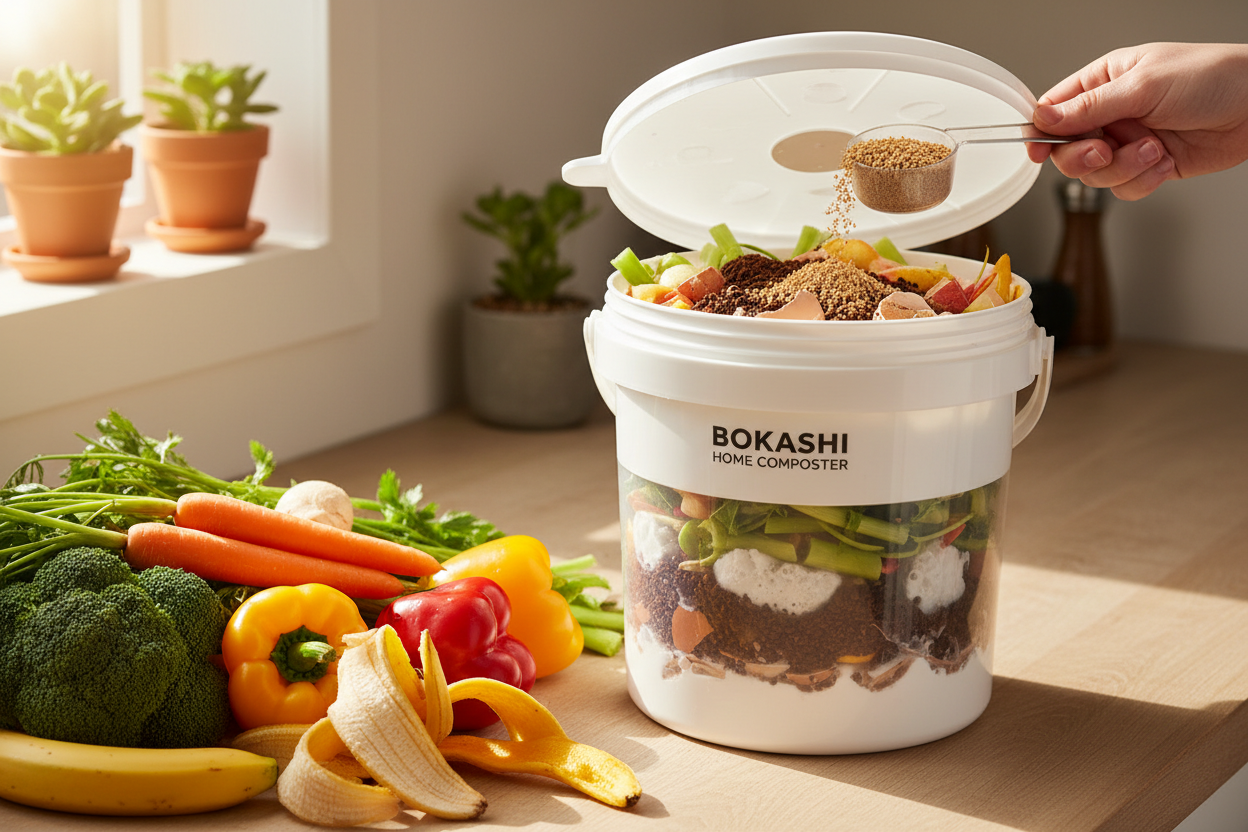
Bokashi Timeline, Fermentation & Composting Guide
Bokashi is often described as a “two-week” composting method, but that answer is incomplete. Two weeks usually refers only to the sealed fermentation stage after the bucket is full.
A more realistic household timeline is: bucket filling, about 10–14 days of anaerobic fermentation, then about 2–4 weeks of soil finishing or secondary breakdown. That usually means around 4–6 weeks after the bucket is full, not counting the time needed to fill it.
Simple rule: bokashi ferments food scraps first; soil or compost biology finishes the job.
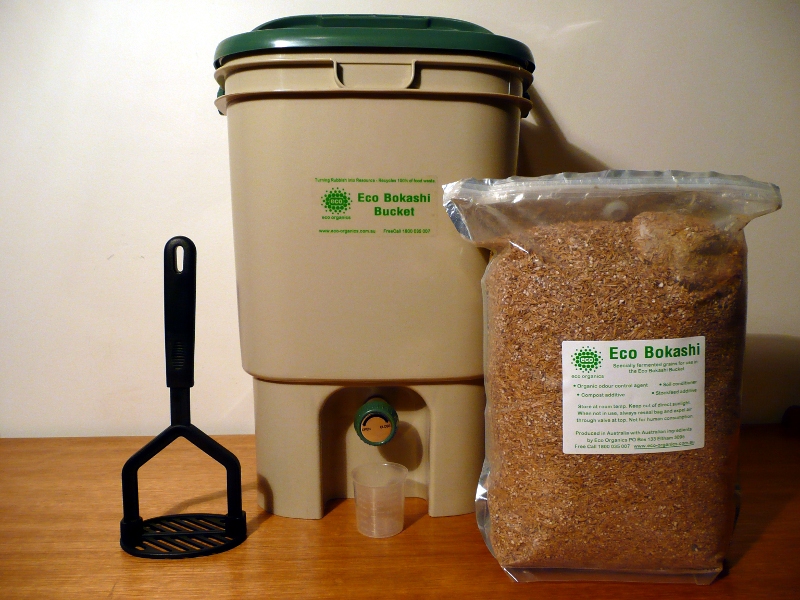
10–14 days to ferment. 2–4 more weeks to finish in the soil.
Quick Answer
Bokashi usually takes about 10–14 days to ferment after the bucket is full, plus another 2–4 weeks for soil finishing or secondary breakdown. The bucket output is usually better described as fermented bokashi material or pre-compost, not fully finished aerobic compost.
The full timeline depends on how long it takes to fill the bucket, indoor temperature, how finely scraps are chopped, how well air is excluded, how much bokashi bran is used, and how active the soil or compost system is after fermentation.
For related context, read bokashi composting timeline, GEME vs DIY bokashi composting, and how to compost at home.
Key Takeaways
- “Two weeks” is only part of the answer. It usually refers to the sealed fermentation stage after the bucket is full.
- Bucket filling takes variable time. A small household may take days or weeks to fill a bokashi bucket.
- Fermentation usually takes 10–14 days. Some guides use a wider two-to-three-week range.
- Soil finishing usually takes 2–4 more weeks. Fermented bokashi material needs soil organisms or an active compost system to finish breaking down.
- Bokashi bucket output is not usually finished compost. It is more accurately fermented pre-compost or fermented organic material.
- Successful bokashi may still look like food scraps. The smell should be sour or pickle-like, not putrid.
- Bokashi is anaerobic fermentation. Conventional composting is managed aerobic biological decomposition.
- GEME Terra II is a different pathway. It uses aerobic microbial composting directly, so it is better framed as an alternative to bokashi, not simply a bokashi bucket.
Table of Contents
- What Is Bokashi Composting?
- Bokashi Composting Timeline Overview
- Stage 1: Filling the Bucket
- Stage 2: Sealed Fermentation
- Stage 3: Soil Finishing or Secondary Breakdown
- How Long Does Bokashi Take in Total?
- Factors That Affect Bokashi Timing
- Bokashi Compost vs Finished Compost
- Where GEME Terra II Fits
- Bokashi vs Backyard Composting vs GEME
- FAQ
- Summary
- Sources
- Related Articles
What Is Bokashi Composting?
Bokashi composting is a household food-waste treatment method based on fermentation in a sealed or nearly airtight container. Instead of relying mainly on oxygen-rich decomposition inside the bucket, bokashi uses inoculated bran and beneficial microorganisms to ferment food scraps under acidic, low-oxygen conditions.
That makes bokashi different from conventional backyard composting. Aerobic composting needs oxygen, carbon, nitrogen, moisture, structure, and time. Bokashi is usually a two-stage process: first fermentation inside the bucket, then soil finishing or secondary biological breakdown outside the bucket.
Precise wording: bokashi bucket output is usually fermented organic material. It becomes more compost-like after soil organisms finish breaking it down.
Bokashi Composting Timeline Overview
The easiest way to understand bokashi timing is to separate the process into three stages.
| Stage | Typical Time | What Happens | Is It Finished Compost? |
|---|---|---|---|
| Bucket filling | Variable: days to weeks. | Food scraps are added in layers with bokashi bran, and air is pressed out. | No. |
| Sealed fermentation | Usually about 10–14 days; sometimes 2–3 weeks. | Microbes ferment the contents in acidic, low-oxygen conditions. | Usually no. It is fermented pre-compost. |
| Soil finishing | Usually about 2–4 weeks. | Soil organisms or an active compost system finish breaking down the fermented material. | Closer to finished soil amendment after integration. |
This is why “bokashi takes two weeks” can be technically true but practically incomplete.
Stage 1: Filling the Bucket
The first stage is simply filling the bokashi bucket. Food scraps are added in layers, bokashi bran is sprinkled over them, the contents are pressed down to reduce air pockets, and the lid is resealed.
This stage can take a few days for a household with high food-waste volume or several weeks for a smaller household. Many bokashi timing claims exclude the filling stage, which is one reason online answers can feel inconsistent.
Why Filling Time Matters
- A bucket that fills in three days reaches the fermentation stage quickly.
- A bucket that fills over two weeks extends the real household timeline.
- Opening the bucket repeatedly during filling introduces some air, so pressing scraps down and resealing tightly matters.
- Chopping large scraps can make later fermentation and soil finishing more predictable.
Stage 2: Sealed Fermentation
Once the bokashi bucket is full, it is usually sealed and left undisturbed for about 10–14 days. Some guides use a broader two-to-three-week range, especially when conditions are cooler or the materials are dense.
During this stage, beneficial microorganisms ferment the food scraps. The goal is not to make dark, crumbly aerobic compost inside the bucket. The goal is to create a fermented intermediate that can break down more quickly after burial or mixing into an active compost system.
What Successful Fermented Bokashi Looks and Smells Like
- Food scraps may still look recognizable.
- The material may look pickled or preserved rather than decomposed.
- A sour, acidic, or pickle-like smell is often expected.
- A putrid, rotten, garbage-like smell can suggest process imbalance.
- White fungal growth may appear in some systems; dark or colorful mold is a warning sign in many home guides.
The key point is that visible scraps at the end of fermentation do not automatically mean the bokashi failed. Fermentation is not the same as full aerobic decomposition.
Stage 3: Soil Finishing or Secondary Breakdown
After fermentation, bokashi material usually needs to be buried in soil, placed in a trench, mixed into a soil factory, or added to an active compost system. This is where the fermented material becomes integrated into soil biology.
A common practical estimate is another 2–4 weeks, though timing depends heavily on temperature, soil moisture, particle size, soil life, and how deeply or thickly the material is buried.
Why This Stage Is Essential
The bucket stage acidifies and ferments the scraps. The soil stage allows a broader community of organisms to digest and integrate the material. Without this second stage, bokashi output is usually not mature compost in the conventional sense.
Safety Note
Do not place fresh fermented bokashi directly against tender roots or young seedlings. It is acidic and biologically active. Bury it, cover it well, let it finish, and follow plant-safe application guidance.

GEME uses aerobic microbial composting instead of sealed bokashi fermentation.
Want Composting Without the Bokashi Burial Step?
Bokashi is a useful fermentation method, but it usually still needs soil finishing. GEME Terra II takes a different route: real aerobic microbial composting with a moist, oxygen-rich chamber, no drying, and no replacement odor filters.
Real microbial composting. No filter replacements. Compost for soil blending.
How Long Does Bokashi Take in Total?
The most practical answer is:
About 4–6 weeks after the bucket is full
plus however long your household needs to fill the bucket.
A more detailed household timeline looks like this:
- Bucket filling: variable, often several days to several weeks.
- Sealed fermentation: usually about 10–14 days, sometimes up to two or three weeks.
- Soil finishing: usually about 2–4 more weeks.
So “two weeks” is a useful shorthand only when you are talking about fermentation alone. It is not the whole composting timeline.
Factors That Affect the Bokashi Composting Timeline
1. Temperature
Warmer indoor conditions usually support more active fermentation, while cold spaces can slow the process. Soil finishing is also faster in warm, biologically active soil than in cold or winter soil.
2. Particle Size
Smaller food scraps ferment and finish more predictably because microbes have more surface area to work on. Large bones, dense peels, and fibrous materials may persist longer.
3. Moisture and Liquid Drainage
Bokashi contents should be moist but not waterlogged. Many bokashi buckets include a drain for liquid. Draining excess liquid helps reduce odor and keeps the fermentation environment more stable.
4. Air Exclusion
Bokashi depends on low-oxygen conditions. Pressing scraps down, using enough bran, and sealing the lid tightly help maintain the fermentation environment.
5. Feedstock Type
Soft fruits, cooked grains, and vegetables often process more quickly. Tough peels, fibrous stalks, bones, and dense materials may need more time during soil finishing.
6. Soil Biology After Fermentation
Soil finishing depends on organisms outside the bucket. Active, warm, moist soil can integrate fermented bokashi material faster than cold, dry, compacted, or biologically poor soil.
Bokashi Compost vs Finished Compost
The phrase “bokashi compost” can mean different things. That is why the terminology matters.
| Term | Better Meaning | Use Guidance |
|---|---|---|
| Fermented bokashi material | The material removed from the bucket after fermentation. | Bury, soil-finish, or add to an active compost system. Do not treat as finished compost yet. |
| Bokashi pre-compost | Another practical name for bucket-stage bokashi output. | Needs secondary breakdown before normal soil use. |
| Bokashi-derived soil amendment | Material after soil organisms finish integrating fermented bokashi. | Use more like a compost-derived soil amendment after it has finished and mellowed. |
| Finished aerobic compost | Dark, crumbly, earthy, stable compost from aerobic decomposition. | Can be mixed into soil, used as an amendment, or applied according to plant needs. |
This wording helps avoid a common misunderstanding: bokashi is fast, but the bucket is not usually the final composting stage.
Where GEME Terra II Fits
GEME Terra II is not a bokashi bucket. It is designed around aerobic microbial composting: a warm, moist, oxygen-rich chamber with Kobold™ living microbes, adaptive airflow, heat, moisture, and mixing control.
That means GEME is better described as a different household food-waste pathway, not simply a second-stage bokashi container. With GEME, appropriate kitchen scraps can be added directly to the chamber rather than first being fermented in a sealed bokashi bucket.
Practical Difference for Households
- Bokashi: sealed anaerobic fermentation first, then soil finishing.
- GEME: aerobic microbial composting in the appliance, with compost output for soil blending.
- Bokashi output: usually fermented pre-compost after the bucket stage.
- GEME output: moist living compost base that should be screened and mixed with soil at 1:8–1:10.
- Soil use: both methods still require responsible application, not dumping concentrated material directly onto roots.
Bokashi vs Backyard Composting vs GEME
| Method | Process Type | Typical Timeline | Output | Best For |
|---|---|---|---|---|
| Bokashi | Anaerobic fermentation, then soil finishing. | 10–14 days of fermentation + 2–4 weeks of soil finishing after the bucket is full. | Fermented pre-compost first; soil amendment after finishing. | Small spaces, users willing to bury or soil-finish material. |
| Backyard composting | Aerobic decomposition with browns, greens, water, and oxygen. | Months, depending on management and conditions. | Finished compost when dark, crumbly, earthy, and stable. | Yards, gardens, users who can manage piles and browns. |
| GEME Terra II | Aerobic microbial composting in a kitchen appliance. | Continuous process; harvest compost base when needed. | Moist living compost base for soil blending. | Households wanting continuous indoor composting without a bokashi burial step. |
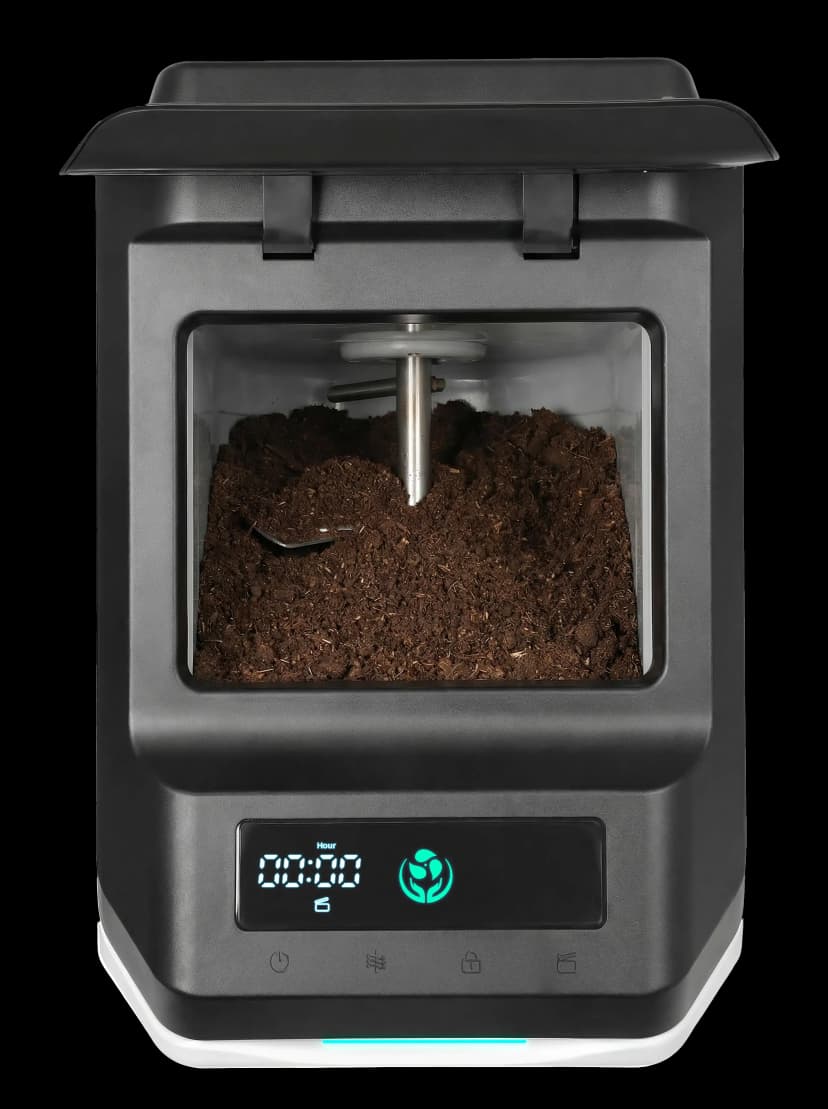
Bokashi pre-compost needs finishing. GEME output is a compost base for soil blending.
Choose the Composting Workflow That Fits Your Home
Bokashi can work well if you are comfortable with fermentation, draining liquid, and burying the fermented material afterwards. GEME Terra II offers a different path: real microbial composting in the kitchen, continuous feeding, no drying, and no replacement odor filters.
Terra II for everyday homes. GEME Pro for larger routines.
Final Takeaway: Bokashi Is Fast, But It Is Still a Multi-Stage Process
Bokashi is often faster and more compact than conventional backyard composting, but the bucket stage is not the whole story. The most accurate answer is that bokashi usually takes about 10–14 days to ferment after the bucket is full, followed by about 2–4 weeks of soil finishing or secondary breakdown.
That means the full timeline is usually around 4–6 weeks after the bucket is full, plus however long it takes your household to fill the bucket.
The cleanest wording is also the most honest: bokashi bucket material is fermented pre-compost. It becomes a more finished soil amendment after soil biology completes the process.

A continuous aerobic microbial pathway for modern homes.
Skip the Fermentation Bucket and Compost Continuously
GEME Terra II and GEME Pro help households turn appropriate kitchen scraps into compost for soil blending — with real microbial composting, no filter replacements, and zero recurring filter costs.
Bokashi ferments first. GEME composts through aerobic biology.
Frequently Asked Questions
How long does bokashi take to compost?
Bokashi usually takes about 10–14 days to ferment after the bucket is full, plus another 2–4 weeks for soil finishing or secondary breakdown. Bucket filling time is additional.
Is bokashi finished after two weeks?
Usually no. After two weeks, the material is typically fermented, not fully finished compost. It normally needs to be buried in soil or added to an active compost system to finish breaking down.
Why does bokashi still look like food scraps?
Bokashi ferments scraps rather than fully decomposing them inside the bucket. The material may still look recognizable but should smell sour, acidic, or pickle-like if fermentation is working well.
What is bokashi pre-compost?
Bokashi pre-compost is the fermented material removed from the bokashi bucket. It is not usually finished compost yet and should be soil-finished before normal plant use.
Can I put bokashi directly around plant roots?
Avoid placing fresh fermented bokashi directly against tender roots. It is acidic and biologically active. Bury it, cover it with soil, and let it finish before planting close to it.
What makes bokashi faster or slower?
Temperature, particle size, moisture, bokashi bran coverage, air exclusion, feedstock type, and soil activity all affect the timeline.
Is bokashi the same as composting?
Not exactly. Bokashi is anaerobic fermentation followed by soil finishing. Conventional composting is managed aerobic biological decomposition.
Can bokashi handle meat and dairy?
Many bokashi systems are promoted for a wider range of kitchen scraps, including cooked foods, meat, and dairy, when used correctly. Follow the instructions for your specific bokashi system.
Is GEME Terra II a bokashi composter?
No. GEME Terra II is not a bokashi bucket. It is designed around aerobic microbial composting in a warm, moist, oxygen-rich chamber.
Can GEME replace bokashi for some households?
For households that want continuous indoor composting without sealed fermentation and burial, GEME Terra II can be a practical alternative. It is still important to use GEME output responsibly by screening larger pieces and mixing the compost base with soil.
Summary
- Bokashi timing: about 10–14 days to ferment after the bucket is full.
- Soil finishing: usually another 2–4 weeks after fermentation.
- Total timeline: usually about 4–6 weeks after the bucket is full, plus bucket filling time.
- Two weeks: true for fermentation only, incomplete for the full process.
- Bucket output: fermented bokashi material or pre-compost, not usually finished compost.
- Successful smell: sour or pickle-like; putrid odor may indicate imbalance.
- Main controls: temperature, moisture, air exclusion, particle size, bran coverage, and soil activity.
- Bokashi vs composting: bokashi is anaerobic fermentation; finished compost comes from aerobic decomposition or soil finishing.
- GEME Terra II: a different aerobic microbial composting pathway with compost base for soil blending.
Sources
- University of Maryland Extension — The Vine: Bokashi Composting
- NC State Extension — Bokashi Composting: A Faster, Easier Way to Turn Kitchen Scraps Into Garden Gold
- Illinois Food Scrap & Composting Coalition — Composting at Home
- Cook County — Indoor Composting Guide
- U.S. EPA — Composting at Home
- U.S. EPA — Composting
- Cornell Soil Health Program — Compost Methods: A Quick How-To Guide
- GEME — Terra II Product Page
- GEME — How Real Microbial Composting Works


Commenta
Questo sito è protetto da hCaptcha e applica le Norme sulla privacy e i Termini di servizio di hCaptcha.