
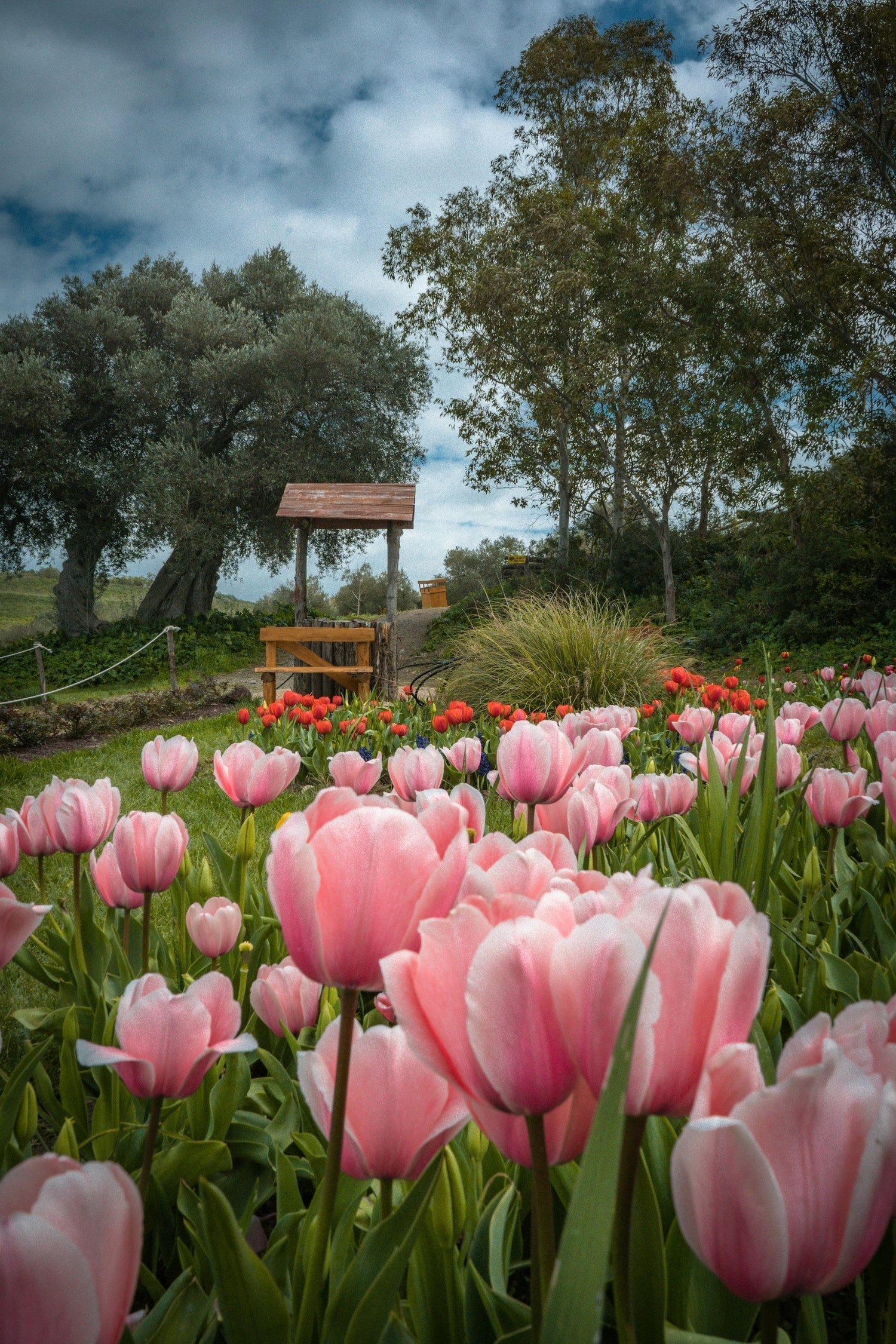
Spring Garden Fertility Guide
Learn how to feed spring plants with compost, NPK fertilizer, organic amendments, and safe GEME compost mixing for raised beds and containers.
The best spring fertility plan is not simply “add more fertilizer.” It starts with soil testing, compost, organic matter, and targeted nutrients only where your plants actually need them.
Feed the soil first. Then fine-tune the plants.
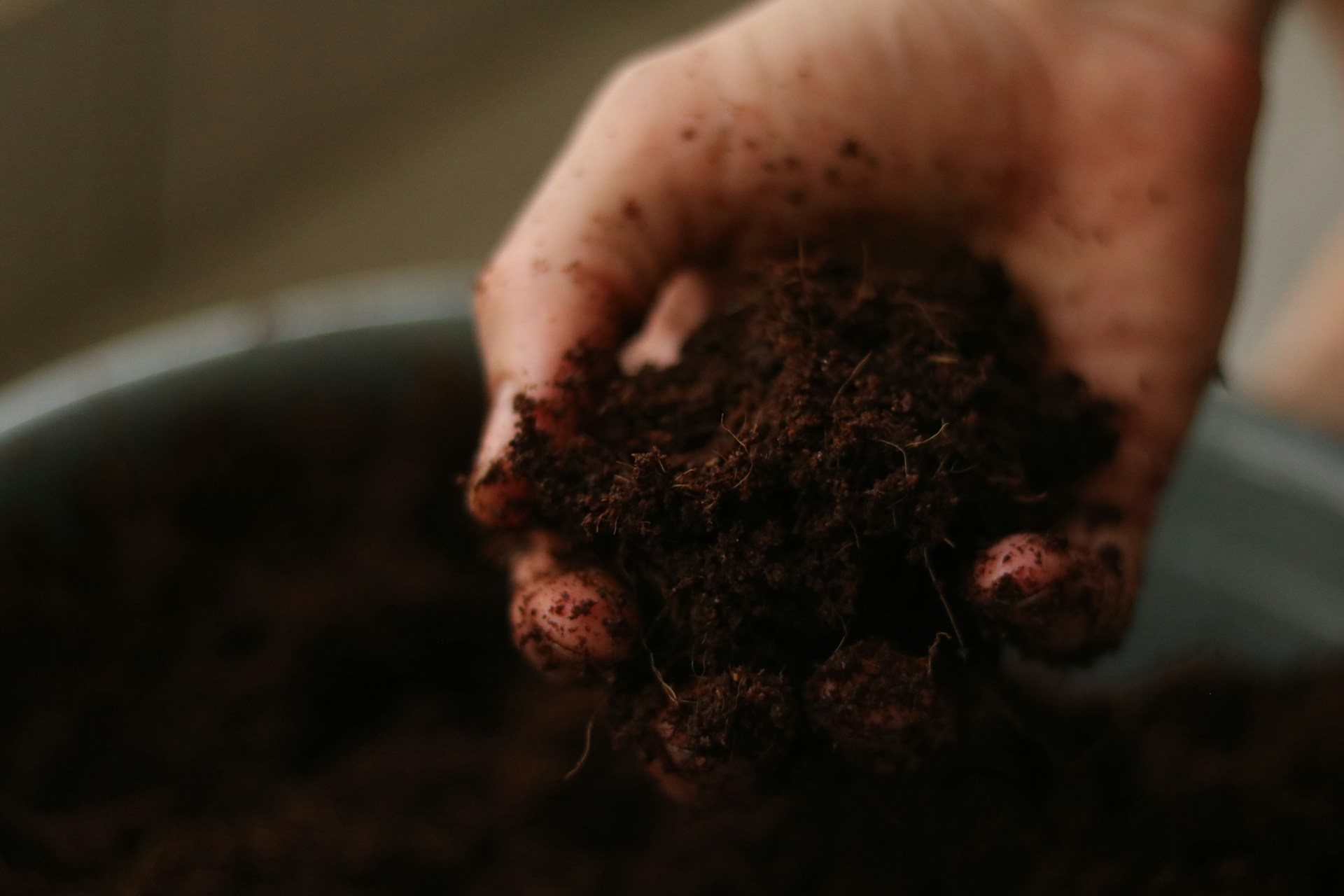
Feed the soil before the season starts.
Quick Answer
The best spring garden fertility plan starts with soil testing, then compost, then targeted fertilizer only where needed. Compost improves soil structure and microbial activity, while NPK fertilizer supplies specific nutrients.
For GEME compost, treat it as real compost for soil blending: screen out large unfinished pieces, blend it with soil, and avoid placing concentrated compost directly against roots or stems.
For related garden routines, read how to plant tulip bulbs in spring, how to compost eggshells, and how to use GEME compost safely.
Key Takeaways
- Spring is a key feeding window. Plants need nutrients for new leaves, roots, flowers, and fruit.
- NPK matters. Nitrogen supports leaf growth, phosphorus supports roots and flowers, and potassium supports resilience.
- Compost is the foundation. Fertilizer feeds plants; compost also improves the soil system.
- Organic and synthetic fertilizers do different jobs. Organic inputs build soil over time; synthetic fertilizers provide faster, more precise nutrients.
- GEME compost should be blended. Use it as a compost base, commonly around one part compost to eight parts soil for standard use.
- Do not overdo spring fertility. Too much fertilizer or concentrated compost can stress roots and create a nutrient imbalance.
- GEME Terra II and GEME Pro have no filter replacements and zero recurring filter costs.
Jump To
Introduction: Why Spring Fertility Matters
After winter, your garden wakes up fast. Soil temperatures rise, beneficial microorganisms become more active, roots begin to stretch, and plants start pushing new leaves, stems, flowers, and fruit.
That is why spring fertility matters. Feeding your garden in spring is not just about adding fertilizer. It is about preparing the soil so plants can grow steadily through the season.
Think of spring fertilizing as breakfast for your garden. If the soil starts the season hungry, plants may grow slowly, flower weakly, or struggle later when heat, drought, pests, or fruit production increase demand.
Spring fertility also connects with the larger garden loop: spring bulb planting, hydrangea soil care, composted coffee grounds, and composted eggshells.
Best first step: Start with compost and soil structure, then use fertilizer to correct specific nutrient needs.
1. Understanding Spring Fertility: What Your Soil Needs Right Now
Spring fertility is not about dumping plant food onto beds and hoping for the best. It is about understanding what plants need as they come out of dormancy and enter active growth.
The Three Macronutrients Every Spring Garden Needs
Most fertilizer labels show three numbers, such as 10-10-10 or 24-8-16. These numbers represent nitrogen, phosphorus, and potassium.
| Nutrient | Symbol | What It Supports in Spring |
|---|---|---|
| Nitrogen | N | Leafy green growth and early-season vigor. |
| Phosphorus | P | Root development, flowering, and establishment. |
| Potassium | K | Disease resistance, stress tolerance, and overall plant health. |
The Spring Growth Cycle
In spring, plants use energy quickly. Deciduous plants leaf out, flowering buds begin to open, stems elongate, and root systems become active again.
A slow-release fertilizer in early spring can help support steady growth, but the exact fertilizer should depend on plant type and soil test results. Over-fertilizing can push weak growth, reduce flowering, or create a nutrient imbalance.
2. What Is the Best Fertilizer for Spring Vegetables and Flowers?
The best fertilizer depends on what you grow. Leafy greens, fruiting vegetables, flowering plants, shrubs, and lawns do not all need the same nutrient profile.
For Vegetable Gardens
Vegetable gardens often benefit from compost as a base, followed by targeted fertilizer where needed. Leafy greens usually need more nitrogen, while fruiting crops such as tomatoes and peppers need balanced nutrition through the season.
- Leafy greens: prioritize nitrogen for leaf growth.
- Tomatoes and peppers: use balanced nutrition and side-dress during the growing season.
- Heavy feeders: add compost and supplemental fertilizer gradually rather than all at once.
Kitchen scraps can support vegetable soil when handled correctly. For calcium-related scraps, see how to compost eggshells safely. For coffee grounds, see how to compost coffee grounds before garden use.
For Flower Gardens
Flowering plants often benefit from a fertilizer with enough phosphorus to support root development and blooms. Slow-release organic options can be useful for perennial beds.
For flower-specific soil routines, see how to care for hydrangeas and change their colors and how to compost cut flowers.
For Shrubs and Trees
Shrubs and trees should be fertilized carefully. Too much nitrogen can encourage excess leafy growth and may reduce flowering in some plants. Apply around the drip line rather than piling fertilizer at the trunk.
Best Fertilizer for Spring by Plant Type
| Plant Type | Typical Fertility Focus | Application Timing | Notes |
|---|---|---|---|
| Leafy greens | Higher nitrogen | At planting | Supports leaf growth. |
| Tomatoes / peppers | Balanced nutrition | At planting, then side-dress | Avoid excess nitrogen after flowering. |
| Flowering plants | Roots and blooms | At planting and early bloom | Phosphorus may support flowering where soil needs it. |
| Perennials | Slow-release fertility | Early spring | Apply around the drip line, not against stems. |
| Shrubs | Moderate nutrition | Early spring in many climates | Do not over-fertilize. |
3. Organic vs Synthetic Fertilizers: What Is the Difference?
Organic and synthetic fertilizers can both help plants, but they work differently and support different gardening goals.
Organic Fertilizers
Organic fertilizers come from plant, animal, or mineral sources. Examples include compost, worm castings, manure, bone meal, blood meal, and seaweed extracts.
- Improve soil structure over time.
- Support beneficial soil microorganisms.
- Release nutrients gradually.
- Reduce the risk of sudden fertilizer burn when used properly.
- Fit regenerative and soil-building garden routines.
Synthetic Fertilizers
Synthetic fertilizers are manufactured to provide specific nutrient ratios. They can work quickly and precisely, but they do not build soil structure the way compost does.
- Provide fast-acting nutrients.
- Offer precise NPK ratios.
- Can be cost-effective per unit of nutrient.
- May burn roots or disturb soil balance if over-applied.
- Should be used carefully and ideally guided by soil testing.
Practical Recommendation
For most home gardeners, the best approach is a soil-first hybrid: use compost as the foundation, then add targeted fertilizer when soil tests or plant needs justify it.
4. Why Compost Is the Foundation of Spring Fertility
Synthetic fertilizer can feed plants, but compost helps feed the soil system. That distinction matters in spring because active roots need more than isolated nutrients.
What Compost Does for Your Garden
- Adds organic matter.
- Improves soil structure.
- Supports beneficial microbes.
- Helps soil hold moisture.
- Buffers nutrient availability.
- Improves long-term soil health.
Not every countertop food-waste machine creates the same type of output. For the category distinction, read real compost vs dehydrated food waste.
How Much Compost to Apply
Application depends on the bed and soil conditions. For new beds, gardeners often incorporate a thicker compost layer into the topsoil. For existing beds, a thinner annual top-dressing is usually more appropriate.
| Garden Situation | Typical Compost Use | Best Practice |
|---|---|---|
| New garden beds | A thicker compost layer incorporated into the soil | Mix into the topsoil before planting. |
| Existing beds | Thin annual top-dressing | Avoid piling compost directly against stems. |
| Containers | Small blended amount | Do not use pure compost as potting mix. |
Spring rule: Compost builds the soil foundation. Fertilizer fine-tunes nutrient supply.
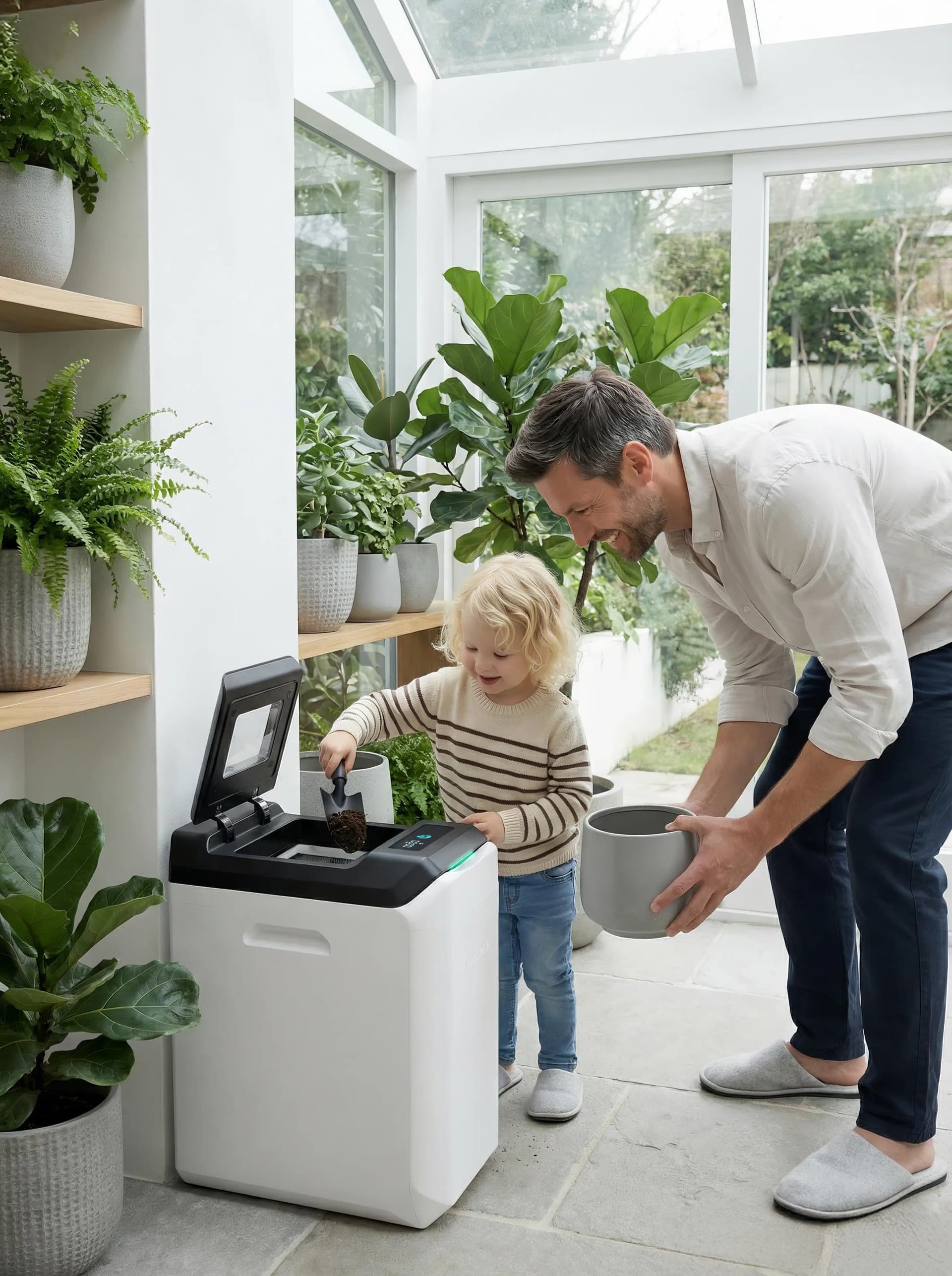
Turn scraps into spring soil support.
Feed Spring Soil
GEME Terra II helps turn daily kitchen scraps into real compost you can blend into raised beds, pots, and garden soil.
Real composter. Real microbial composting. No filter replacements.
5. How to Use GEME Compost for Raised Beds and Containers
GEME compost should be treated as real compost for soil blending, not as a full potting soil by itself. The safest rule is to blend it with soil before applying it around plants.
What Is GEME Compost?
GEME uses real microbial composting to help transform food waste into compost for soil blending. Because the output can be nutrient-rich and biologically active, it should be mixed with soil rather than placed directly against tender roots.
For a deeper practical guide, follow the advanced GEME compost application guide. For boundaries around salty, oily, or mixed food waste, see electric composter salt and oil boundaries.
The Golden Ratio: 1 Part GEME Compost to 8 Parts Soil
For standard garden and container use, blend one part GEME compost with eight parts plain soil or growing medium. This helps dilute concentrated nutrients and makes the mixture safer for roots.
| Garden Type | Recommended Use | Notes |
|---|---|---|
| Standard raised bed | 1 part GEME compost to 8 parts soil | Blend before planting or top-dress lightly. |
| Potted plants | 1:8 blend with soil | Do not use pure compost as potting mix. |
| Established plants | Thin top-dressing of blended material | Keep away from stems and crowns. |
| Visible unfinished pieces | Screen and return to composting | Like garden compost, large pieces can continue breaking down. |
Application Methods for GEME Compost
Method 1: Soil Incorporation
Mix GEME compost with soil at about 1:8, then incorporate the blend into the top layer of the bed before planting.
Method 2: Top Dressing
Spread a thin layer of the 1:8 blended material around established plants. Keep it away from stems and water gently after application.
Method 3: Continue Composting Large Pieces
If you see large unfinished scraps, screen them out and return them to continue composting. This is the same practical habit gardeners use with outdoor compost piles.
Important: Avoid Root Burn
Concentrated organic material can stress roots if applied too heavily or too close to young plants. Avoid placing concentrated GEME compost directly into planting holes or against root balls. Blend first, apply lightly, and observe plant response.
Simple rule: Mix, cover, and keep distance from stems. Compost should support roots, not overwhelm them.
6. Step-by-Step Spring Garden Fertility Plan
Here is a simple spring fertility plan you can follow before and during the growing season.
Week 1–2: Soil Testing and Preparation
Start with a soil test if possible. Check pH and key nutrients before adding fertilizer. Clear winter debris, remove weeds, and loosen compacted soil.
Week 2–3: Add Compost
Add compost to improve organic matter and soil structure. For new beds, incorporate compost into the topsoil. For existing beds, use a thinner top-dressing.
If using GEME compost, blend it with soil first. Do not apply concentrated compost directly to tender roots.
Week 3–4: Apply Spring Fertilizer
Choose fertilizer based on plant type and soil test results. Leafy greens may need more nitrogen, while flowering and fruiting plants need more balanced support.
Week 4–5: Plant Spring Crops
Plant cool-season crops such as lettuce, spinach, peas, and radishes when conditions are suitable. Wait until frost risk has passed before planting warm-season crops such as tomatoes and peppers.
Planning spring flowers too? Read how to plant tulip bulbs in spring.
Ongoing: Side-Dress and Top Up
Heavy feeders may benefit from compost or fertilizer side-dressing every few weeks during active growth. Always avoid over-fertilizing.
Fall: Prepare for Next Spring
Add compost in fall where appropriate so organic matter has time to settle and support next year’s soil structure.
7. Compost for Garden: Traditional vs GEME
Traditional backyard composting and GEME composting can work together. They solve different problems.
| Method | Strengths | Limitations | Best Use |
|---|---|---|---|
| Traditional backyard compost | Low cost, handles yard waste, good for larger outdoor volumes. | Takes months, needs space, and can attract pests if mismanaged. | Leaves, grass, garden debris, seasonal soil building. |
| GEME real microbial composting | Indoor daily food-scrap processing, year-round use, no filter replacements. | Higher upfront cost and smaller scale than outdoor piles. | Daily kitchen scraps and indoor compost routines. |
For many gardeners, the best system is a combination: use GEME for daily kitchen scraps and use an outdoor pile for leaves, grass, and larger seasonal garden waste.
For food-scrap boundaries, read what you can put in an electric composter. For cost planning, see electric compost bin filter costs.
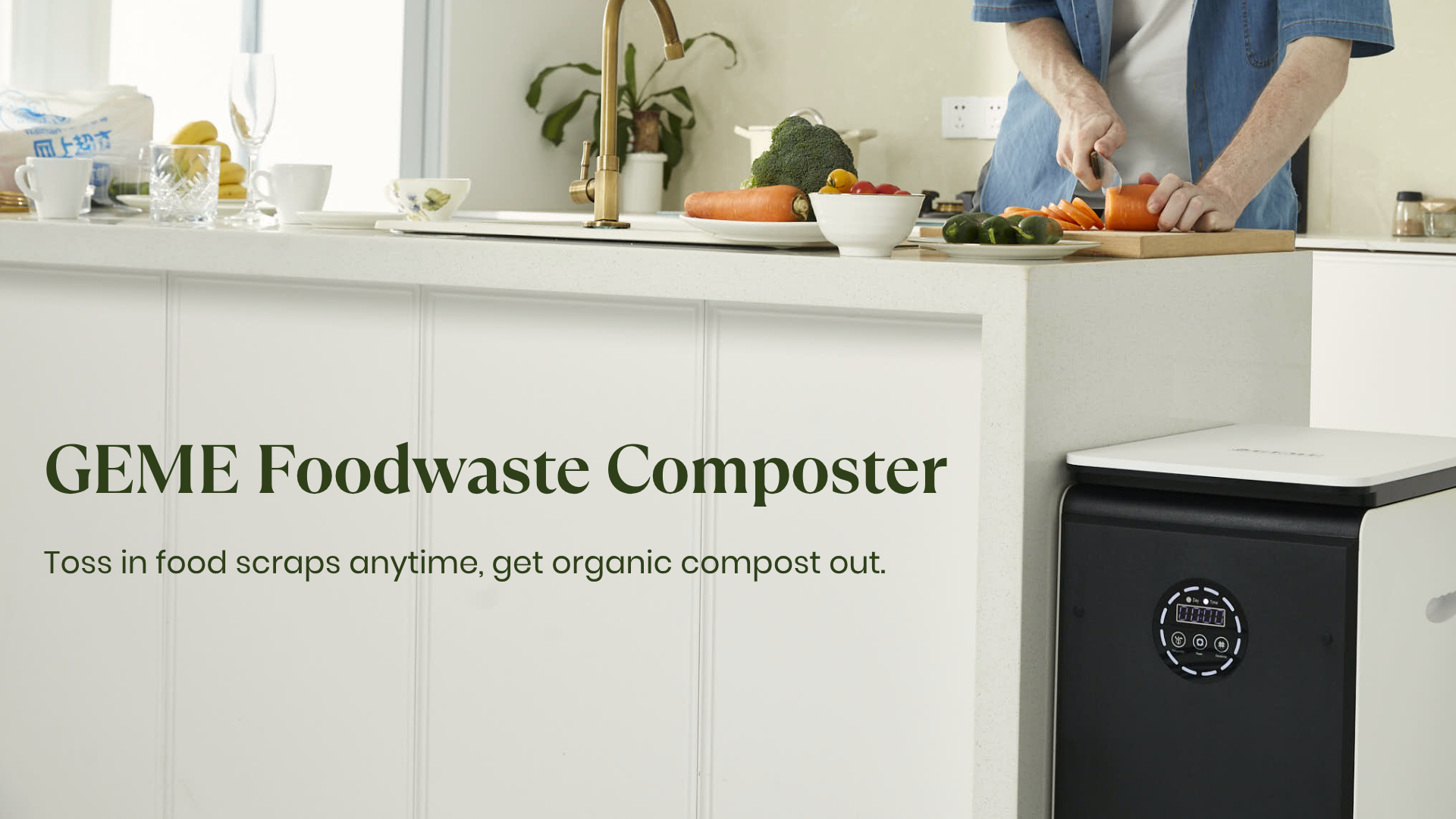
More spring soil support.
Need More Capacity?
GEME Pro is built for larger households, plant shops, and heavier kitchen-scrap routines that support more garden compost use.
Real composter. Real microbial composting. No filter replacements.
8. Frequently Asked Questions
When should I start fertilizing in spring?
Start when plants begin active growth and soil conditions are workable. In many climates, this is late March to early April, but timing depends on local weather, frost dates, and plant type.
What is the best fertilizer for spring vegetables?
The best fertilizer depends on the crop and your soil test. Leafy greens usually need more nitrogen, while tomatoes and peppers need balanced nutrition and later side-dressing.
Is compost better than fertilizer?
Compost and fertilizer serve different purposes. Compost builds soil structure and microbial activity. Fertilizer provides specific nutrients. For most gardens, compost should be the foundation, and fertilizer should be used to correct specific needs.
How often should I add compost to my garden?
Many gardens benefit from annual compost application in spring or fall. New beds may need more incorporation, while established beds usually need a thinner top-dressing.
How do I use GEME compost in a raised bed?
Blend GEME compost with plain soil, commonly around one part compost to eight parts soil. Mix well before planting or use the blend as a light top-dressing around established plants.
Can I use GEME compost directly on plants?
It is better to blend GEME compost with soil before use. If applying near established plants, keep it away from stems and roots and use a thin layer. Avoid placing concentrated compost directly in planting holes.
Can too much compost hurt plants?
Yes. Too much compost can create nutrient imbalance, excess salts, or phosphorus buildup, depending on the material and soil. Use compost as part of a balanced fertility plan.
Does GEME require filter replacement?
No. GEME Terra II and GEME Pro have no filter replacements and zero recurring filter costs.
Conclusion: Feed Your Soil, Feed Your Plants
Spring fertility is not just about feeding plants. It is about feeding the soil system that supports them.
Compost improves soil structure, supports microbial activity, and helps plants access nutrients more steadily. Fertilizer can be helpful, but it works best when used as a targeted supplement rather than as the whole strategy.
This spring, start with a soil-first plan: test your soil, add compost, choose fertilizer based on plant needs, and apply GEME compost carefully as a blended soil amendment for raised beds, containers, and garden soil.
Final rule: Healthy spring plants start with healthy spring soil.
Sources and Further Reading
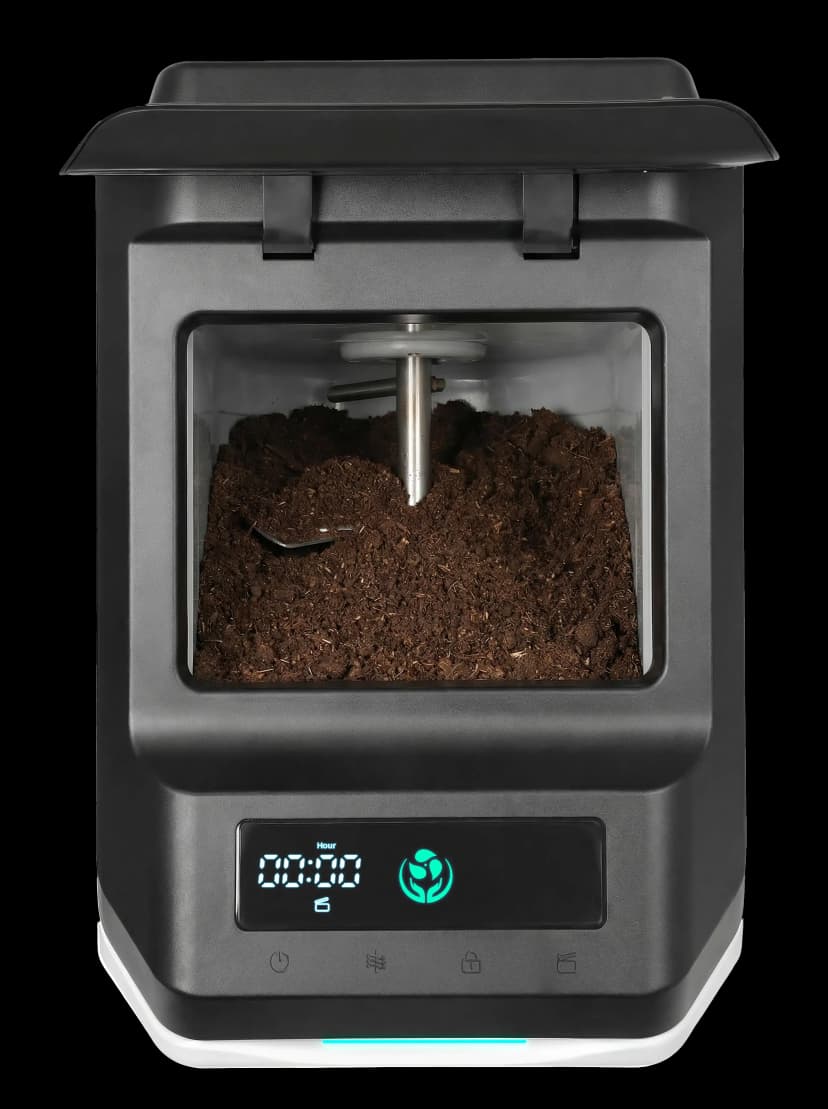
Start with daily kitchen scraps.
Grow With GEME
Make spring feeding more circular by turning everyday food scraps into real compost for soil blending.
Real composter. Real microbial composting. No filter replacements.

Commenta
Questo sito è protetto da hCaptcha e applica le Norme sulla privacy e i Termini di servizio di hCaptcha.