
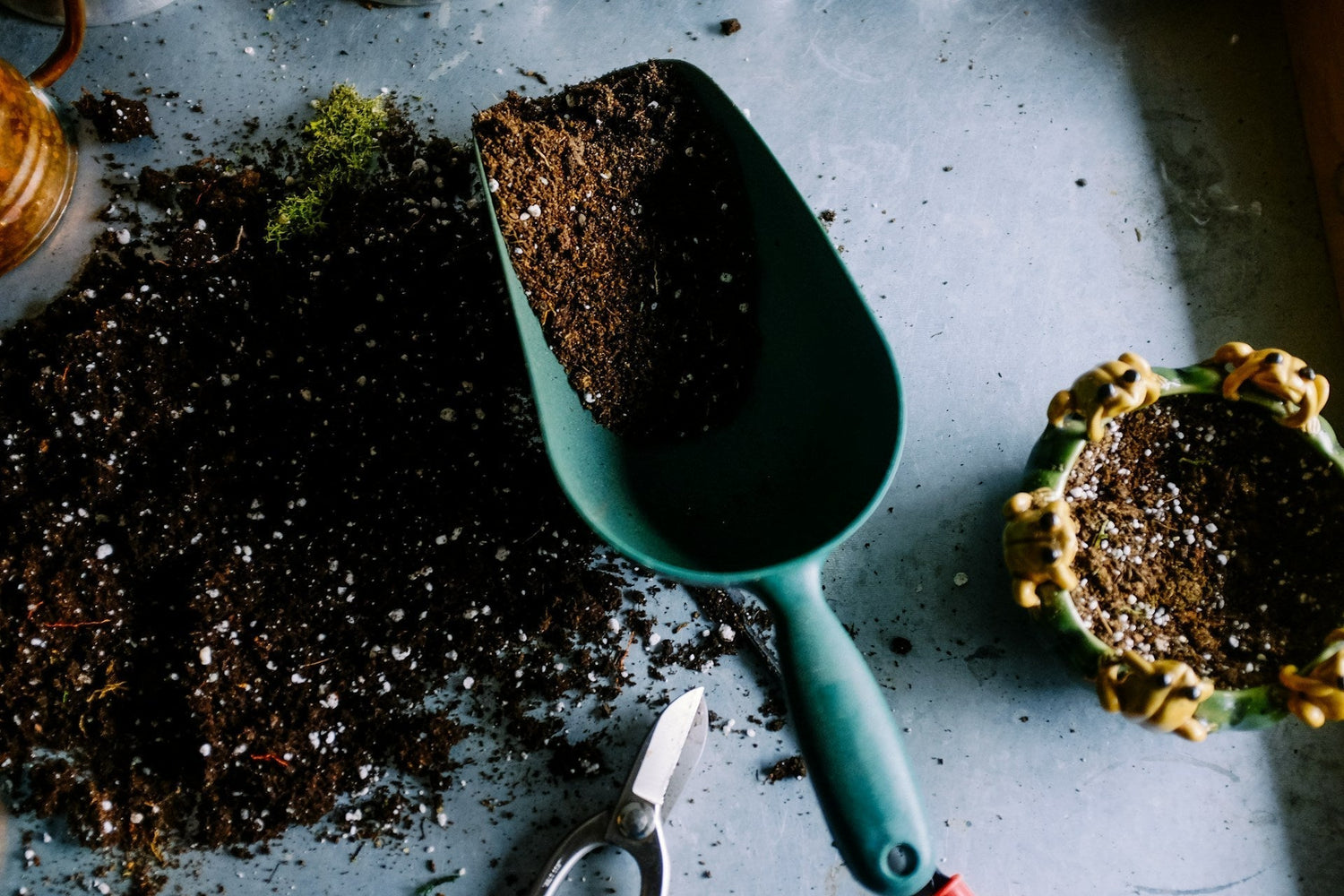
Beginner Gardening & Healthy Soil Guide
Starting a garden is easier than most beginners think. With the right location, healthy soil, suitable plants, steady water, and a simple care routine, you can grow vegetables, herbs, flowers, or fruit with much more confidence.
The key is to start small, match plants to your space, prepare soil before planting, and use compost as a soil amendment — not as a full soil replacement.
Sunlight first. Soil second. Plants third. Compost and care make the garden stronger over time.
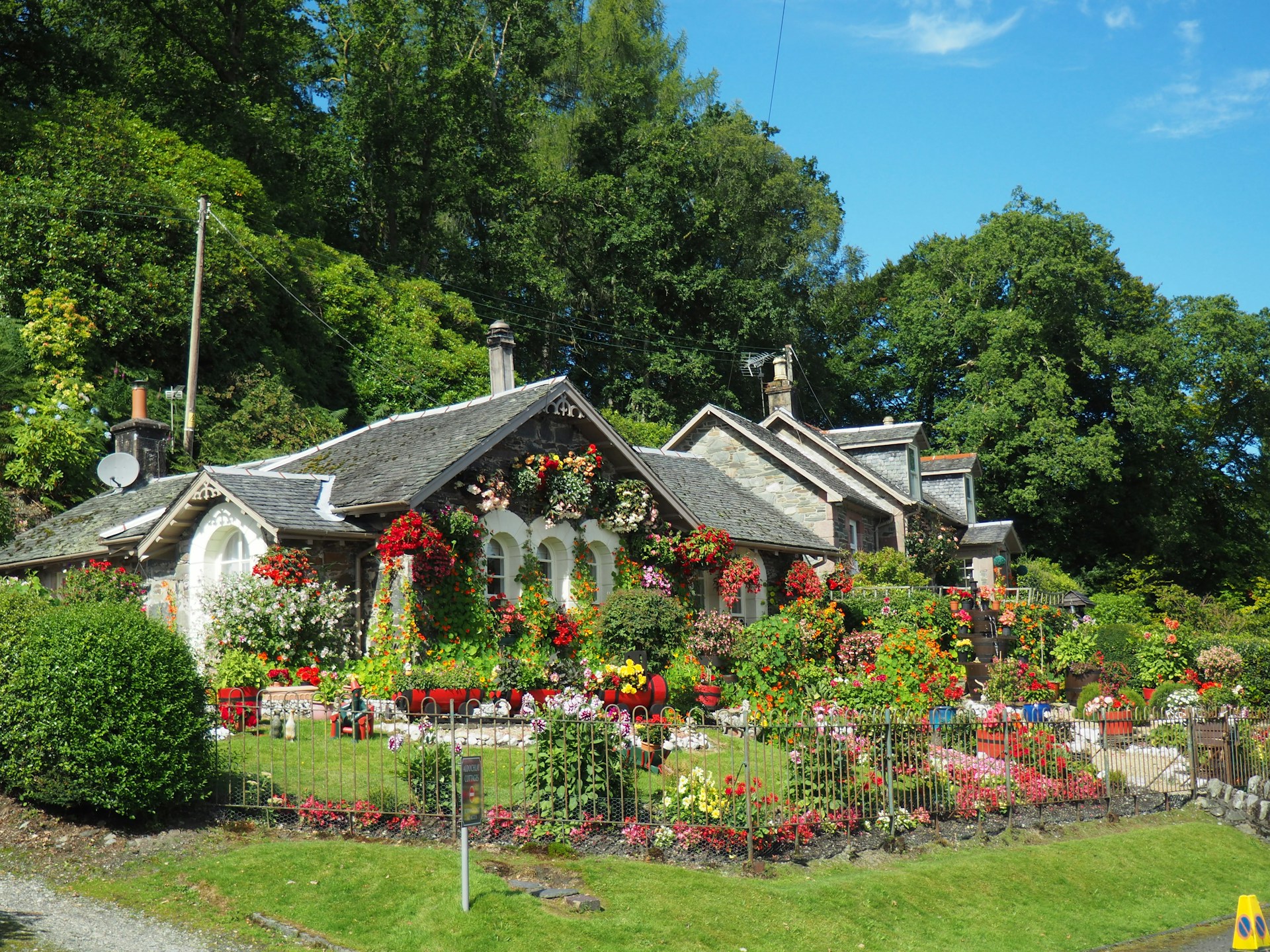
Start small, improve the soil, and grow from there.
Quick Answer
To plant a garden successfully, choose a sunny location, check drainage, prepare loose soil, add mature compost in moderate amounts, select beginner-friendly plants suited to your climate, water deeply and consistently, mulch to reduce weeds, and keep improving soil over time.
For most beginner vegetable gardens, a small raised bed, a few containers, or one simple in-ground bed is better than starting too large. A manageable garden is easier to water, weed, observe, and improve.
For related context, read garden soil vs compost, how to use compost correctly, and how to compost at home.
Key Takeaways
- Start with location. Most vegetables and many flowers need at least 6 hours of direct sun per day.
- Prepare soil before planting. Remove weeds, loosen soil, and add mature compost as a soil amendment.
- Use compost correctly. Compost improves soil structure and fertility, but it should not replace all garden soil.
- Choose beginner-friendly plants. Lettuce, basil, spinach, cherry tomatoes, radishes, marigolds, and herbs are good first choices.
- Start small. One raised bed, or a few containers, is enough for a first garden.
- Water deeply, not constantly. Check soil moisture before watering again.
- Mulch and weed early. Mulch helps reduce weeds and soil moisture swings.
- Improve every season. Gardening gets easier as soil health improves.
- GEME Terra II: supports real microbial composting for appropriate kitchen scraps, with compost output for soil blending.
Table of Contents
- Beginner Garden Planting Overview
- 1. Choose the Right Garden Location
- 2. Prepare Healthy Soil Before Planting
- Why Compost Matters for a New Garden
- 3. Pick the Best Plants for Your Space
- 4. Start Small and Stay Focused
- 5. Water Deeply and Consistently
- 6. Weed and Mulch Regularly
- 7. Fertilize Carefully
- How to Make Compost for Your Garden
- Extra Gardening Tips for Beginners
- FAQ
- Summary
- Sources
- Related Articles
Beginner Garden Planting Overview
Different plants need different timing, sunlight, spacing, and soil conditions. Use this table as a beginner-friendly starting point, then check local planting calendars for your region.
| Plant Type | Common Planting Season | Sunlight | Soil Needs | Beginner Tip |
|---|---|---|---|---|
| Tomatoes | After the frost risk has passed | 6–8+ hours | Rich, well-drained soil | Add compost before planting and use support early. |
| Lettuce | Cool spring or fall weather | 4–6+ hours | Moist, loose soil | Harvest outer leaves regularly. |
| Basil and herbs | Warm spring after frost | 6+ hours | Well-drained soil | Pinch often for bushier growth. |
| Carrots | Cool spring or fall weather | 6+ hours | Loose, stone-free soil | Remove stones to reduce forked roots. |
| Strawberries | Spring or fall, depending on the region | 6+ hours | Well-drained, slightly acidic soil | Use mulch to protect fruit from soil splash. |
| Blueberries | Spring in many regions | 6+ hours | Acidic, well-drained soil | Test soil pH before planting. |
1. Choose the Right Garden Location
When you are learning how to plant a garden, location is the first major decision. Most vegetables, herbs, and flowering plants need strong sunlight, good drainage, and easy access to water.
- Track sunlight: watch your yard, balcony, or patio in the morning, midday, and afternoon.
- Check drainage: avoid spots where water sits after rain.
- Keep water nearby: choose a location close to a hose, faucet, rain barrel, or watering can route.
- Start visible: place your first garden where you will see it often.
- Avoid heavy foot traffic: compacted soil makes root growth harder.
- Protect from strong wind: young seedlings dry out and break more easily in exposed areas.
A slightly smaller garden in the right spot is usually better than a large garden in shade, with poor drainage, or in a place you rarely visit.
2. Prepare Healthy Soil Before Planting
Healthy soil is the foundation of a productive garden. Before planting, remove weeds, roots, rocks, trash, and debris. Then loosen the soil so roots can grow downward and water can move through the bed.
- Clear the area: remove grass, weeds, roots, and large stones.
- Check soil moisture: avoid digging when soil is extremely wet or extremely dry.
- Loosen the soil: work the top 8–12 inches for many garden beds.
- Test the soil: use a soil test to understand pH and nutrient needs.
- Add mature compost: mix compost into the upper soil layer.
- Level the bed: rake into a fine, even planting surface.
- Water lightly: allow the bed to settle before planting.
Do not assume every garden needs the same fertilizer. A soil test helps avoid overfeeding, nutrient imbalance, and unnecessary spending.
Why Compost Matters for a New Garden
Many beginner gardeners focus first on plants, but experienced gardeners pay close attention to soil. Good soil contains mineral particles, organic matter, air, water, nutrients, and beneficial microorganisms that support root development.
Compost is useful because it improves soil structure, supports microbial activity, helps sandy soil hold moisture, and can make heavy clay soil easier to work. It is one of the most practical soil amendments for home gardens.
But compost should be used correctly. It is not a complete replacement for mineral garden soil. In most gardens, compost works best when mixed into soil or used as a moderate top-dressing.
Simple rule: soil provides structure; compost improves that soil.
Learn more: Garden Soil vs Compost: What’s the Difference?
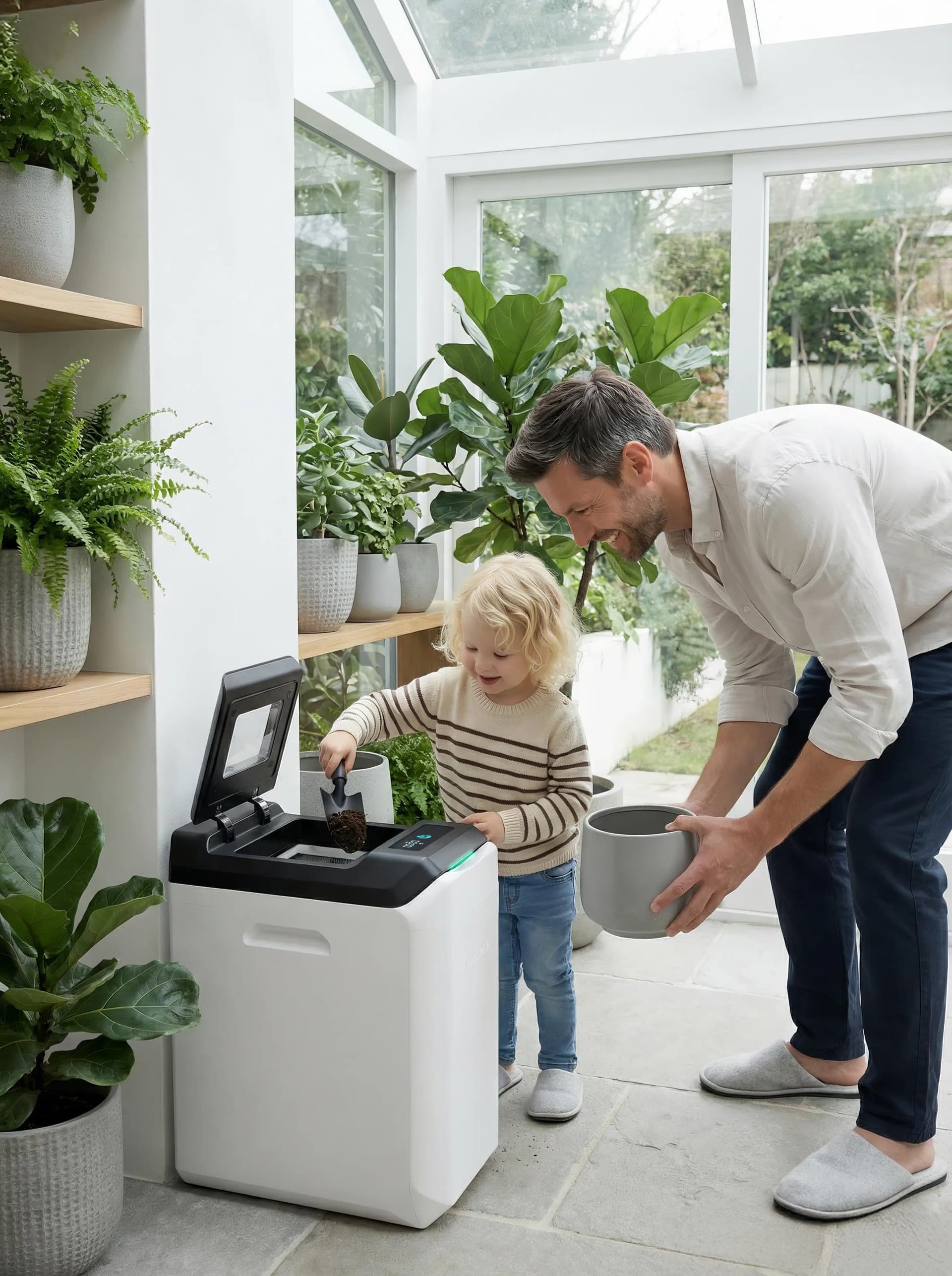
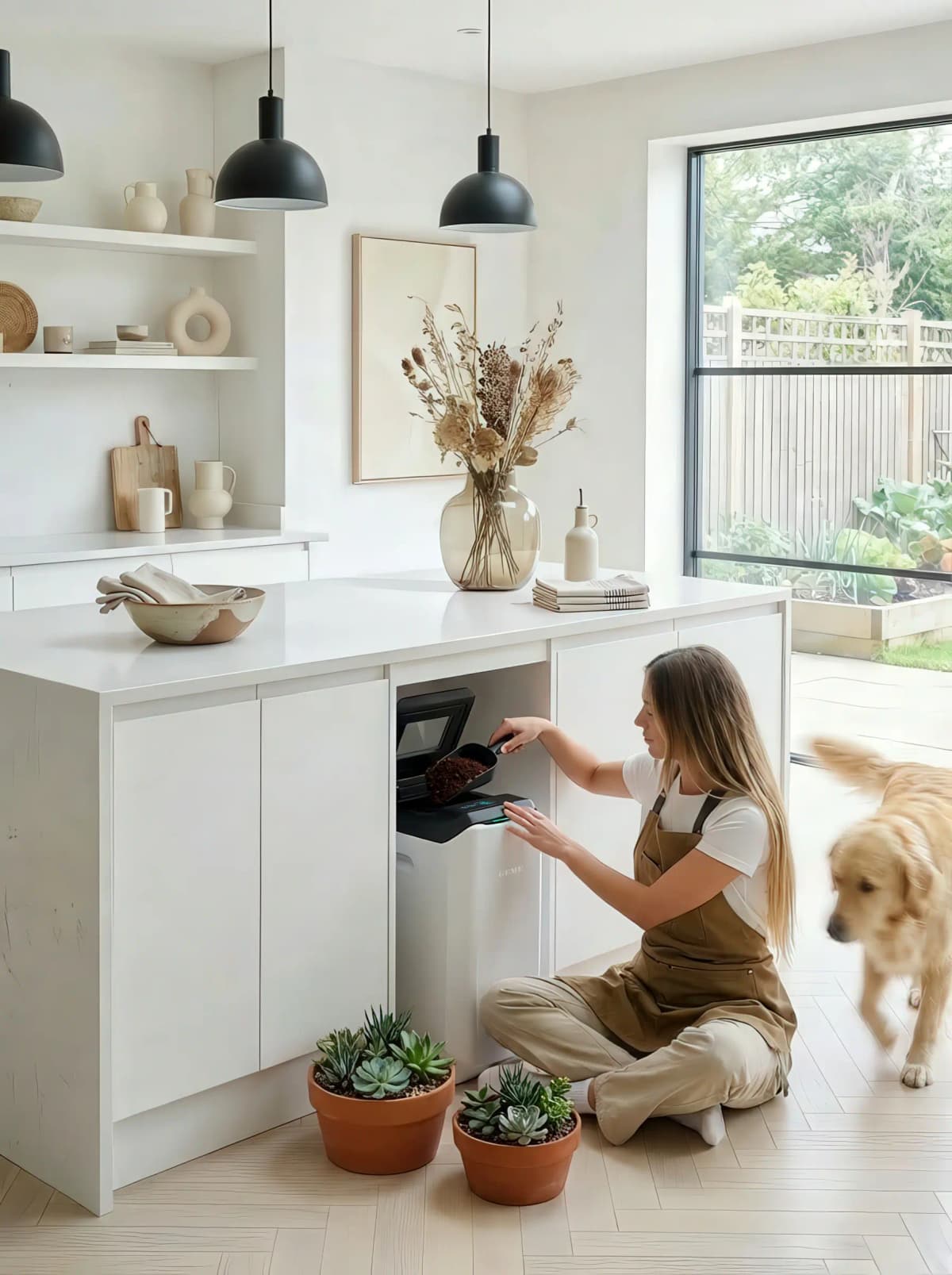
Turn appropriate kitchen scraps into compost for soil blending.
Create Compost for Your Garden at Home
If you cook at home, appropriate kitchen scraps such as vegetable peels, fruit scraps, coffee grounds, and plant-based leftovers can become part of your soil-building routine. GEME Terra II supports real microbial composting indoors, with no drying, no replacement odor filters, and compost output for soil blending.
Real microbial composting. No filter replacements. Compost for soil blending.
3. Pick the Best Plants for Your Space
Choose plants that match your climate, sunlight, soil type, and available space. Beginners usually do best with forgiving plants that grow quickly and show progress early.
Beginner-Friendly Plants
- Leafy greens: lettuce, spinach, kale, arugula, Swiss chard.
- Herbs: basil, parsley, cilantro, mint, thyme, chives.
- Fruiting vegetables: cherry tomatoes, zucchini, peppers, cucumbers.
- Root crops: radishes, carrots, beets, green onions.
- Flowers: marigolds, nasturtiums, zinnias, calendula.
Plant Selection Checklist
- Check your local growing zone and frost dates.
- Match plants to available sunlight.
- Use transplants for slower warm-season crops such as tomatoes and peppers.
- Direct-seed crops that dislike transplanting, such as carrots and radishes.
- Leave enough space for airflow and mature plant size.
- Choose disease-resistant varieties when available.
4. Start Small and Stay Focused
A first garden should be easy to manage. A single raised bed, two to four containers, or a small herb garden can teach the basics without becoming overwhelming.
- Start with one raised bed or a few containers.
- Sketch a simple planting map before buying plants.
- Grow a few crops well instead of trying everything at once.
- Keep tall plants where they will not shade shorter plants.
- Group plants with similar water needs together.
- Expand only after your first setup becomes manageable.
Small gardens are easier to water, weed, protect, and learn from. Success in a small garden creates the confidence to expand later.
5. Water Deeply and Consistently
Young plants need consistent moisture, but too much water can stress roots. The goal is deep, steady watering rather than constant shallow watering.
- Water deeply: soak the soil so moisture reaches the root zone.
- Water in the morning: this reduces evaporation and gives leaves time to dry.
- Check soil moisture: push a finger into the soil before watering again.
- Adjust for weather: water less after rain and more during heatwaves.
- Use mulch: mulch helps reduce evaporation and soil temperature swings.
- Avoid wet leaves when possible: base watering can reduce disease pressure for many plants.
Containers dry out faster than in-ground beds, so container gardens often need more frequent checks.
6. Weed and Mulch Regularly
Weeds compete with garden plants for water, light, nutrients, and space. Removing weeds early prevents them from becoming harder to control later.
- Pull weeds before they flower or set seed.
- Use mulch to reduce weed growth and help the soil hold moisture.
- Keep mulch slightly away from plant stems to reduce rot risk.
- Check the garden every few days during active growth.
- Remove diseased plant material promptly.
- Do not add aggressive weeds with seeds to a simple backyard compost pile.
Mulch can be straw, shredded leaves, untreated wood chips, composted leaf mold, or another appropriate material for your crop and climate.
7. Fertilize Carefully for Healthy Growth
Garden plants need nutrients, but more fertilizer is not always better. Too much fertilizer can burn roots, create weak leafy growth, reduce flowering, or contribute to nutrient runoff.
- Start with a soil test when possible.
- Use compost before planting to improve soil quality.
- Side-dress vegetables with compost during active growth when appropriate.
- Use slow-release fertilizer only when needed.
- Follow label directions for any purchased fertilizer.
- Watch leaves for signs of deficiency, disease, drought, or overfeeding.
Compost supports long-term soil health, while fertilizer targets specific nutrient needs. A good garden may use both, but they are not the same tool.
How to Make Compost for Your Garden
One of the most sustainable ways to improve garden soil is by creating compost from organic waste. Composting works best when greens, browns, moisture, and oxygen are balanced.
Common Compost Ingredients
| Greens | Browns | Use With Caution / Avoid in Simple Backyard Piles |
|---|---|---|
| Fruit and vegetable scraps | Dry leaves | Meat, fish, and bones |
| Coffee grounds and paper filters | Shredded cardboard | Cheese and dairy products |
| Tea leaves and staple-free tea bags | Wood chips and small twigs | Fats, oils, and greasy food |
| Fresh garden trimmings | Shredded paper | Diseased plants or aggressive weeds with seeds |
| Crushed eggshells | Straw or dry plant stalks | Pet waste and cat litter |
Composting Basics
- Collect food scraps and yard materials separately.
- Mix wet greens with dry browns.
- Keep the pile moist like a wrung-out sponge.
- Turn or aerate the pile to support oxygen flow.
- Cover food scraps with browns to reduce pests and odor.
- Let compost cure after active breakdown.
- Use finished compost when it is dark, crumbly, earthy-smelling, and free of visible food scraps.
Related guides: How to Compost at Home, When Is Compost Ready to Use?, and How to Use Compost Correctly.
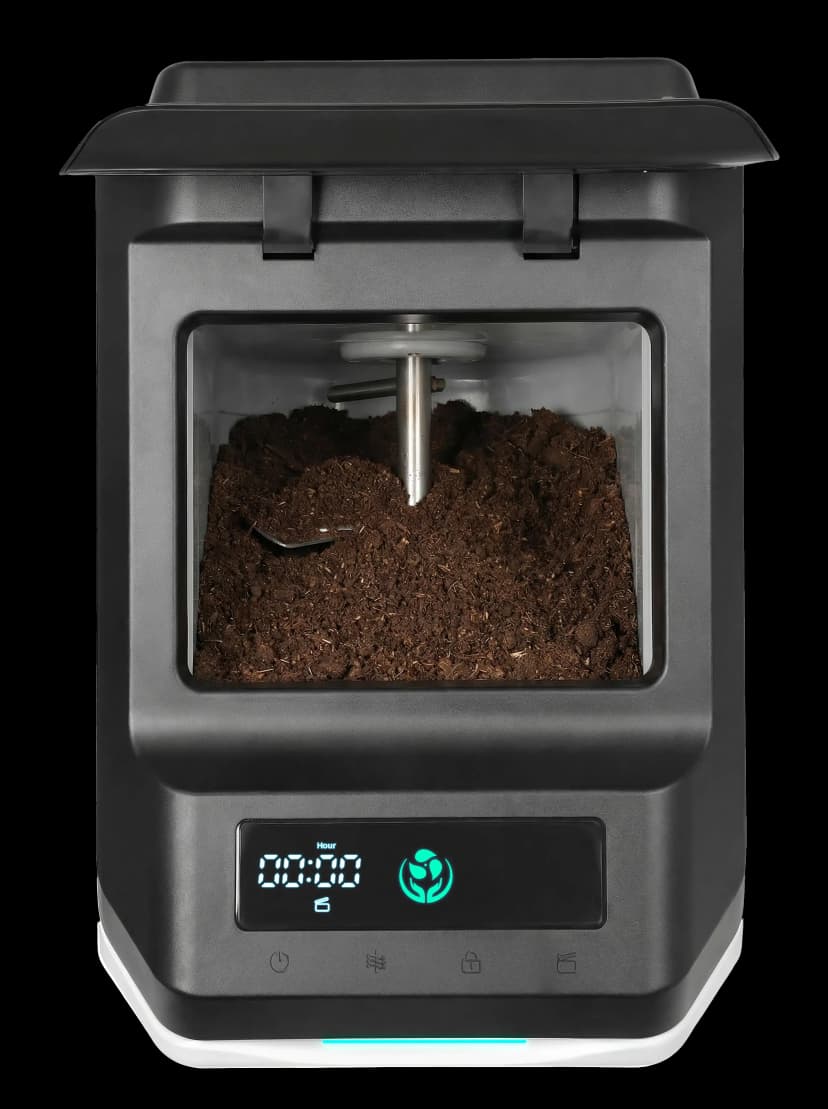
Screen, mix, and use responsibly in garden soil.
Turn Appropriate Kitchen Scraps Into Garden Compost
GEME Terra II supports real microbial composting for appropriate kitchen scraps. Use the compost output responsibly: screen large pieces, return unfinished material, and mix with soil before plant use.
Terra II for everyday homes. GEME Pro for larger routines.
Extra Gardening Tips for Beginners
Know Your Soil Type
Sandy soil drains quickly but can dry out fast. Clay soil holds water but can become compacted. Loamy soil is usually easier for beginners because it balances drainage, moisture, and nutrients. Compost can improve all three soil types over time.
Use the Right Basic Tools
A hand trowel, garden fork, gloves, watering can or hose, pruning shears, and a small rake are enough for most beginner gardens. Do not buy complex tools before you know what your garden actually needs.
Manage Pests Naturally
Check leaves regularly for insects, holes, discoloration, or fungal spots. Improve airflow, avoid overwatering, remove diseased leaves, and use gentle pest-control methods when needed.
Try Companion Planting Carefully
Some plants are commonly grown together. Basil is often planted near tomatoes, marigolds are often used around vegetable beds, and beans can help add nitrogen to the soil. Companion planting is helpful, but it does not replace good soil, sunlight, spacing, and watering.
Harvest at the Right Time
Harvest vegetables and herbs when they are at peak quality. Regular harvesting can encourage continued growth, especially for herbs, leafy greens, beans, cucumbers, and some fruiting vegetables.
Final Thoughts on How to Plant a Garden
Learning how to plant a garden starts with a few simple steps: choose a sunny location, prepare healthy soil, select beginner-friendly plants, water consistently, and use compost to improve soil over time.
Start small, observe your plants, and keep improving your soil season after season. A healthy garden is built gradually, and compost is one of the easiest ways to support that growth when used correctly.
The best beginner garden is not the biggest garden. It is the garden you can care for consistently.
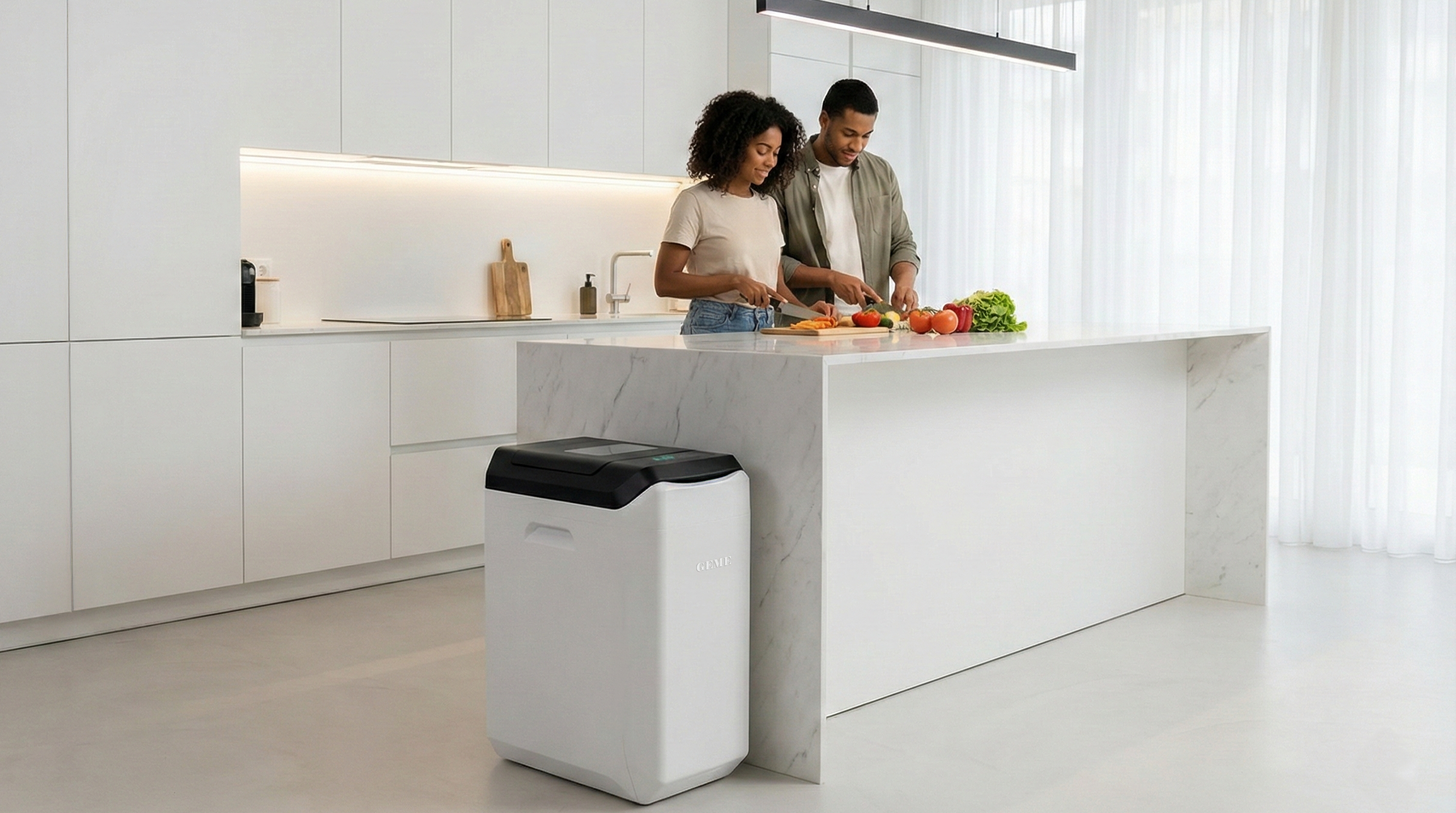
Real microbial composting for modern homes.
Build a Better Garden Soil Routine With GEME
GEME Terra II and GEME Pro help households turn appropriate food scraps into compost for soil blending, with real microbial composting, no filter replacements, and zero recurring filter costs.
Terra II for everyday homes. GEME Pro for larger routines.
Frequently Asked Questions
What is the easiest garden plant for beginners?
Lettuce, basil, spinach, radishes, marigolds, and cherry tomatoes are among the easiest plants for many beginner gardeners because they grow quickly and require relatively simple care.
How much sunlight does a garden need?
Many vegetables and flowering plants need at least 6 hours of direct sunlight daily. Some leafy greens can tolerate partial shade, especially in hot climates.
Can compost replace garden soil?
No. Compost is best used as a soil amendment rather than a complete replacement for garden soil. Soil provides mineral structure, while compost improves organic matter, soil biology, moisture behavior, and nutrient availability.
How often should I water a new garden?
New gardens need consistent moisture, but the exact schedule depends on weather, soil type, plant age, and container size. Deep watering several times per week is often better than frequent shallow watering.
Why is compost important for gardening?
Compost improves soil structure, supports beneficial microorganisms, helps soil hold moisture, and slowly contributes nutrients. It is one of the best ways to build long-term soil health.
Can kitchen scraps become garden compost?
Yes. Fruit peels, vegetable scraps, coffee grounds, tea leaves, and other appropriate organic materials can become compost when processed correctly. A kitchen composter can make this easier for households without an outdoor compost pile.
Should I plant directly in compost?
Usually no. Most plants do better in a soil-based growing medium with compost mixed in. Pure compost can hold too much moisture, contain excess nutrients, or lack the mineral structure roots need.
Is GEME Terra II useful for gardeners?
GEME Terra II can help gardeners turn appropriate kitchen scraps into compost output for soil blending through real microbial composting. Use the output responsibly by screening larger pieces and mixing the compost base with soil before plant use.
Summary
- Choose location first: most gardens need strong sunlight, good drainage, and nearby water.
- Prepare the soil: remove weeds, loosen soil, test pH and nutrients, and add mature compost.
- Use compost correctly: compost improves soil but should not replace all garden soil.
- Pick easy plants: lettuce, basil, spinach, radishes, cherry tomatoes, and marigolds are beginner-friendly.
- Start small: one raised bed, or a few containers, is enough for a first garden.
- Water deeply: check soil moisture and adjust for weather.
- Mulch and weed: early weed control makes the garden easier to manage.
- Compost kitchen scraps: appropriate food scraps can become compost when processed correctly.
- GEME Terra II: supports real microbial composting for appropriate kitchen scraps, with no filter replacements and compost output for soil blending.
Sources
- University of Minnesota Extension — Planting the Vegetable Garden
- University of Minnesota Extension — Watering the Vegetable Garden
- University of Georgia Extension — Vegetable Gardening During the Springtime
- University of Georgia Extension — Starting a Garden From Scratch
- U.S. EPA — Composting at Home
- U.S. EPA — Composting
- GEME — Terra II Product Page
- GEME — How Real Microbial Composting Works
- GEME — Advanced Compost Application Guide

Commenta
Questo sito è protetto da hCaptcha e applica le Norme sulla privacy e i Termini di servizio di hCaptcha.