
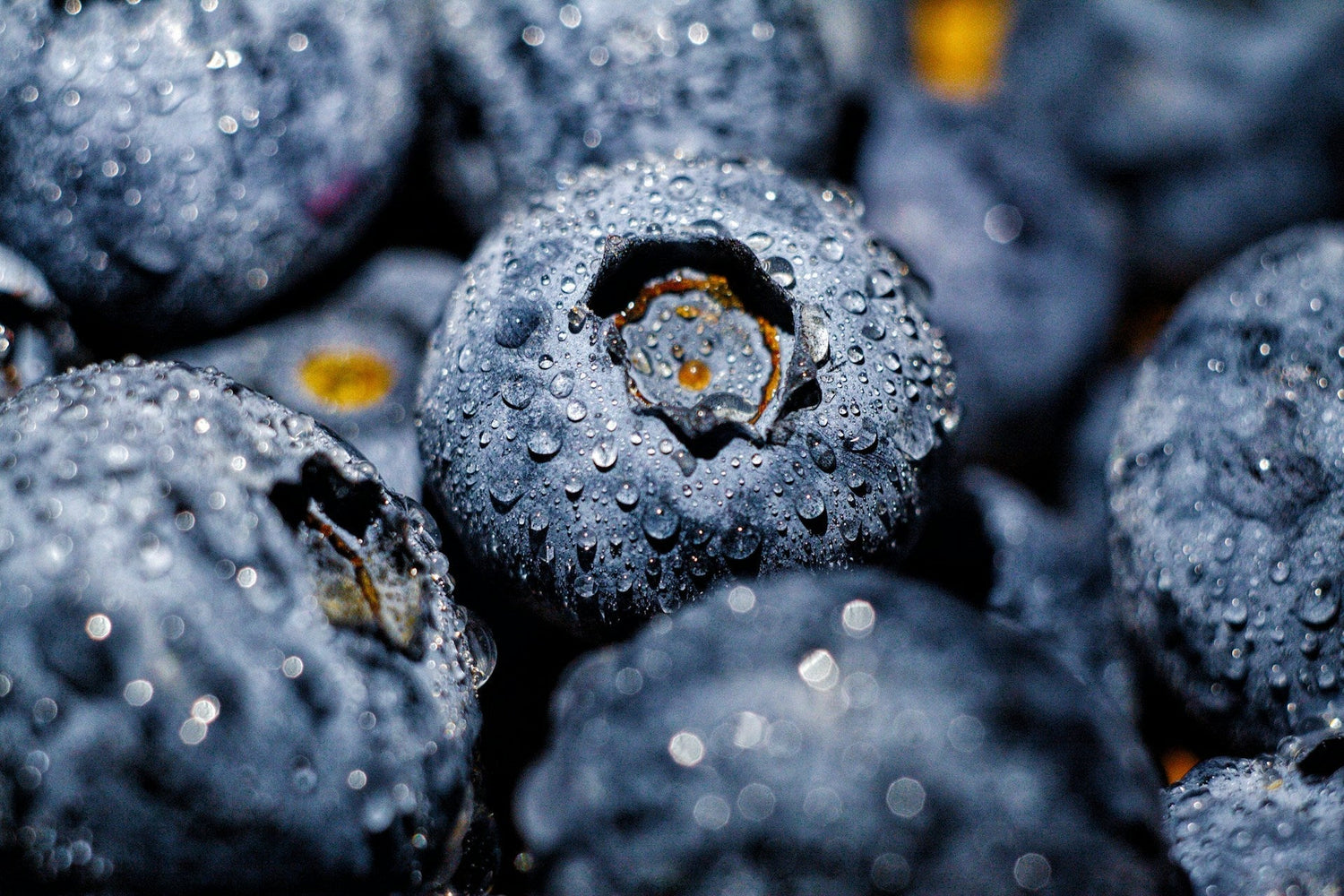
Blueberry Storage & Food Waste Guide
Blueberries usually last longest when they are kept cold, dry, unwashed, and in breathable containers. In a normal home refrigerator, fresh unwashed blueberries often last about one to two weeks, depending on harvest quality, handling, moisture, bruising, and temperature.
Washed blueberries usually spoil faster because extra surface moisture encourages mold and softening. Freeze extras before they decline, and compost appropriate spoiled berries responsibly when they are no longer safe or pleasant to eat.
Store better first. Freeze earlier. Compost what spoils responsibly.

Cold, dry, unwashed, breathable.
Quick Answer
Blueberries usually last 1–2 days on the counter, about 7–14 days in the fridge when unwashed and properly stored, around 3–5 days after washing if dried thoroughly, and up to about 12 months in the freezer for best quality.
For the best fridge life, do not wash blueberries before storage. Remove moldy or crushed berries, keep the rest in a breathable container, line the container with a paper towel, and refrigerate promptly.
For related context, read best way to store strawberries, how to reduce food waste at home, and how to use compost correctly.
Key Takeaways
- Unwashed blueberries last longer. Wash them only right before eating, cooking, or freezing.
- Dryness matters. Extra surface moisture can speed mold growth.
- Cold storage matters. Blueberries should usually be refrigerated unless they will be eaten the same day.
- Breathability matters. Use the original ventilated clamshell or another breathable container.
- Remove bad berries early. Moldy, crushed, or leaking berries can affect the rest of the container.
- Freeze extras before they spoil. Frozen blueberries are useful for smoothies, baking, oatmeal, sauces, and desserts.
- Compost appropriate spoiled berries responsibly. Remove stickers and packaging, then compost in a managed system or according to product guidance.
Table of Contents
- How Long Do Blueberries Last?
- Blueberry Storage Table
- How Long Do Blueberries Last in the Fridge?
- How Long Do Washed Blueberries Last?
- How to Freeze Blueberries
- What Affects Blueberry Shelf Life?
- How to Tell If Blueberries Are Bad
- Can You Compost Bad Blueberries?
- From Spoiled Blueberries to Better Soil
- FAQ
- Summary
- Sources
- Related Articles
How Long Do Blueberries Last?
Blueberries are delicate berries with thin skins, natural surface bloom, and high moisture content. Their shelf life depends on freshness at purchase or harvest, how quickly they were cooled, storage temperature, moisture, airflow, bruising, and mold exposure.
- Countertop: usually 1–2 days.
- Fridge, unwashed: often about 7–14 days when fresh, dry, and properly stored.
- Fridge, washed: often about 3–5 days if dried thoroughly.
- Cut or crushed blueberries: usually 1–2 days in the fridge.
- Freezer: commonly up to about 12 months for best quality.
These are practical home-storage ranges, not guarantees. Very ripe, wet, bruised, or poorly cooled berries may spoil sooner.
Blueberry Storage Table
| Storage Method | Typical Home Shelf Life | Best For | Storage Tip |
|---|---|---|---|
| Countertop | 1–2 days | Same-day snacking | Keep cool, dry, and out of direct sunlight. |
| Fridge, unwashed | Often 7–14 days | Short-term storage | Use a breathable container and a paper towel. |
| Fridge, washed | Often 3–5 days if dried well | Ready-to-eat berries | Dry completely before storing. |
| Cut or crushed | 1–2 days | Desserts, sauces, recipes | Store covered and refrigerate quickly. |
| Frozen | Up to about 12 months for best quality | Smoothies, baking, sauces, oatmeal | Freeze-dry berries in a single layer first. |
How Long Do Blueberries Last in the Fridge?
Unwashed blueberries often last about 7–14 days in the fridge when stored properly. The refrigerator slows respiration, mold growth, moisture loss, and softening, but storage quality still matters.
Best Way to Store Blueberries in the Fridge
- Do not wash blueberries before refrigerating.
- Remove moldy, crushed, or leaky berries before storage.
- Use the original ventilated clamshell or another breathable container.
- Line the container with a paper towel to absorb extra moisture.
- Store in the crisper drawer or another stable cold area of the fridge.
- Check every few days and remove spoiled berries quickly.
The natural silvery-white coating on blueberries is called bloom. It helps protect the fruit, so avoid washing it off until you are ready to eat or use the berries.
Also, avoid storing blueberries in a sealed, wet container. Blueberries need cold storage, but they also need surface dryness and enough airflow to reduce condensation.
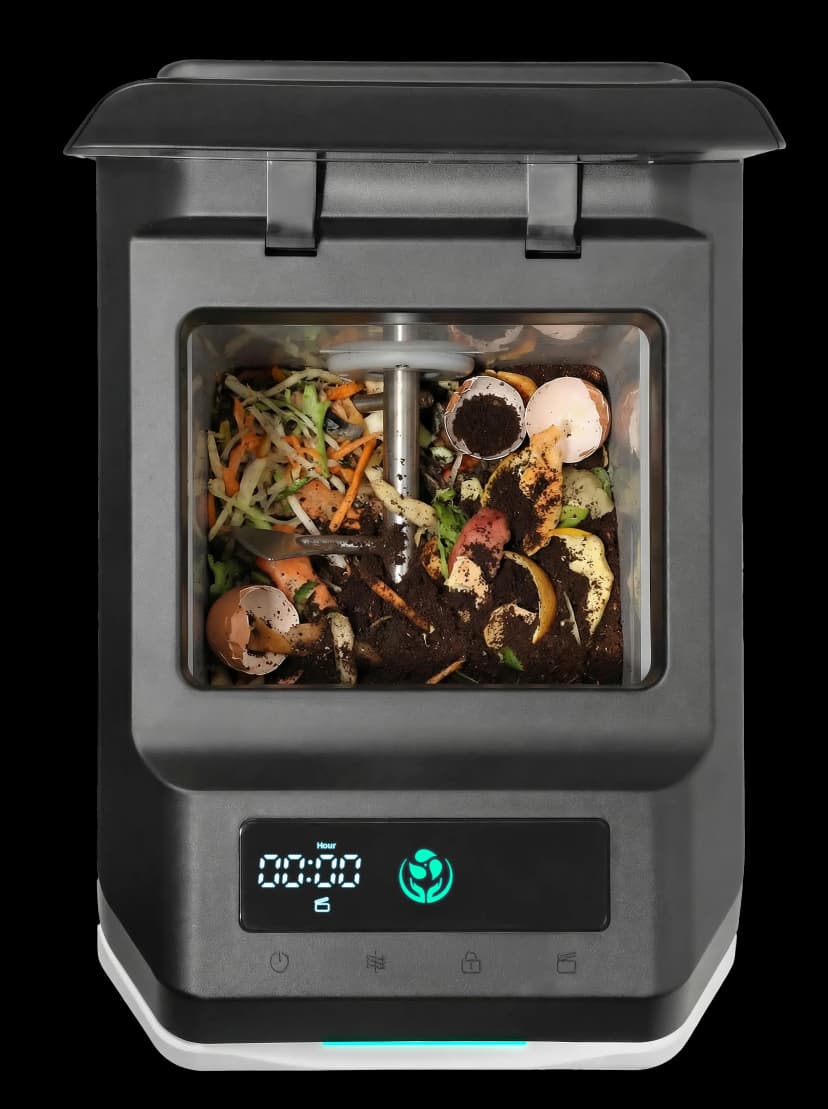
Store better first; compost what spoils.
Give Spoiled Blueberries a Better Path
Better storage helps blueberries last longer. When berries still spoil, GEME Terra II supports real microbial composting for appropriate organic kitchen scraps, with no filter replacements and compost output for soil blending.
Real microbial composting. No filter replacements. Compost for soil blending.
How Long Do Washed Blueberries Last?
Washed blueberries usually last a shorter time than unwashed blueberries, often around 3–5 days in the fridge if dried very thoroughly. Moisture speeds up mold growth, so washed berries should never be stored wet.
If you have already washed blueberries, spread them on a clean towel or paper towel, gently pat them dry, and let surface moisture evaporate before storage. Then place them in a breathable container lined with a dry paper towel.
Should You Wash Blueberries Before Refrigerating?
Usually no. Wash blueberries right before eating, cooking, or freezing. When washing, rinse gently under running water and dry with a clean towel or paper towel. Do not use soap, detergent, or commercial produce wash.
How to Freeze Blueberries
Freezing is the best long-term storage method for blueberries. Frozen blueberries work well in smoothies, oatmeal, muffins, pancakes, sauces, and desserts.
How to Freeze Blueberries Properly
- Sort and remove moldy, crushed, or leaking berries.
- Rinse gently if needed.
- Dry completely.
- Spread berries in a single layer on a tray.
- Freeze until solid.
- Transfer to a freezer-safe bag or container.
- Label with the date.
Freezing berries individually first prevents clumping and makes it easier to use only the amount you need.
What Affects Blueberry Shelf Life?
Several factors determine how long blueberries last:
- Ripeness: very ripe berries spoil faster.
- Moisture: wet berries mold quickly.
- Temperature: refrigeration slows spoilage and quality loss.
- Airflow: breathable containers reduce trapped moisture.
- Handling: bruised or crushed berries break down faster.
- Mold exposure: one moldy berry can affect nearby berries.
- Cold-chain history: berries that warmed up before purchase may not last as long at home.
Blueberries should be plump, dry, firm, and deep blue with natural bloom. Avoid containers with visible liquid, crushed fruit, or fuzzy mold.
How to Tell If Blueberries Are Bad
Slightly wrinkled blueberries may still be usable in baking, sauces, or smoothies if they have no mold, sour smell, or leaking liquid. Spoiled blueberries should not be eaten.
Signs Blueberries Have Gone Bad
- Mold: white, green, gray, or fuzzy patches.
- Sour or fermented smell: a warning sign of spoilage.
- Mushy texture: especially if berries are collapsing or leaking.
- Leaky container: too much juice suggests a breakdown.
- Off taste: do not continue eating if the flavor is sour or unpleasant.
If one or two berries are moldy, remove them and inspect the rest carefully. If many berries are moldy, leaking, or sour-smelling, do not eat the batch.

Can You Compost Bad Blueberries?
Yes. Bad blueberries, moldy blueberries, blueberry stems, and leftover berry scraps can often be composted responsibly as organic fruit waste.
The key is to compost them in a managed system. Blueberries are wet and sugary, so they should be balanced with dry brown materials such as shredded cardboard, dry leaves, or other carbon-rich materials when using a traditional compost pile.
Composting Tips for Spoiled Blueberries
- Remove stickers, plastic packaging, rubber bands, and containers.
- Do not eat berries that are moldy, sour-smelling, or leaking.
- Add spoiled berries with dry browns to outdoor piles to manage moisture.
- Cover fruit scraps in outdoor piles to reduce pest attraction.
- Follow local rules if using a municipal or community compost program.
- Follow product guidance if using an indoor electric composter.
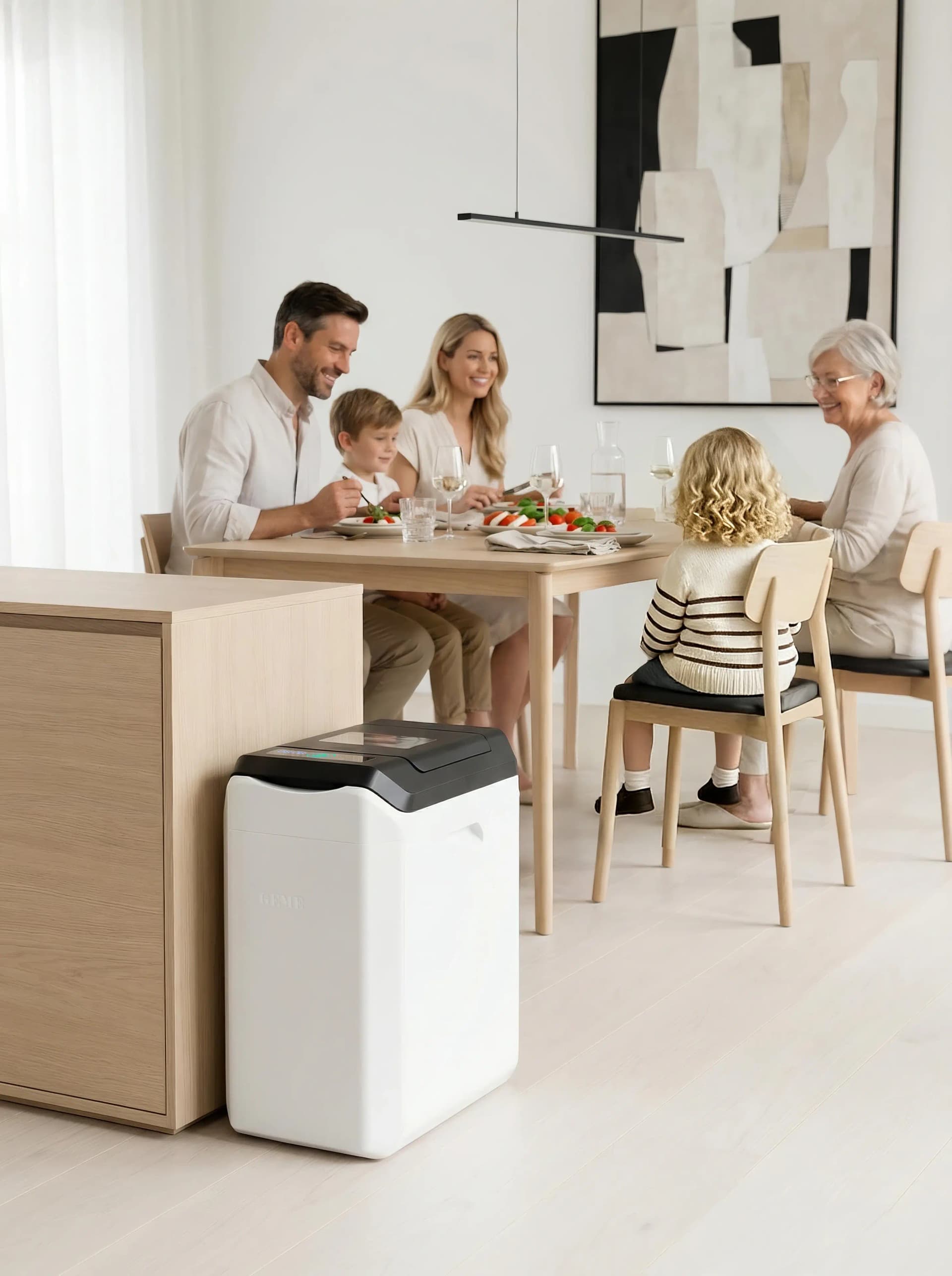
Screen, mix, and use responsibly.
Turn Appropriate Spoiled Blueberries Into Compost for Soil Blending
GEME Terra II is designed for real microbial composting indoors. It helps appropriate organic kitchen scraps enter a composting pathway instead of becoming ordinary trash.
Terra II for everyday homes. GEME Pro for larger routines.
From Spoiled Blueberries to Better Soil
Blueberries connect food storage and gardening in a useful way. You may buy them for snacks, smoothies, or baking. You may grow them in a garden. And when some berries spoil, they can still return value as organic material in a responsible composting system.
A better household loop looks like this:
Fresh blueberries → smart storage → freezing or eating → appropriate spoiled berries → composting → compost for soil blending → healthier soil routines
GEME Terra II fits the composting step by supporting real microbial composting indoors for appropriate organic kitchen scraps. The output should be screened and mixed with soil before plant use.
Final Takeaway: Keep Blueberries Dry, Cold, and Unwashed
The simplest way to make blueberries last longer is to store them unwashed, dry, cold, and in a breathable container. Remove damaged berries early, wash only before use, and freeze extras before they become soft or moldy.
When blueberries do spoil, do not eat them. Remove the packaging and compost appropriate berry waste responsibly through a managed compost pile, community compost program, or indoor microbial composter such as GEME Terra II.

Real microbial composting for modern kitchens.
Reduce Food Waste With Real Microbial Composting
GEME Terra II helps appropriate spoiled fruit and everyday organic kitchen scraps enter a real microbial composting pathway, with no filter replacements and compost output for soil blending.
Terra II for everyday homes. GEME Pro for larger routines.
FAQ
How long do blueberries last in the fridge?
Unwashed blueberries often last about 7–14 days in the fridge when kept dry, cold, and stored in a breathable container. Very ripe, bruised, or wet berries may spoil sooner.
How long do blueberries last on the counter?
Blueberries usually last only 1–2 days at room temperature. Refrigeration is better for longer storage.
How long do washed blueberries last in the fridge?
Washed blueberries often last about 3–5 days if they are dried completely before storage. Wet berries can spoil much faster.
Should blueberries be refrigerated immediately?
Yes. Blueberries should usually be refrigerated soon after purchase or harvest unless you plan to eat them the same day.
Can you eat wrinkled blueberries?
Yes, if they have no mold, sour smell, leaking liquid, or unpleasant flavor. Wrinkled blueberries are often better for baking, sauces, or smoothies than for fresh snacking.
Can you eat blueberries if one berry is moldy?
Remove the moldy berry and inspect the rest carefully. Also, remove berries touching it. If many berries are moldy, leaking, or sour-smelling, do not eat the batch.
Can you freeze blueberries?
Yes. Blueberries freeze well. For best results, sort, rinse if needed, dry completely, freeze in a single layer, and then transfer to a freezer-safe container.
Can you compost spoiled blueberries?
Yes. Spoiled or moldy blueberries can often be composted responsibly as organic fruit waste. Remove stickers and packaging before composting.
Do organic blueberries last longer?
Not necessarily. Shelf life depends more on freshness, moisture, temperature, handling, bruising, and storage conditions than on whether blueberries are organic.
Is GEME Terra II a real composter?
GEME Terra II is designed to support real microbial composting indoors. It uses Kobold™ living microbes, no drying, no replacement odor filters, and produces compost output that should be screened and mixed with soil before plant use.
Summary
- Counter: blueberries usually last 1–2 days.
- Fridge: unwashed blueberries often last about 7–14 days when kept dry and breathable.
- Washed: washed blueberries often last about 3–5 days if dried well.
- Freezer: blueberries can last up to about 12 months for best quality.
- Best storage: keep blueberries dry, cold, unwashed, and breathable.
- Bad signs: mold, sour smell, mushy texture, leaking liquid, or unpleasant taste.
- Composting: appropriate spoiled blueberries can often be composted responsibly.
- GEME Terra II: supports real microbial composting for appropriate organic kitchen scraps, with no filter replacements and compost output for soil blending.
Sources
- University of Maine Cooperative Extension — Post Harvest Handling of Wild Blueberry
- Purdue Extension FoodLink — Blueberry Storage
- FDA — Selecting and Serving Produce Safely
- FoodSafety.gov — Cold Food Storage Chart
- U.S. EPA — Composting
- GEME — Terra II Product Page
- GEME — How Real Microbial Composting Works
- GEME — Advanced Compost Application Guide

Laat een reactie achter
Deze site wordt beschermd door hCaptcha en het privacybeleid en de servicevoorwaarden van hCaptcha zijn van toepassing.