
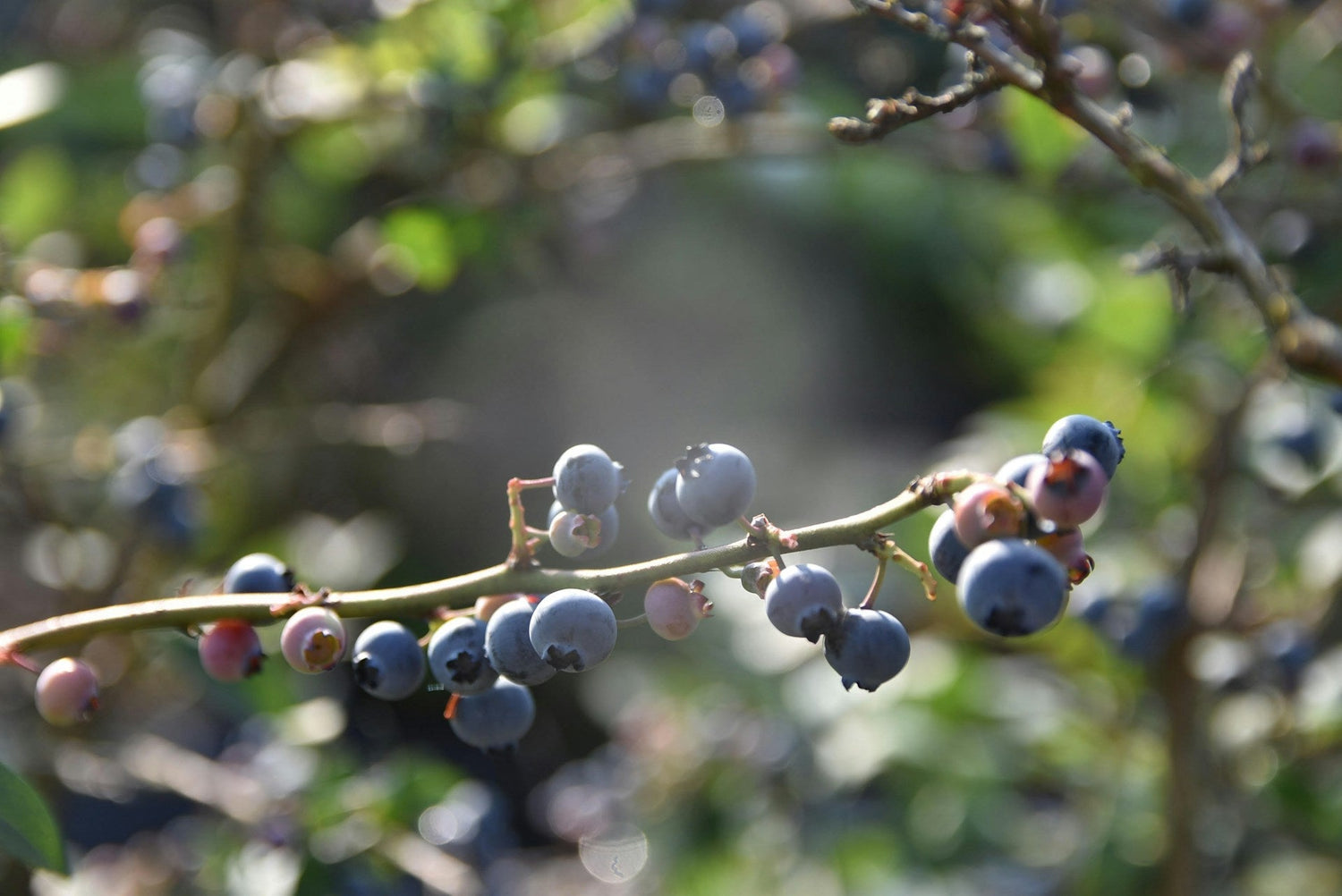
Blueberry Growing Guide
Blueberries grow best in full sun, acidic soil, steady moisture, and loose, well-drained soil rich in mature organic matter. They are shallow-rooted, acid-loving shrubs, so soil pH, mulch, moisture, and moderate feeding matter more than heavy fertilizing.
This guide explains how to plant blueberries in the ground or in pots, how to prepare blueberry soil, how to use compost safely, how to care for blueberry plants, and how kitchen scraps can become compost for soil blending through real microbial composting.
Acidic soil first. Mature compost second. Careful with moisture always.

Full sun, acidic soil, steady moisture.
Quick Answer
To grow blueberries successfully, plant them in full sun, in acidic soil, and with a well-drained yet consistently moist root zone. Many home-growing guides target acidic soil around pH 4.0–5.5, with 4.5–5.5 often used as a practical planting target depending on local guidance and soil-test results.
Mature compost can improve soil structure, moisture retention, and microbial activity, but it should be used in moderation. Compost does not replace soil pH management, and it should not be relied on alone to acidify soil. Pair mature compost with acid-friendly mulch such as pine bark, pine needles, oak leaves, or aged sawdust, and adjust pH based on soil testing.
For related context, read how to use compost correctly, garden soil vs compost, and how long blueberries last in the fridge.
Key Takeaways
- Blueberries are shrubs, not trees. They have shallow roots and need careful soil and moisture management.
- Soil pH is critical. Blueberries need acidic soil, and high pH can cause yellowing leaves, slow growth, and poor fruiting.
- Test before planting. Adjusting pH with sulfur or other amendments takes time.
- Full sun improves fruiting. Choose a sunny location with airflow and drainage.
- Use mature compost moderately. Compost improves structure and moisture retention, but it should not replace pH management.
- Mulch matters. Pine bark, pine needles, oak leaves, wood chips, or aged sawdust help protect shallow roots and maintain moisture.
- Containers can work well. Pots make it easier to control acidic growing media when native soil is alkaline.
- Use GEME compost responsibly. Screen large, unfinished pieces and mix compost with soil before plant use.
Table of Contents
- Best Place to Plant Blueberries
- Blueberry Soil pH and Soil Requirements
- How to Plant Blueberries Step by Step
- How to Grow Blueberries in Pots
- How to Use Compost for Blueberries
- Blueberry Plant Care
- When and How to Harvest Blueberries
- From Kitchen Scraps to Blueberry Soil
- FAQ
- Summary
- Sources
- Related Articles
Best Place to Plant Blueberries
The best place to plant blueberries is a sunny, sheltered location with acidic, well-drained soil and good airflow. Blueberries need strong light for better flowering and fruit production, but their roots should stay evenly moist and protected from heat and drought stress.
Although blueberries are sometimes called “berry trees” in casual language, they are shrubs. They grow slowly, build shallow root systems, and depend heavily on the soil environment around the root zone.
Choose a Location With:
- Full sun: ideally 6 or more hours of direct light, with 6–8 hours preferred when possible.
- Good drainage: avoid low spots where water sits after rain.
- Acidic soil: test first and target the pH range recommended for your region.
- Organic matter: mature compost and plant-based mulches can improve soil structure.
- Airflow: helps reduce disease pressure and supports healthier growth.
- Space: leave enough room for mature plant size and air circulation.
Avoid planting blueberries near concrete, lime-treated soil, alkaline materials, or large trees that compete for water and nutrients. Blueberries are especially sensitive to high soil pH.
Blueberry Soil pH and Soil Requirements
Soil pH is the most important technical detail in blueberry growing. Blueberries need acidic soil. If the pH is too high, plants may show yellowing leaves, weak growth, poor fruiting, and long-term decline because they cannot absorb nutrients properly.
Many home-garden recommendations place blueberry soil in the acidic range of about 4.0–5.5, with 4.5–5.5 often used as a practical target range in production and home-garden guidance. Always follow your local soil-test recommendation because native soils differ widely.
Blueberry Soil Should Be:
- Acidic
- Loose and well-draining
- Rich in mature organic matter
- Moist but not waterlogged
- Mulched to protect shallow roots
- Free from lime, concrete dust, and alkaline amendments
How to Prepare Blueberry Soil
- Test the soil pH before planting. Do not guess based on appearance.
- Adjust pH early. Elemental sulfur can take months to lower pH, so plan ahead.
- Improve structure. Use mature compost moderately to support soil texture and water management.
- Add acid-friendly organic materials. Pine bark, pine needles, oak leaves, and aged sawdust can support an acidic blueberry bed.
- Retest after amendments. Soil pH changes gradually and should be monitored over time.
Compost is useful, but it is not a reliable pH-lowering tool by itself. Use compost as a soil amendment, and use soil-test-guided pH amendments when acidity needs adjustment.

Use it moderately with soil.
Turn Kitchen Scraps Into Compost for Soil Blending
Blueberries need organic-rich soil, not concentrated, unfinished scraps. GEME Terra II supports real microbial composting indoors, with no drying, no replacement odor filters, and compost output that should be screened and mixed with soil before plant use.
Real microbial composting. No filter replacements. Compost for soil blending.
How to Plant Blueberries Step by Step
Plant blueberries in early spring or fall when temperatures are moderate. Choose healthy plants from a nursery and select varieties suited to your climate, chill-hour needs, and local growing conditions.
- Test the soil pH: adjust before planting if needed.
- Clear weeds and grass: blueberries dislike root competition.
- Prepare the planting bed: mix mature compost and suitable organic matter into the topsoil moderately.
- Dig a wide hole: make it wider than the root ball, but avoid planting too deep.
- Set the plant carefully: keep the root ball at or slightly above the surrounding soil level, depending on local guidance and drainage.
- Backfill gently: use an acidic, loose soil mix rather than pure compost.
- Water thoroughly: settle the soil around the roots.
- Mulch: apply 2–4 inches of pine bark, pine needles, wood chips, oak leaves, or aged sawdust.
- Space plants properly: follow the mature size of your variety and allow airflow.
For better pollination and larger harvests, plant two or more compatible blueberry varieties if space allows. Some varieties are partially self-fertile, but cross-pollination often improves results.
Important: do not fill the planting hole with pure compost. Blueberries need acidic mineral soil, organic matter, water, air, and structure working together.
How to Grow Blueberries in Pots
Blueberries can grow very well in containers, especially when native garden soil is too alkaline, compacted, or poorly drained. Container growing makes it easier to control pH, drainage, moisture, and potting mix quality.
Container Blueberry Setup
- Use a large container, often at least 18–24 inches wide and deep, for mature plants.
- Choose a pot with strong drainage holes.
- Use an acidic potting mix designed for acid-loving plants.
- Add mature compost only moderately as part of the mix.
- Mulch the top with pine bark or pine needles.
- Place the pot in full sun.
- Water consistently because containers dry out faster than ground beds.
In cold climates, protect containers in winter because roots in pots are more exposed to freezing than roots in the ground. Container blueberries also need careful watering because both drought and waterlogging can damage shallow roots.
How to Use Compost for Blueberries
Mature compost is useful for blueberries because it can improve soil structure, water retention, microbial activity, and organic matter levels. But compost is best treated as a soil amendment, not as a complete fertilizer and not as a guaranteed acidifier.
Blueberries are not heavy feeders. They prefer a stable acidic root zone, steady moisture, and gentle nutrition. Overapplying compost or fertilizer can create nutrient imbalance, salt buildup, poor drainage, or weak growth.
How to Use Compost Safely for Blueberries
- Use mature, finished compost only.
- Mix compost into the soil before planting in moderate amounts.
- Top-dress lightly once a year if the soil and plant response support it.
- Avoid thick compost layers directly against the crown or stems.
- Pair compost with acid-friendly mulch such as pine bark or pine needles.
- Keep soil pH management separate from compost use.
- Use soil testing to guide sulfur, fertilizer, or additional amendments.
What to Avoid
- Fresh manure
- Lime or dolomite
- Alkaline compost amendments
- Heavy applications of unfinished compost
- General-purpose fertilizer used without checking pH and nutrient needs
- Relying on coffee grounds alone to acidify soil
Coffee grounds can add organic matter when composted properly, but they should not be treated as a reliable soil-acidification strategy for blueberries.
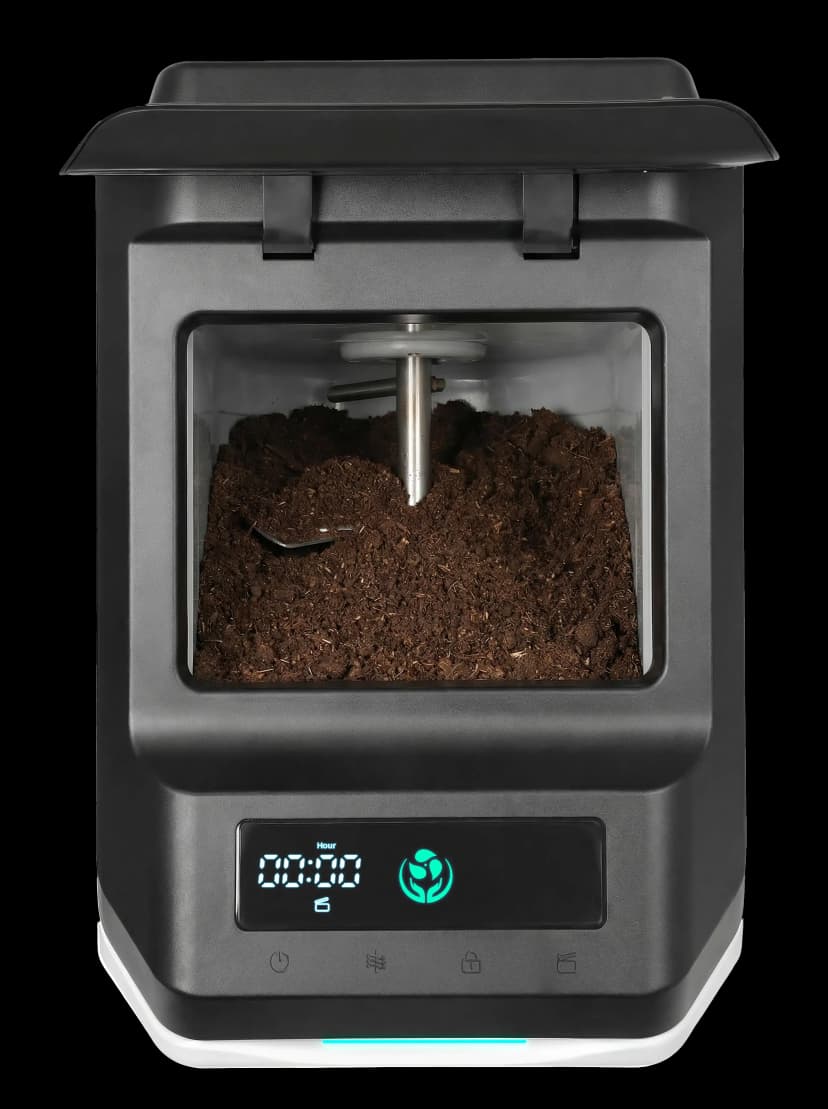
Screen, mix, and use responsibly.
Blueberries Need Living Soil, Not Unfinished Scraps
GEME Terra II supports real microbial composting for everyday organic kitchen scraps. Use the compost output responsibly: screen large pieces, return unfinished material, and mix with soil before applying near plants.
Terra II for everyday homes. GEME Pro for larger routines.
Blueberry Plant Care
Watering
Blueberries have shallow roots and need consistent moisture. Water deeply during dry spells and avoid letting the root zone swing between drought and waterlogging. Drip irrigation or slow watering is often better than brief surface watering.
Mulching
Mulch is essential for blueberries. Use 2–4 inches of pine bark, pine needles, wood chips, oak leaves, or aged sawdust. Mulch helps retain moisture, suppress weeds, protect shallow roots, and support acidic soil conditions over time.
Pruning
Prune blueberries during dormancy. Remove dead, weak, crossing, diseased, or very old canes. For mature plants, removing some older canes at ground level encourages new productive growth.
Frost and Bird Protection
Late spring frosts can damage blossoms. Use frost cloth when needed. When berries start turning blue, protect plants with bird netting or other wildlife protection.
Fertilizing
Fertilize lightly in early spring if soil testing or plant growth shows a need. Use products intended for acid-loving plants and avoid overfertilizing. Stop fertilizing early enough in the season so new growth can harden before winter in cold climates.

When and How to Harvest Blueberries
Blueberries usually ripen from late spring through summer, depending on climate and variety. Pick berries only when they are fully blue, sweet, and detach easily from the bush.
- Harvest in the morning after the dew dries.
- Pick every 2–3 days during peak ripening.
- Do not pick berries with pink or green areas.
- Store unwashed blueberries in the fridge.
- Freeze extra berries for smoothies, baking, sauces, and oatmeal.
Blueberries do not continue ripening much after harvest, so wait until they are fully ripe for the best flavor.
From Kitchen Scraps to Blueberry Soil
Growing blueberries is not only about planting a fruit shrub. It is about building the right soil environment: acidic pH, stable moisture, organic matter, and a living root zone.
Mature compost can support that environment by improving soil structure and moisture behavior, but it should be used carefully and moderately. Blueberries still need acid-friendly mulch and soil-test-guided pH management.
A responsible household loop looks like this:
Kitchen scraps → microbial composting → compost for soil blending → organic matter → better soil structure → healthier blueberry care routine
GEME Terra II fits the composting step by supporting real microbial composting indoors. It should not be treated as a simple food dehydrator, and its output should be screened and mixed with soil before plant use.
Final Takeaway: Grow Blueberries by Managing Soil First
Blueberries are rewarding plants, but they are not forgiving of the wrong soil. Start with full sun, acidic pH, good drainage, steady moisture, and mulch. Then use mature compost moderately to support soil structure and organic matter.
With careful soil preparation and a steady composting routine, kitchen scraps can become part of a long-term soil-care system, but blueberry success still begins with the right acidity, water, mulch, and plant selection.

Real microbial composting for modern homes.
Build a Better Soil Routine With GEME
GEME Terra II and GEME Pro help households turn appropriate food scraps into compost for soil blending, with real microbial composting, no filter replacements, and zero recurring filter costs.
Terra II for everyday homes. GEME Pro for larger routines.
FAQ
How do I plant blueberries?
Plant blueberries in full sun, in acidic soil, and with a well-drained yet consistently moist root zone. Test and adjust soil pH before planting, water well, and mulch after planting.
What is the best place to plant blueberries?
The best place is a sunny, sheltered location with acidic, well-drained soil, good airflow, and limited competition from large trees or grass.
What soil pH do blueberries need?
Blueberries need acidic soil. Many home-garden recommendations use a pH range around 4.0–5.5, with 4.5–5.5 often used as a practical target. Follow local soil-test guidance.
Can blueberries grow in pots?
Yes. Blueberries grow well in large containers filled with acidic potting mix. Pots are especially helpful when native soil is too alkaline or poorly drained.
What is the best fertilizer for blueberries?
Blueberries often benefit from light applications of acid-loving plant fertilizer when needed, plus mature compost used moderately as a soil amendment. Soil testing is the safest guide.
Can you use compost for blueberries?
Yes. Mature compost can improve soil structure, water retention, and organic matter around blueberries. Use it moderately and pair it with acid-friendly mulch and proper pH management.
Can coffee grounds help blueberries?
Coffee grounds can add organic matter when composted properly, but they should not be relied on alone to acidify blueberry soil. Use soil testing and appropriate amendments to manage pH.
Can blueberry bushes get too much compost?
Yes. Too much compost can create nutrient imbalance, excess salts, poor drainage, or overly rich soil. Use mature compost in moderate amounts.
How long does it take blueberries to produce fruit?
Blueberry plants often begin producing meaningful fruit after 2–3 years, with larger harvests as plants mature. Exact timing depends on plant age, variety, climate, and care.
Is GEME Terra II useful for blueberry growers?
GEME Terra II can help households create compost output for soil blending from appropriate kitchen scraps. For blueberries, use the output moderately, screen large unfinished pieces, and mix with soil while managing acidity separately.
Summary
- Sunlight: blueberries need full sun for stronger growth and fruiting.
- Soil pH: blueberries need acidic soil; test before planting and adjust early.
- Compost: use mature compost moderately as a soil amendment, not a complete fertilizer or pH fix.
- Containers: blueberries grow well in large pots with acidic potting mix.
- Water: keep soil consistently moist but not waterlogged.
- Mulch: use pine bark, pine needles, wood chips, oak leaves, or aged sawdust.
- Pruning: prune during dormancy to remove weak, dead, crossing, or old canes.
- GEME Terra II: supports real microbial composting for appropriate kitchen scraps, with compost output for soil blending and no filter replacements.
Sources
- University of Minnesota Extension — Growing Blueberries in the Home Garden
- University of Minnesota Extension — Commercial Blueberry Production in Minnesota and Wisconsin
- Ontario — Growing Blueberries for Home Gardens and Small-Scale Production
- U.S. EPA — Composting at Home
- U.S. EPA — Benefits of Using Compost
- GEME — Terra II Product Page
- GEME — How Real Microbial Composting Works
- GEME — Advanced Compost Application Guide


Laat een reactie achter
Deze site wordt beschermd door hCaptcha en het privacybeleid en de servicevoorwaarden van hCaptcha zijn van toepassing.