
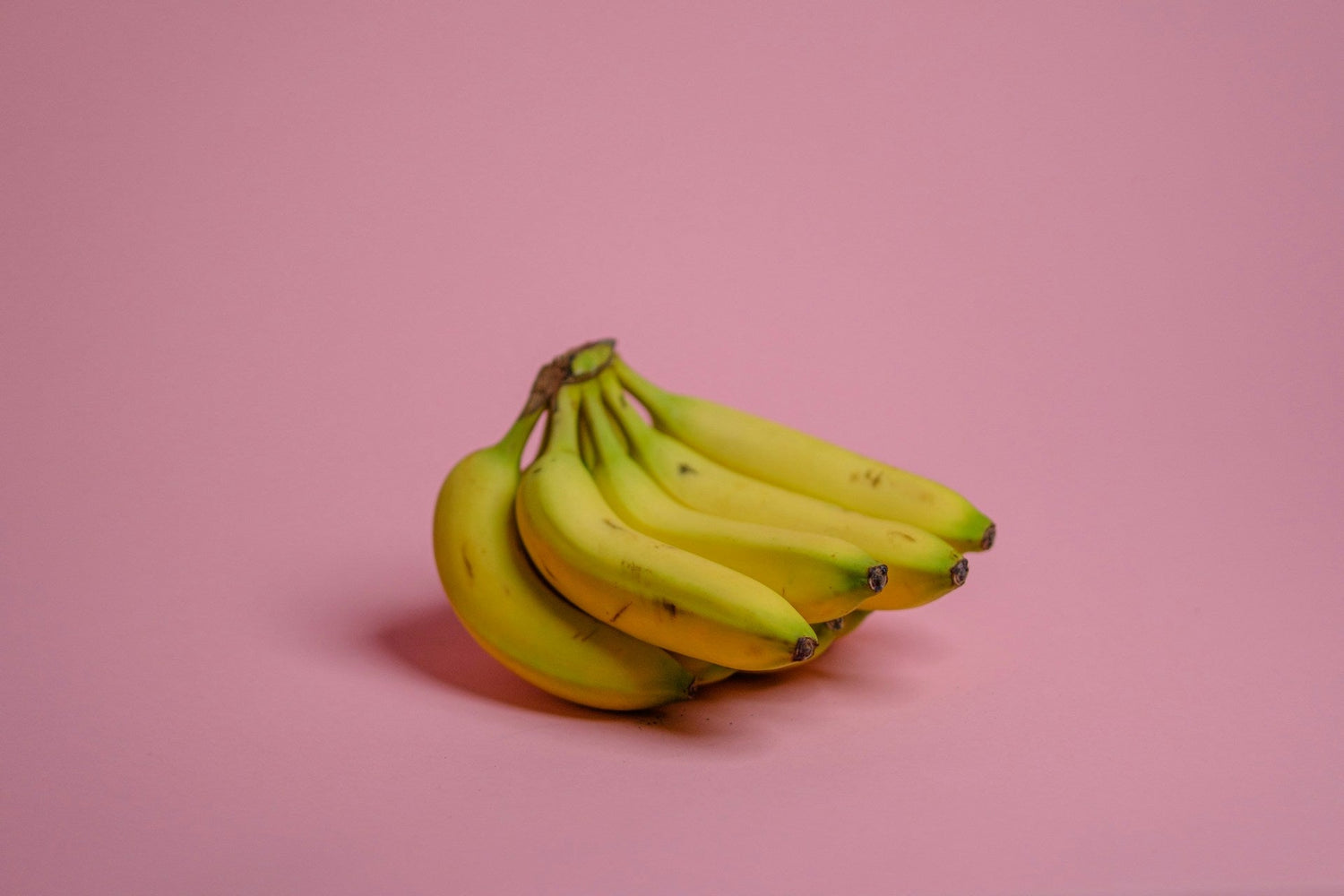
Banana Storage & Food Waste Guide
Bananas last longer when you manage ripeness, temperature, bruising, airflow, and ethylene exposure. Green bananas should ripen at room temperature, while ripe bananas can be moved to the refrigerator to slow further softening.
The peel may darken in the fridge, but the fruit inside can still be usable. Very ripe bananas can be frozen for smoothies and baking, while banana peels can be composted responsibly as organic kitchen scraps.
Ripen on the counter. Refrigerate when ripe. Freeze before waste. Compost the peels.

Green on the counter. Ripe in the fridge.
Quick Answer
To make bananas last longer, keep green bananas at room temperature until ripe, store bananas in a cool, shaded place, wrap the stems, keep them away from other ethylene-producing fruit, reduce bruising, and refrigerate only after they reach the ripeness you like.
Bananas usually last a few days on the counter, depending on ripeness. Once ripe, they can often stay usable for several more days in the fridge, even though the peel may turn brown or black. Peeled ripe bananas can be frozen for longer storage and used in smoothies, banana bread, pancakes, and desserts.
For related context, read how long blueberries last in the fridge, best way to store strawberries, and how to use compost correctly.
Key Takeaways
- Do not refrigerate green bananas. Cold storage can interrupt ripening and darken the peel.
- Refrigerate ripe bananas. Once bananas are ripe, refrigeration can slow further softening.
- Ignore peel color in the fridge. The peel may turn brown or black while the fruit inside remains usable.
- Wrap stems to slow ripening. Banana stems release ethylene, which contributes to ripening.
- Separate bananas from other fruit. Apples, avocados, and other ethylene-producing fruit can speed ripening.
- Freeze very ripe bananas. Peeled banana slices are excellent for smoothies and baking.
- Compost banana peels responsibly. Remove stickers, cut peels smaller, and mix them with other compost materials.
Table of Contents
- How Long Do Bananas Last?
- Banana Storage Table
- How to Make Bananas Last Longer
- Do Bananas Last Longer in the Fridge?
- How to Freeze Bananas
- How to Tell When Bananas Have Gone Bad
- Can You Compost Banana Peels?
- How to Compost Banana Peels
- From Bananas to Better Soil
- FAQ
- Summary
- Sources
- Related Articles
How Long Do Bananas Last?
Banana shelf life depends on ripeness, temperature, airflow, bruising, ethylene exposure, and storage method. Green bananas may need several days to ripen, while ripe yellow bananas can soften quickly on a warm counter.
- Green bananas: several days at room temperature until ripe.
- Yellow bananas on the counter: usually a few days, depending on room temperature and ripeness.
- Ripe bananas in the fridge: often several more days of usable quality, though the peel will darken.
- Very ripe bananas: best used quickly for smoothies, banana bread, pancakes, or freezing.
- Frozen bananas: best used within several months for quality.
Bananas naturally release ethylene, a plant hormone involved in ripening. Managing ethylene exposure, heat, and bruising is the key to keeping bananas fresh longer.
Banana Storage Table
| Banana Condition | Best Storage Method | Typical Home Result | Best Use |
|---|---|---|---|
| Green bananas | Countertop, room temperature | Ripens over several days | Future fresh eating |
| Yellow bananas | Cool counter, away from other fruit | Usually a few days | Fresh eating |
| Ripe bananas | Refrigerator | Peel darkens, fruit stays usable longer | Slowing softening |
| Very ripe bananas | Freeze peeled | Best quality for months | Smoothies, baking, pancakes, desserts |
| Banana peels | Compost in a managed system | Breakdown speed varies by method | Compost for soil blending after maturity |
How to Make Bananas Last Longer
To make bananas last longer, slow the ripening process without damaging the fruit. The goal is to reduce heat, bruising, excess ethylene exposure, and moisture buildup.
1. Store Green Bananas at Room Temperature Until Ripe
Green bananas should ripen at room temperature. Refrigerating them too early can interrupt normal ripening and affect texture and flavor.
2. Keep Bananas Cool and Shaded
Heat and direct sunlight speed ripening. Store bananas in a cool, shaded place in the kitchen or pantry, away from hot windows, ovens, and sunny counters.
3. Wrap the Stems
Banana stems release ethylene. Wrapping the crown or individual stems with plastic wrap or foil may help slow ethylene exposure and keep bananas fresh a little longer.
4. Keep Bananas Away From Other Fruit
Apples, avocados, tomatoes, and other ethylene-producing produce can speed banana ripening. Store bananas separately if you want them to last longer.
5. Hang Bananas or Reduce Pressure Points
Hanging bananas or placing them gently in a single layer helps reduce bruising. Less bruising usually means slower softening and fewer damaged spots.
6. Avoid Plastic Bags
Plastic bags can trap moisture and ethylene, which may speed softening and spoilage. Use open-air storage for green or ripening bananas.
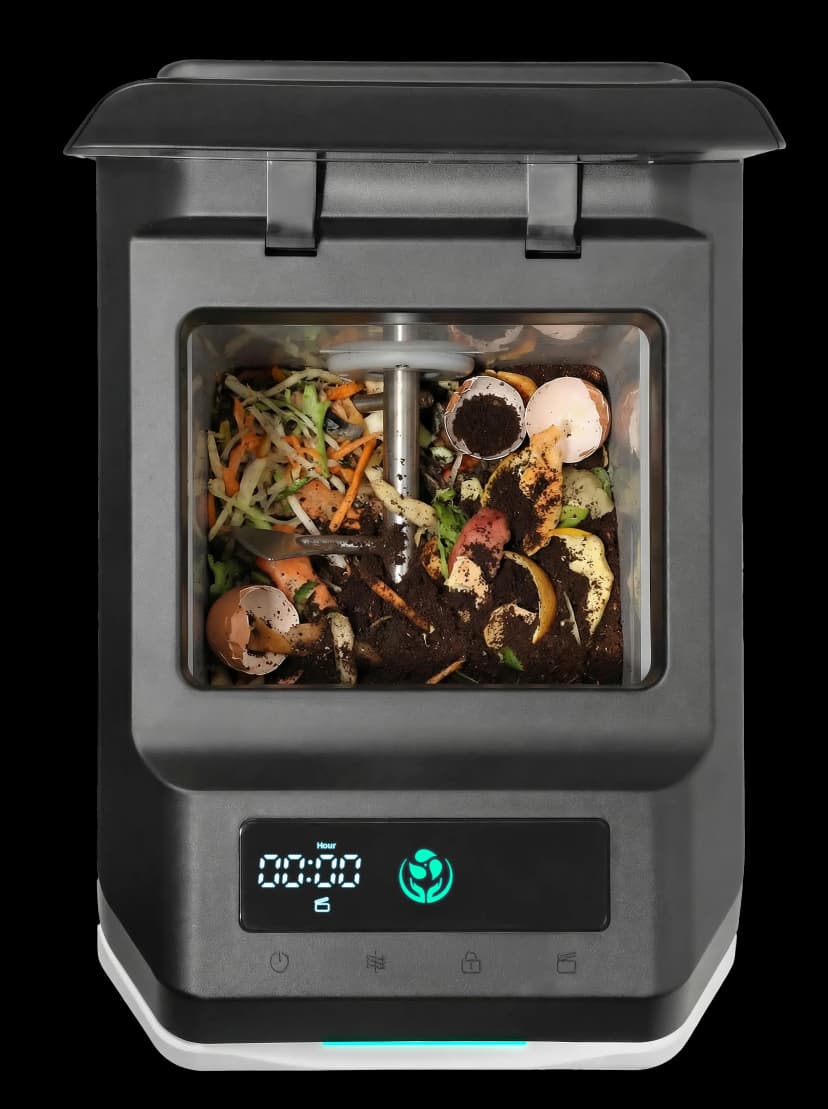
Compost appropriate organic scraps responsibly.
Reduce Banana Waste With Real Microbial Composting
Better storage helps bananas last longer. When peels and overripe fruit still happen, GEME Terra II supports real microbial composting indoors, with no drying, no replacement odor filters, and compost output for soil blending.
Real microbial composting. No filter replacements. Compost for soil blending.
Do Bananas Last Longer in the Fridge?
Yes, ripe bananas can last longer in the fridge. Refrigeration slows further ripening once bananas have reached the color, sweetness, and softness you like.
The peel may turn brown or black in the refrigerator, but the fruit inside can remain usable. Judge refrigerated bananas by firmness, smell, texture, and whether the fruit is leaking or moldy, not by peel color alone.
When to Refrigerate Bananas
- Refrigerate bananas after they turn yellow and ripe.
- Do not refrigerate green bananas.
- Use refrigerated bananas within several days for best quality.
- Move very ripe bananas to the freezer if you cannot use them in time.
Simple rule: green bananas belong on the counter; ripe bananas can go in the fridge.
How to Freeze Bananas
Freezing is the best long-term method for bananas you cannot use in time. Frozen bananas are not ideal for fresh snacking after thawing, but they are excellent for smoothies, banana bread, pancakes, muffins, sauces, and desserts.
How to Freeze Bananas Properly
- Choose ripe or very ripe bananas.
- Wash the peel before handling if needed, then peel the banana.
- Slice bananas into pieces.
- Place slices on a tray in a single layer.
- Freeze until solid.
- Transfer to an airtight freezer bag or container.
- Label with the date and use older frozen bananas first.
Freezing slices individually first prevents clumping and makes it easier to use the exact amount you need.
How to Tell When Bananas Have Gone Bad
Brown spots do not automatically mean bananas are bad. Spotted bananas are often sweeter and useful for banana bread, pancakes, muffins, and smoothies.
A banana is more likely spoiled when the fruit is slimy, leaking, moldy, collapsed, or smells sour, alcoholic, or unpleasant.
Signs a Banana Is Bad
- Mold: especially on the stem, peel, or exposed fruit.
- Leaking liquid: a sign the fruit is breaking down.
- Fermented smell: sour, alcoholic, or unpleasant odor.
- Slimy texture: do not eat it.
- Collapsed fruit: mushy, leaking, or rotten inside.
- Blackened interior: especially when paired with odor or leakage.
Very ripe bananas without mold or off odor can often still be used in cooked recipes. Spoiled bananas should not be eaten.
Can You Compost Banana Peels?
Yes. Banana peels can be composted as organic kitchen scraps. They are best added to a managed composting system, mixed with other green and brown materials, and allowed to break down before the finished compost is used around plants.
Banana peels contain plant nutrients, but that does not mean they should be buried whole around plant roots or treated as instant fertilizer. The safer route is to compost them first, let the material mature, and then use finished compost as a soil amendment.
Why Banana Peels Belong in a Composting Routine
- Organic matter: contributes carbon-based material to the composting process.
- Food waste reduction: diverts appropriate organic scraps from ordinary trash.
- Soil amendment value: finished compost can support soil structure and moisture behavior.
- Microbial pathway: composting lets microorganisms break the material down before soil use.
Think of banana peels as compostable inputs, not as ready-to-use plant food.
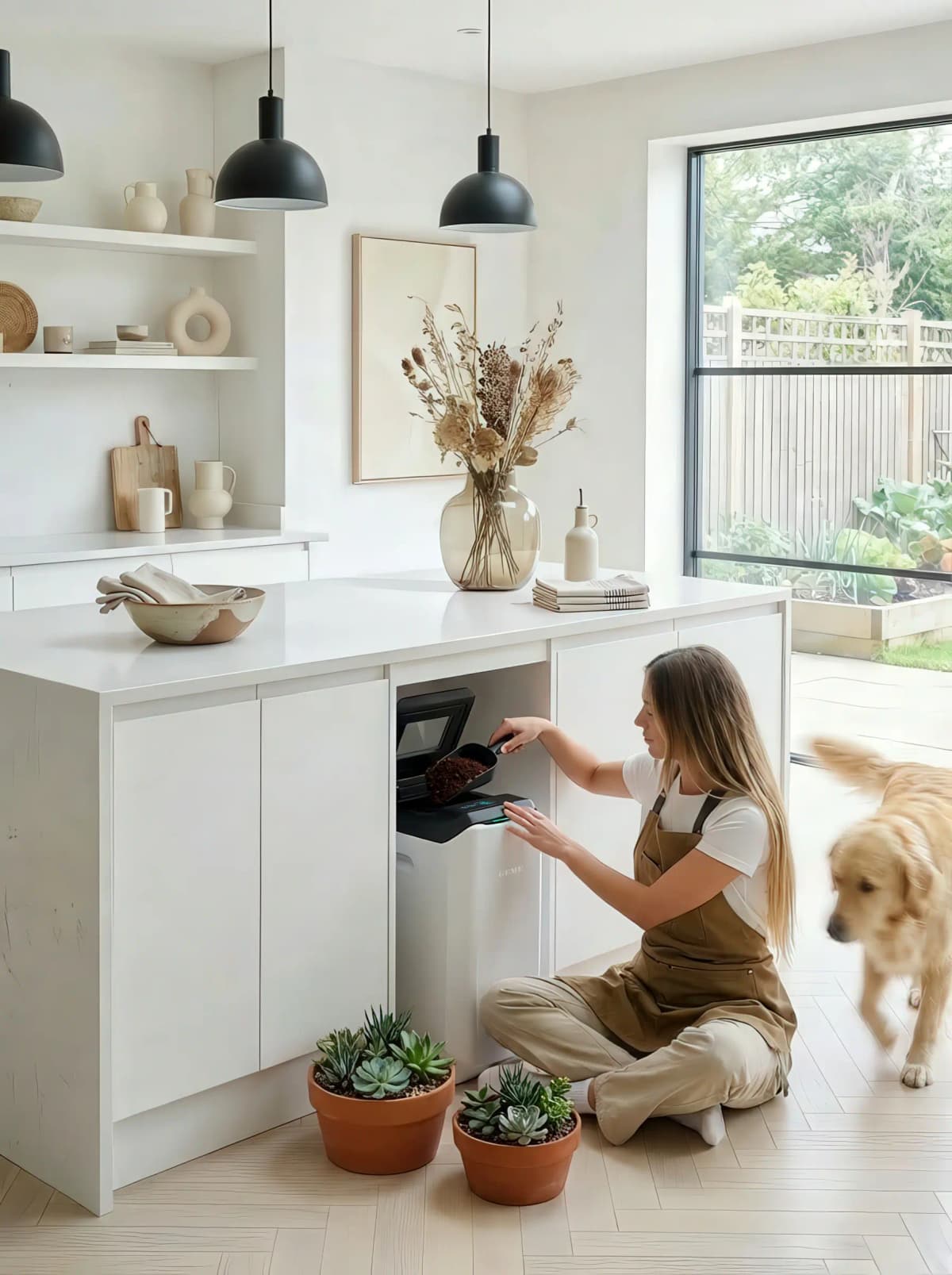
Screen, mix, and use responsibly.
Turn Banana Peels Into Compost for Soil Blending
GEME Terra II supports real microbial composting for appropriate organic kitchen scraps. Use the compost output responsibly: screen large pieces, return unfinished material, and mix with soil before applying near plants.
Terra II for everyday homes. GEME Pro for larger routines.
How to Compost Banana Peels
Banana peels are easy to compost when they are prepared and balanced with other materials. Smaller pieces break down more easily and reduce the chance of clumping.
- Remove stickers and non-compostable labels.
- Cut or tear the peels into smaller pieces.
- Mix peels with other fruit and vegetable scraps.
- Add dry brown materials such as shredded cardboard, dry leaves, or wood chips.
- Avoid piling many peels in one wet clump.
- Keep the composting system aerated and moist, not soggy.
- Allow compost to mature before applying it around plants.
In an outdoor compost pile, cover banana peels with browns to reduce pests and odors. In an indoor composter, follow the product’s current input guidance and avoid stickers, packaging, and excess liquids.
From Bananas to Better Soil: The Bigger Picture
Food waste often begins with good intentions. We buy fresh produce, plan to eat it, and then bananas ripen faster than expected. Better storage helps reduce that waste before it happens.
A better household routine looks like this:
Buy → Store correctly → Eat or freeze → Compost peels and appropriate scraps → Mix finished compost with soil
This is why banana storage connects naturally to composting. The goal is not only to keep bananas fresh longer, but also to give unavoidable organic scraps a better path through composting.
Final Takeaway: Slow Ripening First, Compost Peels Responsibly
The best way to make bananas last longer is to store them based on ripeness. Keep green bananas at room temperature, protect ripe bananas from heat and bruising, move ripe bananas to the fridge, and freeze very ripe bananas before they become waste.
Banana peels and appropriate overripe fruit can be composted responsibly. Remove stickers, cut peels smaller, mix with other compost materials, and use mature compost as a soil amendment rather than treating raw peels as instant fertilizer.
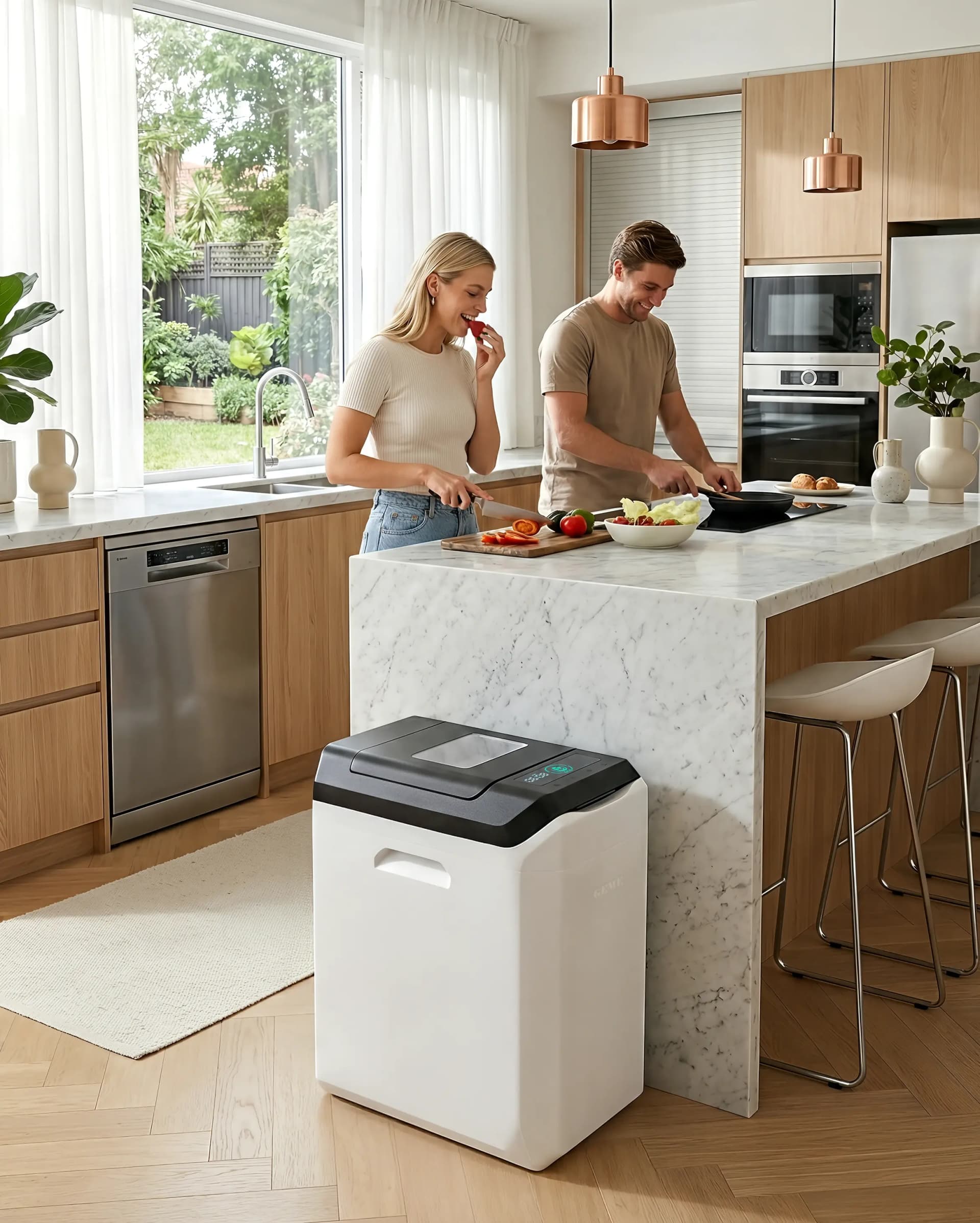
Real microbial composting for modern homes.
Build a Better Food-Waste Routine With GEME
GEME Terra II and GEME Pro help households turn appropriate food scraps into compost for soil blending, with real microbial composting, no filter replacements, and zero recurring filter costs.
Terra II for everyday homes. GEME Pro for larger routines.
FAQ
How long do bananas last on the counter?
Bananas usually last a few days on the counter, depending on how green or ripe they were when purchased, room temperature, bruising, and ethylene exposure.
Do bananas last longer in the fridge?
Yes, ripe bananas can last longer in the fridge. The peel may turn brown or black, but the fruit inside can remain usable for several more days.
Why do bananas turn black in the fridge?
Cold temperatures darken banana peel tissue. This does not automatically mean the fruit inside is spoiled.
Should I refrigerate green bananas?
No. Green bananas should ripen at room temperature. Refrigerating them too early can interrupt ripening and affect quality.
Can you freeze bananas?
Yes. Peel ripe bananas, slice them, freeze the slices in a single layer, then transfer them to an airtight freezer-safe container for smoothies and baking.
Can banana peels be composted?
Yes. Banana peels can be composted as organic kitchen scraps. Remove stickers, cut peels smaller, and mix them with other green and brown compost materials.
Are banana peels good for plants?
Banana peels can contribute organic matter and nutrients after proper composting, but raw peels should not be treated as instant fertilizer. Use mature compost as a soil amendment.
Is GEME Terra II useful for banana peels?
GEME Terra II can help households compost appropriate banana peels and other organic kitchen scraps through real microbial composting. Use the output responsibly by screening large pieces and mixing the compost base with soil before plant use.
Summary
- Counter: bananas usually last several days, depending on ripeness and room conditions.
- Fridge: ripe bananas can stay usable longer, although the peel may darken.
- Freezer: peeled banana slices are best for smoothies, baking, pancakes, and desserts.
- Storage: wrap stems, reduce bruising, avoid heat, and keep bananas away from ethylene-producing fruit.
- Green bananas: keep at room temperature until ripe.
- Banana peels: compostable organic scraps when stickers and packaging are removed.
- Compost use: mature compost should be mixed with soil and used as a soil amendment.
- GEME Terra II: supports real microbial composting for appropriate kitchen scraps, with no filter replacements and compost output for soil blending.
Sources
- University of Nebraska–Lincoln Food — Prolonging the Life of Bananas
- FoodKeeper — Food Storage Guidance
- FDA — Selecting and Serving Produce Safely
- U.S. EPA — Composting
- U.S. EPA — Composting at Home
- GEME — Terra II Product Page
- GEME — How Real Microbial Composting Works
- GEME — Advanced Compost Application Guide

Laat een reactie achter
Deze site wordt beschermd door hCaptcha en het privacybeleid en de servicevoorwaarden van hCaptcha zijn van toepassing.