


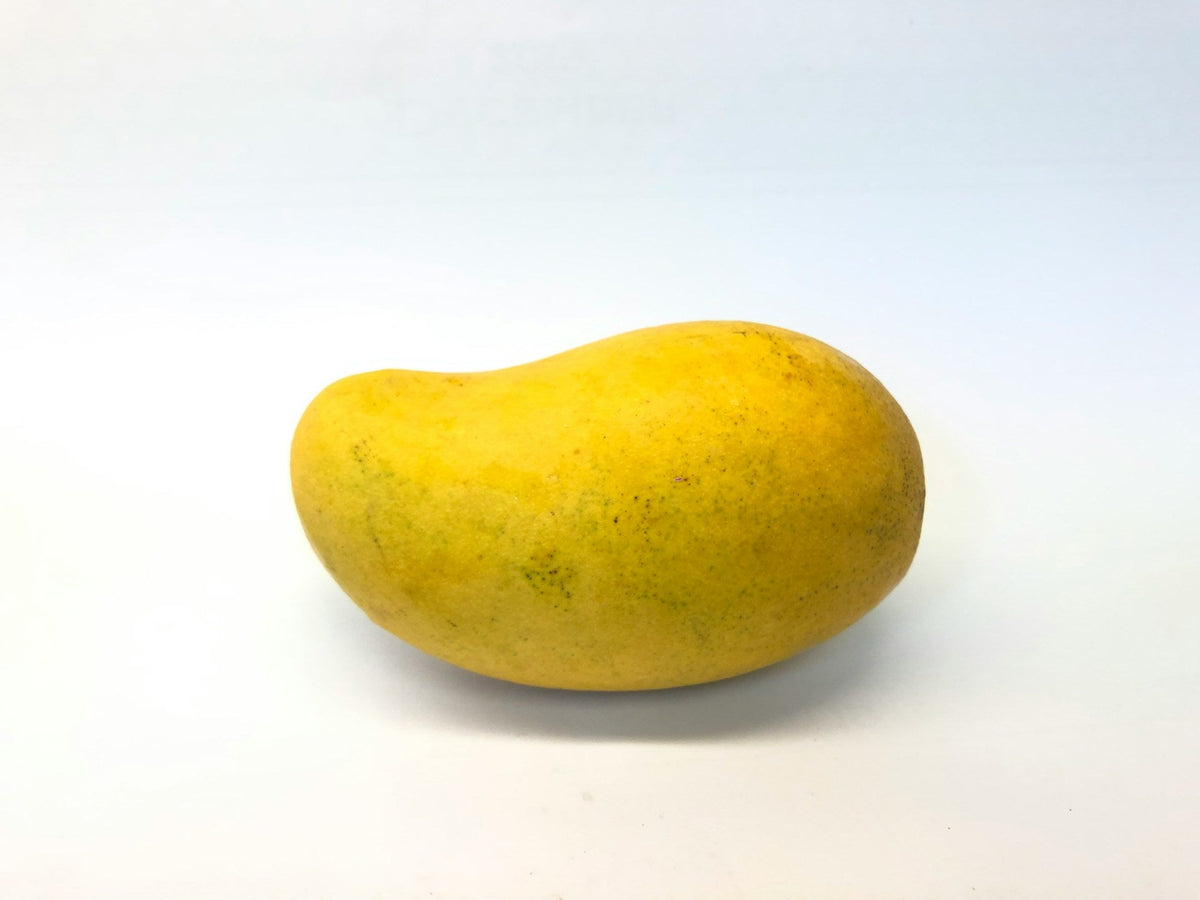
Can You Compost Mango? Flesh, Peels, Pits & Leaves
Yes, mango can go in compost, but its different parts break down at very different speeds. Soft mango flesh decomposes quickly; the tougher peel takes longer, and the large fibrous mango pit can re...
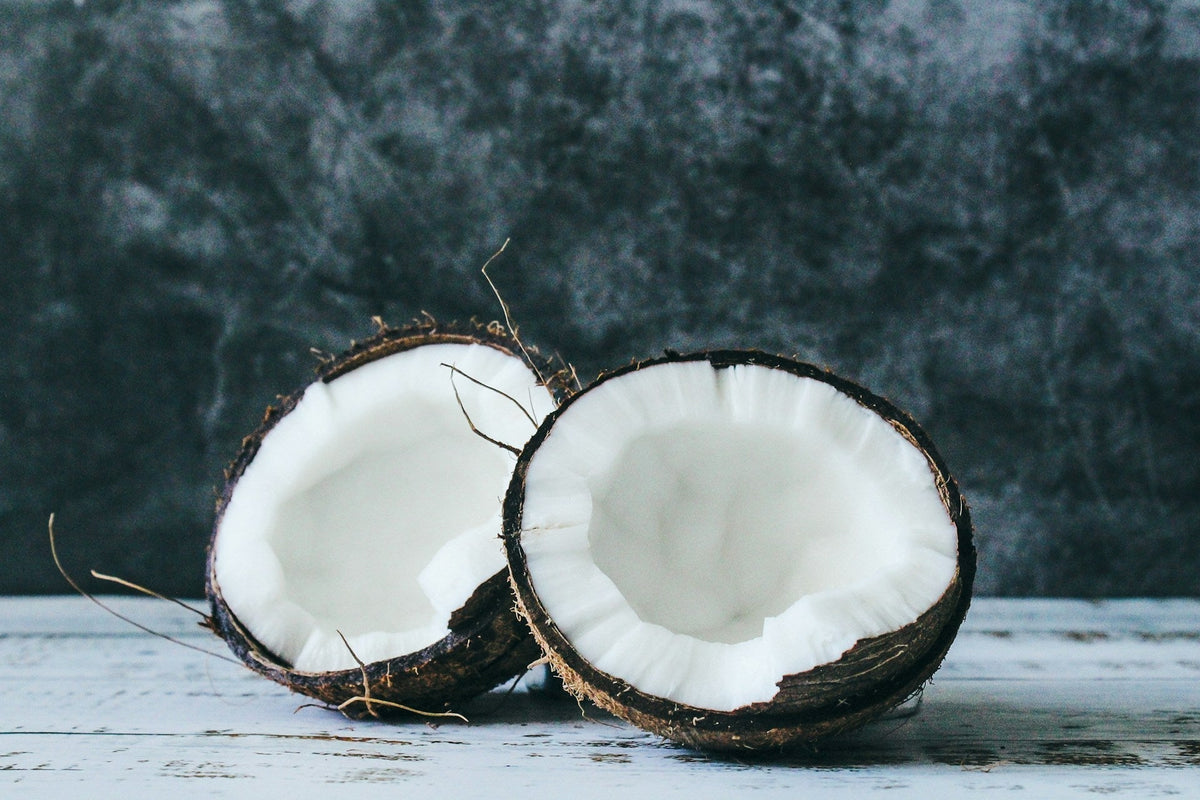
Can You Compost Coconut? Meat, Coir, Shells, Oil & Water
Yes, most solid parts of a coconut can be composted, but they break down at very different speeds. Soft coconut meat is the fastest solid part; fibrous coconut coir and husk take considerably longe...
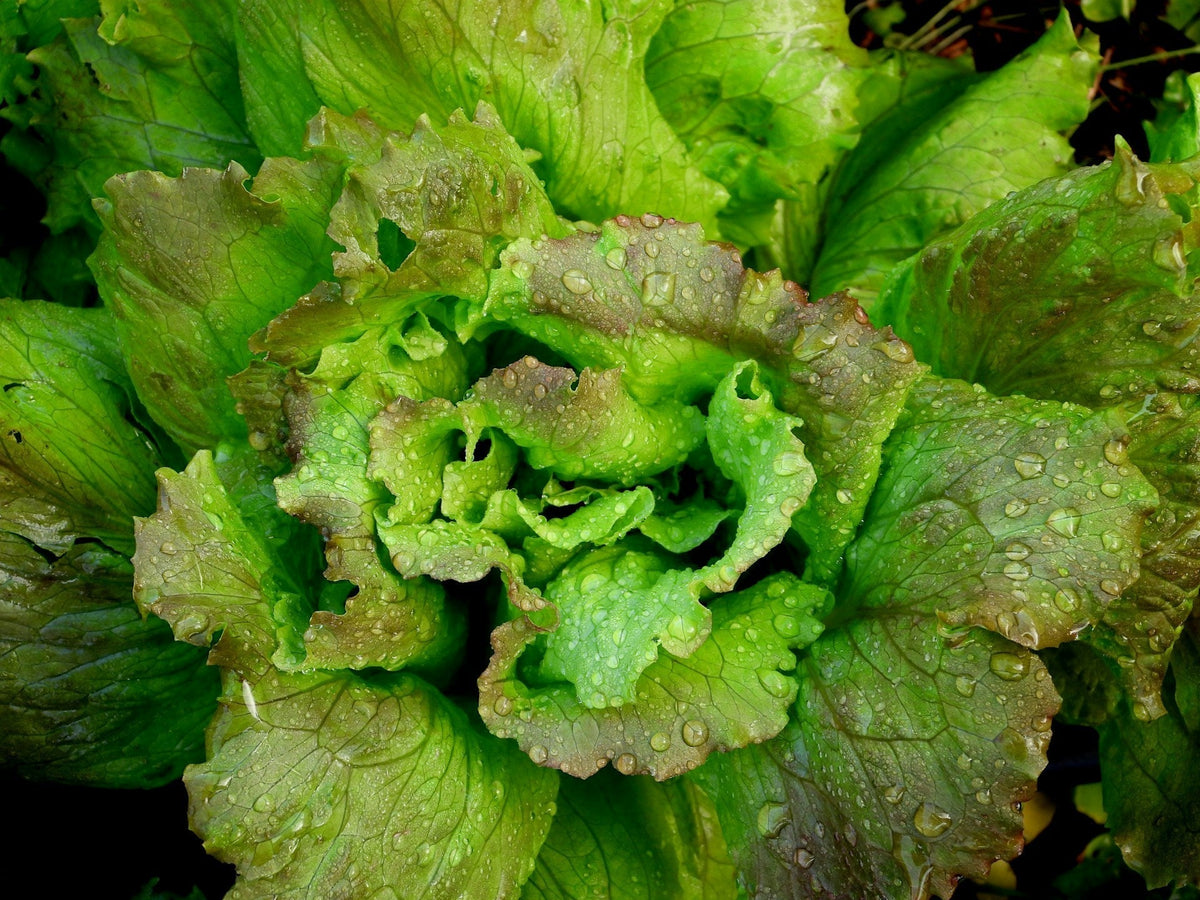
Can You Compost Lettuce? Fresh, Wilted & Salad Scraps
Yes, lettuce can be composted. Soft lettuce leaves break down quickly because they are tender and moisture-rich, while thick ribs and the dense core take a little longer. Loose leaves need almost n...

Can You Compost Lemons? Peel, Pulp & Seeds Explained
Yes, lemons can be composted, but the pulp, peel and seeds do not break down at the same speed. Soft lemon flesh decomposes fastest, the thick citrus peel takes longer, and the protected seeds may ...

Can You Compost Cookies? How Long Do Cookies Last?
Most ordinary baked or homemade cookies can be stored at room temperature for about 2–3 weeks, according to a general USDA guide, although recipe, moisture, fillings and packaging can shorten that ...
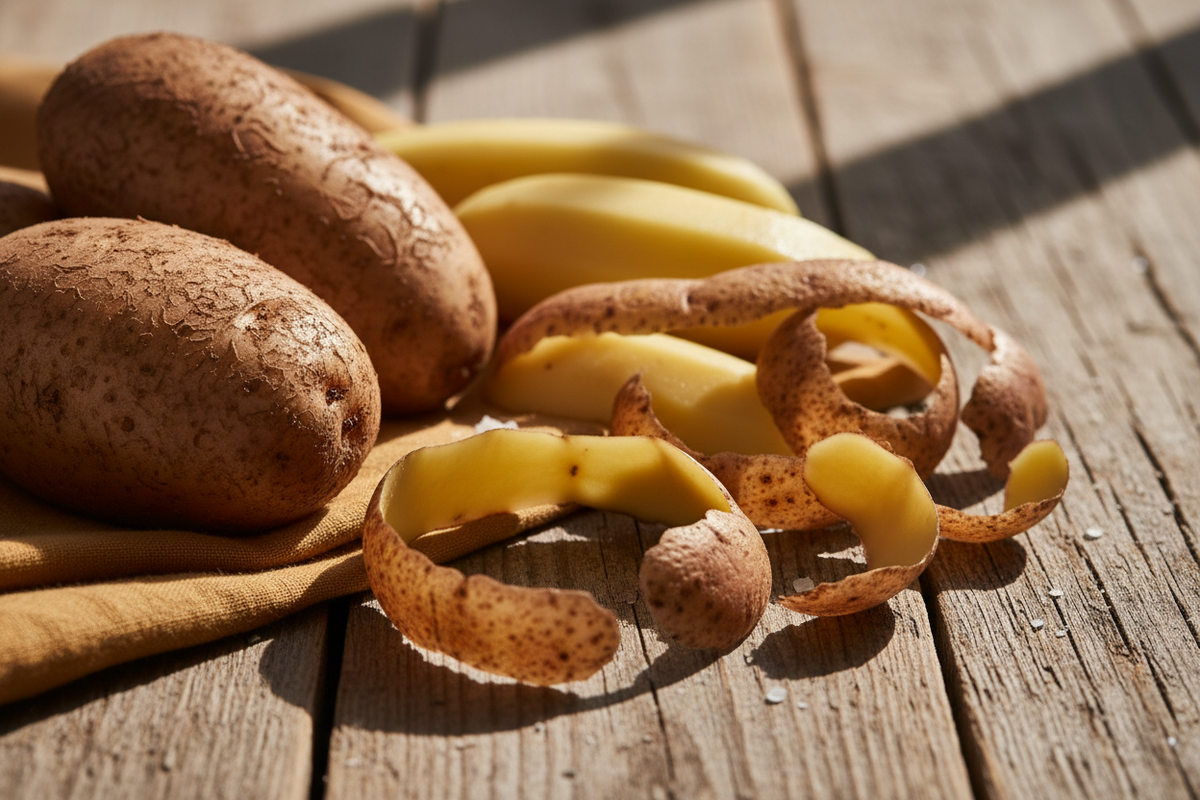
Yes, potato skins, potato peels and ordinary potato scraps can be composted. Fresh, undamaged potato skins can also be eaten and contribute fibre and nutrients, but green, strongly sprouting or bit...
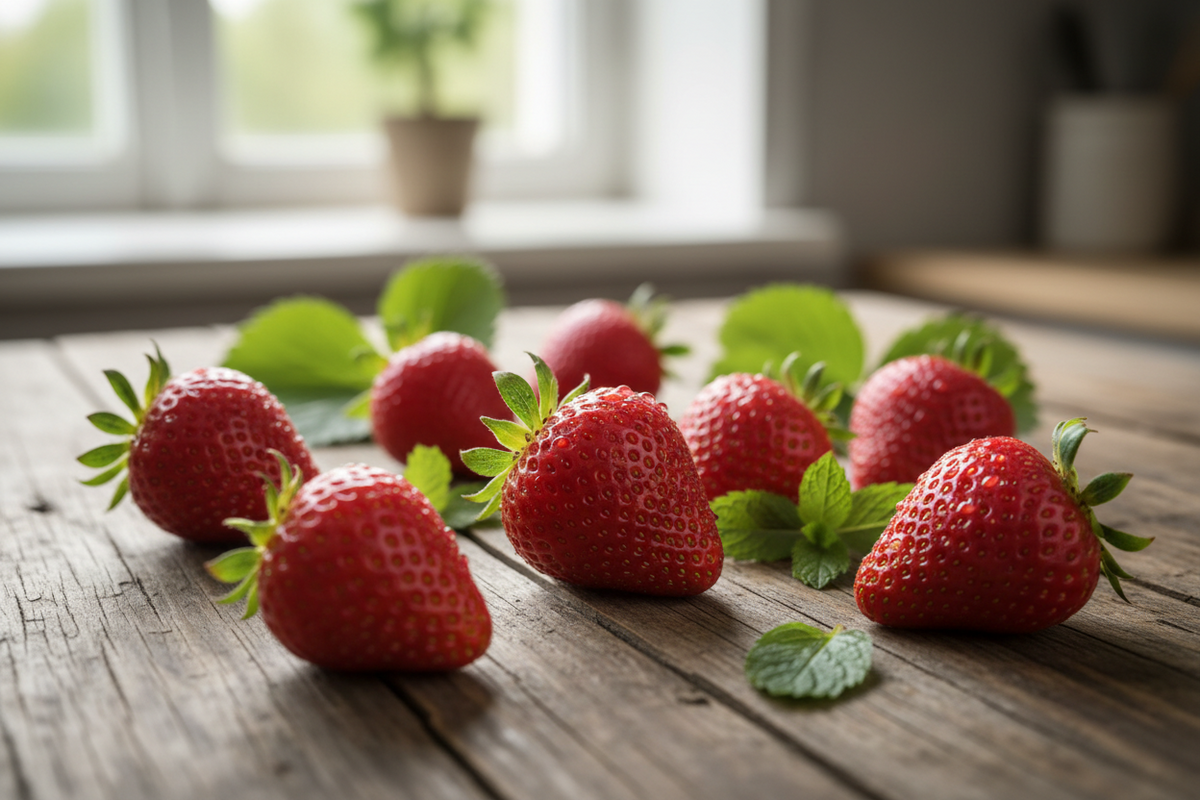
Yes, strawberries can be composted, including ordinary spoiled or moldy berries, strawberry tops, leaves and stems. Strawberries are soft, moisture-rich fruit scraps, so the main issue is not wheth...