


What Can You Compost at Home? Complete Compostable List
What can you compost at home? This practical guide lists fruit and vegetable scraps, coffee grounds, eggshells, green waste, garden trimmings, leaves, paper and other carbon-rich materials. It also...
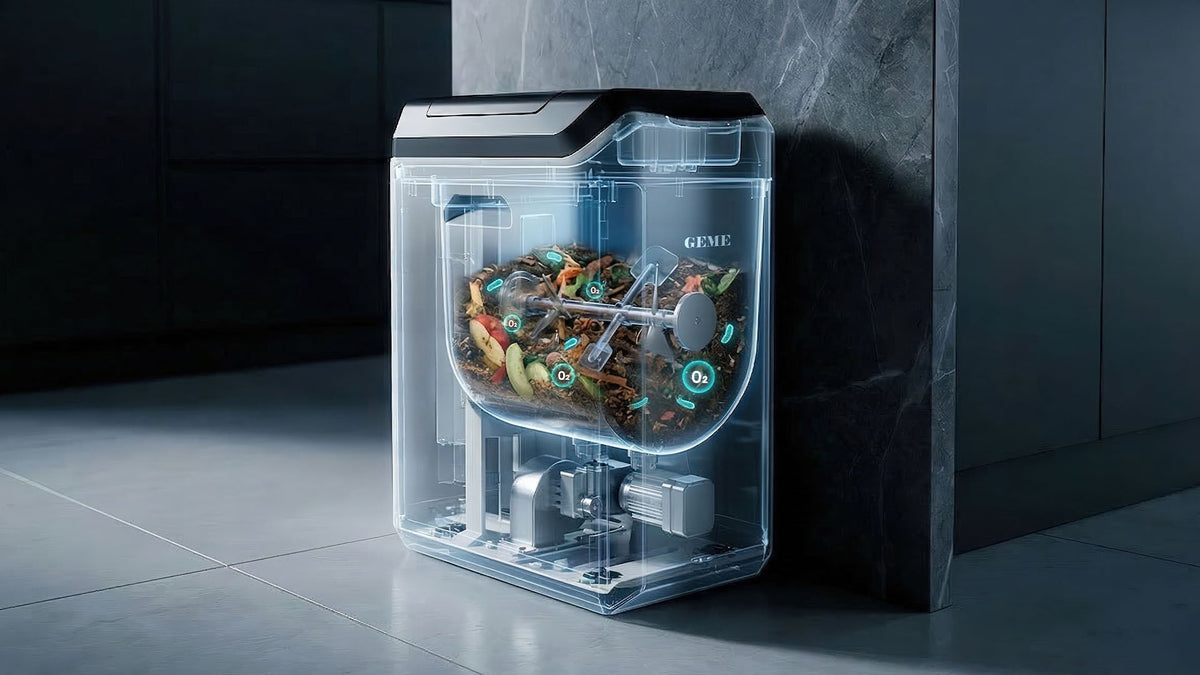
How Does Composting Work? The Science Behind Food Waste Breakdown
Composting is a managed biological process in which microorganisms, including bacteria and fungi, use oxygen and moisture to break organic waste into simpler compounds, release heat, and gradually ...
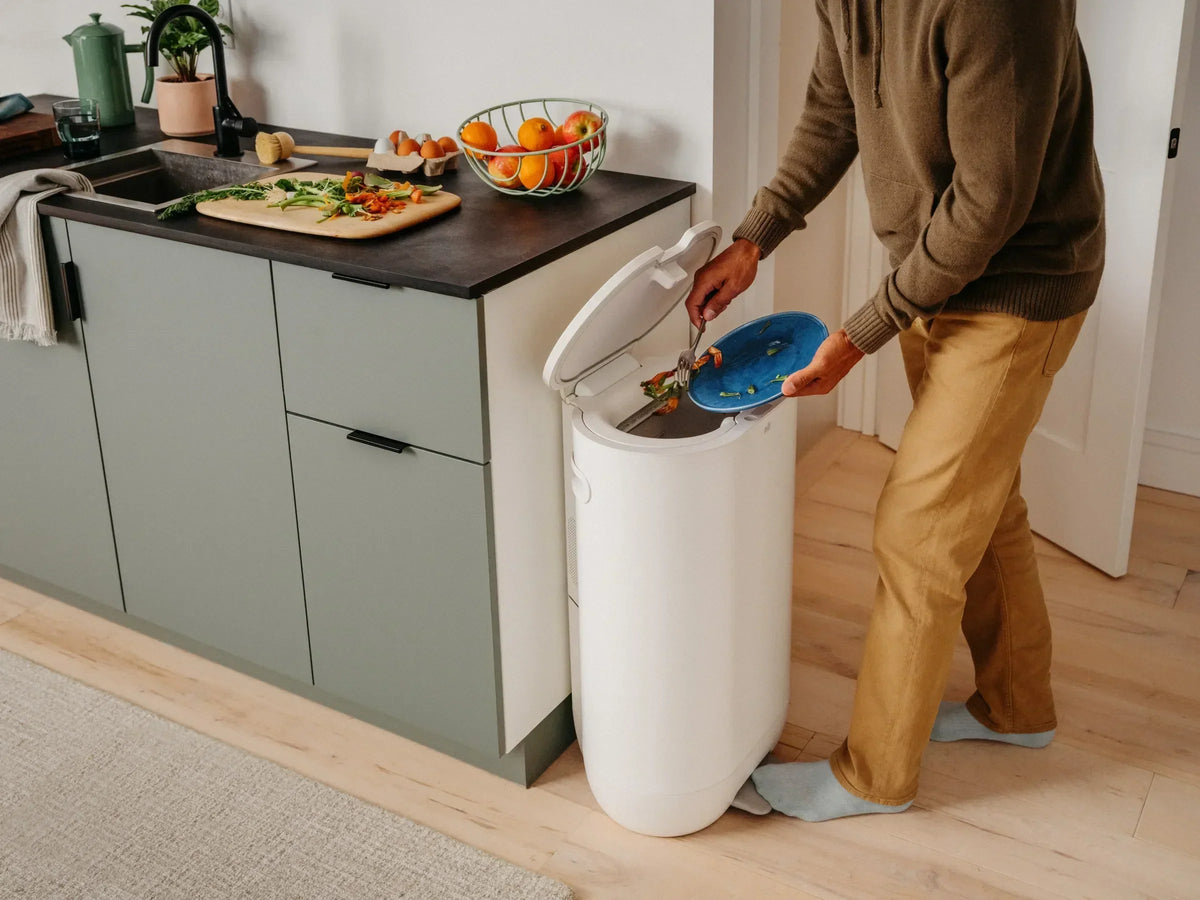
Best Mill Alternative for Real Composting: Mill Food Recycler vs GEME Terra 2
The best Mill alternative depends on whether you want dry Food Grounds or a living composting process. Mill offers highly automated food-scrap drying and grinding, with optional pickup services and...
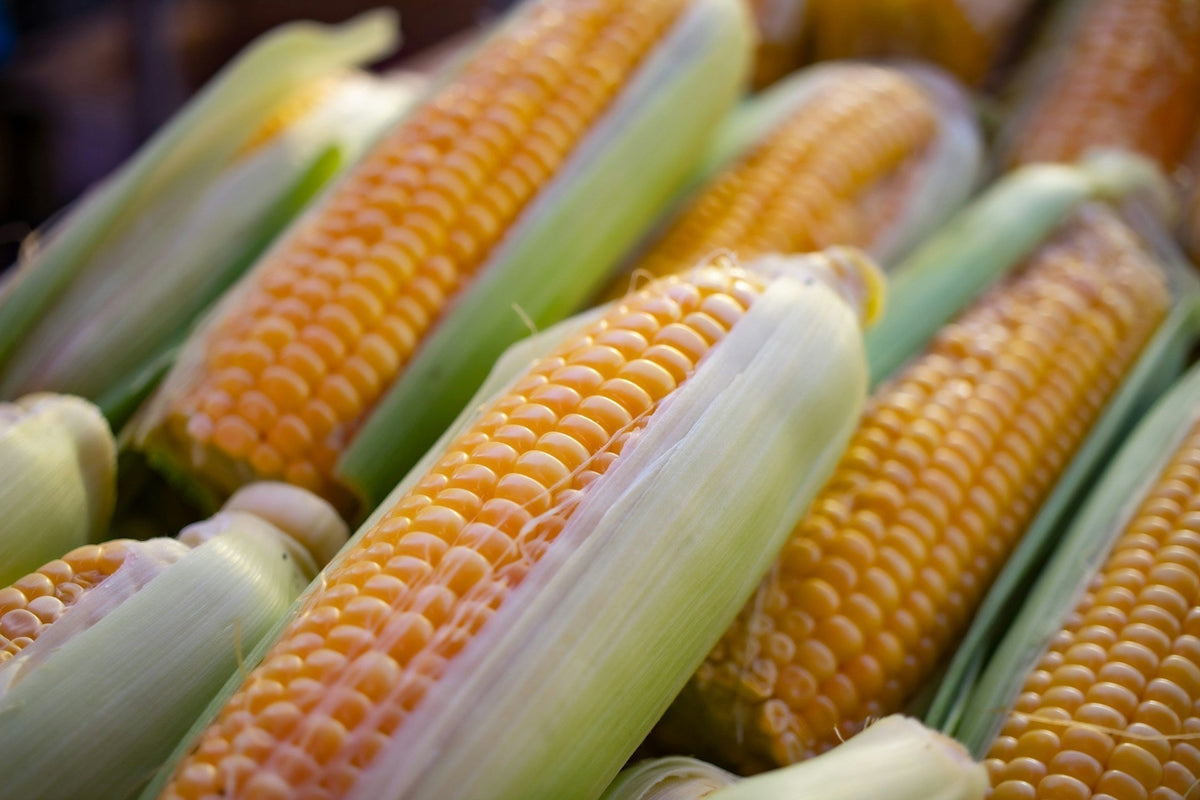
Corn cobs can be composted, but their dense, woody structure means they naturally take much longer to break down than soft food scraps. Cutting them into smaller pieces increases the surface area a...
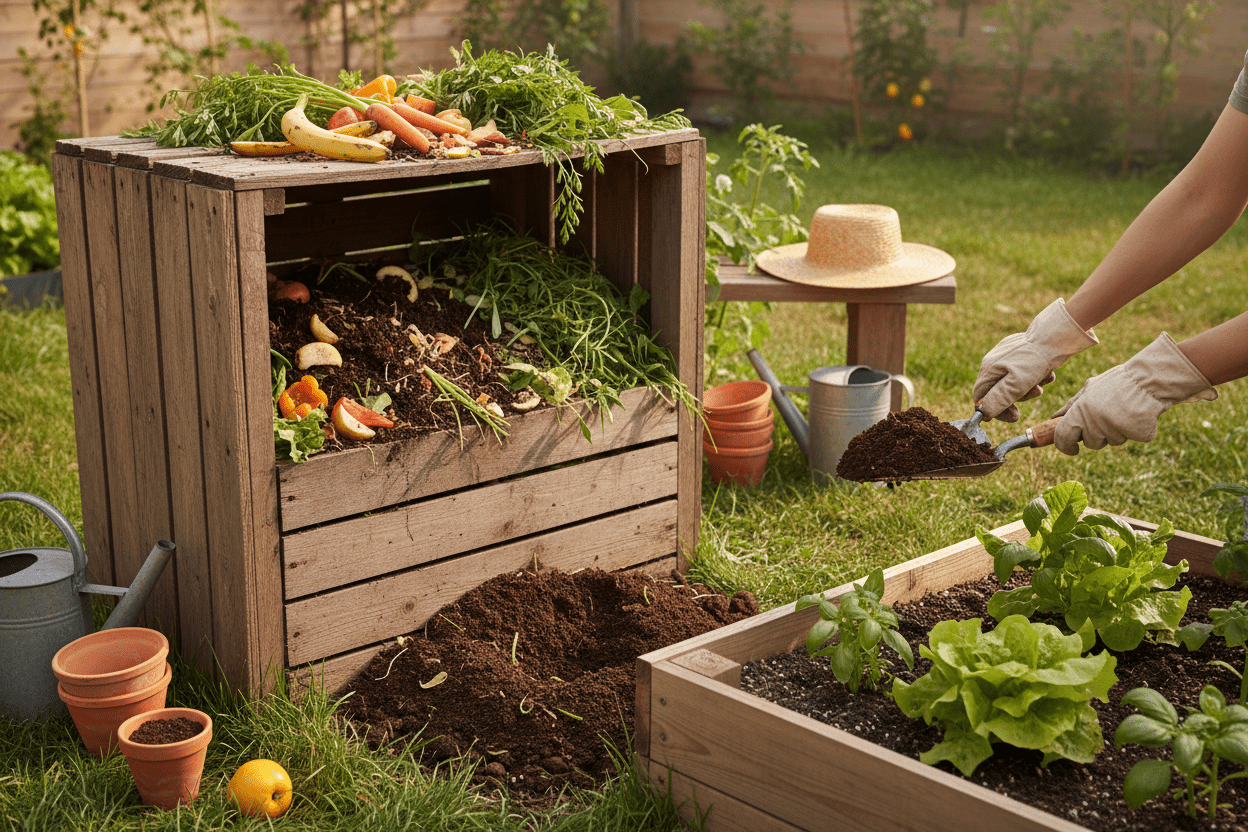
How to Compost at Home: A Complete Composting Guide for 2026
Learn how composting works, which home composting method fits your space, what food scraps you can add, how to prevent odors, when compost is ready, and how to use it safely in soil.
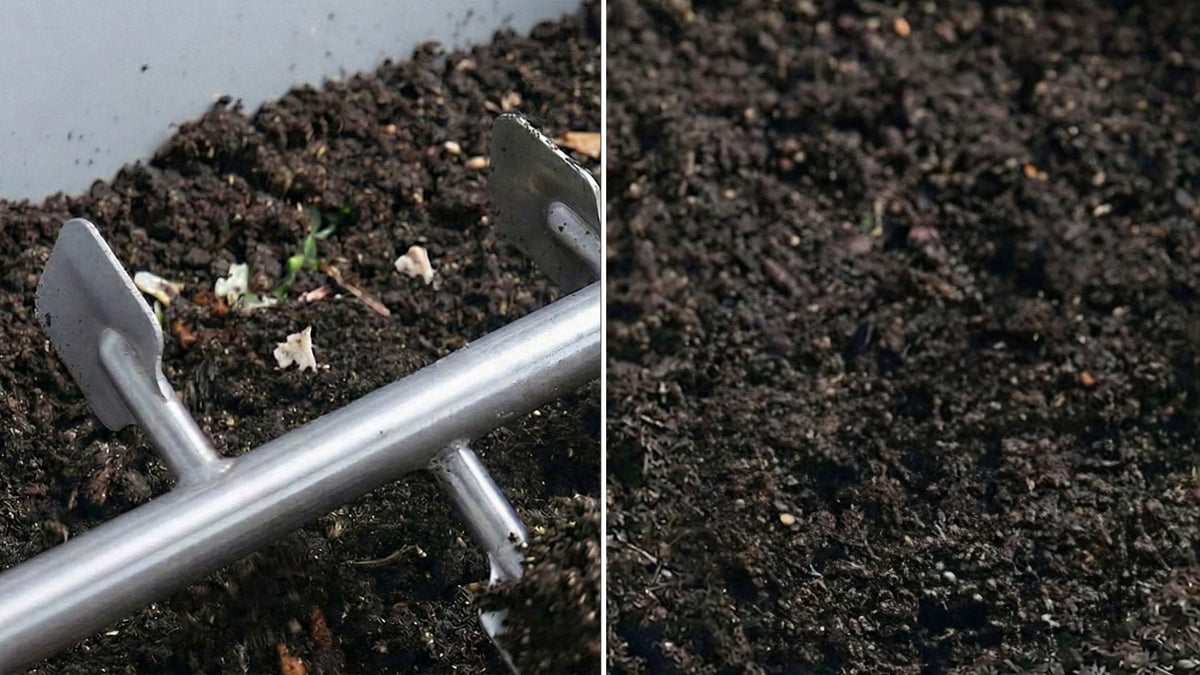
Kitchen Composter vs Food Waste Recycler: What’s the Real Difference?
A kitchen composter and a food waste recycler are often marketed as if they solve the same problem, but they do not always do the same job. This guide explains the difference between real microbial...
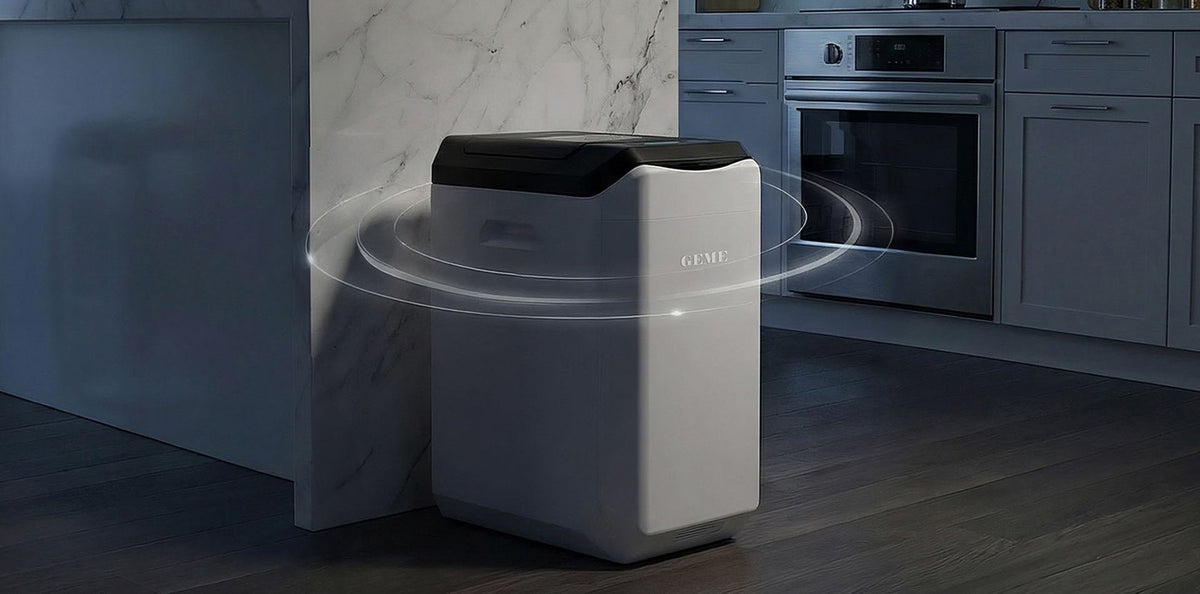
GEME Terra II: The Silent Gearbox
Quiet kitchen appliance design is not only about one decibel number. It is about source, path, and receiver: what creates vibration, how that vibration moves through the structure, and what users a...