


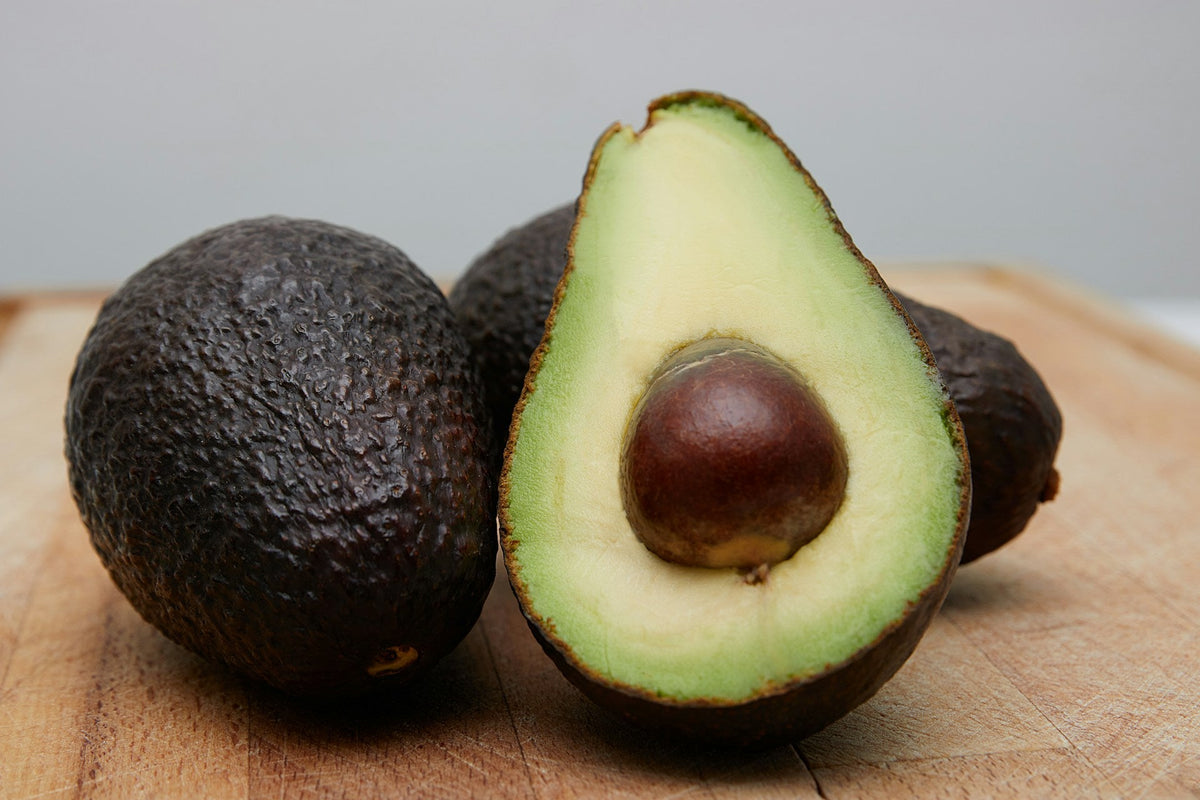
Food Storage · Avocado Ripeness · Waste Reduction
The best way to store an avocado depends on what stage of ripeness it has reached, and whether you want ripening to continue or slow down.
Keep firm avocados at room temperature. If you want them to ripen faster, place them in a paper bag with an apple, banana, or kiwi. Once an avocado reaches the texture you want, refrigeration can slow further softening.
After cutting, reduce air exposure, refrigerate promptly, and plan to use the avocado soon. A brown surface does not automatically mean the avocado has spoiled; freshly cut avocado naturally oxidizes when exposed to oxygen.
If an avocado eventually becomes unavoidable food waste, the disposal route depends on the part: avocado flesh and peel can go into GEME Terra 2 or GEME Pro, while the avocado pit / seed should not be added to GEME.

Quick Answer: How Should You Store Avocados?
| Avocado Stage | Best Place | What to Do | Main Goal |
|---|---|---|---|
| Hard / unripe | Counter | Leave at room temperature | Allow normal ripening |
| Need it ripe faster | Paper bag on counter | Add an apple, banana, or kiwi | Increase ethylene exposure |
| Ripe and ready | Refrigerator | Refrigerate if not eating immediately | Slow further ripening |
| Cut avocado | Refrigerator | Limit air exposure; use lemon/lime juice if desired | Slow browning and quality loss |
| Too many ripe avocados | Freezer | Freeze usable flesh before it spoils | Prevent avoidable food waste |
| Inedible flesh / peel | GEME | Add the organic food material | Biologically process unavoidable scraps |
| Avocado pit / seed | Do not put in GEME | Keep it out of Terra 2 and Pro | Follow GEME's no-seeds input rule |
Counter while firm → refrigerate when ripe → protect cut flesh from air → freeze extras before they spoil → GEME for flesh and peel only, not the avocado pit.
1. Know the Avocado's Ripeness Stage First
Storage starts with one question:
Is the avocado still ripening, or is it already ready to eat?
Avocados continue to ripen after harvest. As ripening progresses, ethylene production increases and the flesh gradually softens.
Little or no give under gentle pressure.
Store: at room temperature.
Beginning to yield slightly.
Store: on the counter if you want more ripening, or refrigerate soon if you need to slow it.
Yields gently without feeling mushy.
Store: eat now or refrigerate.
Check with the palm of your hand rather than repeatedly poking the fruit with fingertips. Repeated fingertip pressure can bruise the flesh.
2. How Should You Store Unripe Avocados?
Leave firm avocados at room temperature.
Cold storage slows the ripening process, so moving a very firm avocado into the refrigerator is usually counterproductive if your goal is to eat it soon.
Depending on how mature the fruit was when purchased, normal room-temperature ripening may take several days.
Check it daily once it begins to soften.
Think of the Counter as the Ripening Zone
Firm avocado → counter → check daily → refrigerate once ripe if you are not ready to eat it.
3. How Can You Ripen an Avocado Faster?
Use a paper bag with another ethylene-producing fruit.
Put the avocado in a paper bag with:
- a banana;
- an apple;
- or a kiwi.
The paper bag helps retain ethylene around the fruit, increasing exposure and accelerating normal ripening.
Check the avocado daily so it does not pass from ready to overripe before you notice.
Should You Microwave an Avocado to Ripen It?
No, not if you want naturally ripened flavor and texture.
Microwaving can soften avocado flesh, but heating is not the same biological process as normal fruit ripening.
Soft is not always the same as ripe. Give the fruit time or use the ethylene-paper-bag method instead.
4. How Should You Store Ripe Avocados?
Refrigerate a ripe avocado if you are not eating it immediately.
Refrigeration slows further softening and can extend the usable window.
Think of a ripe avocado as a short-term refrigerator item rather than something to store indefinitely.
Ripe Means “Use Soon”
Move it into the refrigerator, keep it visible, and plan it into the next few meals.
An Eat First area in the refrigerator helps prevent ripe avocados from disappearing behind condiments and becoming waste.
5. How Do You Store a Cut Avocado?
Once an avocado is cut, its exposed flesh reacts with oxygen and begins to brown.
To slow that quality loss:
- apply lemon or lime juice to the exposed flesh if desired;
- limit air contact with tight wrap or an airtight container;
- refrigerate promptly;
- use it soon.
Acid Helps With Browning, Not With Storage Safety
Lemon or lime juice can slow oxidation, but the cut fruit still belongs in the refrigerator.
Wash the Avocado Before Cutting It
The peel is usually not eaten, but the knife passes through the outside surface before entering the edible flesh.
Wash the whole fruit under running water before cutting.

6. Does Brown Avocado Mean It Has Gone Bad?
No, not by itself.
Cut avocado naturally develops brown pigments after exposure to oxygen.
This is oxidation.
Brown Does Not Automatically Mean Spoiled
If a recently cut avocado was refrigerated correctly and only the exposed surface has browned, the color change alone is not a reason to throw away the entire fruit.
Judge the avocado using the full picture:
- storage history;
- how long it has been cut;
- texture;
- odor;
- visible mold;
- and the overall condition of the flesh.
Oxidation and spoilage are not the same process.
7. Does Leaving the Avocado Pit in Stop Browning?
Only where the pit physically covers the flesh.
The pit blocks oxygen from reaching the portion directly beneath it.
It does not prevent oxidation across the rest of the exposed surface.
A better strategy is to:
- reduce exposed surface area;
- apply lemon or lime juice if desired;
- seal tightly;
- refrigerate.
The pit helps by blocking air locally, not because it releases a special anti-browning substance.
8. Can You Freeze Avocados?
Yes.
If several avocados become ripe at the same time, freezing usable flesh is far better than waiting for it to become waste.
Avocado works especially well frozen as:
- mashed avocado;
- puree;
- portions for smoothies;
- future guacamole;
- sauces;
- dressings.
Adding a small amount of lemon or lime juice can help preserve color.
Freeze While It Is Still Good
Freezing is a food-preservation step, not a rescue step for spoiled fruit. If you know you cannot finish ripe avocados, freeze the edible portion before quality collapses.
9. How Do You Buy Avocados Without Wasting Them?
A common waste pattern begins at the store:
buying several avocados at exactly the same stage of ripeness.
They then all become ready on the same day.
A better approach is to create a ripeness ladder:
One ripe avocado for today's or tomorrow's meal.
One or two fruits that will ripen next.
Fruit for later in the week.
This spreads the usable window instead of creating four ripe avocados at once.
The broader waste-prevention sequence is: plan → store → eat → repurpose → freeze → compost unavoidable scraps.
10. Can You Compost Avocados?
Yes, but the answer depends on which part of the avocado and which composting system you are using.
| Avocado Part | Organic / Biodegradable? | Backyard Compost | GEME Terra 2 / Pro |
|---|---|---|---|
| Flesh | Yes | Yes | Yes |
| Peel / skin | Yes | Yes; slower than soft flesh | Yes |
| Pit / seed | Yes | Can decompose extremely slowly | No, do not add |
| Overripe or spoiled flesh | Yes | Yes | Yes |
The important distinction is that biodegradable does not automatically mean approved for every composting appliance.
An avocado pit is organic plant material, but GEME's current Quick Reference places seeds in the NO category.
11. Which Avocado Parts Can Go Into GEME?
Avocado Flesh: Yes
Unused, overripe, or spoiled avocado flesh can go into GEME Terra 2 or GEME Pro once it genuinely becomes food waste.
No special preparation is required for ordinary avocado flesh.
Avocado Peel: Yes
Avocado peel can also be added to GEME.
Like other tougher fruit peels, it may decompose more slowly than soft fruit flesh.
Peel is acceptable input; slower does not mean prohibited.
Avocado Pit / Seed: No
The avocado pit belongs to GEME's NO — Seeds category.
Do not put a whole avocado pit into Terra 2 or GEME Pro.
And do not interpret the general instruction to cut large food waste into pieces smaller than 4 cm as permission to add a prohibited seed.
The size-preparation rule applies to acceptable inputs; it does not override the NO list.
What If the Avocado Is Overripe?
First ask whether it can still be used as food.
A very soft avocado may still work in:
- guacamole;
- toast;
- smoothies;
- dressings;
- sauces;
- baking.
If it genuinely becomes unsuitable or unwanted as food, the flesh and peel can go into GEME.
Remove the pit and keep it out of the machine.
What If the Avocado Has Turned Brown?
Do not automatically compost it just because the exposed surface is brown.
If it is still usable food, use it.
If it has genuinely become food waste:
Flesh + peel → GEME. Pit / seed → keep out.
Why GEME Is Useful for Everyday Fruit Waste
Traditional backyard compost can handle avocado scraps if you have outdoor space, carbon material, and time.
GEME creates a different daily workflow:
Suitable fruit scraps can move directly from the kitchen into an established continuous microbial environment.
Terra 2 and GEME Pro use GEMEBrain™ to manage airflow, moisture-related conditions, warmth, and mixing, while PermaFilter™ provides odor treatment without routine disposable activated-carbon filter replacement.
For the broader material guide, see What Can You Compost at Home?.
12. The Avocado Waste-Reduction Decision Tree
Hard avocado?
Leave it on the counter.
Need it sooner?
Use a paper bag with an apple, banana, or kiwi.
Ripe but not eating today?
Refrigerate it.
Already cut?
Limit oxygen exposure, refrigerate, and use soon.
Several ripe at once?
Freeze the edible flesh you will not realistically use.
Surface turned brown?
Do not confuse oxidation with automatic spoilage.
Flesh or peel genuinely became waste?
They can go into GEME.
Avocado pit / seed?
Keep it out of GEME Terra 2 and GEME Pro.
Use More of the Avocado, and Compost Only the Parts GEME Accepts.
Keep firm avocados on the counter. Refrigerate them once ripe. Protect cut flesh from oxygen. Freeze surplus before it becomes waste.
When unavoidable avocado scraps remain, the flesh and peel can go directly into GEME's continuous microbial process.
The pit is different: GEME's input guide classifies seeds as NO, so remove the avocado pit and keep it out of Terra 2 and GEME Pro.
Frequently Asked Questions
How should you store avocados?
Keep firm, unripe avocados at room temperature until they ripen. Once ripe, refrigerate them if you are not eating them immediately. Cut avocado should be tightly covered or placed in an airtight container and refrigerated.
Should avocados be refrigerated?
Refrigerate avocados once they are ripe if you want to slow further softening. Firm unripe avocados are generally better left at room temperature to continue ripening.
How do you ripen an avocado faster?
Place it in a paper bag at room temperature with an apple, banana, or kiwi. These fruits release ethylene that can accelerate avocado ripening.
How do you keep cut avocado from turning brown?
Limit oxygen exposure with tight wrapping or an airtight container, use lemon or lime juice if desired, and refrigerate promptly.
Does a brown avocado mean it is spoiled?
No. A recently cut avocado can turn brown because of oxidation. Storage history, texture, odor, mold, and overall condition are more useful than color alone when deciding whether the fruit is still usable.
Does leaving the pit in prevent avocado from browning?
Only where the pit physically blocks oxygen from reaching the flesh. It does not protect the rest of the exposed avocado from oxidation.
Can you freeze avocado?
Yes. Freezing ripe avocado flesh before it spoils is useful for future guacamole, smoothies, sauces, dressings, and similar uses.
Can you compost avocado?
Yes. Avocado flesh, peel, and pits are biodegradable organic material, but different composting systems have different input rules.
Can avocado flesh go into GEME?
Yes. Avocado flesh that genuinely becomes food waste can go into GEME Terra 2 and GEME Pro.
Can avocado peels go into GEME?
Yes. Avocado peel can go into GEME. Tough fruit peels may break down more slowly than soft fruit flesh, but they are acceptable inputs.
Can avocado pits go into GEME?
No. GEME's Quick Reference places seeds in the NO category, illustrated with an avocado pit. The avocado pit should therefore be kept out of Terra 2 and GEME Pro.
Can I break an avocado pit into pieces and put it into GEME?
No. GEME's instruction to cut large acceptable food waste into smaller pieces does not override the NO category for seeds. Avocado pits should not be added even after size reduction.
Can an overripe avocado go into GEME?
Yes. If the flesh and peel genuinely become unavoidable food waste, they can go into GEME. Remove the pit first and keep it out of the machine.
Can a brown avocado go into GEME?
Yes, if it has genuinely become food waste, but browning alone does not automatically mean the avocado should be discarded because cut avocado naturally oxidizes.
What parts of an avocado can go into GEME?
The flesh and peel can go into GEME Terra 2 and GEME Pro. The avocado pit or seed should not be added.
Sources
- California Avocado Commission — California Avocado How-to Guide
- California Avocado Commission — How to Choose and Use an Avocado
- California Avocado Commission — Preventing a Cut Avocado From Browning
- Penn State Extension — Preserving Tropical Fruits
- FDA — Microbiological Surveillance Sampling of Whole Fresh Avocados
- GEME — Food Storage Guide
- GEME — How to Organize Your Fridge to Reduce Food Waste
- GEME — What Can You Compost at Home?



Zostaw komentarz
Wszystkie komentarze są moderowane przed opublikowaniem.
Ta strona jest chroniona przez hCaptcha i obowiązują na niej Polityka prywatności i Warunki korzystania z usługi serwisu hCaptcha.