


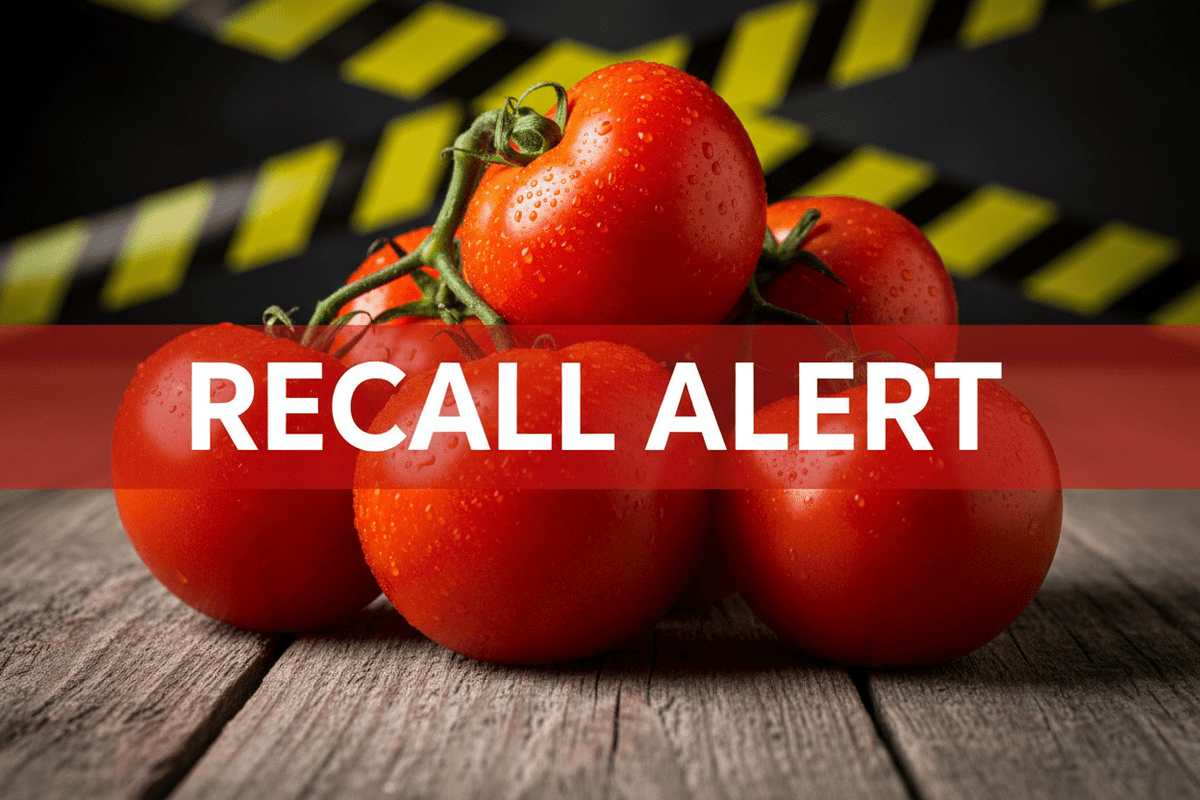
Tomato Recall Status Checked July 22, 2026
Fresh tomatoes in the United States are generally safe to eat right now when they are fresh, properly handled, and not included in a specific recall. In the latest check, no current FDA-published recall specifically covering fresh tomatoes was identified.
The tomato-related pantry check worth making is different: three varieties of First & Last tomato-based pasta sauce in 26 FL OZ jars marked Use By 09/26 were recalled because of a possible Clostridium botulinum hazard.
The recall applies to the specific packaged sauces listed below — not to all fresh tomatoes.
No current FDA-published fresh tomato recall identified. Check the First & Last tomato sauces marked "Use By 09/26".
Are Tomatoes Safe to Eat Now?
Yes, fresh tomatoes are generally safe to eat when they are not part of a specific recall, are intact, have been handled safely, and are washed under running water before cutting or eating.
The current tomato-related recall to check is not a fresh tomato recall. It is a recall of three First & Last tomato-based pasta sauces in 26-fluid-ounce jars marked Use By 09/26. If you have one of the affected jars, do not open, taste, or eat it. Return it to the place of purchase.
For ordinary fresh tomatoes, rinse under running water before cutting or eating, refrigerate cut tomatoes promptly, and discard tomatoes exposed to floodwater, sewage, fuel, chemicals, or severe spoilage.
Related reading: tomato recall and Salmonella background, produce recall and garden safety, and what can go into an electric composter.
Latest Tomato Recall Status
Fresh Tomatoes
No current FDA-published fresh tomato recall identified in this check.
Status checked July 22, 2026. Recheck FDA and local health notices before publication updates.
Packaged Tomato Sauce
Check the First & Last sauces marked "Use By 09/26".
Three recalled tomato-based pasta sauces may pose a botulism hazard.
Current Safety Rule
Recall status is product-specific.
Match brand, product name, jar size, date code, location, and FDA notice before deciding what to do.
Which Tomato Products Are Recalled?
First and Last Bakery, LLC recalled three First & Last tomato-based pasta sauces because the products were manufactured without an approved scheduled process or equivalent evaluation confirming that the process adequately controlled the risk of Clostridium botulinum.
| Brand | Recalled Product | Package | Use By | Action |
|---|---|---|---|---|
| First & Last | Original Marinara Sauce, Tomato & Basil | 26 FL OZ jar | 09/26 | Do not eat; return to store. |
| First & Last | Original Traditional Pasta Sauce, Meat Flavored | 26 FL OZ jar | 09/26 | Do not eat; return to store. |
| First & Last | Original Puttanesca Sauce, Mildly Hot & Spicy | 26 FL OZ jar | 09/26 | Do not eat; return to store. |
The affected sauces were distributed in Connecticut and Massachusetts through Big Y and potentially other retailers, with distribution beginning September 22, 2025 and continuing through October 28, 2025.
What Should You Do With a Recalled Jar?
- Do not open, taste, or eat the sauce.
- Do not rely on smell, appearance, bubbling, lid condition, or jar seal to decide whether it is safe.
- Return the affected jar to the place of purchase for a refund.
- Keep recalled sauce out of home compost intended for edible crops.
- Clean any surfaces that came into contact with leaking sauce or broken glass.
To understand how a fresh-produce Salmonella recall is traced by supplier, lot, and distribution area, read GEME’s tomato recall and Salmonella background guide.
When to Seek Medical Attention
Botulism is a potentially fatal form of food poisoning. Seek immediate medical attention after possible exposure if symptoms include:
- Double or blurred vision
- Difficulty speaking or swallowing
- General weakness or dizziness
- Difficulty breathing
- Weakness in other muscles
- Abdominal swelling or constipation
Are the Fresh Tomatoes in Your Kitchen Safe?
Fresh tomatoes that are not included in a recall can generally be eaten when they are intact, have been stored safely, and show no signs of serious spoilage or environmental contamination.
| Condition | What to Do | Why |
|---|---|---|
| Fresh, intact, and not recalled | Rinse under running water before eating, cooking, or cutting. | Normal produce handling reduces dirt and some surface contamination. |
| Small bruise, otherwise firm | Wash the tomato and cut away the damaged portion. | Minor physical damage does not always mean the entire tomato is spoiled. |
| Moldy, leaking, badly softened, or rotten | Do not eat it. Discard it or compost it only as normal household spoilage. | Extensive spoilage indicates significant quality and microbial breakdown. |
| Exposed to floodwater or sewage | Do not eat or compost it for edible crops. | Floodwater may contain pathogens, sewage, fuel, and chemicals. |
| Cut and left unrefrigerated too long | Discard it when it has been out for more than two hours or timing is uncertain. | Cut tomatoes need appropriate time and temperature control. |
The same basic principle applies to other recalled produce. GEME’s cucumber recall and vegetable-garden safety guide explains why recalled produce should be separated from ordinary garden compost.
Table of Contents
- Latest Tomato Recall Status
- Affected Tomato Products
- When to Seek Medical Attention
- Are Fresh Tomatoes Safe?
- How to Wash and Store Tomatoes
- Tomatoes and Pesticide Rankings
- How to Grow Tomatoes at Home
- How to Use Compost for Tomatoes
- Can You Compost Spoiled Tomatoes?
- Frequently Asked Questions
- Bottom Line
- Sources
- Related Articles
How to Wash and Store Tomatoes Safely
Washing cannot make recalled produce safe, but it is an important step for fresh tomatoes that are not affected by a recall.
Wash Tomatoes Before Cutting
- Wash your hands before handling the tomatoes.
- Rinse the whole tomato under clean running water.
- Gently rub its surface with your hands.
- Dry it with a clean cloth or paper towel.
- Use a clean knife and cutting board.
Wash the tomato before cutting it. A knife can carry contamination from the outer surface into the flesh.
Do Not Use Soap or Bleach
Do not wash tomatoes with soap, detergent, bleach, disinfectant, or household cleaning products. These products are not designed for use on food and may leave harmful residues.
Refrigerate Cut Tomatoes
Whole tomatoes are commonly kept at room temperature for flavor and texture. Once a tomato has been cut, peeled, cooked, or included in a prepared dish, refrigerate it promptly.
- Refrigerate cut tomatoes within two hours.
- Use a clean, covered container.
- Keep tomatoes away from raw meat, poultry, seafood, and their juices.
- Discard cut tomatoes when their time or temperature history is uncertain.
Are Tomatoes on the 2026 Dirty Dozen List?
No. Tomatoes are not included in EWG’s 2026 Dirty Dozen top 12. Cherry tomatoes appear in EWG’s broader full-list data, but not in the Dirty Dozen ranking itself.
A pesticide-residue ranking answers a different question from a food recall. It does not indicate whether tomatoes are linked to an active outbreak, and it does not replace FDA recall information.
Whether tomatoes are conventionally grown, organically grown, or harvested at home, rinse them under running water before eating or cutting.
How to Grow Tomatoes at Home
Growing tomatoes at home gives you more control over soil, water, compost, pest management, harvest timing, and kitchen handling. It does not guarantee zero risk, but it makes the growing process easier to understand and manage.
1. Choose the Right Variety
Compact, patio, cherry, and determinate tomato varieties are usually easier to manage in containers. Indeterminate tomatoes continue growing throughout the season and require more space and stronger support.
2. Provide Enough Sunlight
Choose a location with strong direct sunlight for most of the day. Good airflow around the plant can also reduce moisture-related foliage problems.
3. Start With Well-Drained Soil
Tomatoes perform best in fertile, well-drained soil. Compost improves organic matter and soil structure, but compost and garden soil are not interchangeable. See the practical differences in Garden Soil vs Compost before preparing a bed or container.
4. Add Compost Without Replacing the Soil
Blend compost into a balanced garden soil or potting mix. Do not fill an entire tomato container with concentrated compost, because roots also need appropriate structure, drainage, and aeration.
5. Plant Deeply and Add Support
Tomato seedlings can be planted deeper than they sat in their nursery container because the buried portion of the stem can form additional roots. Install a stake, cage, or trellis early to avoid damaging established roots later.
6. Water Consistently
Water the soil around the plant rather than repeatedly wetting the foliage. Keep moisture reasonably consistent and avoid severe drying followed by heavy overwatering.
7. Harvest and Wash
Harvest with clean hands or tools, avoid placing fruit on contaminated surfaces, and rinse homegrown tomatoes under running water before eating or cutting them.
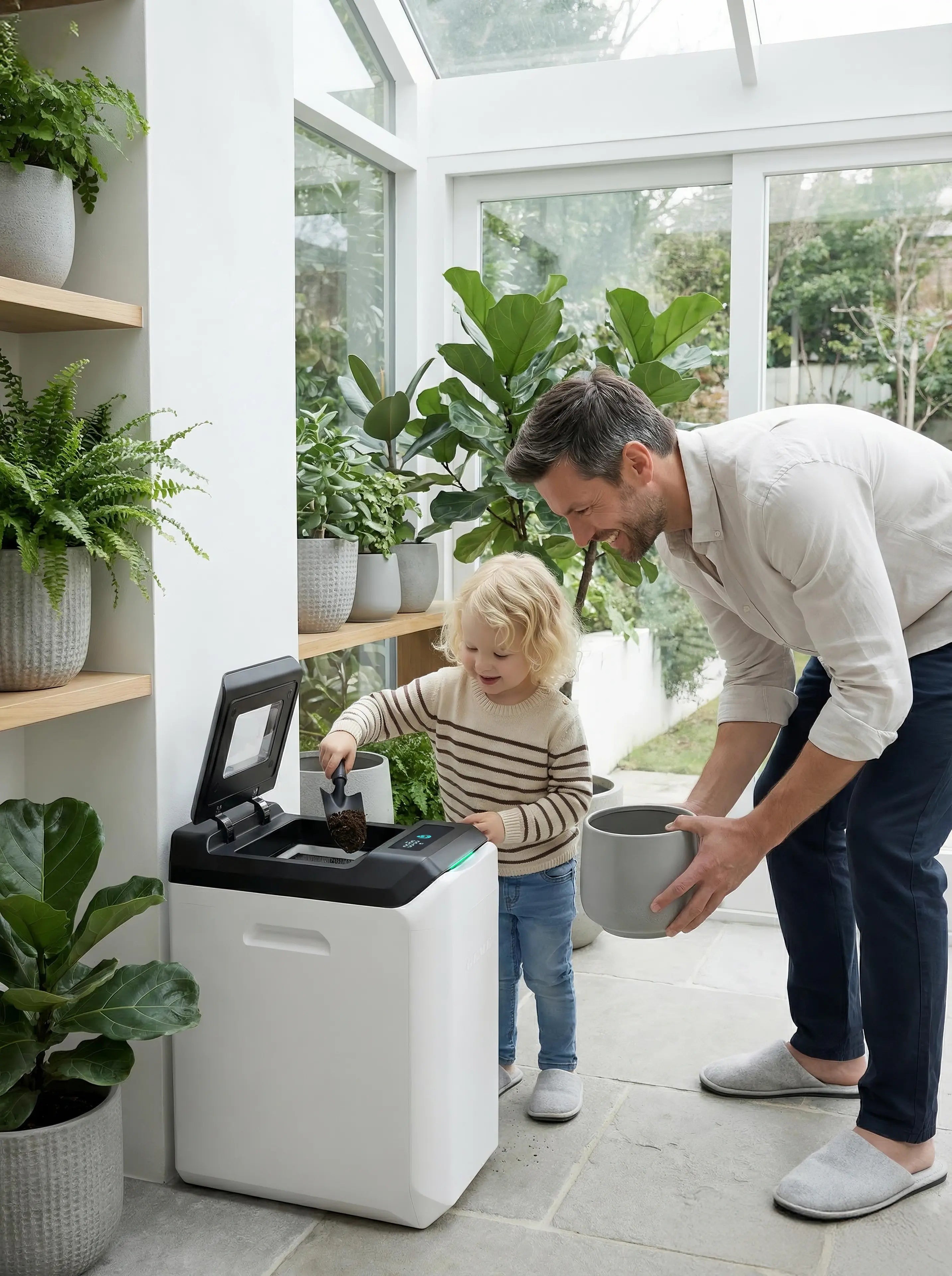
Build a continuous composting routine for ordinary household food waste.
Grow Tomatoes With Compost Made at Home
GEME Terra II uses real microbial composting to continuously process suitable kitchen food waste. Use the resulting compost base as part of a soil-building routine for tomatoes, herbs, flowers, and other garden plants.
Mix GEME compost output with soil at approximately 1:8 and cover it with at least 5 cm of soil.
How to Use Compost for Tomato Plants
Compost can improve soil structure, support microbial habitat, and contribute nutrients over time. Tomatoes are productive plants with substantial nutrient and water requirements, so compost should be part of the soil plan rather than automatically treated as the plant’s only nutrition source.
| Use | Recommended Method | Avoid |
|---|---|---|
| Garden-bed preparation | Blend compost evenly into the upper soil before planting. | Placing seedlings directly into concentrated fresh organic material. |
| Container tomatoes | Use compost as one component of a well-drained potting mix. | Filling the entire container with compost alone. |
| Top dressing | Apply a thin layer around the root zone and keep it away from the stem. | Piling wet material directly against the plant stem. |
| GEME compost output | Mix approximately one part output with eight parts soil and cover with at least 5 cm of soil. | Using concentrated output as the entire growing medium. |
For detailed application rates, soil blending, and garden-use methods, follow the advanced GEME compost application guide.
Compost nutrient values vary with food inputs and composting conditions. GEME’s home compost output NPK test explains why compost should not be treated as a standardized bagged fertilizer.
Can You Compost Spoiled or Rotten Tomatoes?
Yes. Ordinary overripe, soft, split, moldy, or spoiled tomatoes can generally be composted when the spoilage is part of normal household food waste and not related to a recall or contamination event.
Tomatoes You Can Normally Compost
- Overripe tomatoes
- Soft or split tomatoes
- Small amounts of moldy tomatoes
- Tomato skins, seeds, stems, and kitchen trimmings
- Plain cooked tomato scraps without excessive salt or oil
Tomato scraps are only one of many food inputs a home composter may receive. See what you can put in an electric composter for guidance covering vegetables, meat, dairy, bones, and mixed household food waste.
Sauces and cooked tomato dishes may contain much more salt, oil, and liquid than fresh produce. Review the salt and oil limits for electric composters before adding large quantities.
Keep These Out of Compost for Edible Crops
- Products included in a food-safety recall
- Produce exposed to floodwater or sewage
- Produce contaminated with fuel, pesticides, cleaners, or other chemicals
- Food discarded because of suspected botulism or unknown contamination
- Glass jars, metal lids, labels, and other packaging
New to Composting?
Tomato scraps alone do not create balanced compost. Moisture, airflow, food-input variety, and the condition of the microbial system all matter. Start with GEME’s beginner’s guide to composting at home for a practical explanation of the full process.
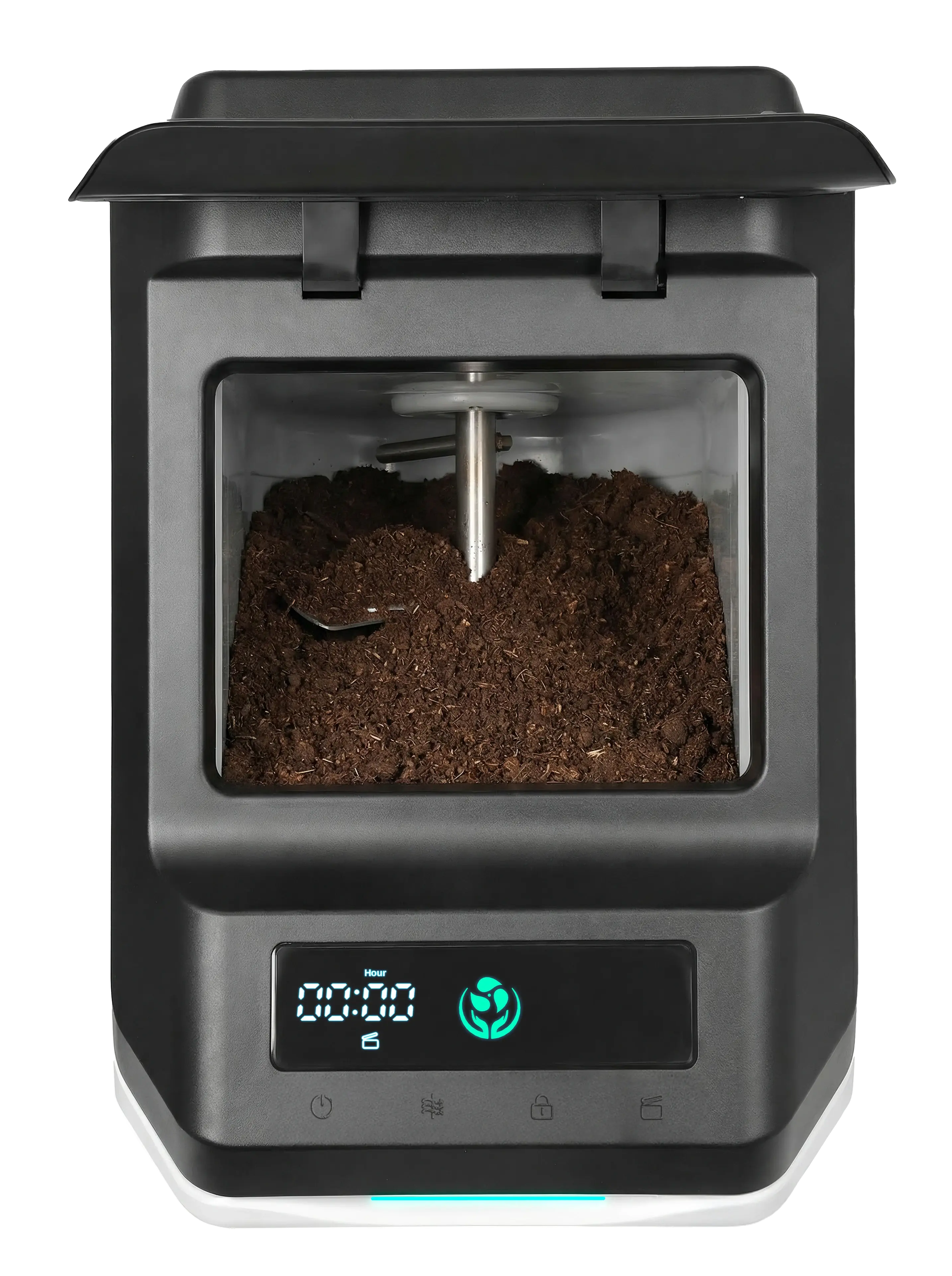
Keep recalled or chemically contaminated food out of edible-garden compost.
Choose a Real Kitchen Composter
GEME Terra II and GEME Pro use real microbial composting to continuously process suitable household food waste. There is no drying-and-grinding shortcut and no recurring activated-carbon filter replacement.
Learn what separates a real composter from a food-waste dehydrator before choosing a machine.
Frequently Asked Questions
Are fresh tomatoes currently recalled?
As of the July 22, 2026 check for this article, no current FDA-published recall specifically covering fresh tomatoes was identified. Consumers should check for First & Last pasta sauces in 26-fluid-ounce jars marked Use By 09/26.
Which First & Last sauces are recalled?
The recalled products are First & Last Original Marinara Sauce, Tomato & Basil; Original Traditional Pasta Sauce, Meat Flavored; and Original Puttanesca Sauce, Mildly Hot & Spicy. All three are packaged in 26-fluid-ounce jars marked Use By 09/26.
What should I do if I have the recalled tomato sauce?
Do not open, taste, or eat it. Return the affected jar to the place of purchase for a refund. If the jar leaked or broke, clean contacted surfaces carefully and keep the sauce out of compost for edible crops.
Can I eat fresh tomatoes bought today?
Fresh tomatoes can generally be eaten when they do not match a recall, are intact, have been handled safely, and are washed under running water before cutting or eating.
Does washing remove Salmonella from tomatoes?
Washing can reduce dirt and some surface contamination, but it cannot guarantee that all pathogens have been removed. Washing does not make recalled produce safe.
Should tomatoes be washed with soap or vinegar?
Use clean running water. Do not use soap, detergent, bleach, disinfectant, or household cleaning products. Vinegar is not required for normal produce washing.
Are tomatoes on the 2026 Dirty Dozen?
No. Tomatoes are not included in EWG’s 2026 Dirty Dozen top 12. This pesticide-residue ranking is separate from FDA recall and CDC outbreak information.
Can spoiled tomatoes go into a kitchen composter?
Ordinary spoiled tomatoes can generally be composted. Do not compost recalled food, flood-contaminated produce, sewage-contaminated produce, or food contaminated with unknown chemicals for use around edible plants.
Can tomato sauce go into an electric composter?
Small amounts of ordinary, uncontaminated tomato sauce may be suitable, but sauces can contain significant salt, oil, and liquid. Avoid large quantities and never add recalled sauce.
Is a homegrown tomato automatically safer?
No. Home growing provides more control over soil, water, compost, harvesting, and handling, but homegrown tomatoes still require clean water, clean tools, safe compost practices, and washing before eating.
Bottom Line
Fresh tomatoes are generally safe to eat now when they are not included in a specific recall and are handled properly. No current FDA-published fresh tomato recall was identified in this July 22, 2026 check.
The product requiring attention is First & Last pasta sauce in 26-fluid-ounce jars marked Use By 09/26. Do not open, taste, or eat the three recalled varieties; return them to the place of purchase.
For ordinary fresh tomatoes, wash before cutting, refrigerate after cutting, discard badly spoiled or contaminated fruit, and compost only normal uncontaminated household food waste.
Sources
- FDA — Recalls, Market Withdrawals & Safety Alerts
- FDA — First & Last Tomato Sauce Recall
- FDA — 2025 Williams Farms Fresh Tomato Recall Background
- CDC — Current Foodborne Outbreaks
- FDA — Selecting and Serving Produce Safely
- FDA — Storage and Handling of Tomatoes
- EWG — 2026 Shopper’s Guide Full List
- GEME — Terra II Product Page
- GEME — How Real Microbial Composting Works

Turn ordinary kitchen scraps into part of your home-growing routine.
Feed Your Tomato Plants, and Feed the Earth
GEME Terra II and GEME Pro help households continuously compost suitable kitchen food waste through microbial activity. Build better soil habits while reducing the amount of ordinary food waste sent to the trash.
Let’s feed the earth.


Laisser un commentaire
Tous les commentaires sont modérés avant d'être publiés.
Ce site est protégé par hCaptcha, et la Politique de confidentialité et les Conditions de service de hCaptcha s’appliquent.