


Coconut · Coir · Shells · Food Scraps · Home Composting
Composting Basics: Can You Compost Coconut?
Yes, most solid parts of a coconut can be composted, but they break down at dramatically different speeds. Soft white coconut meat is the fastest solid part. The fibrous husk and coconut coir take much longer, while the hard inner shell is one of the slowest materials and may remain recognizable through multiple composting cycles.
Coconut water and coconut juice are different again: they are biodegradable liquids, but adding too much can make a compost pile or microbial system excessively wet. Small residual amounts are manageable; a larger volume is better drained separately rather than poured into compost.
Coconut oil needs the most caution. Free coconut oil should not be poured into a backyard compost pile or an electric microbial composter.
By Matthew Moore · Last reviewed August 24, 2026

Photo: Dronile Hiraldo / Unsplash
Quick Answer: Which Parts of a Coconut Can You Compost?
Coconut meat, husk, coir and hard coconut shells are all biologically compostable, but the soft meat decomposes much faster than the fibrous or woody parts.
Cut coconut meat into smaller pieces, shred or shorten coir when practical, and expect hard shell fragments to take a long time. Small amounts of spoiled coconut water or coconut juice can enter compost, but larger volumes add too much free moisture. Avoid adding free coconut oil.
For the wider material framework, see What Can You Compost at Home?.
Table of Contents
- Coconut Meat, Coir, Husk and Shell: What's the Difference?
- Use Edible Coconut Before Composting It
- Which Part of a Coconut Breaks Down Fastest?
- Can You Compost Coconut Meat?
- Can You Compost Coconut Coir?
- Can You Compost Coconut Shells?
- Can You Compost Coconut Oil?
- Can You Compost Coconut Water or Coconut Juice?
- How to Compost Coconut in a Backyard Pile
- Can GEME Terra 2 Compost Coconut?
- How to Prepare Coconut for Composting
- What Happens to Coconut in Finished Compost?
- Common Coconut Composting Mistakes
- Frequently Asked Questions
- Sources
1. Coconut Meat, Coir, Husk and Shell: What's the Difference?
A coconut is not one uniform compost material.
When people say “coconut shell,” they may be referring to several different layers.
| Coconut Part | What It Is | Composting Behavior |
|---|---|---|
| White Meat | Edible white flesh | Softest and fastest solid portion. |
| Husk | Fibrous layer surrounding the hard shell | Slow, fibrous and carbon-rich. |
| Coir | Fibres and pith derived from coconut husk | Slow; also commonly reused directly in growing media. |
| Hard Shell | Dense brown layer immediately around the meat | Very slow and highly resistant when left in large pieces. |
| Coconut Water | Liquid naturally inside the coconut | Biodegradable, but adds moisture without structure. |
Understanding these layers explains why one coconut can contain material that disappears relatively quickly and material that may remain through several screening cycles.
2. Use Edible Coconut Before Composting It
If coconut meat or coconut water is still fresh and suitable for eating or drinking, use it as food first.
Composting becomes useful when you are dealing with:
- inedible trimmings;
- spent coir or husk;
- hard shell;
- leftover meat that can no longer be used;
- ordinary spoiled coconut meat;
- spoiled coconut water or coconut juice.
EPA's current Wasted Food Scale places preventing food waste above composting because keeping edible food in the human food system preserves more of the resources already used to produce it.
Fresh coconut
↓
Eat · drink · cook · store
↓
Unavoidable meat scraps · husk · coir · shell
↓
Choose the appropriate composting route
3. Which Part of a Coconut Breaks Down Fastest?
Among the solid components, the general order is:
Coconut meat → fibrous husk / coir → hard coconut shell
The difference comes mainly from physical structure.
A 2026 study of green coconut-shell residues reported that their high carbon-to-nitrogen ratio and substantial cellulose and lignin content make them resistant to biodegradation. The study successfully composted the material under managed conditions, but those results should not be interpreted as a promise that an intact household coconut shell will disappear quickly in a backyard pile.
For the broader reason that particle size and structure matter, see How Does Composting Work? Microbes, Heat & Oxygen.
4. Can You Compost Coconut Meat?
Yes. Coconut meat can be composted.
The white flesh is considerably easier to decompose than the husk or hard shell.
For normal household amounts:
- remove non-food packaging;
- cut large chunks into smaller pieces;
- mix the meat with other compost materials;
- avoid creating one concentrated layer of coconut meat.
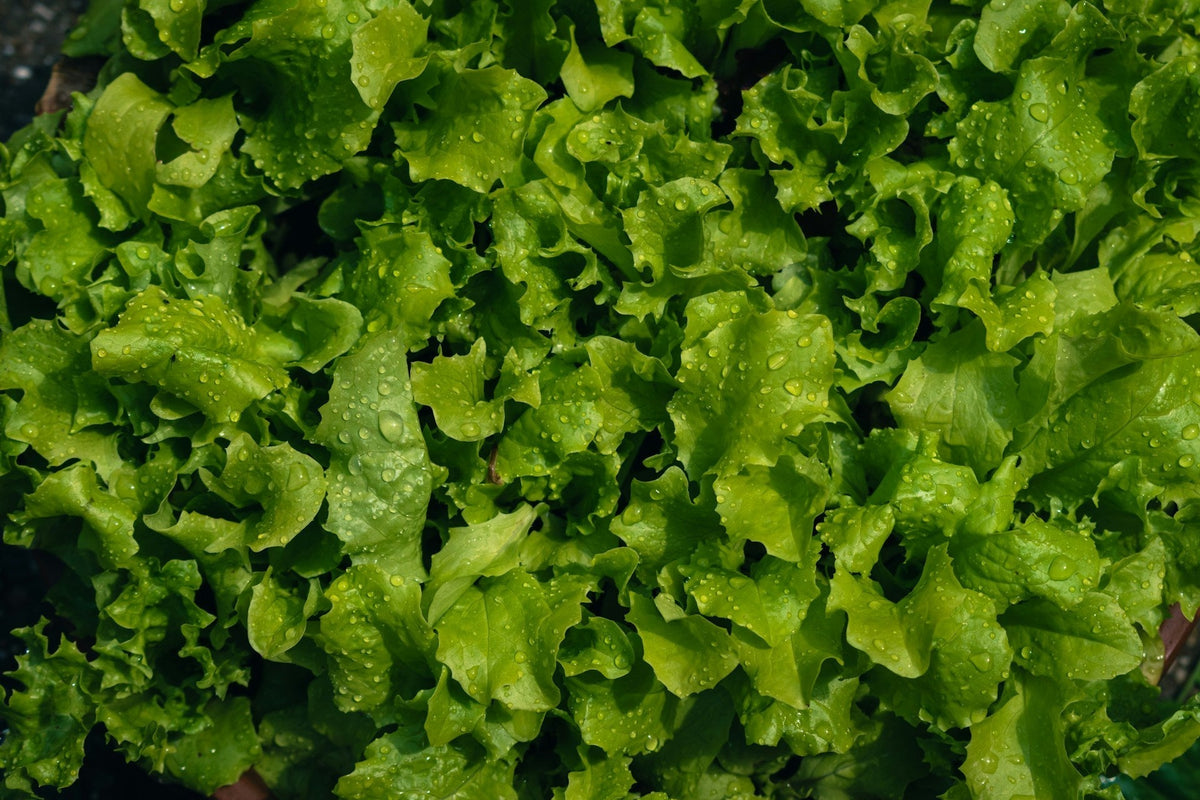
Why Coconut Meat Needs Slightly More Care Than a Lettuce Leaf
Coconut meat naturally contains substantially more oil than many soft fruits and vegetables.
That does not make it unsuitable for composting.
It simply means a large pile of coconut flesh can become heavier and greasier than an equivalent amount of watery vegetable scraps.
Best rule: compost ordinary coconut-meat scraps as part of a mixed feed rather than making coconut the entire load.

5. Coconut Coir Compost: Can You Compost Coconut Coir?
Yes. Coconut coir can be composted, but it breaks down slowly.
Coir comes from the fibrous coconut husk and is rich in tough plant structure.
That makes it behave more like a long-lasting, carbon-rich material than a soft kitchen scrap.
How to Compost Coconut Coir
- separate long tangled fibres where practical;
- cut or shred long pieces;
- moisten very dry coir before mixing;
- combine it with nitrogen-rich greens;
- give it substantially more time than soft food scraps.
Do not be surprised if coir remains visible when softer materials have already disappeared.
Do You Need to Compost Clean Coir First?
Not always.
Coconut coir is already widely used as a horticultural growing-medium component because it holds moisture while maintaining useful pore space.
Colorado State University Extension describes coir as a common soil amendment and notes that it is frequently blended with materials such as perlite and compost.

If clean coir is still useful as growing media, reuse may make more sense than composting it immediately. Compost spent or unwanted coir when it has reached the end of that useful life.
6. Can You Compost Coconut Shells?
Yes, but hard coconut shells are very slow to compost.
An intact or half coconut shell is dense, hard and resistant to water and microbial penetration.
It is closer in composting behavior to a very hard nutshell or woody material than to ordinary fruit flesh.
Should You Break Coconut Shells Before Composting?
Smaller pieces expose more surface area and break down faster.
However, coconut shell is extremely hard.
Only reduce it to smaller chips if you can do so safely with appropriate equipment. There is no need to risk injury simply to accelerate composting.
If the shell is still whole, another practical option is to reuse it before composting.

Expect to Screen It Out
EPA's general home-compost guidance recommends screening slow materials that remain after the rest of a pile matures and returning unfinished pieces to the active pile.
That is the right expectation for coconut shell:
Compostable does not mean fast.
7. Can You Compost Coconut Oil?
Do not treat free coconut oil like coconut meat.
Coconut oil is organic and biologically degradable, but a bottle, bowl or puddle of free oil is not a good input for an ordinary backyard compost pile.
EPA currently lists:
- fats;
- oils;
- grease;
among materials to avoid in a conventional backyard pile.
Why Free Oil Causes Problems
Oil can:
- coat organic particles;
- reduce air exchange;
- create greasy compact zones;
- increase pest attraction in an outdoor pile;
- make an aerobic compost environment harder to maintain.
Do Not Pour Coconut Oil Down the Kitchen Sink
Unlike coconut water, cooking oil should not be poured into household drains. If leftover coconut oil cannot be reused, follow your local cooking-oil collection or solid-waste guidance.
The same boundary applies to microbial kitchen composters: normal oil naturally present in food is different from pouring free oil into the chamber.
For the full explanation, read Electric Composter Salt & Oil Boundaries.
8. Can You Compost Coconut Water or Coconut Juice?
Yes, a small amount of spoiled coconut water or unsweetened coconut juice is biodegradable, but it is usually not useful to add a large amount to compost.
The reason is simple:
Liquid adds moisture, but almost no physical structure.
An aerobic compost environment needs moisture and air at the same time.
If a pile is already damp, pouring in a glass or carton of coconut liquid can move it toward:
- waterlogging;
- compaction;
- reduced oxygen flow;
- slower aerobic activity;
- unwanted odors.
What Should You Do With Spoiled Coconut Water?
For a few residual spoonfuls inside a coconut, there is no need to worry.
If you have a larger amount of spoiled coconut water or coconut juice:
- separate the liquid from the solid coconut scraps;
- compost the suitable solids;
- for ordinary small household quantities, dispose of the liquid through the kitchen sink if that is compatible with your local wastewater or septic guidance.
Simple rule: a damp coconut scrap is fine. A cup of free coconut water does not need to become a compost input.
Coconut Water Is Not Coconut Oil
Do not apply the sink advice above to coconut oil.
Coconut oil and other cooking fats should stay out of household drains.
What About Coconut Milk or Coconut Cream?
Coconut milk and coconut cream are much fattier than coconut water.
Do not treat them as simple water inputs. Large quantities require more caution because both moisture and fat load increase.

9. How to Compost Coconut in a Backyard Pile
A coconut produces both fast and extremely slow composting materials, so preparation matters more than it does for many fruits.
For Coconut Meat
- cut large pieces;
- bury them inside the pile;
- mix with other greens and browns.
For Coconut Coir and Husk
- shorten long fibres;
- moisten very dry material;
- mix with nitrogen-rich scraps;
- expect slow decomposition.
For Hard Shell
- use smaller existing fragments when available;
- do not injure yourself trying to break a hard shell;
- screen unfinished shell pieces and return them to the pile.
For Coconut Oil
Keep free oil out of the backyard pile.
For Coconut Water
A small residual amount is not a problem, but do not deliberately saturate the pile with liquid.
EPA recommends maintaining a backyard pile at roughly the moisture level of a wrung-out sponge and mixing food scraps with substantially more carbon-rich brown material by volume.
For the complete pile-building method, use the Complete Home Composting Guide.
If you are deciding between an outdoor pile and an indoor system, see Compost Pile vs Electric Composter.
10. Can GEME Terra 2 Compost Coconut?
The answer depends on the part of the coconut.
| Coconut Material | Terra 2 | Best Practice |
|---|---|---|
| Coconut meat | Yes | Cut large pieces and include them in a varied household feed. |
| Long dry coir / husk fibres | Not preferred | Use an outdoor compost or garden reuse route instead of loading long fibres into the chamber. |
| Hard coconut shell | Do not add whole | Hard shell is better reused or processed through an outdoor route. |
| Free coconut oil | No | Do not pour oil into the chamber. |
| Coconut water / juice | Residual moisture only | Do not pour a large amount of free liquid into the system. |
The reason for these differences is mechanical as well as biological.
GEME Terra 2 is designed for everyday kitchen organics, but that does not mean every biologically degradable object belongs inside the chamber.
Large hard objects, long fibres, heavy free oil and excessive free liquid create very different operating conditions from ordinary food scraps.
Terra 2 rule: compost the soft edible coconut material, not the hard shell. Keep long coir fibres, free coconut oil and large volumes of coconut water out.
For broader input guidance, read What Can You Put in an Electric Composter?.
For liquid and oil boundaries, use Salt, Oil & Free-Liquid Boundaries.
To understand how the controlled microbial environment works, see How GEME Works.

Choose the Right Coconut Part
Soft Food Scraps In. Hard Shells and Free Liquids Out.
Coconut is a good reminder that “biodegradable” and “appropriate for every composting system” are not the same thing.
Terra 2 can process suitable coconut meat as part of normal mixed kitchen scraps, while hard shells, long coir fibres, free coconut oil and large liquid loads are better handled separately.
Explore GEME Terra 2 →11. How to Prepare Coconut for Composting
The right preparation depends entirely on which part you have.
- Use edible coconut first. Eat or cook with good coconut meat and drink suitable coconut water before treating it as waste.
- Cut coconut meat. Large white chunks break down faster when divided into smaller pieces.
- Shorten long coir fibres. Long fibres are slow and can mat or tangle.
- Reuse clean coir when useful. Coir can remain valuable as a growing-medium component before being composted.
- Be realistic about hard shells. Reuse it or allow very slow outdoor decomposition. Do not expect a half shell to disappear with soft food scraps.
- Drain excess coconut water. Residual moisture is fine; a large free-liquid load is unnecessary.
- Keep free coconut oil separate. Do not pour it into compost or down the kitchen sink.
Soft meat: cut it. Coir: shorten it. Shell: give it time. Water: drain the excess. Oil: keep it out.
12. What Happens to Coconut in Finished Compost?
Do not expect every coconut component to reach the same stage at the same time.
When softer materials have largely disappeared, you may still find:
- coir fibres;
- small husk fragments;
- hard coconut-shell pieces.
This does not automatically mean the composting process failed.
EPA recommends screening mature compost and returning resistant materials to the active pile for another cycle.
If You Use GEME Compost Base
Apply the same principle:
- screen recognizable unfinished material;
- return suitable unfinished organic pieces to the active process;
- do not try to force inappropriate hard shell back into the appliance;
- blend screened Compost Base with soil before plant use.
For garden application, follow How to Use Compost Correctly.
For the detailed continuous-flow workflow, see the Advanced GEME Compost Application Guide.
And for first-party data showing why household compost should not be treated as one standardized fertilizer, read the NPK Test of Home Compost Output (N=50).
13. Common Mistakes When Composting Coconut
Mistake 1: Treating the Whole Coconut as One Material
The soft meat, fibrous coir and hard shell have completely different decomposition behavior.
Mistake 2: Expecting Coconut Shell to Break Down Like Fruit Flesh
The hard shell is dense and lignocellulosic. Expect a very slow process.
Mistake 3: Adding a Large Ball of Coir
Separate and shorten fibres so the material mixes with the rest of the pile instead of remaining as one dry mat.
Mistake 4: Pouring Coconut Oil Into Compost
Free oil can coat particles and make aerobic conditions harder to maintain.
Mistake 5: Pouring Coconut Oil Down the Sink
Cooking fats and oils can create plumbing and wastewater problems. Use an appropriate local disposal or recycling route instead.
Mistake 6: Pouring a Container of Coconut Water Into the Composter
The liquid is biodegradable, but the compost does not need that much extra moisture.
Mistake 7: Putting Whole Hard Coconut Shells in Terra 2
A material can be organic without being an appropriate mechanical input for a kitchen microbial system.
Mistake 8: Throwing Away Reusable Coir Too Early
Clean coir can often continue serving as a horticultural material before it reaches the compost pile.
14. The Simplest Coconut Composting Rule
A coconut can go from soft food to tough fibre to nearly wood-like shell in only a few centimeters, compost each layer according to what it actually is.
Continuous Microbial Composting
Compost the Food, Not Every Hard Object Around It
GEME Terra 2 is designed for suitable everyday kitchen organics. Add coconut meat as part of a varied food-scrap stream, while keeping hard coconut shells, long dry coir fibres, free coconut oil and large volumes of coconut water outside the chamber.
15. Frequently Asked Questions About Composting Coconut
Can you compost coconut?
Yes. Coconut meat, husk, coir and hard shell are all biologically compostable, but they break down at very different speeds. Soft meat is much faster than coir or hard shell.
Can you compost coconut meat?
Yes. Coconut meat can be composted. Cut large pieces smaller and add normal household quantities as part of a varied compost mix.
How fast does coconut meat compost?
Coconut meat is the fastest solid part of the coconut because microbes can access its soft tissue much more easily than the fibrous husk or hard shell. Exact timing depends on particle size, temperature, oxygen, moisture and composting method.
Can you compost coconut coir?
Yes. Coconut coir is compostable but decomposes slowly. Cut or separate long fibres, keep the material adequately moist and mix it with nitrogen-rich greens rather than composting a large dry mass by itself.
What is coconut coir compost?
Coconut coir compost is compost made with coir or coir pith as one of the carbon-rich organic ingredients. Coir should be balanced with more nitrogen-rich materials because its fibrous structure is relatively resistant to rapid decomposition.
Can coconut coir be used without composting it?
Yes. Clean coconut coir is commonly used directly as a component of horticultural growing media because it can hold moisture while maintaining pore space. Spent or unwanted coir can later be composted.
Can you compost coconut shells?
Yes, but hard coconut shells break down very slowly. Smaller shell fragments decompose faster than intact halves, but only reduce shell size when it can be done safely.
How long do coconut shells take to compost?
There is no useful universal household timetable. Hard coconut shell is highly resistant compared with ordinary food scraps and may remain through multiple composting cycles. Managed industrial processes can accelerate decomposition substantially.
Can you compost coconut oil?
Free coconut oil is not recommended for an ordinary backyard compost pile. Oils can coat particles, reduce air exchange and increase pest and odor problems. Normal traces of oil naturally present in food are different from pouring free oil into a composting system.
Can coconut oil go down the kitchen sink?
No. Coconut oil and other cooking fats should not be poured into household drains. Reuse the oil when possible or follow local cooking-oil recycling or waste-disposal guidance.
Can you compost coconut water?
Yes, small amounts of coconut water are biodegradable. However, large amounts add unnecessary free moisture and can make compost too wet, so it is usually better to separate excess liquid from the solid scraps.
Can you compost spoiled coconut water?
A small residual amount can enter compost with the coconut scraps. If you have a larger amount of spoiled coconut water, compost the solids and, where local wastewater or septic guidance allows, dispose of the small household liquid quantity through the kitchen sink rather than saturating the compost.
Can you compost coconut juice?
Yes, if by coconut juice you mean coconut water or a similar unsweetened coconut liquid. Small quantities are biodegradable, but avoid pouring large volumes into a compost pile or microbial composter because the excess liquid can create overly wet conditions.
Is coconut water the same as coconut milk for composting?
No. Coconut water is mostly free liquid from inside the fruit, while coconut milk and coconut cream contain much more coconut fat and solids. Coconut milk or cream therefore needs more caution than plain coconut water.
Can GEME Terra 2 compost coconut meat?
Yes. Coconut meat can be added in normal household amounts as part of a varied food-scrap stream. Cut large pieces smaller rather than loading a large concentrated mass.
Can coconut shells go into Terra 2?
Do not place whole hard coconut shells into Terra 2. They are dense, extremely slow to break down and are not the same type of input as ordinary soft kitchen scraps.
Can coconut coir go into Terra 2?
Long, dry coconut coir fibres are not a preferred Terra 2 input. Reuse clean coir for gardening or direct spent coir to an outdoor composting route instead.
Can coconut water go into Terra 2?
Residual moisture on coconut meat is fine, but do not pour a glass or container of coconut water into the chamber. Free liquid can make the microbial mass unnecessarily wet and reduce aerobic structure.
Can coconut oil go into Terra 2?
Do not pour free coconut oil into Terra 2. Small amounts of oil naturally present in ordinary food are different from adding liquid cooking oil directly to the chamber.
16. Authoritative Sources & Further Reading
- U.S. EPA — Composting at Home
- U.S. EPA — Wasted Food Scale
- Colorado State University Extension — Soil Amendments: Coconut Coir
- NC State Extension — Backyard Composting of Yard, Garden, and Food Discards
- Journal of Material Cycles and Waste Management — Optimizing Green Coconut Shell Composting (2026)
- GEME — What Can You Compost at Home?
- GEME — Electric Composter Salt & Oil Boundaries
- GEME — How Continuous Microbial Composting Works
- GEME — Advanced GEME Compost Application Guide
Sources reviewed August 24, 2026. Coconut decomposition speed varies greatly with coconut maturity, particle size, fibre content, moisture, oxygen, temperature and composting method. Commercial or research-scale coconut-residue composting under controlled formulations should not be used as a fixed timetable for intact coconut shells in a household pile.


Laisser un commentaire
Tous les commentaires sont modérés avant d'être publiés.
Ce site est protégé par hCaptcha, et la Politique de confidentialité et les Conditions de service de hCaptcha s’appliquent.