
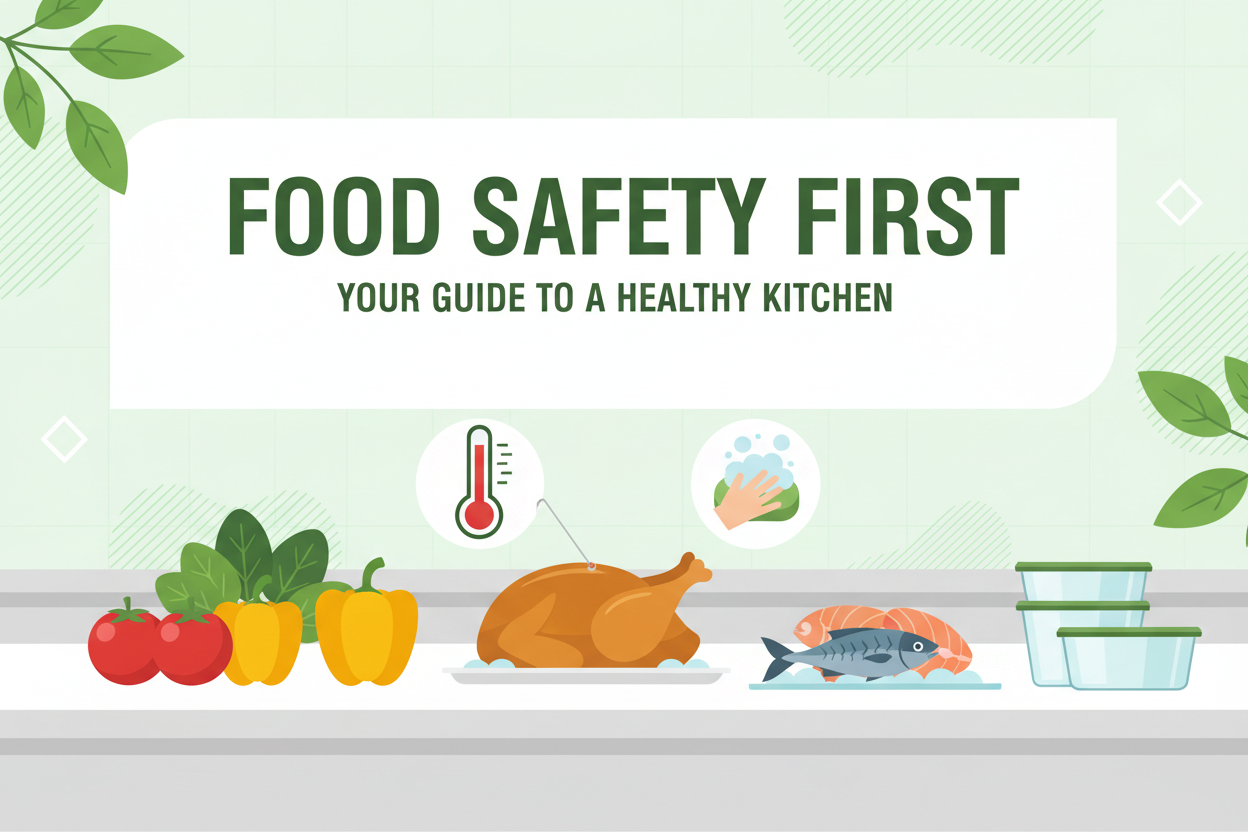
Food Recall & Household Safety Hub
A food recall is a safety instruction, not an invitation to inspect, taste, repurpose, donate, feed, or compost the product yourself.
Recalled food may contain disease-causing microorganisms, undeclared allergens, chemicals, foreign objects, or labeling defects that cannot be identified by appearance or smell.
This guide explains how to verify a recall, identify affected products, respond safely, clean contaminated areas, distinguish spoilage from contamination, and decide when ordinary food scraps may enter a composting system.
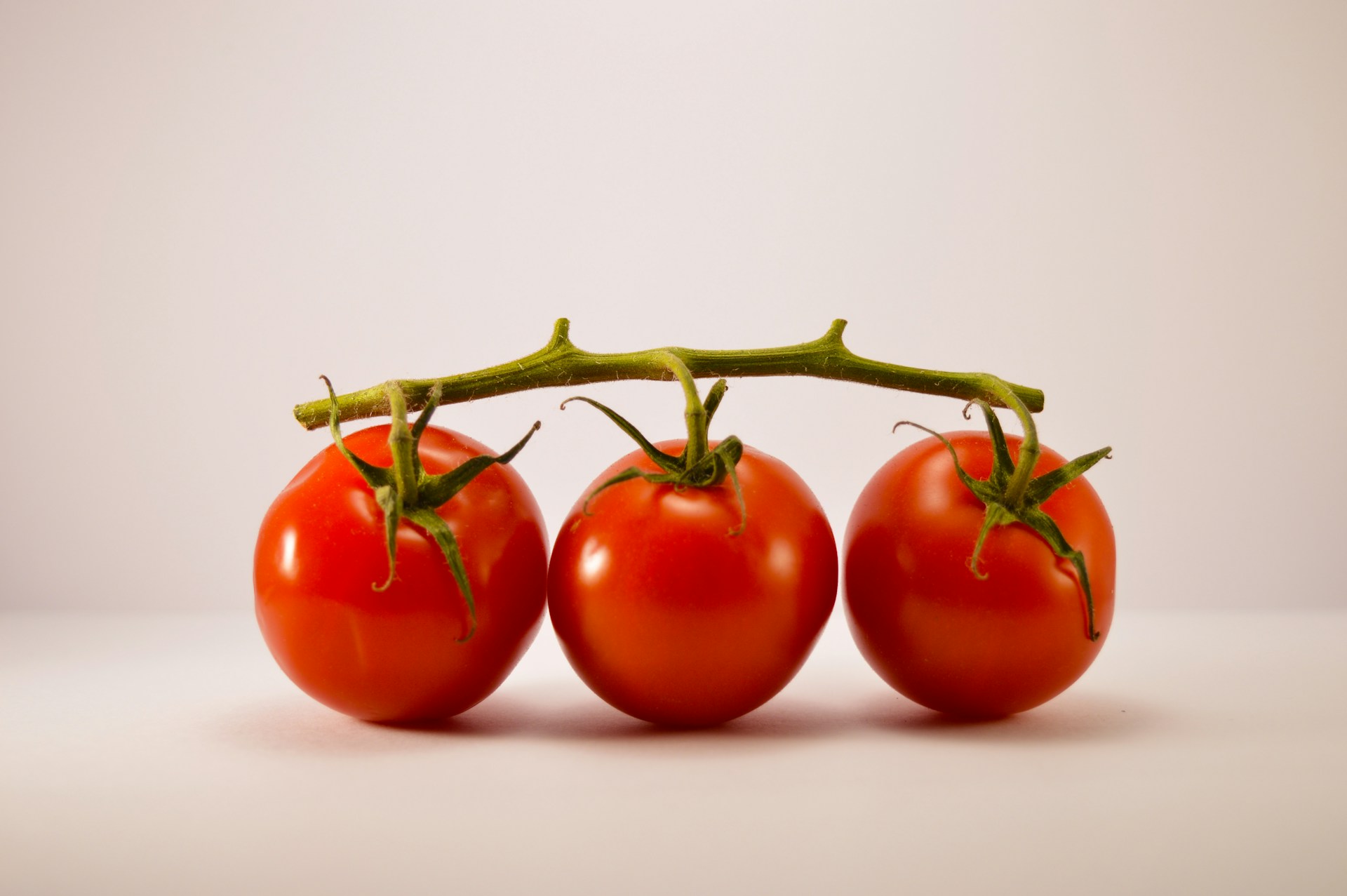
Do not eat, open, donate, feed to pets, or place recalled food in a home composter. Follow the official recall notice.
What Should You Do With Recalled Food?
Stop using the product and verify that the brand, product name, package size, lot code, date code, UPC, or establishment number matches the recall notice.
- Do not eat, taste, cook, or open the product to inspect it.
- Do not donate it or give it to another person.
- Do not feed it to pets or other animals.
- Keep it separate from other food while checking the notice.
- Return it or dispose of it exactly as the recall notice instructs.
- Clean containers, shelves, utensils, and surfaces that may have touched it.
- Review the recall notice for exposure symptoms and medical instructions.
A recalled product should not be placed in GEME Terra 2, GEME Pro, a worm bin, a backyard pile, or municipal organics collection unless the recall notice and local waste authority explicitly approve that disposal route.
Safety Comes Before Waste Diversion
This article provides general educational information. The product-specific recall notice, public-health authority, retailer, manufacturer, and local waste rules take priority.
Do not try to make recalled food “circular” by donating it, feeding it to animals, removing the affected portion, cooking it, drying it, or composting it unless an official instruction expressly permits that action.
The Food Safety and Circular Economy Relationship
↓
Food Safety
↓
Food Waste
↓
Composting
↓
Circular Economy
This sequence includes a critical gate: food cannot move from recall into a waste-recovery pathway until the safety risk and official disposal requirements are understood.
Ordinary, non-hazardous food scraps may support composting and circular use. Recalled food may require return, destruction, sealed disposal, or a professionally controlled treatment route instead.
Table of Contents
- What Is a Food Recall?
- Recall vs Outbreak vs Safety Alert
- Why Food Is Recalled
- Food Recall Classes and Agencies
- How to Identify an Affected Product
- What to Do With Recalled Food
- How to Clean After a Recall
- What If You Already Ate the Food?
- Spoilage vs Contamination
- Everyday Food Safety and Storage
- Recall Case Study
- Food Waste and Circular Economy
- Can Recalled Food Be Composted?
- Safe Composting Boundaries
- Frequently Asked Questions
- Bottom Line
- Sources
- Related Articles
What Is a Food Recall?
A food recall is an action to remove or correct a marketed food product that violates applicable safety or labeling requirements.
A manufacturer or distributor may initiate the recall voluntarily. A regulator may request a recall, and in certain circumstances may have authority to order one.
A recall does not always mean illnesses have already occurred. Some recalls are precautionary because testing, supplier information, labeling review, or production records reveal a potential hazard.
The recall notice defines which products are affected. Similar products from the same brand, store, ingredient category, or growing region are not automatically included unless the notice says so.
Food Recall vs Outbreak vs Safety Alert
| Term | Meaning | Consumer Response |
|---|---|---|
| Food Recall | A specific marketed product is removed or corrected because it may violate safety or labeling requirements. | Check identifying information and follow the recall instructions. |
| Foodborne Outbreak | Illnesses are linked or suspected to share a common food or exposure source. | Follow the investigation notice, affected-product information, and symptom guidance. |
| Public Health Alert | A regulator warns consumers about a risk even when a formal recall is not active or possible. | Avoid affected products and follow the alert instructions. |
| Market Withdrawal | A product is removed for a minor issue or circumstance that may not meet the definition of a safety recall. | Read the specific notice rather than assuming the risk level. |
Why Is Food Recalled?
Pathogenic Microorganisms
Examples include Salmonella, Listeria monocytogenes, pathogenic E. coli, viruses, and parasites.
Undeclared Allergens
A food may contain an allergen that is missing or incorrectly stated on the label.
Foreign Material
Glass, metal, hard plastic, wood, stones, or equipment fragments may create injury risks.
Chemical Contamination
Cleaning chemicals, non-food-grade substances, pesticides, or excessive contaminants may trigger action.
Mislabeling
The package may contain the wrong product, instructions, ingredient list, or storage information.
Process Failure
Inadequate heating, sanitation, sealing, refrigeration, or process control may compromise safety.
The type of hazard determines why “just cook it,” “remove the bad part,” or “put it in compost” may be unsafe. Heat does not correct every allergen, chemical, packaging, or foreign-object problem.
Food Recall Classes and Responsible Agencies
FDA Recall Classifications
| Class | General Health-Risk Meaning | Consumer Interpretation |
|---|---|---|
| Class I | There is a reasonable probability of serious adverse health consequences or death. | Treat as an urgent and serious safety instruction. |
| Class II | Exposure may cause temporary or medically reversible effects, or serious harm is considered remote. | Do not use the product; follow the notice even when the expected risk is lower. |
| Class III | Adverse health consequences are considered unlikely. | The recall still applies and should not be ignored. |
Which Agency Publishes the Recall?
In the United States, FDA regulates most foods. USDA’s Food Safety and Inspection Service generally oversees meat, poultry, and processed egg products.
- FDA recalls: FDA Recalls, Market Withdrawals, and Safety Alerts
- Meat and poultry recalls: USDA FSIS Recalls and Public Health Alerts
- Combined consumer information: FoodSafety.gov Recalls and Outbreaks
How to Identify Whether Your Food Is Recalled
Do not decide based only on the product name or a photograph in a news report. Recall notices identify products through a combination of details.
| Check | Where to Find It | Why It Matters |
|---|---|---|
| Brand and product name | Front and back of the package | Similar products may have different manufacturers or formulas. |
| Package size | Weight or volume statement | Only certain package formats may be affected. |
| Lot or batch code | Seal, lid, label, base, or package edge | The recall may cover one production period rather than every unit. |
| Best-by or use-by date | Printed date panel | Date ranges frequently define affected inventory. |
| UPC or barcode | Near the barcode | Helps distinguish products with similar names. |
| Establishment number | USDA inspection mark on meat or poultry | Identifies the inspected facility associated with the product. |
| Distribution area | Recall announcement | The product may have been sold only in certain regions or retailers. |
Keep the package or photograph the identifying information until the return, refund, reporting, or disposal process is complete.
What to Do With Recalled Food: Step by Step
Step 1: Stop Using the Product
Do not eat, taste, cook, serve, or open it for inspection.
Step 2: Verify the Product Details
Compare the package with the brand, size, UPC, lot code, date, establishment number, and distribution details in the recall notice.
Step 3: Isolate the Product
Keep it away from children, pets, ready-to-eat food, and products that may become contaminated by leaks or contact.
Step 4: Follow the Recall Remedy
Return the product, request a refund, or dispose of it according to the manufacturer’s and regulator’s instructions.
Step 5: Prevent Reuse
When disposal is instructed, seal the food so that people and animals cannot retrieve or consume it.
Step 6: Clean Contact Areas
Wash reusable containers, shelves, drawers, cutting boards, utensils, and surfaces that may have touched the recalled food.
Step 7: Review Exposure Guidance
Check the recall notice for symptoms, exposure periods, high-risk groups, reporting instructions, and healthcare recommendations.
Do Not Transfer the Risk
Recalled food should not be donated, shared with neighbors, sold secondhand, fed to animals, or placed where another person may retrieve it.
How to Clean After a Food Recall
Cleaning is particularly important when the recalled product leaked, was opened, touched ready-to-eat food, or involved a microorganism capable of surviving on refrigerator surfaces.
- Seal and remove the recalled food according to the recall instructions.
- Wash your hands with soap and water after handling the product.
- Remove food from the affected refrigerator shelf or drawer.
- Wash removable shelves, drawers, containers, and utensils with hot soapy water.
- Wash interior surfaces that may have been touched by packaging, liquid, or food.
- Sanitize when recommended by the recall notice or public-health guidance.
- Allow cleaned surfaces and equipment to air dry where appropriate.
- Wash hands again after completing the cleaning process.
Do not mix cleaning chemicals. Follow the product label and official sanitation instructions for the specific recall.
What If You Already Ate Recalled Food?
Do not assume that exposure guarantees illness, but do not ignore the notice either.
- Confirm that the product and lot actually match the recall.
- Read the stated hazard and symptom information.
- Note when and how much of the food was consumed.
- Keep package details, receipts, and photographs if available.
- Monitor for the symptoms and period described in the official notice.
- Contact a healthcare provider when advised, particularly after symptoms or high-risk exposure.
- Report suspected illness or product problems to the appropriate authority.
People who are pregnant, aged 65 or older, very young, or living with weakened immune systems may face higher risks from certain foodborne pathogens and should follow official advice carefully.
Food Spoilage vs Food Contamination
Spoilage and contamination overlap in everyday language, but they are not the same safety concept.
| Question | Spoilage | Hazardous Contamination |
|---|---|---|
| What is happening? | Quality deteriorates through microbes, oxidation, moisture loss, enzymes, or physical damage. | A biological, chemical, allergen, or physical hazard may make food unsafe. |
| Can you see it? | Often produces visible mold, discoloration, slime, gas, or texture change. | May produce no visible change. |
| Can you smell it? | May create sour, fermented, rancid, or rotten odors. | May smell completely normal. |
| Can you taste-test it? | Taste-testing questionable food is not a reliable safety method. | Never taste recalled food to test it. |
| Can it be composted? | Some ordinary spoiled produce may be accepted by an appropriate system. | Not by default; follow recall and local disposal instructions. |
Ordinary moldy produce is different from produce recalled for possible pathogen contamination. Review Can I Compost Moldy Grapes? for the ordinary-spoilage boundary.
Bread also requires product-specific judgment. See Can You Compost Moldy Bread?
Everyday Food Safety Reduces Both Illness and Waste
Recall response is only one part of food safety. Correct storage, cooking, cooling, and separation reduce the chance that ordinary food becomes unsafe at home.
Keep Food Cold
Keep refrigerators at 40°F / 4°C or below and refrigerate perishables promptly.
Separate Raw Food
Keep raw meat, poultry, seafood, and eggs away from ready-to-eat food.
Cool Leftovers Quickly
Use shallow covered containers and label the original cooking date.
Freeze Before Doubt
Freeze food while it remains safe rather than waiting until its condition becomes questionable.
For cooked rice and leftover cooling, read How to Avoid Leftover Food Poisoning.
For poultry storage, continue to How Long Can Raw Chicken Stay in the Fridge? and How Long Can Cooked Chicken Stay in the Fridge?.
Also review Ground Beef Storage and Do Eggs Expire?
Recall Case Study: Are Tomatoes Safe to Eat?
Produce recalls demonstrate why broad headlines can create both panic and false reassurance.
A tomato recall may apply only to certain suppliers, package types, lot codes, date ranges, retailers, or distribution regions. It does not automatically mean every tomato is unsafe, but a matching product should not be eaten merely because it looks fresh.
Review the complete case study: Are Tomatoes Safe to Eat Now?
Food Safety, Food Waste, and the Circular Economy
Preventing safe, edible food from becoming waste usually creates more environmental value than managing it after disposal.
However, recalled food cannot simply move through the normal food-waste hierarchy. Donation, upcycling, or animal feeding may transfer the hazard unless an authorized recall plan specifically permits a controlled recovery route.
| Pathway | Ordinary Safe Surplus | Recalled Food |
|---|---|---|
| Prevent waste | Plan, store, use, and freeze food before it becomes waste. | Recall cannot be reversed through household prevention. |
| Donate | Suitable wholesome food may be donated through approved channels. | Do not donate recalled food. |
| Feed animals | May be possible under applicable regulations and processing controls. | Do not feed recalled food to pets or livestock unless an authorized plan expressly permits it. |
| Compost | Suitable organic scraps may be biologically recycled. | Not a default household disposal route; follow the recall notice. |
| Dispose | Used when safer or more beneficial pathways are unavailable. | May be the required recall remedy when the product must be prevented from re-entering use. |
For ordinary household prevention strategies, read How to Reduce Food Waste at Home.
Can Recalled Food Be Composted?
Not by default. Consumers should not place recalled food in a household composter unless the recall notice and local authority explicitly confirm that composting is an approved route.
Pathogen Recall
A household system does not provide validated proof that every pathogen has been destroyed throughout the entire material.
Allergen Recall
Composting is not a reliable household method for controlling allergen exposure during handling or collection.
Chemical Recall
Biological decomposition may not neutralize chemicals or prevent their movement into compost and soil.
Foreign-Object Recall
Metal, glass, plastic, and other foreign material can remain in the system and create equipment, handling, or soil-contamination risks.
GEME Recall Boundary
Do not add recalled food to GEME Terra 2 or GEME Pro. Follow the recall notice and local disposal instructions. GEME is designed for suitable ordinary kitchen scraps, not for processing officially recalled or chemically contaminated products.
Safe Composting Boundaries After Food Safety Is Resolved
Once a food item is confirmed not to be recalled or otherwise hazardous, ordinary composting guidance can apply.
| Material | General Direction | Relevant GEME Guide |
|---|---|---|
| Fruit and vegetable preparation scraps | Generally suitable for an appropriate composting system. | Home Composting Guide |
| Ordinary moldy produce | May be composted where accepted, provided it is not recalled or chemically contaminated. | Moldy Grapes Guide |
| Meat, dairy, and bones | Use only a managed system or collection program that specifically accepts them. | Electric Composter Input Guide |
| Salty or oily leftovers | Follow system-specific concentration and quantity limits. | Salt and Oil Boundaries |
| Plastic, glass, and metal packaging | Remove completely and dispose of through the appropriate material pathway. | Plastic Input Boundary |
| Recalled or contaminated food | Do not compost unless the official recall and local authority approve the route. | Follow the recall notice. |
Composting is a biological process, while some powered appliances primarily dry and grind food. Review Kitchen Composter vs Food Waste Recycler before choosing an output pathway.
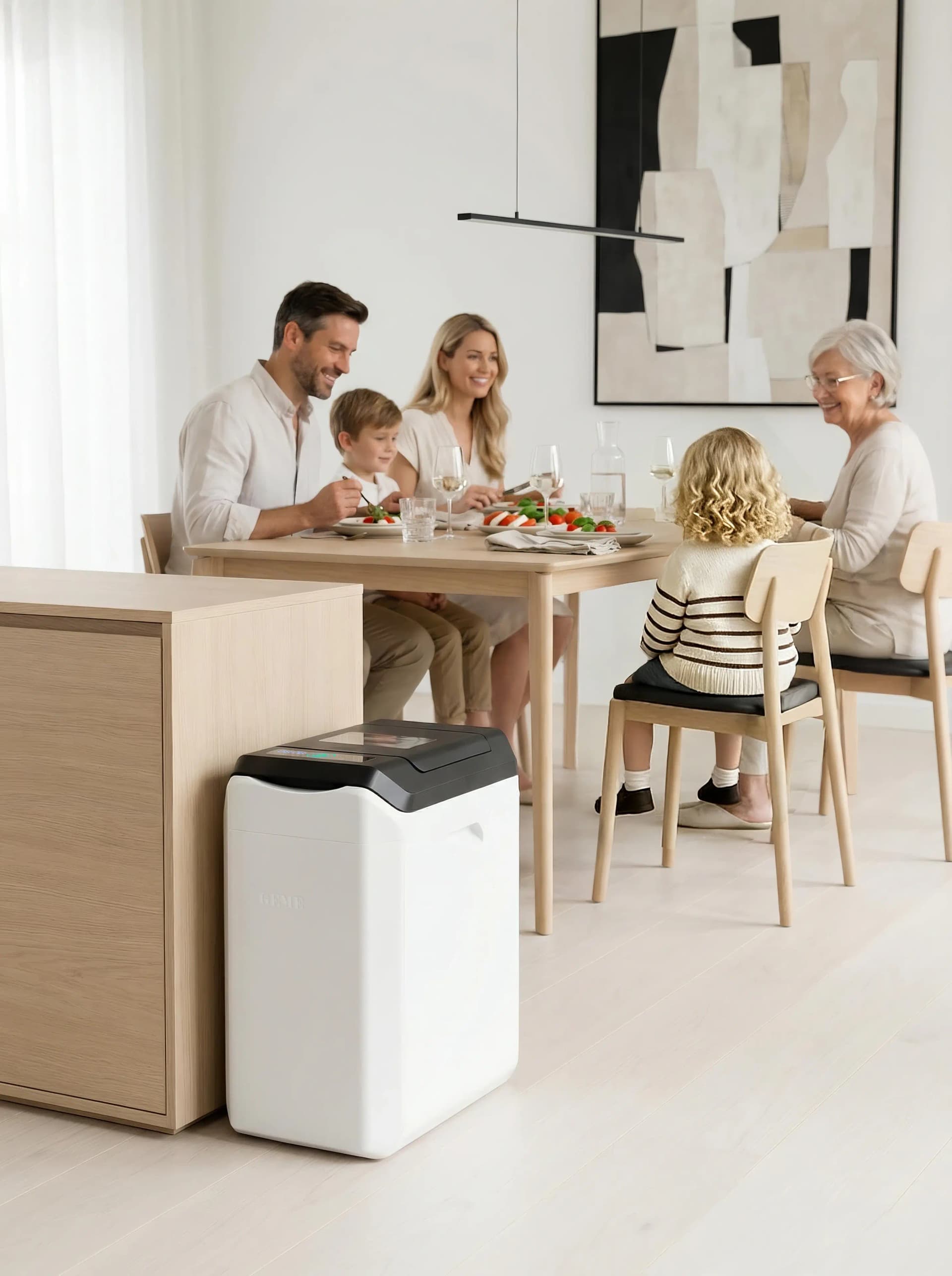
Food safety and official disposal instructions always come first.
Compost Suitable Everyday Kitchen Scraps
After food has been confirmed safe from recall and is no longer suitable for eating, GEME Terra 2 can process appropriate ordinary household scraps through continuous microbial activity.
Explore GEME Terra 2 →Never use GEME to process recalled, chemically contaminated, or unidentified hazardous food.
Frequently Asked Questions
What is a food recall?
A food recall is an action to remove or correct a marketed product that may violate food-safety or labeling requirements.
What should I do with recalled food?
Do not eat, open, donate, or feed it to pets. Verify the product details and follow the recall notice for return, refund, or safe disposal instructions.
Can I eat recalled food if it looks and smells normal?
No. Pathogens, allergens, and some chemical hazards may not change the food’s smell, taste, color, or appearance.
Can cooking make recalled food safe?
Do not rely on cooking. A recall may involve allergens, chemicals, foreign objects, labeling errors, or hazards that ordinary cooking does not correct.
Can recalled food be donated?
No. Recalled food should not be donated or shared because that transfers the potential hazard to another person.
Can recalled food be fed to pets?
No. Pets can become ill, and contaminated products may spread hazards through the household.
Can recalled food go into a compost bin?
Not by default. Follow the recall notice and local disposal instructions. Home composting is not a validated treatment for every pathogen, allergen, chemical, or foreign object.
Can recalled food go into GEME Terra 2?
No. Do not place recalled, chemically contaminated, or unidentified hazardous food in GEME Terra 2 or GEME Pro.
What is the difference between spoiled and contaminated food?
Spoiled food often shows quality changes such as odor, mold, slime, or discoloration. Contaminated food may contain a safety hazard while looking and smelling normal.
Do I need to clean my refrigerator after a recall?
Clean shelves, drawers, containers, and surfaces when recalled food leaked, was opened, touched other food, or when official guidance recommends cleaning.
What should I do if I already ate recalled food?
Read the recall notice, document the product and exposure, monitor for the listed symptoms, and contact a healthcare provider when symptoms or official instructions indicate.
How does a food recall relate to food waste?
A recall may create unavoidable food waste, but safety instructions take priority over donation, animal feeding, upcycling, or composting. Circular recovery is appropriate only through an authorized safe pathway.
Bottom Line
A food recall must be treated as a product-specific safety instruction.
Match the product details carefully, stop using the food, follow the return or disposal instructions, and clean any surfaces that may have been contaminated.
Do not depend on appearance, smell, cooking, donation, animal feeding, dehydration, or household composting to correct an unidentified recall hazard.
Circular-economy principles remain important, but they begin after safety. Suitable ordinary food scraps can return nutrients and organic matter to the soil cycle; recalled food must follow an authorized risk-controlled pathway.
Sources
- FDA — Food Recalls: What You Need to Know
- FDA — Recalls Background and Definitions
- FoodSafety.gov — What to Do With a Recalled Product
- FoodSafety.gov — Recalls and Outbreaks
- CDC — How to Clean Your Refrigerator After a Food Recall
- USDA FSIS — Understanding Food Recalls
- U.S. EPA — Wasted Food Scale
- U.S. EPA — Composting
- GEME — Are Tomatoes Safe to Eat Now?
- GEME — How to Reduce Food Waste at Home
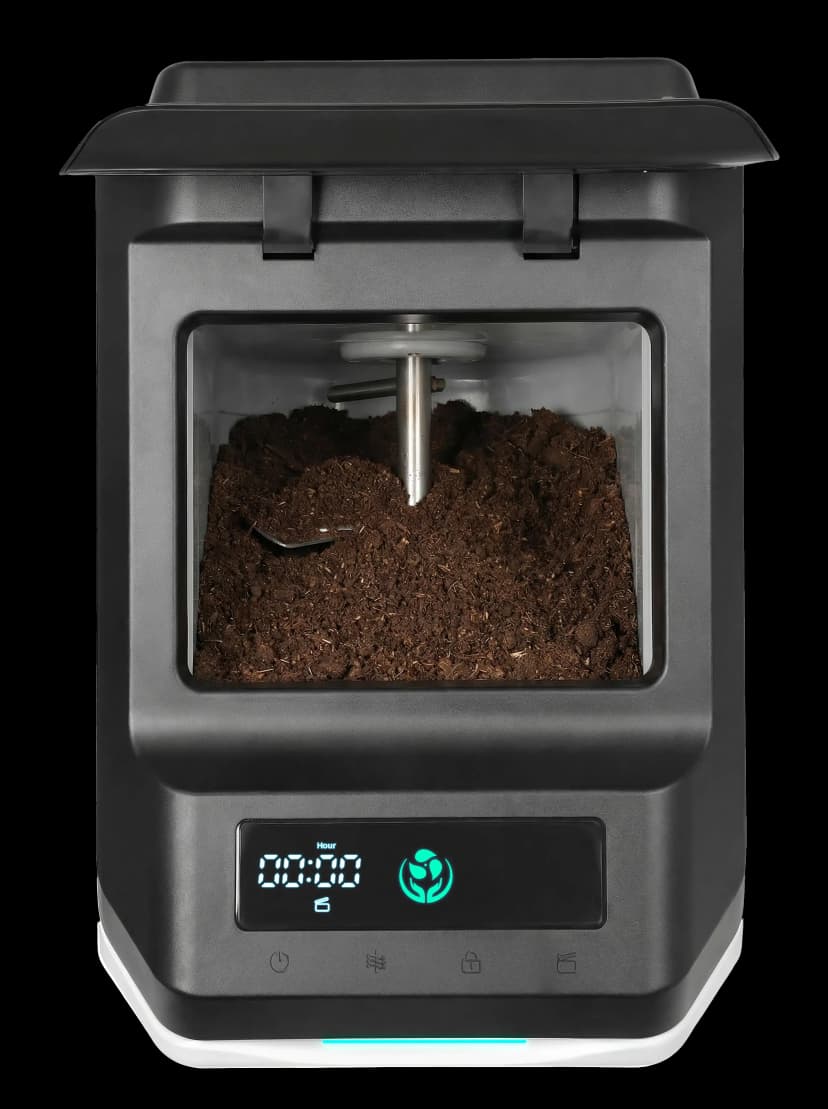
Compost suitable ordinary scraps only after recall and contamination risks have been excluded.
Build a Safer Kitchen-to-Soil Routine
GEME Terra 2 and GEME Pro use managed microbial activity for suitable everyday kitchen scraps. Officially recalled, chemically contaminated, or hazardous food must remain outside the system.
Check recalls. Protect people. Compost responsibly. Let’s feed the earth.

Laat een reactie achter
Deze site wordt beschermd door hCaptcha en het privacybeleid en de servicevoorwaarden van hCaptcha zijn van toepassing.