


Climate Hub · Gardening Hub · Updated August 26, 2026
The Atlantic hurricane season is moving into the part of the calendar when tropical activity typically becomes more important. After Tropical Storms Arthur, Bertha and Cristobal, the next name on the official 2026 Atlantic list is Dolly.
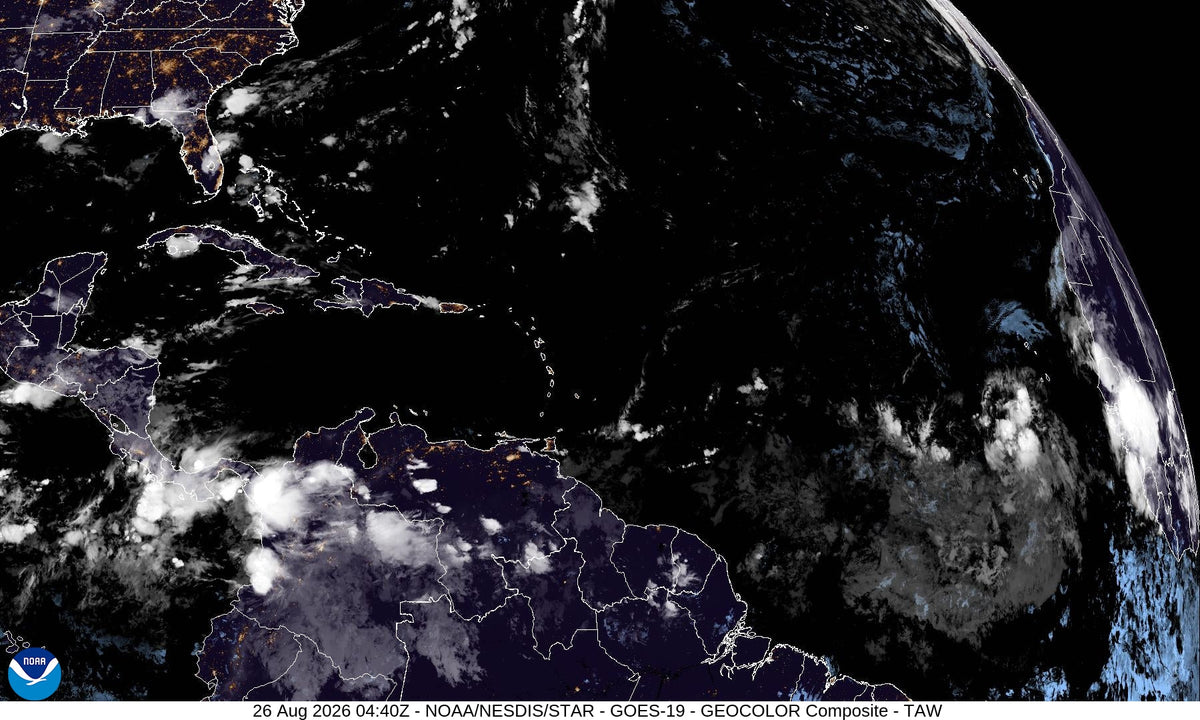
At the time of this update, Tropical Storm Dolly has not officially formed. Forecasters are monitoring an area of disturbed weather in the eastern tropical Atlantic near the Cabo Verde region. If a system develops a closed tropical circulation and reaches sustained winds of at least 39 mph / 63 km/h, the next named storm would be Dolly.

The National Hurricane Center is watching a potential system on Aug. 25, 2026 that some models indicate could find
its way toward the U.S.coast. Provided ByNOAA/NHC
Quick Answer: What Is Happening in the Atlantic Hurricane Season Right Now?
The 2026 Atlantic hurricane season officially runs from June 1 through November 30. NOAA's updated August outlook favors a below-normal season overall, but August, September and October are still the months when most Atlantic tropical activity typically occurs.
NOAA's updated range calls for 7–13 named storms, 2–6 hurricanes and 0–2 major hurricanes. A quieter seasonal forecast does not mean that every coastline is safe. Seasonal outlooks describe basin-wide activity; they do not predict whether a particular city, garden or property will experience a landfall.
For another example of how large-scale weather can directly affect gardens and composting routines, see our Extreme Heat Warning: Safety, Garden & Composting Guide.
Table of Contents
- Atlantic Hurricane Season 2026: Where Things Stand
- What Does a Low Pressure Area Mean?
- Could Tropical Storm Dolly Form Next?
- Is There a Hurricane Dolly in 2026?
- Hurricane Names 2026: Full Atlantic List
- What Does a Below-Normal Season Actually Mean?
- How to Prepare a Garden Before a Tropical Storm or Hurricane
- Containers, Trees, Irrigation & Drainage
- How to Prepare Outdoor Compost Before Heavy Rain
- Garden Recovery After the Storm
- Floodwater, Edible Gardens & Compost Safety
- How to Help Soil Recover After Flooding
- Hurricanes, El Niño & Climate Context
- Atlantic Hurricane Season FAQ
1. Atlantic Hurricane Season 2026: Where Things Stand
As of August 26, three Atlantic tropical storms have been named in 2026: Arthur, Bertha and Cristobal.
The National Hurricane Center's season summary shows that none of those three had reached hurricane intensity. That makes the current attention around the eastern tropical Atlantic especially notable as the basin moves deeper into its climatologically active late-summer period.
The next entry on the official naming list is Dolly.
That does not mean a storm called Dolly is guaranteed to form. Names are only assigned after a tropical or subtropical cyclone reaches the required tropical-storm wind threshold.
2. What Does a Low Pressure Area Mean?
The phrase low pressure area appears constantly in tropical-weather coverage, but it does not mean that a hurricane already exists.
In simple terms, a low-pressure system is an area where atmospheric pressure is relatively lower than its surroundings. Air tends to converge toward lower pressure, and in the Northern Hemisphere the circulation around an organized low is counterclockwise.
Tropical cyclones are a much more specific type of system. The National Weather Service describes a tropical cyclone as a warm-core, non-frontal low-pressure system over tropical or subtropical waters with organized thunderstorms and a defined closed surface circulation.
That progression is not automatic. A low pressure area may organize, remain disorganized, interact with dry air or wind shear, merge with another weather system, or dissipate without ever receiving a name.
This is why formation probabilities in a Tropical Weather Outlook should be read as probabilities, not promises.
3. Could Tropical Storm Dolly Form Next?
Yes, Tropical Storm Dolly is the next possible named storm in the Atlantic basin—but at the time this article was updated, it had not yet officially formed.
The National Hurricane Center has been monitoring disturbed weather associated with a tropical wave and low-pressure system near the Cabo Verde region in the eastern tropical Atlantic.
During the August 25 outlook cycle, forecasters considered tropical-depression development increasingly possible as the system moved generally west to west-northwest across the tropical Atlantic. If a cyclone develops and its sustained winds reach at least 39 mph / 63 km/h, it would become Tropical Storm Dolly.
Formation chances, track guidance and intensity forecasts can change substantially from one advisory cycle to the next. If you live in an Atlantic or Caribbean risk area, monitor the National Hurricane Center rather than relying on an older article, screenshot or social-media forecast.

4. Is There a Hurricane Dolly in 2026?
No, not as of this August 26 update.
Search interest in hurricane dolly can be misleading because the word "hurricane" is often used casually for any developing tropical system.
For a 2026 Dolly to correctly be called Hurricane Dolly, the cyclone would first need to become Tropical Storm Dolly and then strengthen until maximum sustained winds reached at least 74 mph.
There is also historical context behind the search term.
A previous Hurricane Dolly struck the southern Texas region in July 2008. The National Hurricane Center classified that Dolly as a Category 2 hurricane before landfall, with sustained winds reaching around 100 mph during its peak approach.
That historical hurricane is a separate event. Repeated storm names do not refer to the same meteorological system.
5. Hurricane Names 2026: The Full Atlantic List
If you searched hurricane names 2026 or 2026 hurricane names, the Atlantic list is predetermined rather than created when a storm appears.
Atlantic tropical cyclone names are maintained through the World Meteorological Organization process and published by the National Hurricane Center. The lists rotate on a six-year cycle unless a particularly deadly or destructive storm name is retired.
| # | 2026 Atlantic Name | Status as of August 26 |
|---|---|---|
| 1 | Arthur | Used — Tropical Storm |
| 2 | Bertha | Used — Tropical Storm |
| 3 | Cristobal | Used — Tropical Storm |
| 4 | Dolly | Next available name |
| 5 | Edouard | Available |
| 6 | Fay | Available |
| 7 | Gonzalo | Available |
| 8 | Hanna | Available |
| 9 | Isaias | Available |
| 10 | Josephine | Available |
| 11 | Kyle | Available |
| 12 | Leah | Available |
| 13 | Marco | Available |
| 14 | Nana | Available |
| 15 | Omar | Available |
| 16 | Paulette | Available |
| 17 | Rene | Available |
| 18 | Sally | Available |
| 19 | Teddy | Available |
| 20 | Vicky | Available |
| 21 | Wilfred | Available |
The 2026 list will normally be reused in 2032, except for any name later retired by the WMO hurricane committee.
See the National Hurricane Center's official tropical cyclone name list for the authoritative naming schedule.
6. What Does a Below-Normal 2026 Atlantic Hurricane Season Actually Mean?
NOAA's updated outlook favors a below-normal 2026 Atlantic season.
The August update gives:
- 75% chance of a below-normal season;
- 20% chance of a near-normal season;
- 5% chance of an above-normal season;
- 7–13 named storms;
- 2–6 hurricanes;
- 0–2 major hurricanes.
Those numbers describe total seasonal activity across an enormous ocean basin.
They do not mean that a particular coastline has a 75% lower risk, nor do they tell us exactly where a storm will travel.
A below-normal season can still contain a dangerous landfall. It only takes one storm crossing the wrong location to create a serious local disaster.
NOAA specifically states that its seasonal hurricane outlook is not a landfall forecast.
That distinction matters for gardeners too. You should not decide whether to secure trees, containers or irrigation equipment based only on the total number of storms forecast for the basin.

7. How to Prepare a Garden Before a Tropical Storm or Hurricane
Garden hurricane preparation works best before watches and warnings create a rush.
UF/IFAS Extension recommends assessing vulnerable plants, securing loose outdoor objects, checking trees and preparing irrigation components before tropical weather arrives.
Garden Hurricane Prep Checklist
Look for loose pots, hanging baskets, garden décor, tools, furniture, dead limbs, blocked drains and anything else strong wind could turn into debris.
Bring small and delicate potted plants into a garage or protected indoor area where practical. Secure larger containers that cannot be moved safely.
Remove clearly dead material when it can be done safely. Large, damaged or structurally questionable trees should be evaluated by a qualified arborist rather than aggressively pruned at the last minute.
Clear leaves, branches and loose yard debris away from gutters and storm drains so heavy rainfall has somewhere to go.
Secure above-ground irrigation components and hoses. If heavy rainfall is expected, turn automatic irrigation off rather than adding unnecessary water to already saturated soil.
Disconnect barrels from downspouts when appropriate and secure them so wind or overflowing drainage cannot move them.
If you are still establishing a home garden, our Beginner Garden Planning Guide covers site choice, soil, beds and basic plant care that can make later storm preparation easier.
8. Containers, Trees, Irrigation and Drainage: What Matters Most?
| Garden Area | Before the Storm | After the Storm |
|---|---|---|
| Potted plants | Move small pots and hanging baskets into a protected space; secure larger containers. | Check for broken pots, exposed roots and prolonged saturation before watering again. |
| Trees | Address dead or hazardous limbs early; use a qualified arborist for substantial tree work. | Stay away from branches tangled in power lines and use professionals for dangerous removals. |
| Irrigation | Secure exposed components and turn automatic irrigation off when major rainfall is expected. | Inspect for leaks and damage; check actual soil moisture before restarting schedules. |
| Storm drains | Keep leaves, clippings and loose garden debris away from drains. | Clear debris only when conditions are safe and there are no electrical or flood hazards. |
| Rain barrels | Secure or disconnect according to your setup so overflow and wind do not create hazards. | Inspect connections and water quality before using captured water around edible crops. |
GEME also maintains a seasonal guide for cold-weather events: Winter Storm Warning: Protect Your Garden and Compost. Together, these guides focus on the same principle: prepare the system before conditions become unsafe.

9. How to Prepare Outdoor Compost Before Hurricane Rain
A compost pile is biologically active, but it is also a physical structure exposed to wind and water.
Before heavy tropical rain arrives:
- make sure the pile or bin is not blocking a drainage route;
- secure lightweight lids and loose composting equipment;
- keep compost away from storm drains and areas where material could wash into waterways;
- protect an open pile from excessive direct rainfall when practical;
- maintain drainage rather than sealing a pile into a waterlogged container;
- keep dry carbon-rich material available for later moisture correction;
- do not turn or inspect a pile outdoors once storm conditions become dangerous.
A waterlogged pile can lose air spaces and move toward anaerobic conditions. After the weather passes, assess moisture before automatically adding more water.
For the fundamentals of moisture, air, greens and browns, use our complete home composting guide.
If you are deciding whether an exposed outdoor pile or a powered indoor system better fits your normal household routine, see Compost Pile vs Electric Composter.
What About an Indoor Electric Composter During a Hurricane?
An indoor composter is not emergency equipment, and powered systems such as GEME Terra 2 depend on electricity for their normal controlled operation.
If your home loses power, follow the appliance's current operating and restart guidance rather than assuming it can continue functioning normally without electricity.
More generally, keeping normal kitchen food waste contained indoors can reduce the need to handle an outdoor compost pile during bad weather—but personal safety and emergency instructions always take priority.
10. Garden Recovery After a Tropical Storm or Hurricane
The first post-storm job is not pruning, fertilizing or rebuilding beds. It is checking whether the area is safe.
If a hurricane or tropical storm has already passed your area, use our 7-step hurricane recovery guide for home reentry, floodwater, power, food, mold and yard-safety precautions before beginning garden cleanup.
- Stay clear of downed power lines. Treat every line as energized.
- Avoid standing or moving floodwater. It may contain sewage, chemicals, sharp debris or other contaminants.
- Check trees from a safe distance. Hanging limbs and unstable trunks can fail after the wind has stopped.
- Inspect irrigation. Broken pipes or valves can add more water to saturated soil.
- Check soil moisture before watering. Heavy rain can leave root zones saturated for days.
- Watch for disease. Prolonged humidity, leaf injury and waterlogging can increase disease pressure.
Do not rush to "fix" waterlogged soil while it is still saturated. Walking, digging or tilling wet soil can further damage its physical structure.
11. Floodwater, Edible Gardens and Compost Safety
This is one of the most important distinctions in a hurricane garden.
Ordinary rainwater and floodwater are not the same thing.
Floodwater can contain pathogens from sewage or animal waste as well as petroleum, pesticides, heavy metals and other chemical contaminants.
For the broader post-storm safety sequence—including floodwater exposure, food and drinking-water safety, power hazards and mold cleanup—see Recovery Tips After a Hurricane: 7 Steps to Stay Safe.
That also means flood-contaminated produce should not be put into Terra 2 simply because it is technically organic material.
Normal spoiled food and disaster-contaminated food are different waste streams.
For ordinary household organics under normal conditions, see What Can You Compost at Home?.
12. How to Help Garden Soil Recover After Flooding
Flooded soil needs assessment before amendment.
UF/IFAS recommends waiting until the upper soil layer has dried sufficiently before working it. In heavily contaminated locations, soil testing or even replacement may be appropriate.
A sensible recovery sequence is:
- allow standing water to drain;
- wait until the upper few inches of soil are no longer saturated;
- assess whether floodwater contamination is likely;
- test soil where chemical or salt contamination is a concern;
- restore aeration carefully;
- only then consider appropriate organic amendments;
- monitor plants and soil for disease or salt injury.
Once soil is safe to work and contamination concerns have been addressed, mature compost and other appropriate organic amendments can help rebuild soil structure.
If you are applying compost to beds, containers or established plants, use How to Use Compost Correctly for application rates and placement.
For GEME Compost Base specifically, follow the more detailed GEME Compost Application Guide rather than applying concentrated fresh output directly around roots.
13. Hurricanes, El Niño and Climate Context
The 2026 Atlantic outlook is a useful example of why weather and climate need to be discussed at different scales.
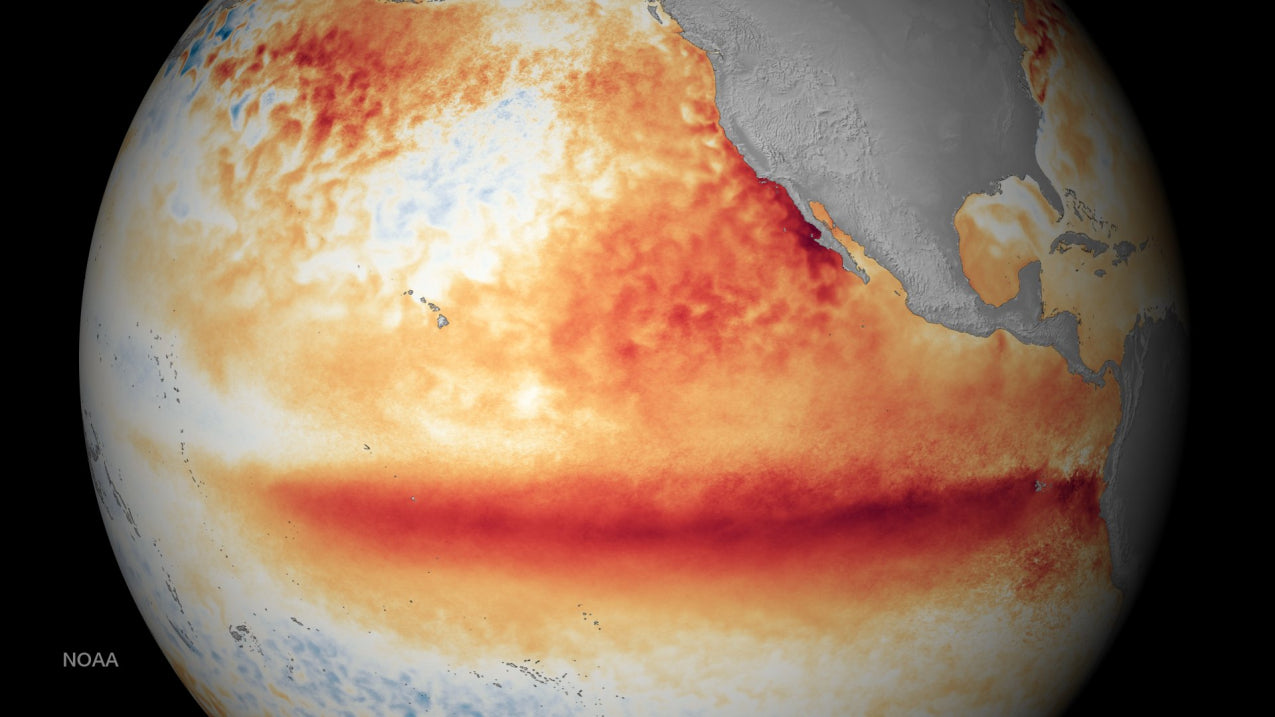
NOAA expects El Niño conditions to suppress Atlantic tropical cyclone activity in part by increasing vertical wind shear. Stronger shear can disrupt the vertical organization that tropical cyclones need to intensify.
At the same time, seasonal activity depends on multiple interacting conditions, including ocean temperatures, atmospheric moisture, wind patterns and the location of individual disturbances.
That means two statements can both be true:
It is also inappropriate to attribute one individual tropical disturbance or a possible Tropical Storm Dolly to climate change simply because it occurs during a warming climate.
Climate research looks at long-term changes in environmental conditions, storm intensity distributions, rainfall, sea level and other patterns. Individual storm formation still depends on a specific sequence of day-to-day atmospheric and ocean conditions.


A map of the U.S., Canada, and Central and part of South America showing the effects of El Niño during winter in the Northern Hemisphere. (Image credit: NOAA)
14. What Gardeners Can Learn From the Atlantic Hurricane Season
The practical lesson for gardeners is less about predicting the exact number of storms and more about building resilience into everyday garden design.
A resilient garden has:
- healthy trees with appropriate structure;
- containers that can be moved or secured quickly;
- clear drainage routes;
- soil with good structure and organic matter;
- irrigation that can be shut down or adjusted;
- tools and loose materials stored safely;
- a plan for recovering from excessive water rather than automatically adding fertilizer;
- clear separation between ordinary organic waste and potentially contaminated storm debris.
Those habits help with more than hurricanes. They also improve the garden's ability to respond to heat, drought, intense rainfall and ordinary seasonal stress.
If you are building soil resilience from the beginning, start with How to Plant a Garden for Beginners and How to Use Compost Correctly.
Climate Resilience Starts With Everyday Systems
Keep Food Waste and Garden Soil in the Same Circular Routine
Storm preparation is about reducing avoidable problems before they happen. The same principle applies to household food waste: handle normal kitchen scraps consistently, understand the process, and return biologically processed material to soil responsibly.
15. Atlantic Hurricane Season 2026 FAQ
When is the Atlantic hurricane season?
The official Atlantic hurricane season runs from June 1 through November 30. Most tropical storm and hurricane activity historically occurs during August, September and October, although tropical cyclones can form outside the official season.
Has Tropical Storm Dolly formed in 2026?
Not at the time of this August 26, 2026 update. Dolly is the next available name on the Atlantic list. If a qualifying tropical cyclone reaches sustained winds of at least 39 mph, it would be named Tropical Storm Dolly.
Is there a Hurricane Dolly right now?
No. A system must first reach tropical-storm intensity to receive the name Dolly and would only become Hurricane Dolly if its maximum sustained winds later reached at least 74 mph.
What are the hurricane names 2026?
The Atlantic hurricane names for 2026 are Arthur, Bertha, Cristobal, Dolly, Edouard, Fay, Gonzalo, Hanna, Isaias, Josephine, Kyle, Leah, Marco, Nana, Omar, Paulette, Rene, Sally, Teddy, Vicky and Wilfred.
What are the 2026 hurricane names after Dolly?
After Dolly, the next names on the 2026 Atlantic list are Edouard, Fay, Gonzalo, Hanna, Isaias, Josephine, Kyle, Leah, Marco, Nana, Omar, Paulette, Rene, Sally, Teddy, Vicky and Wilfred.
What is a low pressure area?
A low pressure area is a region where atmospheric pressure is lower than surrounding areas. In the tropics, some low-pressure disturbances can gradually organize, but a low does not automatically qualify as a tropical depression, tropical storm or hurricane.
What wind speed makes a tropical storm?
The National Weather Service classifies a tropical cyclone as a tropical storm when maximum sustained winds reach at least 39 mph / 34 knots. Hurricane intensity begins at 74 mph / 64 knots.
Is the 2026 Atlantic hurricane season expected to be active?
NOAA's August update favors a below-normal season, with a 75% chance of below-normal overall activity and projected ranges of 7–13 named storms, 2–6 hurricanes and 0–2 major hurricanes. This is a basin-wide seasonal outlook, not a forecast of landfall risk for a particular location.
How should I prepare my garden for a hurricane?
Secure or move potted plants and hanging baskets, remove loose yard objects, evaluate hazardous tree limbs, clear drainage routes, secure exposed irrigation components and turn off unnecessary irrigation when major rainfall is expected. Complete these tasks before conditions become dangerous.
Should I water my garden before a hurricane?
If substantial rainfall is expected, avoid unnecessary irrigation. UF/IFAS recommends turning off sprinkler systems before a hurricane and checking actual soil moisture after the storm before restarting normal watering.
Can I compost vegetables that were covered by hurricane floodwater?
No. Produce directly exposed to floodwater can carry biological or chemical contamination. UF/IFAS recommends discarding rather than composting many flood-exposed edible crops. Do not place potentially contaminated produce into a normal backyard compost pile or indoor composter.
Can compost help soil recover after hurricane flooding?
Potentially, but only after drainage and contamination concerns have been addressed. Wait until soil is sufficiently dry to work, assess the type of floodwater exposure, test when appropriate, and then use suitable organic amendments to help rebuild soil structure.
Sources & Hurricane Season References
- National Hurricane Center — Current Atlantic Tropical Weather
- National Hurricane Center — 2026 Atlantic Tropical Cyclone Names
- National Hurricane Center — 2026 Atlantic Hurricane Season Summary
- NOAA Climate Prediction Center — Updated 2026 Atlantic Hurricane Outlook
- National Weather Service — Tropical Weather Terminology
- National Weather Service — Tropical Storm and Hurricane Wind Thresholds
- National Hurricane Center — Historical Hurricane Dolly, July 2008
- UF/IFAS Extension — Hurricane Preparation for Gardens
- UF/IFAS Extension — Flood Recovery for Edible Gardens
- Associated Press — Next Atlantic Storm Name and Current Dolly Context
Current tropical-weather status reviewed August 26, 2026. Formation probabilities, storm tracks, intensity forecasts, watches and warnings can change quickly. Always use the latest National Hurricane Center and local emergency-management information for safety decisions.


Laat een reactie achter
Alle reacties worden gemodereerd voordat ze worden gepubliceerd.
Deze site wordt beschermd door hCaptcha en het privacybeleid en de servicevoorwaarden van hCaptcha zijn van toepassing.