


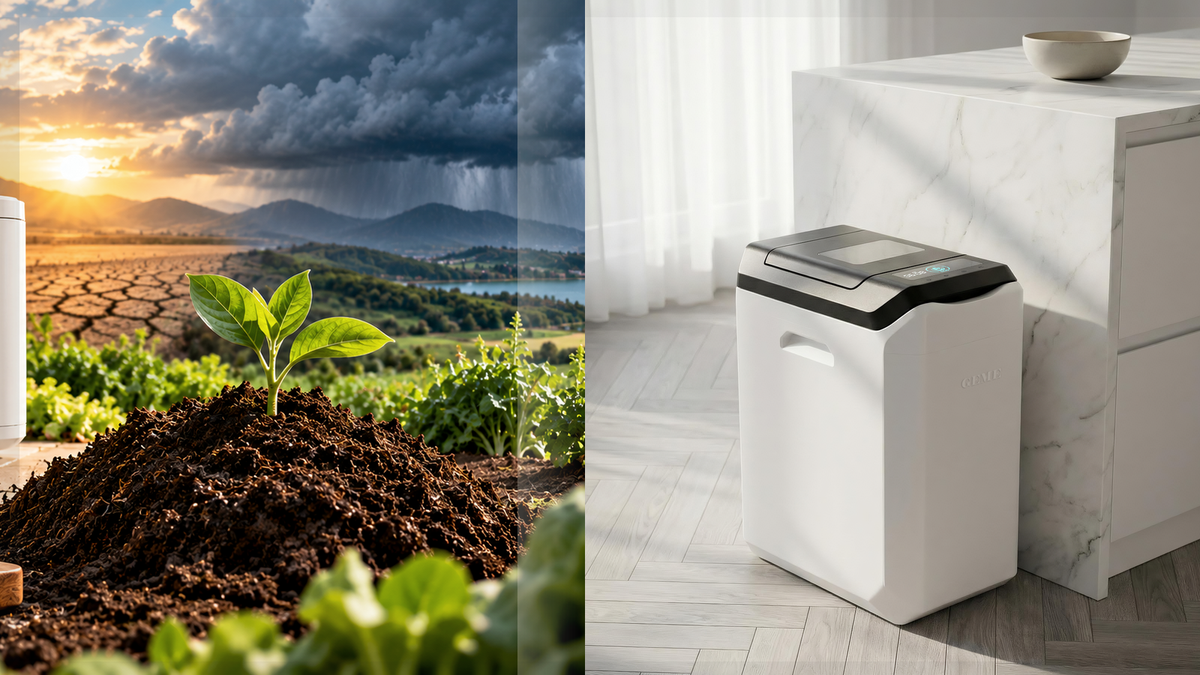
Climate Resilience, Food Waste & Soil: How Compost Helps Build a Stronger Food System
Extreme heat, drought, floods and storms expose weak points across the food system. This guide explains how food waste adds climate pressure, why soil is a critical resilience layer, and how well-m...

How Long Does Compost Last? How to Store Compost Properly
Finished compost does not expire like food, but storage conditions still matter. Learn what happens to compost over time, how moisture and airflow affect quality, when mold is normal, which warning...

What Is GEME Compost Base? Compost Base vs Finished Compost
GEME Compost Base is moist, biologically active material produced through continuous aerobic microbial composting. It has undergone real decomposition, but it is not automatically the same as unifo...
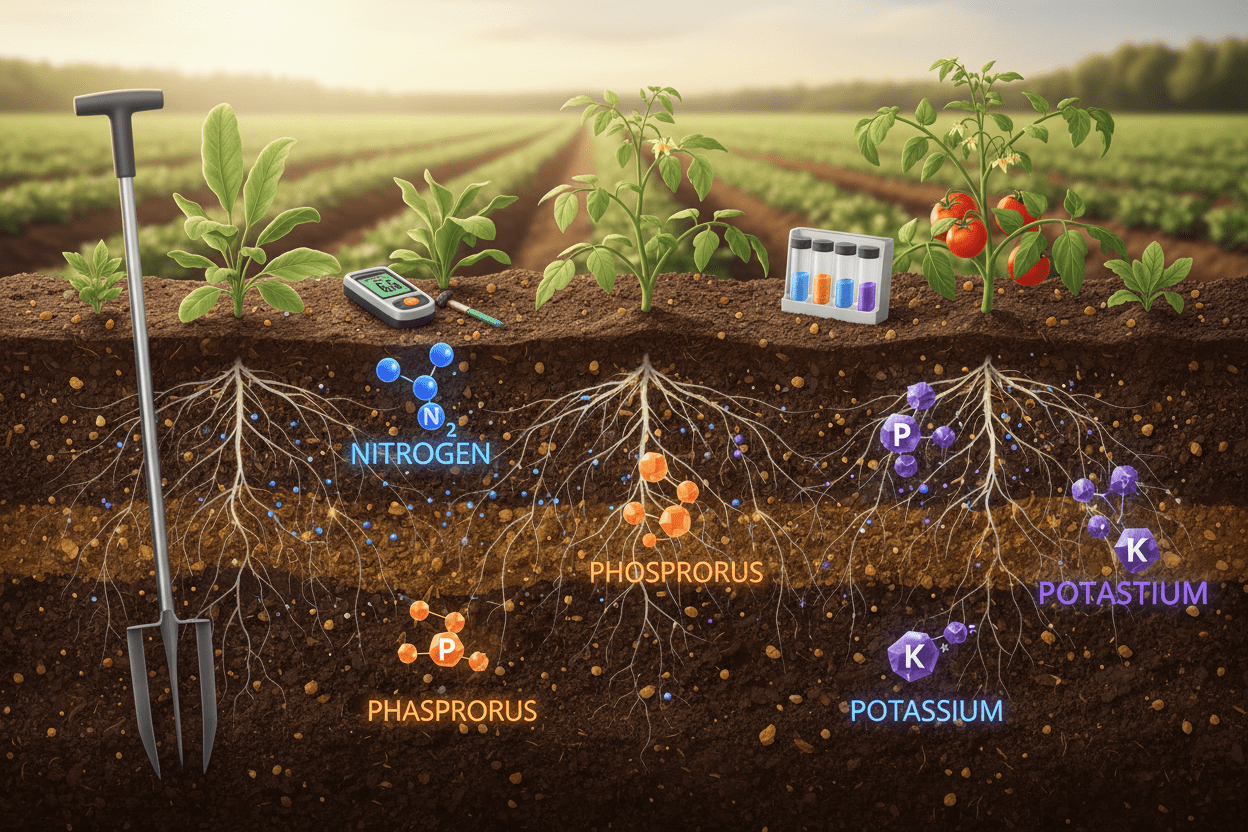
NPK Test of Home Compost Output (N=50): What It Shows and What It Doesn’t
Across 50 household compost-output samples, the consistent finding is simple: nutrients are present, but the material behaves like compost, not a standardized NPK fertilizer. This report explains w...
Mastering the GEME Cycle: An Agronomist’s Guide to Continuous-Flow Compost Application
GEME is a continuous-flow microbial composting system, so its output should be used with a practical soil-care workflow: screen larger pieces and return them to the chamber, mix the compost base wi...

Why GEME Composter Chose Aerobic Digestion Over Grinding?
Grinding makes food scraps smaller, but smaller scraps are not automatically compost. GEME is designed around controlled aerobic microbial composting, where oxygen, moisture, temperature, mixing, p...
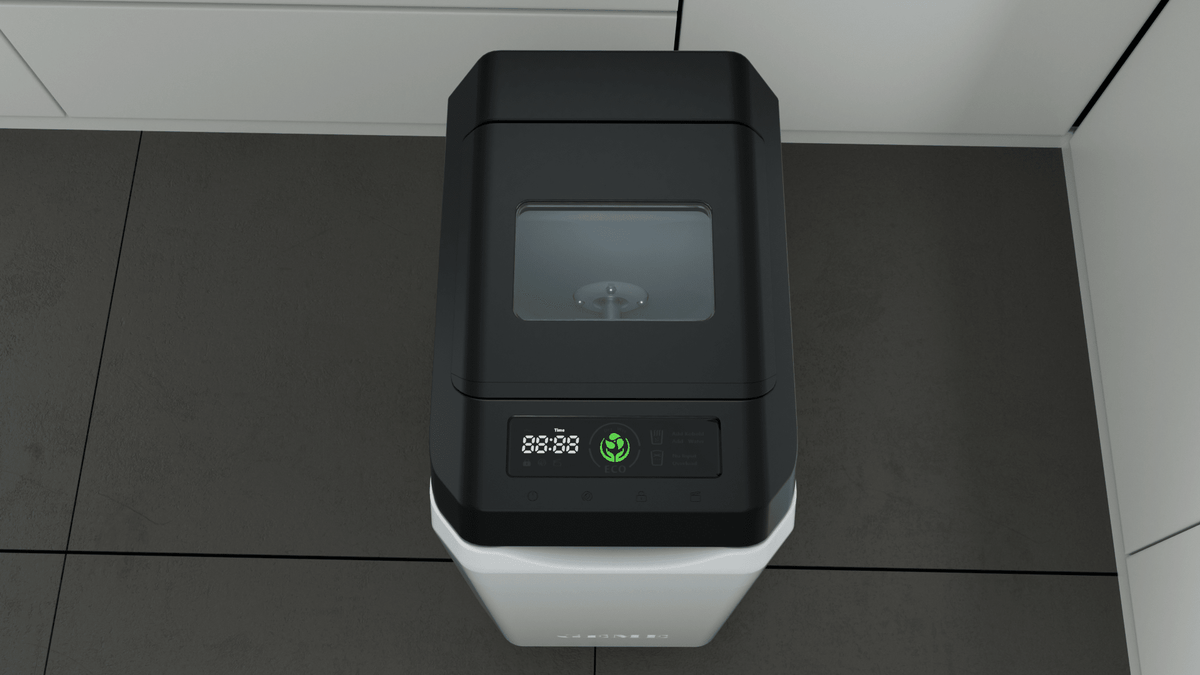
GEME Terra II vs Lomi: Kitchen Composter Comparison 2026
A practical comparison of GEME Terra II and Lomi, explaining the difference between a microbial kitchen composter and a grind-and-dry food recycler.